Council Fire · Resilience Funding Strategy
Your resilience projects ranked, and each one matched to money it can win before the window opens.
The problem
A list of grants beside a list of projects isn’t a strategy.
Federal money keeps moving. FEMA announced the end of BRIC in April 2025, a court ordered it restored, and the $1 billion round that followed closed July 23, 2026, with selections still pending in November. Of the $990.6 million FEMA selected in BRIC’s fiscal 2023 round, 3.9% had been obligated by January 2026.
The tests moved too. FEMA now discounts future benefits at 7%, up from 3.1%, for projects not awarded by April 8, 2025; by our arithmetic, that cuts the present value of 50 years of avoided losses by about 45%. BRIC’s 2024–25 round took infrastructure projects only with at least a conceptual design.
So the work starts well before the application: rank projects on need, give each a primary source, a match and a fallback, and finish the design and cost work each source demands in time. A strategy that lands in February has already missed Maryland’s winter windows for DNR’s Grants Gateway and MDE’s flood grants.
- #1
One inventory, one ranking
Every project in your hazard mitigation plan, capital program, flood and watershed plans and resident-named sites in one list, scored on criteria your governing body adopts before anything is ranked.
- #2
A funding stack for each priority project
A primary source, a match and a fallback, with match rules checked (BRIC money can’t match another federal award) and cash flow timed for programs that pay on reimbursement.
- #3
Readiness before the window opens
Which projects need design, cost or permit work to compete, and in what order. BRIC’s 2024–25 round gave up to 30 of 100 points for design maturity, so design money often has to come first.
- #4
Local revenue you control
Options that don’t wait on a grant: resilience authority powers under Maryland law, stormwater and utility fees, impact fees, public-private partnerships and direct community investment, each with the approvals it needs.
- #5
Proposal support
Choosing the right programs, packaging projects so they score and drafting the narratives, for the projects in your strategy.
- #6
A calendar that stays current
Design, match and application deadlines in one dated calendar, kept in Aptation or a database your staff can update, so the strategy outlives the contract.
How it works
How a funding strategy comes together
- 01
Gather every project
We pull projects from the plans you already keep, with owner, location, design stage, latest cost estimate and any past application, so nothing is retyped or lost.
- 02
Agree on what matters, then score
Your governing body adopts criteria and weights before anything is scored. In Annapolis, partners evaluated 38 resident-named sites on climate vulnerability, ecological function, equity, community interest and feasibility.
- 03
Match each project to money
Each priority project gets a primary source, a match and a fallback, checked against current, dated program terms rather than last year’s notice.
- 04
Close the gaps that cost points
Design, cost estimates, permits and benefit data, sequenced so the projects most likely to win are ready first.
- 05
Hand over a calendar, not a binder
A 24-month calendar of design, match and application milestones, a briefing for your board and a record your staff can keep current.
Proof from our work
All case studies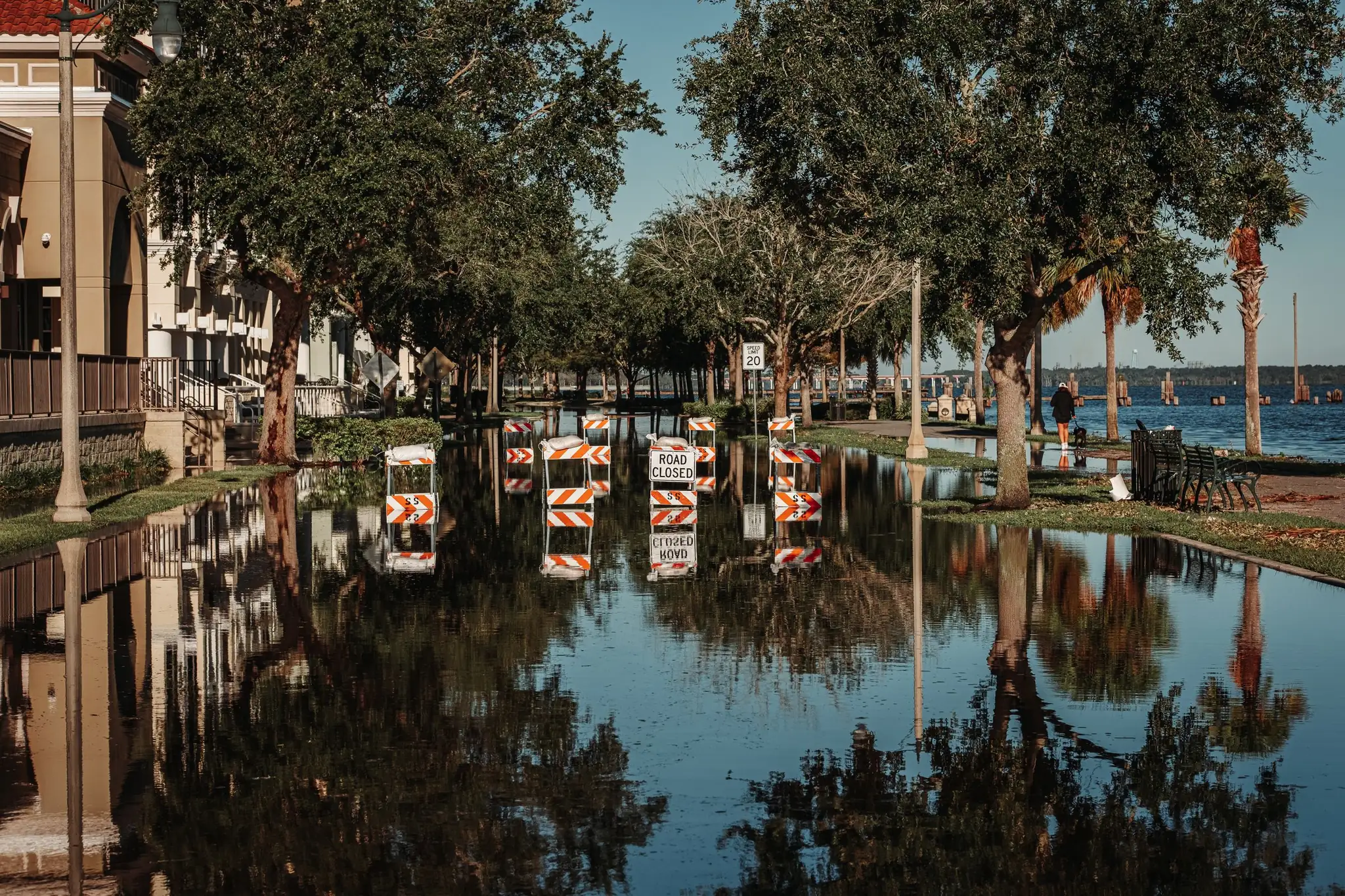 Annapolis Maritime Resilience InitiativeResidents named 38 sites of concern. Partners evaluated them on climate vulnerability, ecological function, equity, community interest and feasibility, and ten advanced to concept design with planning-level costs, giving the Resilience Authority a clear path to pursue funding.
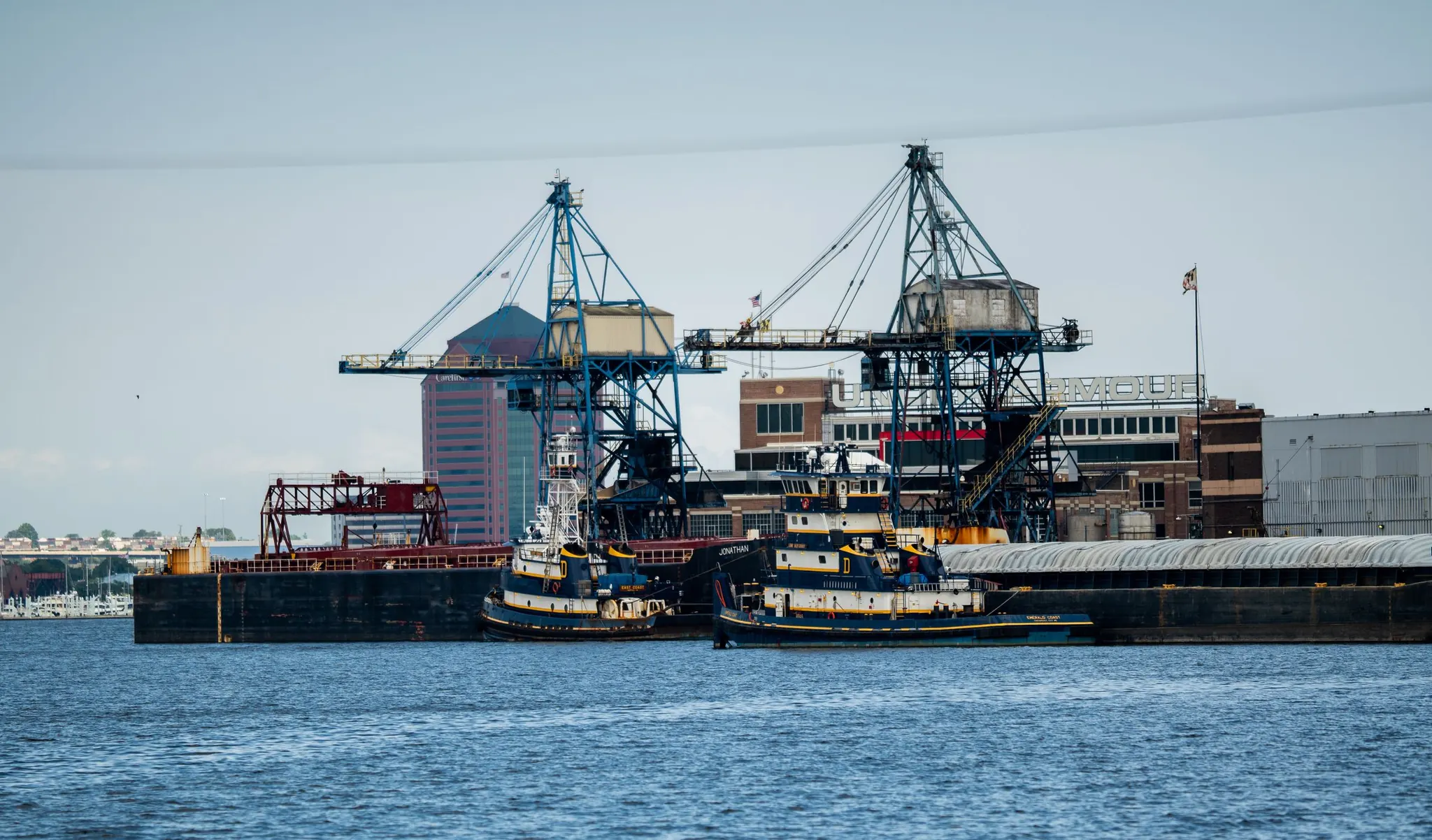 iMPAct ReportsWorking alongside the Maryland Port Administration, we helped secure a $200,000 grant from the National Fish and Wildlife Foundation’s Chesapeake WILD program that gave two volunteer-run Friends groups paid staff for the first time.
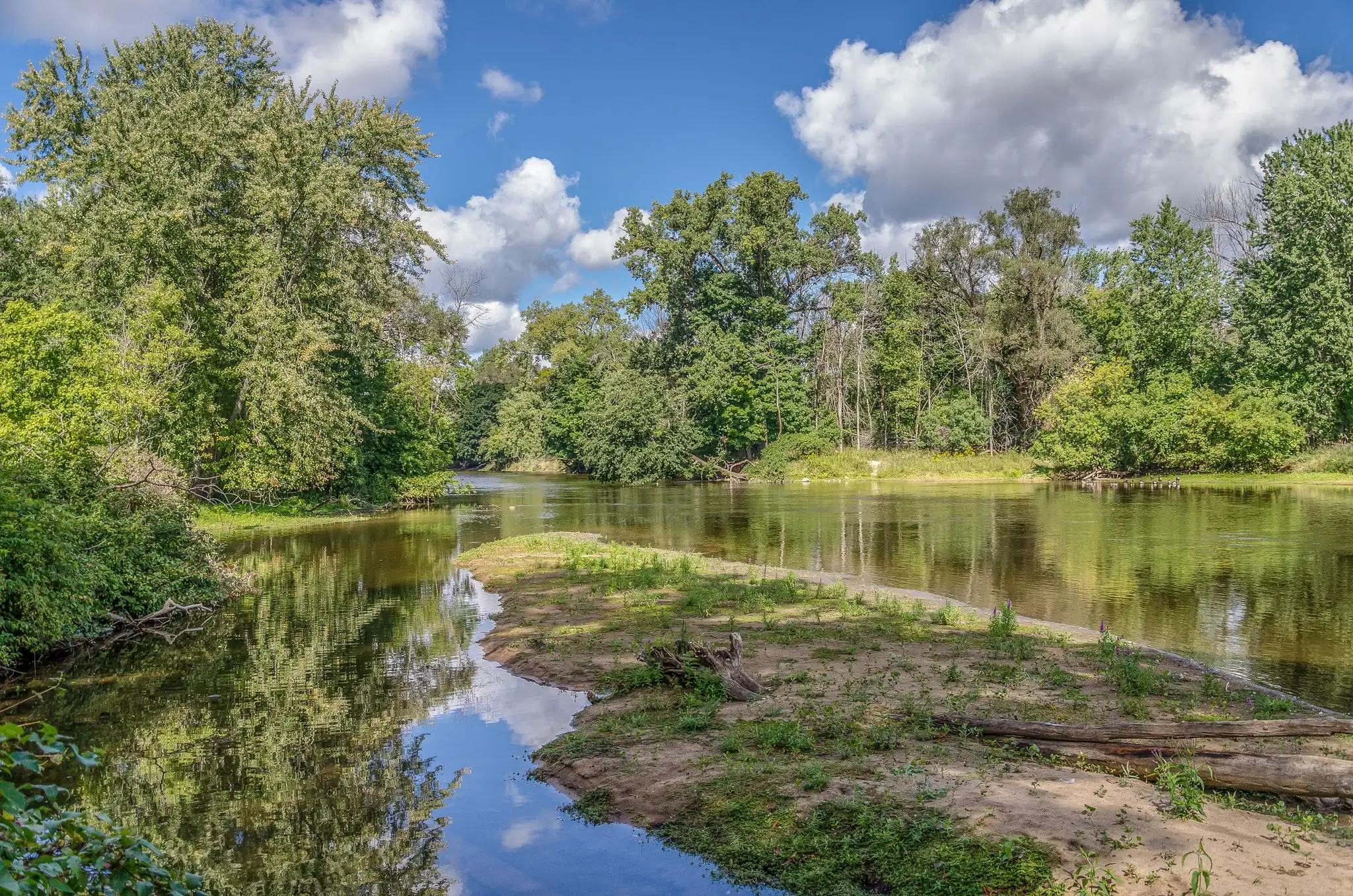 Huron River Watershed CouncilOur economic valuation, the groundwork for a dedicated watershed fund, found that a 1% drop in regional economic activity from watershed degradation would cost 3,814 jobs and $19 million a year in local tax revenue.
 Walton Family FoundationWe built the investment case and a blended finance approach that used philanthropic capital to unlock public money, and helped secure an additional $8 million from USAID, effectively doubling the initial investment.Maryland resilience funding hub28 federal, Maryland and Chesapeake Bay programs, each with the date its status was checked, its deadlines and how Maryland applicants apply, plus a deadline calendar you can subscribe to.AptationBuilt by CF Labs with the Resilience Authority of Annapolis and Anne Arundel County: projects ranked on your criteria, matched to the funding you pursue, with budgets by fiscal year and every deadline in view.
Who this is for
Counties and cities with more resilience projects than capital budget, and a hazard mitigation plan full of actions with no funding path.
Resilience authorities that need a ranked pipeline before their fee and bond powers are worth using.
Ports, water and stormwater utilities and special districts whose projects cross jurisdictional lines.
Agencies whose project lost its federal path in 2025 and needs a second source and a match that still counts.
Not the right buy for one shovel-ready project with an open window: that needs grant application support, scoped on its own.
Read before you call
All resourcesFAQ
Let’s work together
Tell us where the work is stuck.
A 30-minute call with a Council Fire principal: what you’re working toward, what’s in the way, and whether we’re the right fit.