What the valuation found
The economic case for watershed protection.
A 1% drop in regional economic activity would cost 3,814 jobs and $19 million a year in local tax revenue.
- 1.14Mresidents supported by the watershed
- 730,000+jobs supported by the watershed
- $95Bin value added to the regional economy
The client
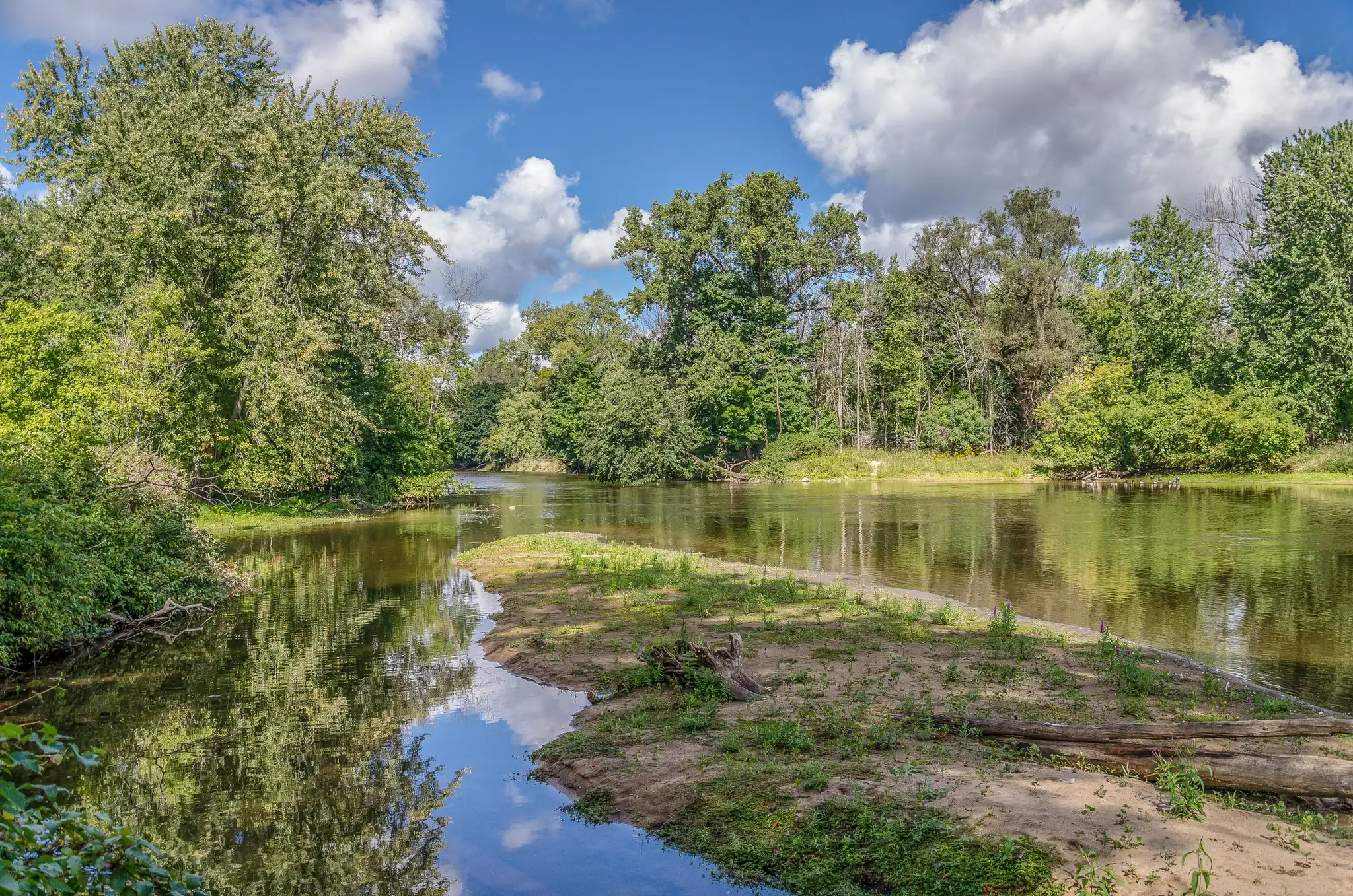
The Huron River Watershed Council works to protect one of Michigan’s most vital watersheds, home to 1.14 million residents and $95 billion in regional economic value.
The challenge
Freshwater is among the most contested resources on the planet.
As climate disruption intensifies drought cycles, floods, and ecosystem degradation, the communities and economies built around healthy watersheds face compounding risks that traditional conservation arguments alone cannot address. Protecting water requires making the economic case as clearly as the ecological one.
When the Huron River Watershed Council set out to establish a dedicated fund for the long-term protection of the watershed, they needed more than an environmental argument. They needed an economic one.
Our approach
A comprehensive economic valuation of the watershed, a critical step toward a dedicated fund for its long-term protection.
The Huron River Watershed supports an estimated 1.14 million residents, more than 730,000 jobs, and $95 billion in value added to the regional economy. Those numbers didn’t exist in usable form until the Council engaged Council Fire to conduct the valuation.
The challenge was to translate the ecological value of a watershed into the financial language that moves investors and funders from interest to commitment. By quantifying jobs, economic output, and the costs avoided through protection, the valuation gives decision-makers the evidence they need to act.
The outcome
Early findings have already energized the conversation across counties.
At the annual State of the Huron conference in November, we presented a finding that caught everyone’s attention: if watershed degradation caused even a 1% reduction in regional economic activity, the result would be a loss of 3,814 jobs and $19 million in local tax revenue annually. That is what environmental stewardship looks like when translated into terms that capital understands.
The study is ongoing. The fund it is designed to support will protect the watershed long after the initial analysis is complete.
In one line
Protecting water requires making the economic case as clearly as the ecological one.
The people behind the work
Meet the team







More work like this



Work with us
Need the economic case for protecting a place?
Michael Shuman has written ten books on local economies and has worked with hundreds of local governments, businesses, and nonprofits.