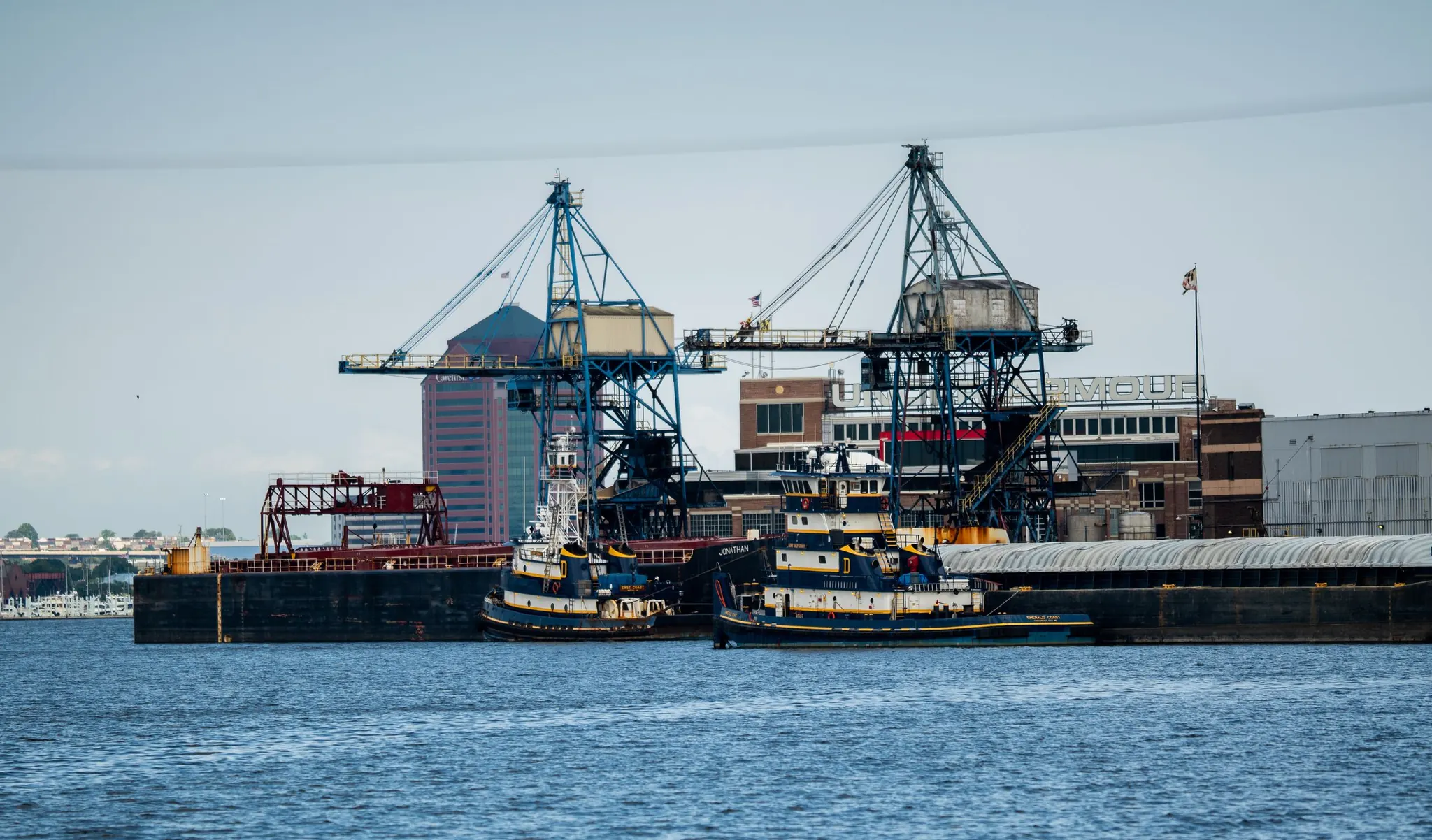
What changed
The Port of Baltimore’s impact, made visible.
For the first time, the Friends of Hart-Miller Island and Friends of Masonville Cove have paid staff.
- $200,000Chesapeake WILD grant secured for the Friends of Hart-Miller Island and Friends of Masonville Cove
- 5jurisdictions covered by the iMPAct Report series
The client
For nearly two decades, Council Fire has partnered with the Maryland Port Administration and Maryland Environmental Service.
Together we have worked to position the Port of Baltimore as a leader in sustainable port operations, across strategic planning, stakeholder engagement, and communications.
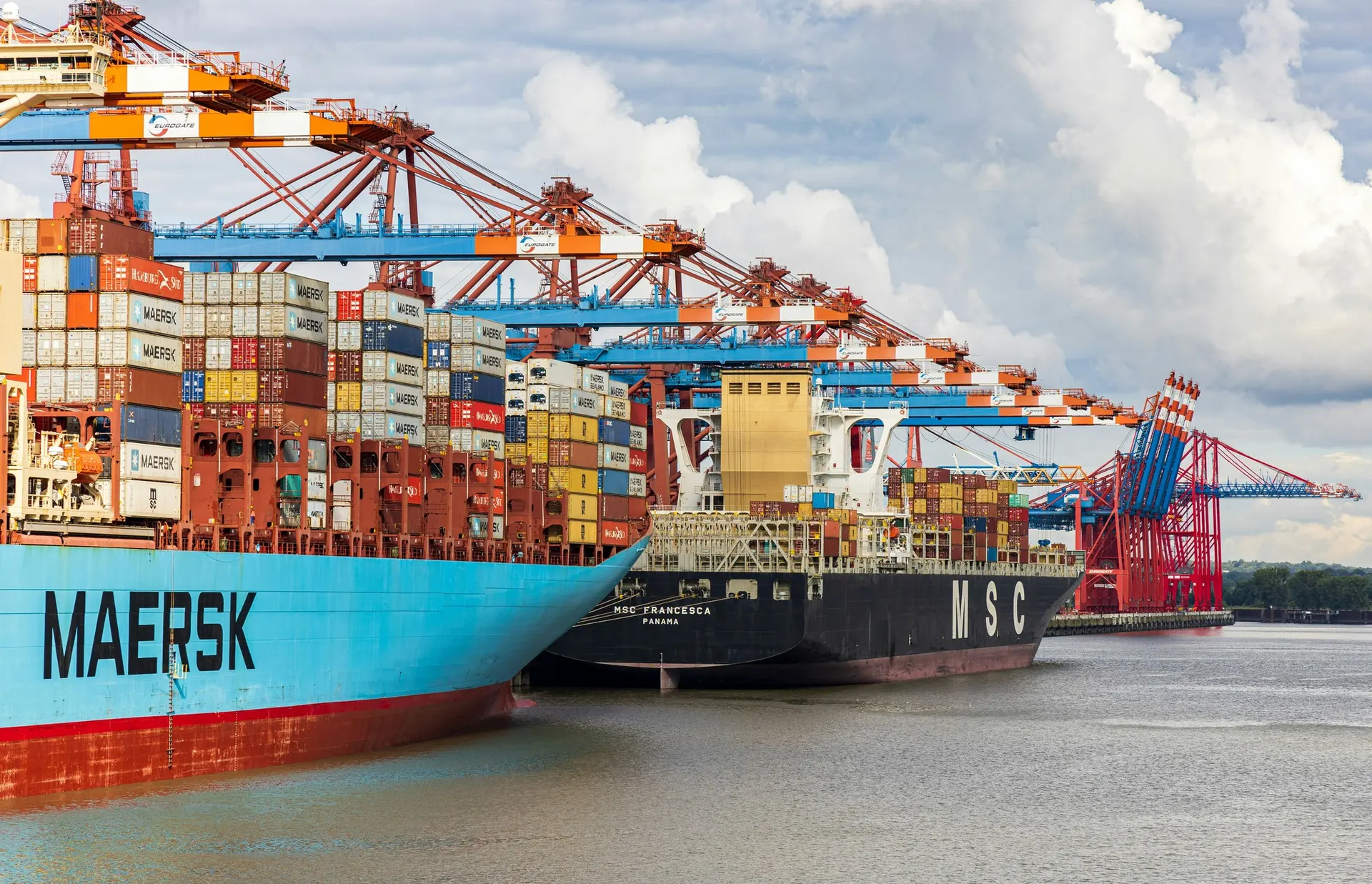
The Port of Baltimore drives waterborne commerce and the economy of the Mid-Atlantic region, while also affecting the health of the Chesapeake Bay and the quality of life of the region’s residents.
The challenge
Ports are among the most complex sustainability challenges in the modern economy.
They drive commerce and employment while generating environmental pressure on the coastal ecosystems around them. Managing the tension between economic vitality and ecological health takes technical expertise and the ability to communicate impact clearly to the communities, regulators, and investors who shape what ports can become.
Our approach
We developed a tangible way to understand the Port’s impact: the iMPAct Report series.
The series is a set of graphically designed infographics documenting the environmental and economic impacts of the channel maintenance system across five distinct jurisdictions.
Our communications team took existing but disparate data points and shaped them into visual narratives built for many uses, including outreach and engagement with residents, elected officials, regulators, and private sector actors. Each report was designed so individual elements can be lifted into presentations, reports, and communications as needed.
The outcome
Every data point represents a shared effort, or an innovation in how a major port can be a model of sustainability.
Take the citizen-led initiatives that turn dredged material placement sites into wildlife habitat and community resources. Working alongside MPA, Council Fire helped secure a $200,000 grant through the National Fish and Wildlife Foundation’s Chesapeake WILD program to support the Friends of Hart-Miller Island and Friends of Masonville Cove. Both organizations had operated on volunteer capacity alone. The grant funds paid staff positions for the first time, creating the organizational infrastructure needed to sustain and deepen community impact at two of the region’s most distinctive environmental assets.
At the Port of Baltimore, strategy, communications, and community investment reinforce one another. That integration is what Council Fire brings to every engagement with MPA, and what makes the partnership worth more than any single deliverable.
The people behind the work
Meet the team





More work like this



Work with us
Need to show what a public program delivers?
Kristen Keene started her career at Maryland Environmental Service and went on to lead strategy and partnerships at the Maryland Port Administration.