
Council Fire · Impact Measurement Consulting
Measure the few outcomes that drive your next decision, with reporting your grantees can carry.
The problem
Environmental outcomes don’t fit a grant report.
Much of the impact measurement field grew up around social programs, where the unit is a person served and results show up within a grant period. A watershed, a fishery or a shoreline changes over years, across many organizations, and no single grant can claim the result.
So NGOs report activity, each funder asks its own questions, and boards get stacks of reports that don’t add up. The cost lands on the smallest grantees, and the numbers still don’t show what the money changed.
Useful measurement starts with the decision the numbers will inform. Then it keeps the metrics few and builds the reporting on data that already exists.
- #1
Theories of change
For one program or a whole portfolio: the outcomes you claim, the evidence in between and the assumptions you are testing. It becomes the spine of the strategy, the metrics and the funder narrative.
- #2
Outcome metrics and baselines
A short list of indicators that grantees and partners can actually report, with baselines set before the work starts so change can be shown later.
- #3
Grantee reporting design
We test every question you ask grantees against a named decision, a named reader and an existing source, then keep, reuse, change or retire it.
- #4
Economic valuation
Jobs, economic output and avoided costs, in the terms funders and county governments use. Our Huron River valuation tied $95 billion in regional economic value to the watershed.
- #5
Monitoring, learning and evaluation
Learning reviews and adaptive tracking that show what is working while there is still time to change course.
- #6
Dashboards and data tools
When the spreadsheet stops working, CF Labs, Council Fire’s software studio, builds dashboards around the measurement plan, owned and run by your team.
- #7
Impact reports and storytelling
Board reports, public impact reports and film that put the numbers in context for trustees, partners and the public.
How it works
Decide what you need to learn, then measure that.
- 01
Start with the decision
We name who reads the numbers and what they will decide with them. A metric nobody uses is a cost to grantees, so it goes.
- 02
Map the change
With program staff, grantees and partners, we draw the theory of change and mark where your work contributes and where others carry the result.
- 03
Keep three ledgers
Outputs, potential benefits and verified outcomes are recorded separately, so a modeled number never stands in for a measured one.
- 04
Choose a few indicators
A handful of outcome measures per program, each with a baseline, drawn where possible from data that partners and public agencies already collect.
- 05
Test with grantees
We pilot new forms and timing with a few grantees of different sizes before rolling them out across the portfolio.
- 06
Review and adjust
A yearly learning review with staff and board turns the numbers into decisions about what to fund, change or stop.
Work we’ve done
All case studies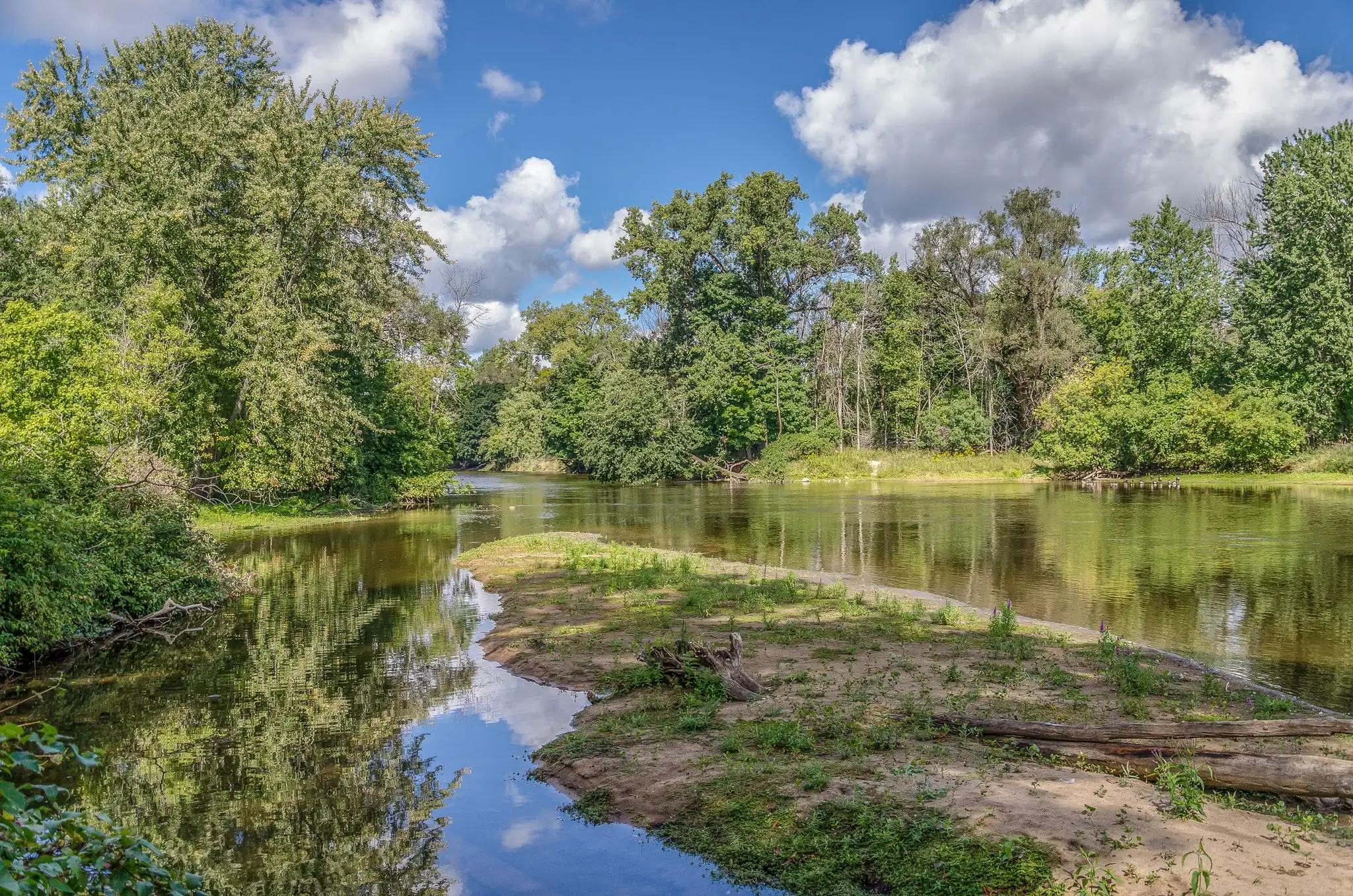 Huron River Watershed CouncilAn economic valuation of a Michigan watershed that supports 1.14 million residents, more than 730,000 jobs and $95 billion in regional value. A 1% drop in regional economic activity would cost 3,814 jobs and $19 million a year in local tax revenue.
 Walton Family FoundationMetrics and accountability frameworks for a coordinated fisheries strategy in South America, plus a learning community among grantees. The investment case helped bring in an additional $8 million from USAID.
 Net Gains AllianceSince 2016, Council Fire has led an effort to modernize U.S. fisheries data, helping secure about $2 million in grants for data modernization at local, regional and national levels.
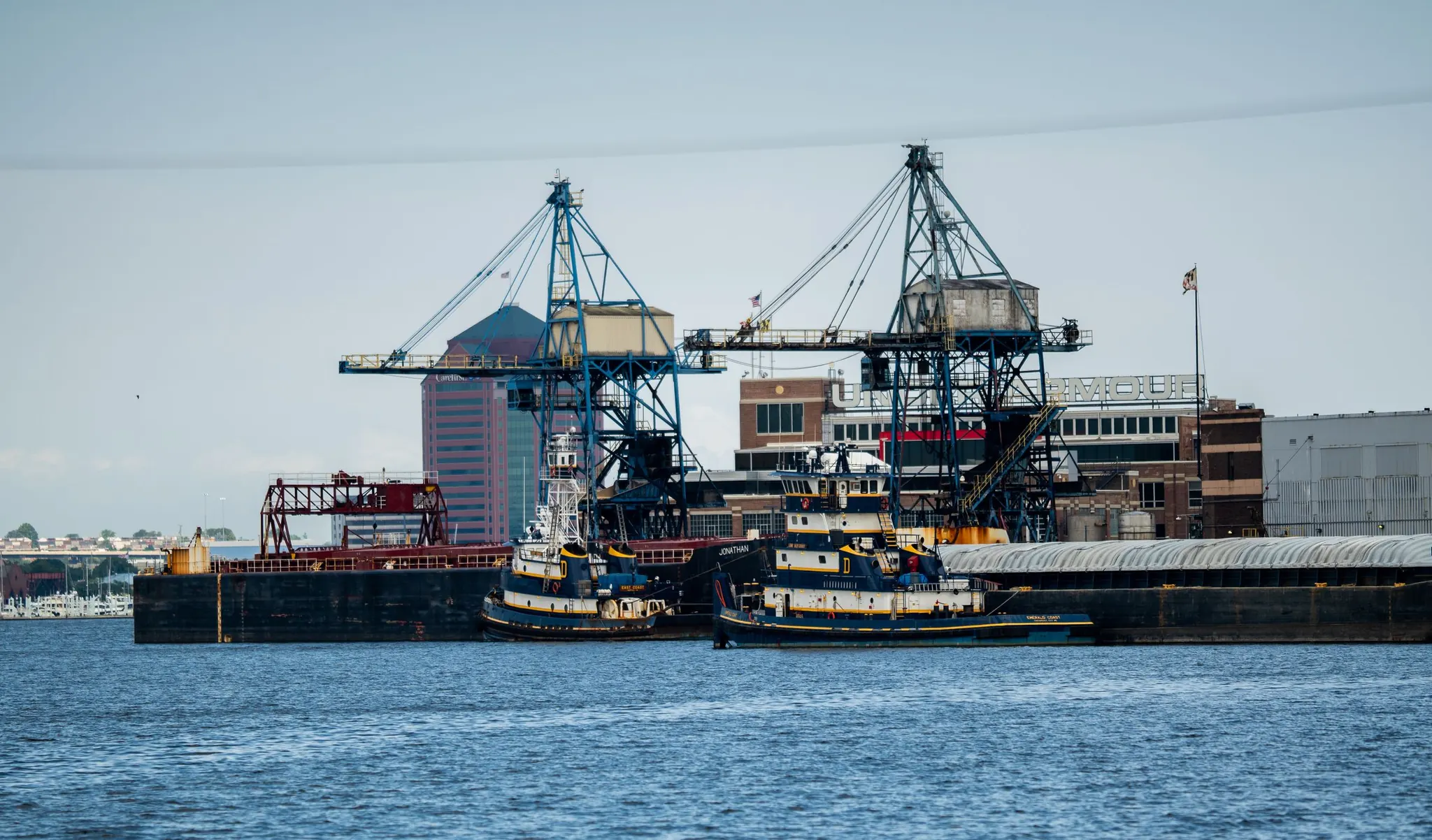 iMPAct ReportsScattered data on the environmental and economic impacts of Port of Baltimore channel maintenance, turned into a designed report series across five jurisdictions for the Maryland Port Administration and Maryland Environmental Service.
Who this is for
Foundations and donor collaboratives funding conservation, oceans, watersheds or climate resilience, whose boards ask what the money changed.
Program officers redesigning grantee reporting before the next cycle.
Environmental NGOs and watershed councils that need outcome evidence for funders without hiring a data team.
Coalitions that need shared measures across members who answer to different funders.
Impact investors and blended-finance partners who need the environmental case in financial terms.
Read before you call
All resourcesFAQ
Let’s work together
Tell us where the work is stuck.
A 30-minute call with a Council Fire principal: what you’re working toward, what’s in the way, and whether we’re the right fit.