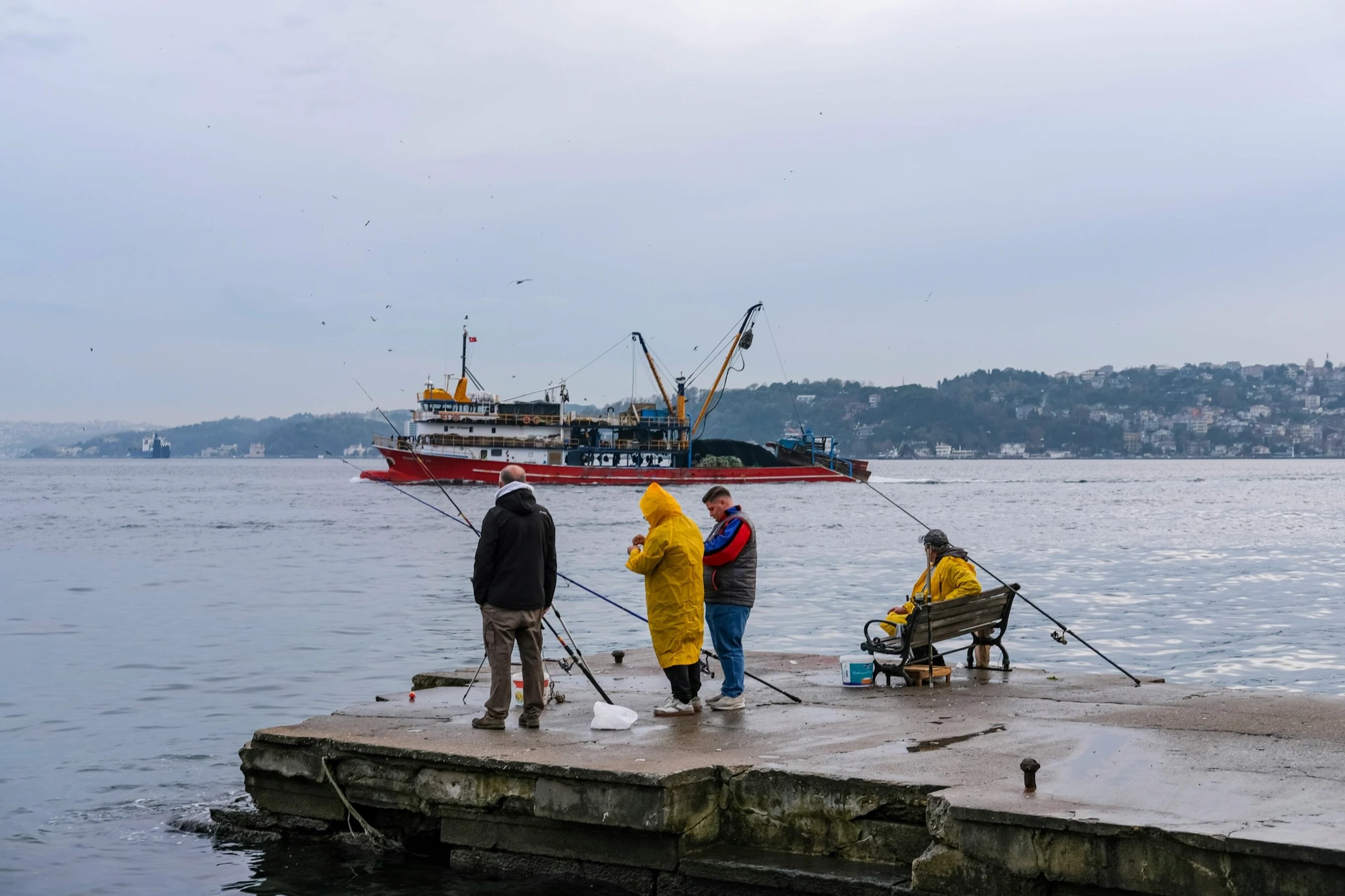
The reality
Grant-dependent resilience is not a strategy. Cities and agencies need self-sustaining investment in adaptation, planned with the communities that carry the risk, and built to outlast the next budget cycle.
Who this is for
Built for the people who have to make it work.
Pick the seat you sit in. The problem on your desk is usually the place we start.
On your desk
A comprehensive plan, a hazard mitigation plan, and a capital budget that don’t agree with each other.
Where we’d start
One prioritized project list all three can point to, built with the neighborhoods that carry the risk.
On your desk
Assets failing faster than the replacement cycle, and grant deadlines that arrive before the engineering does.
Where we’d start
Shovel-ready packaging: the project, the cost, the benefit, and the funding pathway, in the order funders read them.
On your desk
A climate action plan with targets, no dedicated budget, and a council that wants to see progress this term.
Where we’d start
The two or three moves that put points on the board within a year, and a financing structure that outlasts the grant cycle.
On your desk
Federal and state programs that change every session, and a mandate to align with them anyway.
Where we’d start
A policy map that says which programs to chase and which to let go, tied to the projects you already have.
What’s in the way
Four things that stall public-sector climate work
And what we do about each one. Most engagements start with the one that is costing you the most right now.
- #1
Climate risk is arriving faster than the capital plan.
Rising seas, extreme heat, and flooding are operating problems now, not forecasts. We turn vulnerability assessments into a ranked project pipeline a council can fund in order.
Climate resilience practice - #2
The money exists, but not in one place.
Federal, state, philanthropic, and private capital each come with their own rules. We structure the capital stack and the financing model, resilience authorities included, so projects stop waiting on a single grant.
Guide: securing resilience funding - #3
Every constituency has a different first priority.
Residents, businesses, advocates, and agencies rarely start aligned. Our stakeholder engagement practice builds the trust that makes a plan implementable, in the languages and the rooms where people actually show up.
Sustainable communities practice - #4
The mandate came without the capacity.
Sustainability and resilience targets land on small teams. We work as an extension of staff, and we build the tools, from dashboards to prioritization platforms, that let a lean team run the program.
Council Fire Labs
What working together looks like
Evaluate. Align. Inspire. Engage.
Every engagement runs the same arc, and can start at any point on it. Here is what each phase means for municipalities & government.

Phase 01 · Evaluate
Know where the risk lands, and on whom.
- Multi-hazard vulnerability and equity mapping
- Asset and infrastructure exposure inventory
- Funding and policy readiness review

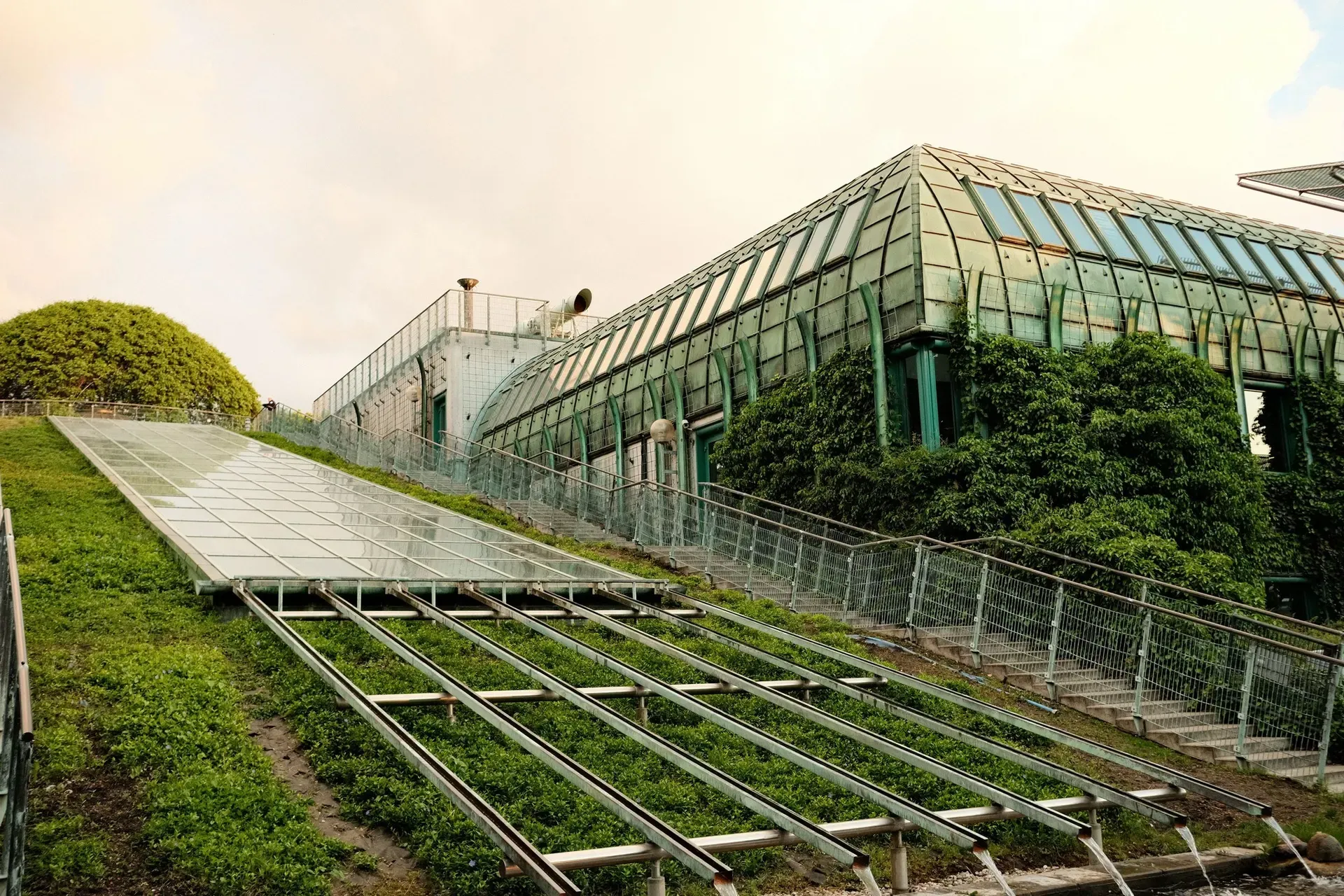
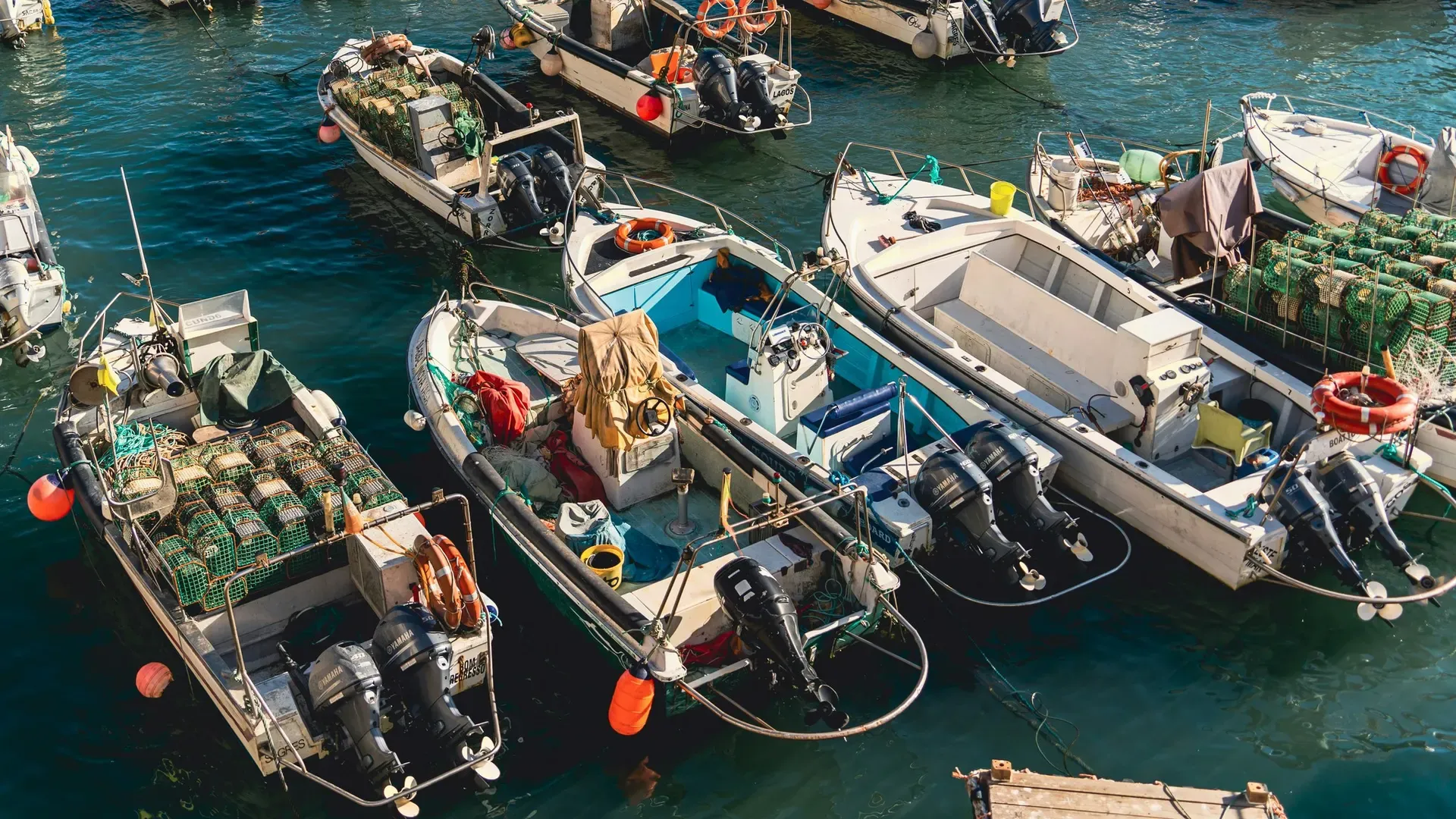
“Council Fire is helping us lay the foundation for what we believe is one of the most innovative local climate resilience planning models in the country. Whether its strategy development, financing mechanisms, impact metrics, decision making tools, or storytelling, their guidance is instrumental in shaping our approach, implementing projects, and building trust with stakeholders.”
Work with cities and agencies
All case studies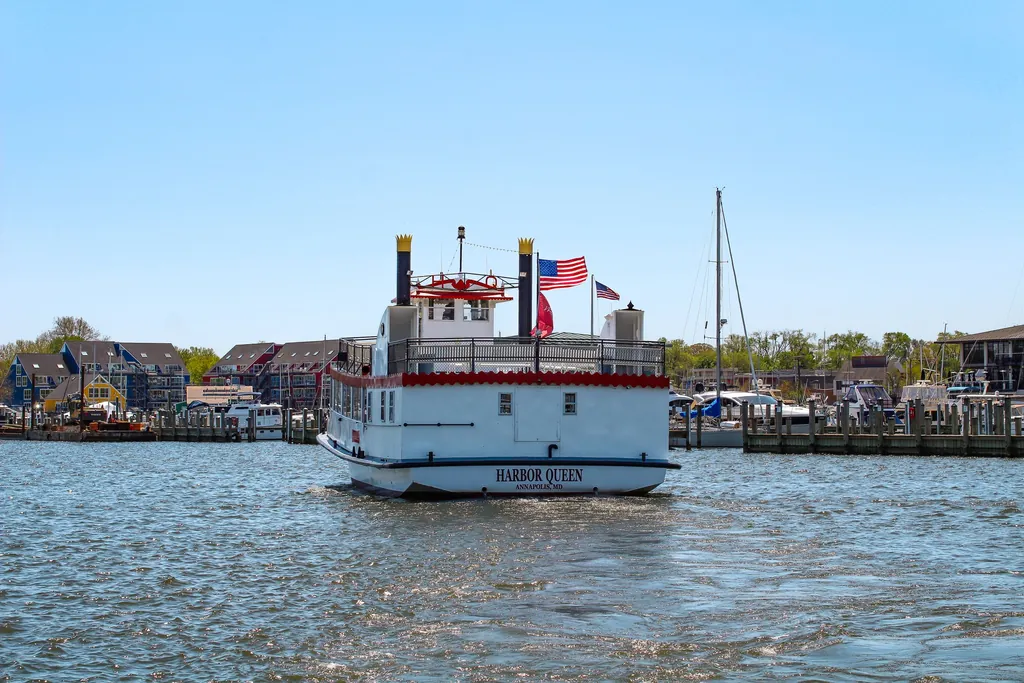 Resilience Authority of Annapolis and Anne Arundel CountyBuilding community resilience from the ground up through the Annapolis Maritime Resilience Initiative.
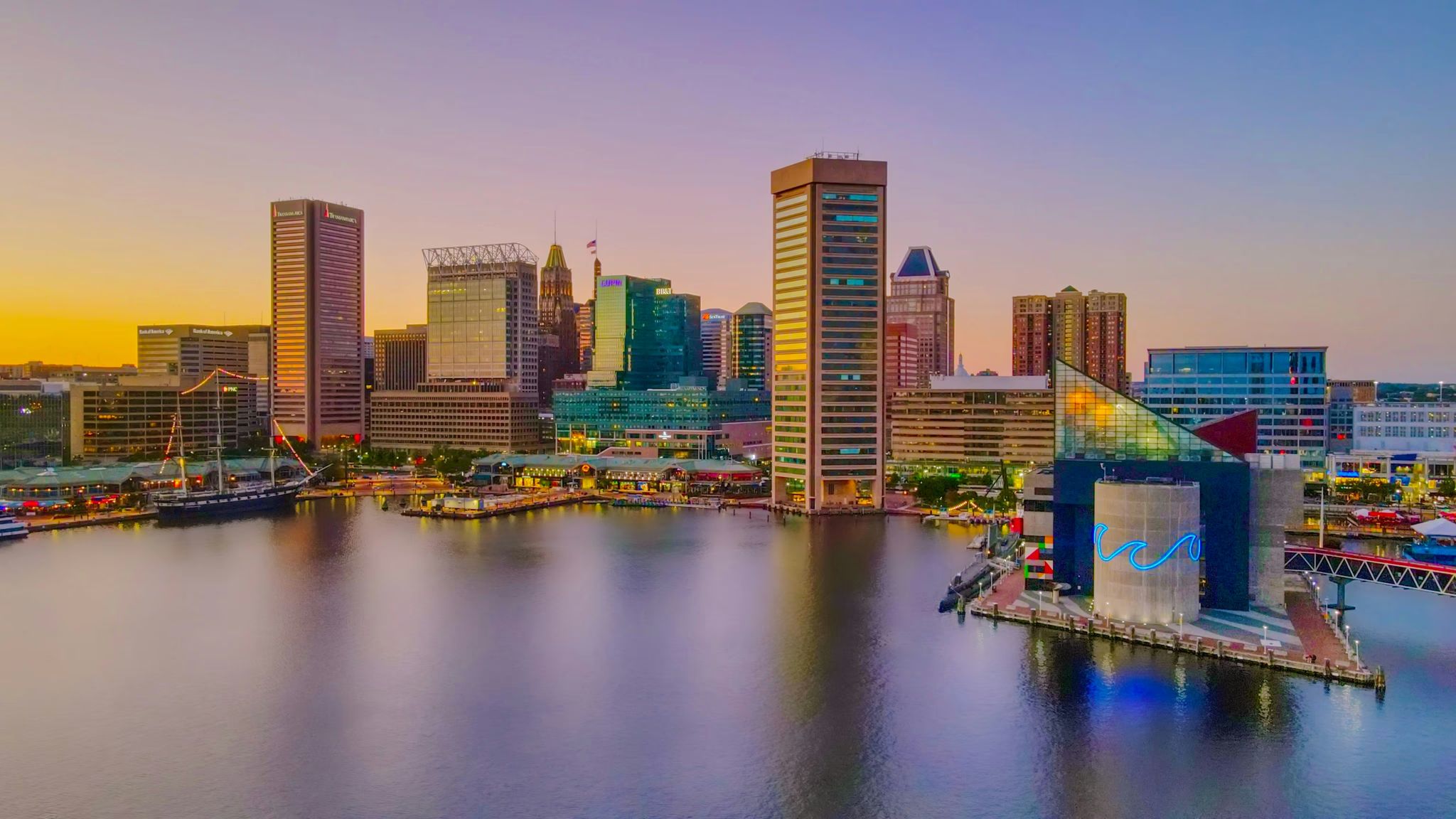 Maryland Port AdministrationEighteen years of stakeholder engagement that turned dredged material into habitat, education, and revenue for the Port of Baltimore.
38
sites of concern identified by Annapolis residents before any technical design began
10
priority sites advanced to preliminary concept design in AMRI Phase I
$2M
in incremental revenue generated for the Port of Baltimore’s dredged material program
From the Annapolis Maritime Resilience Initiative and the Maryland Port Administration case studies.
Tools that support the work
Explore Council Fire LabsResilient & Ready
The climate resilience planning platform the Resilience Authority of Annapolis & Anne Arundel County runs its portfolio on: climate, resilience, and funding data in one place, projects ranked against the criteria that matter. Ready to white-label for the next jurisdiction.
Custom tools for your program
Dashboards, diagnostics, and decision-support tools shaped around how your program runs, built by the same team that helped shape the strategy.
FAQ
Let’s work together
Bring the plan, the budget, and the politics. We’ll find the first project worth funding.
One conversation is enough to tell whether we can help. If we can’t, we’ll say so and point you somewhere better.