
Council Fire · Sustainability Report Writing
Sustainability reports built on checked data, written by people who know the strategy behind them.
The problem
A well-written report can still be wrong.
Most sustainability reports are assembled at year end from whatever the data owners send, then handed to a writer to make them read well. A writer can fix the sentences. The numbers and the gaps stay as they arrived.
Scrutiny is catching up. GRI requires a fair account of negative impacts as well as positive ones, and ISSA 5000, the new sustainability assurance standard, applies to periods beginning on or after December 15, 2026. B Lab’s new standards require larger B Corps to publish a board-approved impact report, starting in Year 3 of their certification cycle.
We write reports the way we run strategy work: settle what matters, check the data, then tell the story the evidence supports, setbacks included.
- #1
Report plan
Audiences, reporting boundary, the GRI claim (in accordance with or with reference to), related frameworks such as SASB or ESRS, and a calendar with an owner for every data point.
- #2
Materiality
A new assessment or a documented refresh of last year’s topics, with stakeholder input and the approval by your highest governance body that GRI 3 recommends.
- #3
Data collection and checking
Templates for data owners, every figure checked against source records and prior years, and a data book that documents methods and restatements.
- #4
Writing
Plain-language drafting, from the CEO letter to the case stories, that treats setbacks with the same care as progress and flags any claim the data can’t support.
- #5
Design and data visualization
Layouts and infographics built so staff can lift any chart or page into a presentation, plus a web version.
- #6
Content index and assurance support
The GRI content index and statement of use, and an evidence trail your assurance provider can test. Assurance itself should come from an independent firm.
- #7
Summaries, web and film
Board summaries, web pages, social posts and short films cut from the same checked content, so every channel says the same thing.
How it works
Evidence first, then the story.
- 01
Plan
Boundary, claim, audiences, frameworks and a calendar, agreed with the people who own the data.
- 02
Confirm what matters
Run or refresh the materiality assessment and get it approved before anyone drafts a page.
- 03
Collect and check
Every number is checked against its source and last year’s figure before it reaches a draft.
- 04
Write for balance
Progress and setbacks get the same care, and any claim the data can’t support goes back for a decision.
- 05
Design and publish
The designed report and its web version, built in pieces your team can reuse in presentations and outreach.
- 06
Debrief
A short memo on the data gaps to close before the next cycle, so next year’s report starts further ahead.
Reporting work
All case studies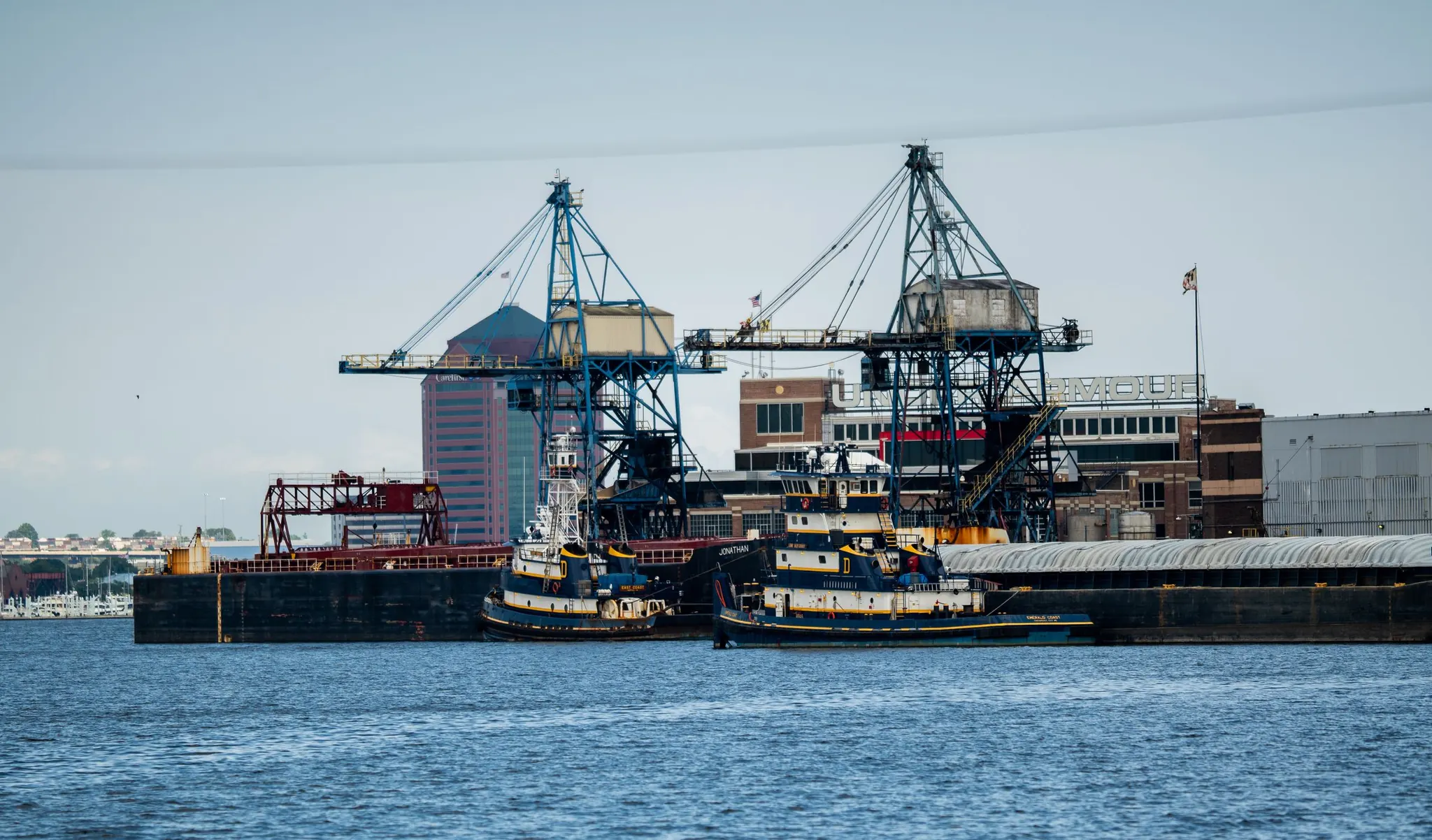 iMPAct ReportsA designed report series for the Maryland Port Administration and Maryland Environmental Service, turning scattered data from five jurisdictions into visual narratives staff lift into presentations and outreach.
 Maryland Port AdministrationSustainability strategy, stakeholder engagement and storytelling for the Port of Baltimore, written for readers from residents and elected officials to regulators and private-sector partners.
 Maryland Clean Energy CenterOn-demand copywriting, design and campaigns, from web content to practical collateral, that helped innovators and rural businesses understand and access programs such as MEIA and USDA REAP.
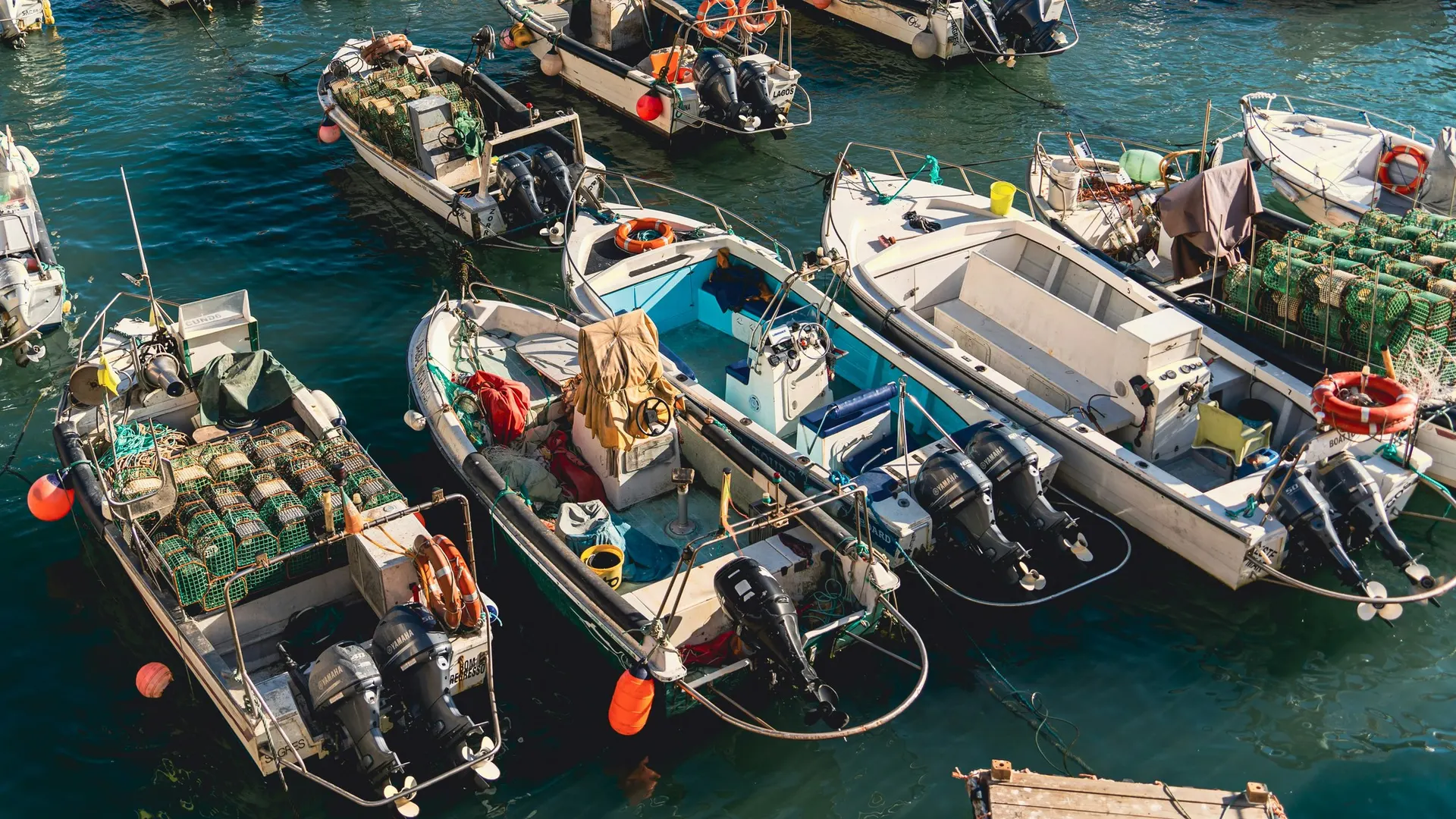 Luke’s LobsterScope 1 and 2 calculations and a Scope 3 catalog for a B Corp seafood company’s lobster and crab products, delivered with our technical partners: the documented numbers a credible report rests on.
Who this is for
Companies publishing a first or second sustainability report because customers, lenders or investors ask for one.
B Corps preparing for the public impact report B Lab’s new standards require of larger companies.
Ports and public agencies whose sustainability story has to work for residents and regulators at once.
Foundations and NGOs that need an impact report a board will read.
Teams that have the data and the strategy but not the time to turn them into a report.
Read before you call
All resourcesFAQ
Let’s work together
Tell us where the work is stuck.
A 30-minute call with a Council Fire principal: what you’re working toward, what’s in the way, and whether we’re the right fit.