Council Fire · Nonprofit Strategic Planning
A strategic plan your board can hold you to, built without stopping the mission.
The problem
Strategy season arrives when the team is already at capacity.
A plan comes due, usually because a funder, a new director or the board asks for one. The staff who know the work best are the ones with the least time to step back from it. So the plan gets written around what the organization already does, and it reads like last year’s grant reports.
Funders have changed what they ask for, too. They want outcomes and the evidence behind them, and a plan that lists activities gives a development officer little to work with.
We do the legwork your team can’t spare: the interviews, the research and the drafting. Your board and staff make the choices. The plan that comes out names a few outcomes, who owns each one and what it will cost.
- #1
Discovery and listening
Interviews with board, staff, funders and partners, a review of your programs and finances, and a plain account of what we heard, including the parts people disagree on.
- #2
Theory of change
A structured process that connects your activities to the outcomes you claim, with the evidence and the assumptions in between. It becomes the spine of the plan, the impact framework and the funder narrative.
- #3
Board and staff retreats
Facilitated working sessions built around real choices: what to grow, what to hold and what to stop. People leave with decisions, not a wall of sticky notes.
- #4
Scenario planning
Two or three versions of the next three to five years, each with its budget and staffing, so the board can see what a choice costs before it votes.
- #5
The plan itself
A short document with the few outcomes that matter most, an owner and a date for each, the measures you will report, and a first-year work plan.
- #6
The funding case
The economic and impact argument behind the plan, in the language each funder uses. We build the case and the materials that carry it; we don’t solicit donors on your behalf.
- #7
Coalition and partner alignment
When the plan depends on organizations you don’t control, we facilitate shared goals among them, including groups that compete for the same funding.
How it works
From first interview to a plan in use
- 01
Agree what the plan must decide
Before any interviews, we write down the three or four questions the board needs answered. Everything else in the process serves those.
- 02
Listen before proposing
We talk to the people inside the organization and the ones it depends on: funders, partners and the communities it serves. You see what they said before we suggest anything.
- 03
Put choices in front of the board
We bring options with their costs, not a single recommendation dressed as a consensus. The retreat is where the board chooses.
- 04
Write it short
Outcomes, owners, dates, measures and a first-year plan. If a page doesn’t help someone decide or act, it comes out.
- 05
Hand it over
We leave a way to report progress to the board each quarter, and the case for support your development team can use the week the plan is adopted.
Strategy work with mission-driven organizations
All case studies Environmental Defense FundMore than fifteen years of strategy, policy and implementation support for EDF’s oceans work around the world. Kate Bonzon, a vice president at EDF, calls us “an always-available extension of my Oceans team.”
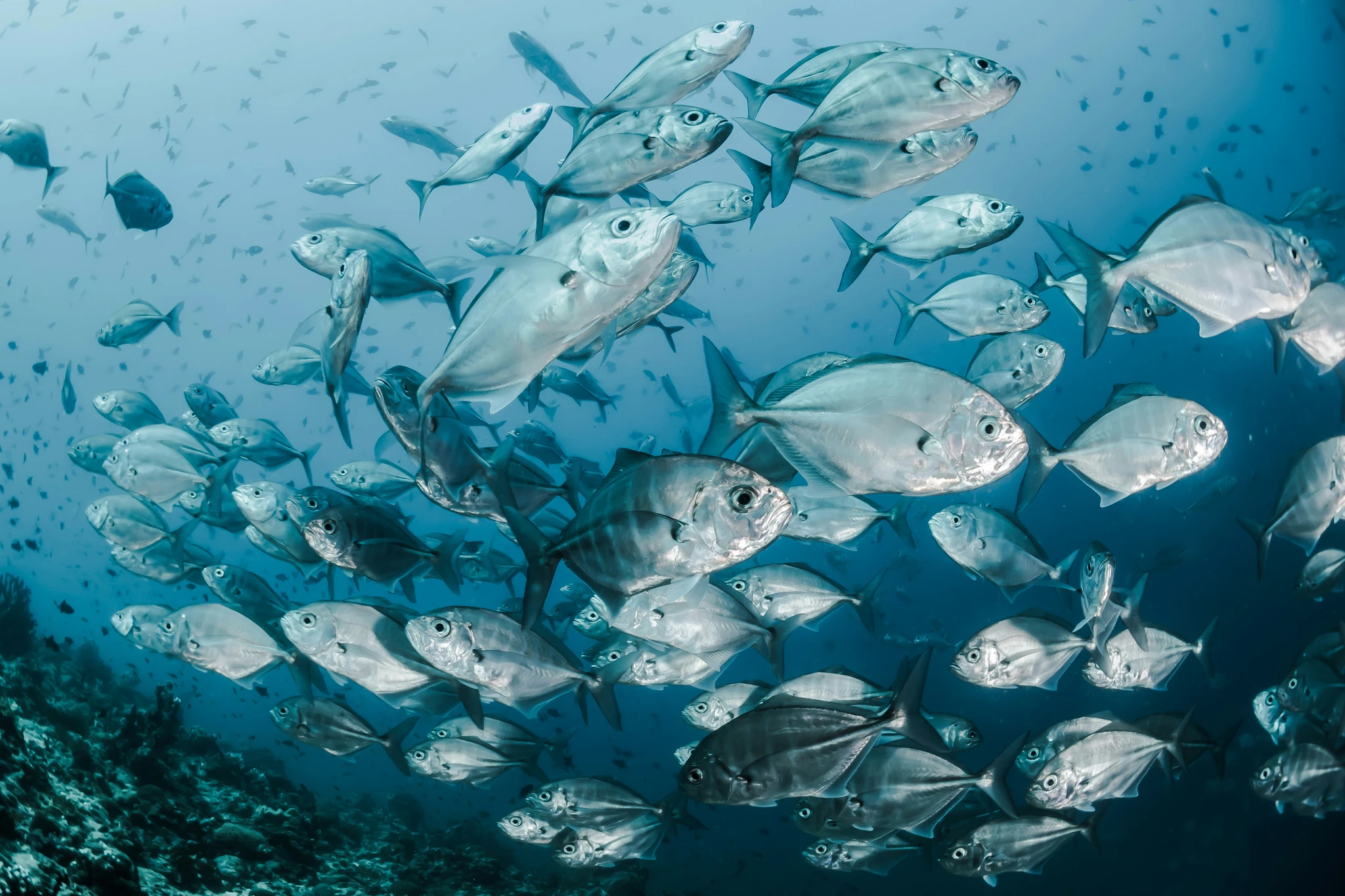 Net Gains AllianceSince 2016 we’ve worked with Net Gains Alliance to build alignment among historically fractious fisheries stakeholders, helping secure about $2 million toward data modernization.
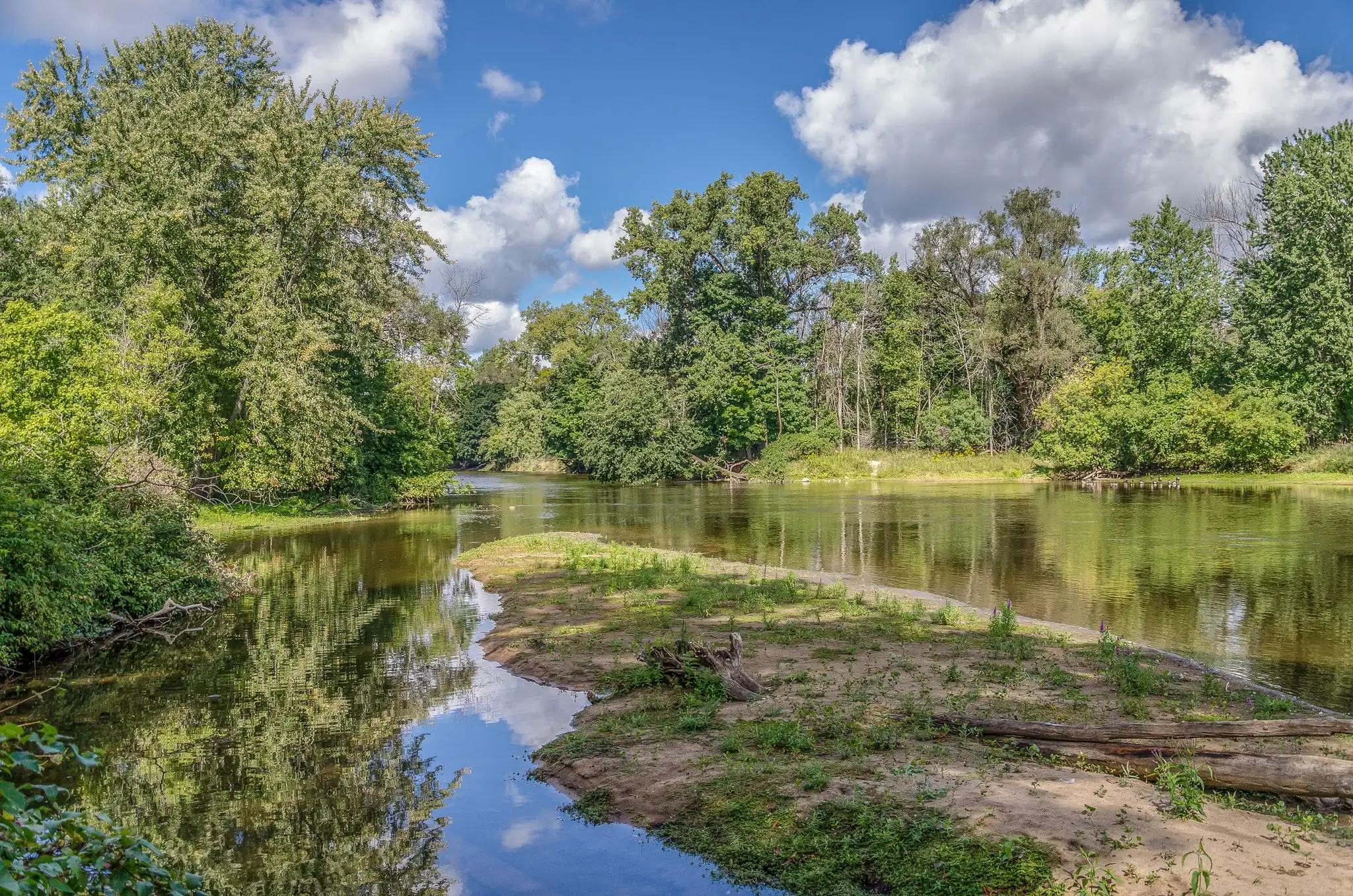 Huron River Watershed CouncilThe economic case for a dedicated watershed fund: $95 billion in regional economic value, more than 730,000 jobs and 1.14 million residents tied to the health of the watershed.
 Walton Family FoundationAlignment sessions with grantees across South America’s fisheries and a framework that let competing NGOs work as one coalition.
Who this is for
Executive directors with a plan due and a staff already stretched.
Board chairs who want choices and costs in front of the board, not a finished document to approve.
Watershed groups, land trusts and conservation organizations in the Chesapeake region and beyond.
Coalitions and alliances whose members need shared goals before they can share a plan.
Foundations that want a grantee’s planning process supported by someone who knows the field.
Read before you call
All resourcesFAQ
Let’s work together
Tell us where the work is stuck.
A 30-minute call with a Council Fire principal: what you’re working toward, what’s in the way, and whether we’re the right fit.