Council Fire · Stakeholder Engagement Consulting
Engagement built around the decisions still open, so the people you ask can see what their input changed.
The problem
Most engagement is designed backward.
The meetings get scheduled first and the decisions get made somewhere else. People give their time and find nothing they said in the result. So they stop coming, and the next time you need them, the trust is gone.
The bar is rising, too. Revised ESRS 1 makes engagement with affected stakeholders a key input to impact materiality. B Lab’s new standards ask every B Corp to bring stakeholder interests into its decisions, and larger ones to adopt a board-approved stakeholder governance policy.
We design it the other way around: the decision first, then the people it affects, then the method. Everyone who takes part hears what their input changed, or why it didn’t.
- #1
Stakeholder mapping
Who your decisions affect, who can affect them and who usually goes unheard, ranked so effort goes where it counts. For the Port of Baltimore, the map ran from port operations to community groups, environmental advocates and policymakers.
- #2
Engagement for materiality assessments
Interviews and working sessions with the affected stakeholders whose input can change a conclusion, documented so your board and your assurance provider can see how each input was used.
- #3
B Corp stakeholder governance
The mechanisms B Lab’s new standards call for: stakeholder input built into decisions at smaller companies, and a board-approved policy and recurring materiality assessment at larger ones. We are a B Corp ourselves, certified six times since 2010.
- #4
Grantee and partner input
Listening sessions, interviews and alignment workshops that let grantees shape a foundation’s strategy before the board approves it, run to feel like a conversation, not an audit.
- #5
Community engagement for public programs
Bilingual materials, local partner organizations and meetings where people already gather, so coastal, flood and restoration plans start from what residents know.
- #6
Facilitation and coalitions
Neutral facilitation for groups that disagree, from standing advisory committees to coalitions of organizations that used to compete for the same funding.
- #7
Engagement reviews
An outside read of your plans, meeting records and outreach against AA1000SES and the IAP2 Spectrum, with the gaps ranked. CF Labs, Council Fire’s software studio, is building this review into the Stakeholder Engagement Manager, now in development.
How it works
Every round starts with a decision that is still open.
- 01
Name the open decisions
For each one we write down who decides, when, and how much influence stakeholders will have, using the five levels of the IAP2 Spectrum. If a decision is already made, we say so.
- 02
Map who is affected
Including people who are affected but not organized, such as frontline residents or supply chain workers, and the organizations they already trust.
- 03
Go where people are
Meetings at times and places that suit the people you need, in their languages, with local partners who already hold the relationships. In Annapolis that meant 18 months of bilingual, culturally relevant outreach.
- 04
Report what changed
Each round ends with a summary of what we heard and what it changed, including the suggestions that weren’t taken and why.
- 05
Measure and hand over
We track who took part, what their input changed and whether trust moved, and we train your staff to run the next round without us.
Engagement we’ve run
All case studies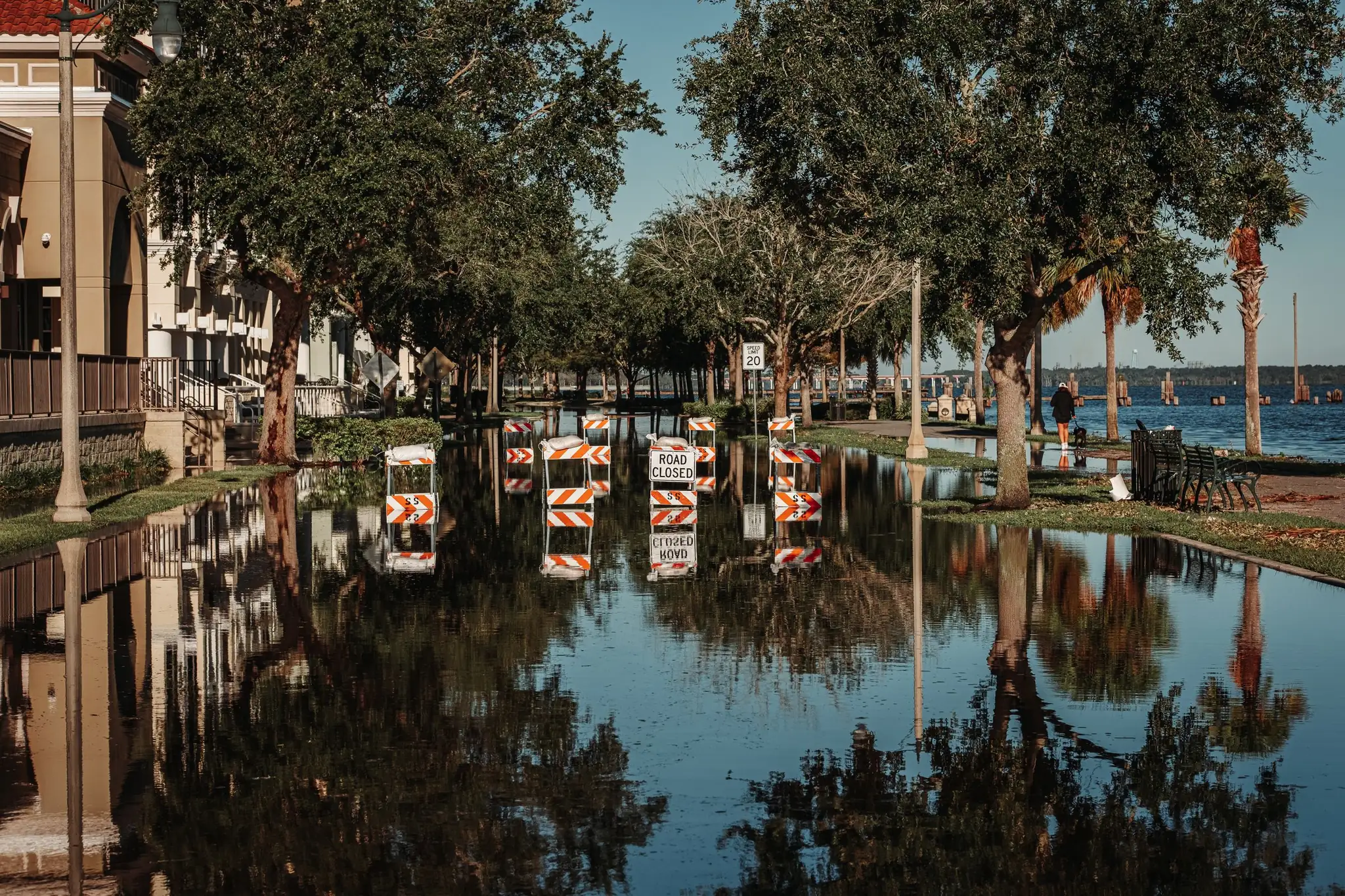 Resilience Authority of Annapolis and Anne Arundel CountyEighteen months of bilingual community engagement for the Annapolis Maritime Resilience Initiative. Residents named 38 sites of concern, and 10 advanced to preliminary concept design, each with a cost estimate and roadmap.
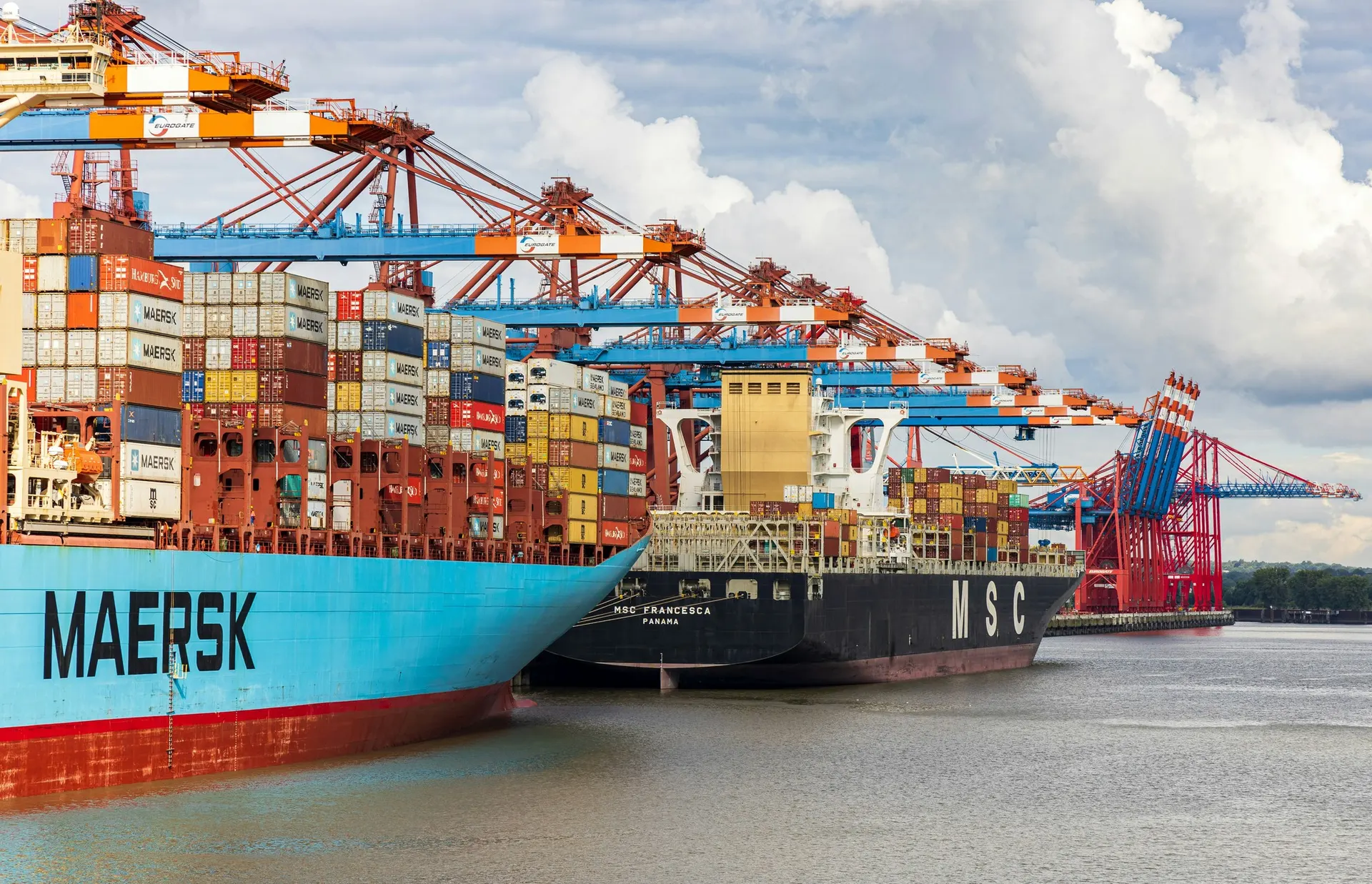 Maryland Port AdministrationNearly two decades of engagement around the Port of Baltimore’s dredged material program. Masonville Cove became the nation’s first Urban Wildlife Refuge Partnership, with 4,000 community volunteers behind it.
 Walton Family FoundationAlignment sessions with grantees across South America’s fisheries, a framework that let competing NGOs work as one coalition, and governance that brought marginalized stakeholders into decisions.
 Chesapeake Watershed Restoration ProfessionalsStakeholder mapping, one shared narrative and a toolkit that answers hard questions up front, built in four to eight weeks ahead of the 2025 Maryland legislative session.
Who this is for
Companies running a double materiality assessment that needs real input from affected stakeholders.
Companies certifying or recertifying as B Corps under B Lab’s new standards, where stakeholder governance is a requirement.
Foundations that want grantees and partners to shape a strategy before the board approves it.
Resilience authorities, ports and public agencies planning coastal, flood or restoration work with the people who carry the risk.
Coalitions and NGOs whose members disagree and still need to move together.
Read before you call
All resourcesFAQ
Let’s work together
Tell us where the work is stuck.
A 30-minute call with a Council Fire principal: what you’re working toward, what’s in the way, and whether we’re the right fit.