The reality
The organizations that change systems are the ones that can prove it. We help nonprofits measure what matters, align the coalition, and tell the story with enough precision that funders, partners, and communities act on it.
Who this is for
Built for the people who have to make it work.
Pick the seat you sit in. The problem on your desk is usually the place we start.
On your desk
A strategic plan due, a staff stretched thin, and funders asking for outcomes, not activities.
Where we’d start
A plan your board can hold you to, built around the three outcomes that matter most.
On your desk
Programs that work, and no clean way to prove it.
Where we’d start
An impact framework and the metrics behind it, designed to be reported, not just collected.
On your desk
Proposals that describe activity when funders want change.
Where we’d start
The economic and impact case, quantified, in the language each funder uses.
On your desk
A mission you believe in and a business model you’re not sure about.
Where we’d start
Scenario planning and a theory of change that connects the money to the mission.
What’s in the way
Four things that stall mission-driven organizations
And what we do about each one. Most engagements start with the one that is costing you the most right now.
- #1
Impact that’s real but hard to show.
For the Huron River Watershed Council we made the economic case for a dedicated watershed fund: $95 billion in regional economic value, 730,000+ jobs, 1.14 million residents. Numbers turn a good cause into a fundable one.
Case study: Huron River Watershed Council - #2
Coalitions that fracture under pressure.
Since 2016 we’ve worked with Net Gains Alliance to build alignment among historically fractious fisheries stakeholders, helping secure about $2 million toward data modernization.
Case study: Net Gains Alliance - #3
Strategy season arrives when the team is already at capacity.
We run the strategic planning process as an extension of your staff: research, facilitation, options, and a plan with owners and dates, so the work gets done without stopping the mission.
Our expertise - #4
The stories that move donors are hard to produce in-house.
Our creative team turns outcomes into narrative, film, and campaigns. For the Chesapeake Legal Alliance we quantified the real-world impact of legal victories so funders and partners could see it.
Sustainable communities practice
What working together looks like
Evaluate. Align. Inspire. Engage.
Every engagement runs the same arc, and can start at any point on it. Here is what each phase means for ngos & nonprofits.

Phase 01 · Evaluate
See the system you’re trying to change.
- Stakeholder and power mapping
- Impact baseline and data audit
- Funder and policy environment review


“Working with Council Fire over the past decade and a half has been like having an always-available extension of my Oceans team. They bridge worlds - offering strategic planning, policy expertise, and full-scale implementation capabilities for our work across the globe - and deliver results. They're a trusted partner who makes our mission more effective and our impacts more powerful.”
Work with NGOs and nonprofits
All case studies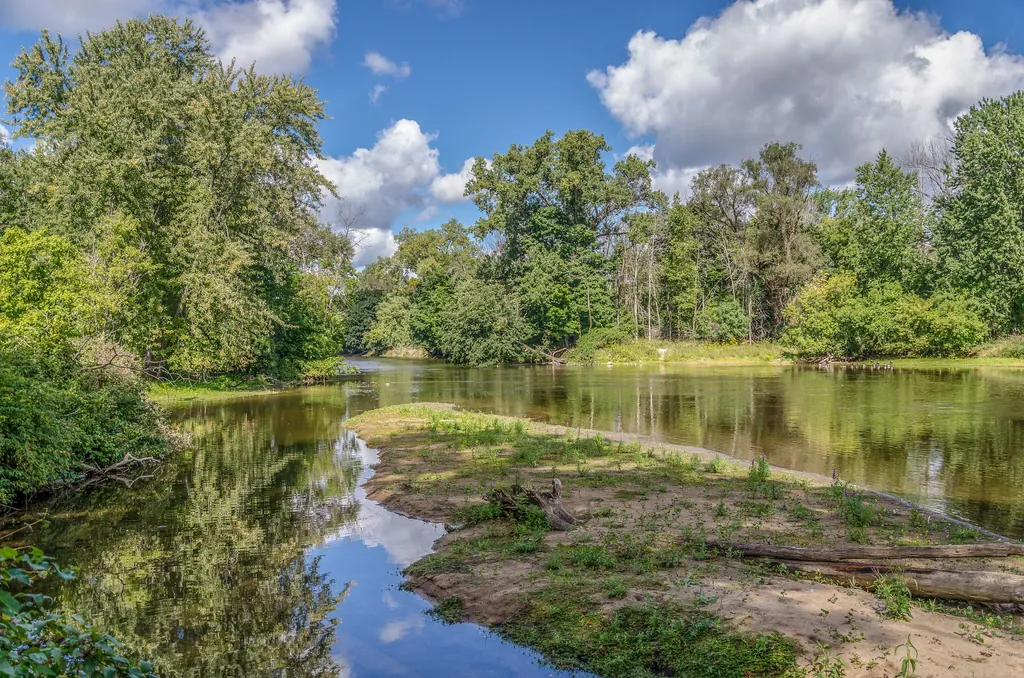 Huron River Watershed CouncilMaking the economic case for a dedicated fund to protect one of Michigan’s most vital watersheds.
 Environmental Defense Fund – International ProgramsMore than fifteen years of strategy, policy, and implementation support for EDF’s oceans work around the world.
$95B
in regional economic value tied to the Huron River watershed, quantified for the Council’s funding case
730,000+
jobs tied to the health of the Huron River watershed
15+
years alongside Environmental Defense Fund’s oceans team
From the Huron River Watershed Council case study and EDF’s own words.
Tools that support the work
Explore Council Fire LabsStakeholder Engagement Manager
An AI system that reads your engagement material and scores it against the stakeholder methodology we’ve refined over nearly two decades, producing a ranked list of the gaps that matter.
Custom tools for your program
Dashboards, diagnostics, and decision-support tools shaped around how your program runs, built by the same team that helped shape the strategy.
FAQ
Let’s work together
Bring the mission and the numbers you wish you had. We’ll build the case.
One conversation is enough to tell whether we can help. If we can’t, we’ll say so and point you somewhere better.