The reality
The best grants align a field, not just fund a project. We help foundations set strategy, bring grantees into shared goals, structure the capital, and show the board what changed.
Who this is for
Built for the people who have to make it work.
Pick the seat you sit in. The problem on your desk is usually the place we start.
On your desk
A portfolio of grantees who compete more than they collaborate, and a strategy refresh on the calendar.
Where we’d start
A funder-side theory of change, and a grantee alignment process that takes the friction out.
On your desk
A board asking whether the capital is changing anything, and a field that moves faster than the grant cycle.
Where we’d start
Portfolio strategy with clear bets, and the measurement to defend them.
On your desk
Deals that need blended structures, and partners who don’t speak each other’s language.
Where we’d start
Financing models that blend philanthropic, public, and private capital, with the governance to hold them together.
On your desk
Impact that lives in grant reports nobody reads.
Where we’d start
Narrative, film, and reporting that make the portfolio’s results visible to the board and the field.
What’s in the way
Four things that stall philanthropic strategy
And what we do about each one. Most engagements start with the one that is costing you the most right now.
- #1
Grantees compete when they should be building on each other.
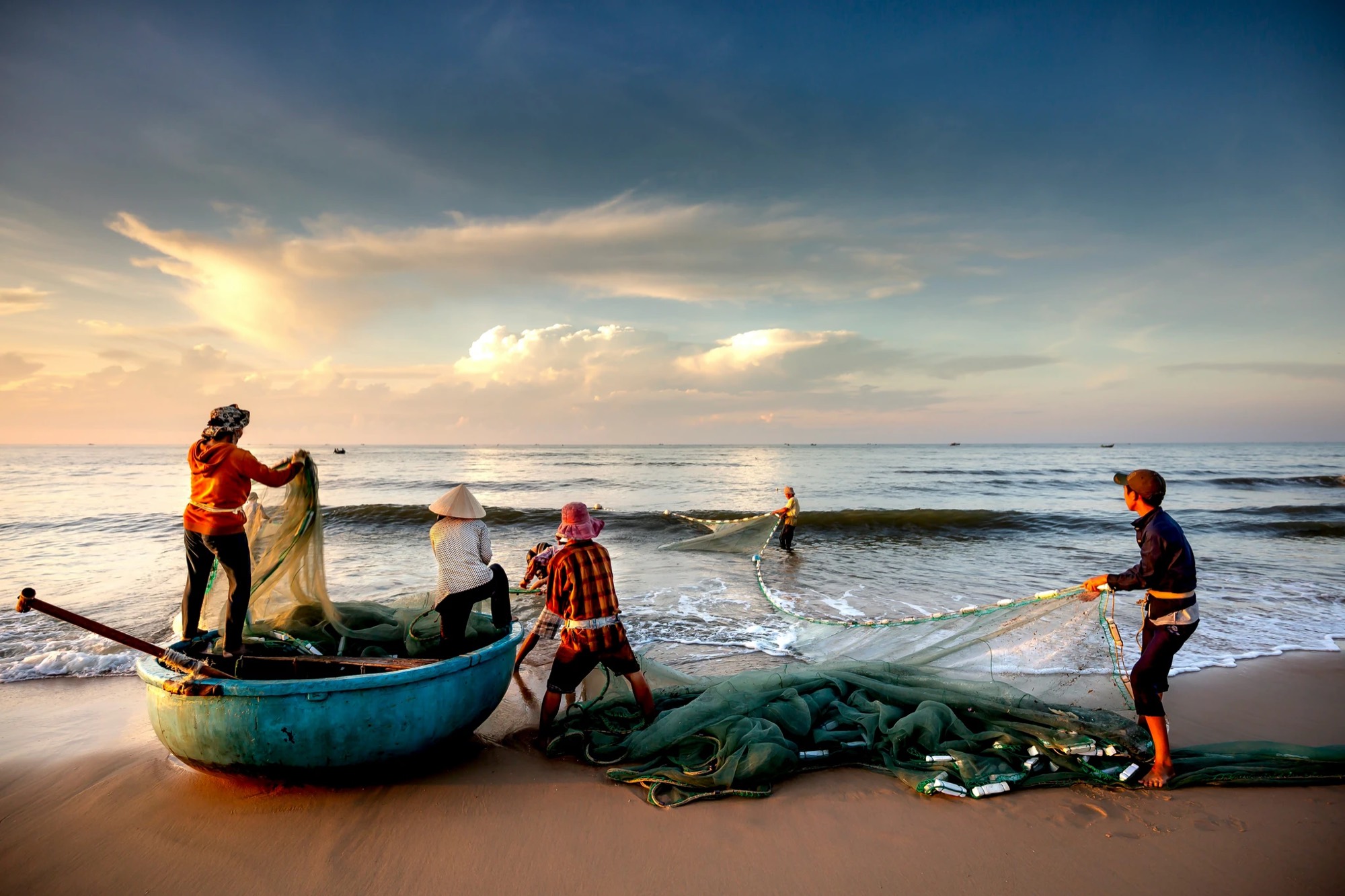
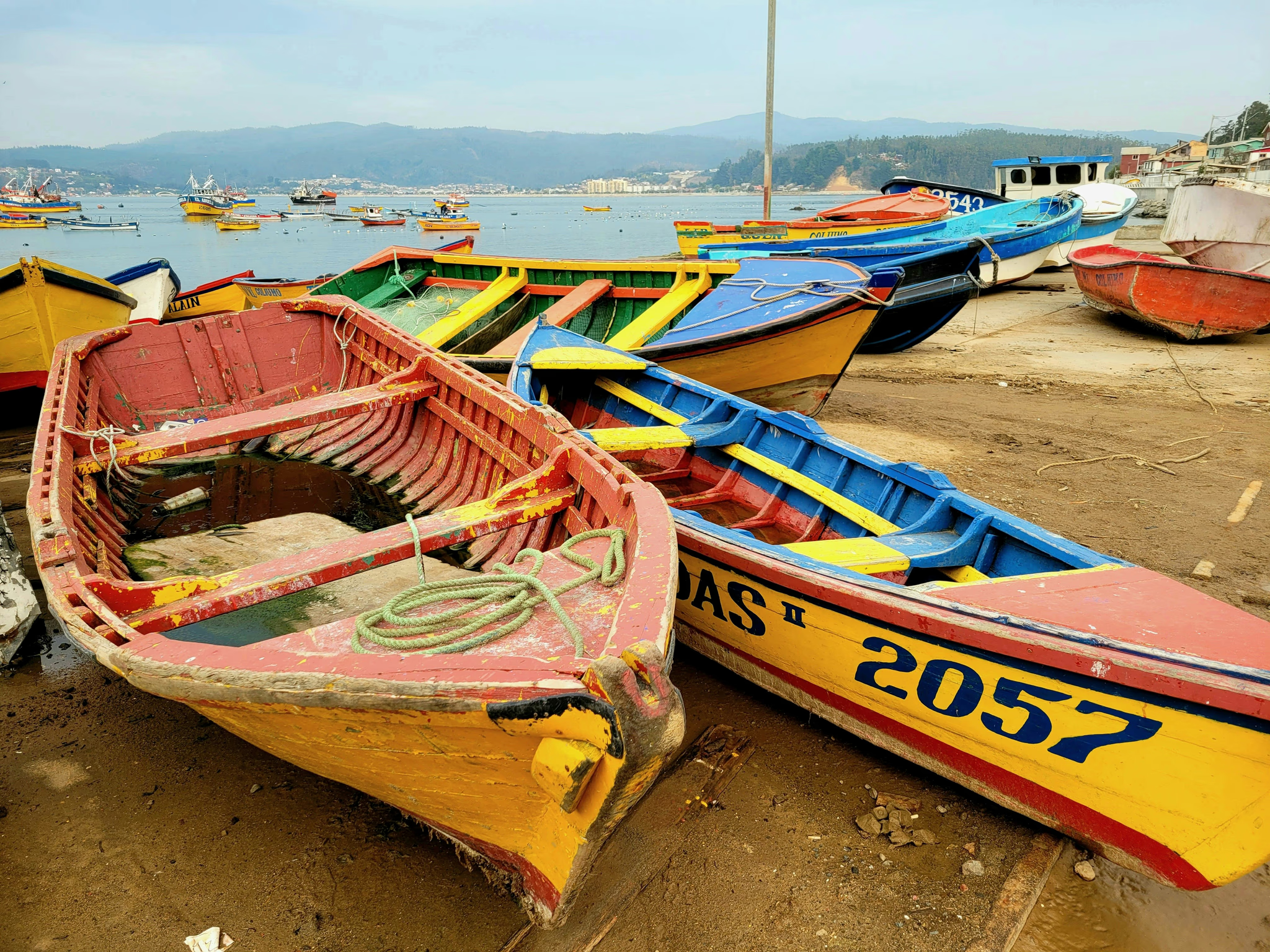
For the Walton Family Foundation’s fisheries work in South America we built coalitions among NGOs that had been competing, with new governance models that brought previously marginalized stakeholders into decision-making.
Case study: Walton Family Foundation - #2
Strategy refreshes that stall between the board and the field.
We run theory-of-change and strategy refreshes for ocean and fisheries funders, from portfolio analysis and funder mapping to a board-ready framework with clear bets.
Oceans & natural resources practice - #3
Capital that needs structure, not just a check.
Blended finance done properly. Our fisheries work with the Walton Family Foundation helped secure an additional $8 million in USAID funding, doubling the foundation’s initial investment.
Guide: blended finance for foundations - #4
Impact the board can’t see.
Impact measurement built into the grant lifecycle, and storytelling, from written stories to film, that brings the portfolio’s results to life for trustees, partners, and the public.
Our expertise
What working together looks like
Evaluate. Align. Inspire. Engage.
Every engagement runs the same arc, and can start at any point on it. Here is what each phase means for foundations & philanthropy.
Phase 01 · Evaluate
Understand the field before you fund it.
- Field and funder analysis
- Stakeholder mapping across the portfolio
- A baseline for the outcomes you’ll measure

“Council Fire brings both systems thinking and extensive on-the-ground expertise. Our investment decisions and implementation approaches require the depth of knowledge and high credibility that only decades of global experience can bring. From coordinating multi-stakeholder collaborations to bringing our impact to life through narrative and film, they're helping us drive impact at scale.”
Work with foundations
All case studies Walton Family FoundationStakeholder mapping, coalition-building, traceability systems, and blended finance across South America’s fisheries.
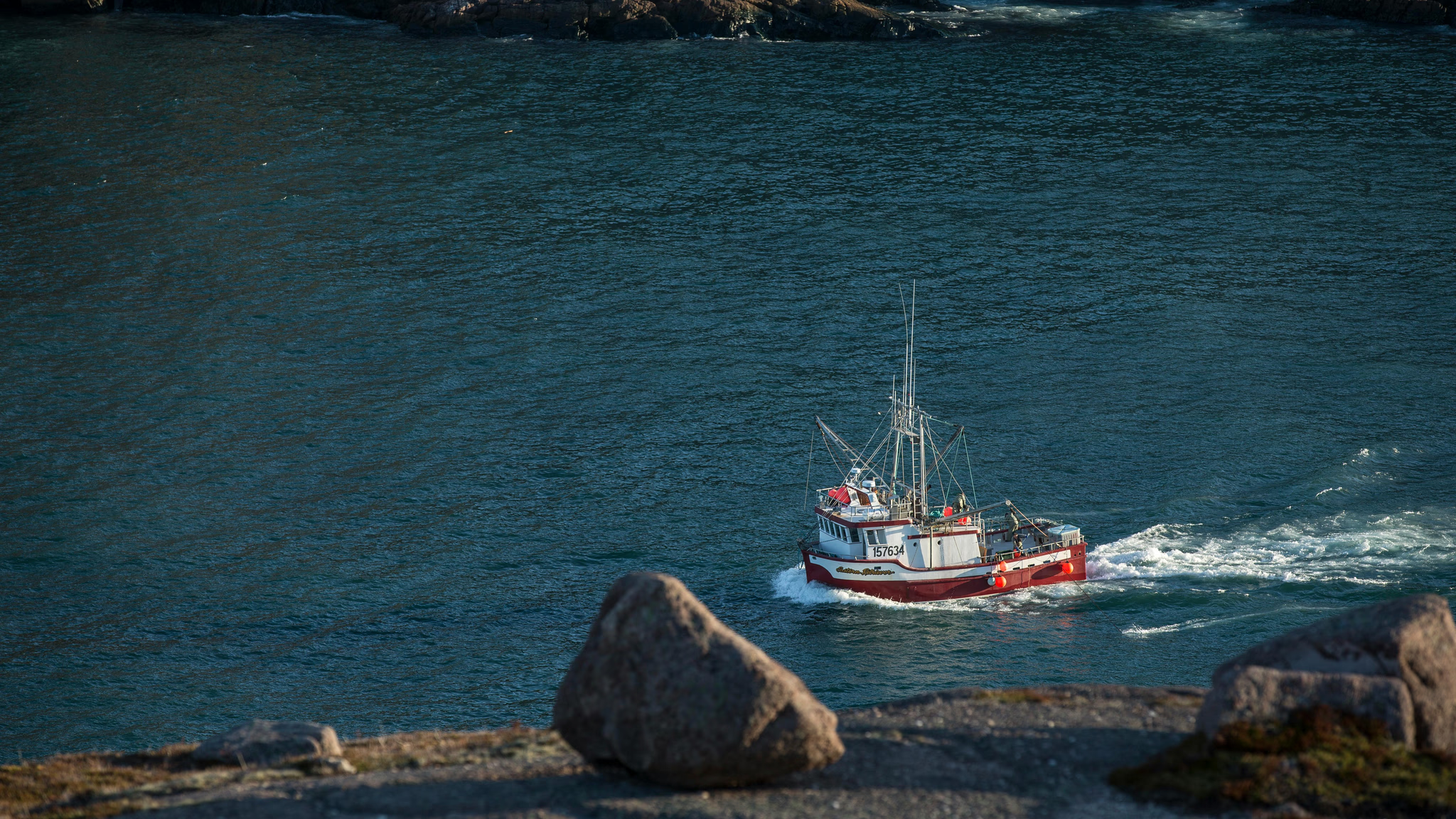 Environmental Defense Fund – FisheriesStrategy, policy, and implementation for fisheries programs funded to change how oceans are managed.
$8M
in additional USAID funding secured for the Walton Family Foundation’s fisheries program
2×
the foundation’s initial investment, once that funding landed
15+
years of ocean-program work with Environmental Defense Fund
From the Walton Family Foundation case study and EDF’s own words.
Tools that support the work
Explore Council Fire LabsStakeholder Engagement Manager
An AI system that reads your engagement material and scores it against the stakeholder methodology we’ve refined over nearly two decades, producing a ranked list of the gaps that matter.
Custom tools for your program
Dashboards, diagnostics, and decision-support tools shaped around how your program runs, built by the same team that helped shape the strategy.
FAQ
Let’s work together
Bring the portfolio and the question the board keeps asking. We’ll build the answer.
One conversation is enough to tell whether we can help. If we can’t, we’ll say so and point you somewhere better.