
The reality
Sustainability doesn’t have to be a compliance burden. Managed as strategy, it lowers risk, opens markets, and gives the brand something true to say. Managed as paperwork, it costs a quarter a year and buys nothing.
Who this is for
Built for the people who have to make it work.
Pick the seat you sit in. The problem on your desk is usually the place we start.
On your desk
Targets announced three years ago, a reporting cycle that eats a quarter, and a board asking what it’s worth.
Where we’d start
A strategy tied to the business case, with a reporting system your team can run without a consultant on retainer.
On your desk
CSRD, the SEC, state rules, and customer questionnaires, each asking a slightly different version of the same question.
Where we’d start
One data model that answers all of them, and a materiality process you can defend to an auditor.
On your desk
Sustainability spend with no line of sight to return, and climate risk that isn’t priced anywhere in the plan.
Where we’d start
Risk translated into decision terms: what exposure gets managed, what it costs, and what it’s worth.
On your desk
A story customers want to hear and a legal team that won’t let you tell it.
Where we’d start
Claims built on measured results, so the brand can say more, not less, and stand behind every word.
What’s in the way
Four things that stall corporate sustainability programs
And what we do about each one. Most engagements start with the one that is costing you the most right now.
- #1
Regulation keeps moving, and the reporting cycle eats the year.
CSRD, the SEC’s climate rule, and state disclosure laws keep shifting. We build the reporting system around one materiality assessment and one dataset, so each new rule becomes a mapping exercise instead of a new project.
Sustainable business practice - #2
Scope 3 is where the emissions are, and where the data isn’t.
For Luke’s Lobster we calculate Scope 1, 2, and 3 emissions across lobster and crab supply chains. Supplier data, allocation, and every assumption behind the number are documented so it holds up.
Case study: Luke’s Lobster - #3
Greenwashing risk cuts both ways.
Overstate and you invite scrutiny; understate and you forfeit the advantage. Our communications team turns measured results into claims the brand can stand behind, in reports, campaigns, and the story the CEO tells.
Our expertise - #4
The team is small and the ask is enterprise-wide.
ESG lands on two or three people. We work as an extension of the team and build the tools, from diagnostics to dashboards, that let a small group run an enterprise program.
Council Fire Labs
What working together looks like
Evaluate. Align. Inspire. Engage.
Every engagement runs the same arc, and can start at any point on it. Here is what each phase means for corporations.
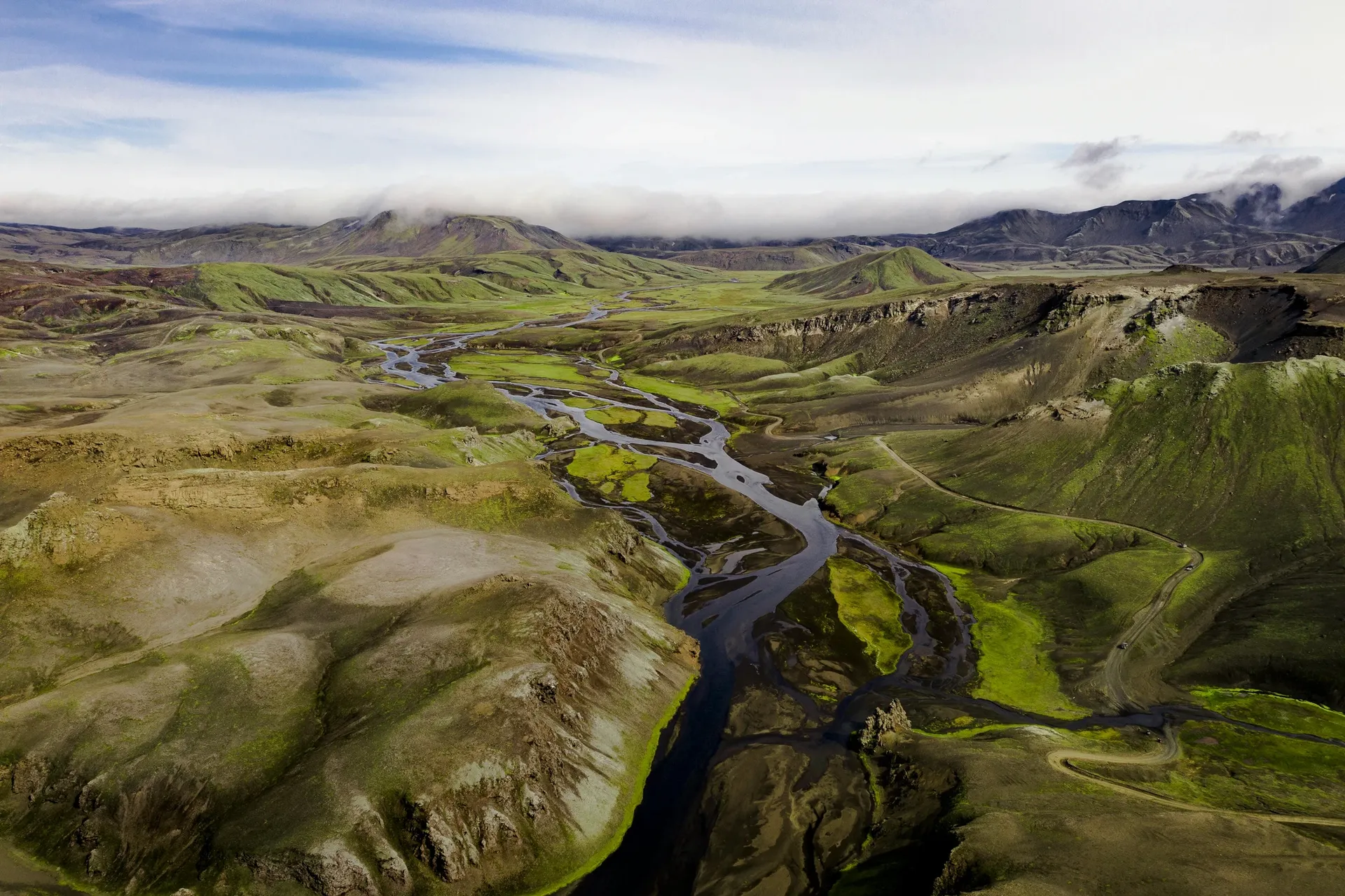
Phase 01 · Evaluate
Find out what actually matters, and what it’s worth.
- Double materiality assessment
- Scope 1–3 baseline and data gap analysis
- Regulatory exposure across CSRD, SEC, and state rules

Certified B Corp since 2010
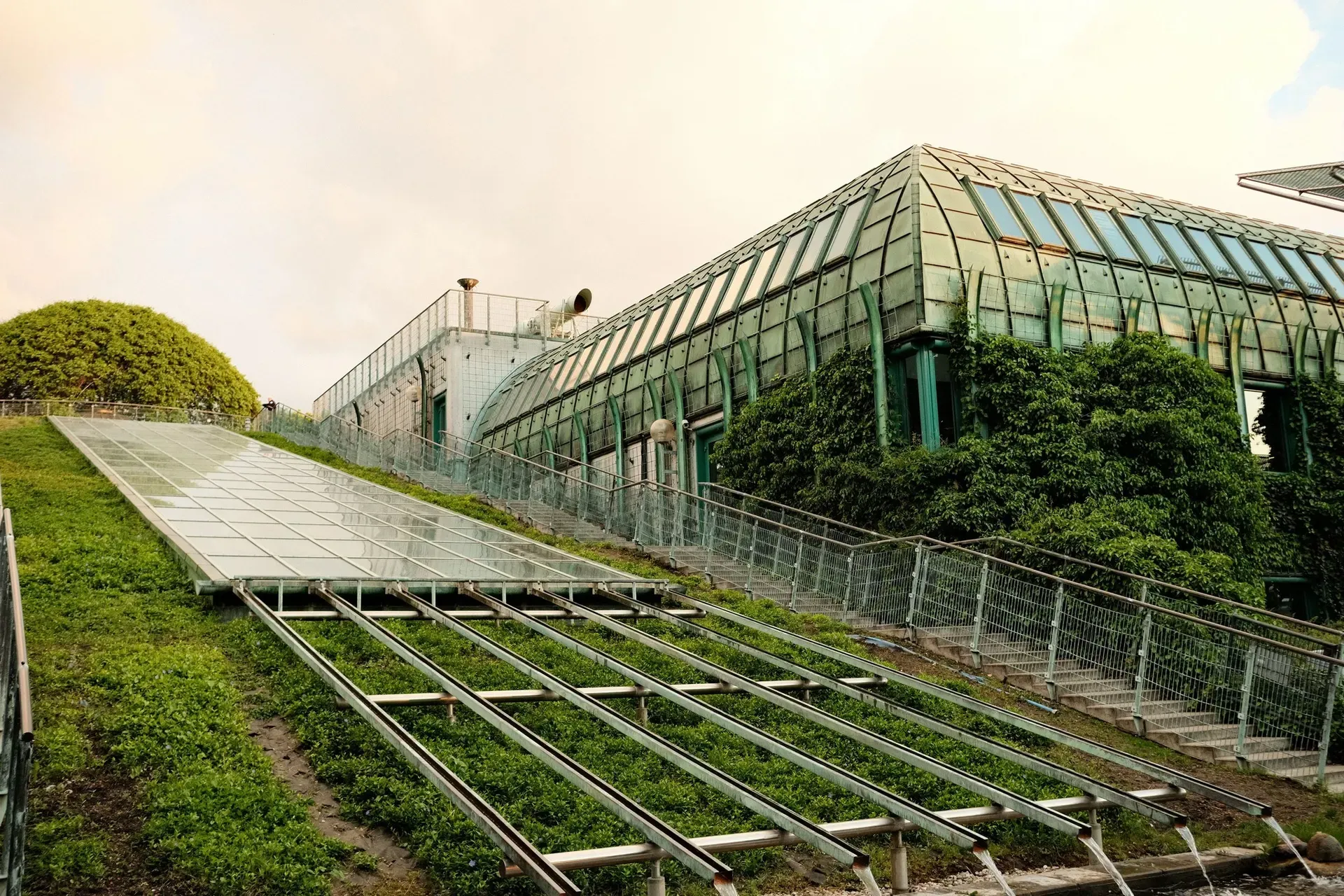
We hold ourselves to the standard we ask of clients. Council Fire has been a certified B Corporation since 2010, with seventeen “Best for the World” honors, and we give 1% of annual sales to environmental partners.
Work with companies
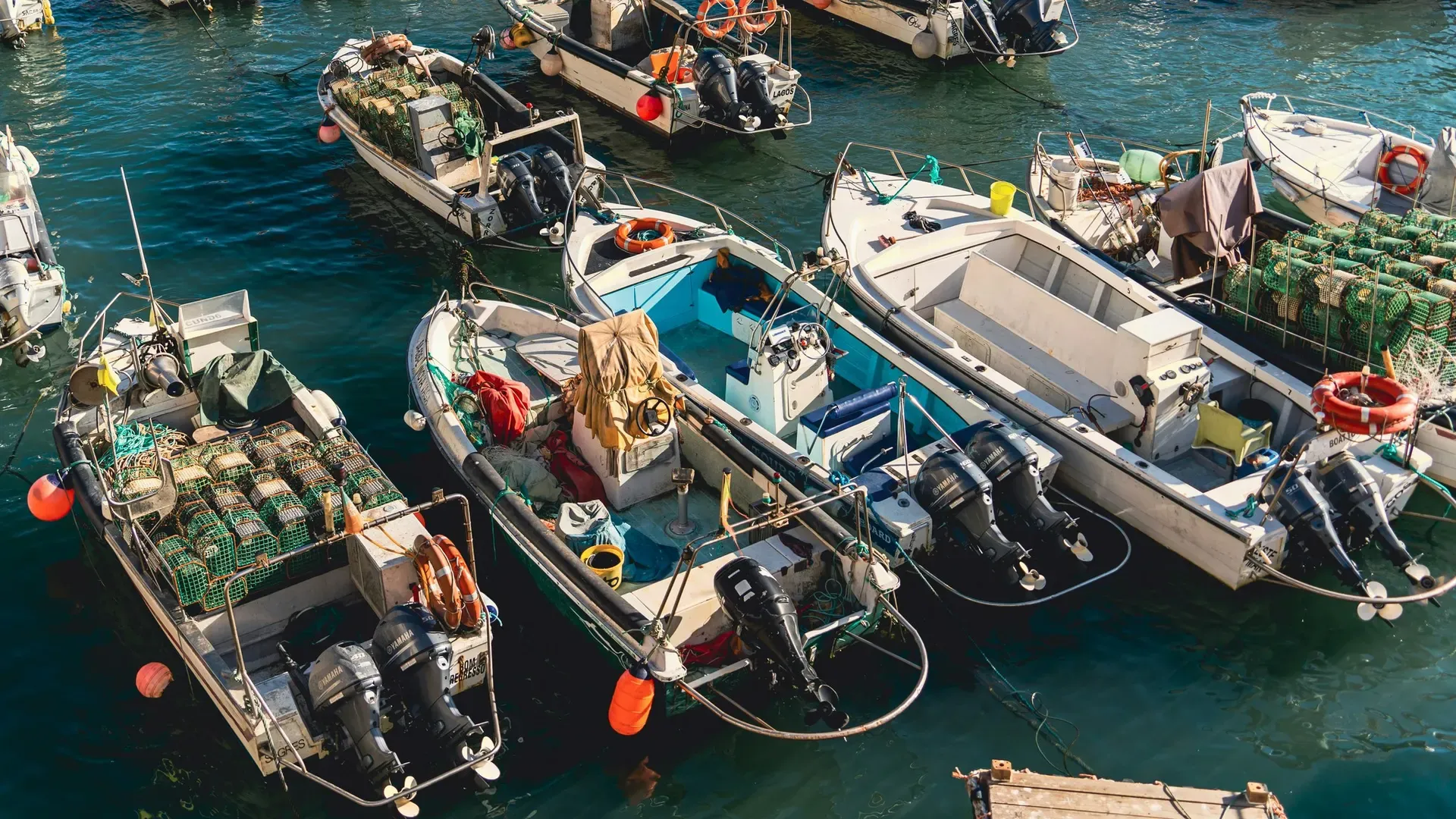
All case studies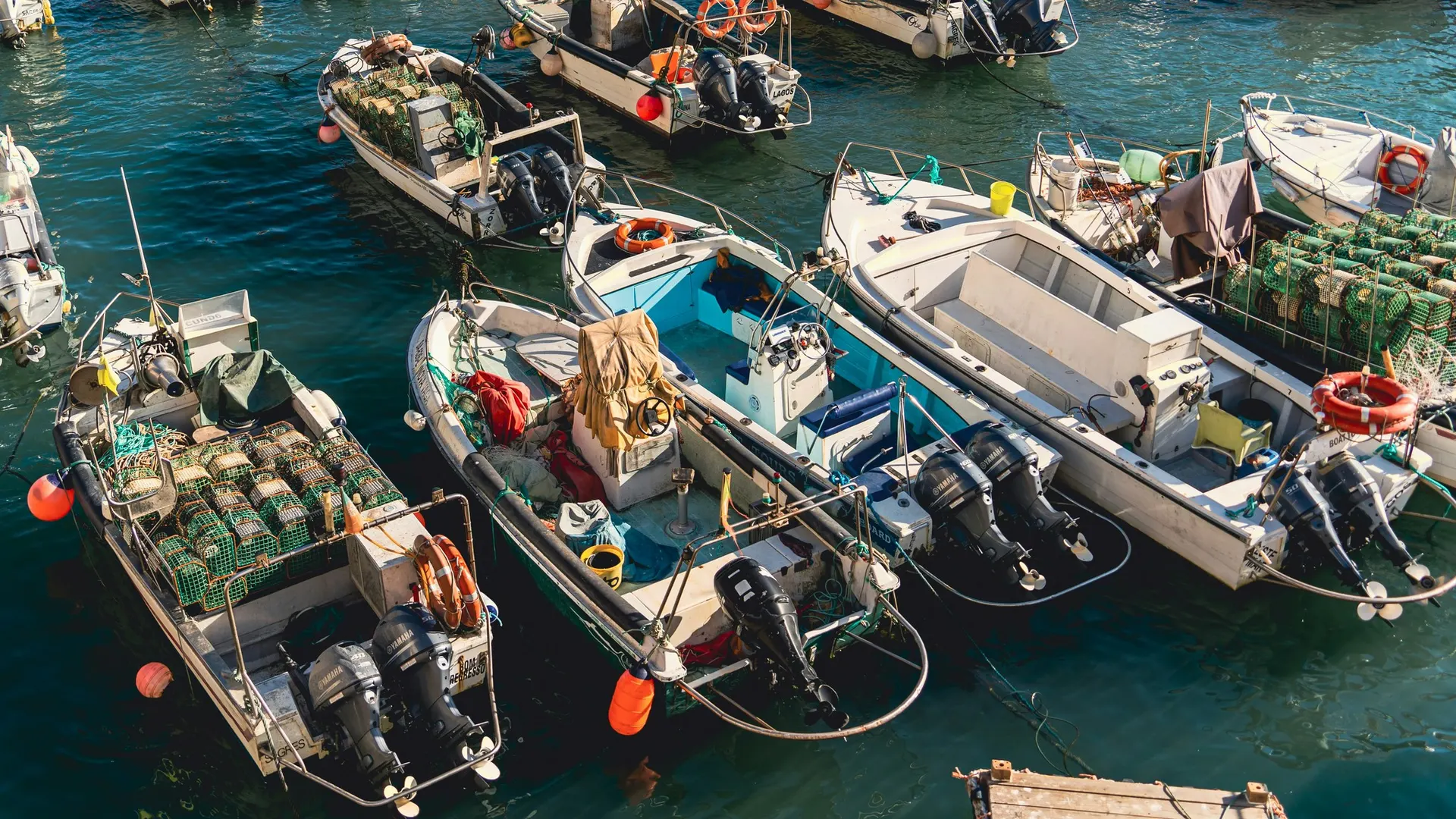 Luke’s LobsterScope 1, 2, and 3 emissions for a seafood brand’s lobster and crab supply chains, calculated and documented so the numbers hold up.
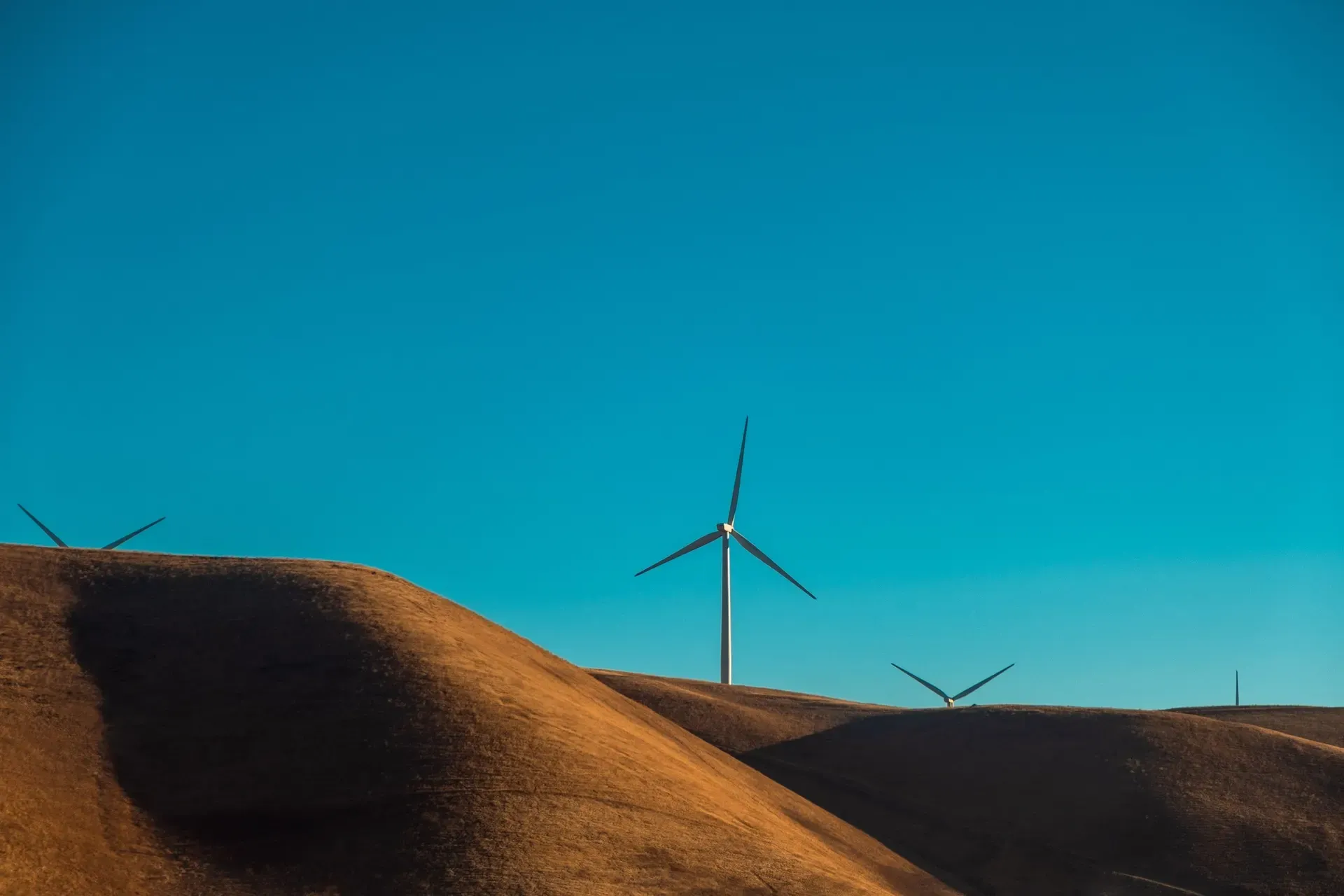
 NRG Bluewater WindStakeholder strategy for an early offshore wind developer, laying the foundation for billions in future investment and thousands of clean energy jobs.
3
emissions scopes measured and documented for Luke’s Lobster’s core products
2010
the year Council Fire certified as a B Corporation
17
“Best for the World” B Corporation honors
From the Luke’s Lobster case study and Council Fire’s B Corp record.
Tools that support the work
Explore Council Fire LabsESG Readiness Scorecard
A short diagnostic that scores where your ESG program stands and shows what to fix first. Free, and the results come to you.
Custom tools for your program
Dashboards, diagnostics, and decision-support tools shaped around how your program runs, built by the same team that helped shape the strategy.
FAQ
Let’s work together
Bring the targets, the reporting calendar, and the board’s questions. We’ll turn them into a strategy.
One conversation is enough to tell whether we can help. If we can’t, we’ll say so and point you somewhere better.