The reality
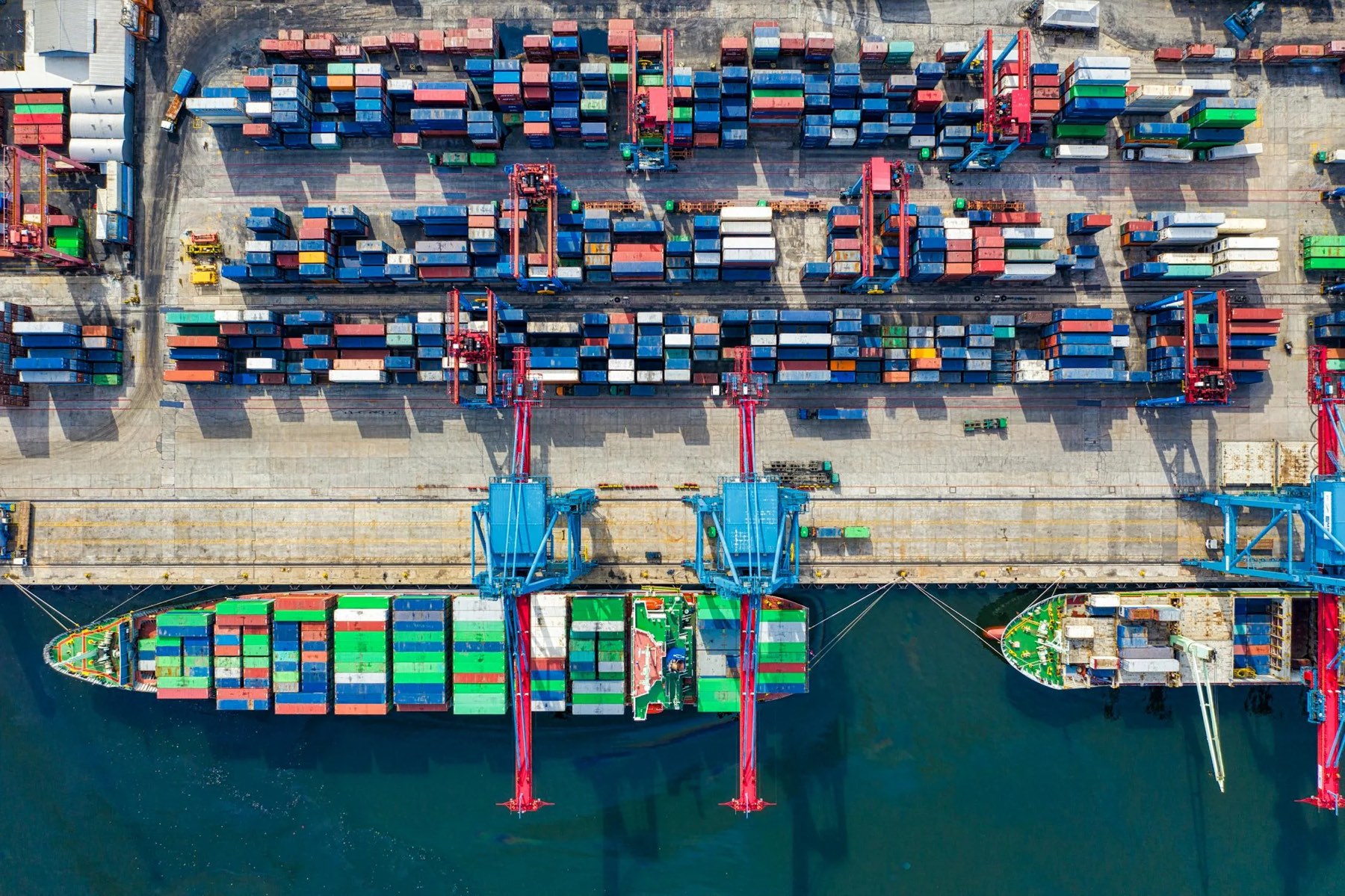
A port is an economy, an ecosystem, and a neighborhood at once. For nearly two decades we’ve helped the Port of Baltimore turn that tension into a competitive advantage, from dredged material to community trust to the story the region tells about it.
Who this is for
Built for the people who have to make it work.
Pick the seat you sit in. The problem on your desk is usually the place we start.
On your desk
Channel depth, cargo growth, community pressure, and a sustainability mandate, all in one budget.
Where we’d start
A sustainability strategy that supports the business case for growth, and the stakeholder coalition that lets it happen.
On your desk
Alternative fuels with uncertain economics, and a fleet that has to keep moving.
Where we’d start
A decarbonization pathway sequenced by operational reality, not by press release.
On your desk
IMO, EU Fit for 55, customer scorecards, and a reporting cycle that never ends.
Where we’d start
One data system and one materiality process that answer regulators and customers alike.
On your desk
Permits that depend on community trust you haven’t built yet.
Where we’d start
Engagement that starts before the permit application, in the neighborhoods that live with the port.
What’s in the way
Four things that stall port and maritime sustainability
And what we do about each one. Most engagements start with the one that is costing you the most right now.
- #1
Decarbonization with no clear economics.
Alternative fuels, shore power, fleet electrification: the costs are real and the payback is uncertain. We build the pathway and the financing, sequenced to keep cargo moving.
Guide: decarbonizing maritime operations - #2
Green infrastructure that needs a coalition to get built.
Our 18-year engagement with the Maryland Port Administration turned dredged material from a liability into Masonville Cove, the nation’s first Urban Wildlife Refuge Partnership, with 4,000 community volunteers behind it.
Case study: Maryland Port Administration - #3
Public perception versus profitability.
The public sees stacks and trucks. We tell the sustainability story with evidence. The iMPAct Reports for the Port of Baltimore, covering five jurisdictions, are one example.
Case study: iMPAct Reports - #4
Regulation on every side.
IMO, EU Fit for 55, state and federal rules, plus customer ESG scorecards. We build the materiality process and the data system that answer all of them once.
Transportation systems practice
What working together looks like
Evaluate. Align. Inspire. Engage.
Every engagement runs the same arc, and can start at any point on it. Here is what each phase means for ports & maritime.
Phase 01 · Evaluate
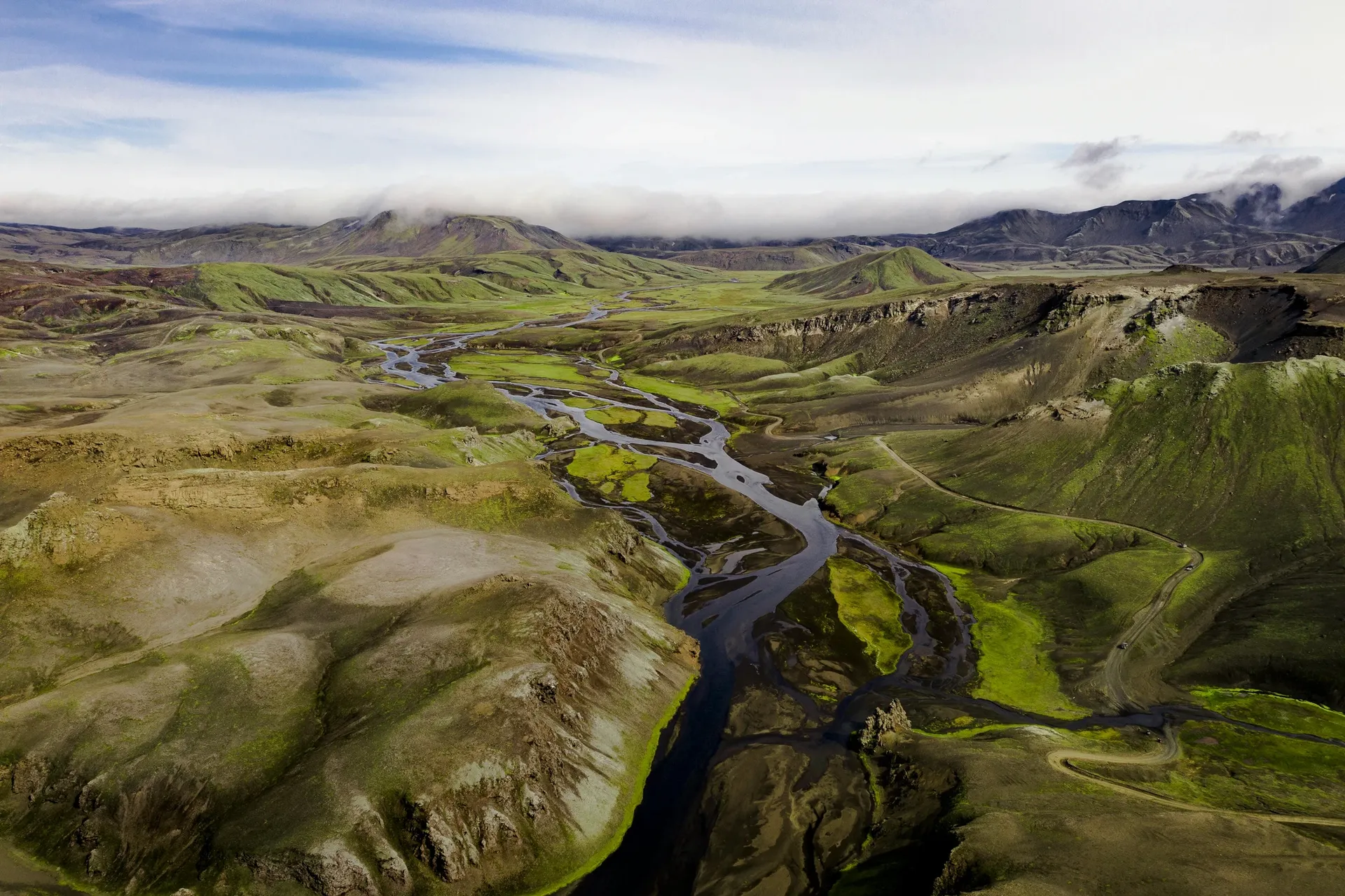
Map the port as a system.
- Emissions and operations baseline
- Stakeholder mapping: operators, communities, regulators
- Regulatory and market exposure review

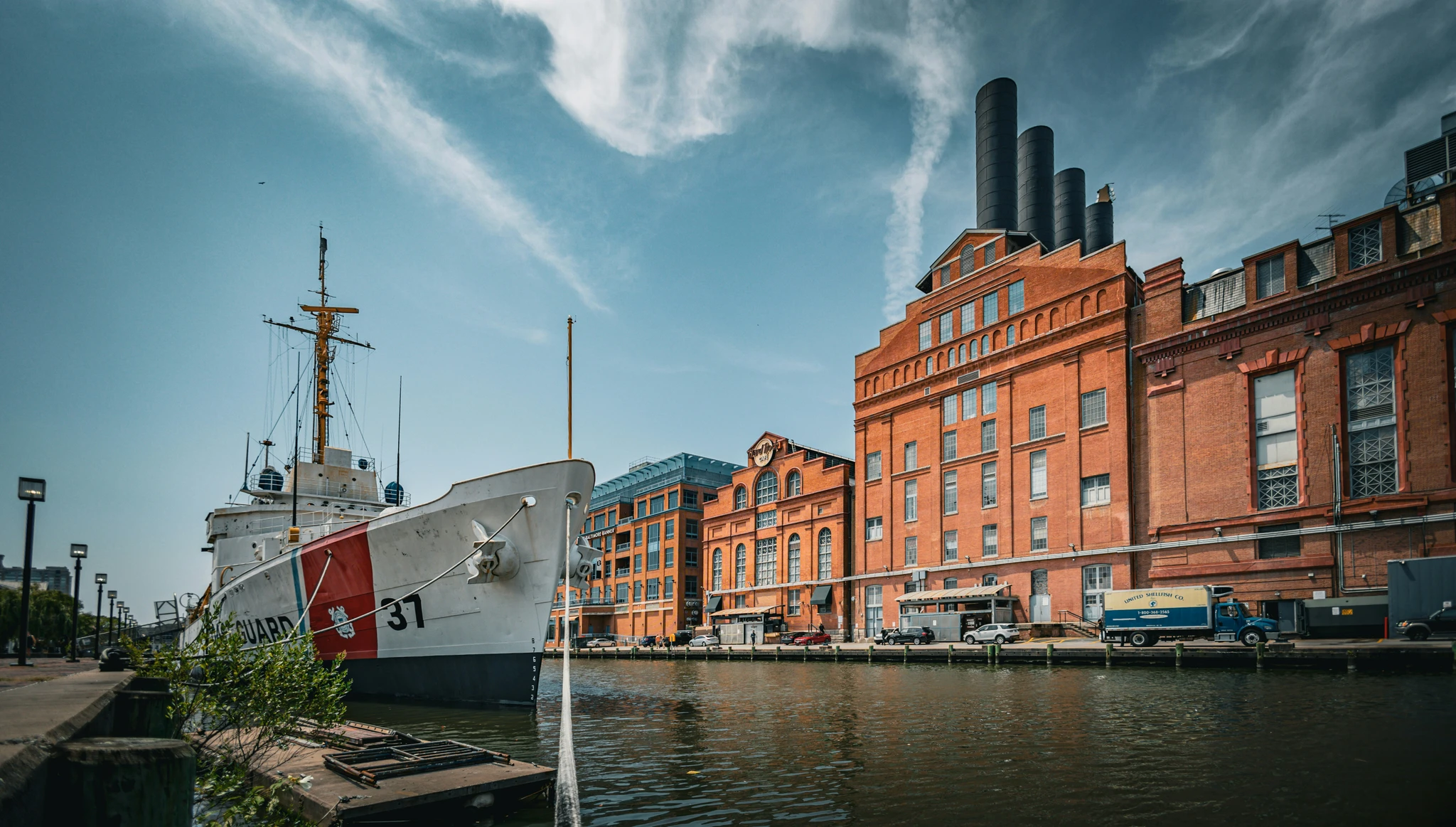
Maryland Port Administration · 18 years and counting
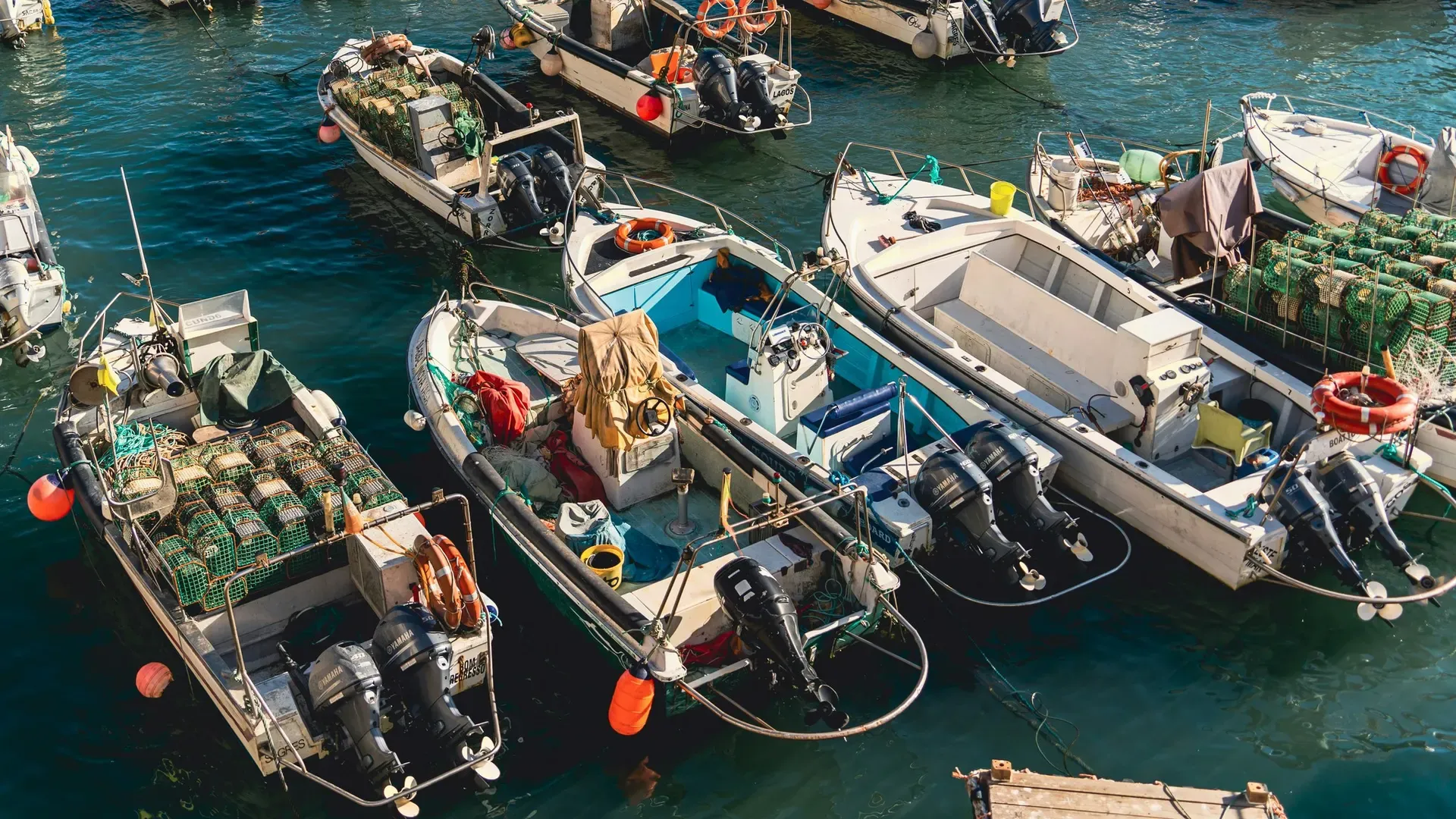
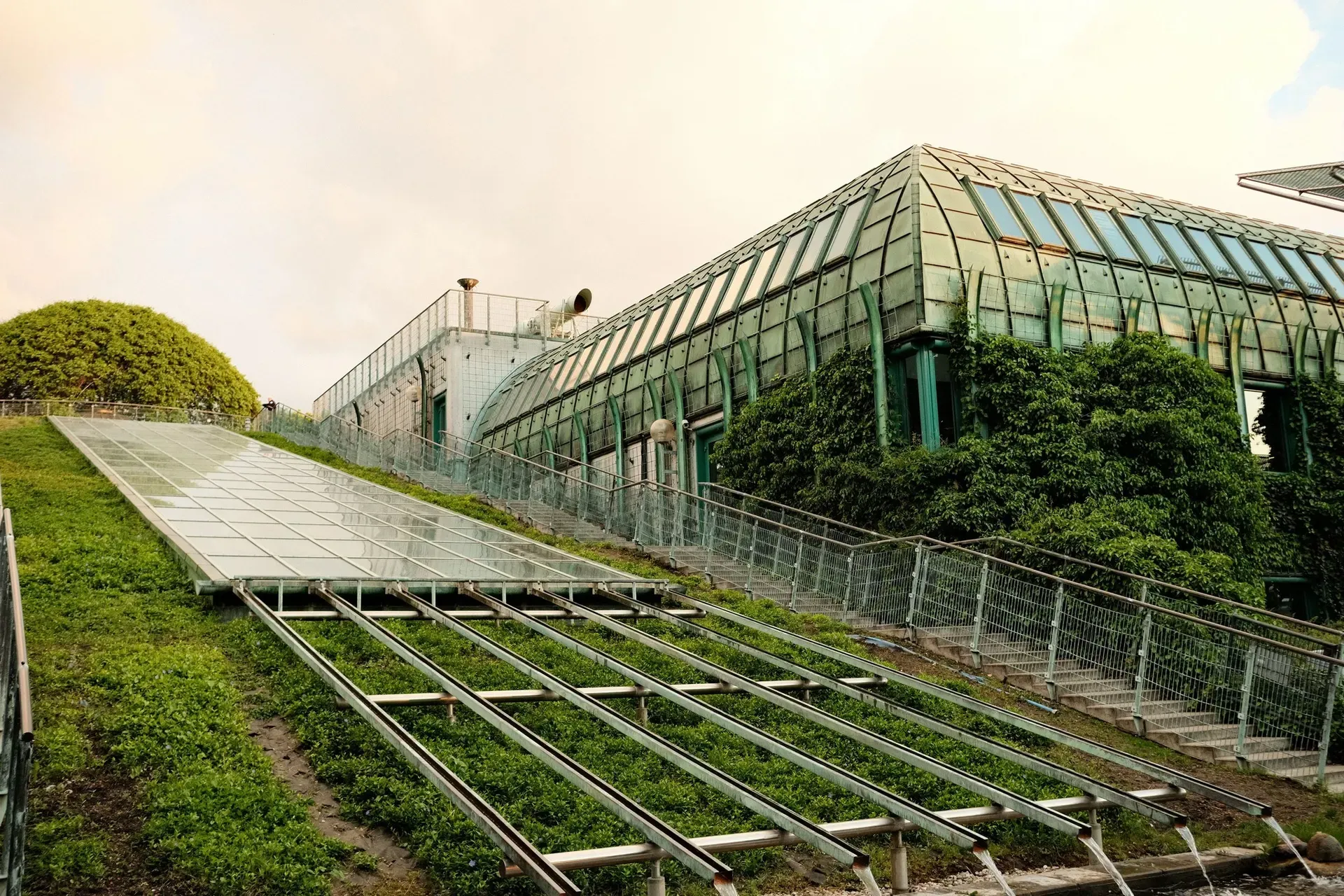
Dredged material reimagined as habitat. A channel deepened to 50 feet, one of four on the East Coast that can take the largest cargo vessels. Baltimore City’s only nesting bald eagles. That is what a port’s sustainability story looks like when it is true.
Work with ports
All case studies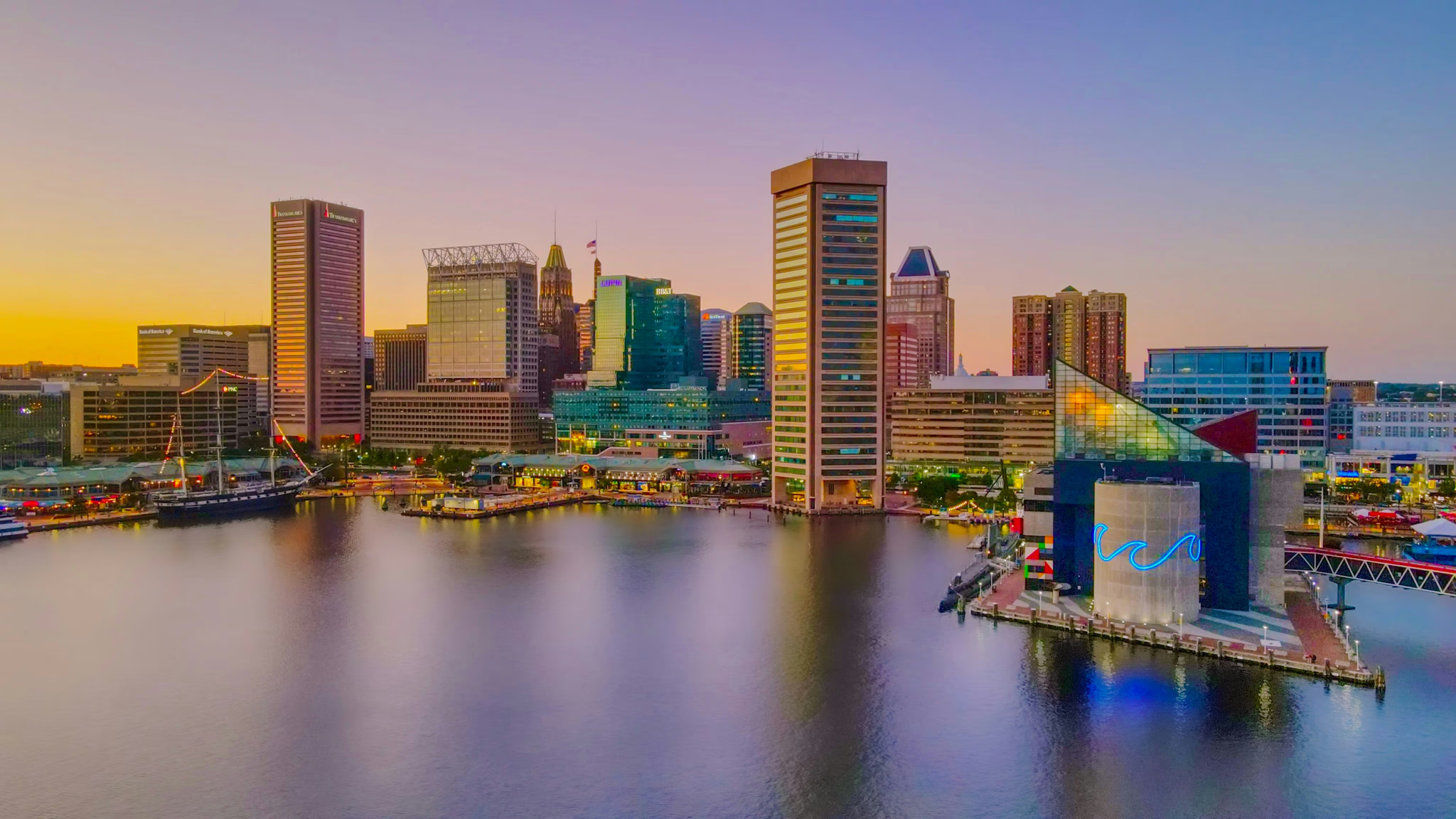 Maryland Port AdministrationEighteen years of stakeholder engagement that turned the Port of Baltimore’s dredged material into habitat, education, and revenue.
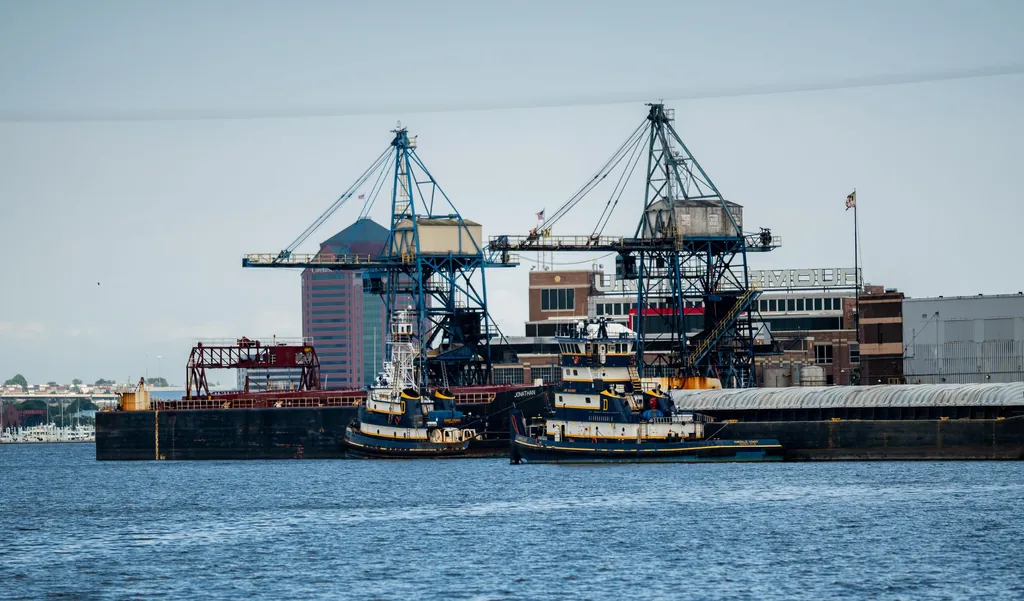 iMPAct ReportsTelling the story of a sustainable Port of Baltimore for the Maryland Port Administration and Maryland Environmental Service.
251
bird species supported by habitat at Masonville Cove, including Baltimore City’s only nesting bald eagles
4,000
community volunteers who have contributed more than 20,000 hours to restoration
35,000+
students reached through environmental education programs at the port
From the Maryland Port Administration case study.
Tools that support the work
Explore Council Fire LabsCustom tools for your program
Dashboards, diagnostics, and decision-support tools shaped around how your program runs, built by the same team that helped shape the strategy.
FAQ
Let’s work together
Bring the cargo forecast, the community, and the regulator. We’ll build the strategy that holds all three.
One conversation is enough to tell whether we can help. If we can’t, we’ll say so and point you somewhere better.