
The reality
Universities hold the science, the talent, and the campus to prove what scalable climate action looks like. What’s missing is a funded roadmap and a bridge from research to decisions. We build both.
Who this is for
Built for the people who have to make it work.
Pick the seat you sit in. The problem on your desk is usually the place we start.
On your desk
A carbon-neutrality date on the website and no funded roadmap behind it.
Where we’d start
A decarbonization roadmap sequenced by cost and carbon, with the financing to match.
On your desk
An aging central plant, deferred maintenance, and a mandate to electrify all of it.
Where we’d start
Climate-ready energy and water infrastructure planning that fits the capital cycle.
On your desk
Science that’s rigorous, published, and not changing policy.
Where we’d start
Science-to-action partnerships that put research in front of the people who decide.
On your desk
Students, faculty, and donors pushing for climate commitments the institution can’t yet keep.
Where we’d start
A credible commitment, and a story of progress that keeps every audience engaged.
What’s in the way
Four things that stall campus climate action
And what we do about each one. Most engagements start with the one that is costing you the most right now.
- #1
Aggressive targets, no roadmap.
Net-zero dates get announced before the plan exists. We build the roadmap: baseline, sequencing, financing, and the governance that survives leadership changes.
Guide: climate-ready campus infrastructure - #2
Campus energy systems built for another century.
Central plants, district steam, and deferred maintenance meet an electrification mandate. We plan the transition alongside the capital cycle and the funding programs that can pay for it.
Energy & water infrastructure practice - #3
Research that doesn’t reach the decision.
Our formal partnership with the University of Maryland Center for Environmental Science is built on science-to-action: turning research into strategy, reporting, and policy that institutions adopt.
Why universities hold the key - #4
Students, faculty, and donors want to see it happen.
Sustainability is now part of how institutions recruit and raise money. We help you make commitments you can keep, and communicate progress in a way each audience trusts.
Our expertise
What working together looks like
Evaluate. Align. Inspire. Engage.
Every engagement runs the same arc, and can start at any point on it. Here is what each phase means for universities & research.

Phase 01 · Evaluate
Baseline the campus and the commitment.
- GHG baseline across campus operations
- Energy and water infrastructure assessment
- Stakeholder mapping: students, faculty, trustees, community


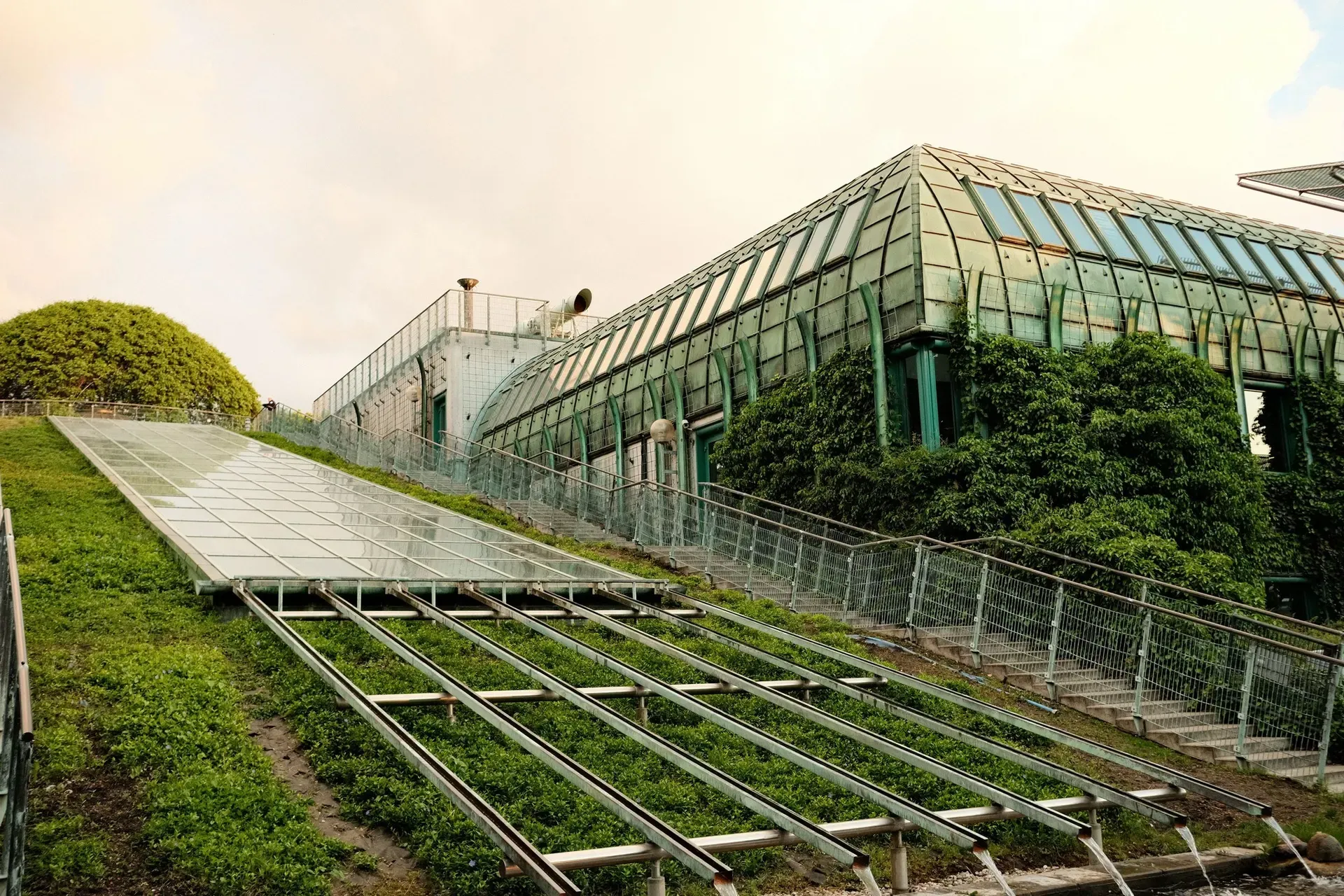

“Council Fire has long been a key collaborator and partner, one that listens deeply, stretches our thinking, strategizes practically, and amplifies our reach. Their comprehensive economic, environmental, and social impact expertise combined with their collaboration and storytelling capabilities helps ensure our science and research can emerge from the labs and have real world impact.”
Work with institutions
All case studies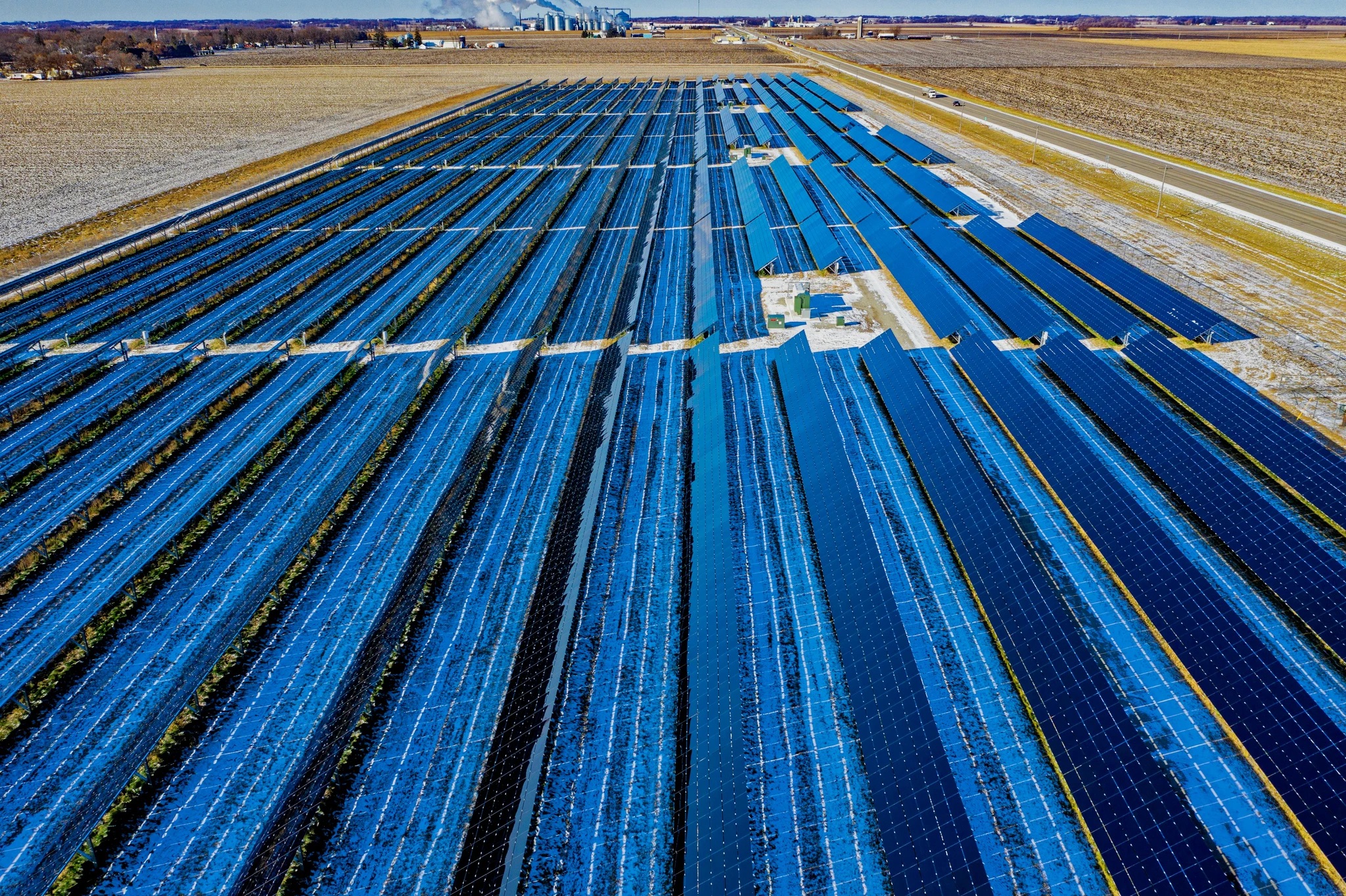 Maryland Clean Energy CenterCommunications and alignment around the Center’s signature moments and new financing initiatives.
 Chesapeake Watershed Restoration ProfessionalsAssessment, strategy, and ongoing engagement for a Maryland watershed-restoration coalition.
2010
the year Council Fire certified as a B Corporation
17
“Best for the World” B Corporation honors
100+
projects completed around the globe
From Council Fire’s record.
Tools that support the work
Explore Council Fire LabsESG Readiness Scorecard
A short diagnostic that scores where your ESG program stands and shows what to fix first. Free, and the results come to you.
Custom tools for your program
Dashboards, diagnostics, and decision-support tools shaped around how your program runs, built by the same team that helped shape the strategy.
FAQ
Let’s work together
Bring the target, the campus, and the research. We’ll build the roadmap that connects them.
One conversation is enough to tell whether we can help. If we can’t, we’ll say so and point you somewhere better.