
Jun 1, 2026
How to Turn a Strategic Plan into Fundable, Shovel-Ready Projects for Foundations & Philanthropic Organizations
Sustainability Strategy
In This Article
Turn strategic plans into fund-ready projects with SMART outcomes, itemized budgets, governance, and sustainability.
How to Turn a Strategic Plan into Fundable, Shovel-Ready Projects for Foundations & Philanthropic Organizations
Turning a strategic plan into fundable, shovel-ready projects is essential to secure grants from philanthropic organizations. Funders prioritize specific, actionable initiatives over broad strategies, focusing on measurable outcomes, detailed budgets, and long-term sustainability. Here's a quick guide:
Shovel-Ready Defined: Projects must be fully prepared with clear goals, costs, responsibilities, and measurable results. They should align with funders' priorities and demonstrate organizational readiness.
Key Components Funders Look For:
A strong problem statement backed by data.
SMART outcomes (Specific, Measurable, Achievable, Relevant, Time-bound).
A detailed, itemized budget.
A sustainability plan showing how the project will continue post-funding.
Steps to Create Fundable Projects:
Break down broad goals into specific, actionable projects.
Evaluate ideas based on impact, feasibility, and funder alignment.
Use a standardized project concept template to ensure clarity and consistency.
Implementation Essentials:
Define scope, governance, and partnerships.
Create a phased implementation plan with milestones and responsibilities.
Build a transparent budget, including lifecycle costs and matching funds.
Funder-Ready Dossier: Assemble all necessary documentation, including financials, governance details, and project specifics, to showcase readiness.
To succeed, focus on aligning your projects with funders’ goals, addressing risks, and presenting detailed, well-structured proposals. This approach bridges the gap between planning and execution, increasing your chances of securing funding.
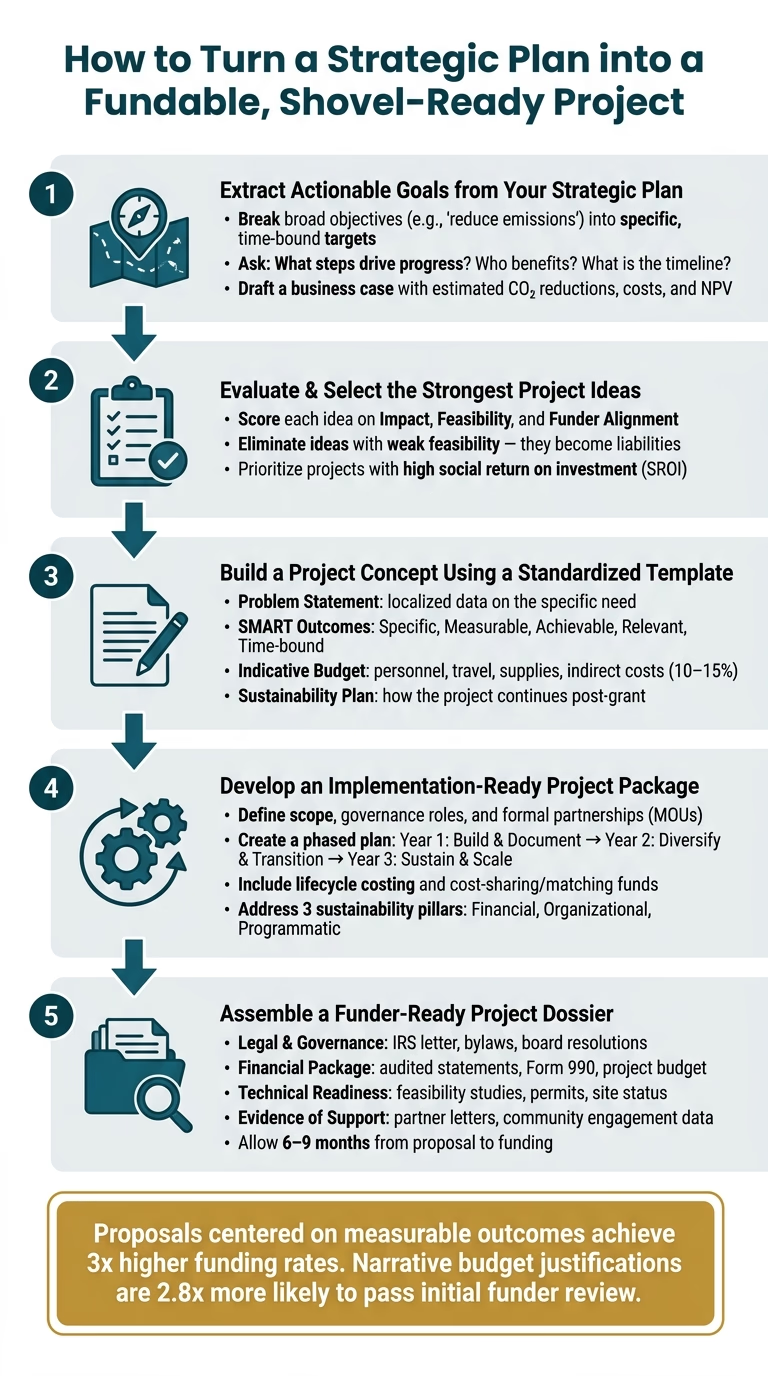
How to Turn a Strategic Plan into a Fundable, Shovel-Ready Project
What Funders Expect from Shovel-Ready Projects
Understanding what funders prioritize before drafting your proposal can save time and significantly improve your chances of success. With proposal success rates hovering between 10% and 30% [5], most submissions don't make the cut. The organizations that consistently secure funding aren't necessarily doing more impactful work - they're simply presenting their projects in a way that aligns with how funders evaluate and decide.
What 'Shovel-Ready' Means in Philanthropic Funding
In construction, "shovel-ready" means everything is in place - permits, financing, and teams - so work can start immediately. In the philanthropic world, the concept is similar, though it requires more nuance. A shovel-ready project isn't just a solid idea with a price tag; it’s a fully prepared initiative ready to receive funding and deliver results.
Three key factors define readiness: a documented physical or programmatic need, a proven ability to fundraise, and a board-approved strategic plan that explicitly supports the project [3]. That last element is particularly crucial. Funders want reassurance that the project reflects the organization's collective commitment, not just the vision of one individual.
"The goal isn't just to start a capital project. It's to start it ready." - Russ Robertson, Cap Ex Advisory Group [3]
Additionally, make sure your CRM and accounting systems can handle automated restricted-fund reporting and real-time compliance tracking [4]. A strong narrative won't make up for weak financial systems.
Key Criteria Funders Use to Select Projects
Funders don't just evaluate proposals - they assess the entire organization [5]. This includes governance, financial stability, leadership history, and the ability to deliver results. A project that looks promising on paper but comes from an organization with shaky finances or unclear accountability will raise concerns.
The way a project is framed also plays a critical role:
"Large foundations invest in outcomes rather than mere needs." [4]
Proposals centered on measurable outcomes achieve 3x higher funding rates compared to those focused solely on community needs [4]. The shift here is subtle but impactful: instead of just stating why your organization needs funding, show funders the tangible, measurable benefits their investment will create. Proposals that include a narrative budget justification - explaining the reasoning behind every dollar - are 2.8x more likely to pass initial reviews [4].
Funders also evaluate sustainability across three key areas: financial (how the project will sustain itself post-grant), organizational (whether leadership and staffing can maintain momentum), and programmatic (whether the project's impact endures long-term) [8]. A project that can't survive without continuous funding is unlikely to be viewed as a solid investment.
How a Strategic Plan Differs from a Fundable Project
One common stumbling block is confusing a strategic plan with a fundable project. While both are essential, they serve very different purposes.
Dimension | Strategic Plan | Fundable Project |
|---|---|---|
Scope | Broad organizational vision and long-term goals [5] | Targeted initiative with clear start and end points [3] |
Focus | Overall direction and priorities [5] | Specific deliverables and measurable outcomes [7] |
Budget | General operating projections [5] | Detailed, itemized budget for specific activities [4] |
Purpose | Reflects organizational vision [5] | Outlines a high-impact initiative ready for execution [4] |
Your strategic plan communicates who you are and where you're going. A fundable project tells funders what you'll do, how much it will cost, and what they’ll gain from supporting it. While both are important, only the latter directly secures funding.
"A weak sustainability plan... signals to reviewers that your organization has not thought past the grant period, which colors how they read every other section of your proposal." - Arthur Griffin, Granted AI [8]
The key takeaway here is that while your strategic plan lays the groundwork, it must be translated into well-defined, actionable projects to attract funders. Use this distinction to transform broader goals into fundable, results-driven initiatives.
Breaking Strategic Goals into Project Concepts
Turning sustainability goals into actionable, fundable projects is essential for attracting philanthropic support. A sustainability plan serves as a guiding framework, but translating it into well-defined projects is what helps funders assess and back your initiatives.
Pulling Actionable Goals from Sustainability Plans
Sustainability plans often outline broad objectives like "reduce carbon emissions", "enhance community resilience", or "improve energy access." These are directions, not concrete projects. To pinpoint measurable targets within these goals, consider questions like: What specific steps will drive progress? Who stands to benefit? What is the timeline for impact?
For each project idea, create a concise business case. Estimate key metrics such as the potential reduction in CO₂ emissions (in tons), projected costs, payback periods, and net present value (NPV) [1]. This analysis provides clarity and helps build funder confidence by showcasing the financial reasoning behind the project.
Once specific goals are identified, the next step is to assess which project ideas align with organizational capabilities and funder priorities.
How to Evaluate and Select Project Ideas
Given limited resources and specific funder interests, it’s important to evaluate each project idea based on its impact, feasibility, and alignment with funder priorities. Consider these factors:
Impact: How significant and measurable are the outcomes?
Feasibility: Do you have the team, partners, and systems to execute the project effectively?
Funder Alignment: Does the project align with the priorities of potential funding organizations?
A project that scores high in all three areas is worth developing further. However, even if a project has strong potential impact, weak feasibility can turn it into a liability.
A helpful example comes from the One Acre Fund's Rwanda program in 2017. When the program faced challenges in maintaining its growth trajectory, the team implemented nearly two dozen cost-saving measures. This effort resulted in a 20% reduction in cost per farmer, enhancing the program’s social return on investment (SROI) and positioning it for future expansion [2]. This illustrates the importance of evaluating efficiency alongside ambition to make projects more competitive for funding.
Once the strongest ideas are selected, standardizing them with a project concept template ensures they are funder-ready.
Using a Project Concept Template
A standardized template helps organize project ideas and ensures consistency when presenting them to funders. Below is an outline of the six essential components every project concept note should include [9][10][11]:
Template Component | What to Include |
|---|---|
Problem Statement | Localized data that highlights the specific need in your community |
Proposed Solution | A clear description of the intervention or activity, supported by evidence |
Target Beneficiaries | Details on who will benefit, how many, and over what timeframe |
Expected Outcomes | SMART objectives (Specific, Measurable, Achievable, Relevant, Time-bound) |
Indicative Budget | A detailed cost breakdown, including personnel, travel, supplies, and indirect costs (10–15%) |
Sustainability Plan | Explanation of how the project will continue beyond the grant period |
The executive summary, typically one to two pages, should be drafted last to ensure it accurately reflects the finalized concept [10]. Since program officers often spend only 30–90 seconds on initial screening materials, clarity and precision are critical [9].
"The template is a structure; the proposal is the content." - Drew Giddings, Founder & Principal Consultant, Giddings Consulting Group [9]
Building Implementation-Ready Project Packages
Turn your project concept into a detailed, funder-ready package that bridges the gap between planning and execution. This package serves as the actionable extension of your strategic sustainability plan, offering funders the confidence they need to back your initiative.
Defining Scope, Governance, and Partnerships
A well-defined project scope answers three critical questions: What will be done? Who is responsible for each part? And who else is involved? Funders expect clear boundaries and roles, ensuring the project is manageable and organized.
Governance is equally important. Before submitting, establish decision-making roles, reporting structures, and accountability systems. If partnerships are part of the project, go beyond basic letters of support. Formalize these relationships with Memorandums of Understanding (MOUs) that outline financial or in-kind contributions [8][12]. A compelling example is the Mass Audubon Catalyst Fund, which leveraged bridge financing and matching grants to achieve a 9:1 match ratio - for every $1 contributed by the fund, $9 was secured from other sources. This effort led to the protection of 6,000 acres by December 2025. Such results are only possible when partnership commitments are solidified upfront, creating a strong foundation for implementation.
Building a Detailed Implementation Plan
To demonstrate readiness, a detailed implementation plan is essential. This plan should break the project into clear phases, each with specific milestones, assigned responsibilities, and realistic timelines. For instance, a phased approach like Year 1: Build and Document; Year 2: Diversify and Transition; Year 3: Sustain and Scale can communicate both short-term execution and long-term continuity [8].
Each phase should include specific tasks, assigned team members or partners, and measurable SMART deliverables. Additionally, incorporate an adaptive management loop - this means planning for regular progress monitoring, early problem identification, and course adjustments to keep the project on track.
Creating Clear Budgets and Financial Plans
A transparent and thorough budget is key to building funder confidence. Provide a line-item budget in U.S. dollars that covers all aspects of the project, including personnel, equipment, travel, indirect costs, and long-term maintenance. Funders are increasingly focused on lifecycle costing, which accounts for ongoing maintenance and monitoring expenses, not just initial implementation.
To reduce risk and demonstrate commitment, include cost-sharing or matching funds in your financial plan. Address post-grant financial sustainability in your budget narrative by focusing on three pillars: financial, organizational, and programmatic sustainability. Funders want to know how the project will continue after their grant ends, whether your team can maintain operations, and if the initiative will become integrated into your organization’s long-term processes. For example, federal grant competitions often allocate 5% to 15% of scoring points to the sustainability plan section, emphasizing its importance [8].
Sustainability Pillar | Focus Area | What to Show Funders |
|---|---|---|
Financial | Revenue Streams | Phased budget showing transition from grant funding to operating funds or earned revenue [8] |
Organizational | Capacity | Evidence of leadership, governance, and staffing to sustain operations [8] |
Programmatic | Continuity | Integration of models, tools, and partnerships into regular organizational practices [8] |
Positioning Projects to Win Philanthropic Funding
To secure philanthropic funding, it’s essential to align your project with the priorities and expectations of potential funders. A well-crafted implementation plan is just the start - your project must also resonate with the funder’s overarching goals and theories of change.
Mapping Projects to Funders' Theories of Change
Most foundations operate based on a "theory of change", which outlines how their investments lead to the improvements they aim to achieve. Your proposal should reflect this framework. As Drew Giddings, Founder & Principal Consultant at Giddings Consulting Group, explains:
"A theory of change is your hypothesis about how the world moves from its current state to the future you want to see." [13]
Structure your narrative around this idea: "If we fund X, then Y will occur because Z." This approach ties your project’s activities directly to the outcomes funders prioritize. Focus on addressing root causes instead of merely treating symptoms. Research shows that foundations with narrowly focused grantmaking strategies report greater perceived impact compared to those spreading resources across a broad range of issues [13]. Demonstrating that your project directly tackles the core problem will make your proposal more compelling.
Addressing Risk and Due Diligence Concerns
Funders don’t just evaluate the strength of your idea - they also scrutinize the organization behind it. Addressing potential risks upfront can establish your credibility. Instead of making general claims about your organization’s capabilities, provide quantifiable evidence. For instance, compare these two statements:
Vague: "We have extensive experience managing grants."
Specific: "We have managed $4.2 million in federal grants over five years with zero audit findings." [14]
The second statement is far more persuasive because it demonstrates measurable reliability. Additionally, show funders how you incorporate stakeholder feedback into your project’s decision-making process. Clear feedback loops indicate a commitment to accountability and long-term success, rather than just meeting short-term goals [15].
A real-world example of this approach is the DC Water Environmental Impact Bond, launched in 2017 to combat sewage overflow. By 2022, third-party evaluations confirmed a nearly 20% reduction in stormwater runoff, triggering performance-based repayment. This built-in verification mechanism directly addressed funder concerns about achieving measurable outcomes.
Writing Project Narratives That Resonate with Funders
Your project narrative must clearly and convincingly outline the outcomes funders care about. Start by carefully reviewing the funder’s Notice of Funding Opportunity (NOFO). Use their exact headings and terminology as a guide to structure your proposal [14].
Avoid vague promises and instead set specific, measurable targets. For example, replace general statements like "we will seek additional funding" with concrete plans, such as identifying specific foundations, upcoming RFPs, or revenue models with projected dollar amounts [8]. Arthur Griffin of Granted AI emphasizes this point:
"The sustainability plan is where you prove that bet is worth taking." [8]
Finally, frame your milestones as SMART objectives - specific, measurable, achievable, relevant, and time-bound. For instance, instead of saying "increase access", specify the number of beneficiaries you aim to serve by a particular date [14]. This level of precision communicates that your organization is prepared and capable, which is exactly what funders are looking for.
Assembling a Funder-Ready Project Dossier
Once your implementation plan is in place, the next step is creating a complete project dossier - a critical package that showcases your project's readiness for funding. Think of it as the ultimate proof that your project is prepared to succeed. As Michelle Talsma explains:
"Applicants who provide credible, coherent, and consistent documentation demonstrate to funders that they are lower risk, thereby strengthening the technical merit of the project." [16]
Core Components of a Project Dossier
A well-prepared dossier addresses three essential questions: Are you capable of executing the project? Do you have the necessary permissions? Can you financially sustain it? Each section of your dossier should clearly answer one of these.
Dossier Category | Key Components |
|---|---|
Legal & Governance | IRS determination letter, EIN, UEI/SAM.gov registration, bylaws, board resolutions, conflict-of-interest policy |
Financial Package | Audited financial statements, latest Form 990, current fiscal year budget, detailed project budget |
Technical Readiness | Feasibility studies, engineering drawings, environmental assessments, permits, site preparation status |
Project Specifics | Detailed project description, measurable goals, implementation timeline, capital stack breakdown |
Evidence of Support | Letters of support from partners, community engagement data, organizational chart |
One crucial detail: Ensure your SAM.gov registration is active and renewed at least 60 days before any federal or large-scale grant deadline. Expired registrations are a common reason why organizations miss out on funding opportunities [17].
Using a Readiness Checklist Before Submission
Before submitting your dossier, conduct a thorough review to address any gaps in documentation. This step ensures that funders see a polished, complete package. Funding For Good emphasizes this point:
"Being grant ready means your nonprofit has the administrative, governance, financial, leadership, and programmatic know-how to apply for, receive, and manage grants successfully." [18]
To stay organized, consider creating a "Grant Documents" folder with subfolders for categories like Tax Documents, Governance, Financials, and Project Specifics. This structure ensures all attachments are easily accessible when juggling multiple applications [18]. Additionally, your checklist should verify that your monitoring and evaluation framework clearly differentiates between outputs (tasks completed) and outcomes (impact achieved), as funders increasingly prioritize this distinction [5].
Plan for a 6- to 9-month timeline from proposal to funding. This allows time to finalize documentation, update registrations, and secure internal approvals [5]. A detailed checklist not only ensures readiness but also aligns your planning with a polished, funder-ready dossier.
Scaling This Process Across a Project Portfolio
Once you've mastered creating a single dossier, you can scale this approach to manage multiple proposals efficiently. By standardizing your project pipeline, you can reuse key materials - like a project summary - across different funders, saving time and effort [19].
For smaller organizations, outsourcing to fractional CFO or COO services can help establish compliant financial systems without the expense of full-time executives [5]. This upfront investment in infrastructure pays dividends: organizations that focus on grant readiness before applying consistently achieve better results [6].
Conclusion: Turning Sustainability Plans into Action
Bridging the gap between a well-crafted sustainability plan and an actionable, funded project is challenging, but entirely achievable. Throughout this guide, we've explored how to take deliberate steps: breaking down strategic plans into clear, time-bound goals, shaping those goals into specific project concepts, developing comprehensive implementation packages, aligning projects with funders' priorities, and presenting polished materials that demonstrate readiness and credibility.
The key shift here isn't just technical - it's strategic. Successful organizations approach their sustainability goals as opportunities to create actionable projects, proactively developing these initiatives rather than scrambling to fit into existing grant opportunities. This mindset reflects a central idea: every strategic objective has the potential to become a measurable, funder-ready initiative.
To start turning plans into action, consider this 90-day roadmap: In the first 30 days, focus on identifying one or two high-priority goals from your plan and draft initial project concepts. Over the next 30 days, test these concepts with at least one external stakeholder group to refine them. In the final 30 days, match your strongest concept with three to five potential funders, and create a mini dossier that includes a concise narrative, a logic model, a detailed budget, and a letter of support.
This repeatable process can scale across your entire project portfolio. With U.S. charitable giving surpassing $557 billion in 2023 - foundations contributing about 19% - the funding potential is immense for organizations that are prepared and strategic.
Council Fire collaborates with organizations at this critical juncture, helping translate sustainability strategies into prioritized project pipelines, crafting funder-aligned packages, and creating narratives that align with funders' missions. Whether it's financial modeling or portfolio planning, the objective remains the same: convert sustainability commitments into measurable outcomes, not just plans on paper.
FAQs
What makes a project “shovel-ready” for foundation funding?
When a project is considered shovel-ready for foundation funding, it means it has moved beyond the conceptual phase and is now a well-defined, actionable plan backed by a solid business case. This readiness requires several key components: clearly defined, measurable objectives; a comprehensive analysis of costs across the project's lifecycle, including installation, maintenance, and monitoring; and all required approvals already in place.
To secure funding, the project must also align closely with the foundation's mission and goals. Additionally, it should demonstrate additionality - proving that the project delivers benefits beyond what would occur without the funding. Providing reliable performance data, addressing potential risks, and ensuring outcomes that are equitable and technically feasible are also critical elements. These factors collectively make a project compelling and ready for financial support.
How do I turn a strategic goal into one fundable project?
To design a project that is ready for funding and implementation, focus on identifying a short-term priority that aligns with the goals of potential donors. Create a concise, donor-focused project brief that outlines a clear scope and timeline - typically within 1 to 3 years. Support your proposal with data, showcasing the potential benefits of funding and the risks of inaction.
When evaluating the project, apply a six-factor rubric to ensure its viability and appeal. This includes:
Strategic Alignment: How well does the project align with overarching goals and priorities?
Impact: What measurable difference will the project make?
Readiness: Is the project prepared for immediate implementation?
Donor Appeal: Does the project resonate with potential donors, and is it presented in an engaging way?
Financial Need: Is there a clear and compelling case for the funding required?
Philanthropy’s Role: How critical is philanthropic support to the project’s success?
This structured approach ensures the project is not only actionable but also attractive to donors, increasing the likelihood of securing funding.
What documents should be in a funder-ready project dossier?
A project dossier aimed at securing funding must clearly demonstrate organizational stability, technical practicality, and alignment with strategic goals. Start by including a formal request letter, a detailed grant proposal, and a comprehensive budget. These foundational elements set the tone and provide clarity on the project's purpose and financial requirements.
To strengthen the dossier, attach supporting documents such as strategic plans, feasibility studies, and environmental assessments. These materials showcase the project's groundwork and its alignment with broader objectives.
Operational readiness is equally important. Include audited financial statements, procurement policies, and evidence of governance structures to assure funders of the organization's capacity to manage resources effectively.
Finally, incorporate project-specific materials to provide a complete picture. These might include work plans, timelines, staff bios, letters of commitment, and records of community or Indigenous engagement. Together, these elements create a compelling case for why the project deserves funding.
Related Blog Posts
Latest Articles
©2026

Narrative Change and Power Building: The Missing Half of Advocacy
Narrative change is the process of disrupting dominant narratives that normalize inequity and advancing new narratives from historically marginalized communities.

Funding Resilience Without Federal Grants
BRIC is unreliable and FEMA is shrinking. Here's how cities fund climate resilience with dedicated revenue, blended finance, and a coordinating authority.

The ESG Blind Spot: How AI Is Finding Risks in Companies Nobody Else Is Watching
Norway's sovereign wealth fund uses AI to screen 7,200 portfolio companies for forced labor and corruption within 24 hours. The real story is the emerging-market coverage gap that traditional ESG data vendors miss — and what it means for any company with a global supply chain.
Narrative Change and Power Building: The Missing Half of Advocacy
Narrative change is the process of disrupting dominant narratives that normalize inequity and advancing new narratives from historically marginalized communities.
Funding Resilience Without Federal Grants
BRIC is unreliable and FEMA is shrinking. Here's how cities fund climate resilience with dedicated revenue, blended finance, and a coordinating authority.
The ESG Blind Spot: How AI Is Finding Risks in Companies Nobody Else Is Watching
Norway's sovereign wealth fund uses AI to screen 7,200 portfolio companies for forced labor and corruption within 24 hours. The real story is the emerging-market coverage gap that traditional ESG data vendors miss — and what it means for any company with a global supply chain.
FAQ
01
What does it really mean to “redefine profit”?
02
What makes Council Fire different?
03
Who does Council Fire work with?
04
What does working with Council Fire actually look like?
05
How does Council Fire help organizations turn big goals into action?
06
How does Council Fire define and measure success?
07
How does technology fit into Council Fire’s work?
Jun 1, 2026
How to Turn a Strategic Plan into Fundable, Shovel-Ready Projects for Foundations & Philanthropic Organizations
Sustainability Strategy
In This Article
Turn strategic plans into fund-ready projects with SMART outcomes, itemized budgets, governance, and sustainability.
How to Turn a Strategic Plan into Fundable, Shovel-Ready Projects for Foundations & Philanthropic Organizations
Turning a strategic plan into fundable, shovel-ready projects is essential to secure grants from philanthropic organizations. Funders prioritize specific, actionable initiatives over broad strategies, focusing on measurable outcomes, detailed budgets, and long-term sustainability. Here's a quick guide:
Shovel-Ready Defined: Projects must be fully prepared with clear goals, costs, responsibilities, and measurable results. They should align with funders' priorities and demonstrate organizational readiness.
Key Components Funders Look For:
A strong problem statement backed by data.
SMART outcomes (Specific, Measurable, Achievable, Relevant, Time-bound).
A detailed, itemized budget.
A sustainability plan showing how the project will continue post-funding.
Steps to Create Fundable Projects:
Break down broad goals into specific, actionable projects.
Evaluate ideas based on impact, feasibility, and funder alignment.
Use a standardized project concept template to ensure clarity and consistency.
Implementation Essentials:
Define scope, governance, and partnerships.
Create a phased implementation plan with milestones and responsibilities.
Build a transparent budget, including lifecycle costs and matching funds.
Funder-Ready Dossier: Assemble all necessary documentation, including financials, governance details, and project specifics, to showcase readiness.
To succeed, focus on aligning your projects with funders’ goals, addressing risks, and presenting detailed, well-structured proposals. This approach bridges the gap between planning and execution, increasing your chances of securing funding.
How to Turn a Strategic Plan into a Fundable, Shovel-Ready Project
What Funders Expect from Shovel-Ready Projects
Understanding what funders prioritize before drafting your proposal can save time and significantly improve your chances of success. With proposal success rates hovering between 10% and 30% [5], most submissions don't make the cut. The organizations that consistently secure funding aren't necessarily doing more impactful work - they're simply presenting their projects in a way that aligns with how funders evaluate and decide.
What 'Shovel-Ready' Means in Philanthropic Funding
In construction, "shovel-ready" means everything is in place - permits, financing, and teams - so work can start immediately. In the philanthropic world, the concept is similar, though it requires more nuance. A shovel-ready project isn't just a solid idea with a price tag; it’s a fully prepared initiative ready to receive funding and deliver results.
Three key factors define readiness: a documented physical or programmatic need, a proven ability to fundraise, and a board-approved strategic plan that explicitly supports the project [3]. That last element is particularly crucial. Funders want reassurance that the project reflects the organization's collective commitment, not just the vision of one individual.
"The goal isn't just to start a capital project. It's to start it ready." - Russ Robertson, Cap Ex Advisory Group [3]
Additionally, make sure your CRM and accounting systems can handle automated restricted-fund reporting and real-time compliance tracking [4]. A strong narrative won't make up for weak financial systems.
Key Criteria Funders Use to Select Projects
Funders don't just evaluate proposals - they assess the entire organization [5]. This includes governance, financial stability, leadership history, and the ability to deliver results. A project that looks promising on paper but comes from an organization with shaky finances or unclear accountability will raise concerns.
The way a project is framed also plays a critical role:
"Large foundations invest in outcomes rather than mere needs." [4]
Proposals centered on measurable outcomes achieve 3x higher funding rates compared to those focused solely on community needs [4]. The shift here is subtle but impactful: instead of just stating why your organization needs funding, show funders the tangible, measurable benefits their investment will create. Proposals that include a narrative budget justification - explaining the reasoning behind every dollar - are 2.8x more likely to pass initial reviews [4].
Funders also evaluate sustainability across three key areas: financial (how the project will sustain itself post-grant), organizational (whether leadership and staffing can maintain momentum), and programmatic (whether the project's impact endures long-term) [8]. A project that can't survive without continuous funding is unlikely to be viewed as a solid investment.
How a Strategic Plan Differs from a Fundable Project
One common stumbling block is confusing a strategic plan with a fundable project. While both are essential, they serve very different purposes.
Dimension | Strategic Plan | Fundable Project |
|---|---|---|
Scope | Broad organizational vision and long-term goals [5] | Targeted initiative with clear start and end points [3] |
Focus | Overall direction and priorities [5] | Specific deliverables and measurable outcomes [7] |
Budget | General operating projections [5] | Detailed, itemized budget for specific activities [4] |
Purpose | Reflects organizational vision [5] | Outlines a high-impact initiative ready for execution [4] |
Your strategic plan communicates who you are and where you're going. A fundable project tells funders what you'll do, how much it will cost, and what they’ll gain from supporting it. While both are important, only the latter directly secures funding.
"A weak sustainability plan... signals to reviewers that your organization has not thought past the grant period, which colors how they read every other section of your proposal." - Arthur Griffin, Granted AI [8]
The key takeaway here is that while your strategic plan lays the groundwork, it must be translated into well-defined, actionable projects to attract funders. Use this distinction to transform broader goals into fundable, results-driven initiatives.
Breaking Strategic Goals into Project Concepts
Turning sustainability goals into actionable, fundable projects is essential for attracting philanthropic support. A sustainability plan serves as a guiding framework, but translating it into well-defined projects is what helps funders assess and back your initiatives.
Pulling Actionable Goals from Sustainability Plans
Sustainability plans often outline broad objectives like "reduce carbon emissions", "enhance community resilience", or "improve energy access." These are directions, not concrete projects. To pinpoint measurable targets within these goals, consider questions like: What specific steps will drive progress? Who stands to benefit? What is the timeline for impact?
For each project idea, create a concise business case. Estimate key metrics such as the potential reduction in CO₂ emissions (in tons), projected costs, payback periods, and net present value (NPV) [1]. This analysis provides clarity and helps build funder confidence by showcasing the financial reasoning behind the project.
Once specific goals are identified, the next step is to assess which project ideas align with organizational capabilities and funder priorities.
How to Evaluate and Select Project Ideas
Given limited resources and specific funder interests, it’s important to evaluate each project idea based on its impact, feasibility, and alignment with funder priorities. Consider these factors:
Impact: How significant and measurable are the outcomes?
Feasibility: Do you have the team, partners, and systems to execute the project effectively?
Funder Alignment: Does the project align with the priorities of potential funding organizations?
A project that scores high in all three areas is worth developing further. However, even if a project has strong potential impact, weak feasibility can turn it into a liability.
A helpful example comes from the One Acre Fund's Rwanda program in 2017. When the program faced challenges in maintaining its growth trajectory, the team implemented nearly two dozen cost-saving measures. This effort resulted in a 20% reduction in cost per farmer, enhancing the program’s social return on investment (SROI) and positioning it for future expansion [2]. This illustrates the importance of evaluating efficiency alongside ambition to make projects more competitive for funding.
Once the strongest ideas are selected, standardizing them with a project concept template ensures they are funder-ready.
Using a Project Concept Template
A standardized template helps organize project ideas and ensures consistency when presenting them to funders. Below is an outline of the six essential components every project concept note should include [9][10][11]:
Template Component | What to Include |
|---|---|
Problem Statement | Localized data that highlights the specific need in your community |
Proposed Solution | A clear description of the intervention or activity, supported by evidence |
Target Beneficiaries | Details on who will benefit, how many, and over what timeframe |
Expected Outcomes | SMART objectives (Specific, Measurable, Achievable, Relevant, Time-bound) |
Indicative Budget | A detailed cost breakdown, including personnel, travel, supplies, and indirect costs (10–15%) |
Sustainability Plan | Explanation of how the project will continue beyond the grant period |
The executive summary, typically one to two pages, should be drafted last to ensure it accurately reflects the finalized concept [10]. Since program officers often spend only 30–90 seconds on initial screening materials, clarity and precision are critical [9].
"The template is a structure; the proposal is the content." - Drew Giddings, Founder & Principal Consultant, Giddings Consulting Group [9]
Building Implementation-Ready Project Packages
Turn your project concept into a detailed, funder-ready package that bridges the gap between planning and execution. This package serves as the actionable extension of your strategic sustainability plan, offering funders the confidence they need to back your initiative.
Defining Scope, Governance, and Partnerships
A well-defined project scope answers three critical questions: What will be done? Who is responsible for each part? And who else is involved? Funders expect clear boundaries and roles, ensuring the project is manageable and organized.
Governance is equally important. Before submitting, establish decision-making roles, reporting structures, and accountability systems. If partnerships are part of the project, go beyond basic letters of support. Formalize these relationships with Memorandums of Understanding (MOUs) that outline financial or in-kind contributions [8][12]. A compelling example is the Mass Audubon Catalyst Fund, which leveraged bridge financing and matching grants to achieve a 9:1 match ratio - for every $1 contributed by the fund, $9 was secured from other sources. This effort led to the protection of 6,000 acres by December 2025. Such results are only possible when partnership commitments are solidified upfront, creating a strong foundation for implementation.
Building a Detailed Implementation Plan
To demonstrate readiness, a detailed implementation plan is essential. This plan should break the project into clear phases, each with specific milestones, assigned responsibilities, and realistic timelines. For instance, a phased approach like Year 1: Build and Document; Year 2: Diversify and Transition; Year 3: Sustain and Scale can communicate both short-term execution and long-term continuity [8].
Each phase should include specific tasks, assigned team members or partners, and measurable SMART deliverables. Additionally, incorporate an adaptive management loop - this means planning for regular progress monitoring, early problem identification, and course adjustments to keep the project on track.
Creating Clear Budgets and Financial Plans
A transparent and thorough budget is key to building funder confidence. Provide a line-item budget in U.S. dollars that covers all aspects of the project, including personnel, equipment, travel, indirect costs, and long-term maintenance. Funders are increasingly focused on lifecycle costing, which accounts for ongoing maintenance and monitoring expenses, not just initial implementation.
To reduce risk and demonstrate commitment, include cost-sharing or matching funds in your financial plan. Address post-grant financial sustainability in your budget narrative by focusing on three pillars: financial, organizational, and programmatic sustainability. Funders want to know how the project will continue after their grant ends, whether your team can maintain operations, and if the initiative will become integrated into your organization’s long-term processes. For example, federal grant competitions often allocate 5% to 15% of scoring points to the sustainability plan section, emphasizing its importance [8].
Sustainability Pillar | Focus Area | What to Show Funders |
|---|---|---|
Financial | Revenue Streams | Phased budget showing transition from grant funding to operating funds or earned revenue [8] |
Organizational | Capacity | Evidence of leadership, governance, and staffing to sustain operations [8] |
Programmatic | Continuity | Integration of models, tools, and partnerships into regular organizational practices [8] |
Positioning Projects to Win Philanthropic Funding
To secure philanthropic funding, it’s essential to align your project with the priorities and expectations of potential funders. A well-crafted implementation plan is just the start - your project must also resonate with the funder’s overarching goals and theories of change.
Mapping Projects to Funders' Theories of Change
Most foundations operate based on a "theory of change", which outlines how their investments lead to the improvements they aim to achieve. Your proposal should reflect this framework. As Drew Giddings, Founder & Principal Consultant at Giddings Consulting Group, explains:
"A theory of change is your hypothesis about how the world moves from its current state to the future you want to see." [13]
Structure your narrative around this idea: "If we fund X, then Y will occur because Z." This approach ties your project’s activities directly to the outcomes funders prioritize. Focus on addressing root causes instead of merely treating symptoms. Research shows that foundations with narrowly focused grantmaking strategies report greater perceived impact compared to those spreading resources across a broad range of issues [13]. Demonstrating that your project directly tackles the core problem will make your proposal more compelling.
Addressing Risk and Due Diligence Concerns
Funders don’t just evaluate the strength of your idea - they also scrutinize the organization behind it. Addressing potential risks upfront can establish your credibility. Instead of making general claims about your organization’s capabilities, provide quantifiable evidence. For instance, compare these two statements:
Vague: "We have extensive experience managing grants."
Specific: "We have managed $4.2 million in federal grants over five years with zero audit findings." [14]
The second statement is far more persuasive because it demonstrates measurable reliability. Additionally, show funders how you incorporate stakeholder feedback into your project’s decision-making process. Clear feedback loops indicate a commitment to accountability and long-term success, rather than just meeting short-term goals [15].
A real-world example of this approach is the DC Water Environmental Impact Bond, launched in 2017 to combat sewage overflow. By 2022, third-party evaluations confirmed a nearly 20% reduction in stormwater runoff, triggering performance-based repayment. This built-in verification mechanism directly addressed funder concerns about achieving measurable outcomes.
Writing Project Narratives That Resonate with Funders
Your project narrative must clearly and convincingly outline the outcomes funders care about. Start by carefully reviewing the funder’s Notice of Funding Opportunity (NOFO). Use their exact headings and terminology as a guide to structure your proposal [14].
Avoid vague promises and instead set specific, measurable targets. For example, replace general statements like "we will seek additional funding" with concrete plans, such as identifying specific foundations, upcoming RFPs, or revenue models with projected dollar amounts [8]. Arthur Griffin of Granted AI emphasizes this point:
"The sustainability plan is where you prove that bet is worth taking." [8]
Finally, frame your milestones as SMART objectives - specific, measurable, achievable, relevant, and time-bound. For instance, instead of saying "increase access", specify the number of beneficiaries you aim to serve by a particular date [14]. This level of precision communicates that your organization is prepared and capable, which is exactly what funders are looking for.
Assembling a Funder-Ready Project Dossier
Once your implementation plan is in place, the next step is creating a complete project dossier - a critical package that showcases your project's readiness for funding. Think of it as the ultimate proof that your project is prepared to succeed. As Michelle Talsma explains:
"Applicants who provide credible, coherent, and consistent documentation demonstrate to funders that they are lower risk, thereby strengthening the technical merit of the project." [16]
Core Components of a Project Dossier
A well-prepared dossier addresses three essential questions: Are you capable of executing the project? Do you have the necessary permissions? Can you financially sustain it? Each section of your dossier should clearly answer one of these.
Dossier Category | Key Components |
|---|---|
Legal & Governance | IRS determination letter, EIN, UEI/SAM.gov registration, bylaws, board resolutions, conflict-of-interest policy |
Financial Package | Audited financial statements, latest Form 990, current fiscal year budget, detailed project budget |
Technical Readiness | Feasibility studies, engineering drawings, environmental assessments, permits, site preparation status |
Project Specifics | Detailed project description, measurable goals, implementation timeline, capital stack breakdown |
Evidence of Support | Letters of support from partners, community engagement data, organizational chart |
One crucial detail: Ensure your SAM.gov registration is active and renewed at least 60 days before any federal or large-scale grant deadline. Expired registrations are a common reason why organizations miss out on funding opportunities [17].
Using a Readiness Checklist Before Submission
Before submitting your dossier, conduct a thorough review to address any gaps in documentation. This step ensures that funders see a polished, complete package. Funding For Good emphasizes this point:
"Being grant ready means your nonprofit has the administrative, governance, financial, leadership, and programmatic know-how to apply for, receive, and manage grants successfully." [18]
To stay organized, consider creating a "Grant Documents" folder with subfolders for categories like Tax Documents, Governance, Financials, and Project Specifics. This structure ensures all attachments are easily accessible when juggling multiple applications [18]. Additionally, your checklist should verify that your monitoring and evaluation framework clearly differentiates between outputs (tasks completed) and outcomes (impact achieved), as funders increasingly prioritize this distinction [5].
Plan for a 6- to 9-month timeline from proposal to funding. This allows time to finalize documentation, update registrations, and secure internal approvals [5]. A detailed checklist not only ensures readiness but also aligns your planning with a polished, funder-ready dossier.
Scaling This Process Across a Project Portfolio
Once you've mastered creating a single dossier, you can scale this approach to manage multiple proposals efficiently. By standardizing your project pipeline, you can reuse key materials - like a project summary - across different funders, saving time and effort [19].
For smaller organizations, outsourcing to fractional CFO or COO services can help establish compliant financial systems without the expense of full-time executives [5]. This upfront investment in infrastructure pays dividends: organizations that focus on grant readiness before applying consistently achieve better results [6].
Conclusion: Turning Sustainability Plans into Action
Bridging the gap between a well-crafted sustainability plan and an actionable, funded project is challenging, but entirely achievable. Throughout this guide, we've explored how to take deliberate steps: breaking down strategic plans into clear, time-bound goals, shaping those goals into specific project concepts, developing comprehensive implementation packages, aligning projects with funders' priorities, and presenting polished materials that demonstrate readiness and credibility.
The key shift here isn't just technical - it's strategic. Successful organizations approach their sustainability goals as opportunities to create actionable projects, proactively developing these initiatives rather than scrambling to fit into existing grant opportunities. This mindset reflects a central idea: every strategic objective has the potential to become a measurable, funder-ready initiative.
To start turning plans into action, consider this 90-day roadmap: In the first 30 days, focus on identifying one or two high-priority goals from your plan and draft initial project concepts. Over the next 30 days, test these concepts with at least one external stakeholder group to refine them. In the final 30 days, match your strongest concept with three to five potential funders, and create a mini dossier that includes a concise narrative, a logic model, a detailed budget, and a letter of support.
This repeatable process can scale across your entire project portfolio. With U.S. charitable giving surpassing $557 billion in 2023 - foundations contributing about 19% - the funding potential is immense for organizations that are prepared and strategic.
Council Fire collaborates with organizations at this critical juncture, helping translate sustainability strategies into prioritized project pipelines, crafting funder-aligned packages, and creating narratives that align with funders' missions. Whether it's financial modeling or portfolio planning, the objective remains the same: convert sustainability commitments into measurable outcomes, not just plans on paper.
FAQs
What makes a project “shovel-ready” for foundation funding?
When a project is considered shovel-ready for foundation funding, it means it has moved beyond the conceptual phase and is now a well-defined, actionable plan backed by a solid business case. This readiness requires several key components: clearly defined, measurable objectives; a comprehensive analysis of costs across the project's lifecycle, including installation, maintenance, and monitoring; and all required approvals already in place.
To secure funding, the project must also align closely with the foundation's mission and goals. Additionally, it should demonstrate additionality - proving that the project delivers benefits beyond what would occur without the funding. Providing reliable performance data, addressing potential risks, and ensuring outcomes that are equitable and technically feasible are also critical elements. These factors collectively make a project compelling and ready for financial support.
How do I turn a strategic goal into one fundable project?
To design a project that is ready for funding and implementation, focus on identifying a short-term priority that aligns with the goals of potential donors. Create a concise, donor-focused project brief that outlines a clear scope and timeline - typically within 1 to 3 years. Support your proposal with data, showcasing the potential benefits of funding and the risks of inaction.
When evaluating the project, apply a six-factor rubric to ensure its viability and appeal. This includes:
Strategic Alignment: How well does the project align with overarching goals and priorities?
Impact: What measurable difference will the project make?
Readiness: Is the project prepared for immediate implementation?
Donor Appeal: Does the project resonate with potential donors, and is it presented in an engaging way?
Financial Need: Is there a clear and compelling case for the funding required?
Philanthropy’s Role: How critical is philanthropic support to the project’s success?
This structured approach ensures the project is not only actionable but also attractive to donors, increasing the likelihood of securing funding.
What documents should be in a funder-ready project dossier?
A project dossier aimed at securing funding must clearly demonstrate organizational stability, technical practicality, and alignment with strategic goals. Start by including a formal request letter, a detailed grant proposal, and a comprehensive budget. These foundational elements set the tone and provide clarity on the project's purpose and financial requirements.
To strengthen the dossier, attach supporting documents such as strategic plans, feasibility studies, and environmental assessments. These materials showcase the project's groundwork and its alignment with broader objectives.
Operational readiness is equally important. Include audited financial statements, procurement policies, and evidence of governance structures to assure funders of the organization's capacity to manage resources effectively.
Finally, incorporate project-specific materials to provide a complete picture. These might include work plans, timelines, staff bios, letters of commitment, and records of community or Indigenous engagement. Together, these elements create a compelling case for why the project deserves funding.
Related Blog Posts
Latest Articles
©2026
Narrative Change and Power Building: The Missing Half of Advocacy
Narrative change is the process of disrupting dominant narratives that normalize inequity and advancing new narratives from historically marginalized communities.
Funding Resilience Without Federal Grants
BRIC is unreliable and FEMA is shrinking. Here's how cities fund climate resilience with dedicated revenue, blended finance, and a coordinating authority.
The ESG Blind Spot: How AI Is Finding Risks in Companies Nobody Else Is Watching
Norway's sovereign wealth fund uses AI to screen 7,200 portfolio companies for forced labor and corruption within 24 hours. The real story is the emerging-market coverage gap that traditional ESG data vendors miss — and what it means for any company with a global supply chain.
FAQ
01
What does it really mean to “redefine profit”?
02
What makes Council Fire different?
03
Who does Council Fire work with?
04
What does working with Council Fire actually look like?
05
How does Council Fire help organizations turn big goals into action?
06
How does Council Fire define and measure success?
07
How does technology fit into Council Fire’s work?
Jun 1, 2026
How to Turn a Strategic Plan into Fundable, Shovel-Ready Projects for Foundations & Philanthropic Organizations
Sustainability Strategy
In This Article
Turn strategic plans into fund-ready projects with SMART outcomes, itemized budgets, governance, and sustainability.
How to Turn a Strategic Plan into Fundable, Shovel-Ready Projects for Foundations & Philanthropic Organizations
Turning a strategic plan into fundable, shovel-ready projects is essential to secure grants from philanthropic organizations. Funders prioritize specific, actionable initiatives over broad strategies, focusing on measurable outcomes, detailed budgets, and long-term sustainability. Here's a quick guide:
Shovel-Ready Defined: Projects must be fully prepared with clear goals, costs, responsibilities, and measurable results. They should align with funders' priorities and demonstrate organizational readiness.
Key Components Funders Look For:
A strong problem statement backed by data.
SMART outcomes (Specific, Measurable, Achievable, Relevant, Time-bound).
A detailed, itemized budget.
A sustainability plan showing how the project will continue post-funding.
Steps to Create Fundable Projects:
Break down broad goals into specific, actionable projects.
Evaluate ideas based on impact, feasibility, and funder alignment.
Use a standardized project concept template to ensure clarity and consistency.
Implementation Essentials:
Define scope, governance, and partnerships.
Create a phased implementation plan with milestones and responsibilities.
Build a transparent budget, including lifecycle costs and matching funds.
Funder-Ready Dossier: Assemble all necessary documentation, including financials, governance details, and project specifics, to showcase readiness.
To succeed, focus on aligning your projects with funders’ goals, addressing risks, and presenting detailed, well-structured proposals. This approach bridges the gap between planning and execution, increasing your chances of securing funding.
How to Turn a Strategic Plan into a Fundable, Shovel-Ready Project
What Funders Expect from Shovel-Ready Projects
Understanding what funders prioritize before drafting your proposal can save time and significantly improve your chances of success. With proposal success rates hovering between 10% and 30% [5], most submissions don't make the cut. The organizations that consistently secure funding aren't necessarily doing more impactful work - they're simply presenting their projects in a way that aligns with how funders evaluate and decide.
What 'Shovel-Ready' Means in Philanthropic Funding
In construction, "shovel-ready" means everything is in place - permits, financing, and teams - so work can start immediately. In the philanthropic world, the concept is similar, though it requires more nuance. A shovel-ready project isn't just a solid idea with a price tag; it’s a fully prepared initiative ready to receive funding and deliver results.
Three key factors define readiness: a documented physical or programmatic need, a proven ability to fundraise, and a board-approved strategic plan that explicitly supports the project [3]. That last element is particularly crucial. Funders want reassurance that the project reflects the organization's collective commitment, not just the vision of one individual.
"The goal isn't just to start a capital project. It's to start it ready." - Russ Robertson, Cap Ex Advisory Group [3]
Additionally, make sure your CRM and accounting systems can handle automated restricted-fund reporting and real-time compliance tracking [4]. A strong narrative won't make up for weak financial systems.
Key Criteria Funders Use to Select Projects
Funders don't just evaluate proposals - they assess the entire organization [5]. This includes governance, financial stability, leadership history, and the ability to deliver results. A project that looks promising on paper but comes from an organization with shaky finances or unclear accountability will raise concerns.
The way a project is framed also plays a critical role:
"Large foundations invest in outcomes rather than mere needs." [4]
Proposals centered on measurable outcomes achieve 3x higher funding rates compared to those focused solely on community needs [4]. The shift here is subtle but impactful: instead of just stating why your organization needs funding, show funders the tangible, measurable benefits their investment will create. Proposals that include a narrative budget justification - explaining the reasoning behind every dollar - are 2.8x more likely to pass initial reviews [4].
Funders also evaluate sustainability across three key areas: financial (how the project will sustain itself post-grant), organizational (whether leadership and staffing can maintain momentum), and programmatic (whether the project's impact endures long-term) [8]. A project that can't survive without continuous funding is unlikely to be viewed as a solid investment.
How a Strategic Plan Differs from a Fundable Project
One common stumbling block is confusing a strategic plan with a fundable project. While both are essential, they serve very different purposes.
Dimension | Strategic Plan | Fundable Project |
|---|---|---|
Scope | Broad organizational vision and long-term goals [5] | Targeted initiative with clear start and end points [3] |
Focus | Overall direction and priorities [5] | Specific deliverables and measurable outcomes [7] |
Budget | General operating projections [5] | Detailed, itemized budget for specific activities [4] |
Purpose | Reflects organizational vision [5] | Outlines a high-impact initiative ready for execution [4] |
Your strategic plan communicates who you are and where you're going. A fundable project tells funders what you'll do, how much it will cost, and what they’ll gain from supporting it. While both are important, only the latter directly secures funding.
"A weak sustainability plan... signals to reviewers that your organization has not thought past the grant period, which colors how they read every other section of your proposal." - Arthur Griffin, Granted AI [8]
The key takeaway here is that while your strategic plan lays the groundwork, it must be translated into well-defined, actionable projects to attract funders. Use this distinction to transform broader goals into fundable, results-driven initiatives.
Breaking Strategic Goals into Project Concepts
Turning sustainability goals into actionable, fundable projects is essential for attracting philanthropic support. A sustainability plan serves as a guiding framework, but translating it into well-defined projects is what helps funders assess and back your initiatives.
Pulling Actionable Goals from Sustainability Plans
Sustainability plans often outline broad objectives like "reduce carbon emissions", "enhance community resilience", or "improve energy access." These are directions, not concrete projects. To pinpoint measurable targets within these goals, consider questions like: What specific steps will drive progress? Who stands to benefit? What is the timeline for impact?
For each project idea, create a concise business case. Estimate key metrics such as the potential reduction in CO₂ emissions (in tons), projected costs, payback periods, and net present value (NPV) [1]. This analysis provides clarity and helps build funder confidence by showcasing the financial reasoning behind the project.
Once specific goals are identified, the next step is to assess which project ideas align with organizational capabilities and funder priorities.
How to Evaluate and Select Project Ideas
Given limited resources and specific funder interests, it’s important to evaluate each project idea based on its impact, feasibility, and alignment with funder priorities. Consider these factors:
Impact: How significant and measurable are the outcomes?
Feasibility: Do you have the team, partners, and systems to execute the project effectively?
Funder Alignment: Does the project align with the priorities of potential funding organizations?
A project that scores high in all three areas is worth developing further. However, even if a project has strong potential impact, weak feasibility can turn it into a liability.
A helpful example comes from the One Acre Fund's Rwanda program in 2017. When the program faced challenges in maintaining its growth trajectory, the team implemented nearly two dozen cost-saving measures. This effort resulted in a 20% reduction in cost per farmer, enhancing the program’s social return on investment (SROI) and positioning it for future expansion [2]. This illustrates the importance of evaluating efficiency alongside ambition to make projects more competitive for funding.
Once the strongest ideas are selected, standardizing them with a project concept template ensures they are funder-ready.
Using a Project Concept Template
A standardized template helps organize project ideas and ensures consistency when presenting them to funders. Below is an outline of the six essential components every project concept note should include [9][10][11]:
Template Component | What to Include |
|---|---|
Problem Statement | Localized data that highlights the specific need in your community |
Proposed Solution | A clear description of the intervention or activity, supported by evidence |
Target Beneficiaries | Details on who will benefit, how many, and over what timeframe |
Expected Outcomes | SMART objectives (Specific, Measurable, Achievable, Relevant, Time-bound) |
Indicative Budget | A detailed cost breakdown, including personnel, travel, supplies, and indirect costs (10–15%) |
Sustainability Plan | Explanation of how the project will continue beyond the grant period |
The executive summary, typically one to two pages, should be drafted last to ensure it accurately reflects the finalized concept [10]. Since program officers often spend only 30–90 seconds on initial screening materials, clarity and precision are critical [9].
"The template is a structure; the proposal is the content." - Drew Giddings, Founder & Principal Consultant, Giddings Consulting Group [9]
Building Implementation-Ready Project Packages
Turn your project concept into a detailed, funder-ready package that bridges the gap between planning and execution. This package serves as the actionable extension of your strategic sustainability plan, offering funders the confidence they need to back your initiative.
Defining Scope, Governance, and Partnerships
A well-defined project scope answers three critical questions: What will be done? Who is responsible for each part? And who else is involved? Funders expect clear boundaries and roles, ensuring the project is manageable and organized.
Governance is equally important. Before submitting, establish decision-making roles, reporting structures, and accountability systems. If partnerships are part of the project, go beyond basic letters of support. Formalize these relationships with Memorandums of Understanding (MOUs) that outline financial or in-kind contributions [8][12]. A compelling example is the Mass Audubon Catalyst Fund, which leveraged bridge financing and matching grants to achieve a 9:1 match ratio - for every $1 contributed by the fund, $9 was secured from other sources. This effort led to the protection of 6,000 acres by December 2025. Such results are only possible when partnership commitments are solidified upfront, creating a strong foundation for implementation.
Building a Detailed Implementation Plan
To demonstrate readiness, a detailed implementation plan is essential. This plan should break the project into clear phases, each with specific milestones, assigned responsibilities, and realistic timelines. For instance, a phased approach like Year 1: Build and Document; Year 2: Diversify and Transition; Year 3: Sustain and Scale can communicate both short-term execution and long-term continuity [8].
Each phase should include specific tasks, assigned team members or partners, and measurable SMART deliverables. Additionally, incorporate an adaptive management loop - this means planning for regular progress monitoring, early problem identification, and course adjustments to keep the project on track.
Creating Clear Budgets and Financial Plans
A transparent and thorough budget is key to building funder confidence. Provide a line-item budget in U.S. dollars that covers all aspects of the project, including personnel, equipment, travel, indirect costs, and long-term maintenance. Funders are increasingly focused on lifecycle costing, which accounts for ongoing maintenance and monitoring expenses, not just initial implementation.
To reduce risk and demonstrate commitment, include cost-sharing or matching funds in your financial plan. Address post-grant financial sustainability in your budget narrative by focusing on three pillars: financial, organizational, and programmatic sustainability. Funders want to know how the project will continue after their grant ends, whether your team can maintain operations, and if the initiative will become integrated into your organization’s long-term processes. For example, federal grant competitions often allocate 5% to 15% of scoring points to the sustainability plan section, emphasizing its importance [8].
Sustainability Pillar | Focus Area | What to Show Funders |
|---|---|---|
Financial | Revenue Streams | Phased budget showing transition from grant funding to operating funds or earned revenue [8] |
Organizational | Capacity | Evidence of leadership, governance, and staffing to sustain operations [8] |
Programmatic | Continuity | Integration of models, tools, and partnerships into regular organizational practices [8] |
Positioning Projects to Win Philanthropic Funding
To secure philanthropic funding, it’s essential to align your project with the priorities and expectations of potential funders. A well-crafted implementation plan is just the start - your project must also resonate with the funder’s overarching goals and theories of change.
Mapping Projects to Funders' Theories of Change
Most foundations operate based on a "theory of change", which outlines how their investments lead to the improvements they aim to achieve. Your proposal should reflect this framework. As Drew Giddings, Founder & Principal Consultant at Giddings Consulting Group, explains:
"A theory of change is your hypothesis about how the world moves from its current state to the future you want to see." [13]
Structure your narrative around this idea: "If we fund X, then Y will occur because Z." This approach ties your project’s activities directly to the outcomes funders prioritize. Focus on addressing root causes instead of merely treating symptoms. Research shows that foundations with narrowly focused grantmaking strategies report greater perceived impact compared to those spreading resources across a broad range of issues [13]. Demonstrating that your project directly tackles the core problem will make your proposal more compelling.
Addressing Risk and Due Diligence Concerns
Funders don’t just evaluate the strength of your idea - they also scrutinize the organization behind it. Addressing potential risks upfront can establish your credibility. Instead of making general claims about your organization’s capabilities, provide quantifiable evidence. For instance, compare these two statements:
Vague: "We have extensive experience managing grants."
Specific: "We have managed $4.2 million in federal grants over five years with zero audit findings." [14]
The second statement is far more persuasive because it demonstrates measurable reliability. Additionally, show funders how you incorporate stakeholder feedback into your project’s decision-making process. Clear feedback loops indicate a commitment to accountability and long-term success, rather than just meeting short-term goals [15].
A real-world example of this approach is the DC Water Environmental Impact Bond, launched in 2017 to combat sewage overflow. By 2022, third-party evaluations confirmed a nearly 20% reduction in stormwater runoff, triggering performance-based repayment. This built-in verification mechanism directly addressed funder concerns about achieving measurable outcomes.
Writing Project Narratives That Resonate with Funders
Your project narrative must clearly and convincingly outline the outcomes funders care about. Start by carefully reviewing the funder’s Notice of Funding Opportunity (NOFO). Use their exact headings and terminology as a guide to structure your proposal [14].
Avoid vague promises and instead set specific, measurable targets. For example, replace general statements like "we will seek additional funding" with concrete plans, such as identifying specific foundations, upcoming RFPs, or revenue models with projected dollar amounts [8]. Arthur Griffin of Granted AI emphasizes this point:
"The sustainability plan is where you prove that bet is worth taking." [8]
Finally, frame your milestones as SMART objectives - specific, measurable, achievable, relevant, and time-bound. For instance, instead of saying "increase access", specify the number of beneficiaries you aim to serve by a particular date [14]. This level of precision communicates that your organization is prepared and capable, which is exactly what funders are looking for.
Assembling a Funder-Ready Project Dossier
Once your implementation plan is in place, the next step is creating a complete project dossier - a critical package that showcases your project's readiness for funding. Think of it as the ultimate proof that your project is prepared to succeed. As Michelle Talsma explains:
"Applicants who provide credible, coherent, and consistent documentation demonstrate to funders that they are lower risk, thereby strengthening the technical merit of the project." [16]
Core Components of a Project Dossier
A well-prepared dossier addresses three essential questions: Are you capable of executing the project? Do you have the necessary permissions? Can you financially sustain it? Each section of your dossier should clearly answer one of these.
Dossier Category | Key Components |
|---|---|
Legal & Governance | IRS determination letter, EIN, UEI/SAM.gov registration, bylaws, board resolutions, conflict-of-interest policy |
Financial Package | Audited financial statements, latest Form 990, current fiscal year budget, detailed project budget |
Technical Readiness | Feasibility studies, engineering drawings, environmental assessments, permits, site preparation status |
Project Specifics | Detailed project description, measurable goals, implementation timeline, capital stack breakdown |
Evidence of Support | Letters of support from partners, community engagement data, organizational chart |
One crucial detail: Ensure your SAM.gov registration is active and renewed at least 60 days before any federal or large-scale grant deadline. Expired registrations are a common reason why organizations miss out on funding opportunities [17].
Using a Readiness Checklist Before Submission
Before submitting your dossier, conduct a thorough review to address any gaps in documentation. This step ensures that funders see a polished, complete package. Funding For Good emphasizes this point:
"Being grant ready means your nonprofit has the administrative, governance, financial, leadership, and programmatic know-how to apply for, receive, and manage grants successfully." [18]
To stay organized, consider creating a "Grant Documents" folder with subfolders for categories like Tax Documents, Governance, Financials, and Project Specifics. This structure ensures all attachments are easily accessible when juggling multiple applications [18]. Additionally, your checklist should verify that your monitoring and evaluation framework clearly differentiates between outputs (tasks completed) and outcomes (impact achieved), as funders increasingly prioritize this distinction [5].
Plan for a 6- to 9-month timeline from proposal to funding. This allows time to finalize documentation, update registrations, and secure internal approvals [5]. A detailed checklist not only ensures readiness but also aligns your planning with a polished, funder-ready dossier.
Scaling This Process Across a Project Portfolio
Once you've mastered creating a single dossier, you can scale this approach to manage multiple proposals efficiently. By standardizing your project pipeline, you can reuse key materials - like a project summary - across different funders, saving time and effort [19].
For smaller organizations, outsourcing to fractional CFO or COO services can help establish compliant financial systems without the expense of full-time executives [5]. This upfront investment in infrastructure pays dividends: organizations that focus on grant readiness before applying consistently achieve better results [6].
Conclusion: Turning Sustainability Plans into Action
Bridging the gap between a well-crafted sustainability plan and an actionable, funded project is challenging, but entirely achievable. Throughout this guide, we've explored how to take deliberate steps: breaking down strategic plans into clear, time-bound goals, shaping those goals into specific project concepts, developing comprehensive implementation packages, aligning projects with funders' priorities, and presenting polished materials that demonstrate readiness and credibility.
The key shift here isn't just technical - it's strategic. Successful organizations approach their sustainability goals as opportunities to create actionable projects, proactively developing these initiatives rather than scrambling to fit into existing grant opportunities. This mindset reflects a central idea: every strategic objective has the potential to become a measurable, funder-ready initiative.
To start turning plans into action, consider this 90-day roadmap: In the first 30 days, focus on identifying one or two high-priority goals from your plan and draft initial project concepts. Over the next 30 days, test these concepts with at least one external stakeholder group to refine them. In the final 30 days, match your strongest concept with three to five potential funders, and create a mini dossier that includes a concise narrative, a logic model, a detailed budget, and a letter of support.
This repeatable process can scale across your entire project portfolio. With U.S. charitable giving surpassing $557 billion in 2023 - foundations contributing about 19% - the funding potential is immense for organizations that are prepared and strategic.
Council Fire collaborates with organizations at this critical juncture, helping translate sustainability strategies into prioritized project pipelines, crafting funder-aligned packages, and creating narratives that align with funders' missions. Whether it's financial modeling or portfolio planning, the objective remains the same: convert sustainability commitments into measurable outcomes, not just plans on paper.
FAQs
What makes a project “shovel-ready” for foundation funding?
When a project is considered shovel-ready for foundation funding, it means it has moved beyond the conceptual phase and is now a well-defined, actionable plan backed by a solid business case. This readiness requires several key components: clearly defined, measurable objectives; a comprehensive analysis of costs across the project's lifecycle, including installation, maintenance, and monitoring; and all required approvals already in place.
To secure funding, the project must also align closely with the foundation's mission and goals. Additionally, it should demonstrate additionality - proving that the project delivers benefits beyond what would occur without the funding. Providing reliable performance data, addressing potential risks, and ensuring outcomes that are equitable and technically feasible are also critical elements. These factors collectively make a project compelling and ready for financial support.
How do I turn a strategic goal into one fundable project?
To design a project that is ready for funding and implementation, focus on identifying a short-term priority that aligns with the goals of potential donors. Create a concise, donor-focused project brief that outlines a clear scope and timeline - typically within 1 to 3 years. Support your proposal with data, showcasing the potential benefits of funding and the risks of inaction.
When evaluating the project, apply a six-factor rubric to ensure its viability and appeal. This includes:
Strategic Alignment: How well does the project align with overarching goals and priorities?
Impact: What measurable difference will the project make?
Readiness: Is the project prepared for immediate implementation?
Donor Appeal: Does the project resonate with potential donors, and is it presented in an engaging way?
Financial Need: Is there a clear and compelling case for the funding required?
Philanthropy’s Role: How critical is philanthropic support to the project’s success?
This structured approach ensures the project is not only actionable but also attractive to donors, increasing the likelihood of securing funding.
What documents should be in a funder-ready project dossier?
A project dossier aimed at securing funding must clearly demonstrate organizational stability, technical practicality, and alignment with strategic goals. Start by including a formal request letter, a detailed grant proposal, and a comprehensive budget. These foundational elements set the tone and provide clarity on the project's purpose and financial requirements.
To strengthen the dossier, attach supporting documents such as strategic plans, feasibility studies, and environmental assessments. These materials showcase the project's groundwork and its alignment with broader objectives.
Operational readiness is equally important. Include audited financial statements, procurement policies, and evidence of governance structures to assure funders of the organization's capacity to manage resources effectively.
Finally, incorporate project-specific materials to provide a complete picture. These might include work plans, timelines, staff bios, letters of commitment, and records of community or Indigenous engagement. Together, these elements create a compelling case for why the project deserves funding.
Related Blog Posts
Latest Articles
©2026
Narrative Change and Power Building: The Missing Half of Advocacy
Narrative change is the process of disrupting dominant narratives that normalize inequity and advancing new narratives from historically marginalized communities.
Funding Resilience Without Federal Grants
BRIC is unreliable and FEMA is shrinking. Here's how cities fund climate resilience with dedicated revenue, blended finance, and a coordinating authority.
The ESG Blind Spot: How AI Is Finding Risks in Companies Nobody Else Is Watching
Norway's sovereign wealth fund uses AI to screen 7,200 portfolio companies for forced labor and corruption within 24 hours. The real story is the emerging-market coverage gap that traditional ESG data vendors miss — and what it means for any company with a global supply chain.
FAQ
What does it really mean to “redefine profit”?
What makes Council Fire different?
Who does Council Fire work with?
What does working with Council Fire actually look like?
How does Council Fire help organizations turn big goals into action?
How does Council Fire define and measure success?
How does technology fit into Council Fire’s work?