
Jun 7, 2026
How to Build Resilience Governance Models That Balance Risk and Equity for Maritime & Logistics Companies
ESG Strategy
In This Article
Governance that balances risk and equity strengthens maritime and logistics resilience through metrics, committees, and community partnerships.
How to Build Resilience Governance Models That Balance Risk and Equity for Maritime & Logistics Companies
Maritime and logistics companies face increasing risks from disruptions like extreme weather, cyberattacks, and geopolitical tensions. Building resilience governance models that balance risk management with equity considerations is critical to maintaining operations and ensuring fair outcomes for all stakeholders.
Key Takeaways:
Resilience Governance: Focuses on sustaining operations through robustness, redundancy, resourcefulness, and rapidity.
Risk Prioritization: Use frameworks like the ArRC model to assess disruptions and their impacts on life, income, location, and communication.
Equity Integration: Address inequities across internal teams, value chains, communities, and civil society using recognitional, procedural, and distributional equity principles.
Governance Structures: Establish committees, include external experts, and align policies to ensure accountability for equity and risk.
Investment Alignment: Evaluate costs of inaction and incorporate equity impacts into financial decisions.
Collaboration: Partner with public agencies, community stakeholders, and experts to strengthen system-wide resilience.
By combining risk management with equity-focused strategies, maritime and logistics companies can recover faster, reduce vulnerabilities, and build trust across their ecosystems.
WEBINAR Contemporary Maritime Governance: Bridging Global Standards with Strategic Public Management
Mapping Risk and Equity Across Maritime and Logistics Systems
Understanding operational risks and their impact on stakeholders is crucial. This involves pinpointing where risks exist within operations and recognizing who is most affected when disruptions occur.
Identifying the Main Risk Drivers
Maritime and logistics systems face a broad range of risks, categorized into five key areas: physical, operational, geopolitical, regulatory, and cyber.
Recent events highlight how these risks can disrupt global trade. For instance, the Red Sea crisis in December 2023 forced about 82% of container ships to divert from the Suez Canal, while the 2021 Ever Given grounding left over 1,000 cargo ships stranded for six days [2][4]. These examples underscore how quickly disruptions can ripple across supply chains.
Rather than focusing solely on causes, it's more useful to examine the disruptions themselves. The ArRC framework - Assessment, Reaction, Recovery, and Conversion - helps identify risks by looking at their impacts on four areas: Life, Income, Location, and Communication. This approach is particularly helpful for handling Black Swan events, where traditional risk models often fail [4].
Risk Category | Key Drivers | Critical Consequences |
|---|---|---|
Physical | Storms, floods, sea level rise | Safety risks, asset damage |
Operational | Tech failure, human error, collisions | Revenue loss, IT breakdown |
Geopolitical | Conflict, trade sanctions, piracy | Route disruptions, crew safety |
Regulatory | Carbon taxes, IMO mandates | Compliance costs |
Cyber | System breaches, data loss | Communication breakdown |
Among these, regulatory risks are particularly pressing. The International Maritime Organization (IMO) has set a goal to cut greenhouse gas emissions by at least 50% by 2050. This is already reshaping fleet investments and exposing companies that are slow to adapt to financial risks [2].
With these risks clearly defined, it’s essential to consider how they impact different stakeholders unequally.
Assessing Equity Impacts on Stakeholders
Disruptions don’t affect everyone in the same way. For example, while a port closure may result in financial losses for companies, it can also impose social and economic hardships on nearby communities. Assessing equity helps make these unequal impacts visible.
The first step is stakeholder mapping. Stakeholders can be grouped into four tiers:
Internal: Employees and crews
Value chain: Suppliers and customers
Community: Local residents and port-adjacent neighborhoods
Civil society: NGOs and labor unions
Each group experiences risks differently and has varying levels of influence over governance decisions.
Next, a materiality assessment identifies the most critical equity issues. Impact materiality examines how operations affect people and the environment, while a double materiality approach adds financial risks to the equation. Most organizations identify 8 to 15 material topics; exceeding 20 often suggests a lack of focus [7].
Equity impacts should be evaluated across three dimensions:
Recognitional equity: Are diverse voices included in decision-making?
Procedural equity: Are processes fair and transparent?
Distributional equity: Are risks and benefits shared fairly? [8]
These dimensions provide a structured way to identify potential governance blind spots before they escalate into larger issues.
Using Risk-Equity Matrices to Set Priorities
After mapping risks and equity impacts, the next step is to integrate them into a unified prioritization tool. A risk-equity matrix uses two axes: the likelihood and severity of a risk event, and the scale of its equity impact on stakeholders.
Issues with high scores on both axes require immediate attention, while those with lower scores can be monitored rather than actively managed.
Research from Shanghai Maritime University highlights the importance of prioritizing the social dimension of ESG - such as workforce health, income stability, and community infrastructure. This approach led to the fastest short-term resilience gains in four major ports studied [1]. For example, Djibouti Port showed marked improvements in resilience through targeted social interventions [1].
"Among the intervention strategies, prioritizing social dimension (S) improvements proves most effective for achieving rapid short-term resilience gains." - Xiaoming Zhu, Researcher, Shanghai Maritime University [1]
To ensure accountability, a RACI framework can clarify responsibilities. Assigning specific executives to oversee equity metrics - not just operational risks - ensures these metrics receive consistent attention [3].
"To ensure that risk management principles are mainstreamed, port authorities and executives at higher levels need to commit and assign ownership and accountability for risk management and resilience." - UNCTAD [3]
Building Governance Structures That Support Resilience and Equity
This section focuses on creating governance frameworks that turn insights into actionable strategies. By assigning clear responsibilities, embedding equity into decision-making, and ensuring transparent communication, these structures help operationalize resilience while addressing equity concerns identified earlier.
Setting Up Resilience Governance Committees
Forming a Resilience Steering Group is a critical step to unify resilience efforts across terminal operations, IT infrastructure, vessel scheduling, and logistics partnerships [3]. This group should work directly with senior leadership and the Board, guided by a mandate that aligns with the port's core mission.
"Port resilience-building efforts must be linked to the port's core values and mission." - United Nations [9]
Whether establishing a new committee or integrating resilience into an existing ESG or risk committee, it’s essential that the Enterprise Risk Management (ERM) function reports directly to the Board. This ensures unbiased oversight. Additionally, involving external experts - such as climate scientists, community advocates, or regional planners - brings fresh perspectives and helps address potential blind spots [3]. These external voices reinforce the importance of diverse stakeholder viewpoints highlighted during the equity mapping process.
Once a dedicated committee is in place, the focus shifts to weaving equity into every layer of decision-making.
Embedding Equity Into Policies and Decision-Making
Governance structures are most effective when equity is a core element of their policies, not an afterthought. To achieve this, include explicit equity checkpoints in charters, investment criteria, and operational guidelines.
Accountability frameworks, like a RACI matrix, can clarify equity-related responsibilities across departments [3]. For every major decision, assign a specific individual to oversee its equity implications alongside traditional financial considerations.
The governance program should also extend its reach beyond the organization itself. Engaging representatives from hinterland communities, regional governments, and national authorities ensures that equity impacts across the entire supply chain are addressed [3]. This broader approach aligns with the diverse stakeholder perspectives identified during earlier risk and equity mapping.
Integrating equity into governance policies lays the groundwork for seamless collaboration across all functions and external partners.
Coordinating Across Functions and Stakeholders
Effective governance requires coordination across various internal functions like business continuity, crisis management, and risk management. The ERM function serves as the central connection point for these teams.
"Collaboration is crucial to overcoming silo perspectives among business continuity, crisis management, and other risk management practices." - United Nations [9]
Beyond internal coordination, resilience efforts must extend to the wider port ecosystem. This includes hinterland operators, shipping lines, and government agencies. Regional forums provide a platform for ports, logistics partners, and public agencies to align on shared resilience and equity goals [3]. Researchers describe this as a polycentric governance model - a decentralized structure where decision-making and information flow across multiple levels rather than being concentrated in a single authority [10]. For landlord ports, this model is especially important, as their resilience policies must align with private terminal operators who manage daily operations.
Putting Resilience Into Practice Through Investments and Policies
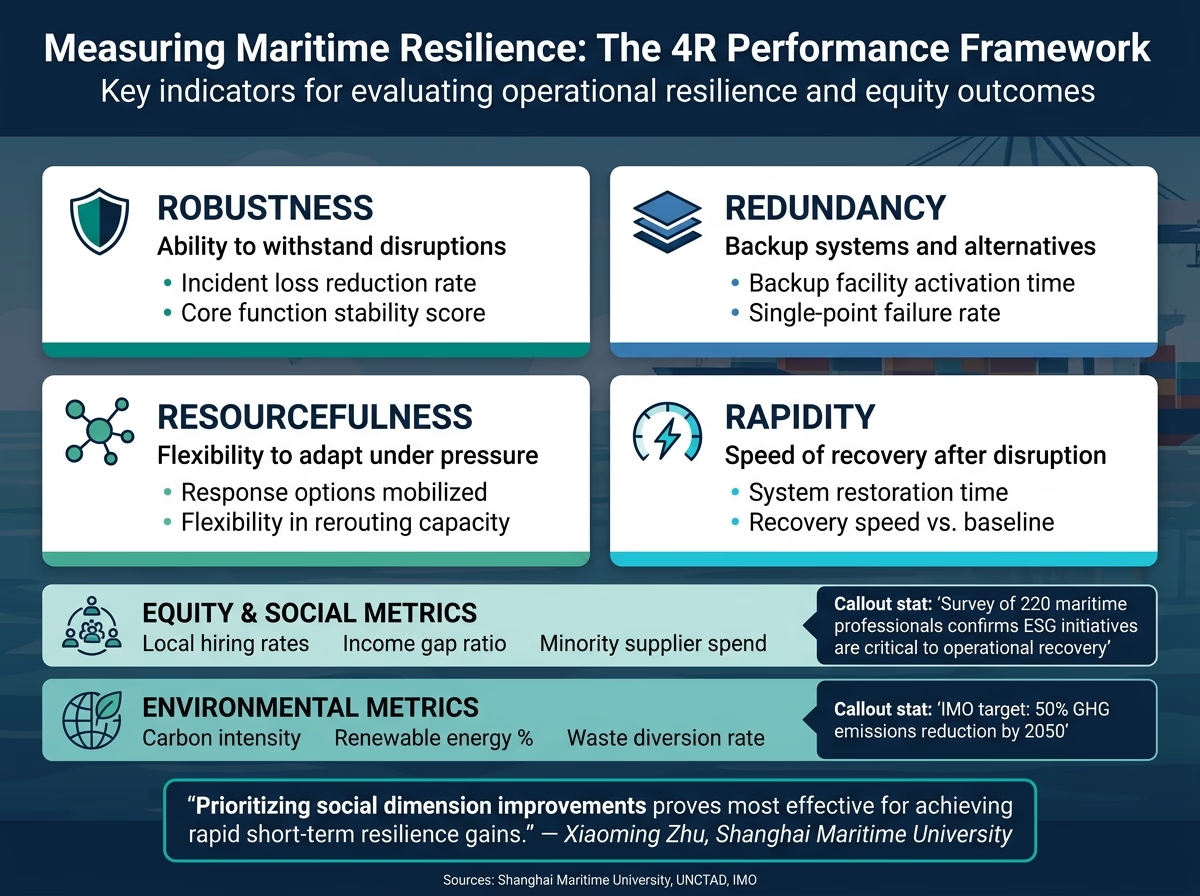
Maritime Resilience Governance: 4R Framework & Key Performance Metrics
Turning strategic frameworks into tangible actions is where the real test of resilience governance lies. It's one thing to design a strong governance structure, but the challenge is ensuring it delivers measurable results in daily operations.
Building Risk and Resilience Assessments Into Planning
Effective resilience planning starts with a structured, step-by-step process. This involves identifying both natural and human-made hazards, assessing vulnerabilities - including risks to stakeholder equity - developing strategies for proactive and reactive responses, prioritizing measures using cost-benefit analysis, and then implementing and revising plans after disruptions occur [12].
When stress-testing scenarios, it’s crucial to consider cascading failures. For instance, a cyberattack on a terminal's IT system could disrupt vessel schedules, impact hinterland trucking, and create inventory shortages across the supply chain [5]. The indirect losses from such disruptions often surpass the direct physical damage caused by the initial event [5]. By modeling these interdependencies, rather than isolating risks, organizations gain a clearer understanding of their true exposure.
"Resilience is better promoted when perceived as a competitiveness and business continuity factor." - UNCTAD [12]
Aligning Investments With Resilience and Equity Goals
A common mistake in resilience planning is viewing it solely as a cost. Instead, it's essential to weigh the cost of inaction - such as lost throughput, regulatory fines, reputational harm, and negative community impacts - as part of the equation [12]. Resilience isn’t just about avoiding losses; it’s a key driver of competitiveness and business continuity.
A well-executed Climate Risk Assessment (CRA) can justify budget requests and open doors to external climate finance. According to the International Coalition for Sustainable Infrastructure (ICSI), "A well-executed CRA also serves as the essential evidence-based foundation required to access international climate finance. This approach turns a resilience necessity into a tangible investment opportunity" [6]. For example, in November 2025, Mombasa Port in Kenya completed a climate risk screening through a pilot program developed by ICSI, Resilience4Ports (R4P), and the African Group of Negotiators Expert Support (AGNES). This program offers a replicable model for ports with limited resources to secure funding and build investor confidence [6].
Investment decisions must go beyond financial throughput. They should explicitly evaluate impacts on the workforce, local communities, and ecosystems [6]. These strategies naturally integrate with performance tracking, ensuring accountability for both resilience and equity objectives.
Tracking Performance With Data and Metrics
Once investments and policies are aligned, tracking progress becomes critical. Traditional financial indicators alone aren’t enough to measure resilience. The "4R" framework - Robustness, Redundancy, Resourcefulness, and Rapidity - provides a structured way to evaluate performance under pressure [1]. Each dimension includes specific metrics:
Resilience Dimension | Key Performance Indicators |
|---|---|
Robustness | Incident loss reduction, core function stability |
Redundancy | Backup facility activation time, single-point failure rate |
Resourcefulness | Response options mobilized, flexibility in rerouting |
Rapidity | System restoration time, recovery speed versus baseline |
Equity & Social | Local hiring rates, income gap ratio, minority supplier spend |
Environmental | Carbon intensity, renewable energy %, waste diversion rate |
Research on Maritime Silk Road ports has shown that focusing on the social aspects of ESG can lead to the fastest short-term gains in resilience [1]. By integrating these metrics into operations, organizations can ensure progress is both measurable and impactful.
Building System-Level Resilience and Equity Through Collaboration
Expanding collaboration is key to strengthening both resilience and equity at the system level. While internal governance provides a foundation, true resilience demands coordinated efforts involving public partnerships, community engagement, and expert guidance. Each of these elements reinforces the overall governance structure.
Partnering With Public Agencies and Local Stakeholders
Resilience isn’t something a company can achieve in isolation. Maritime and logistics companies should actively form partnerships with port authorities, transportation agencies, and municipal governments. These collaborations help develop resilience plans that address shared risks instead of waiting for regulatory mandates to dictate action.
Darshana Godaliyadde, Director of the Resilience4Ports initiative, highlights the urgency of this approach:
"Ports face cumulative pressures from climate change, geopolitical uncertainty, net-zero commitments, technological disruption, and the urgent need for social and environmental equity." [13]
The Resilience4Ports (R4P) initiative, backed by Arup and the Lloyd's Register Foundation, offers an effective model for such partnerships. Its "Port Resilience Framework for Action" provides a structured, shared process to integrate resilience into policy and operations [13]. This framework lays the groundwork for cross-agency coordination, which is critical when disruptions span multiple jurisdictions.
A phased approach can help structure these partnerships effectively:
Phase | Focus Area | Key Activities |
|---|---|---|
Assessment | Stakeholder Mapping | Identify all relevant participants and map power dynamics through interviews. |
Strategy | Partnership Design | Develop collaborative governance models and structure relationships. |
Implementation | Capacity Building | Train local suppliers and workers, offering technical assistance as needed. |
Improvement | Network Expansion | Share insights with industry peers and advocate for supportive policy updates. |
One indicator of success in these partnerships is the growth of social capital - shared trust and norms that enable faster, more coordinated responses during crises [10]. This foundation naturally extends into efforts to engage workers and surrounding communities.
Bringing Workers and Communities Into Governance
Those closest to daily operations - dockworkers, truck drivers, warehouse teams, and local residents - are often best positioned to identify vulnerabilities. Including these voices in governance isn’t just an ethical choice; it’s a practical strategy for building resilience.
Research from Shanghai Maritime University underscores this point. It found that focusing on the social aspects of ESG - such as employee well-being, fair wages, and access to community resources - yields the quickest resilience improvements across port systems [1]. Companies can foster this inclusion through worker advisory councils, planning workshops, and community liaison roles. Tools like the EPA's Environmental Justice Primer for Ports can help formalize "good neighbor" policies, while transparent communication about governance decisions builds the trust needed for meaningful community participation [11][1].
Working With Sustainability Consultants Like Council Fire

Creating governance systems that balance risk management with equity considerations is no small task. It involves integrating climate risk data, stakeholder engagement, ESG metrics, and investment plans into a unified strategy that spans various business units and regions.
Specialized consultants play a key role in making this complexity manageable. Council Fire, for instance, is a global change agency that goes beyond traditional ESG reporting to embed resilience into infrastructure, supply chains, and community systems. Their expertise includes climate resilience planning, stakeholder engagement, and designing circular supply chains - all grounded in systems thinking.
For maritime and logistics companies, Council Fire's approach bridges technical analysis with strategic communication and trust-building. They don't just deliver reports; they work alongside organizations to turn resilience goals into measurable actions. This might include conducting climate risk assessments, creating workforce programs focused on equity, or building internal governance capabilities to ensure sustained progress over time.
Conclusion: Balancing Risk and Equity for Long-Term Resilience
Resilience governance requires a lasting commitment to building stronger, fairer maritime and logistics operations. The framework outlined here offers practical steps to move forward. The key takeaway is clear: risk management and equity are not opposing forces. When addressed together, they create a mutually reinforcing dynamic.
A survey of 220 maritime professionals revealed that ESG initiatives play a critical role in a port's ability to maintain operations and recover effectively after disruptions [1]. As Xiaoming Zhu from Shanghai Maritime University explains:
"Prioritizing social dimension (S) improvements proves most effective for achieving rapid short-term resilience gains." [1]
FAQs
How do we combine risk scoring with equity impacts in one prioritization tool?
To integrate risk scoring with equity considerations, begin by conducting a thorough audit of your supply chain to pinpoint vulnerable assets and identify marginalized communities. Tools like the Resilience Adaptation Feasibility Tool (RAFT) can help evaluate both social and economic factors alongside risk assessments. Additionally, overlay demographic data with geographic risk zones using resources such as FEMA’s National Risk Index. This approach allows you to prioritize high-risk areas while ensuring resources are distributed more equitably.
What equity metrics should ports and logistics operators track alongside the 4R resilience KPIs?
To effectively manage risk while promoting fairness, operators need to monitor social metrics alongside 4R resilience KPIs. Important indicators include Lost Time Injury Frequency (LTIF) rates to evaluate workplace safety, employee diversity data to measure representation, and community engagement efforts to assess transparency and inclusivity. Performing equity audits can help uncover disparities in resource allocation and highlight obstacles such as language barriers or accessibility challenges. This ensures that resilience strategies prioritize the needs of vulnerable groups and underserved areas.
Who should sit on a resilience governance committee to ensure real accountability?
To promote accountability, a resilience governance committee should bring together senior executives and port authorities capable of driving risk management strategies. The committee should also include a diverse group of internal experts and external stakeholders. This means involving operations and supply chain representatives, frontline workers, truck drivers, dockworkers, and members of the local community. Such a mix ensures fair representation, uncovers potential risks early, and enhances resilience planning efforts.
Related Blog Posts
Latest Articles
©2026

Narrative Change and Power Building: The Missing Half of Advocacy
Narrative change is the process of disrupting dominant narratives that normalize inequity and advancing new narratives from historically marginalized communities.

Funding Resilience Without Federal Grants
BRIC is unreliable and FEMA is shrinking. Here's how cities fund climate resilience with dedicated revenue, blended finance, and a coordinating authority.

The ESG Blind Spot: How AI Is Finding Risks in Companies Nobody Else Is Watching
Norway's sovereign wealth fund uses AI to screen 7,200 portfolio companies for forced labor and corruption within 24 hours. The real story is the emerging-market coverage gap that traditional ESG data vendors miss — and what it means for any company with a global supply chain.
Narrative Change and Power Building: The Missing Half of Advocacy
Narrative change is the process of disrupting dominant narratives that normalize inequity and advancing new narratives from historically marginalized communities.
Funding Resilience Without Federal Grants
BRIC is unreliable and FEMA is shrinking. Here's how cities fund climate resilience with dedicated revenue, blended finance, and a coordinating authority.
The ESG Blind Spot: How AI Is Finding Risks in Companies Nobody Else Is Watching
Norway's sovereign wealth fund uses AI to screen 7,200 portfolio companies for forced labor and corruption within 24 hours. The real story is the emerging-market coverage gap that traditional ESG data vendors miss — and what it means for any company with a global supply chain.
FAQ
01
What does it really mean to “redefine profit”?
02
What makes Council Fire different?
03
Who does Council Fire work with?
04
What does working with Council Fire actually look like?
05
How does Council Fire help organizations turn big goals into action?
06
How does Council Fire define and measure success?
07
How does technology fit into Council Fire’s work?
Jun 7, 2026
How to Build Resilience Governance Models That Balance Risk and Equity for Maritime & Logistics Companies
ESG Strategy
In This Article
Governance that balances risk and equity strengthens maritime and logistics resilience through metrics, committees, and community partnerships.
How to Build Resilience Governance Models That Balance Risk and Equity for Maritime & Logistics Companies
Maritime and logistics companies face increasing risks from disruptions like extreme weather, cyberattacks, and geopolitical tensions. Building resilience governance models that balance risk management with equity considerations is critical to maintaining operations and ensuring fair outcomes for all stakeholders.
Key Takeaways:
Resilience Governance: Focuses on sustaining operations through robustness, redundancy, resourcefulness, and rapidity.
Risk Prioritization: Use frameworks like the ArRC model to assess disruptions and their impacts on life, income, location, and communication.
Equity Integration: Address inequities across internal teams, value chains, communities, and civil society using recognitional, procedural, and distributional equity principles.
Governance Structures: Establish committees, include external experts, and align policies to ensure accountability for equity and risk.
Investment Alignment: Evaluate costs of inaction and incorporate equity impacts into financial decisions.
Collaboration: Partner with public agencies, community stakeholders, and experts to strengthen system-wide resilience.
By combining risk management with equity-focused strategies, maritime and logistics companies can recover faster, reduce vulnerabilities, and build trust across their ecosystems.
WEBINAR Contemporary Maritime Governance: Bridging Global Standards with Strategic Public Management
Mapping Risk and Equity Across Maritime and Logistics Systems
Understanding operational risks and their impact on stakeholders is crucial. This involves pinpointing where risks exist within operations and recognizing who is most affected when disruptions occur.
Identifying the Main Risk Drivers
Maritime and logistics systems face a broad range of risks, categorized into five key areas: physical, operational, geopolitical, regulatory, and cyber.
Recent events highlight how these risks can disrupt global trade. For instance, the Red Sea crisis in December 2023 forced about 82% of container ships to divert from the Suez Canal, while the 2021 Ever Given grounding left over 1,000 cargo ships stranded for six days [2][4]. These examples underscore how quickly disruptions can ripple across supply chains.
Rather than focusing solely on causes, it's more useful to examine the disruptions themselves. The ArRC framework - Assessment, Reaction, Recovery, and Conversion - helps identify risks by looking at their impacts on four areas: Life, Income, Location, and Communication. This approach is particularly helpful for handling Black Swan events, where traditional risk models often fail [4].
Risk Category | Key Drivers | Critical Consequences |
|---|---|---|
Physical | Storms, floods, sea level rise | Safety risks, asset damage |
Operational | Tech failure, human error, collisions | Revenue loss, IT breakdown |
Geopolitical | Conflict, trade sanctions, piracy | Route disruptions, crew safety |
Regulatory | Carbon taxes, IMO mandates | Compliance costs |
Cyber | System breaches, data loss | Communication breakdown |
Among these, regulatory risks are particularly pressing. The International Maritime Organization (IMO) has set a goal to cut greenhouse gas emissions by at least 50% by 2050. This is already reshaping fleet investments and exposing companies that are slow to adapt to financial risks [2].
With these risks clearly defined, it’s essential to consider how they impact different stakeholders unequally.
Assessing Equity Impacts on Stakeholders
Disruptions don’t affect everyone in the same way. For example, while a port closure may result in financial losses for companies, it can also impose social and economic hardships on nearby communities. Assessing equity helps make these unequal impacts visible.
The first step is stakeholder mapping. Stakeholders can be grouped into four tiers:
Internal: Employees and crews
Value chain: Suppliers and customers
Community: Local residents and port-adjacent neighborhoods
Civil society: NGOs and labor unions
Each group experiences risks differently and has varying levels of influence over governance decisions.
Next, a materiality assessment identifies the most critical equity issues. Impact materiality examines how operations affect people and the environment, while a double materiality approach adds financial risks to the equation. Most organizations identify 8 to 15 material topics; exceeding 20 often suggests a lack of focus [7].
Equity impacts should be evaluated across three dimensions:
Recognitional equity: Are diverse voices included in decision-making?
Procedural equity: Are processes fair and transparent?
Distributional equity: Are risks and benefits shared fairly? [8]
These dimensions provide a structured way to identify potential governance blind spots before they escalate into larger issues.
Using Risk-Equity Matrices to Set Priorities
After mapping risks and equity impacts, the next step is to integrate them into a unified prioritization tool. A risk-equity matrix uses two axes: the likelihood and severity of a risk event, and the scale of its equity impact on stakeholders.
Issues with high scores on both axes require immediate attention, while those with lower scores can be monitored rather than actively managed.
Research from Shanghai Maritime University highlights the importance of prioritizing the social dimension of ESG - such as workforce health, income stability, and community infrastructure. This approach led to the fastest short-term resilience gains in four major ports studied [1]. For example, Djibouti Port showed marked improvements in resilience through targeted social interventions [1].
"Among the intervention strategies, prioritizing social dimension (S) improvements proves most effective for achieving rapid short-term resilience gains." - Xiaoming Zhu, Researcher, Shanghai Maritime University [1]
To ensure accountability, a RACI framework can clarify responsibilities. Assigning specific executives to oversee equity metrics - not just operational risks - ensures these metrics receive consistent attention [3].
"To ensure that risk management principles are mainstreamed, port authorities and executives at higher levels need to commit and assign ownership and accountability for risk management and resilience." - UNCTAD [3]
Building Governance Structures That Support Resilience and Equity
This section focuses on creating governance frameworks that turn insights into actionable strategies. By assigning clear responsibilities, embedding equity into decision-making, and ensuring transparent communication, these structures help operationalize resilience while addressing equity concerns identified earlier.
Setting Up Resilience Governance Committees
Forming a Resilience Steering Group is a critical step to unify resilience efforts across terminal operations, IT infrastructure, vessel scheduling, and logistics partnerships [3]. This group should work directly with senior leadership and the Board, guided by a mandate that aligns with the port's core mission.
"Port resilience-building efforts must be linked to the port's core values and mission." - United Nations [9]
Whether establishing a new committee or integrating resilience into an existing ESG or risk committee, it’s essential that the Enterprise Risk Management (ERM) function reports directly to the Board. This ensures unbiased oversight. Additionally, involving external experts - such as climate scientists, community advocates, or regional planners - brings fresh perspectives and helps address potential blind spots [3]. These external voices reinforce the importance of diverse stakeholder viewpoints highlighted during the equity mapping process.
Once a dedicated committee is in place, the focus shifts to weaving equity into every layer of decision-making.
Embedding Equity Into Policies and Decision-Making
Governance structures are most effective when equity is a core element of their policies, not an afterthought. To achieve this, include explicit equity checkpoints in charters, investment criteria, and operational guidelines.
Accountability frameworks, like a RACI matrix, can clarify equity-related responsibilities across departments [3]. For every major decision, assign a specific individual to oversee its equity implications alongside traditional financial considerations.
The governance program should also extend its reach beyond the organization itself. Engaging representatives from hinterland communities, regional governments, and national authorities ensures that equity impacts across the entire supply chain are addressed [3]. This broader approach aligns with the diverse stakeholder perspectives identified during earlier risk and equity mapping.
Integrating equity into governance policies lays the groundwork for seamless collaboration across all functions and external partners.
Coordinating Across Functions and Stakeholders
Effective governance requires coordination across various internal functions like business continuity, crisis management, and risk management. The ERM function serves as the central connection point for these teams.
"Collaboration is crucial to overcoming silo perspectives among business continuity, crisis management, and other risk management practices." - United Nations [9]
Beyond internal coordination, resilience efforts must extend to the wider port ecosystem. This includes hinterland operators, shipping lines, and government agencies. Regional forums provide a platform for ports, logistics partners, and public agencies to align on shared resilience and equity goals [3]. Researchers describe this as a polycentric governance model - a decentralized structure where decision-making and information flow across multiple levels rather than being concentrated in a single authority [10]. For landlord ports, this model is especially important, as their resilience policies must align with private terminal operators who manage daily operations.
Putting Resilience Into Practice Through Investments and Policies
Maritime Resilience Governance: 4R Framework & Key Performance Metrics
Turning strategic frameworks into tangible actions is where the real test of resilience governance lies. It's one thing to design a strong governance structure, but the challenge is ensuring it delivers measurable results in daily operations.
Building Risk and Resilience Assessments Into Planning
Effective resilience planning starts with a structured, step-by-step process. This involves identifying both natural and human-made hazards, assessing vulnerabilities - including risks to stakeholder equity - developing strategies for proactive and reactive responses, prioritizing measures using cost-benefit analysis, and then implementing and revising plans after disruptions occur [12].
When stress-testing scenarios, it’s crucial to consider cascading failures. For instance, a cyberattack on a terminal's IT system could disrupt vessel schedules, impact hinterland trucking, and create inventory shortages across the supply chain [5]. The indirect losses from such disruptions often surpass the direct physical damage caused by the initial event [5]. By modeling these interdependencies, rather than isolating risks, organizations gain a clearer understanding of their true exposure.
"Resilience is better promoted when perceived as a competitiveness and business continuity factor." - UNCTAD [12]
Aligning Investments With Resilience and Equity Goals
A common mistake in resilience planning is viewing it solely as a cost. Instead, it's essential to weigh the cost of inaction - such as lost throughput, regulatory fines, reputational harm, and negative community impacts - as part of the equation [12]. Resilience isn’t just about avoiding losses; it’s a key driver of competitiveness and business continuity.
A well-executed Climate Risk Assessment (CRA) can justify budget requests and open doors to external climate finance. According to the International Coalition for Sustainable Infrastructure (ICSI), "A well-executed CRA also serves as the essential evidence-based foundation required to access international climate finance. This approach turns a resilience necessity into a tangible investment opportunity" [6]. For example, in November 2025, Mombasa Port in Kenya completed a climate risk screening through a pilot program developed by ICSI, Resilience4Ports (R4P), and the African Group of Negotiators Expert Support (AGNES). This program offers a replicable model for ports with limited resources to secure funding and build investor confidence [6].
Investment decisions must go beyond financial throughput. They should explicitly evaluate impacts on the workforce, local communities, and ecosystems [6]. These strategies naturally integrate with performance tracking, ensuring accountability for both resilience and equity objectives.
Tracking Performance With Data and Metrics
Once investments and policies are aligned, tracking progress becomes critical. Traditional financial indicators alone aren’t enough to measure resilience. The "4R" framework - Robustness, Redundancy, Resourcefulness, and Rapidity - provides a structured way to evaluate performance under pressure [1]. Each dimension includes specific metrics:
Resilience Dimension | Key Performance Indicators |
|---|---|
Robustness | Incident loss reduction, core function stability |
Redundancy | Backup facility activation time, single-point failure rate |
Resourcefulness | Response options mobilized, flexibility in rerouting |
Rapidity | System restoration time, recovery speed versus baseline |
Equity & Social | Local hiring rates, income gap ratio, minority supplier spend |
Environmental | Carbon intensity, renewable energy %, waste diversion rate |
Research on Maritime Silk Road ports has shown that focusing on the social aspects of ESG can lead to the fastest short-term gains in resilience [1]. By integrating these metrics into operations, organizations can ensure progress is both measurable and impactful.
Building System-Level Resilience and Equity Through Collaboration
Expanding collaboration is key to strengthening both resilience and equity at the system level. While internal governance provides a foundation, true resilience demands coordinated efforts involving public partnerships, community engagement, and expert guidance. Each of these elements reinforces the overall governance structure.
Partnering With Public Agencies and Local Stakeholders
Resilience isn’t something a company can achieve in isolation. Maritime and logistics companies should actively form partnerships with port authorities, transportation agencies, and municipal governments. These collaborations help develop resilience plans that address shared risks instead of waiting for regulatory mandates to dictate action.
Darshana Godaliyadde, Director of the Resilience4Ports initiative, highlights the urgency of this approach:
"Ports face cumulative pressures from climate change, geopolitical uncertainty, net-zero commitments, technological disruption, and the urgent need for social and environmental equity." [13]
The Resilience4Ports (R4P) initiative, backed by Arup and the Lloyd's Register Foundation, offers an effective model for such partnerships. Its "Port Resilience Framework for Action" provides a structured, shared process to integrate resilience into policy and operations [13]. This framework lays the groundwork for cross-agency coordination, which is critical when disruptions span multiple jurisdictions.
A phased approach can help structure these partnerships effectively:
Phase | Focus Area | Key Activities |
|---|---|---|
Assessment | Stakeholder Mapping | Identify all relevant participants and map power dynamics through interviews. |
Strategy | Partnership Design | Develop collaborative governance models and structure relationships. |
Implementation | Capacity Building | Train local suppliers and workers, offering technical assistance as needed. |
Improvement | Network Expansion | Share insights with industry peers and advocate for supportive policy updates. |
One indicator of success in these partnerships is the growth of social capital - shared trust and norms that enable faster, more coordinated responses during crises [10]. This foundation naturally extends into efforts to engage workers and surrounding communities.
Bringing Workers and Communities Into Governance
Those closest to daily operations - dockworkers, truck drivers, warehouse teams, and local residents - are often best positioned to identify vulnerabilities. Including these voices in governance isn’t just an ethical choice; it’s a practical strategy for building resilience.
Research from Shanghai Maritime University underscores this point. It found that focusing on the social aspects of ESG - such as employee well-being, fair wages, and access to community resources - yields the quickest resilience improvements across port systems [1]. Companies can foster this inclusion through worker advisory councils, planning workshops, and community liaison roles. Tools like the EPA's Environmental Justice Primer for Ports can help formalize "good neighbor" policies, while transparent communication about governance decisions builds the trust needed for meaningful community participation [11][1].
Working With Sustainability Consultants Like Council Fire
Creating governance systems that balance risk management with equity considerations is no small task. It involves integrating climate risk data, stakeholder engagement, ESG metrics, and investment plans into a unified strategy that spans various business units and regions.
Specialized consultants play a key role in making this complexity manageable. Council Fire, for instance, is a global change agency that goes beyond traditional ESG reporting to embed resilience into infrastructure, supply chains, and community systems. Their expertise includes climate resilience planning, stakeholder engagement, and designing circular supply chains - all grounded in systems thinking.
For maritime and logistics companies, Council Fire's approach bridges technical analysis with strategic communication and trust-building. They don't just deliver reports; they work alongside organizations to turn resilience goals into measurable actions. This might include conducting climate risk assessments, creating workforce programs focused on equity, or building internal governance capabilities to ensure sustained progress over time.
Conclusion: Balancing Risk and Equity for Long-Term Resilience
Resilience governance requires a lasting commitment to building stronger, fairer maritime and logistics operations. The framework outlined here offers practical steps to move forward. The key takeaway is clear: risk management and equity are not opposing forces. When addressed together, they create a mutually reinforcing dynamic.
A survey of 220 maritime professionals revealed that ESG initiatives play a critical role in a port's ability to maintain operations and recover effectively after disruptions [1]. As Xiaoming Zhu from Shanghai Maritime University explains:
"Prioritizing social dimension (S) improvements proves most effective for achieving rapid short-term resilience gains." [1]
FAQs
How do we combine risk scoring with equity impacts in one prioritization tool?
To integrate risk scoring with equity considerations, begin by conducting a thorough audit of your supply chain to pinpoint vulnerable assets and identify marginalized communities. Tools like the Resilience Adaptation Feasibility Tool (RAFT) can help evaluate both social and economic factors alongside risk assessments. Additionally, overlay demographic data with geographic risk zones using resources such as FEMA’s National Risk Index. This approach allows you to prioritize high-risk areas while ensuring resources are distributed more equitably.
What equity metrics should ports and logistics operators track alongside the 4R resilience KPIs?
To effectively manage risk while promoting fairness, operators need to monitor social metrics alongside 4R resilience KPIs. Important indicators include Lost Time Injury Frequency (LTIF) rates to evaluate workplace safety, employee diversity data to measure representation, and community engagement efforts to assess transparency and inclusivity. Performing equity audits can help uncover disparities in resource allocation and highlight obstacles such as language barriers or accessibility challenges. This ensures that resilience strategies prioritize the needs of vulnerable groups and underserved areas.
Who should sit on a resilience governance committee to ensure real accountability?
To promote accountability, a resilience governance committee should bring together senior executives and port authorities capable of driving risk management strategies. The committee should also include a diverse group of internal experts and external stakeholders. This means involving operations and supply chain representatives, frontline workers, truck drivers, dockworkers, and members of the local community. Such a mix ensures fair representation, uncovers potential risks early, and enhances resilience planning efforts.
Related Blog Posts
Latest Articles
©2026
Narrative Change and Power Building: The Missing Half of Advocacy
Narrative change is the process of disrupting dominant narratives that normalize inequity and advancing new narratives from historically marginalized communities.
Funding Resilience Without Federal Grants
BRIC is unreliable and FEMA is shrinking. Here's how cities fund climate resilience with dedicated revenue, blended finance, and a coordinating authority.
The ESG Blind Spot: How AI Is Finding Risks in Companies Nobody Else Is Watching
Norway's sovereign wealth fund uses AI to screen 7,200 portfolio companies for forced labor and corruption within 24 hours. The real story is the emerging-market coverage gap that traditional ESG data vendors miss — and what it means for any company with a global supply chain.
FAQ
01
What does it really mean to “redefine profit”?
02
What makes Council Fire different?
03
Who does Council Fire work with?
04
What does working with Council Fire actually look like?
05
How does Council Fire help organizations turn big goals into action?
06
How does Council Fire define and measure success?
07
How does technology fit into Council Fire’s work?
Jun 7, 2026
How to Build Resilience Governance Models That Balance Risk and Equity for Maritime & Logistics Companies
ESG Strategy
In This Article
Governance that balances risk and equity strengthens maritime and logistics resilience through metrics, committees, and community partnerships.
How to Build Resilience Governance Models That Balance Risk and Equity for Maritime & Logistics Companies
Maritime and logistics companies face increasing risks from disruptions like extreme weather, cyberattacks, and geopolitical tensions. Building resilience governance models that balance risk management with equity considerations is critical to maintaining operations and ensuring fair outcomes for all stakeholders.
Key Takeaways:
Resilience Governance: Focuses on sustaining operations through robustness, redundancy, resourcefulness, and rapidity.
Risk Prioritization: Use frameworks like the ArRC model to assess disruptions and their impacts on life, income, location, and communication.
Equity Integration: Address inequities across internal teams, value chains, communities, and civil society using recognitional, procedural, and distributional equity principles.
Governance Structures: Establish committees, include external experts, and align policies to ensure accountability for equity and risk.
Investment Alignment: Evaluate costs of inaction and incorporate equity impacts into financial decisions.
Collaboration: Partner with public agencies, community stakeholders, and experts to strengthen system-wide resilience.
By combining risk management with equity-focused strategies, maritime and logistics companies can recover faster, reduce vulnerabilities, and build trust across their ecosystems.
WEBINAR Contemporary Maritime Governance: Bridging Global Standards with Strategic Public Management
Mapping Risk and Equity Across Maritime and Logistics Systems
Understanding operational risks and their impact on stakeholders is crucial. This involves pinpointing where risks exist within operations and recognizing who is most affected when disruptions occur.
Identifying the Main Risk Drivers
Maritime and logistics systems face a broad range of risks, categorized into five key areas: physical, operational, geopolitical, regulatory, and cyber.
Recent events highlight how these risks can disrupt global trade. For instance, the Red Sea crisis in December 2023 forced about 82% of container ships to divert from the Suez Canal, while the 2021 Ever Given grounding left over 1,000 cargo ships stranded for six days [2][4]. These examples underscore how quickly disruptions can ripple across supply chains.
Rather than focusing solely on causes, it's more useful to examine the disruptions themselves. The ArRC framework - Assessment, Reaction, Recovery, and Conversion - helps identify risks by looking at their impacts on four areas: Life, Income, Location, and Communication. This approach is particularly helpful for handling Black Swan events, where traditional risk models often fail [4].
Risk Category | Key Drivers | Critical Consequences |
|---|---|---|
Physical | Storms, floods, sea level rise | Safety risks, asset damage |
Operational | Tech failure, human error, collisions | Revenue loss, IT breakdown |
Geopolitical | Conflict, trade sanctions, piracy | Route disruptions, crew safety |
Regulatory | Carbon taxes, IMO mandates | Compliance costs |
Cyber | System breaches, data loss | Communication breakdown |
Among these, regulatory risks are particularly pressing. The International Maritime Organization (IMO) has set a goal to cut greenhouse gas emissions by at least 50% by 2050. This is already reshaping fleet investments and exposing companies that are slow to adapt to financial risks [2].
With these risks clearly defined, it’s essential to consider how they impact different stakeholders unequally.
Assessing Equity Impacts on Stakeholders
Disruptions don’t affect everyone in the same way. For example, while a port closure may result in financial losses for companies, it can also impose social and economic hardships on nearby communities. Assessing equity helps make these unequal impacts visible.
The first step is stakeholder mapping. Stakeholders can be grouped into four tiers:
Internal: Employees and crews
Value chain: Suppliers and customers
Community: Local residents and port-adjacent neighborhoods
Civil society: NGOs and labor unions
Each group experiences risks differently and has varying levels of influence over governance decisions.
Next, a materiality assessment identifies the most critical equity issues. Impact materiality examines how operations affect people and the environment, while a double materiality approach adds financial risks to the equation. Most organizations identify 8 to 15 material topics; exceeding 20 often suggests a lack of focus [7].
Equity impacts should be evaluated across three dimensions:
Recognitional equity: Are diverse voices included in decision-making?
Procedural equity: Are processes fair and transparent?
Distributional equity: Are risks and benefits shared fairly? [8]
These dimensions provide a structured way to identify potential governance blind spots before they escalate into larger issues.
Using Risk-Equity Matrices to Set Priorities
After mapping risks and equity impacts, the next step is to integrate them into a unified prioritization tool. A risk-equity matrix uses two axes: the likelihood and severity of a risk event, and the scale of its equity impact on stakeholders.
Issues with high scores on both axes require immediate attention, while those with lower scores can be monitored rather than actively managed.
Research from Shanghai Maritime University highlights the importance of prioritizing the social dimension of ESG - such as workforce health, income stability, and community infrastructure. This approach led to the fastest short-term resilience gains in four major ports studied [1]. For example, Djibouti Port showed marked improvements in resilience through targeted social interventions [1].
"Among the intervention strategies, prioritizing social dimension (S) improvements proves most effective for achieving rapid short-term resilience gains." - Xiaoming Zhu, Researcher, Shanghai Maritime University [1]
To ensure accountability, a RACI framework can clarify responsibilities. Assigning specific executives to oversee equity metrics - not just operational risks - ensures these metrics receive consistent attention [3].
"To ensure that risk management principles are mainstreamed, port authorities and executives at higher levels need to commit and assign ownership and accountability for risk management and resilience." - UNCTAD [3]
Building Governance Structures That Support Resilience and Equity
This section focuses on creating governance frameworks that turn insights into actionable strategies. By assigning clear responsibilities, embedding equity into decision-making, and ensuring transparent communication, these structures help operationalize resilience while addressing equity concerns identified earlier.
Setting Up Resilience Governance Committees
Forming a Resilience Steering Group is a critical step to unify resilience efforts across terminal operations, IT infrastructure, vessel scheduling, and logistics partnerships [3]. This group should work directly with senior leadership and the Board, guided by a mandate that aligns with the port's core mission.
"Port resilience-building efforts must be linked to the port's core values and mission." - United Nations [9]
Whether establishing a new committee or integrating resilience into an existing ESG or risk committee, it’s essential that the Enterprise Risk Management (ERM) function reports directly to the Board. This ensures unbiased oversight. Additionally, involving external experts - such as climate scientists, community advocates, or regional planners - brings fresh perspectives and helps address potential blind spots [3]. These external voices reinforce the importance of diverse stakeholder viewpoints highlighted during the equity mapping process.
Once a dedicated committee is in place, the focus shifts to weaving equity into every layer of decision-making.
Embedding Equity Into Policies and Decision-Making
Governance structures are most effective when equity is a core element of their policies, not an afterthought. To achieve this, include explicit equity checkpoints in charters, investment criteria, and operational guidelines.
Accountability frameworks, like a RACI matrix, can clarify equity-related responsibilities across departments [3]. For every major decision, assign a specific individual to oversee its equity implications alongside traditional financial considerations.
The governance program should also extend its reach beyond the organization itself. Engaging representatives from hinterland communities, regional governments, and national authorities ensures that equity impacts across the entire supply chain are addressed [3]. This broader approach aligns with the diverse stakeholder perspectives identified during earlier risk and equity mapping.
Integrating equity into governance policies lays the groundwork for seamless collaboration across all functions and external partners.
Coordinating Across Functions and Stakeholders
Effective governance requires coordination across various internal functions like business continuity, crisis management, and risk management. The ERM function serves as the central connection point for these teams.
"Collaboration is crucial to overcoming silo perspectives among business continuity, crisis management, and other risk management practices." - United Nations [9]
Beyond internal coordination, resilience efforts must extend to the wider port ecosystem. This includes hinterland operators, shipping lines, and government agencies. Regional forums provide a platform for ports, logistics partners, and public agencies to align on shared resilience and equity goals [3]. Researchers describe this as a polycentric governance model - a decentralized structure where decision-making and information flow across multiple levels rather than being concentrated in a single authority [10]. For landlord ports, this model is especially important, as their resilience policies must align with private terminal operators who manage daily operations.
Putting Resilience Into Practice Through Investments and Policies
Maritime Resilience Governance: 4R Framework & Key Performance Metrics
Turning strategic frameworks into tangible actions is where the real test of resilience governance lies. It's one thing to design a strong governance structure, but the challenge is ensuring it delivers measurable results in daily operations.
Building Risk and Resilience Assessments Into Planning
Effective resilience planning starts with a structured, step-by-step process. This involves identifying both natural and human-made hazards, assessing vulnerabilities - including risks to stakeholder equity - developing strategies for proactive and reactive responses, prioritizing measures using cost-benefit analysis, and then implementing and revising plans after disruptions occur [12].
When stress-testing scenarios, it’s crucial to consider cascading failures. For instance, a cyberattack on a terminal's IT system could disrupt vessel schedules, impact hinterland trucking, and create inventory shortages across the supply chain [5]. The indirect losses from such disruptions often surpass the direct physical damage caused by the initial event [5]. By modeling these interdependencies, rather than isolating risks, organizations gain a clearer understanding of their true exposure.
"Resilience is better promoted when perceived as a competitiveness and business continuity factor." - UNCTAD [12]
Aligning Investments With Resilience and Equity Goals
A common mistake in resilience planning is viewing it solely as a cost. Instead, it's essential to weigh the cost of inaction - such as lost throughput, regulatory fines, reputational harm, and negative community impacts - as part of the equation [12]. Resilience isn’t just about avoiding losses; it’s a key driver of competitiveness and business continuity.
A well-executed Climate Risk Assessment (CRA) can justify budget requests and open doors to external climate finance. According to the International Coalition for Sustainable Infrastructure (ICSI), "A well-executed CRA also serves as the essential evidence-based foundation required to access international climate finance. This approach turns a resilience necessity into a tangible investment opportunity" [6]. For example, in November 2025, Mombasa Port in Kenya completed a climate risk screening through a pilot program developed by ICSI, Resilience4Ports (R4P), and the African Group of Negotiators Expert Support (AGNES). This program offers a replicable model for ports with limited resources to secure funding and build investor confidence [6].
Investment decisions must go beyond financial throughput. They should explicitly evaluate impacts on the workforce, local communities, and ecosystems [6]. These strategies naturally integrate with performance tracking, ensuring accountability for both resilience and equity objectives.
Tracking Performance With Data and Metrics
Once investments and policies are aligned, tracking progress becomes critical. Traditional financial indicators alone aren’t enough to measure resilience. The "4R" framework - Robustness, Redundancy, Resourcefulness, and Rapidity - provides a structured way to evaluate performance under pressure [1]. Each dimension includes specific metrics:
Resilience Dimension | Key Performance Indicators |
|---|---|
Robustness | Incident loss reduction, core function stability |
Redundancy | Backup facility activation time, single-point failure rate |
Resourcefulness | Response options mobilized, flexibility in rerouting |
Rapidity | System restoration time, recovery speed versus baseline |
Equity & Social | Local hiring rates, income gap ratio, minority supplier spend |
Environmental | Carbon intensity, renewable energy %, waste diversion rate |
Research on Maritime Silk Road ports has shown that focusing on the social aspects of ESG can lead to the fastest short-term gains in resilience [1]. By integrating these metrics into operations, organizations can ensure progress is both measurable and impactful.
Building System-Level Resilience and Equity Through Collaboration
Expanding collaboration is key to strengthening both resilience and equity at the system level. While internal governance provides a foundation, true resilience demands coordinated efforts involving public partnerships, community engagement, and expert guidance. Each of these elements reinforces the overall governance structure.
Partnering With Public Agencies and Local Stakeholders
Resilience isn’t something a company can achieve in isolation. Maritime and logistics companies should actively form partnerships with port authorities, transportation agencies, and municipal governments. These collaborations help develop resilience plans that address shared risks instead of waiting for regulatory mandates to dictate action.
Darshana Godaliyadde, Director of the Resilience4Ports initiative, highlights the urgency of this approach:
"Ports face cumulative pressures from climate change, geopolitical uncertainty, net-zero commitments, technological disruption, and the urgent need for social and environmental equity." [13]
The Resilience4Ports (R4P) initiative, backed by Arup and the Lloyd's Register Foundation, offers an effective model for such partnerships. Its "Port Resilience Framework for Action" provides a structured, shared process to integrate resilience into policy and operations [13]. This framework lays the groundwork for cross-agency coordination, which is critical when disruptions span multiple jurisdictions.
A phased approach can help structure these partnerships effectively:
Phase | Focus Area | Key Activities |
|---|---|---|
Assessment | Stakeholder Mapping | Identify all relevant participants and map power dynamics through interviews. |
Strategy | Partnership Design | Develop collaborative governance models and structure relationships. |
Implementation | Capacity Building | Train local suppliers and workers, offering technical assistance as needed. |
Improvement | Network Expansion | Share insights with industry peers and advocate for supportive policy updates. |
One indicator of success in these partnerships is the growth of social capital - shared trust and norms that enable faster, more coordinated responses during crises [10]. This foundation naturally extends into efforts to engage workers and surrounding communities.
Bringing Workers and Communities Into Governance
Those closest to daily operations - dockworkers, truck drivers, warehouse teams, and local residents - are often best positioned to identify vulnerabilities. Including these voices in governance isn’t just an ethical choice; it’s a practical strategy for building resilience.
Research from Shanghai Maritime University underscores this point. It found that focusing on the social aspects of ESG - such as employee well-being, fair wages, and access to community resources - yields the quickest resilience improvements across port systems [1]. Companies can foster this inclusion through worker advisory councils, planning workshops, and community liaison roles. Tools like the EPA's Environmental Justice Primer for Ports can help formalize "good neighbor" policies, while transparent communication about governance decisions builds the trust needed for meaningful community participation [11][1].
Working With Sustainability Consultants Like Council Fire
Creating governance systems that balance risk management with equity considerations is no small task. It involves integrating climate risk data, stakeholder engagement, ESG metrics, and investment plans into a unified strategy that spans various business units and regions.
Specialized consultants play a key role in making this complexity manageable. Council Fire, for instance, is a global change agency that goes beyond traditional ESG reporting to embed resilience into infrastructure, supply chains, and community systems. Their expertise includes climate resilience planning, stakeholder engagement, and designing circular supply chains - all grounded in systems thinking.
For maritime and logistics companies, Council Fire's approach bridges technical analysis with strategic communication and trust-building. They don't just deliver reports; they work alongside organizations to turn resilience goals into measurable actions. This might include conducting climate risk assessments, creating workforce programs focused on equity, or building internal governance capabilities to ensure sustained progress over time.
Conclusion: Balancing Risk and Equity for Long-Term Resilience
Resilience governance requires a lasting commitment to building stronger, fairer maritime and logistics operations. The framework outlined here offers practical steps to move forward. The key takeaway is clear: risk management and equity are not opposing forces. When addressed together, they create a mutually reinforcing dynamic.
A survey of 220 maritime professionals revealed that ESG initiatives play a critical role in a port's ability to maintain operations and recover effectively after disruptions [1]. As Xiaoming Zhu from Shanghai Maritime University explains:
"Prioritizing social dimension (S) improvements proves most effective for achieving rapid short-term resilience gains." [1]
FAQs
How do we combine risk scoring with equity impacts in one prioritization tool?
To integrate risk scoring with equity considerations, begin by conducting a thorough audit of your supply chain to pinpoint vulnerable assets and identify marginalized communities. Tools like the Resilience Adaptation Feasibility Tool (RAFT) can help evaluate both social and economic factors alongside risk assessments. Additionally, overlay demographic data with geographic risk zones using resources such as FEMA’s National Risk Index. This approach allows you to prioritize high-risk areas while ensuring resources are distributed more equitably.
What equity metrics should ports and logistics operators track alongside the 4R resilience KPIs?
To effectively manage risk while promoting fairness, operators need to monitor social metrics alongside 4R resilience KPIs. Important indicators include Lost Time Injury Frequency (LTIF) rates to evaluate workplace safety, employee diversity data to measure representation, and community engagement efforts to assess transparency and inclusivity. Performing equity audits can help uncover disparities in resource allocation and highlight obstacles such as language barriers or accessibility challenges. This ensures that resilience strategies prioritize the needs of vulnerable groups and underserved areas.
Who should sit on a resilience governance committee to ensure real accountability?
To promote accountability, a resilience governance committee should bring together senior executives and port authorities capable of driving risk management strategies. The committee should also include a diverse group of internal experts and external stakeholders. This means involving operations and supply chain representatives, frontline workers, truck drivers, dockworkers, and members of the local community. Such a mix ensures fair representation, uncovers potential risks early, and enhances resilience planning efforts.
Related Blog Posts
Latest Articles
©2026
Narrative Change and Power Building: The Missing Half of Advocacy
Narrative change is the process of disrupting dominant narratives that normalize inequity and advancing new narratives from historically marginalized communities.
Funding Resilience Without Federal Grants
BRIC is unreliable and FEMA is shrinking. Here's how cities fund climate resilience with dedicated revenue, blended finance, and a coordinating authority.
The ESG Blind Spot: How AI Is Finding Risks in Companies Nobody Else Is Watching
Norway's sovereign wealth fund uses AI to screen 7,200 portfolio companies for forced labor and corruption within 24 hours. The real story is the emerging-market coverage gap that traditional ESG data vendors miss — and what it means for any company with a global supply chain.
FAQ
What does it really mean to “redefine profit”?
What makes Council Fire different?
Who does Council Fire work with?
What does working with Council Fire actually look like?
How does Council Fire help organizations turn big goals into action?
How does Council Fire define and measure success?
How does technology fit into Council Fire’s work?