Apr 30, 2026
How to Integrate Water Management and Climate Resilience Strategies for Maritime & Logistics Companies
Sustainability Strategy
In This Article
Integrate water management and climate resilience to protect ports and supply chains with risk assessments and nature-based solutions.
How to Integrate Water Management and Climate Resilience Strategies for Maritime & Logistics Companies
Maritime and logistics companies face increasing risks from climate change and water-related challenges, including rising sea levels, extreme weather, and droughts. These risks disrupt supply chains, damage infrastructure, and increase costs. For example, the 2023 Panama Canal drought caused costly delays, and by 2050, shipping costs in the Great Lakes could rise 13–29% due to lower water levels.
To address these challenges, companies need integrated strategies that combine water management and climate resilience. The "4R Framework" - Reliability, Redundancy, Robustness, and Recoverability - provides a practical guide for protecting assets and maintaining operations. Key steps include:
Conducting vulnerability assessments to identify risks to ports, waterways, and hinterland connections.
Upgrading infrastructure to withstand flooding, droughts, and extreme weather, such as raising quays, improving drainage, and using resilient materials.
Investing in dual-purpose solutions like electrification projects and green infrastructure to reduce emissions and improve resilience.
Using nature-based solutions like wetlands and marshes to mitigate flooding and enhance water quality.
Organizing cross-functional teams and engaging stakeholders to align efforts across supply chains and regions.
Monitoring and adapting plans based on evolving climate data and performance metrics.
These efforts not only reduce risks but also position companies to meet new regulations, attract investment, and remain competitive in a changing climate. By acting now, businesses can safeguard operations, protect trade, and build long-term resilience.
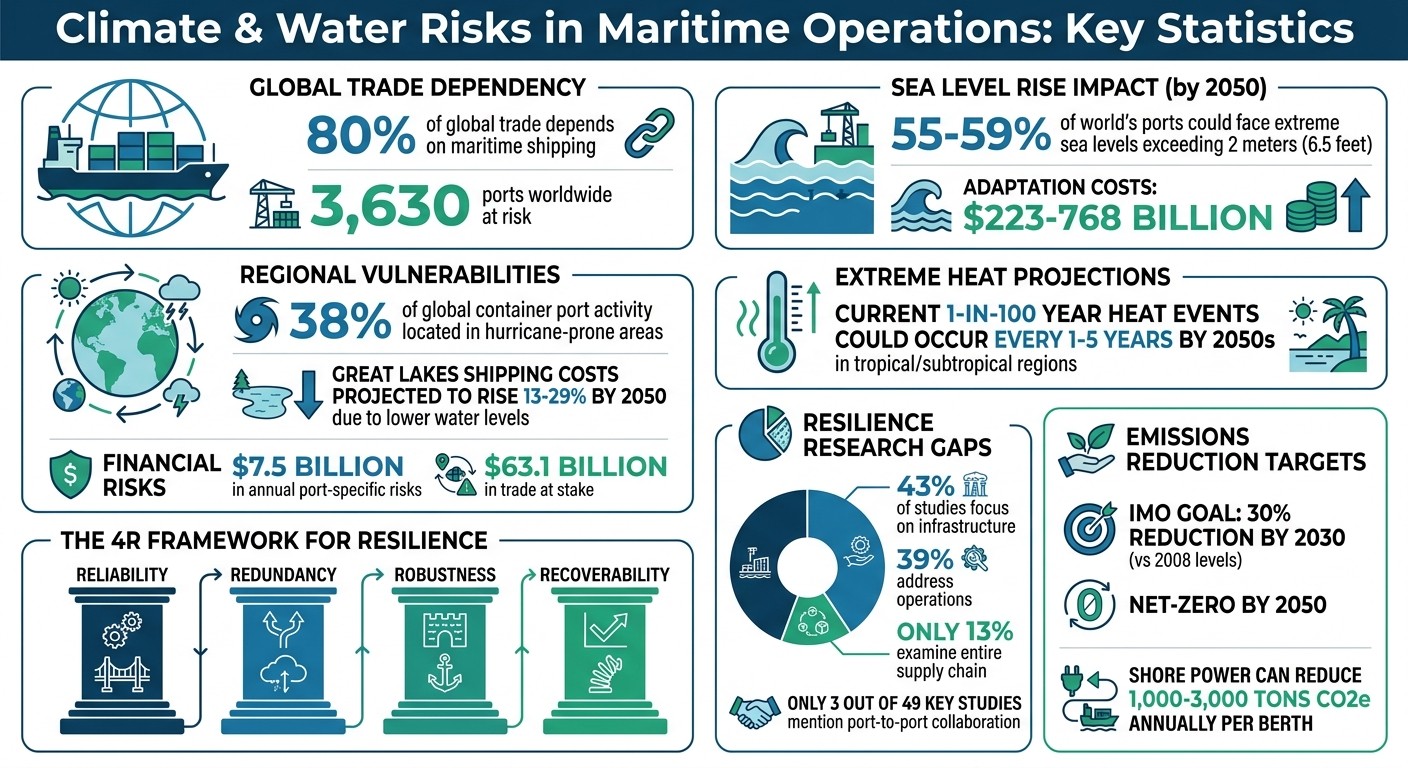
Climate Risks and Resilience Statistics for Maritime Ports and Logistics
Climate and Water Risks in Maritime Operations
Climate Impacts on Ports and Logistics
Maritime operations face a growing mix of climate and water-related challenges that threaten both coastal terminals and inland waterways. With about 80% of global trade depending on maritime shipping [3], ports serve as critical hubs where these risks converge.
Sea level rise stands out as a major concern. By 2050, 55% to 59% of the world's 3,630 ports could encounter extreme sea levels exceeding 2 meters (approximately 6.5 feet) above the current baseline [3]. This creates risks like terminal flooding, reduced bridge clearance for vessels, and submerged access roads. A stark example is the Port of Busan in South Korea, where Typhoon Maemi in September 2013 led to operational disruptions lasting 91 days [3].
Rising temperatures also bring complications. Extreme heat can soften asphalt, damage rail tracks, and increase energy demands for refrigerated containers. In tropical and subtropical regions, what is now a 1-in-100 year heat event could occur as often as every 1 to 5 years by the 2050s [3].
Inland waterways are equally vulnerable. Droughts can reduce water levels, forcing ships to carry lighter loads, while floods can halt navigation and lead to channel silting, requiring costly dredging efforts [1]. As noted in the U.S. Climate Resilience Toolkit, "Wet places will get wetter and dry places get drier" [1].
Extreme weather events amplify these issues. High winds can knock over container stacks and disrupt crane operations, while storm debris delays port activities and raises maintenance expenses. For instance, Hurricanes Irma and Maria caused transport infrastructure damage in Dominica in September 2017, equating to 226% of the nation’s GDP [3].
These combined risks underscore the need for strategies that address both water management and climate resilience in tandem.
Why Integration Matters
Combining water management with climate resilience is essential because addressing these risks in isolation overlooks how they interact. For example, a port may install barriers to protect against storm surges but fail to account for heavy rainfall overwhelming drainage systems. Similarly, access roads might flood before terminals, or rail connections could fail during extreme heat, disrupting operations despite other protective measures.
The financial stakes are high, with port-specific risks amounting to $7.5 billion annually and impacting $63.1 billion in trade [3].
"Companies need to embed climate risk into port operations and capex planning now, start with softer measures, then phasing in structural upgrades. Doing so reduces downtime and damage costs while meeting tightening stakeholder and regulatory expectations." – Global Maritime Hub [4]
Integrated approaches offer benefits that isolated measures miss. For instance, flood protection infrastructure can also enhance drainage systems, while drought plans aimed at maintaining water levels can improve overall operational flexibility. Nature-based solutions, like restoring wetlands, not only mitigate flooding but also enhance water quality [4]. This holistic approach helps protect vital assets while ensuring operations remain resilient amid changing climate conditions.
How a Changing Climate Is Reshaping the World’s Oceans and Trade?
Conducting Vulnerability Assessments
To effectively address the risks discussed earlier, conducting a focused vulnerability assessment is essential. This step helps maritime and logistics companies identify their most pressing risks and determine where to allocate resources for resilience and water management. A structured assessment lays the groundwork by pinpointing the assets most at risk and ensuring that investments yield the greatest impact. Below, we explore methods to evaluate both physical water risks and long-term climate dependencies.
Assessing Water Usage and Flood Risks
Start by cataloging critical infrastructure and mapping its interaction with local water hazards. For instance, a port on the Gulf Coast will encounter different challenges compared to one near the Great Lakes. Understanding the local climate context is a fundamental step in forming an accurate risk profile [5].
Beyond external threats, examine site-specific vulnerabilities. This includes evaluating quay heights, drainage systems, and design features against projected sea level rise and rainfall patterns. According to the World Bank, "The degree of vulnerability depends heavily on infrastructure design and specifications" [5]. Even if a terminal can withstand storm surges, poor drainage could lead to operational disruptions during heavy rainfall.
Additionally, extend the analysis beyond the port itself. Consider hinterland connections - roads, railways, and inland waterways that link ports to distribution networks. These connections play a critical role in determining how quickly operations can recover after a disruptive event.
Several tools can guide this process. For example, the Ports Resilience Index, developed by NOAA and the Mississippi-Alabama Sea Grant Consortium, helps port managers identify operational weaknesses and establish preparedness baselines [6]. Similarly, the EPA's Flood Resilience Basic Guide outlines a four-step process: understanding exposure, assessing vulnerability and risk, exploring mitigation options, and prioritizing planning [8].
The next step involves examining how evolving climate patterns could reshape these vulnerabilities over time.
Analyzing Climate Projections and Infrastructure Dependencies
Forward-thinking assessments require a clear view of how climate trends might shift over the lifespan of your infrastructure. For example, wet regions are expected to experience more rainfall, while dry areas may face worsening droughts. Such changes can have significant effects: lower water levels in the Great Lakes and the Saint Lawrence Seaway could raise shipping costs by 13–29% by 2050 [1]. Meanwhile, increased rainfall in other areas could overwhelm drainage systems designed for historical weather patterns.
It’s also important to map operational thresholds. Consider factors such as wind speeds that necessitate crane shutdowns, temperatures that could warp rail tracks, and water levels that might limit vessel capacity. With 38% of global container port activity located in hurricane-prone areas [9], many U.S. facilities face an urgent need for these analyses.
Rather than relying on single-scenario forecasts, use probabilistic models to account for a range of possible outcomes. Develop flexible adaptation strategies that can be implemented as specific climate thresholds are reached [7]. Monitoring local sea level rise, wave heights, and heat indices ensures that responses align with actual conditions.
The economic argument for such assessments is compelling. Natural hazards pose $7.5 billion in annual port-specific risks, with an additional $63.1 billion of trade at stake [3]. As the World Bank highlights, "A site- and asset-specific risk assessment allows port developers and operators to identify adaptation needs and prioritize investments in measures that enhance resilience" [5]. By taking a data-driven approach, resources can be directed toward addressing the most critical vulnerabilities effectively.
Building Resilient Infrastructure
Addressing vulnerabilities begins with upgrading infrastructure to handle current challenges and future climate impacts. These upgrades not only protect against risks but also pave the way for investments that align resilience with sustainability.
Redesigning Port Layouts for Climate Adaptation
One key step is elevating critical infrastructure above projected flood levels. Raising quays, berths, and terminals can shield these essential areas from rising waters and storm surges. However, when elevation isn’t an option, relocating at-risk assets becomes essential. For example, in 2024, the Port of Gulfport in Mississippi secured federal funding to move its security checkpoint out of a flood-prone zone. This relocation not only enhanced flood resilience but also improved security operations by situating the checkpoint on higher ground [12].
Existing facilities can also be upgraded to better handle flooding. Waterproofing measures like using water-resistant materials for electrical substations and elevating HVAC systems help ensure functionality during extreme weather. Upgraded drainage systems, such as Sustainable Urban Drainage Systems (SuDS), are particularly effective in managing surface water from heavy rainfall [13]. These steps tackle both immediate flood risks and the gradual challenges posed by rising sea levels.
For ports planning expansions, land reclamation offers a strategic approach. Between 1990 and 2020, 65 of the world’s top 100 container ports expanded seaward using land reclamation [10]. By designing these new areas with higher elevation standards, ports can accommodate larger vessels while reducing exposure to future flooding. Additionally, modular sea defenses - which can adapt to changing conditions - offer more flexibility than fixed barriers that may become outdated.
"Our project with Ricardo has given us practical, prioritised actions that protect our people, assets and operations, while ensuring continuity for customers. Climate resilience will be built into our long-term planning, keeping the Port future-ready." - Ashley Nicholson, Chief Business Officer, Port of Tyne [13]
These upgrades directly address vulnerabilities, offering robust protection against climate risks while laying the foundation for further strategic investments.
Infrastructure Investments with Dual Benefits
Beyond structural adaptations, targeted investments can deliver both financial and environmental advantages. Electrification projects are a prime example, reducing carbon emissions while improving resilience against weather disruptions. In 2024, the Port of Virginia launched a large-scale electrification project for its terminal equipment. The electric systems proved more reliable under certain weather conditions than traditional diesel equipment and aligned seamlessly with the port’s energy strategy [12]. Additionally, a single shore power installation can cut 1,000 to 3,000 tons of CO₂e annually and reduce air pollution in nearby communities [14].
Federal programs actively support projects with dual benefits. The Port Infrastructure Development Program (PIDP), which allocated up to $662 million in fiscal year 2023, prioritizes projects that enhance resilience [12]. Similarly, the EPA’s Clean Ports Program offers $3 billion in competitive grants for zero-emission port equipment and infrastructure [14].
Green infrastructure solutions also provide meaningful returns. Advanced drainage systems not only mitigate flooding but also manage stormwater runoff. IoT sensors enhance efficiency by delivering real-time data on tide levels, river conditions, and wind speeds [13]. These types of measures, often referred to as "no-regrets" solutions, provide immediate value regardless of future climate scenarios.
The financial stakes are considerable: adapting existing port infrastructure to rising sea levels alone is projected to cost between $223 billion and $768 billion by 2050 [11]. By focusing on investments that address multiple goals - resilience, decarbonization, and operational efficiency - ports can maximize the impact of their spending while positioning themselves to attract the next generation of maritime traffic.
Using Nature-Based Solutions
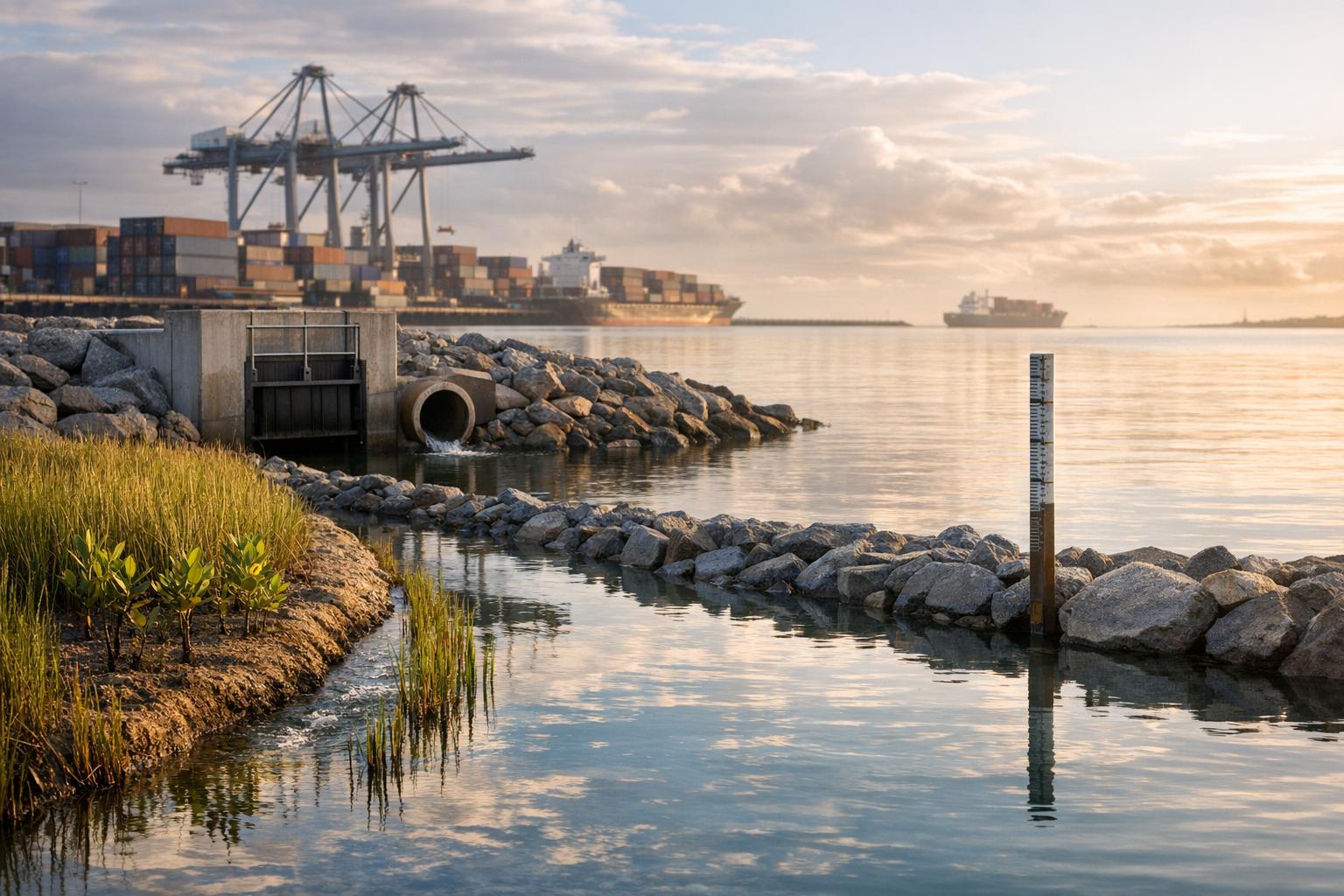
Engineered infrastructure plays a crucial role in protecting against water and climate risks, but natural systems can serve as powerful allies. Nature-based solutions work alongside traditional structures, enhancing water management and climate resilience while offering long-term environmental benefits. These approaches leverage natural processes to mitigate flooding, reduce wave energy, and improve water quality - often at a lower overall cost compared to relying solely on built infrastructure.
Combining Natural Systems with Engineering
Natural features like tidal marshes, mangroves, and maritime forests act as buffers, absorbing wave energy and safeguarding port facilities [15]. When waves pass through these vegetative barriers, their momentum decreases, reducing the impact on critical structures like quays, terminals, and storage areas. This is particularly important in coastal regions facing heightened risks from storm surges [17].
Blending natural and engineered solutions often yields the best outcomes. For instance, marsh sills - low-lying structures designed to support natural shorelines - offer dual benefits: they protect coastal areas while creating habitats for fish and shellfish [15][17].
A practical example comes from the U.S. Army Corps of Engineers Baltimore District. In 2019, they tackled severe erosion on Swan Island in the Chesapeake Bay by depositing 60,000 cubic yards of dredged sediment. The restored island now shields the nearby town of Ewell, Maryland, from wave energy while simultaneously providing ecological advantages [17].
Maritime companies can also turn routine maintenance into an investment in resilience by repurposing dredged sediments to create or restore natural features like islands and marshes. This approach protects infrastructure while promoting biodiversity.
Beyond physical protection, these natural systems contribute to better water quality and stronger ecological resilience.
Benefits of Regenerative Water Systems
Nature-based solutions not only defend against flooding but also enhance water quality and address broader climate adaptation needs. Systems like sequential sedimentation bio-filtration reduce nitrogen, phosphorus, and suspended solids in stormwater before it enters local waterways [16]. This capability becomes increasingly critical as heavy rainfall events are projected to rise by 15–25% in some industrial regions by the century's end [16].
One notable example is the restoration of the Sokołówka River in Lodz, Poland, undertaken between 2006 and 2011 as part of the EU-funded SWITCH initiative. The project included stormwater reservoirs and a sequential sedimentation bio-filtration system, successfully reducing stormwater peaks, raising groundwater levels, and stabilizing the river's ecosystem. The initiative's success not only led to the creation of the Sokołówka River Park in 2016 but also influenced Lodz’s long-term urban planning strategy [16].
"SWITCH has completely changed how the city looks at water (...) The idea that water and green areas can be central in the future of Lodz has become an accepted view in the city." - Professor, University of Lodz [16]
These regenerative systems deliver benefits that go far beyond flood mitigation. Restored wetlands and marshes provide habitats for juvenile fish and shellfish, help sequester carbon, and create recreational opportunities like fishing and kayaking [15]. They also help combat the urban heat island effect by cooling surrounding areas and improving air quality. While upfront costs can be high, the long-term advantages often outweigh these expenses, benefiting communities for generations [16].
Organizing Teams for Integration
Successfully integrating water management with climate resilience requires breaking down internal silos. Research highlights that 43% of port resilience studies focus on infrastructure, 39% address operations, but only 13% examine the entire supply chain [2]. This fragmented approach often leaves critical gaps. Infrastructure teams tend to focus on structural elements, such as quay walls, while operations teams prioritize vessel schedules and navigability. Without proper alignment, resilience investments may falter when climate disruptions occur. Bridging these gaps ensures that investments bolster both infrastructure durability and operational continuity.
Aligning Teams and Budgets
Cross-functional collaboration hinges on shared goals and metrics. The "4R" framework - reliability, redundancy, robustness, and recoverability - serves as a unifying language across departments [2]. For instance:
Redundancy might involve budgeting for backup berth capacity or alternative transport modes, such as rail, to handle cargo during port closures.
Robustness focuses on engineering solutions, like designing quay walls to endure storm surges and rising sea levels.
Recoverability emphasizes post-disruption efforts, such as clearing sediment from access channels after flooding.
Establishing cross-department KPIs is essential. Metrics like throughput, berth availability, and turnaround times clearly link water management strategies to operational and safety outcomes [2]. Participatory modeling can bring together environmental, engineering, and logistics teams for simulation exercises that stress-test scenarios and identify investment priorities. Digital twins have become valuable tools in this process, offering a shared platform where teams can visualize climate impacts on mutual assets [2].
Funding resilience efforts often requires combining multiple sources rather than relying on a single budget line. Effective strategies include leveraging direct appropriations, performance-based contracts, federal and state grants, green bonds, and special assessment districts [19][22]. For example, in February 2026, a Mid-Atlantic coastal city with 28,000 residents adopted a comprehensive resilience plan developed with Council Fire consultants. Within 18 months, they secured $14.7 million in federal and state grants, including a FEMA BRIC application ranked in the top 15% nationally. The plan included a stakeholder advisory committee of 18 members, spanning business leaders, community representatives, and local cooperatives. The results included a living shoreline that reduced wave energy by 40–60% and stormwater upgrades that increased system capacity by 35% for 25-year storm events [19].
While internal collaboration lays the groundwork, external partnerships play a crucial role in strengthening regional resilience.
Stakeholder Engagement and Regional Coordination
Beyond internal efforts, engaging external stakeholders can address broader operational challenges and bolster regional resilience. Maritime companies should host multi-partner forums that include local water utilities, wastewater services, and stormwater managers to align infrastructure needs [18]. Collaboration with regional road and rail authorities is also vital, ensuring intermodal connectivity to reroute cargo efficiently during extreme weather events [20]. Alarmingly, only three out of 49 key studies mention port-to-port collaborations [2].
A structured stakeholder engagement process typically involves three key steps:
Community or employee surveys to gather broad input.
Targeted workshops in areas most vulnerable to disruptions.
Stakeholder advisory committees to guide long-term planning [19].
Workshops should be inclusive, offering multilingual options and childcare to ensure participation from diverse populations [19]. These discussions often reveal risks that technical models may overlook, such as the combined impact of flooding and industrial contamination [19].
"A resilience strategy without a clear implementation governance structure - who leads, who decides, how progress is tracked, how the plan adapts - will lose momentum after the initial political enthusiasm fades." - Council Fire [19]
To maintain momentum, governance structures should include detailed implementation roadmaps with timelines for near-term (1–3 years), medium-term (3–7 years), and long-term (7–20 years) projects [19]. Projects should be evaluated using multi-criteria scoring that prioritizes hazard reduction, equity, cost-effectiveness, and additional benefits [19]. This structured approach ensures that water management and climate resilience efforts deliver measurable outcomes across various organizational goals.
Monitoring and Adapting Over Time
Building resilience in maritime and logistics operations requires more than a one-time effort; it demands constant vigilance and strategic updates as the climate evolves. Companies that fail to treat resilience as an ongoing priority risk being unprepared for rising sea levels, shifting storm patterns, and changing regulatory landscapes. Continuous monitoring and adaptation are essential to align water management practices with broader climate resilience efforts.
Tracking Performance Metrics
To monitor effectively, companies should track key metrics across various dimensions. The "4R" framework provides a structured way to evaluate resilience performance [2]. This involves balancing lagging indicators, such as annual emissions, with leading indicators like overtime hours [24].
In maritime operations, specific metrics like vessel turnaround time (TAT), berth occupancy ratios, and crane moves per hour are critical for identifying bottlenecks caused by climate-related disruptions [23][26]. Environmental metrics are equally important, especially given the International Maritime Organization's goal of a 30% reduction in greenhouse gas emissions by 2030 compared to 2008 levels. This makes tracking CO2, NOx, and SOx emissions crucial for compliance [14]. Digital emissions reporting has the added benefit of saving up to 30 hours of administrative time per vessel annually [23].
Infrastructure vulnerability scores are another critical tool, helping companies evaluate how well berths, rail links, and roadways can withstand challenges like sea-level rise, storm surges, and extreme heat [14]. Tracking shore power usage rates is also vital - installing a single shore power system at a busy berth can reduce 1,000 to 3,000 tons of CO2e annually [14]. Additionally, monitoring hull and propeller fouling with sensors allows companies to move from rigid maintenance schedules to predictive approaches based on real-time performance data, improving fuel efficiency [25].
"An essential KPI is more than just a number, it is actionable, reliable, and connected to real operational levers." - Danelec Editorial Team [23]
These metrics provide the foundation for timely adjustments and ensure operations remain aligned with evolving climate data.
Updating Strategies Based on New Climate Data
Adaptation is not a one-and-done process - it evolves over time. Adaptation pathways offer a flexible approach, outlining sequences of actions that are triggered by specific changes in climate conditions rather than predetermined timelines [27]. For instance, companies can establish trigger points tied to sea-level rise or drought-induced water shortages, prompting the next phase of infrastructure upgrades [27].
Engaging stakeholders in participatory modeling can help stress-test scenarios and refine strategies to reflect updated climate projections [2]. Regularly updating system data in resilience planning tools ensures that emerging risks to critical infrastructure are factored in.
Monitoring should cover three key phases: pre-disruption (stable operations), impact (performance decline), and recovery (restoration of functionality) [2]. Recognizing that recovery may lead to a new operational state, rather than a return to previous conditions, allows companies to plan for long-term shifts, such as changes in transportation modes or investment priorities [2]. For nature-based solutions, tracking sedimentation and water quality parameters is essential to validate their effectiveness [2][27].
Conclusion
Maritime and logistics companies are grappling with pressing climate-related challenges, from rising sea levels to increasingly frequent extreme weather events. Addressing these issues isn't merely about meeting regulatory requirements or avoiding risks - it's about ensuring long-term operational stability and staying competitive in a sector where environmental performance is becoming a key differentiator [28].
"Resilience is no longer optional - it is essential." - Zurich Resilience Solutions [21]
To make meaningful progress, businesses must shift from focusing solely on infrastructure fixes to adopting a broader, data-driven approach that includes operations and supply chains. Currently, while 43% of resilience efforts target infrastructure, only 13% extend to supply chain resilience [2]. The "4R" framework offers a structured way to build adaptive systems that can withstand these challenges [2].
Investments in emissions tracking, real-time monitoring, and climate-resilient infrastructure not only align companies with federal funding opportunities but also strengthen their market position. Programs like the EPA's $3 billion Clean Ports Program and the International Maritime Organization’s goals for net-zero emissions by 2050, with a 30% reduction target by 2030, underline the growing regulatory pressures [14]. These efforts can lead to reduced losses, better insurance terms, and the ability to attract sustainable vessel traffic, reinforcing the importance of integrating climate resilience into water management strategies.
"The ports that invest now will attract the next generation of vessel traffic. Those that don't will watch cargo shift to competitors." - Council Fire [14]
Moving forward, continuous adaptation, collaboration with stakeholders, and leveraging technologies like digital twins and AI-driven predictive analytics will be critical. Companies that embrace these strategies now will be better positioned to navigate the evolving climate landscape and thrive in the years ahead.
FAQs
Where should we start if we don’t have climate risk data for our port and routes?
If you're missing climate risk data, consider leveraging specialized assessment tools and resources. For instance, the Ports Resilience Index can help pinpoint areas of strength and vulnerability in resilience efforts. Additionally, the Climate Risk and Ports guide provides structured frameworks for evaluating risks and planning necessary adaptations. These resources can assist in identifying vulnerabilities, assessing exposure, and developing a climate resilience plan that aligns with your specific requirements.
How do we set trigger points to decide when to invest in the next resilience upgrade?
Setting trigger points means identifying specific, measurable thresholds that signal when existing systems can no longer cope with climate-related disruptions. This process begins with a thorough risk assessment to understand vulnerabilities. Tools like digital twins and satellite monitoring play a crucial role by providing real-time data on key indicators, such as water levels or the condition of infrastructure. These thresholds should be regularly reviewed and updated to incorporate the latest climate data and advancements in technology, ensuring decisions remain timely and effective.
Which KPIs best show ROI from water management and resilience projects?
Key performance indicators (KPIs) for assessing the return on investment (ROI) of water management and resilience projects include vessel turnaround time, fuel consumption, emissions, and cargo safety metrics. These metrics provide a clear picture of gains in operational efficiency, reduced environmental impact, and cost savings, serving as crucial benchmarks for evaluating the effectiveness of maritime and port operations.
Related Blog Posts
How to Build a Climate Resilience Plan for Maritime & Logistics Companies
How to Integrate Climate Risk into Infrastructure Planning for Maritime & Logistics Companies
How to Design Coastal Resilience & Flood Mitigation for Maritime & Logistics Companies
How to Build a Climate-Ready Energy & Water Infrastructure Plan for Maritime & Logistics Companies
Latest Articles
©2025
Narrative Change and Power Building: The Missing Half of Advocacy
Narrative change is the process of disrupting dominant narratives that normalize inequity and advancing new narratives from historically marginalized communities.

Funding Resilience Without Federal Grants
BRIC is unreliable and FEMA is shrinking. Here's how cities fund climate resilience with dedicated revenue, blended finance, and a coordinating authority.

The ESG Blind Spot: How AI Is Finding Risks in Companies Nobody Else Is Watching
Norway's sovereign wealth fund uses AI to screen 7,200 portfolio companies for forced labor and corruption within 24 hours. The real story is the emerging-market coverage gap that traditional ESG data vendors miss — and what it means for any company with a global supply chain.
Narrative Change and Power Building: The Missing Half of Advocacy
Narrative change is the process of disrupting dominant narratives that normalize inequity and advancing new narratives from historically marginalized communities.
Funding Resilience Without Federal Grants
BRIC is unreliable and FEMA is shrinking. Here's how cities fund climate resilience with dedicated revenue, blended finance, and a coordinating authority.
The ESG Blind Spot: How AI Is Finding Risks in Companies Nobody Else Is Watching
Norway's sovereign wealth fund uses AI to screen 7,200 portfolio companies for forced labor and corruption within 24 hours. The real story is the emerging-market coverage gap that traditional ESG data vendors miss — and what it means for any company with a global supply chain.
FAQ
01
What does it really mean to “redefine profit”?
02
What makes Council Fire different?
03
Who does Council Fire work with?
04
What does working with Council Fire actually look like?
05
How does Council Fire help organizations turn big goals into action?
06
How does Council Fire define and measure success?
Apr 30, 2026
How to Integrate Water Management and Climate Resilience Strategies for Maritime & Logistics Companies
Sustainability Strategy
In This Article
Integrate water management and climate resilience to protect ports and supply chains with risk assessments and nature-based solutions.
How to Integrate Water Management and Climate Resilience Strategies for Maritime & Logistics Companies
Maritime and logistics companies face increasing risks from climate change and water-related challenges, including rising sea levels, extreme weather, and droughts. These risks disrupt supply chains, damage infrastructure, and increase costs. For example, the 2023 Panama Canal drought caused costly delays, and by 2050, shipping costs in the Great Lakes could rise 13–29% due to lower water levels.
To address these challenges, companies need integrated strategies that combine water management and climate resilience. The "4R Framework" - Reliability, Redundancy, Robustness, and Recoverability - provides a practical guide for protecting assets and maintaining operations. Key steps include:
Conducting vulnerability assessments to identify risks to ports, waterways, and hinterland connections.
Upgrading infrastructure to withstand flooding, droughts, and extreme weather, such as raising quays, improving drainage, and using resilient materials.
Investing in dual-purpose solutions like electrification projects and green infrastructure to reduce emissions and improve resilience.
Using nature-based solutions like wetlands and marshes to mitigate flooding and enhance water quality.
Organizing cross-functional teams and engaging stakeholders to align efforts across supply chains and regions.
Monitoring and adapting plans based on evolving climate data and performance metrics.
These efforts not only reduce risks but also position companies to meet new regulations, attract investment, and remain competitive in a changing climate. By acting now, businesses can safeguard operations, protect trade, and build long-term resilience.
Climate Risks and Resilience Statistics for Maritime Ports and Logistics
Climate and Water Risks in Maritime Operations
Climate Impacts on Ports and Logistics
Maritime operations face a growing mix of climate and water-related challenges that threaten both coastal terminals and inland waterways. With about 80% of global trade depending on maritime shipping [3], ports serve as critical hubs where these risks converge.
Sea level rise stands out as a major concern. By 2050, 55% to 59% of the world's 3,630 ports could encounter extreme sea levels exceeding 2 meters (approximately 6.5 feet) above the current baseline [3]. This creates risks like terminal flooding, reduced bridge clearance for vessels, and submerged access roads. A stark example is the Port of Busan in South Korea, where Typhoon Maemi in September 2013 led to operational disruptions lasting 91 days [3].
Rising temperatures also bring complications. Extreme heat can soften asphalt, damage rail tracks, and increase energy demands for refrigerated containers. In tropical and subtropical regions, what is now a 1-in-100 year heat event could occur as often as every 1 to 5 years by the 2050s [3].
Inland waterways are equally vulnerable. Droughts can reduce water levels, forcing ships to carry lighter loads, while floods can halt navigation and lead to channel silting, requiring costly dredging efforts [1]. As noted in the U.S. Climate Resilience Toolkit, "Wet places will get wetter and dry places get drier" [1].
Extreme weather events amplify these issues. High winds can knock over container stacks and disrupt crane operations, while storm debris delays port activities and raises maintenance expenses. For instance, Hurricanes Irma and Maria caused transport infrastructure damage in Dominica in September 2017, equating to 226% of the nation’s GDP [3].
These combined risks underscore the need for strategies that address both water management and climate resilience in tandem.
Why Integration Matters
Combining water management with climate resilience is essential because addressing these risks in isolation overlooks how they interact. For example, a port may install barriers to protect against storm surges but fail to account for heavy rainfall overwhelming drainage systems. Similarly, access roads might flood before terminals, or rail connections could fail during extreme heat, disrupting operations despite other protective measures.
The financial stakes are high, with port-specific risks amounting to $7.5 billion annually and impacting $63.1 billion in trade [3].
"Companies need to embed climate risk into port operations and capex planning now, start with softer measures, then phasing in structural upgrades. Doing so reduces downtime and damage costs while meeting tightening stakeholder and regulatory expectations." – Global Maritime Hub [4]
Integrated approaches offer benefits that isolated measures miss. For instance, flood protection infrastructure can also enhance drainage systems, while drought plans aimed at maintaining water levels can improve overall operational flexibility. Nature-based solutions, like restoring wetlands, not only mitigate flooding but also enhance water quality [4]. This holistic approach helps protect vital assets while ensuring operations remain resilient amid changing climate conditions.
How a Changing Climate Is Reshaping the World’s Oceans and Trade?
Conducting Vulnerability Assessments
To effectively address the risks discussed earlier, conducting a focused vulnerability assessment is essential. This step helps maritime and logistics companies identify their most pressing risks and determine where to allocate resources for resilience and water management. A structured assessment lays the groundwork by pinpointing the assets most at risk and ensuring that investments yield the greatest impact. Below, we explore methods to evaluate both physical water risks and long-term climate dependencies.
Assessing Water Usage and Flood Risks
Start by cataloging critical infrastructure and mapping its interaction with local water hazards. For instance, a port on the Gulf Coast will encounter different challenges compared to one near the Great Lakes. Understanding the local climate context is a fundamental step in forming an accurate risk profile [5].
Beyond external threats, examine site-specific vulnerabilities. This includes evaluating quay heights, drainage systems, and design features against projected sea level rise and rainfall patterns. According to the World Bank, "The degree of vulnerability depends heavily on infrastructure design and specifications" [5]. Even if a terminal can withstand storm surges, poor drainage could lead to operational disruptions during heavy rainfall.
Additionally, extend the analysis beyond the port itself. Consider hinterland connections - roads, railways, and inland waterways that link ports to distribution networks. These connections play a critical role in determining how quickly operations can recover after a disruptive event.
Several tools can guide this process. For example, the Ports Resilience Index, developed by NOAA and the Mississippi-Alabama Sea Grant Consortium, helps port managers identify operational weaknesses and establish preparedness baselines [6]. Similarly, the EPA's Flood Resilience Basic Guide outlines a four-step process: understanding exposure, assessing vulnerability and risk, exploring mitigation options, and prioritizing planning [8].
The next step involves examining how evolving climate patterns could reshape these vulnerabilities over time.
Analyzing Climate Projections and Infrastructure Dependencies
Forward-thinking assessments require a clear view of how climate trends might shift over the lifespan of your infrastructure. For example, wet regions are expected to experience more rainfall, while dry areas may face worsening droughts. Such changes can have significant effects: lower water levels in the Great Lakes and the Saint Lawrence Seaway could raise shipping costs by 13–29% by 2050 [1]. Meanwhile, increased rainfall in other areas could overwhelm drainage systems designed for historical weather patterns.
It’s also important to map operational thresholds. Consider factors such as wind speeds that necessitate crane shutdowns, temperatures that could warp rail tracks, and water levels that might limit vessel capacity. With 38% of global container port activity located in hurricane-prone areas [9], many U.S. facilities face an urgent need for these analyses.
Rather than relying on single-scenario forecasts, use probabilistic models to account for a range of possible outcomes. Develop flexible adaptation strategies that can be implemented as specific climate thresholds are reached [7]. Monitoring local sea level rise, wave heights, and heat indices ensures that responses align with actual conditions.
The economic argument for such assessments is compelling. Natural hazards pose $7.5 billion in annual port-specific risks, with an additional $63.1 billion of trade at stake [3]. As the World Bank highlights, "A site- and asset-specific risk assessment allows port developers and operators to identify adaptation needs and prioritize investments in measures that enhance resilience" [5]. By taking a data-driven approach, resources can be directed toward addressing the most critical vulnerabilities effectively.
Building Resilient Infrastructure
Addressing vulnerabilities begins with upgrading infrastructure to handle current challenges and future climate impacts. These upgrades not only protect against risks but also pave the way for investments that align resilience with sustainability.
Redesigning Port Layouts for Climate Adaptation
One key step is elevating critical infrastructure above projected flood levels. Raising quays, berths, and terminals can shield these essential areas from rising waters and storm surges. However, when elevation isn’t an option, relocating at-risk assets becomes essential. For example, in 2024, the Port of Gulfport in Mississippi secured federal funding to move its security checkpoint out of a flood-prone zone. This relocation not only enhanced flood resilience but also improved security operations by situating the checkpoint on higher ground [12].
Existing facilities can also be upgraded to better handle flooding. Waterproofing measures like using water-resistant materials for electrical substations and elevating HVAC systems help ensure functionality during extreme weather. Upgraded drainage systems, such as Sustainable Urban Drainage Systems (SuDS), are particularly effective in managing surface water from heavy rainfall [13]. These steps tackle both immediate flood risks and the gradual challenges posed by rising sea levels.
For ports planning expansions, land reclamation offers a strategic approach. Between 1990 and 2020, 65 of the world’s top 100 container ports expanded seaward using land reclamation [10]. By designing these new areas with higher elevation standards, ports can accommodate larger vessels while reducing exposure to future flooding. Additionally, modular sea defenses - which can adapt to changing conditions - offer more flexibility than fixed barriers that may become outdated.
"Our project with Ricardo has given us practical, prioritised actions that protect our people, assets and operations, while ensuring continuity for customers. Climate resilience will be built into our long-term planning, keeping the Port future-ready." - Ashley Nicholson, Chief Business Officer, Port of Tyne [13]
These upgrades directly address vulnerabilities, offering robust protection against climate risks while laying the foundation for further strategic investments.
Infrastructure Investments with Dual Benefits
Beyond structural adaptations, targeted investments can deliver both financial and environmental advantages. Electrification projects are a prime example, reducing carbon emissions while improving resilience against weather disruptions. In 2024, the Port of Virginia launched a large-scale electrification project for its terminal equipment. The electric systems proved more reliable under certain weather conditions than traditional diesel equipment and aligned seamlessly with the port’s energy strategy [12]. Additionally, a single shore power installation can cut 1,000 to 3,000 tons of CO₂e annually and reduce air pollution in nearby communities [14].
Federal programs actively support projects with dual benefits. The Port Infrastructure Development Program (PIDP), which allocated up to $662 million in fiscal year 2023, prioritizes projects that enhance resilience [12]. Similarly, the EPA’s Clean Ports Program offers $3 billion in competitive grants for zero-emission port equipment and infrastructure [14].
Green infrastructure solutions also provide meaningful returns. Advanced drainage systems not only mitigate flooding but also manage stormwater runoff. IoT sensors enhance efficiency by delivering real-time data on tide levels, river conditions, and wind speeds [13]. These types of measures, often referred to as "no-regrets" solutions, provide immediate value regardless of future climate scenarios.
The financial stakes are considerable: adapting existing port infrastructure to rising sea levels alone is projected to cost between $223 billion and $768 billion by 2050 [11]. By focusing on investments that address multiple goals - resilience, decarbonization, and operational efficiency - ports can maximize the impact of their spending while positioning themselves to attract the next generation of maritime traffic.
Using Nature-Based Solutions
Engineered infrastructure plays a crucial role in protecting against water and climate risks, but natural systems can serve as powerful allies. Nature-based solutions work alongside traditional structures, enhancing water management and climate resilience while offering long-term environmental benefits. These approaches leverage natural processes to mitigate flooding, reduce wave energy, and improve water quality - often at a lower overall cost compared to relying solely on built infrastructure.
Combining Natural Systems with Engineering
Natural features like tidal marshes, mangroves, and maritime forests act as buffers, absorbing wave energy and safeguarding port facilities [15]. When waves pass through these vegetative barriers, their momentum decreases, reducing the impact on critical structures like quays, terminals, and storage areas. This is particularly important in coastal regions facing heightened risks from storm surges [17].
Blending natural and engineered solutions often yields the best outcomes. For instance, marsh sills - low-lying structures designed to support natural shorelines - offer dual benefits: they protect coastal areas while creating habitats for fish and shellfish [15][17].
A practical example comes from the U.S. Army Corps of Engineers Baltimore District. In 2019, they tackled severe erosion on Swan Island in the Chesapeake Bay by depositing 60,000 cubic yards of dredged sediment. The restored island now shields the nearby town of Ewell, Maryland, from wave energy while simultaneously providing ecological advantages [17].
Maritime companies can also turn routine maintenance into an investment in resilience by repurposing dredged sediments to create or restore natural features like islands and marshes. This approach protects infrastructure while promoting biodiversity.
Beyond physical protection, these natural systems contribute to better water quality and stronger ecological resilience.
Benefits of Regenerative Water Systems
Nature-based solutions not only defend against flooding but also enhance water quality and address broader climate adaptation needs. Systems like sequential sedimentation bio-filtration reduce nitrogen, phosphorus, and suspended solids in stormwater before it enters local waterways [16]. This capability becomes increasingly critical as heavy rainfall events are projected to rise by 15–25% in some industrial regions by the century's end [16].
One notable example is the restoration of the Sokołówka River in Lodz, Poland, undertaken between 2006 and 2011 as part of the EU-funded SWITCH initiative. The project included stormwater reservoirs and a sequential sedimentation bio-filtration system, successfully reducing stormwater peaks, raising groundwater levels, and stabilizing the river's ecosystem. The initiative's success not only led to the creation of the Sokołówka River Park in 2016 but also influenced Lodz’s long-term urban planning strategy [16].
"SWITCH has completely changed how the city looks at water (...) The idea that water and green areas can be central in the future of Lodz has become an accepted view in the city." - Professor, University of Lodz [16]
These regenerative systems deliver benefits that go far beyond flood mitigation. Restored wetlands and marshes provide habitats for juvenile fish and shellfish, help sequester carbon, and create recreational opportunities like fishing and kayaking [15]. They also help combat the urban heat island effect by cooling surrounding areas and improving air quality. While upfront costs can be high, the long-term advantages often outweigh these expenses, benefiting communities for generations [16].
Organizing Teams for Integration
Successfully integrating water management with climate resilience requires breaking down internal silos. Research highlights that 43% of port resilience studies focus on infrastructure, 39% address operations, but only 13% examine the entire supply chain [2]. This fragmented approach often leaves critical gaps. Infrastructure teams tend to focus on structural elements, such as quay walls, while operations teams prioritize vessel schedules and navigability. Without proper alignment, resilience investments may falter when climate disruptions occur. Bridging these gaps ensures that investments bolster both infrastructure durability and operational continuity.
Aligning Teams and Budgets
Cross-functional collaboration hinges on shared goals and metrics. The "4R" framework - reliability, redundancy, robustness, and recoverability - serves as a unifying language across departments [2]. For instance:
Redundancy might involve budgeting for backup berth capacity or alternative transport modes, such as rail, to handle cargo during port closures.
Robustness focuses on engineering solutions, like designing quay walls to endure storm surges and rising sea levels.
Recoverability emphasizes post-disruption efforts, such as clearing sediment from access channels after flooding.
Establishing cross-department KPIs is essential. Metrics like throughput, berth availability, and turnaround times clearly link water management strategies to operational and safety outcomes [2]. Participatory modeling can bring together environmental, engineering, and logistics teams for simulation exercises that stress-test scenarios and identify investment priorities. Digital twins have become valuable tools in this process, offering a shared platform where teams can visualize climate impacts on mutual assets [2].
Funding resilience efforts often requires combining multiple sources rather than relying on a single budget line. Effective strategies include leveraging direct appropriations, performance-based contracts, federal and state grants, green bonds, and special assessment districts [19][22]. For example, in February 2026, a Mid-Atlantic coastal city with 28,000 residents adopted a comprehensive resilience plan developed with Council Fire consultants. Within 18 months, they secured $14.7 million in federal and state grants, including a FEMA BRIC application ranked in the top 15% nationally. The plan included a stakeholder advisory committee of 18 members, spanning business leaders, community representatives, and local cooperatives. The results included a living shoreline that reduced wave energy by 40–60% and stormwater upgrades that increased system capacity by 35% for 25-year storm events [19].
While internal collaboration lays the groundwork, external partnerships play a crucial role in strengthening regional resilience.
Stakeholder Engagement and Regional Coordination
Beyond internal efforts, engaging external stakeholders can address broader operational challenges and bolster regional resilience. Maritime companies should host multi-partner forums that include local water utilities, wastewater services, and stormwater managers to align infrastructure needs [18]. Collaboration with regional road and rail authorities is also vital, ensuring intermodal connectivity to reroute cargo efficiently during extreme weather events [20]. Alarmingly, only three out of 49 key studies mention port-to-port collaborations [2].
A structured stakeholder engagement process typically involves three key steps:
Community or employee surveys to gather broad input.
Targeted workshops in areas most vulnerable to disruptions.
Stakeholder advisory committees to guide long-term planning [19].
Workshops should be inclusive, offering multilingual options and childcare to ensure participation from diverse populations [19]. These discussions often reveal risks that technical models may overlook, such as the combined impact of flooding and industrial contamination [19].
"A resilience strategy without a clear implementation governance structure - who leads, who decides, how progress is tracked, how the plan adapts - will lose momentum after the initial political enthusiasm fades." - Council Fire [19]
To maintain momentum, governance structures should include detailed implementation roadmaps with timelines for near-term (1–3 years), medium-term (3–7 years), and long-term (7–20 years) projects [19]. Projects should be evaluated using multi-criteria scoring that prioritizes hazard reduction, equity, cost-effectiveness, and additional benefits [19]. This structured approach ensures that water management and climate resilience efforts deliver measurable outcomes across various organizational goals.
Monitoring and Adapting Over Time
Building resilience in maritime and logistics operations requires more than a one-time effort; it demands constant vigilance and strategic updates as the climate evolves. Companies that fail to treat resilience as an ongoing priority risk being unprepared for rising sea levels, shifting storm patterns, and changing regulatory landscapes. Continuous monitoring and adaptation are essential to align water management practices with broader climate resilience efforts.
Tracking Performance Metrics
To monitor effectively, companies should track key metrics across various dimensions. The "4R" framework provides a structured way to evaluate resilience performance [2]. This involves balancing lagging indicators, such as annual emissions, with leading indicators like overtime hours [24].
In maritime operations, specific metrics like vessel turnaround time (TAT), berth occupancy ratios, and crane moves per hour are critical for identifying bottlenecks caused by climate-related disruptions [23][26]. Environmental metrics are equally important, especially given the International Maritime Organization's goal of a 30% reduction in greenhouse gas emissions by 2030 compared to 2008 levels. This makes tracking CO2, NOx, and SOx emissions crucial for compliance [14]. Digital emissions reporting has the added benefit of saving up to 30 hours of administrative time per vessel annually [23].
Infrastructure vulnerability scores are another critical tool, helping companies evaluate how well berths, rail links, and roadways can withstand challenges like sea-level rise, storm surges, and extreme heat [14]. Tracking shore power usage rates is also vital - installing a single shore power system at a busy berth can reduce 1,000 to 3,000 tons of CO2e annually [14]. Additionally, monitoring hull and propeller fouling with sensors allows companies to move from rigid maintenance schedules to predictive approaches based on real-time performance data, improving fuel efficiency [25].
"An essential KPI is more than just a number, it is actionable, reliable, and connected to real operational levers." - Danelec Editorial Team [23]
These metrics provide the foundation for timely adjustments and ensure operations remain aligned with evolving climate data.
Updating Strategies Based on New Climate Data
Adaptation is not a one-and-done process - it evolves over time. Adaptation pathways offer a flexible approach, outlining sequences of actions that are triggered by specific changes in climate conditions rather than predetermined timelines [27]. For instance, companies can establish trigger points tied to sea-level rise or drought-induced water shortages, prompting the next phase of infrastructure upgrades [27].
Engaging stakeholders in participatory modeling can help stress-test scenarios and refine strategies to reflect updated climate projections [2]. Regularly updating system data in resilience planning tools ensures that emerging risks to critical infrastructure are factored in.
Monitoring should cover three key phases: pre-disruption (stable operations), impact (performance decline), and recovery (restoration of functionality) [2]. Recognizing that recovery may lead to a new operational state, rather than a return to previous conditions, allows companies to plan for long-term shifts, such as changes in transportation modes or investment priorities [2]. For nature-based solutions, tracking sedimentation and water quality parameters is essential to validate their effectiveness [2][27].
Conclusion
Maritime and logistics companies are grappling with pressing climate-related challenges, from rising sea levels to increasingly frequent extreme weather events. Addressing these issues isn't merely about meeting regulatory requirements or avoiding risks - it's about ensuring long-term operational stability and staying competitive in a sector where environmental performance is becoming a key differentiator [28].
"Resilience is no longer optional - it is essential." - Zurich Resilience Solutions [21]
To make meaningful progress, businesses must shift from focusing solely on infrastructure fixes to adopting a broader, data-driven approach that includes operations and supply chains. Currently, while 43% of resilience efforts target infrastructure, only 13% extend to supply chain resilience [2]. The "4R" framework offers a structured way to build adaptive systems that can withstand these challenges [2].
Investments in emissions tracking, real-time monitoring, and climate-resilient infrastructure not only align companies with federal funding opportunities but also strengthen their market position. Programs like the EPA's $3 billion Clean Ports Program and the International Maritime Organization’s goals for net-zero emissions by 2050, with a 30% reduction target by 2030, underline the growing regulatory pressures [14]. These efforts can lead to reduced losses, better insurance terms, and the ability to attract sustainable vessel traffic, reinforcing the importance of integrating climate resilience into water management strategies.
"The ports that invest now will attract the next generation of vessel traffic. Those that don't will watch cargo shift to competitors." - Council Fire [14]
Moving forward, continuous adaptation, collaboration with stakeholders, and leveraging technologies like digital twins and AI-driven predictive analytics will be critical. Companies that embrace these strategies now will be better positioned to navigate the evolving climate landscape and thrive in the years ahead.
FAQs
Where should we start if we don’t have climate risk data for our port and routes?
If you're missing climate risk data, consider leveraging specialized assessment tools and resources. For instance, the Ports Resilience Index can help pinpoint areas of strength and vulnerability in resilience efforts. Additionally, the Climate Risk and Ports guide provides structured frameworks for evaluating risks and planning necessary adaptations. These resources can assist in identifying vulnerabilities, assessing exposure, and developing a climate resilience plan that aligns with your specific requirements.
How do we set trigger points to decide when to invest in the next resilience upgrade?
Setting trigger points means identifying specific, measurable thresholds that signal when existing systems can no longer cope with climate-related disruptions. This process begins with a thorough risk assessment to understand vulnerabilities. Tools like digital twins and satellite monitoring play a crucial role by providing real-time data on key indicators, such as water levels or the condition of infrastructure. These thresholds should be regularly reviewed and updated to incorporate the latest climate data and advancements in technology, ensuring decisions remain timely and effective.
Which KPIs best show ROI from water management and resilience projects?
Key performance indicators (KPIs) for assessing the return on investment (ROI) of water management and resilience projects include vessel turnaround time, fuel consumption, emissions, and cargo safety metrics. These metrics provide a clear picture of gains in operational efficiency, reduced environmental impact, and cost savings, serving as crucial benchmarks for evaluating the effectiveness of maritime and port operations.
Related Blog Posts
How to Build a Climate Resilience Plan for Maritime & Logistics Companies
How to Integrate Climate Risk into Infrastructure Planning for Maritime & Logistics Companies
How to Design Coastal Resilience & Flood Mitigation for Maritime & Logistics Companies
How to Build a Climate-Ready Energy & Water Infrastructure Plan for Maritime & Logistics Companies
Latest Articles
©2025
Narrative Change and Power Building: The Missing Half of Advocacy
Narrative change is the process of disrupting dominant narratives that normalize inequity and advancing new narratives from historically marginalized communities.
Funding Resilience Without Federal Grants
BRIC is unreliable and FEMA is shrinking. Here's how cities fund climate resilience with dedicated revenue, blended finance, and a coordinating authority.
The ESG Blind Spot: How AI Is Finding Risks in Companies Nobody Else Is Watching
Norway's sovereign wealth fund uses AI to screen 7,200 portfolio companies for forced labor and corruption within 24 hours. The real story is the emerging-market coverage gap that traditional ESG data vendors miss — and what it means for any company with a global supply chain.
FAQ
01
What does it really mean to “redefine profit”?
02
What makes Council Fire different?
03
Who does Council Fire work with?
04
What does working with Council Fire actually look like?
05
How does Council Fire help organizations turn big goals into action?
06
How does Council Fire define and measure success?
Apr 30, 2026
How to Integrate Water Management and Climate Resilience Strategies for Maritime & Logistics Companies
Sustainability Strategy
In This Article
Integrate water management and climate resilience to protect ports and supply chains with risk assessments and nature-based solutions.
How to Integrate Water Management and Climate Resilience Strategies for Maritime & Logistics Companies
Maritime and logistics companies face increasing risks from climate change and water-related challenges, including rising sea levels, extreme weather, and droughts. These risks disrupt supply chains, damage infrastructure, and increase costs. For example, the 2023 Panama Canal drought caused costly delays, and by 2050, shipping costs in the Great Lakes could rise 13–29% due to lower water levels.
To address these challenges, companies need integrated strategies that combine water management and climate resilience. The "4R Framework" - Reliability, Redundancy, Robustness, and Recoverability - provides a practical guide for protecting assets and maintaining operations. Key steps include:
Conducting vulnerability assessments to identify risks to ports, waterways, and hinterland connections.
Upgrading infrastructure to withstand flooding, droughts, and extreme weather, such as raising quays, improving drainage, and using resilient materials.
Investing in dual-purpose solutions like electrification projects and green infrastructure to reduce emissions and improve resilience.
Using nature-based solutions like wetlands and marshes to mitigate flooding and enhance water quality.
Organizing cross-functional teams and engaging stakeholders to align efforts across supply chains and regions.
Monitoring and adapting plans based on evolving climate data and performance metrics.
These efforts not only reduce risks but also position companies to meet new regulations, attract investment, and remain competitive in a changing climate. By acting now, businesses can safeguard operations, protect trade, and build long-term resilience.
Climate Risks and Resilience Statistics for Maritime Ports and Logistics
Climate and Water Risks in Maritime Operations
Climate Impacts on Ports and Logistics
Maritime operations face a growing mix of climate and water-related challenges that threaten both coastal terminals and inland waterways. With about 80% of global trade depending on maritime shipping [3], ports serve as critical hubs where these risks converge.
Sea level rise stands out as a major concern. By 2050, 55% to 59% of the world's 3,630 ports could encounter extreme sea levels exceeding 2 meters (approximately 6.5 feet) above the current baseline [3]. This creates risks like terminal flooding, reduced bridge clearance for vessels, and submerged access roads. A stark example is the Port of Busan in South Korea, where Typhoon Maemi in September 2013 led to operational disruptions lasting 91 days [3].
Rising temperatures also bring complications. Extreme heat can soften asphalt, damage rail tracks, and increase energy demands for refrigerated containers. In tropical and subtropical regions, what is now a 1-in-100 year heat event could occur as often as every 1 to 5 years by the 2050s [3].
Inland waterways are equally vulnerable. Droughts can reduce water levels, forcing ships to carry lighter loads, while floods can halt navigation and lead to channel silting, requiring costly dredging efforts [1]. As noted in the U.S. Climate Resilience Toolkit, "Wet places will get wetter and dry places get drier" [1].
Extreme weather events amplify these issues. High winds can knock over container stacks and disrupt crane operations, while storm debris delays port activities and raises maintenance expenses. For instance, Hurricanes Irma and Maria caused transport infrastructure damage in Dominica in September 2017, equating to 226% of the nation’s GDP [3].
These combined risks underscore the need for strategies that address both water management and climate resilience in tandem.
Why Integration Matters
Combining water management with climate resilience is essential because addressing these risks in isolation overlooks how they interact. For example, a port may install barriers to protect against storm surges but fail to account for heavy rainfall overwhelming drainage systems. Similarly, access roads might flood before terminals, or rail connections could fail during extreme heat, disrupting operations despite other protective measures.
The financial stakes are high, with port-specific risks amounting to $7.5 billion annually and impacting $63.1 billion in trade [3].
"Companies need to embed climate risk into port operations and capex planning now, start with softer measures, then phasing in structural upgrades. Doing so reduces downtime and damage costs while meeting tightening stakeholder and regulatory expectations." – Global Maritime Hub [4]
Integrated approaches offer benefits that isolated measures miss. For instance, flood protection infrastructure can also enhance drainage systems, while drought plans aimed at maintaining water levels can improve overall operational flexibility. Nature-based solutions, like restoring wetlands, not only mitigate flooding but also enhance water quality [4]. This holistic approach helps protect vital assets while ensuring operations remain resilient amid changing climate conditions.
How a Changing Climate Is Reshaping the World’s Oceans and Trade?
Conducting Vulnerability Assessments
To effectively address the risks discussed earlier, conducting a focused vulnerability assessment is essential. This step helps maritime and logistics companies identify their most pressing risks and determine where to allocate resources for resilience and water management. A structured assessment lays the groundwork by pinpointing the assets most at risk and ensuring that investments yield the greatest impact. Below, we explore methods to evaluate both physical water risks and long-term climate dependencies.
Assessing Water Usage and Flood Risks
Start by cataloging critical infrastructure and mapping its interaction with local water hazards. For instance, a port on the Gulf Coast will encounter different challenges compared to one near the Great Lakes. Understanding the local climate context is a fundamental step in forming an accurate risk profile [5].
Beyond external threats, examine site-specific vulnerabilities. This includes evaluating quay heights, drainage systems, and design features against projected sea level rise and rainfall patterns. According to the World Bank, "The degree of vulnerability depends heavily on infrastructure design and specifications" [5]. Even if a terminal can withstand storm surges, poor drainage could lead to operational disruptions during heavy rainfall.
Additionally, extend the analysis beyond the port itself. Consider hinterland connections - roads, railways, and inland waterways that link ports to distribution networks. These connections play a critical role in determining how quickly operations can recover after a disruptive event.
Several tools can guide this process. For example, the Ports Resilience Index, developed by NOAA and the Mississippi-Alabama Sea Grant Consortium, helps port managers identify operational weaknesses and establish preparedness baselines [6]. Similarly, the EPA's Flood Resilience Basic Guide outlines a four-step process: understanding exposure, assessing vulnerability and risk, exploring mitigation options, and prioritizing planning [8].
The next step involves examining how evolving climate patterns could reshape these vulnerabilities over time.
Analyzing Climate Projections and Infrastructure Dependencies
Forward-thinking assessments require a clear view of how climate trends might shift over the lifespan of your infrastructure. For example, wet regions are expected to experience more rainfall, while dry areas may face worsening droughts. Such changes can have significant effects: lower water levels in the Great Lakes and the Saint Lawrence Seaway could raise shipping costs by 13–29% by 2050 [1]. Meanwhile, increased rainfall in other areas could overwhelm drainage systems designed for historical weather patterns.
It’s also important to map operational thresholds. Consider factors such as wind speeds that necessitate crane shutdowns, temperatures that could warp rail tracks, and water levels that might limit vessel capacity. With 38% of global container port activity located in hurricane-prone areas [9], many U.S. facilities face an urgent need for these analyses.
Rather than relying on single-scenario forecasts, use probabilistic models to account for a range of possible outcomes. Develop flexible adaptation strategies that can be implemented as specific climate thresholds are reached [7]. Monitoring local sea level rise, wave heights, and heat indices ensures that responses align with actual conditions.
The economic argument for such assessments is compelling. Natural hazards pose $7.5 billion in annual port-specific risks, with an additional $63.1 billion of trade at stake [3]. As the World Bank highlights, "A site- and asset-specific risk assessment allows port developers and operators to identify adaptation needs and prioritize investments in measures that enhance resilience" [5]. By taking a data-driven approach, resources can be directed toward addressing the most critical vulnerabilities effectively.
Building Resilient Infrastructure
Addressing vulnerabilities begins with upgrading infrastructure to handle current challenges and future climate impacts. These upgrades not only protect against risks but also pave the way for investments that align resilience with sustainability.
Redesigning Port Layouts for Climate Adaptation
One key step is elevating critical infrastructure above projected flood levels. Raising quays, berths, and terminals can shield these essential areas from rising waters and storm surges. However, when elevation isn’t an option, relocating at-risk assets becomes essential. For example, in 2024, the Port of Gulfport in Mississippi secured federal funding to move its security checkpoint out of a flood-prone zone. This relocation not only enhanced flood resilience but also improved security operations by situating the checkpoint on higher ground [12].
Existing facilities can also be upgraded to better handle flooding. Waterproofing measures like using water-resistant materials for electrical substations and elevating HVAC systems help ensure functionality during extreme weather. Upgraded drainage systems, such as Sustainable Urban Drainage Systems (SuDS), are particularly effective in managing surface water from heavy rainfall [13]. These steps tackle both immediate flood risks and the gradual challenges posed by rising sea levels.
For ports planning expansions, land reclamation offers a strategic approach. Between 1990 and 2020, 65 of the world’s top 100 container ports expanded seaward using land reclamation [10]. By designing these new areas with higher elevation standards, ports can accommodate larger vessels while reducing exposure to future flooding. Additionally, modular sea defenses - which can adapt to changing conditions - offer more flexibility than fixed barriers that may become outdated.
"Our project with Ricardo has given us practical, prioritised actions that protect our people, assets and operations, while ensuring continuity for customers. Climate resilience will be built into our long-term planning, keeping the Port future-ready." - Ashley Nicholson, Chief Business Officer, Port of Tyne [13]
These upgrades directly address vulnerabilities, offering robust protection against climate risks while laying the foundation for further strategic investments.
Infrastructure Investments with Dual Benefits
Beyond structural adaptations, targeted investments can deliver both financial and environmental advantages. Electrification projects are a prime example, reducing carbon emissions while improving resilience against weather disruptions. In 2024, the Port of Virginia launched a large-scale electrification project for its terminal equipment. The electric systems proved more reliable under certain weather conditions than traditional diesel equipment and aligned seamlessly with the port’s energy strategy [12]. Additionally, a single shore power installation can cut 1,000 to 3,000 tons of CO₂e annually and reduce air pollution in nearby communities [14].
Federal programs actively support projects with dual benefits. The Port Infrastructure Development Program (PIDP), which allocated up to $662 million in fiscal year 2023, prioritizes projects that enhance resilience [12]. Similarly, the EPA’s Clean Ports Program offers $3 billion in competitive grants for zero-emission port equipment and infrastructure [14].
Green infrastructure solutions also provide meaningful returns. Advanced drainage systems not only mitigate flooding but also manage stormwater runoff. IoT sensors enhance efficiency by delivering real-time data on tide levels, river conditions, and wind speeds [13]. These types of measures, often referred to as "no-regrets" solutions, provide immediate value regardless of future climate scenarios.
The financial stakes are considerable: adapting existing port infrastructure to rising sea levels alone is projected to cost between $223 billion and $768 billion by 2050 [11]. By focusing on investments that address multiple goals - resilience, decarbonization, and operational efficiency - ports can maximize the impact of their spending while positioning themselves to attract the next generation of maritime traffic.
Using Nature-Based Solutions
Engineered infrastructure plays a crucial role in protecting against water and climate risks, but natural systems can serve as powerful allies. Nature-based solutions work alongside traditional structures, enhancing water management and climate resilience while offering long-term environmental benefits. These approaches leverage natural processes to mitigate flooding, reduce wave energy, and improve water quality - often at a lower overall cost compared to relying solely on built infrastructure.
Combining Natural Systems with Engineering
Natural features like tidal marshes, mangroves, and maritime forests act as buffers, absorbing wave energy and safeguarding port facilities [15]. When waves pass through these vegetative barriers, their momentum decreases, reducing the impact on critical structures like quays, terminals, and storage areas. This is particularly important in coastal regions facing heightened risks from storm surges [17].
Blending natural and engineered solutions often yields the best outcomes. For instance, marsh sills - low-lying structures designed to support natural shorelines - offer dual benefits: they protect coastal areas while creating habitats for fish and shellfish [15][17].
A practical example comes from the U.S. Army Corps of Engineers Baltimore District. In 2019, they tackled severe erosion on Swan Island in the Chesapeake Bay by depositing 60,000 cubic yards of dredged sediment. The restored island now shields the nearby town of Ewell, Maryland, from wave energy while simultaneously providing ecological advantages [17].
Maritime companies can also turn routine maintenance into an investment in resilience by repurposing dredged sediments to create or restore natural features like islands and marshes. This approach protects infrastructure while promoting biodiversity.
Beyond physical protection, these natural systems contribute to better water quality and stronger ecological resilience.
Benefits of Regenerative Water Systems
Nature-based solutions not only defend against flooding but also enhance water quality and address broader climate adaptation needs. Systems like sequential sedimentation bio-filtration reduce nitrogen, phosphorus, and suspended solids in stormwater before it enters local waterways [16]. This capability becomes increasingly critical as heavy rainfall events are projected to rise by 15–25% in some industrial regions by the century's end [16].
One notable example is the restoration of the Sokołówka River in Lodz, Poland, undertaken between 2006 and 2011 as part of the EU-funded SWITCH initiative. The project included stormwater reservoirs and a sequential sedimentation bio-filtration system, successfully reducing stormwater peaks, raising groundwater levels, and stabilizing the river's ecosystem. The initiative's success not only led to the creation of the Sokołówka River Park in 2016 but also influenced Lodz’s long-term urban planning strategy [16].
"SWITCH has completely changed how the city looks at water (...) The idea that water and green areas can be central in the future of Lodz has become an accepted view in the city." - Professor, University of Lodz [16]
These regenerative systems deliver benefits that go far beyond flood mitigation. Restored wetlands and marshes provide habitats for juvenile fish and shellfish, help sequester carbon, and create recreational opportunities like fishing and kayaking [15]. They also help combat the urban heat island effect by cooling surrounding areas and improving air quality. While upfront costs can be high, the long-term advantages often outweigh these expenses, benefiting communities for generations [16].
Organizing Teams for Integration
Successfully integrating water management with climate resilience requires breaking down internal silos. Research highlights that 43% of port resilience studies focus on infrastructure, 39% address operations, but only 13% examine the entire supply chain [2]. This fragmented approach often leaves critical gaps. Infrastructure teams tend to focus on structural elements, such as quay walls, while operations teams prioritize vessel schedules and navigability. Without proper alignment, resilience investments may falter when climate disruptions occur. Bridging these gaps ensures that investments bolster both infrastructure durability and operational continuity.
Aligning Teams and Budgets
Cross-functional collaboration hinges on shared goals and metrics. The "4R" framework - reliability, redundancy, robustness, and recoverability - serves as a unifying language across departments [2]. For instance:
Redundancy might involve budgeting for backup berth capacity or alternative transport modes, such as rail, to handle cargo during port closures.
Robustness focuses on engineering solutions, like designing quay walls to endure storm surges and rising sea levels.
Recoverability emphasizes post-disruption efforts, such as clearing sediment from access channels after flooding.
Establishing cross-department KPIs is essential. Metrics like throughput, berth availability, and turnaround times clearly link water management strategies to operational and safety outcomes [2]. Participatory modeling can bring together environmental, engineering, and logistics teams for simulation exercises that stress-test scenarios and identify investment priorities. Digital twins have become valuable tools in this process, offering a shared platform where teams can visualize climate impacts on mutual assets [2].
Funding resilience efforts often requires combining multiple sources rather than relying on a single budget line. Effective strategies include leveraging direct appropriations, performance-based contracts, federal and state grants, green bonds, and special assessment districts [19][22]. For example, in February 2026, a Mid-Atlantic coastal city with 28,000 residents adopted a comprehensive resilience plan developed with Council Fire consultants. Within 18 months, they secured $14.7 million in federal and state grants, including a FEMA BRIC application ranked in the top 15% nationally. The plan included a stakeholder advisory committee of 18 members, spanning business leaders, community representatives, and local cooperatives. The results included a living shoreline that reduced wave energy by 40–60% and stormwater upgrades that increased system capacity by 35% for 25-year storm events [19].
While internal collaboration lays the groundwork, external partnerships play a crucial role in strengthening regional resilience.
Stakeholder Engagement and Regional Coordination
Beyond internal efforts, engaging external stakeholders can address broader operational challenges and bolster regional resilience. Maritime companies should host multi-partner forums that include local water utilities, wastewater services, and stormwater managers to align infrastructure needs [18]. Collaboration with regional road and rail authorities is also vital, ensuring intermodal connectivity to reroute cargo efficiently during extreme weather events [20]. Alarmingly, only three out of 49 key studies mention port-to-port collaborations [2].
A structured stakeholder engagement process typically involves three key steps:
Community or employee surveys to gather broad input.
Targeted workshops in areas most vulnerable to disruptions.
Stakeholder advisory committees to guide long-term planning [19].
Workshops should be inclusive, offering multilingual options and childcare to ensure participation from diverse populations [19]. These discussions often reveal risks that technical models may overlook, such as the combined impact of flooding and industrial contamination [19].
"A resilience strategy without a clear implementation governance structure - who leads, who decides, how progress is tracked, how the plan adapts - will lose momentum after the initial political enthusiasm fades." - Council Fire [19]
To maintain momentum, governance structures should include detailed implementation roadmaps with timelines for near-term (1–3 years), medium-term (3–7 years), and long-term (7–20 years) projects [19]. Projects should be evaluated using multi-criteria scoring that prioritizes hazard reduction, equity, cost-effectiveness, and additional benefits [19]. This structured approach ensures that water management and climate resilience efforts deliver measurable outcomes across various organizational goals.
Monitoring and Adapting Over Time
Building resilience in maritime and logistics operations requires more than a one-time effort; it demands constant vigilance and strategic updates as the climate evolves. Companies that fail to treat resilience as an ongoing priority risk being unprepared for rising sea levels, shifting storm patterns, and changing regulatory landscapes. Continuous monitoring and adaptation are essential to align water management practices with broader climate resilience efforts.
Tracking Performance Metrics
To monitor effectively, companies should track key metrics across various dimensions. The "4R" framework provides a structured way to evaluate resilience performance [2]. This involves balancing lagging indicators, such as annual emissions, with leading indicators like overtime hours [24].
In maritime operations, specific metrics like vessel turnaround time (TAT), berth occupancy ratios, and crane moves per hour are critical for identifying bottlenecks caused by climate-related disruptions [23][26]. Environmental metrics are equally important, especially given the International Maritime Organization's goal of a 30% reduction in greenhouse gas emissions by 2030 compared to 2008 levels. This makes tracking CO2, NOx, and SOx emissions crucial for compliance [14]. Digital emissions reporting has the added benefit of saving up to 30 hours of administrative time per vessel annually [23].
Infrastructure vulnerability scores are another critical tool, helping companies evaluate how well berths, rail links, and roadways can withstand challenges like sea-level rise, storm surges, and extreme heat [14]. Tracking shore power usage rates is also vital - installing a single shore power system at a busy berth can reduce 1,000 to 3,000 tons of CO2e annually [14]. Additionally, monitoring hull and propeller fouling with sensors allows companies to move from rigid maintenance schedules to predictive approaches based on real-time performance data, improving fuel efficiency [25].
"An essential KPI is more than just a number, it is actionable, reliable, and connected to real operational levers." - Danelec Editorial Team [23]
These metrics provide the foundation for timely adjustments and ensure operations remain aligned with evolving climate data.
Updating Strategies Based on New Climate Data
Adaptation is not a one-and-done process - it evolves over time. Adaptation pathways offer a flexible approach, outlining sequences of actions that are triggered by specific changes in climate conditions rather than predetermined timelines [27]. For instance, companies can establish trigger points tied to sea-level rise or drought-induced water shortages, prompting the next phase of infrastructure upgrades [27].
Engaging stakeholders in participatory modeling can help stress-test scenarios and refine strategies to reflect updated climate projections [2]. Regularly updating system data in resilience planning tools ensures that emerging risks to critical infrastructure are factored in.
Monitoring should cover three key phases: pre-disruption (stable operations), impact (performance decline), and recovery (restoration of functionality) [2]. Recognizing that recovery may lead to a new operational state, rather than a return to previous conditions, allows companies to plan for long-term shifts, such as changes in transportation modes or investment priorities [2]. For nature-based solutions, tracking sedimentation and water quality parameters is essential to validate their effectiveness [2][27].
Conclusion
Maritime and logistics companies are grappling with pressing climate-related challenges, from rising sea levels to increasingly frequent extreme weather events. Addressing these issues isn't merely about meeting regulatory requirements or avoiding risks - it's about ensuring long-term operational stability and staying competitive in a sector where environmental performance is becoming a key differentiator [28].
"Resilience is no longer optional - it is essential." - Zurich Resilience Solutions [21]
To make meaningful progress, businesses must shift from focusing solely on infrastructure fixes to adopting a broader, data-driven approach that includes operations and supply chains. Currently, while 43% of resilience efforts target infrastructure, only 13% extend to supply chain resilience [2]. The "4R" framework offers a structured way to build adaptive systems that can withstand these challenges [2].
Investments in emissions tracking, real-time monitoring, and climate-resilient infrastructure not only align companies with federal funding opportunities but also strengthen their market position. Programs like the EPA's $3 billion Clean Ports Program and the International Maritime Organization’s goals for net-zero emissions by 2050, with a 30% reduction target by 2030, underline the growing regulatory pressures [14]. These efforts can lead to reduced losses, better insurance terms, and the ability to attract sustainable vessel traffic, reinforcing the importance of integrating climate resilience into water management strategies.
"The ports that invest now will attract the next generation of vessel traffic. Those that don't will watch cargo shift to competitors." - Council Fire [14]
Moving forward, continuous adaptation, collaboration with stakeholders, and leveraging technologies like digital twins and AI-driven predictive analytics will be critical. Companies that embrace these strategies now will be better positioned to navigate the evolving climate landscape and thrive in the years ahead.
FAQs
Where should we start if we don’t have climate risk data for our port and routes?
If you're missing climate risk data, consider leveraging specialized assessment tools and resources. For instance, the Ports Resilience Index can help pinpoint areas of strength and vulnerability in resilience efforts. Additionally, the Climate Risk and Ports guide provides structured frameworks for evaluating risks and planning necessary adaptations. These resources can assist in identifying vulnerabilities, assessing exposure, and developing a climate resilience plan that aligns with your specific requirements.
How do we set trigger points to decide when to invest in the next resilience upgrade?
Setting trigger points means identifying specific, measurable thresholds that signal when existing systems can no longer cope with climate-related disruptions. This process begins with a thorough risk assessment to understand vulnerabilities. Tools like digital twins and satellite monitoring play a crucial role by providing real-time data on key indicators, such as water levels or the condition of infrastructure. These thresholds should be regularly reviewed and updated to incorporate the latest climate data and advancements in technology, ensuring decisions remain timely and effective.
Which KPIs best show ROI from water management and resilience projects?
Key performance indicators (KPIs) for assessing the return on investment (ROI) of water management and resilience projects include vessel turnaround time, fuel consumption, emissions, and cargo safety metrics. These metrics provide a clear picture of gains in operational efficiency, reduced environmental impact, and cost savings, serving as crucial benchmarks for evaluating the effectiveness of maritime and port operations.
Related Blog Posts
How to Build a Climate Resilience Plan for Maritime & Logistics Companies
How to Integrate Climate Risk into Infrastructure Planning for Maritime & Logistics Companies
How to Design Coastal Resilience & Flood Mitigation for Maritime & Logistics Companies
How to Build a Climate-Ready Energy & Water Infrastructure Plan for Maritime & Logistics Companies
Latest Articles
©2025
Narrative Change and Power Building: The Missing Half of Advocacy
Narrative change is the process of disrupting dominant narratives that normalize inequity and advancing new narratives from historically marginalized communities.
Funding Resilience Without Federal Grants
BRIC is unreliable and FEMA is shrinking. Here's how cities fund climate resilience with dedicated revenue, blended finance, and a coordinating authority.
The ESG Blind Spot: How AI Is Finding Risks in Companies Nobody Else Is Watching
Norway's sovereign wealth fund uses AI to screen 7,200 portfolio companies for forced labor and corruption within 24 hours. The real story is the emerging-market coverage gap that traditional ESG data vendors miss — and what it means for any company with a global supply chain.
FAQ
What does it really mean to “redefine profit”?
What makes Council Fire different?
Who does Council Fire work with?
What does working with Council Fire actually look like?
How does Council Fire help organizations turn big goals into action?
How does Council Fire define and measure success?