Feb 20, 2026
Block by Block: How Cities Are Putting Climate Resilience in the Hands of Neighborhoods
Sustainable Communities
George Chmael II
Founder & CEO
In This Article
From Newark to Dayton, a new wave of municipal programs is funding community-led climate adaptation projects. Here's why neighborhood-scale resilience may be the most powerful — and most overlooked — tool in the climate playbook.
Block by Block: How Cities Are Putting Climate Resilience in the Hands of Neighborhoods
Block by Block: How Cities Are Putting Climate Resilience in the Hands of Neighborhoods
Executive Summary
Something important is happening in American cities, and it's not coming from Washington. In February 2026, Newark launched its seventh year of "Love Your Block" — this time with a sharp focus on climate resilience. Dayton, Ohio, partnered with the University of Dayton to create a new Climate Resilience Fund offering grants for community-led environmental projects. From New England to the Midwest, municipalities are discovering that the most effective climate adaptation isn't always engineered from the top down — it grows from the block up. This post examines the emerging model of community-led climate resilience, why it works, what it looks like in practice, and how local governments and businesses can support it.
The Shift to Neighborhood-Scale Climate Action
For years, climate resilience planning has been dominated by large-scale infrastructure: seawalls, stormwater tunnels, utility-scale microgrids, and regional flood management systems. These investments are essential. But they're also expensive, slow to deploy, politically complex, and often disconnected from the communities they're meant to protect.
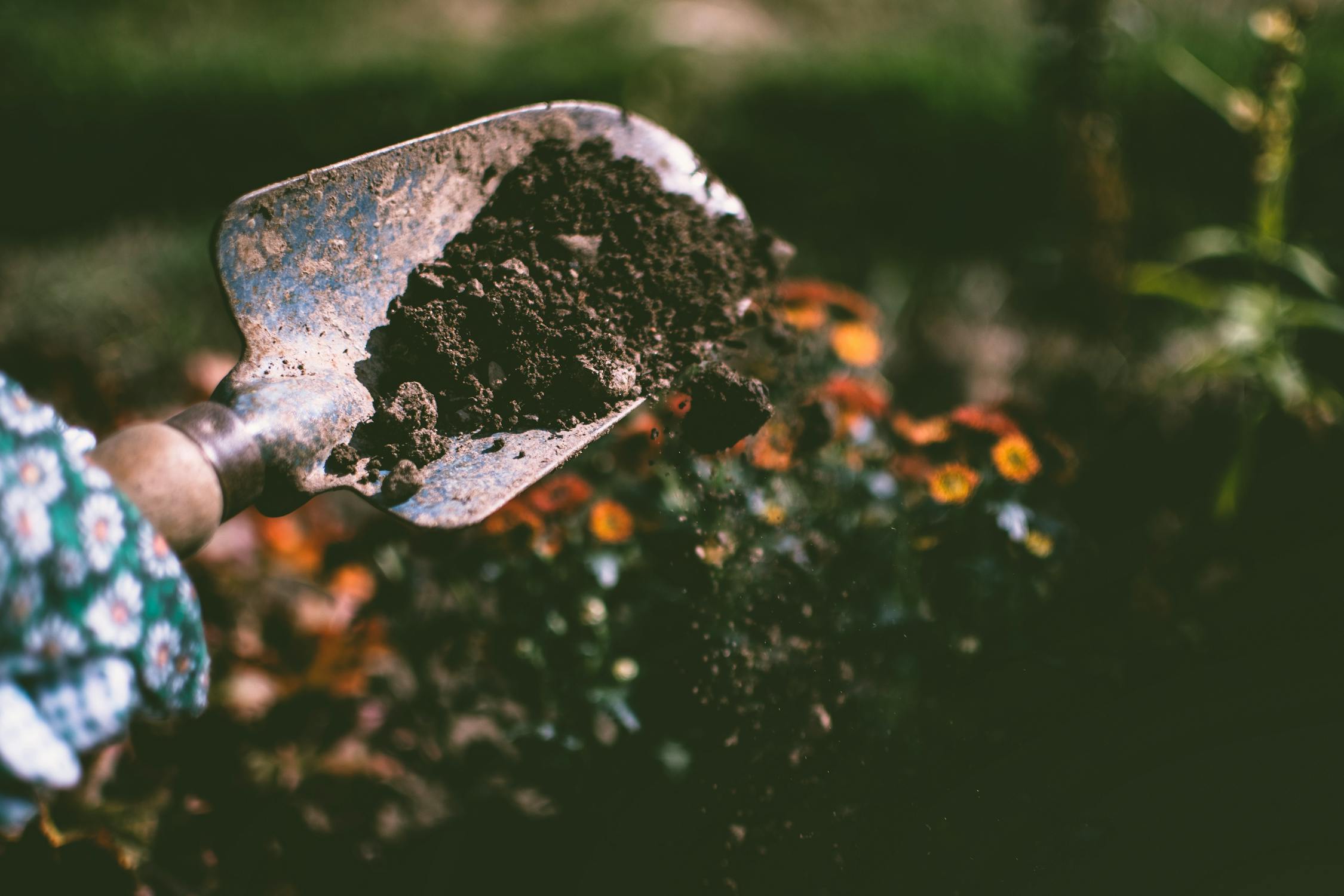
A growing number of cities are recognizing that some of the most impactful resilience work happens at a much smaller scale — the neighborhood, the block, even the individual lot. Community gardens that absorb stormwater. Tree plantings that reduce urban heat islands. Weatherization projects that lower energy costs for vulnerable households. Rain gardens that prevent basement flooding.
These aren't substitutes for major infrastructure investments. They're complements — and in many cases, they deliver co-benefits that large-scale projects can't match: community cohesion, local job creation, environmental education, and the kind of civic engagement that makes larger resilience efforts politically sustainable.
Newark: Love Your Block Meets Climate Reality
Newark, New Jersey, exemplifies both the need and the opportunity. According to Climate Central, Newark experiences one of the most intense urban heat island effects in the country. Large stretches of pavement, limited tree cover, and heavy industrial activity compound the problem. The East, South, and Central wards — areas with fewer trees, more impermeable surfaces, and proximity to highways and the port — face disproportionate exposure to heat, air pollution, and stormwater flooding.
As NJ.com reported this week, Mayor Ras J. Baraka announced the 2026 Love Your Block program with a new climate resilience focus. The program provides up to ,000 per project for volunteer-driven neighborhood initiatives. It's a modest sum — but that's part of the point.
"This year, we're really zeroing in on climate resilience," said Nicole Hewitt-Cabral, Newark's chief sustainability officer. "Love Your Block is about turning local ideas into real, visible change. From addressing extreme heat to improving stormwater management, this program helps residents take action on the issues that matter most to them while advancing our citywide sustainability goals."
The program connects community groups with city departments and corporate sponsors, creating a support ecosystem around neighborhood-scale projects. Applications are open through March 31, and eligible projects include tree plantings, green infrastructure installations, community solar assessments, and heat mitigation strategies.
Dayton: University-City Partnerships for Climate Justice
In Ohio, the city of Dayton and the University of Dayton have launched the Climate Resilience Fund, a joint initiative accepting proposals for community-led environmental projects through April 30. Up to 0,000 in grant funding will be awarded in 2026, with the university's Hanley Sustainability Institute and the city's Office of Sustainability each contributing 0,000 annually for three years — 20,000 total.
What makes Dayton's model particularly interesting is its funding mechanism. As WYSO reported, the city's contribution comes from its participation in an electric aggregation program through the Sustainable Ohio Public Energy Council — not from the general fund. This means climate resilience funding is generated through the city's own sustainable energy purchasing, creating a self-reinforcing cycle.
Tim Pritchard, the city's sustainability specialist, emphasized the equity dimension: "There's certainly a need, especially in this time, as we're recognizing a changing climate and challenges that come along with that and the impact that's being realized by the least fortunate populations among us."
Eligible projects include insulation and LED installations for energy efficiency, native grass and shrub plantings to manage stormwater runoff, community gardens, and educational programming — all designed and led by local nonprofits who understand their neighborhoods' specific vulnerabilities.
Why Neighborhood-Scale Resilience Works
The effectiveness of community-led climate resilience isn't just anecdotal — it's grounded in several structural advantages that top-down approaches struggle to replicate:
Local knowledge is irreplaceable. Residents know which intersections flood first, which buildings trap heat, where the elderly live alone, and which vacant lots could become rain gardens. This hyperlocal intelligence is expensive to acquire through engineering studies but available for free through community engagement.
Small projects compound. A single rain garden won't solve urban flooding. But 200 rain gardens across a watershed — each maintained by the household that installed it — can meaningfully reduce peak stormwater flows. Distributed green infrastructure creates system-level resilience from component-level investments.
Community ownership ensures maintenance. One of the biggest challenges with municipal infrastructure is long-term maintenance. Community-led projects have built-in stewards — the people who designed and built them. This dramatically improves project longevity and reduces municipal maintenance costs.
Co-benefits drive sustained engagement. A community garden reduces stormwater runoff and urban heat — but it also provides fresh food, creates gathering spaces, improves mental health, and builds social networks. These co-benefits keep people engaged long after the initial project excitement fades.
Equity is built in, not retrofitted. When communities design their own resilience projects, the resulting investments naturally reflect local priorities and vulnerabilities. This is fundamentally different from top-down infrastructure where equity considerations are often an afterthought.
The Funding Innovation: Beyond Federal Dependency
A critical subtext of these programs is their funding structure. As federal climate funding becomes increasingly unpredictable, cities are finding creative alternatives. Dayton's electric aggregation model, Newark's corporate partnerships, and the FirstLight Sustains grant program in New England all represent different approaches to the same challenge: building resilience capacity that doesn't depend on federal largesse.
The AcceliGOV program, delivered in partnership with the Clinton Global Initiative, is pushing this even further — enabling cities to launch proven climate and infrastructure solutions in roughly 90 days, replacing traditional 18-24 month procurement timelines.
At Council Fire, we've worked extensively with municipalities on building diversified resilience financing portfolios. The common thread across successful programs is diversification: no single funding source, no single project type, no single scale of intervention. The cities that will weather both climate change and fiscal uncertainty are those building layered, multi-source resilience strategies.
What Businesses Can Learn — and Do
Community-led resilience isn't just a municipal story. There are clear implications — and opportunities — for the private sector:
Corporate sponsorship with substance. Programs like Newark's Love Your Block actively seek corporate partners. This isn't greenwashing territory — it's direct investment in physical resilience for the communities where companies operate and where their employees live. The reputational returns are real, but so are the operational benefits of more resilient neighborhoods.
Employee engagement through local action. Corporate volunteer programs that plug into community resilience projects — tree plantings, weatherization days, rain garden installations — build team cohesion while delivering tangible environmental benefits. It's sustainability that people can see and touch.
Supply chain resilience from the ground up. Companies with facilities, warehouses, or last-mile logistics in climate-vulnerable neighborhoods have a direct business interest in local resilience. Supporting community-led adaptation in those areas isn't philanthropy — it's risk management.
Product and service innovation. The growing market for neighborhood-scale resilience creates opportunities for companies in green infrastructure, building materials, energy efficiency, water management, and climate monitoring. Understanding community needs at the block level can drive product development that scales.
The Connective Tissue: How Local Projects Build System Resilience
One of the most important — and underappreciated — aspects of community-led resilience is its role in building social infrastructure. During climate emergencies, the difference between survival and catastrophe often comes down to whether neighbors know each other, whether there are trusted gathering points, and whether community networks can activate quickly.
Research consistently shows that social cohesion is one of the strongest predictors of climate disaster outcomes. Communities with strong social networks experience fewer fatalities during heat waves, recover faster from flooding, and adapt more effectively to long-term changes. Every community garden meeting, every block cleanup, every shared tree-planting day builds this social infrastructure — the invisible connective tissue that makes physical infrastructure actually work.
This is why programs like Love Your Block matter beyond their direct environmental impact. They're building the human networks that will prove critical when the next hurricane, heat dome, or flood event hits.
Scaling Without Losing the Local
The challenge, of course, is scale. How do you take what works on a single block and spread it across a city, a region, a nation — without losing the community ownership that makes it effective?
The emerging answer is platforms, not programs. Rather than designing one-size-fits-all resilience projects, cities are creating frameworks that empower communities to design their own. The municipal role shifts from implementer to enabler — providing funding, technical assistance, materials, and permitting support while letting communities drive design and execution.
This platform approach also creates opportunities for knowledge sharing. When one neighborhood in Newark develops an effective approach to stormwater management in a combined sewer area, that knowledge can be documented and shared with similar neighborhoods across the city and beyond. The new ISO 14092 standard for climate adaptation could provide a framework for codifying and sharing these local innovations globally.
The Council Fire Perspective
At Council Fire, we believe that effective sustainability work lives at the intersection of strategy, collaboration, and storytelling. Community-led climate resilience embodies all three. It requires strategic thinking about where and how to invest limited resources. It demands genuine collaboration between residents, government, academia, and the private sector. And it produces stories — of transformation, of agency, of communities taking their futures into their own hands — that inspire broader action.
As we work with clients across the corporate and municipal sectors, we consistently see that the most resilient organizations and communities are those that combine top-down investment with bottom-up engagement. Neither alone is sufficient. Together, they create adaptive capacity that can respond to whatever the climate throws next.
The neighborhoods leading this work aren't waiting for permission. They're planting trees, building rain gardens, insulating homes, and organizing their communities — one block at a time. The question isn't whether this approach works. It's whether the rest of us are paying attention.
Related Resources
Navigating Federal Climate Funding in 2026: A Resilience Finance Playbook for Municipalities — How local governments can build diversified climate adaptation financing that doesn't depend on federal funding.
ISO 14092:2026 Is Here — What the New Climate Adaptation Standard Means for Local Governments and Businesses — Understanding the new global framework for local climate adaptation planning.
Water Is the New Supply Chain Risk: Why Corporate Water Stewardship Is Becoming Critical Infrastructure — The intersection of water management, climate resilience, and corporate strategy.
How ESG Drives Competitive Advantage — Making the business case for sustainability investments, including community resilience.
Frequently Asked Questions
What is community-led climate resilience?
Community-led climate resilience refers to neighborhood-scale projects designed and implemented by local residents and organizations to address climate vulnerabilities. These projects range from tree plantings and rain gardens to energy efficiency improvements and community solar installations. The defining feature is community ownership — residents identify the needs, design the solutions, and maintain the results.
How effective are small-scale neighborhood projects at addressing climate change?
Individual projects have modest direct impact, but they compound when deployed across a community. Hundreds of rain gardens across a watershed can meaningfully reduce flooding. Thousands of trees can measurably lower urban temperatures. Beyond direct environmental impact, these projects build social networks that prove critical during climate emergencies and create political support for larger infrastructure investments.
How can my city start a community climate resilience program?
Start by identifying existing community organizations already doing related work — gardening groups, neighborhood associations, environmental justice organizations. Provide seed funding (even ,000 per project can catalyze significant volunteer effort), technical assistance, and streamlined permitting. Partner with local universities for evaluation and knowledge sharing. Dayton's model of university-city partnership is an excellent template.
What role do businesses play in community climate resilience?
Businesses can sponsor specific programs, provide volunteer labor, donate materials, offer technical expertise, and integrate community resilience into their own climate risk management strategies. Companies with physical operations in climate-vulnerable areas have a direct business interest in neighborhood-level adaptation. This is where corporate sustainability meets operational risk management.
How does community-led resilience address environmental justice?
By design. When communities most affected by climate change design their own resilience projects, investments naturally flow to the most vulnerable populations and address locally identified priorities. This is fundamentally different from top-down approaches where equity is often an afterthought. Programs like Newark's Love Your Block specifically target wards with the highest environmental burden.
Latest Articles
©2025

Narrative Change and Power Building: The Missing Half of Advocacy
Narrative change is the process of disrupting dominant narratives that normalize inequity and advancing new narratives from historically marginalized communities.

Funding Resilience Without Federal Grants
BRIC is unreliable and FEMA is shrinking. Here's how cities fund climate resilience with dedicated revenue, blended finance, and a coordinating authority.

The ESG Blind Spot: How AI Is Finding Risks in Companies Nobody Else Is Watching
Norway's sovereign wealth fund uses AI to screen 7,200 portfolio companies for forced labor and corruption within 24 hours. The real story is the emerging-market coverage gap that traditional ESG data vendors miss — and what it means for any company with a global supply chain.
Narrative Change and Power Building: The Missing Half of Advocacy
Narrative change is the process of disrupting dominant narratives that normalize inequity and advancing new narratives from historically marginalized communities.
Funding Resilience Without Federal Grants
BRIC is unreliable and FEMA is shrinking. Here's how cities fund climate resilience with dedicated revenue, blended finance, and a coordinating authority.
The ESG Blind Spot: How AI Is Finding Risks in Companies Nobody Else Is Watching
Norway's sovereign wealth fund uses AI to screen 7,200 portfolio companies for forced labor and corruption within 24 hours. The real story is the emerging-market coverage gap that traditional ESG data vendors miss — and what it means for any company with a global supply chain.
FAQ
01
What does it really mean to “redefine profit”?
02
What makes Council Fire different?
03
Who does Council Fire work with?
04
What does working with Council Fire actually look like?
05
How does Council Fire help organizations turn big goals into action?
06
How does Council Fire define and measure success?
Feb 20, 2026
Block by Block: How Cities Are Putting Climate Resilience in the Hands of Neighborhoods
Sustainable Communities
George Chmael II
Founder & CEO
In This Article
From Newark to Dayton, a new wave of municipal programs is funding community-led climate adaptation projects. Here's why neighborhood-scale resilience may be the most powerful — and most overlooked — tool in the climate playbook.
Block by Block: How Cities Are Putting Climate Resilience in the Hands of Neighborhoods
Block by Block: How Cities Are Putting Climate Resilience in the Hands of Neighborhoods
Executive Summary
Something important is happening in American cities, and it's not coming from Washington. In February 2026, Newark launched its seventh year of "Love Your Block" — this time with a sharp focus on climate resilience. Dayton, Ohio, partnered with the University of Dayton to create a new Climate Resilience Fund offering grants for community-led environmental projects. From New England to the Midwest, municipalities are discovering that the most effective climate adaptation isn't always engineered from the top down — it grows from the block up. This post examines the emerging model of community-led climate resilience, why it works, what it looks like in practice, and how local governments and businesses can support it.
The Shift to Neighborhood-Scale Climate Action
For years, climate resilience planning has been dominated by large-scale infrastructure: seawalls, stormwater tunnels, utility-scale microgrids, and regional flood management systems. These investments are essential. But they're also expensive, slow to deploy, politically complex, and often disconnected from the communities they're meant to protect.
A growing number of cities are recognizing that some of the most impactful resilience work happens at a much smaller scale — the neighborhood, the block, even the individual lot. Community gardens that absorb stormwater. Tree plantings that reduce urban heat islands. Weatherization projects that lower energy costs for vulnerable households. Rain gardens that prevent basement flooding.
These aren't substitutes for major infrastructure investments. They're complements — and in many cases, they deliver co-benefits that large-scale projects can't match: community cohesion, local job creation, environmental education, and the kind of civic engagement that makes larger resilience efforts politically sustainable.
Newark: Love Your Block Meets Climate Reality
Newark, New Jersey, exemplifies both the need and the opportunity. According to Climate Central, Newark experiences one of the most intense urban heat island effects in the country. Large stretches of pavement, limited tree cover, and heavy industrial activity compound the problem. The East, South, and Central wards — areas with fewer trees, more impermeable surfaces, and proximity to highways and the port — face disproportionate exposure to heat, air pollution, and stormwater flooding.
As NJ.com reported this week, Mayor Ras J. Baraka announced the 2026 Love Your Block program with a new climate resilience focus. The program provides up to ,000 per project for volunteer-driven neighborhood initiatives. It's a modest sum — but that's part of the point.
"This year, we're really zeroing in on climate resilience," said Nicole Hewitt-Cabral, Newark's chief sustainability officer. "Love Your Block is about turning local ideas into real, visible change. From addressing extreme heat to improving stormwater management, this program helps residents take action on the issues that matter most to them while advancing our citywide sustainability goals."
The program connects community groups with city departments and corporate sponsors, creating a support ecosystem around neighborhood-scale projects. Applications are open through March 31, and eligible projects include tree plantings, green infrastructure installations, community solar assessments, and heat mitigation strategies.
Dayton: University-City Partnerships for Climate Justice
In Ohio, the city of Dayton and the University of Dayton have launched the Climate Resilience Fund, a joint initiative accepting proposals for community-led environmental projects through April 30. Up to 0,000 in grant funding will be awarded in 2026, with the university's Hanley Sustainability Institute and the city's Office of Sustainability each contributing 0,000 annually for three years — 20,000 total.
What makes Dayton's model particularly interesting is its funding mechanism. As WYSO reported, the city's contribution comes from its participation in an electric aggregation program through the Sustainable Ohio Public Energy Council — not from the general fund. This means climate resilience funding is generated through the city's own sustainable energy purchasing, creating a self-reinforcing cycle.
Tim Pritchard, the city's sustainability specialist, emphasized the equity dimension: "There's certainly a need, especially in this time, as we're recognizing a changing climate and challenges that come along with that and the impact that's being realized by the least fortunate populations among us."
Eligible projects include insulation and LED installations for energy efficiency, native grass and shrub plantings to manage stormwater runoff, community gardens, and educational programming — all designed and led by local nonprofits who understand their neighborhoods' specific vulnerabilities.
Why Neighborhood-Scale Resilience Works
The effectiveness of community-led climate resilience isn't just anecdotal — it's grounded in several structural advantages that top-down approaches struggle to replicate:
Local knowledge is irreplaceable. Residents know which intersections flood first, which buildings trap heat, where the elderly live alone, and which vacant lots could become rain gardens. This hyperlocal intelligence is expensive to acquire through engineering studies but available for free through community engagement.
Small projects compound. A single rain garden won't solve urban flooding. But 200 rain gardens across a watershed — each maintained by the household that installed it — can meaningfully reduce peak stormwater flows. Distributed green infrastructure creates system-level resilience from component-level investments.
Community ownership ensures maintenance. One of the biggest challenges with municipal infrastructure is long-term maintenance. Community-led projects have built-in stewards — the people who designed and built them. This dramatically improves project longevity and reduces municipal maintenance costs.
Co-benefits drive sustained engagement. A community garden reduces stormwater runoff and urban heat — but it also provides fresh food, creates gathering spaces, improves mental health, and builds social networks. These co-benefits keep people engaged long after the initial project excitement fades.
Equity is built in, not retrofitted. When communities design their own resilience projects, the resulting investments naturally reflect local priorities and vulnerabilities. This is fundamentally different from top-down infrastructure where equity considerations are often an afterthought.
The Funding Innovation: Beyond Federal Dependency
A critical subtext of these programs is their funding structure. As federal climate funding becomes increasingly unpredictable, cities are finding creative alternatives. Dayton's electric aggregation model, Newark's corporate partnerships, and the FirstLight Sustains grant program in New England all represent different approaches to the same challenge: building resilience capacity that doesn't depend on federal largesse.
The AcceliGOV program, delivered in partnership with the Clinton Global Initiative, is pushing this even further — enabling cities to launch proven climate and infrastructure solutions in roughly 90 days, replacing traditional 18-24 month procurement timelines.
At Council Fire, we've worked extensively with municipalities on building diversified resilience financing portfolios. The common thread across successful programs is diversification: no single funding source, no single project type, no single scale of intervention. The cities that will weather both climate change and fiscal uncertainty are those building layered, multi-source resilience strategies.
What Businesses Can Learn — and Do
Community-led resilience isn't just a municipal story. There are clear implications — and opportunities — for the private sector:
Corporate sponsorship with substance. Programs like Newark's Love Your Block actively seek corporate partners. This isn't greenwashing territory — it's direct investment in physical resilience for the communities where companies operate and where their employees live. The reputational returns are real, but so are the operational benefits of more resilient neighborhoods.
Employee engagement through local action. Corporate volunteer programs that plug into community resilience projects — tree plantings, weatherization days, rain garden installations — build team cohesion while delivering tangible environmental benefits. It's sustainability that people can see and touch.
Supply chain resilience from the ground up. Companies with facilities, warehouses, or last-mile logistics in climate-vulnerable neighborhoods have a direct business interest in local resilience. Supporting community-led adaptation in those areas isn't philanthropy — it's risk management.
Product and service innovation. The growing market for neighborhood-scale resilience creates opportunities for companies in green infrastructure, building materials, energy efficiency, water management, and climate monitoring. Understanding community needs at the block level can drive product development that scales.
The Connective Tissue: How Local Projects Build System Resilience
One of the most important — and underappreciated — aspects of community-led resilience is its role in building social infrastructure. During climate emergencies, the difference between survival and catastrophe often comes down to whether neighbors know each other, whether there are trusted gathering points, and whether community networks can activate quickly.
Research consistently shows that social cohesion is one of the strongest predictors of climate disaster outcomes. Communities with strong social networks experience fewer fatalities during heat waves, recover faster from flooding, and adapt more effectively to long-term changes. Every community garden meeting, every block cleanup, every shared tree-planting day builds this social infrastructure — the invisible connective tissue that makes physical infrastructure actually work.
This is why programs like Love Your Block matter beyond their direct environmental impact. They're building the human networks that will prove critical when the next hurricane, heat dome, or flood event hits.
Scaling Without Losing the Local
The challenge, of course, is scale. How do you take what works on a single block and spread it across a city, a region, a nation — without losing the community ownership that makes it effective?
The emerging answer is platforms, not programs. Rather than designing one-size-fits-all resilience projects, cities are creating frameworks that empower communities to design their own. The municipal role shifts from implementer to enabler — providing funding, technical assistance, materials, and permitting support while letting communities drive design and execution.
This platform approach also creates opportunities for knowledge sharing. When one neighborhood in Newark develops an effective approach to stormwater management in a combined sewer area, that knowledge can be documented and shared with similar neighborhoods across the city and beyond. The new ISO 14092 standard for climate adaptation could provide a framework for codifying and sharing these local innovations globally.
The Council Fire Perspective
At Council Fire, we believe that effective sustainability work lives at the intersection of strategy, collaboration, and storytelling. Community-led climate resilience embodies all three. It requires strategic thinking about where and how to invest limited resources. It demands genuine collaboration between residents, government, academia, and the private sector. And it produces stories — of transformation, of agency, of communities taking their futures into their own hands — that inspire broader action.
As we work with clients across the corporate and municipal sectors, we consistently see that the most resilient organizations and communities are those that combine top-down investment with bottom-up engagement. Neither alone is sufficient. Together, they create adaptive capacity that can respond to whatever the climate throws next.
The neighborhoods leading this work aren't waiting for permission. They're planting trees, building rain gardens, insulating homes, and organizing their communities — one block at a time. The question isn't whether this approach works. It's whether the rest of us are paying attention.
Related Resources
Navigating Federal Climate Funding in 2026: A Resilience Finance Playbook for Municipalities — How local governments can build diversified climate adaptation financing that doesn't depend on federal funding.
ISO 14092:2026 Is Here — What the New Climate Adaptation Standard Means for Local Governments and Businesses — Understanding the new global framework for local climate adaptation planning.
Water Is the New Supply Chain Risk: Why Corporate Water Stewardship Is Becoming Critical Infrastructure — The intersection of water management, climate resilience, and corporate strategy.
How ESG Drives Competitive Advantage — Making the business case for sustainability investments, including community resilience.
Frequently Asked Questions
What is community-led climate resilience?
Community-led climate resilience refers to neighborhood-scale projects designed and implemented by local residents and organizations to address climate vulnerabilities. These projects range from tree plantings and rain gardens to energy efficiency improvements and community solar installations. The defining feature is community ownership — residents identify the needs, design the solutions, and maintain the results.
How effective are small-scale neighborhood projects at addressing climate change?
Individual projects have modest direct impact, but they compound when deployed across a community. Hundreds of rain gardens across a watershed can meaningfully reduce flooding. Thousands of trees can measurably lower urban temperatures. Beyond direct environmental impact, these projects build social networks that prove critical during climate emergencies and create political support for larger infrastructure investments.
How can my city start a community climate resilience program?
Start by identifying existing community organizations already doing related work — gardening groups, neighborhood associations, environmental justice organizations. Provide seed funding (even ,000 per project can catalyze significant volunteer effort), technical assistance, and streamlined permitting. Partner with local universities for evaluation and knowledge sharing. Dayton's model of university-city partnership is an excellent template.
What role do businesses play in community climate resilience?
Businesses can sponsor specific programs, provide volunteer labor, donate materials, offer technical expertise, and integrate community resilience into their own climate risk management strategies. Companies with physical operations in climate-vulnerable areas have a direct business interest in neighborhood-level adaptation. This is where corporate sustainability meets operational risk management.
How does community-led resilience address environmental justice?
By design. When communities most affected by climate change design their own resilience projects, investments naturally flow to the most vulnerable populations and address locally identified priorities. This is fundamentally different from top-down approaches where equity is often an afterthought. Programs like Newark's Love Your Block specifically target wards with the highest environmental burden.
Latest Articles
©2025
Narrative Change and Power Building: The Missing Half of Advocacy
Narrative change is the process of disrupting dominant narratives that normalize inequity and advancing new narratives from historically marginalized communities.
Funding Resilience Without Federal Grants
BRIC is unreliable and FEMA is shrinking. Here's how cities fund climate resilience with dedicated revenue, blended finance, and a coordinating authority.
The ESG Blind Spot: How AI Is Finding Risks in Companies Nobody Else Is Watching
Norway's sovereign wealth fund uses AI to screen 7,200 portfolio companies for forced labor and corruption within 24 hours. The real story is the emerging-market coverage gap that traditional ESG data vendors miss — and what it means for any company with a global supply chain.
FAQ
01
What does it really mean to “redefine profit”?
02
What makes Council Fire different?
03
Who does Council Fire work with?
04
What does working with Council Fire actually look like?
05
How does Council Fire help organizations turn big goals into action?
06
How does Council Fire define and measure success?
Feb 20, 2026
Block by Block: How Cities Are Putting Climate Resilience in the Hands of Neighborhoods
Sustainable Communities
George Chmael II
Founder & CEO
In This Article
From Newark to Dayton, a new wave of municipal programs is funding community-led climate adaptation projects. Here's why neighborhood-scale resilience may be the most powerful — and most overlooked — tool in the climate playbook.
Block by Block: How Cities Are Putting Climate Resilience in the Hands of Neighborhoods
Block by Block: How Cities Are Putting Climate Resilience in the Hands of Neighborhoods
Executive Summary
Something important is happening in American cities, and it's not coming from Washington. In February 2026, Newark launched its seventh year of "Love Your Block" — this time with a sharp focus on climate resilience. Dayton, Ohio, partnered with the University of Dayton to create a new Climate Resilience Fund offering grants for community-led environmental projects. From New England to the Midwest, municipalities are discovering that the most effective climate adaptation isn't always engineered from the top down — it grows from the block up. This post examines the emerging model of community-led climate resilience, why it works, what it looks like in practice, and how local governments and businesses can support it.
The Shift to Neighborhood-Scale Climate Action
For years, climate resilience planning has been dominated by large-scale infrastructure: seawalls, stormwater tunnels, utility-scale microgrids, and regional flood management systems. These investments are essential. But they're also expensive, slow to deploy, politically complex, and often disconnected from the communities they're meant to protect.
A growing number of cities are recognizing that some of the most impactful resilience work happens at a much smaller scale — the neighborhood, the block, even the individual lot. Community gardens that absorb stormwater. Tree plantings that reduce urban heat islands. Weatherization projects that lower energy costs for vulnerable households. Rain gardens that prevent basement flooding.
These aren't substitutes for major infrastructure investments. They're complements — and in many cases, they deliver co-benefits that large-scale projects can't match: community cohesion, local job creation, environmental education, and the kind of civic engagement that makes larger resilience efforts politically sustainable.
Newark: Love Your Block Meets Climate Reality
Newark, New Jersey, exemplifies both the need and the opportunity. According to Climate Central, Newark experiences one of the most intense urban heat island effects in the country. Large stretches of pavement, limited tree cover, and heavy industrial activity compound the problem. The East, South, and Central wards — areas with fewer trees, more impermeable surfaces, and proximity to highways and the port — face disproportionate exposure to heat, air pollution, and stormwater flooding.
As NJ.com reported this week, Mayor Ras J. Baraka announced the 2026 Love Your Block program with a new climate resilience focus. The program provides up to ,000 per project for volunteer-driven neighborhood initiatives. It's a modest sum — but that's part of the point.
"This year, we're really zeroing in on climate resilience," said Nicole Hewitt-Cabral, Newark's chief sustainability officer. "Love Your Block is about turning local ideas into real, visible change. From addressing extreme heat to improving stormwater management, this program helps residents take action on the issues that matter most to them while advancing our citywide sustainability goals."
The program connects community groups with city departments and corporate sponsors, creating a support ecosystem around neighborhood-scale projects. Applications are open through March 31, and eligible projects include tree plantings, green infrastructure installations, community solar assessments, and heat mitigation strategies.
Dayton: University-City Partnerships for Climate Justice
In Ohio, the city of Dayton and the University of Dayton have launched the Climate Resilience Fund, a joint initiative accepting proposals for community-led environmental projects through April 30. Up to 0,000 in grant funding will be awarded in 2026, with the university's Hanley Sustainability Institute and the city's Office of Sustainability each contributing 0,000 annually for three years — 20,000 total.
What makes Dayton's model particularly interesting is its funding mechanism. As WYSO reported, the city's contribution comes from its participation in an electric aggregation program through the Sustainable Ohio Public Energy Council — not from the general fund. This means climate resilience funding is generated through the city's own sustainable energy purchasing, creating a self-reinforcing cycle.
Tim Pritchard, the city's sustainability specialist, emphasized the equity dimension: "There's certainly a need, especially in this time, as we're recognizing a changing climate and challenges that come along with that and the impact that's being realized by the least fortunate populations among us."
Eligible projects include insulation and LED installations for energy efficiency, native grass and shrub plantings to manage stormwater runoff, community gardens, and educational programming — all designed and led by local nonprofits who understand their neighborhoods' specific vulnerabilities.
Why Neighborhood-Scale Resilience Works
The effectiveness of community-led climate resilience isn't just anecdotal — it's grounded in several structural advantages that top-down approaches struggle to replicate:
Local knowledge is irreplaceable. Residents know which intersections flood first, which buildings trap heat, where the elderly live alone, and which vacant lots could become rain gardens. This hyperlocal intelligence is expensive to acquire through engineering studies but available for free through community engagement.
Small projects compound. A single rain garden won't solve urban flooding. But 200 rain gardens across a watershed — each maintained by the household that installed it — can meaningfully reduce peak stormwater flows. Distributed green infrastructure creates system-level resilience from component-level investments.
Community ownership ensures maintenance. One of the biggest challenges with municipal infrastructure is long-term maintenance. Community-led projects have built-in stewards — the people who designed and built them. This dramatically improves project longevity and reduces municipal maintenance costs.
Co-benefits drive sustained engagement. A community garden reduces stormwater runoff and urban heat — but it also provides fresh food, creates gathering spaces, improves mental health, and builds social networks. These co-benefits keep people engaged long after the initial project excitement fades.
Equity is built in, not retrofitted. When communities design their own resilience projects, the resulting investments naturally reflect local priorities and vulnerabilities. This is fundamentally different from top-down infrastructure where equity considerations are often an afterthought.
The Funding Innovation: Beyond Federal Dependency
A critical subtext of these programs is their funding structure. As federal climate funding becomes increasingly unpredictable, cities are finding creative alternatives. Dayton's electric aggregation model, Newark's corporate partnerships, and the FirstLight Sustains grant program in New England all represent different approaches to the same challenge: building resilience capacity that doesn't depend on federal largesse.
The AcceliGOV program, delivered in partnership with the Clinton Global Initiative, is pushing this even further — enabling cities to launch proven climate and infrastructure solutions in roughly 90 days, replacing traditional 18-24 month procurement timelines.
At Council Fire, we've worked extensively with municipalities on building diversified resilience financing portfolios. The common thread across successful programs is diversification: no single funding source, no single project type, no single scale of intervention. The cities that will weather both climate change and fiscal uncertainty are those building layered, multi-source resilience strategies.
What Businesses Can Learn — and Do
Community-led resilience isn't just a municipal story. There are clear implications — and opportunities — for the private sector:
Corporate sponsorship with substance. Programs like Newark's Love Your Block actively seek corporate partners. This isn't greenwashing territory — it's direct investment in physical resilience for the communities where companies operate and where their employees live. The reputational returns are real, but so are the operational benefits of more resilient neighborhoods.
Employee engagement through local action. Corporate volunteer programs that plug into community resilience projects — tree plantings, weatherization days, rain garden installations — build team cohesion while delivering tangible environmental benefits. It's sustainability that people can see and touch.
Supply chain resilience from the ground up. Companies with facilities, warehouses, or last-mile logistics in climate-vulnerable neighborhoods have a direct business interest in local resilience. Supporting community-led adaptation in those areas isn't philanthropy — it's risk management.
Product and service innovation. The growing market for neighborhood-scale resilience creates opportunities for companies in green infrastructure, building materials, energy efficiency, water management, and climate monitoring. Understanding community needs at the block level can drive product development that scales.
The Connective Tissue: How Local Projects Build System Resilience
One of the most important — and underappreciated — aspects of community-led resilience is its role in building social infrastructure. During climate emergencies, the difference between survival and catastrophe often comes down to whether neighbors know each other, whether there are trusted gathering points, and whether community networks can activate quickly.
Research consistently shows that social cohesion is one of the strongest predictors of climate disaster outcomes. Communities with strong social networks experience fewer fatalities during heat waves, recover faster from flooding, and adapt more effectively to long-term changes. Every community garden meeting, every block cleanup, every shared tree-planting day builds this social infrastructure — the invisible connective tissue that makes physical infrastructure actually work.
This is why programs like Love Your Block matter beyond their direct environmental impact. They're building the human networks that will prove critical when the next hurricane, heat dome, or flood event hits.
Scaling Without Losing the Local
The challenge, of course, is scale. How do you take what works on a single block and spread it across a city, a region, a nation — without losing the community ownership that makes it effective?
The emerging answer is platforms, not programs. Rather than designing one-size-fits-all resilience projects, cities are creating frameworks that empower communities to design their own. The municipal role shifts from implementer to enabler — providing funding, technical assistance, materials, and permitting support while letting communities drive design and execution.
This platform approach also creates opportunities for knowledge sharing. When one neighborhood in Newark develops an effective approach to stormwater management in a combined sewer area, that knowledge can be documented and shared with similar neighborhoods across the city and beyond. The new ISO 14092 standard for climate adaptation could provide a framework for codifying and sharing these local innovations globally.
The Council Fire Perspective
At Council Fire, we believe that effective sustainability work lives at the intersection of strategy, collaboration, and storytelling. Community-led climate resilience embodies all three. It requires strategic thinking about where and how to invest limited resources. It demands genuine collaboration between residents, government, academia, and the private sector. And it produces stories — of transformation, of agency, of communities taking their futures into their own hands — that inspire broader action.
As we work with clients across the corporate and municipal sectors, we consistently see that the most resilient organizations and communities are those that combine top-down investment with bottom-up engagement. Neither alone is sufficient. Together, they create adaptive capacity that can respond to whatever the climate throws next.
The neighborhoods leading this work aren't waiting for permission. They're planting trees, building rain gardens, insulating homes, and organizing their communities — one block at a time. The question isn't whether this approach works. It's whether the rest of us are paying attention.
Related Resources
Navigating Federal Climate Funding in 2026: A Resilience Finance Playbook for Municipalities — How local governments can build diversified climate adaptation financing that doesn't depend on federal funding.
ISO 14092:2026 Is Here — What the New Climate Adaptation Standard Means for Local Governments and Businesses — Understanding the new global framework for local climate adaptation planning.
Water Is the New Supply Chain Risk: Why Corporate Water Stewardship Is Becoming Critical Infrastructure — The intersection of water management, climate resilience, and corporate strategy.
How ESG Drives Competitive Advantage — Making the business case for sustainability investments, including community resilience.
Frequently Asked Questions
What is community-led climate resilience?
Community-led climate resilience refers to neighborhood-scale projects designed and implemented by local residents and organizations to address climate vulnerabilities. These projects range from tree plantings and rain gardens to energy efficiency improvements and community solar installations. The defining feature is community ownership — residents identify the needs, design the solutions, and maintain the results.
How effective are small-scale neighborhood projects at addressing climate change?
Individual projects have modest direct impact, but they compound when deployed across a community. Hundreds of rain gardens across a watershed can meaningfully reduce flooding. Thousands of trees can measurably lower urban temperatures. Beyond direct environmental impact, these projects build social networks that prove critical during climate emergencies and create political support for larger infrastructure investments.
How can my city start a community climate resilience program?
Start by identifying existing community organizations already doing related work — gardening groups, neighborhood associations, environmental justice organizations. Provide seed funding (even ,000 per project can catalyze significant volunteer effort), technical assistance, and streamlined permitting. Partner with local universities for evaluation and knowledge sharing. Dayton's model of university-city partnership is an excellent template.
What role do businesses play in community climate resilience?
Businesses can sponsor specific programs, provide volunteer labor, donate materials, offer technical expertise, and integrate community resilience into their own climate risk management strategies. Companies with physical operations in climate-vulnerable areas have a direct business interest in neighborhood-level adaptation. This is where corporate sustainability meets operational risk management.
How does community-led resilience address environmental justice?
By design. When communities most affected by climate change design their own resilience projects, investments naturally flow to the most vulnerable populations and address locally identified priorities. This is fundamentally different from top-down approaches where equity is often an afterthought. Programs like Newark's Love Your Block specifically target wards with the highest environmental burden.
Latest Articles
©2025
Narrative Change and Power Building: The Missing Half of Advocacy
Narrative change is the process of disrupting dominant narratives that normalize inequity and advancing new narratives from historically marginalized communities.
Funding Resilience Without Federal Grants
BRIC is unreliable and FEMA is shrinking. Here's how cities fund climate resilience with dedicated revenue, blended finance, and a coordinating authority.
The ESG Blind Spot: How AI Is Finding Risks in Companies Nobody Else Is Watching
Norway's sovereign wealth fund uses AI to screen 7,200 portfolio companies for forced labor and corruption within 24 hours. The real story is the emerging-market coverage gap that traditional ESG data vendors miss — and what it means for any company with a global supply chain.
FAQ
What does it really mean to “redefine profit”?
What makes Council Fire different?
Who does Council Fire work with?
What does working with Council Fire actually look like?
How does Council Fire help organizations turn big goals into action?
How does Council Fire define and measure success?