Person
Person

Feb 18, 2026

Feb 18, 2026

Water Is the New Supply Chain Risk: Why Corporate Water Stewardship Is Becoming Critical Infrastructure

Sustainable Business

Sustainable Business

Zach Chmael

Marketing Manager

In This Article

Water risk has moved from a sustainability footnote to a core operational issue. From AI data center water demand to supply chain disruptions, here is why leading companies are treating water stewardship as critical infrastructure.

Water Is the New Supply Chain Risk: Why Corporate Water Stewardship Is Becoming Critical Infrastructure

Water Is the New Supply Chain Risk: Why Corporate Water Stewardship Is Becoming Critical Infrastructure

Water Is the New Supply Chain Risk: Why Corporate Water Stewardship Is Becoming Critical Infrastructure

Executive Summary

Water risk has moved from the periphery of corporate sustainability to the center of operational strategy. As climate-driven disruptions intensify, AI data centers strain local water supplies, and regulatory frameworks tighten, companies that treat water stewardship as preventive infrastructure — not just a reporting metric — are building genuine competitive advantage. From Apple's supplier water programs to Vienna's constitutional protections of source water, the organizations leading on water are the ones treating it as what it is: the most fundamental resource in every supply chain. Here's how the landscape is shifting and what it means for business.
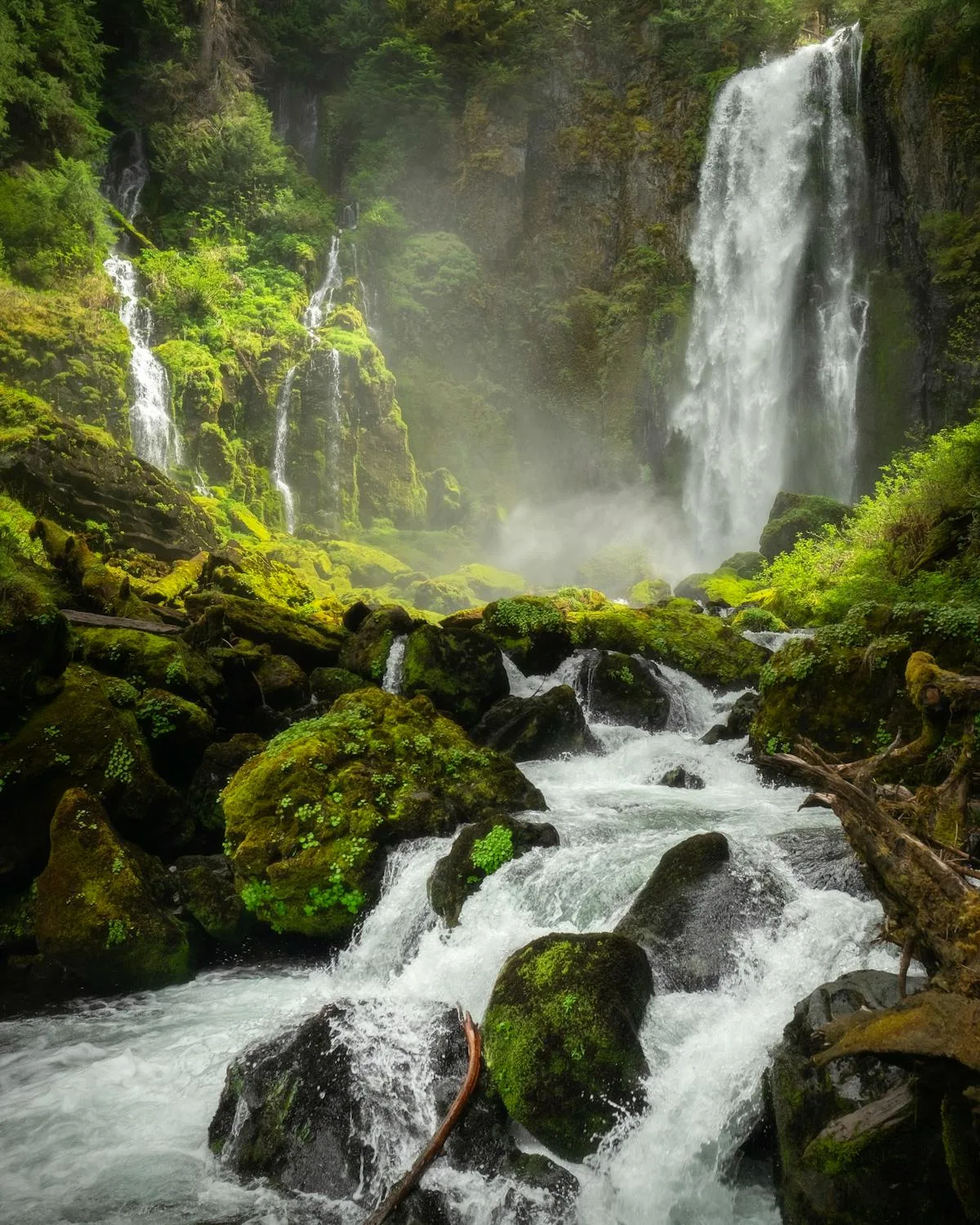
Clean flowing river through forested watershed demonstrating source water protection

Water Risk Has Gone Mainstream

For years, water risk was the sustainability issue that everyone acknowledged and few prioritized. Carbon dominated the agenda. Water was a footnote — mentioned in materiality assessments, then quietly deprioritized in favor of emissions targets and energy transitions.

That era is ending. The convergence of four forces is pushing water to the top of the corporate risk register:

  • Climate impacts are intensifying water stress. Droughts, floods, shifting precipitation patterns, and glacial melt are disrupting water availability in regions that were historically stable. The World Resources Institute's Aqueduct tool now shows that 25% of the world's population faces extremely high water stress annually.

  • AI and data center growth is straining water supplies. As the World Economic Forum reported, the explosive growth of AI infrastructure is reshaping water demand patterns. Data centers require massive cooling systems, and their concentration in already water-stressed regions creates competition with agricultural, municipal, and industrial users. Companies like Salesforce, Microsoft, and AWS are now investing in on-site water reuse systems — a recognition that water availability is a site-selection and operational continuity issue.

  • Regulatory and disclosure pressure is building. The EU's Corporate Sustainability Reporting Directive (CSRD) explicitly includes water in its disclosure requirements. The CDP Water Security questionnaire now covers over 4,000 companies. And the Ceres Valuing Water Finance Initiative has found that while corporate action on water is improving, 41% of companies still lack targets to reduce pollution, and few have targets that account for local watershed conditions.

  • Supply chain vulnerabilities are becoming visible. Companies are discovering that their most significant water risks aren't in their own facilities — they're in their supply chains. Agricultural commodities, semiconductor manufacturing, textiles, food processing — all depend on water availability in regions where climate stress and competition are rising.

From Metric to Infrastructure: A Mindset Shift

The conventional approach to corporate water management treats it as an environmental metric: measure withdrawal volumes, report to CDP, set a reduction target, move on. This approach is inadequate for the scale of risk companies now face.

What's emerging instead is a framework that treats water stewardship as operational infrastructure — a system of interconnected practices that secure water availability, reduce exposure to disruption, and generate co-benefits across the business.

As Our Future Water recently described, corporate supply chain water stewardship functions as "risk management infrastructure" that integrates risk assessment, demand reduction, reuse, and pollution prevention directly into procurement and supplier management. It's not a standalone sustainability program — it's embedded in how the business operates.

This mindset shift has several practical implications:

  • Water risk assessment becomes site-specific. Aggregate corporate water withdrawal numbers are nearly meaningless. What matters is water risk at specific facilities and supplier locations — the actual watershed context. A factory using 1 million gallons in the Great Lakes region poses very different risks than one using the same amount in the Colorado River Basin.

  • Stewardship extends beyond the fence line. Companies that treat water as infrastructure invest in watershed health, not just facility efficiency. That means engaging with local water utilities, participating in catchment management, and supporting nature-based solutions like wetland restoration and forest protection that secure source water quality.

  • Supplier engagement becomes non-negotiable. If your supply chain depends on water-intensive processes in water-stressed regions, your suppliers' water practices are your risk. Structured supplier water programs — with clear standards, monitoring, and support — become essential.

Case Study: Apple's Clean Water Program

Apple's approach to supply chain water management illustrates what infrastructure-level stewardship looks like in practice. The company's Clean Water Program works directly with suppliers to:

  • Secure appropriate water use permits and ensure regulatory compliance.

  • Improve process water treatment and discharge quality.

  • Implement conservation and recycling measures in high-water-use facilities.

  • Reduce total freshwater withdrawals across the supply chain.

The results include substantial reductions in freshwater use, improved wastewater management, and measurably lower operational risks from regulatory non-compliance and contamination events. Critically, the program doesn't just measure water — it manages it as a shared resource across the supplier network.

This model is scalable across industries. Any company with a complex supply chain — food and beverage, apparel, electronics, chemicals, pharmaceuticals — can apply the same logic: set clear water performance standards for suppliers, provide technical support to meet them, monitor results, and integrate water into procurement decisions.

Source Water Protection: The Upstream Investment

While supply chain stewardship addresses the demand side, source water protection addresses the supply side — and it's where some of the most innovative approaches are emerging.

Source water protection treats watersheds, aquifers, forests, and agricultural lands as preventive infrastructure. Rather than relying entirely on downstream water treatment, it invests in the natural systems that filter, store, and deliver clean water before contamination occurs.

Vienna offers a compelling example. The city has constitutionally protected its drinking water sources through the Vienna Water Charter, which safeguards source-protection forests that filter rainwater, maintain soil integrity, and shield aquifers from contamination. The result: Vienna delivers some of the world's highest-quality drinking water with minimal treatment costs, providing long-term financial sustainability while protecting biodiversity and ecosystem services.

New York City's watershed protection program follows similar logic. Rather than building a $10 billion filtration plant, the city invested approximately $1.5 billion in protecting the Catskill-Delaware watershed — acquiring conservation easements, supporting sustainable farming practices, and managing forests to maintain water quality. The economics are compelling: prevention costs a fraction of treatment.

For businesses, the lesson is clear: investing in watershed health is investing in operational security. Companies that depend on clean water — which is nearly all of them — have a direct financial interest in the health of the watersheds that supply their facilities and communities.

Lush green wetland ecosystem providing natural water filtration and biodiversity habitat

The AI and Data Center Water Challenge

The intersection of artificial intelligence and water risk deserves special attention, because it represents a new category of demand that few anticipated even five years ago.

Data centers are extraordinarily water-intensive. Cooling systems for large facilities can consume millions of gallons per day. As AI workloads grow — driven by large language models, image generation, and enterprise AI adoption — the water footprint of the technology sector is expanding rapidly.

The World Economic Forum notes that this dynamic is "reshaping where industries locate, how they operate and how they compete." Companies building data centers are increasingly constrained by water availability, not just power supply and fiber connectivity. In water-stressed regions, data center development creates direct competition with existing water users — including agriculture, municipalities, and ecosystems.

Leading technology companies are responding with on-site water reuse systems. Salesforce's partnership with Epic Cleantec at Salesforce Tower in San Francisco is one example — treating and recycling wastewater on-site to reduce freshwater demand. Microsoft and Google have both set ambitious water replenishment targets, committing to return more water to stressed watersheds than they consume by 2030.

These commitments are significant, but they also highlight a fundamental tension: the technology driving corporate sustainability analytics and climate modeling is itself a major water consumer. Resolving that tension requires systemic water stewardship, not just facility-level efficiency.

What Smart Companies Are Doing Now

Based on emerging best practices from the Responsible Business Alliance, Alliance for Water Stewardship, and leading corporate programs, here's what effective water stewardship looks like in 2026:

  1. Conduct watershed-level risk assessments. Move beyond aggregate reporting. Map water risks at every major facility and supplier location using tools like WRI Aqueduct, WWF Water Risk Filter, or Waterplan. Understand local context — not just volumes.

  2. Set context-based water targets. Corporate water targets should reflect local watershed conditions, not just global reduction percentages. A 20% reduction target means very different things in water-abundant versus water-scarce regions.

  3. Embed water into supplier standards. Require water performance reporting from major suppliers. Provide technical assistance. Make water management a criterion in procurement decisions.

  4. Invest in nature-based solutions. Support watershed restoration, wetland protection, and sustainable land management in your operating regions. These investments generate returns through reduced treatment costs, regulatory goodwill, and long-term supply security.

  5. Integrate water into climate strategy. Water and carbon are deeply interconnected. Energy production requires water. Water treatment requires energy. Climate change disrupts both. Integrated strategies that address water and carbon together are more effective and more resilient than siloed approaches.

  6. Disclose with specificity. Use CDP Water Security, CSRD water disclosures, and the CEO Water Mandate to report transparently — not just on volumes, but on risks, targets, governance, and local engagement.

Water Is Strategy, Not Just Sustainability

The shift from water as a sustainability reporting topic to water as a strategic infrastructure issue is one of the most important transitions happening in corporate risk management today. Companies that get ahead of it will be more resilient, more competitive, and better positioned for the regulatory and physical realities of a water-constrained world.

At Council Fire, we work at the intersection of sustainability strategy, stakeholder engagement, and implementation — exactly where water stewardship lives. Our expertise in oceans and natural resources, energy and water infrastructure, and sustainable business strategy positions us to help organizations navigate the transition from water reporting to water resilience.

Water doesn't respect organizational boundaries, supply chain tiers, or jurisdictional lines. Managing it effectively requires systems thinking, cross-sector collaboration, and the kind of integrated strategy that turns risk into resilience. That's the work ahead — and it's more urgent than ever.

Related Resources

Frequently Asked Questions

Why is corporate water risk increasing in 2026?

Climate change is intensifying droughts, floods, and water stress in key operating regions. Simultaneously, new demand from AI data centers, tightening regulations (CSRD, CDP), and growing supply chain transparency are making water risks more visible and harder to ignore.

What is the difference between water efficiency and water stewardship?

Water efficiency focuses on reducing water use within a facility. Water stewardship is broader — it includes watershed engagement, supplier water management, source water protection, and collaboration with local stakeholders to manage shared water resources sustainably.

How does AI development affect water resources?

Data centers require enormous amounts of water for cooling. As AI workloads grow, data center water consumption is increasing, particularly in water-stressed regions. Leading tech companies are investing in water reuse and replenishment, but the tension between AI growth and water scarcity is a growing strategic issue.

What are nature-based solutions for water management?

Nature-based solutions use natural ecosystems — wetlands, forests, floodplains, permeable landscapes — to filter, store, and manage water. They often cost less than engineered solutions while providing co-benefits for biodiversity, carbon sequestration, and community resilience. New York City's Catskill watershed protection program is a classic example.

How should companies set water targets?

Effective water targets are context-based — meaning they reflect local watershed conditions, not just company-wide percentages. A meaningful target accounts for local water stress levels, competing users, ecosystem needs, and climate projections for the specific regions where the company operates.

FAQ

FAQ

01

What does it really mean to “redefine profit”?

02

What makes Council Fire different?

03

Who does Council Fire you work with?

04

What does working with Council Fire actually look like?

05

How does Council Fire help organizations turn big goals into action?

06

How does Council Fire define and measure success?

01

What does it really mean to “redefine profit”?

02

What makes Council Fire different?

03

Who does Council Fire you work with?

04

What does working with Council Fire actually look like?

05

How does Council Fire help organizations turn big goals into action?

06

How does Council Fire define and measure success?

Person
Person

Feb 18, 2026

Water Is the New Supply Chain Risk: Why Corporate Water Stewardship Is Becoming Critical Infrastructure

Sustainable Business

Zach Chmael

Marketing Manager

In This Article

Water risk has moved from a sustainability footnote to a core operational issue. From AI data center water demand to supply chain disruptions, here is why leading companies are treating water stewardship as critical infrastructure.

Water Is the New Supply Chain Risk: Why Corporate Water Stewardship Is Becoming Critical Infrastructure

Water Is the New Supply Chain Risk: Why Corporate Water Stewardship Is Becoming Critical Infrastructure

Executive Summary

Water risk has moved from the periphery of corporate sustainability to the center of operational strategy. As climate-driven disruptions intensify, AI data centers strain local water supplies, and regulatory frameworks tighten, companies that treat water stewardship as preventive infrastructure — not just a reporting metric — are building genuine competitive advantage. From Apple's supplier water programs to Vienna's constitutional protections of source water, the organizations leading on water are the ones treating it as what it is: the most fundamental resource in every supply chain. Here's how the landscape is shifting and what it means for business.

Clean flowing river through forested watershed demonstrating source water protection

Water Risk Has Gone Mainstream

For years, water risk was the sustainability issue that everyone acknowledged and few prioritized. Carbon dominated the agenda. Water was a footnote — mentioned in materiality assessments, then quietly deprioritized in favor of emissions targets and energy transitions.

That era is ending. The convergence of four forces is pushing water to the top of the corporate risk register:

  • Climate impacts are intensifying water stress. Droughts, floods, shifting precipitation patterns, and glacial melt are disrupting water availability in regions that were historically stable. The World Resources Institute's Aqueduct tool now shows that 25% of the world's population faces extremely high water stress annually.

  • AI and data center growth is straining water supplies. As the World Economic Forum reported, the explosive growth of AI infrastructure is reshaping water demand patterns. Data centers require massive cooling systems, and their concentration in already water-stressed regions creates competition with agricultural, municipal, and industrial users. Companies like Salesforce, Microsoft, and AWS are now investing in on-site water reuse systems — a recognition that water availability is a site-selection and operational continuity issue.

  • Regulatory and disclosure pressure is building. The EU's Corporate Sustainability Reporting Directive (CSRD) explicitly includes water in its disclosure requirements. The CDP Water Security questionnaire now covers over 4,000 companies. And the Ceres Valuing Water Finance Initiative has found that while corporate action on water is improving, 41% of companies still lack targets to reduce pollution, and few have targets that account for local watershed conditions.

  • Supply chain vulnerabilities are becoming visible. Companies are discovering that their most significant water risks aren't in their own facilities — they're in their supply chains. Agricultural commodities, semiconductor manufacturing, textiles, food processing — all depend on water availability in regions where climate stress and competition are rising.

From Metric to Infrastructure: A Mindset Shift

The conventional approach to corporate water management treats it as an environmental metric: measure withdrawal volumes, report to CDP, set a reduction target, move on. This approach is inadequate for the scale of risk companies now face.

What's emerging instead is a framework that treats water stewardship as operational infrastructure — a system of interconnected practices that secure water availability, reduce exposure to disruption, and generate co-benefits across the business.

As Our Future Water recently described, corporate supply chain water stewardship functions as "risk management infrastructure" that integrates risk assessment, demand reduction, reuse, and pollution prevention directly into procurement and supplier management. It's not a standalone sustainability program — it's embedded in how the business operates.

This mindset shift has several practical implications:

  • Water risk assessment becomes site-specific. Aggregate corporate water withdrawal numbers are nearly meaningless. What matters is water risk at specific facilities and supplier locations — the actual watershed context. A factory using 1 million gallons in the Great Lakes region poses very different risks than one using the same amount in the Colorado River Basin.

  • Stewardship extends beyond the fence line. Companies that treat water as infrastructure invest in watershed health, not just facility efficiency. That means engaging with local water utilities, participating in catchment management, and supporting nature-based solutions like wetland restoration and forest protection that secure source water quality.

  • Supplier engagement becomes non-negotiable. If your supply chain depends on water-intensive processes in water-stressed regions, your suppliers' water practices are your risk. Structured supplier water programs — with clear standards, monitoring, and support — become essential.

Case Study: Apple's Clean Water Program

Apple's approach to supply chain water management illustrates what infrastructure-level stewardship looks like in practice. The company's Clean Water Program works directly with suppliers to:

  • Secure appropriate water use permits and ensure regulatory compliance.

  • Improve process water treatment and discharge quality.

  • Implement conservation and recycling measures in high-water-use facilities.

  • Reduce total freshwater withdrawals across the supply chain.

The results include substantial reductions in freshwater use, improved wastewater management, and measurably lower operational risks from regulatory non-compliance and contamination events. Critically, the program doesn't just measure water — it manages it as a shared resource across the supplier network.

This model is scalable across industries. Any company with a complex supply chain — food and beverage, apparel, electronics, chemicals, pharmaceuticals — can apply the same logic: set clear water performance standards for suppliers, provide technical support to meet them, monitor results, and integrate water into procurement decisions.

Source Water Protection: The Upstream Investment

While supply chain stewardship addresses the demand side, source water protection addresses the supply side — and it's where some of the most innovative approaches are emerging.

Source water protection treats watersheds, aquifers, forests, and agricultural lands as preventive infrastructure. Rather than relying entirely on downstream water treatment, it invests in the natural systems that filter, store, and deliver clean water before contamination occurs.

Vienna offers a compelling example. The city has constitutionally protected its drinking water sources through the Vienna Water Charter, which safeguards source-protection forests that filter rainwater, maintain soil integrity, and shield aquifers from contamination. The result: Vienna delivers some of the world's highest-quality drinking water with minimal treatment costs, providing long-term financial sustainability while protecting biodiversity and ecosystem services.

New York City's watershed protection program follows similar logic. Rather than building a $10 billion filtration plant, the city invested approximately $1.5 billion in protecting the Catskill-Delaware watershed — acquiring conservation easements, supporting sustainable farming practices, and managing forests to maintain water quality. The economics are compelling: prevention costs a fraction of treatment.

For businesses, the lesson is clear: investing in watershed health is investing in operational security. Companies that depend on clean water — which is nearly all of them — have a direct financial interest in the health of the watersheds that supply their facilities and communities.

Lush green wetland ecosystem providing natural water filtration and biodiversity habitat

The AI and Data Center Water Challenge

The intersection of artificial intelligence and water risk deserves special attention, because it represents a new category of demand that few anticipated even five years ago.

Data centers are extraordinarily water-intensive. Cooling systems for large facilities can consume millions of gallons per day. As AI workloads grow — driven by large language models, image generation, and enterprise AI adoption — the water footprint of the technology sector is expanding rapidly.

The World Economic Forum notes that this dynamic is "reshaping where industries locate, how they operate and how they compete." Companies building data centers are increasingly constrained by water availability, not just power supply and fiber connectivity. In water-stressed regions, data center development creates direct competition with existing water users — including agriculture, municipalities, and ecosystems.

Leading technology companies are responding with on-site water reuse systems. Salesforce's partnership with Epic Cleantec at Salesforce Tower in San Francisco is one example — treating and recycling wastewater on-site to reduce freshwater demand. Microsoft and Google have both set ambitious water replenishment targets, committing to return more water to stressed watersheds than they consume by 2030.

These commitments are significant, but they also highlight a fundamental tension: the technology driving corporate sustainability analytics and climate modeling is itself a major water consumer. Resolving that tension requires systemic water stewardship, not just facility-level efficiency.

What Smart Companies Are Doing Now

Based on emerging best practices from the Responsible Business Alliance, Alliance for Water Stewardship, and leading corporate programs, here's what effective water stewardship looks like in 2026:

  1. Conduct watershed-level risk assessments. Move beyond aggregate reporting. Map water risks at every major facility and supplier location using tools like WRI Aqueduct, WWF Water Risk Filter, or Waterplan. Understand local context — not just volumes.

  2. Set context-based water targets. Corporate water targets should reflect local watershed conditions, not just global reduction percentages. A 20% reduction target means very different things in water-abundant versus water-scarce regions.

  3. Embed water into supplier standards. Require water performance reporting from major suppliers. Provide technical assistance. Make water management a criterion in procurement decisions.

  4. Invest in nature-based solutions. Support watershed restoration, wetland protection, and sustainable land management in your operating regions. These investments generate returns through reduced treatment costs, regulatory goodwill, and long-term supply security.

  5. Integrate water into climate strategy. Water and carbon are deeply interconnected. Energy production requires water. Water treatment requires energy. Climate change disrupts both. Integrated strategies that address water and carbon together are more effective and more resilient than siloed approaches.

  6. Disclose with specificity. Use CDP Water Security, CSRD water disclosures, and the CEO Water Mandate to report transparently — not just on volumes, but on risks, targets, governance, and local engagement.

Water Is Strategy, Not Just Sustainability

The shift from water as a sustainability reporting topic to water as a strategic infrastructure issue is one of the most important transitions happening in corporate risk management today. Companies that get ahead of it will be more resilient, more competitive, and better positioned for the regulatory and physical realities of a water-constrained world.

At Council Fire, we work at the intersection of sustainability strategy, stakeholder engagement, and implementation — exactly where water stewardship lives. Our expertise in oceans and natural resources, energy and water infrastructure, and sustainable business strategy positions us to help organizations navigate the transition from water reporting to water resilience.

Water doesn't respect organizational boundaries, supply chain tiers, or jurisdictional lines. Managing it effectively requires systems thinking, cross-sector collaboration, and the kind of integrated strategy that turns risk into resilience. That's the work ahead — and it's more urgent than ever.

Related Resources

Frequently Asked Questions

Why is corporate water risk increasing in 2026?

Climate change is intensifying droughts, floods, and water stress in key operating regions. Simultaneously, new demand from AI data centers, tightening regulations (CSRD, CDP), and growing supply chain transparency are making water risks more visible and harder to ignore.

What is the difference between water efficiency and water stewardship?

Water efficiency focuses on reducing water use within a facility. Water stewardship is broader — it includes watershed engagement, supplier water management, source water protection, and collaboration with local stakeholders to manage shared water resources sustainably.

How does AI development affect water resources?

Data centers require enormous amounts of water for cooling. As AI workloads grow, data center water consumption is increasing, particularly in water-stressed regions. Leading tech companies are investing in water reuse and replenishment, but the tension between AI growth and water scarcity is a growing strategic issue.

What are nature-based solutions for water management?

Nature-based solutions use natural ecosystems — wetlands, forests, floodplains, permeable landscapes — to filter, store, and manage water. They often cost less than engineered solutions while providing co-benefits for biodiversity, carbon sequestration, and community resilience. New York City's Catskill watershed protection program is a classic example.

How should companies set water targets?

Effective water targets are context-based — meaning they reflect local watershed conditions, not just company-wide percentages. A meaningful target accounts for local water stress levels, competing users, ecosystem needs, and climate projections for the specific regions where the company operates.
FAQ

01

What does it really mean to “redefine profit”?

02

What makes Council Fire different?

03

Who does Council Fire you work with?

04

What does working with Council Fire actually look like?

05

How does Council Fire help organizations turn big goals into action?

06

How does Council Fire define and measure success?

Person
Person

Feb 18, 2026

Water Is the New Supply Chain Risk: Why Corporate Water Stewardship Is Becoming Critical Infrastructure

Sustainable Business

Zach Chmael

Marketing Manager

In This Article

Water risk has moved from a sustainability footnote to a core operational issue. From AI data center water demand to supply chain disruptions, here is why leading companies are treating water stewardship as critical infrastructure.

Water Is the New Supply Chain Risk: Why Corporate Water Stewardship Is Becoming Critical Infrastructure

Water Is the New Supply Chain Risk: Why Corporate Water Stewardship Is Becoming Critical Infrastructure

Executive Summary

Water risk has moved from the periphery of corporate sustainability to the center of operational strategy. As climate-driven disruptions intensify, AI data centers strain local water supplies, and regulatory frameworks tighten, companies that treat water stewardship as preventive infrastructure — not just a reporting metric — are building genuine competitive advantage. From Apple's supplier water programs to Vienna's constitutional protections of source water, the organizations leading on water are the ones treating it as what it is: the most fundamental resource in every supply chain. Here's how the landscape is shifting and what it means for business.

Clean flowing river through forested watershed demonstrating source water protection

Water Risk Has Gone Mainstream

For years, water risk was the sustainability issue that everyone acknowledged and few prioritized. Carbon dominated the agenda. Water was a footnote — mentioned in materiality assessments, then quietly deprioritized in favor of emissions targets and energy transitions.

That era is ending. The convergence of four forces is pushing water to the top of the corporate risk register:

  • Climate impacts are intensifying water stress. Droughts, floods, shifting precipitation patterns, and glacial melt are disrupting water availability in regions that were historically stable. The World Resources Institute's Aqueduct tool now shows that 25% of the world's population faces extremely high water stress annually.

  • AI and data center growth is straining water supplies. As the World Economic Forum reported, the explosive growth of AI infrastructure is reshaping water demand patterns. Data centers require massive cooling systems, and their concentration in already water-stressed regions creates competition with agricultural, municipal, and industrial users. Companies like Salesforce, Microsoft, and AWS are now investing in on-site water reuse systems — a recognition that water availability is a site-selection and operational continuity issue.

  • Regulatory and disclosure pressure is building. The EU's Corporate Sustainability Reporting Directive (CSRD) explicitly includes water in its disclosure requirements. The CDP Water Security questionnaire now covers over 4,000 companies. And the Ceres Valuing Water Finance Initiative has found that while corporate action on water is improving, 41% of companies still lack targets to reduce pollution, and few have targets that account for local watershed conditions.

  • Supply chain vulnerabilities are becoming visible. Companies are discovering that their most significant water risks aren't in their own facilities — they're in their supply chains. Agricultural commodities, semiconductor manufacturing, textiles, food processing — all depend on water availability in regions where climate stress and competition are rising.

From Metric to Infrastructure: A Mindset Shift

The conventional approach to corporate water management treats it as an environmental metric: measure withdrawal volumes, report to CDP, set a reduction target, move on. This approach is inadequate for the scale of risk companies now face.

What's emerging instead is a framework that treats water stewardship as operational infrastructure — a system of interconnected practices that secure water availability, reduce exposure to disruption, and generate co-benefits across the business.

As Our Future Water recently described, corporate supply chain water stewardship functions as "risk management infrastructure" that integrates risk assessment, demand reduction, reuse, and pollution prevention directly into procurement and supplier management. It's not a standalone sustainability program — it's embedded in how the business operates.

This mindset shift has several practical implications:

  • Water risk assessment becomes site-specific. Aggregate corporate water withdrawal numbers are nearly meaningless. What matters is water risk at specific facilities and supplier locations — the actual watershed context. A factory using 1 million gallons in the Great Lakes region poses very different risks than one using the same amount in the Colorado River Basin.

  • Stewardship extends beyond the fence line. Companies that treat water as infrastructure invest in watershed health, not just facility efficiency. That means engaging with local water utilities, participating in catchment management, and supporting nature-based solutions like wetland restoration and forest protection that secure source water quality.

  • Supplier engagement becomes non-negotiable. If your supply chain depends on water-intensive processes in water-stressed regions, your suppliers' water practices are your risk. Structured supplier water programs — with clear standards, monitoring, and support — become essential.

Case Study: Apple's Clean Water Program

Apple's approach to supply chain water management illustrates what infrastructure-level stewardship looks like in practice. The company's Clean Water Program works directly with suppliers to:

  • Secure appropriate water use permits and ensure regulatory compliance.

  • Improve process water treatment and discharge quality.

  • Implement conservation and recycling measures in high-water-use facilities.

  • Reduce total freshwater withdrawals across the supply chain.

The results include substantial reductions in freshwater use, improved wastewater management, and measurably lower operational risks from regulatory non-compliance and contamination events. Critically, the program doesn't just measure water — it manages it as a shared resource across the supplier network.

This model is scalable across industries. Any company with a complex supply chain — food and beverage, apparel, electronics, chemicals, pharmaceuticals — can apply the same logic: set clear water performance standards for suppliers, provide technical support to meet them, monitor results, and integrate water into procurement decisions.

Source Water Protection: The Upstream Investment

While supply chain stewardship addresses the demand side, source water protection addresses the supply side — and it's where some of the most innovative approaches are emerging.

Source water protection treats watersheds, aquifers, forests, and agricultural lands as preventive infrastructure. Rather than relying entirely on downstream water treatment, it invests in the natural systems that filter, store, and deliver clean water before contamination occurs.

Vienna offers a compelling example. The city has constitutionally protected its drinking water sources through the Vienna Water Charter, which safeguards source-protection forests that filter rainwater, maintain soil integrity, and shield aquifers from contamination. The result: Vienna delivers some of the world's highest-quality drinking water with minimal treatment costs, providing long-term financial sustainability while protecting biodiversity and ecosystem services.

New York City's watershed protection program follows similar logic. Rather than building a $10 billion filtration plant, the city invested approximately $1.5 billion in protecting the Catskill-Delaware watershed — acquiring conservation easements, supporting sustainable farming practices, and managing forests to maintain water quality. The economics are compelling: prevention costs a fraction of treatment.

For businesses, the lesson is clear: investing in watershed health is investing in operational security. Companies that depend on clean water — which is nearly all of them — have a direct financial interest in the health of the watersheds that supply their facilities and communities.

Lush green wetland ecosystem providing natural water filtration and biodiversity habitat

The AI and Data Center Water Challenge

The intersection of artificial intelligence and water risk deserves special attention, because it represents a new category of demand that few anticipated even five years ago.

Data centers are extraordinarily water-intensive. Cooling systems for large facilities can consume millions of gallons per day. As AI workloads grow — driven by large language models, image generation, and enterprise AI adoption — the water footprint of the technology sector is expanding rapidly.

The World Economic Forum notes that this dynamic is "reshaping where industries locate, how they operate and how they compete." Companies building data centers are increasingly constrained by water availability, not just power supply and fiber connectivity. In water-stressed regions, data center development creates direct competition with existing water users — including agriculture, municipalities, and ecosystems.

Leading technology companies are responding with on-site water reuse systems. Salesforce's partnership with Epic Cleantec at Salesforce Tower in San Francisco is one example — treating and recycling wastewater on-site to reduce freshwater demand. Microsoft and Google have both set ambitious water replenishment targets, committing to return more water to stressed watersheds than they consume by 2030.

These commitments are significant, but they also highlight a fundamental tension: the technology driving corporate sustainability analytics and climate modeling is itself a major water consumer. Resolving that tension requires systemic water stewardship, not just facility-level efficiency.

What Smart Companies Are Doing Now

Based on emerging best practices from the Responsible Business Alliance, Alliance for Water Stewardship, and leading corporate programs, here's what effective water stewardship looks like in 2026:

  1. Conduct watershed-level risk assessments. Move beyond aggregate reporting. Map water risks at every major facility and supplier location using tools like WRI Aqueduct, WWF Water Risk Filter, or Waterplan. Understand local context — not just volumes.

  2. Set context-based water targets. Corporate water targets should reflect local watershed conditions, not just global reduction percentages. A 20% reduction target means very different things in water-abundant versus water-scarce regions.

  3. Embed water into supplier standards. Require water performance reporting from major suppliers. Provide technical assistance. Make water management a criterion in procurement decisions.

  4. Invest in nature-based solutions. Support watershed restoration, wetland protection, and sustainable land management in your operating regions. These investments generate returns through reduced treatment costs, regulatory goodwill, and long-term supply security.

  5. Integrate water into climate strategy. Water and carbon are deeply interconnected. Energy production requires water. Water treatment requires energy. Climate change disrupts both. Integrated strategies that address water and carbon together are more effective and more resilient than siloed approaches.

  6. Disclose with specificity. Use CDP Water Security, CSRD water disclosures, and the CEO Water Mandate to report transparently — not just on volumes, but on risks, targets, governance, and local engagement.

Water Is Strategy, Not Just Sustainability

The shift from water as a sustainability reporting topic to water as a strategic infrastructure issue is one of the most important transitions happening in corporate risk management today. Companies that get ahead of it will be more resilient, more competitive, and better positioned for the regulatory and physical realities of a water-constrained world.

At Council Fire, we work at the intersection of sustainability strategy, stakeholder engagement, and implementation — exactly where water stewardship lives. Our expertise in oceans and natural resources, energy and water infrastructure, and sustainable business strategy positions us to help organizations navigate the transition from water reporting to water resilience.

Water doesn't respect organizational boundaries, supply chain tiers, or jurisdictional lines. Managing it effectively requires systems thinking, cross-sector collaboration, and the kind of integrated strategy that turns risk into resilience. That's the work ahead — and it's more urgent than ever.

Related Resources

Frequently Asked Questions

Why is corporate water risk increasing in 2026?

Climate change is intensifying droughts, floods, and water stress in key operating regions. Simultaneously, new demand from AI data centers, tightening regulations (CSRD, CDP), and growing supply chain transparency are making water risks more visible and harder to ignore.

What is the difference between water efficiency and water stewardship?

Water efficiency focuses on reducing water use within a facility. Water stewardship is broader — it includes watershed engagement, supplier water management, source water protection, and collaboration with local stakeholders to manage shared water resources sustainably.

How does AI development affect water resources?

Data centers require enormous amounts of water for cooling. As AI workloads grow, data center water consumption is increasing, particularly in water-stressed regions. Leading tech companies are investing in water reuse and replenishment, but the tension between AI growth and water scarcity is a growing strategic issue.

What are nature-based solutions for water management?

Nature-based solutions use natural ecosystems — wetlands, forests, floodplains, permeable landscapes — to filter, store, and manage water. They often cost less than engineered solutions while providing co-benefits for biodiversity, carbon sequestration, and community resilience. New York City's Catskill watershed protection program is a classic example.

How should companies set water targets?

Effective water targets are context-based — meaning they reflect local watershed conditions, not just company-wide percentages. A meaningful target accounts for local water stress levels, competing users, ecosystem needs, and climate projections for the specific regions where the company operates.
FAQ

What does it really mean to “redefine profit”?

What makes Council Fire different?

Who does Council Fire you work with?

What does working with Council Fire actually look like?

How does Council Fire help organizations turn big goals into action?

How does Council Fire define and measure success?