Jun 9, 2026
How to Decarbonize Maritime Operations and Supply Chains for NGOs & Nonprofits
Sustainability Strategy
In This Article
Practical roadmap for NGOs to map Scope 1-3 shipping emissions, cut fuel use, and secure low-carbon shipping.
How to Decarbonize Maritime Operations and Supply Chains for NGOs & Nonprofits
NGOs must act now to reduce emissions from maritime operations. Shipping accounts for 3% of global greenhouse gas emissions, and new regulations like the IMO Net-Zero Framework (effective March 2027) will impose steep costs for non-compliance. For nonprofits relying on shipping for aid delivery, balancing emissions reduction with limited budgets is critical.
Key steps for NGOs include:
Mapping emissions: Track CO₂, CH₄, and N₂O across voyages and port activities starting January 2024.
Improving efficiency: Use strategies like slow steaming, Just-In-Time arrivals, and energy-saving devices.
Exploring alternative fuels: Biofuels and methanol can cut emissions without major infrastructure changes.
Partnering with ports: Push for shore power and low-emission cargo handling equipment.
Collaborating with carriers: Choose carriers with strong decarbonization plans and join alliances like ZEMBA for better access to zero-emission shipping solutions.
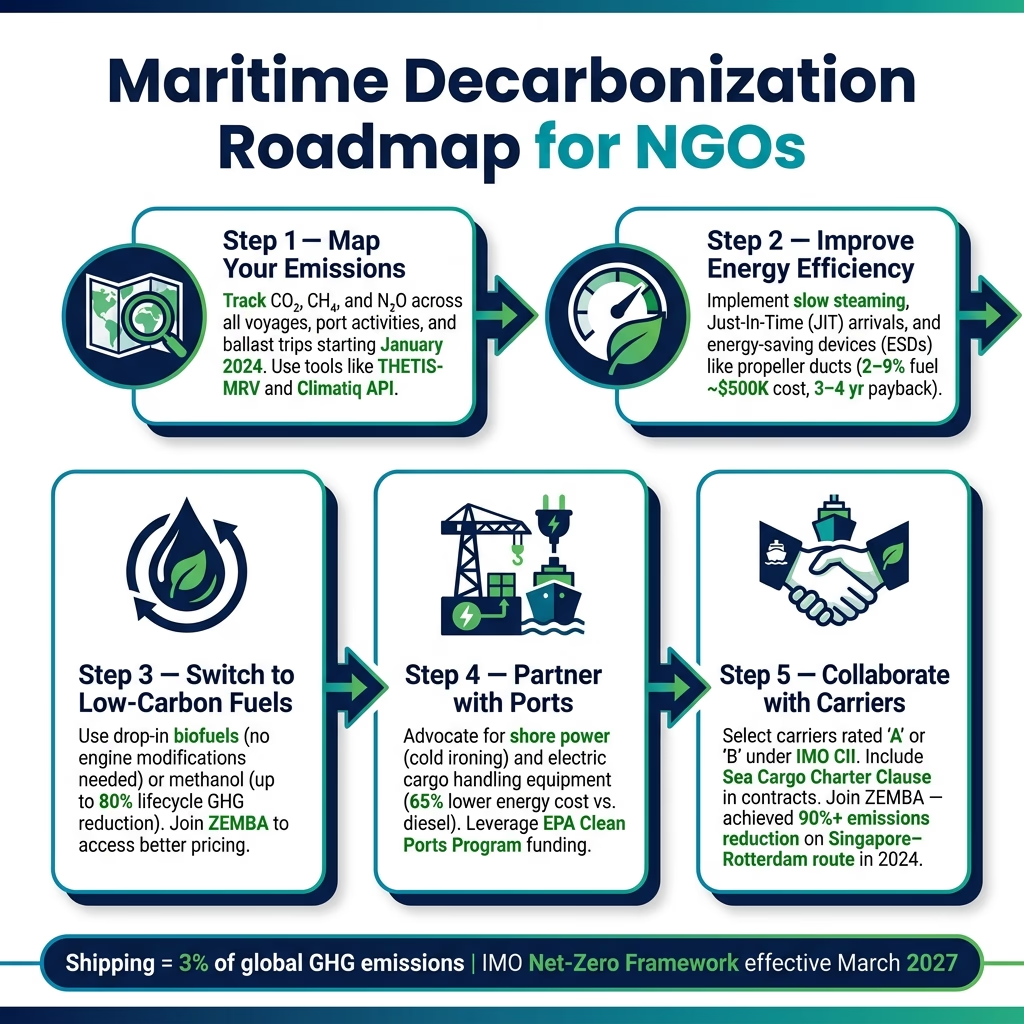
Maritime Decarbonization Roadmap for NGOs: 5 Key Steps
From complexity to clarity: Practical pathways for maritime decarbonization (METS 2026)
Understanding Maritime Emissions and How They Apply to NGOs
Maritime emissions come from various sources, ranging from fuel combustion during voyages to idling at ports and empty trips between cargo pickups. For NGOs, recognizing these sources is crucial for developing effective strategies to reduce emissions. By identifying and categorizing these activities, organizations can focus on targeted actions to minimize their environmental impact.
Starting January 1, 2024, maritime emission monitoring must include three greenhouse gases: carbon dioxide (CO2), methane (CH4), and nitrous oxide (N2O) [2]. Monitoring all three gases offers a more accurate picture of an organization's carbon footprint.
Mapping Emissions Across NGO Maritime Activities
To fully understand emissions, NGOs should systematically map their maritime operations. This involves tracking emissions from one port of call to the next. A port of call refers to any stop made to load or unload cargo [2]. This mapping process accounts for all aspects of a voyage, including ballast voyages (when ships travel empty to their next cargo loading point) and emissions generated while stationary at a port. These activities can contribute significantly to the total emissions profile.
Emissions from activities such as refueling, crew changes, or repairs are not classified as port of call emissions but are still included in the overall emissions total. For voyages spanning two calendar years, emissions must be allocated to the appropriate year based on when they occurred [2].
The table below clarifies which activities are included in emissions mapping:
Activity Type | Included in Mapping? | Notes |
|---|---|---|
At Berth | Yes | Emissions while stationary in port |
Port Movements | Yes | Movements within the port between voyages |
Ballast Voyages | Yes | Empty trips to the next loading point |
Refueling Stops | No (as port of call) | Included in the overall emissions total |
Dry-dock/Repairs | No (as port of call) | Included in the overall emissions total |
For NGOs, understanding these distinctions ensures no emissions are overlooked, providing a comprehensive view of their maritime carbon footprint.
Tools and Data Sources for Tracking Maritime Emissions
Once emission sources are identified, reliable tools are needed to quantify them. Two key resources can assist NGOs in this effort:
THETIS-MRV Platform: This is the European Union's official database where shipping companies submit verified annual emission reports. Even if an NGO isn’t directly subject to EU regulations, this platform offers valuable data on carriers operating in European waters. These verified reports, submitted by March 31 for the previous year, can help NGOs build their Scope 3 supply chain inventories [2].
Climatiq API: For NGOs managing complex supply chains, this tool automates emission calculations across various transport modes, including sea freight. It uses the Global Logistics Emissions Council (GLEC) Framework to ensure consistent and comparable emission factors. If shipping temperature-sensitive items like vaccines or medical supplies, ensure the tool accounts for refrigerated vessels, as these significantly increase emissions [3].
Practical Strategies to Cut Emissions in Maritime Operations
Once you've mapped your emissions, it's time to act. These strategies offer straightforward, cost-conscious ways to reduce emissions in maritime operations. Many of these measures not only have minimal upfront costs but can also lead to long-term savings.
Improving Energy Efficiency in Shipping
One of the simplest and most impactful strategies is slow steaming, which involves reducing the speed of vessels. Since fuel consumption increases exponentially with speed, slowing down significantly reduces fuel use. As Eleni I. Avaritsioti, Lecturer at the University of East London, explains:
"Speed reduction is a swift and cost-effective strategy, also known as 'slow steaming'." [5]
Another effective approach is Just-In-Time (JIT) arrival, which coordinates ship arrivals with port schedules. By ensuring vessels reach the port only when a berth is ready, operators can avoid wasting fuel while waiting at anchor. For NGOs relying on bulk carriers or supply vessels, this requires better communication with port operators, but the benefits are worth the effort.
Investing in energy-saving devices (ESDs) is another way to improve efficiency. Tools like propeller ducts can boost fuel efficiency by 2%–9% and typically cost around $500,000, with a payback period of three to four years [4]. Scheduling these upgrades during routine dry-docking minimizes operational downtime. Additionally, digital tools for route optimization and predictive maintenance can help identify inefficiencies early, saving both fuel and money.
After optimizing energy efficiency, the next step is exploring alternative fuels to further cut emissions.
Low-Carbon and Alternative Fuel Options
For organizations with limited budgets, drop-in biofuels like biodiesel blends or renewable diesel offer an immediate way to reduce emissions. These fuels work seamlessly in existing engines, requiring no modifications, and can deliver meaningful reductions in lifecycle emissions [6].
For those planning new builds or major upgrades, methanol is an option worth considering. Methanol remains liquid at ambient temperatures, leverages existing chemical infrastructure, and has lower retrofit costs compared to LNG. Bio-methanol, in particular, can reduce lifecycle greenhouse gas emissions by up to 80% compared to traditional marine fuels [7]. The growing interest in methanol is evident - by 2025, over 300 dual-fuel methanol vessels were on order. Projects like the Pacific Northwest to Alaska Green Corridor are already exploring how to deploy methanol-powered ships by 2032, including addressing safety challenges like handling methanol's invisible flame [8].
Given the higher costs of alternative fuels, NGOs can join procurement alliances such as ZEMBA to negotiate better pricing [6]. Combining these fuel options with energy efficiency measures can significantly advance decarbonization goals.
Working with Ports to Reduce Emissions
Collaborating with ports is another powerful way for NGOs to reduce emissions without significant additional costs. Ports are responsible for a substantial share of emissions - about 40% of CO2 emissions from ships visiting EU ports occur during port activities [7]. This makes port-focused initiatives a high-impact strategy.
One of the most effective measures is advocating for shore power (also known as cold ironing). This allows vessels to plug into the local electrical grid while docked, eliminating the need to run diesel auxiliary engines. Similarly, electrified cargo handling equipment, like electric rubber-tired gantry (RTG) cranes, can lower per-unit energy costs by 65% compared to diesel-powered alternatives [11]. NGOs can work directly with port operators to push for these upgrades and assist in securing federal funding through programs like the EPA Clean Ports Program, which emphasizes community benefits and environmental justice - areas where mission-driven organizations can provide valuable support [10].
Finally, when booking freight or selecting carriers, prioritize vessels rated "A" or "B" under the IMO Carbon Intensity Indicator (CII) system. This simple procurement guideline sends a clear market signal and requires no additional investment [9].
Building Partnerships to Drive Broader Decarbonization
While operational changes within an organization can make an impact, they only scratch the surface of what's needed to address shipping emissions. NGOs, with their dual role as freight buyers and advocates, are uniquely positioned to push for systemic changes across the shipping industry. By leveraging collective influence, these organizations can help drive emissions reductions on a much larger scale.
Working with Carriers and Freight Forwarders
The first step is identifying carriers with credible decarbonization plans rather than empty promises. A key resource for this is the Sea Cargo Charter Annual Disclosure Report, which provides climate alignment scores for 34 major charterers and shipowners. This report enables NGOs to pinpoint logistics partners who are actively tracking and disclosing emissions in a standardized, transparent way [13].
Formalizing these partnerships is the next step. Including the Sea Cargo Charter Clause in chartering contracts ensures that climate alignment and data-sharing become legal obligations rather than optional preferences [13]. Even for NGOs that don’t directly charter vessels, insisting that freight forwarders provide cargo-level emissions data per unit shipped can support accurate Scope 3 reporting and hold suppliers accountable [9].
"Collaboration such as this, from across the sector, is vital to scale-up customer demand for low- or zero-emissions shipping." - Sea Cargo Charter [13]
Beyond individual partnerships, joining broader coalitions can amplify this influence even further.
Joining Multi-Stakeholder Green Shipping Coalitions
NGOs can maximize their impact by participating in buyers' alliances that pool demand for low-emission shipping solutions. For example, the Zero Emission Maritime Buyers Alliance (ZEMBA) brings together multiple freight buyers to negotiate access to zero-emission shipping services that might otherwise be inaccessible to smaller organizations.
One notable success occurred in April 2024, when ZEMBA's collaboration with Hapag-Lloyd achieved a 90%+ emissions reduction by replacing roughly 20,000 tons of fossil-LNG with certified waste-based biomethane on a Singapore-to-Rotterdam route for 2025–2026 [12]. This agreement involved 17 freight buyers and demonstrated the power of collective action. By March 2026, ZEMBA was recognized as an Earthshot Prize Nominee for its role in driving demand for zero-emission fuels [15].
"Before 2023, organizations aiming to decarbonize their supply chains had no viable access to zero-emission shipping solutions. High costs and uncertain demand gave carriers little incentive to invest." - Ingrid Irigoyen, President and CEO, ZEMBA [15]
For NGOs with smaller freight needs, Book and Claim systems like 123Carbon offer a flexible alternative. These platforms allow organizations to purchase the environmental benefits of low-emission voyages without requiring a direct physical connection to specific vessels. This approach makes emissions reductions more accessible, even at a smaller scale [14].
Connecting Maritime Decarbonization to Community Goals
Driving change in the shipping industry also creates opportunities to address broader community health concerns. Ships burning fossil fuels release nitrogen oxides, sulfur oxides, and particulate matter, which can severely harm the health of nearby port communities - often low-income areas predominantly made up of people of color. By advocating for cleaner vessels, shore power, or electrified port equipment, NGOs can simultaneously tackle climate goals and advance environmental justice initiatives.
Aligning maritime decarbonization efforts with the IMO Net Zero Framework further connects these actions to a global just transition agenda. This framework includes funding to help developing countries adapt to decarbonization requirements, which provides NGOs with international programs an opportunity to advocate for equitable climate solutions [1]. Framing maritime decarbonization as both a climate and equity issue strengthens internal support and makes it easier to engage partners, funders, and local stakeholders.
Building a Prioritized Action Plan for Maritime Decarbonization
Turning ambitious decarbonization strategies into actionable steps requires a clear and structured plan. By screening potential actions and organizing them into a phased roadmap, you can make progress manageable and effective.
How to Screen and Prioritize Decarbonization Actions
Start by leveraging your emissions data to identify and rank decarbonization options. Using a comprehensive greenhouse gas (GHG) inventory of Scopes 1, 2, and 3 emissions, as outlined in the GHG Protocol, provides a solid foundation. Then, apply a Marginal Abatement Cost Curve (MACC) to rank actions based on their cost-effectiveness, measured as cost per ton of CO₂e avoided [16] [17]. This approach helps pinpoint high-impact, low-cost actions that can deliver quick results. For example, tactical measures like slow steaming and hull cleaning often emerge as top priorities - they are cost-effective, impactful, and relatively simple to implement [9].
"A net-zero target without a roadmap is a press release, not a strategy." - Council Fire [17]
Each potential action should be evaluated against three key criteria: readiness (can it be implemented now?), availability (are the necessary technologies or services accessible?), and affordability (does it fit within your financial capacity?) [18]. This process helps filter out impractical or overly ambitious ideas.
Building a Step-by-Step Decarbonization Roadmap
A phased approach ensures steady progress without overwhelming your resources. In the first two to three years, focus on quick wins such as energy efficiency measures, vetting carriers for sustainability, and joining initiatives like the Zero Emission Maritime Buyers Alliance (ZEMBA) to consolidate demand for zero-carbon shipping [9]. These early actions are relatively low-cost, straightforward to implement, and help establish the groundwork for more substantial changes.
As your organization gains experience and momentum, subsequent phases can tackle more complex shifts, such as transitioning to alternative fuels. For each action, assign a responsible party, set achievable timelines, and document your goals clearly. Additionally, signaling your willingness to pay a premium for zero-carbon shipping services can encourage carriers to invest in alternative fuels, helping to bridge the cost gap [9].
Once the roadmap is in place, regular monitoring ensures you stay on track and adapt as needed.
Tracking Progress and Updating the Plan Over Time
Ongoing measurement is key to ensuring your roadmap remains effective. Use Well-to-Wake (WtW) intensity to track emissions, as this metric accounts for the full lifecycle of a fuel, from production to combustion [19]. It's also important to monitor other greenhouse gases like methane (CH₄) and nitrous oxide (N₂O), which are now required under regulations such as the EU Monitoring, Reporting, and Verification (MRV) system [2].
The table below highlights essential metrics to track across four categories:
Metric Category | What to Track | Purpose |
|---|---|---|
GHG Performance | WtW intensity, CO₂, CH₄, N₂O | Ensure regulatory compliance and assess full climate impact [19] [2] |
Operational Efficiency | Fuel use per voyage, distance traveled, cargo carried | Identify areas for efficiency improvements [2] |
Financial Impact | Fuel costs, compliance penalties, mitigation costs | Support budgeting and cost-effective decisions [19] |
Port Activity | Emissions at berth and within port limits | Target localized pollution and improve port-side operations [2] |
To maintain credibility and avoid accusations of greenwashing, conduct annual independent verification of your emissions data [16]. Physical site audits are also recommended at least once every four years [2]. As new technologies emerge and regulations evolve - such as the International Maritime Organization's (IMO) push toward net-zero emissions - review and update your roadmap regularly to align with changing requirements and opportunities.
Conclusion: Taking Action on Maritime Decarbonization
For NGOs, addressing maritime emissions is more than a technical challenge - it directly impacts credibility and accountability. Practical steps, like those outlined in this guide, lead to real progress. Whether it’s mapping Scope 3 emissions, evaluating carriers for environmentally responsible practices, joining initiatives such as the Zero Emission Maritime Buyers Alliance (ZEMBA), or creating a phased decarbonization plan, the focus isn’t on perfection from the outset. What matters is commitment and steady advancement, as momentum builds meaningful results over time.
The critical starting point is conducting a Scope 1–3 emissions inventory following the GHG Protocol. Without this foundational data, prioritizing efforts, monitoring progress, or accessing federal funding opportunities becomes incredibly difficult [10]. Once this baseline is established, organizations can tap into expert resources to accelerate their efforts.
To help convert these strategies into tangible outcomes, Council Fire provides tools like emissions inventories, decarbonization planning, and guidance on securing competitive grants, including programs such as the EPA Clean Ports Program [10][11]. For example, they partnered with a major East Coast port authority, enabling a 52% reduction in Scope 1 and 2 emissions and achieving $125 million in cumulative savings over five years. This included $48 million saved through the electrification of 65% of the port’s cargo handling equipment [11].
"Council Fire helps sustainability leaders like you turn complex challenges into strategic advantages." - Council Fire [10]
Maritime decarbonization is a gradual process, requiring both operational and collaborative efforts. Each small step forward, whether through financial investments or innovative partnerships, lays the groundwork for lasting change.
FAQs
What’s the fastest way to estimate our Scope 3 shipping emissions?
To quickly estimate Scope 3 shipping emissions during an initial screening, a spend-based method is a practical starting point. This involves multiplying your total procurement spend by industry-average emission factors to pinpoint key categories and rank them based on estimated emissions. For more precise results, you can shift to activity-based methods, which take into account cargo weight, shipping distance, and vessel-specific data. Make sure to consistently document your approach to maintain transparency and prepare for audits.
How can we cut maritime emissions without increasing shipping costs?
Reducing emissions in maritime operations while keeping costs in check hinges on boosting efficiency and refining logistics. A key approach is minimizing fuel consumption. Techniques like slow steaming - operating vessels at reduced speeds - can cut fuel usage by 10%–15%. Additionally, investing in hardware upgrades, such as high-performance hull coatings and retrofitted bulbous bows, offers a fast return on investment by enhancing fuel efficiency.
Improving supply chain processes also plays a role. Consolidating shipments and using less packaging can significantly reduce transportation expenses and fuel consumption, creating a win-win for both the environment and operational budgets.
What should we ask carriers and forwarders to prove real decarbonization?
To better understand environmental impact, ask carriers and forwarders for emissions data specific to cargo, ideally verified by third parties. Encourage transparency by referencing standardized tools like the GLEC Framework. Choose partners who openly report Scope 1, 2, and 3 emissions, share fleet-level carbon intensity metrics (such as IMO Carbon Intensity Indicator ratings), and outline clear, time-bound plans for fuel strategies and fleet improvements. Incorporate these expectations into your RFP process to ensure accurate and reliable reporting.
Related Blog Posts
How to Build a Corporate Sustainability Strategy Aligned to ROI for Maritime & Logistics Companies
How to Develop a Blue Economy Strategy for Maritime & Logistics Companies
How to Decarbonize Maritime Operations and Supply Chains for Municipalities & Government Agencies
How to Decarbonize Maritime Operations and Supply Chains for Corporations
Latest Articles
©2026

Narrative Change and Power Building: The Missing Half of Advocacy
Narrative change is the process of disrupting dominant narratives that normalize inequity and advancing new narratives from historically marginalized communities.

Funding Resilience Without Federal Grants
BRIC is unreliable and FEMA is shrinking. Here's how cities fund climate resilience with dedicated revenue, blended finance, and a coordinating authority.

The ESG Blind Spot: How AI Is Finding Risks in Companies Nobody Else Is Watching
Norway's sovereign wealth fund uses AI to screen 7,200 portfolio companies for forced labor and corruption within 24 hours. The real story is the emerging-market coverage gap that traditional ESG data vendors miss — and what it means for any company with a global supply chain.
Narrative Change and Power Building: The Missing Half of Advocacy
Narrative change is the process of disrupting dominant narratives that normalize inequity and advancing new narratives from historically marginalized communities.
Funding Resilience Without Federal Grants
BRIC is unreliable and FEMA is shrinking. Here's how cities fund climate resilience with dedicated revenue, blended finance, and a coordinating authority.
The ESG Blind Spot: How AI Is Finding Risks in Companies Nobody Else Is Watching
Norway's sovereign wealth fund uses AI to screen 7,200 portfolio companies for forced labor and corruption within 24 hours. The real story is the emerging-market coverage gap that traditional ESG data vendors miss — and what it means for any company with a global supply chain.
FAQ
01
What does it really mean to “redefine profit”?
02
What makes Council Fire different?
03
Who does Council Fire work with?
04
What does working with Council Fire actually look like?
05
How does Council Fire help organizations turn big goals into action?
06
How does Council Fire define and measure success?
07
How does technology fit into Council Fire’s work?
Jun 9, 2026
How to Decarbonize Maritime Operations and Supply Chains for NGOs & Nonprofits
Sustainability Strategy
In This Article
Practical roadmap for NGOs to map Scope 1-3 shipping emissions, cut fuel use, and secure low-carbon shipping.
How to Decarbonize Maritime Operations and Supply Chains for NGOs & Nonprofits
NGOs must act now to reduce emissions from maritime operations. Shipping accounts for 3% of global greenhouse gas emissions, and new regulations like the IMO Net-Zero Framework (effective March 2027) will impose steep costs for non-compliance. For nonprofits relying on shipping for aid delivery, balancing emissions reduction with limited budgets is critical.
Key steps for NGOs include:
Mapping emissions: Track CO₂, CH₄, and N₂O across voyages and port activities starting January 2024.
Improving efficiency: Use strategies like slow steaming, Just-In-Time arrivals, and energy-saving devices.
Exploring alternative fuels: Biofuels and methanol can cut emissions without major infrastructure changes.
Partnering with ports: Push for shore power and low-emission cargo handling equipment.
Collaborating with carriers: Choose carriers with strong decarbonization plans and join alliances like ZEMBA for better access to zero-emission shipping solutions.
Maritime Decarbonization Roadmap for NGOs: 5 Key Steps
From complexity to clarity: Practical pathways for maritime decarbonization (METS 2026)
Understanding Maritime Emissions and How They Apply to NGOs
Maritime emissions come from various sources, ranging from fuel combustion during voyages to idling at ports and empty trips between cargo pickups. For NGOs, recognizing these sources is crucial for developing effective strategies to reduce emissions. By identifying and categorizing these activities, organizations can focus on targeted actions to minimize their environmental impact.
Starting January 1, 2024, maritime emission monitoring must include three greenhouse gases: carbon dioxide (CO2), methane (CH4), and nitrous oxide (N2O) [2]. Monitoring all three gases offers a more accurate picture of an organization's carbon footprint.
Mapping Emissions Across NGO Maritime Activities
To fully understand emissions, NGOs should systematically map their maritime operations. This involves tracking emissions from one port of call to the next. A port of call refers to any stop made to load or unload cargo [2]. This mapping process accounts for all aspects of a voyage, including ballast voyages (when ships travel empty to their next cargo loading point) and emissions generated while stationary at a port. These activities can contribute significantly to the total emissions profile.
Emissions from activities such as refueling, crew changes, or repairs are not classified as port of call emissions but are still included in the overall emissions total. For voyages spanning two calendar years, emissions must be allocated to the appropriate year based on when they occurred [2].
The table below clarifies which activities are included in emissions mapping:
Activity Type | Included in Mapping? | Notes |
|---|---|---|
At Berth | Yes | Emissions while stationary in port |
Port Movements | Yes | Movements within the port between voyages |
Ballast Voyages | Yes | Empty trips to the next loading point |
Refueling Stops | No (as port of call) | Included in the overall emissions total |
Dry-dock/Repairs | No (as port of call) | Included in the overall emissions total |
For NGOs, understanding these distinctions ensures no emissions are overlooked, providing a comprehensive view of their maritime carbon footprint.
Tools and Data Sources for Tracking Maritime Emissions
Once emission sources are identified, reliable tools are needed to quantify them. Two key resources can assist NGOs in this effort:
THETIS-MRV Platform: This is the European Union's official database where shipping companies submit verified annual emission reports. Even if an NGO isn’t directly subject to EU regulations, this platform offers valuable data on carriers operating in European waters. These verified reports, submitted by March 31 for the previous year, can help NGOs build their Scope 3 supply chain inventories [2].
Climatiq API: For NGOs managing complex supply chains, this tool automates emission calculations across various transport modes, including sea freight. It uses the Global Logistics Emissions Council (GLEC) Framework to ensure consistent and comparable emission factors. If shipping temperature-sensitive items like vaccines or medical supplies, ensure the tool accounts for refrigerated vessels, as these significantly increase emissions [3].
Practical Strategies to Cut Emissions in Maritime Operations
Once you've mapped your emissions, it's time to act. These strategies offer straightforward, cost-conscious ways to reduce emissions in maritime operations. Many of these measures not only have minimal upfront costs but can also lead to long-term savings.
Improving Energy Efficiency in Shipping
One of the simplest and most impactful strategies is slow steaming, which involves reducing the speed of vessels. Since fuel consumption increases exponentially with speed, slowing down significantly reduces fuel use. As Eleni I. Avaritsioti, Lecturer at the University of East London, explains:
"Speed reduction is a swift and cost-effective strategy, also known as 'slow steaming'." [5]
Another effective approach is Just-In-Time (JIT) arrival, which coordinates ship arrivals with port schedules. By ensuring vessels reach the port only when a berth is ready, operators can avoid wasting fuel while waiting at anchor. For NGOs relying on bulk carriers or supply vessels, this requires better communication with port operators, but the benefits are worth the effort.
Investing in energy-saving devices (ESDs) is another way to improve efficiency. Tools like propeller ducts can boost fuel efficiency by 2%–9% and typically cost around $500,000, with a payback period of three to four years [4]. Scheduling these upgrades during routine dry-docking minimizes operational downtime. Additionally, digital tools for route optimization and predictive maintenance can help identify inefficiencies early, saving both fuel and money.
After optimizing energy efficiency, the next step is exploring alternative fuels to further cut emissions.
Low-Carbon and Alternative Fuel Options
For organizations with limited budgets, drop-in biofuels like biodiesel blends or renewable diesel offer an immediate way to reduce emissions. These fuels work seamlessly in existing engines, requiring no modifications, and can deliver meaningful reductions in lifecycle emissions [6].
For those planning new builds or major upgrades, methanol is an option worth considering. Methanol remains liquid at ambient temperatures, leverages existing chemical infrastructure, and has lower retrofit costs compared to LNG. Bio-methanol, in particular, can reduce lifecycle greenhouse gas emissions by up to 80% compared to traditional marine fuels [7]. The growing interest in methanol is evident - by 2025, over 300 dual-fuel methanol vessels were on order. Projects like the Pacific Northwest to Alaska Green Corridor are already exploring how to deploy methanol-powered ships by 2032, including addressing safety challenges like handling methanol's invisible flame [8].
Given the higher costs of alternative fuels, NGOs can join procurement alliances such as ZEMBA to negotiate better pricing [6]. Combining these fuel options with energy efficiency measures can significantly advance decarbonization goals.
Working with Ports to Reduce Emissions
Collaborating with ports is another powerful way for NGOs to reduce emissions without significant additional costs. Ports are responsible for a substantial share of emissions - about 40% of CO2 emissions from ships visiting EU ports occur during port activities [7]. This makes port-focused initiatives a high-impact strategy.
One of the most effective measures is advocating for shore power (also known as cold ironing). This allows vessels to plug into the local electrical grid while docked, eliminating the need to run diesel auxiliary engines. Similarly, electrified cargo handling equipment, like electric rubber-tired gantry (RTG) cranes, can lower per-unit energy costs by 65% compared to diesel-powered alternatives [11]. NGOs can work directly with port operators to push for these upgrades and assist in securing federal funding through programs like the EPA Clean Ports Program, which emphasizes community benefits and environmental justice - areas where mission-driven organizations can provide valuable support [10].
Finally, when booking freight or selecting carriers, prioritize vessels rated "A" or "B" under the IMO Carbon Intensity Indicator (CII) system. This simple procurement guideline sends a clear market signal and requires no additional investment [9].
Building Partnerships to Drive Broader Decarbonization
While operational changes within an organization can make an impact, they only scratch the surface of what's needed to address shipping emissions. NGOs, with their dual role as freight buyers and advocates, are uniquely positioned to push for systemic changes across the shipping industry. By leveraging collective influence, these organizations can help drive emissions reductions on a much larger scale.
Working with Carriers and Freight Forwarders
The first step is identifying carriers with credible decarbonization plans rather than empty promises. A key resource for this is the Sea Cargo Charter Annual Disclosure Report, which provides climate alignment scores for 34 major charterers and shipowners. This report enables NGOs to pinpoint logistics partners who are actively tracking and disclosing emissions in a standardized, transparent way [13].
Formalizing these partnerships is the next step. Including the Sea Cargo Charter Clause in chartering contracts ensures that climate alignment and data-sharing become legal obligations rather than optional preferences [13]. Even for NGOs that don’t directly charter vessels, insisting that freight forwarders provide cargo-level emissions data per unit shipped can support accurate Scope 3 reporting and hold suppliers accountable [9].
"Collaboration such as this, from across the sector, is vital to scale-up customer demand for low- or zero-emissions shipping." - Sea Cargo Charter [13]
Beyond individual partnerships, joining broader coalitions can amplify this influence even further.
Joining Multi-Stakeholder Green Shipping Coalitions
NGOs can maximize their impact by participating in buyers' alliances that pool demand for low-emission shipping solutions. For example, the Zero Emission Maritime Buyers Alliance (ZEMBA) brings together multiple freight buyers to negotiate access to zero-emission shipping services that might otherwise be inaccessible to smaller organizations.
One notable success occurred in April 2024, when ZEMBA's collaboration with Hapag-Lloyd achieved a 90%+ emissions reduction by replacing roughly 20,000 tons of fossil-LNG with certified waste-based biomethane on a Singapore-to-Rotterdam route for 2025–2026 [12]. This agreement involved 17 freight buyers and demonstrated the power of collective action. By March 2026, ZEMBA was recognized as an Earthshot Prize Nominee for its role in driving demand for zero-emission fuels [15].
"Before 2023, organizations aiming to decarbonize their supply chains had no viable access to zero-emission shipping solutions. High costs and uncertain demand gave carriers little incentive to invest." - Ingrid Irigoyen, President and CEO, ZEMBA [15]
For NGOs with smaller freight needs, Book and Claim systems like 123Carbon offer a flexible alternative. These platforms allow organizations to purchase the environmental benefits of low-emission voyages without requiring a direct physical connection to specific vessels. This approach makes emissions reductions more accessible, even at a smaller scale [14].
Connecting Maritime Decarbonization to Community Goals
Driving change in the shipping industry also creates opportunities to address broader community health concerns. Ships burning fossil fuels release nitrogen oxides, sulfur oxides, and particulate matter, which can severely harm the health of nearby port communities - often low-income areas predominantly made up of people of color. By advocating for cleaner vessels, shore power, or electrified port equipment, NGOs can simultaneously tackle climate goals and advance environmental justice initiatives.
Aligning maritime decarbonization efforts with the IMO Net Zero Framework further connects these actions to a global just transition agenda. This framework includes funding to help developing countries adapt to decarbonization requirements, which provides NGOs with international programs an opportunity to advocate for equitable climate solutions [1]. Framing maritime decarbonization as both a climate and equity issue strengthens internal support and makes it easier to engage partners, funders, and local stakeholders.
Building a Prioritized Action Plan for Maritime Decarbonization
Turning ambitious decarbonization strategies into actionable steps requires a clear and structured plan. By screening potential actions and organizing them into a phased roadmap, you can make progress manageable and effective.
How to Screen and Prioritize Decarbonization Actions
Start by leveraging your emissions data to identify and rank decarbonization options. Using a comprehensive greenhouse gas (GHG) inventory of Scopes 1, 2, and 3 emissions, as outlined in the GHG Protocol, provides a solid foundation. Then, apply a Marginal Abatement Cost Curve (MACC) to rank actions based on their cost-effectiveness, measured as cost per ton of CO₂e avoided [16] [17]. This approach helps pinpoint high-impact, low-cost actions that can deliver quick results. For example, tactical measures like slow steaming and hull cleaning often emerge as top priorities - they are cost-effective, impactful, and relatively simple to implement [9].
"A net-zero target without a roadmap is a press release, not a strategy." - Council Fire [17]
Each potential action should be evaluated against three key criteria: readiness (can it be implemented now?), availability (are the necessary technologies or services accessible?), and affordability (does it fit within your financial capacity?) [18]. This process helps filter out impractical or overly ambitious ideas.
Building a Step-by-Step Decarbonization Roadmap
A phased approach ensures steady progress without overwhelming your resources. In the first two to three years, focus on quick wins such as energy efficiency measures, vetting carriers for sustainability, and joining initiatives like the Zero Emission Maritime Buyers Alliance (ZEMBA) to consolidate demand for zero-carbon shipping [9]. These early actions are relatively low-cost, straightforward to implement, and help establish the groundwork for more substantial changes.
As your organization gains experience and momentum, subsequent phases can tackle more complex shifts, such as transitioning to alternative fuels. For each action, assign a responsible party, set achievable timelines, and document your goals clearly. Additionally, signaling your willingness to pay a premium for zero-carbon shipping services can encourage carriers to invest in alternative fuels, helping to bridge the cost gap [9].
Once the roadmap is in place, regular monitoring ensures you stay on track and adapt as needed.
Tracking Progress and Updating the Plan Over Time
Ongoing measurement is key to ensuring your roadmap remains effective. Use Well-to-Wake (WtW) intensity to track emissions, as this metric accounts for the full lifecycle of a fuel, from production to combustion [19]. It's also important to monitor other greenhouse gases like methane (CH₄) and nitrous oxide (N₂O), which are now required under regulations such as the EU Monitoring, Reporting, and Verification (MRV) system [2].
The table below highlights essential metrics to track across four categories:
Metric Category | What to Track | Purpose |
|---|---|---|
GHG Performance | WtW intensity, CO₂, CH₄, N₂O | Ensure regulatory compliance and assess full climate impact [19] [2] |
Operational Efficiency | Fuel use per voyage, distance traveled, cargo carried | Identify areas for efficiency improvements [2] |
Financial Impact | Fuel costs, compliance penalties, mitigation costs | Support budgeting and cost-effective decisions [19] |
Port Activity | Emissions at berth and within port limits | Target localized pollution and improve port-side operations [2] |
To maintain credibility and avoid accusations of greenwashing, conduct annual independent verification of your emissions data [16]. Physical site audits are also recommended at least once every four years [2]. As new technologies emerge and regulations evolve - such as the International Maritime Organization's (IMO) push toward net-zero emissions - review and update your roadmap regularly to align with changing requirements and opportunities.
Conclusion: Taking Action on Maritime Decarbonization
For NGOs, addressing maritime emissions is more than a technical challenge - it directly impacts credibility and accountability. Practical steps, like those outlined in this guide, lead to real progress. Whether it’s mapping Scope 3 emissions, evaluating carriers for environmentally responsible practices, joining initiatives such as the Zero Emission Maritime Buyers Alliance (ZEMBA), or creating a phased decarbonization plan, the focus isn’t on perfection from the outset. What matters is commitment and steady advancement, as momentum builds meaningful results over time.
The critical starting point is conducting a Scope 1–3 emissions inventory following the GHG Protocol. Without this foundational data, prioritizing efforts, monitoring progress, or accessing federal funding opportunities becomes incredibly difficult [10]. Once this baseline is established, organizations can tap into expert resources to accelerate their efforts.
To help convert these strategies into tangible outcomes, Council Fire provides tools like emissions inventories, decarbonization planning, and guidance on securing competitive grants, including programs such as the EPA Clean Ports Program [10][11]. For example, they partnered with a major East Coast port authority, enabling a 52% reduction in Scope 1 and 2 emissions and achieving $125 million in cumulative savings over five years. This included $48 million saved through the electrification of 65% of the port’s cargo handling equipment [11].
"Council Fire helps sustainability leaders like you turn complex challenges into strategic advantages." - Council Fire [10]
Maritime decarbonization is a gradual process, requiring both operational and collaborative efforts. Each small step forward, whether through financial investments or innovative partnerships, lays the groundwork for lasting change.
FAQs
What’s the fastest way to estimate our Scope 3 shipping emissions?
To quickly estimate Scope 3 shipping emissions during an initial screening, a spend-based method is a practical starting point. This involves multiplying your total procurement spend by industry-average emission factors to pinpoint key categories and rank them based on estimated emissions. For more precise results, you can shift to activity-based methods, which take into account cargo weight, shipping distance, and vessel-specific data. Make sure to consistently document your approach to maintain transparency and prepare for audits.
How can we cut maritime emissions without increasing shipping costs?
Reducing emissions in maritime operations while keeping costs in check hinges on boosting efficiency and refining logistics. A key approach is minimizing fuel consumption. Techniques like slow steaming - operating vessels at reduced speeds - can cut fuel usage by 10%–15%. Additionally, investing in hardware upgrades, such as high-performance hull coatings and retrofitted bulbous bows, offers a fast return on investment by enhancing fuel efficiency.
Improving supply chain processes also plays a role. Consolidating shipments and using less packaging can significantly reduce transportation expenses and fuel consumption, creating a win-win for both the environment and operational budgets.
What should we ask carriers and forwarders to prove real decarbonization?
To better understand environmental impact, ask carriers and forwarders for emissions data specific to cargo, ideally verified by third parties. Encourage transparency by referencing standardized tools like the GLEC Framework. Choose partners who openly report Scope 1, 2, and 3 emissions, share fleet-level carbon intensity metrics (such as IMO Carbon Intensity Indicator ratings), and outline clear, time-bound plans for fuel strategies and fleet improvements. Incorporate these expectations into your RFP process to ensure accurate and reliable reporting.
Related Blog Posts
How to Build a Corporate Sustainability Strategy Aligned to ROI for Maritime & Logistics Companies
How to Develop a Blue Economy Strategy for Maritime & Logistics Companies
How to Decarbonize Maritime Operations and Supply Chains for Municipalities & Government Agencies
How to Decarbonize Maritime Operations and Supply Chains for Corporations
Latest Articles
©2026
Narrative Change and Power Building: The Missing Half of Advocacy
Narrative change is the process of disrupting dominant narratives that normalize inequity and advancing new narratives from historically marginalized communities.
Funding Resilience Without Federal Grants
BRIC is unreliable and FEMA is shrinking. Here's how cities fund climate resilience with dedicated revenue, blended finance, and a coordinating authority.
The ESG Blind Spot: How AI Is Finding Risks in Companies Nobody Else Is Watching
Norway's sovereign wealth fund uses AI to screen 7,200 portfolio companies for forced labor and corruption within 24 hours. The real story is the emerging-market coverage gap that traditional ESG data vendors miss — and what it means for any company with a global supply chain.
FAQ
01
What does it really mean to “redefine profit”?
02
What makes Council Fire different?
03
Who does Council Fire work with?
04
What does working with Council Fire actually look like?
05
How does Council Fire help organizations turn big goals into action?
06
How does Council Fire define and measure success?
07
How does technology fit into Council Fire’s work?
Jun 9, 2026
How to Decarbonize Maritime Operations and Supply Chains for NGOs & Nonprofits
Sustainability Strategy
In This Article
Practical roadmap for NGOs to map Scope 1-3 shipping emissions, cut fuel use, and secure low-carbon shipping.
How to Decarbonize Maritime Operations and Supply Chains for NGOs & Nonprofits
NGOs must act now to reduce emissions from maritime operations. Shipping accounts for 3% of global greenhouse gas emissions, and new regulations like the IMO Net-Zero Framework (effective March 2027) will impose steep costs for non-compliance. For nonprofits relying on shipping for aid delivery, balancing emissions reduction with limited budgets is critical.
Key steps for NGOs include:
Mapping emissions: Track CO₂, CH₄, and N₂O across voyages and port activities starting January 2024.
Improving efficiency: Use strategies like slow steaming, Just-In-Time arrivals, and energy-saving devices.
Exploring alternative fuels: Biofuels and methanol can cut emissions without major infrastructure changes.
Partnering with ports: Push for shore power and low-emission cargo handling equipment.
Collaborating with carriers: Choose carriers with strong decarbonization plans and join alliances like ZEMBA for better access to zero-emission shipping solutions.
Maritime Decarbonization Roadmap for NGOs: 5 Key Steps
From complexity to clarity: Practical pathways for maritime decarbonization (METS 2026)
Understanding Maritime Emissions and How They Apply to NGOs
Maritime emissions come from various sources, ranging from fuel combustion during voyages to idling at ports and empty trips between cargo pickups. For NGOs, recognizing these sources is crucial for developing effective strategies to reduce emissions. By identifying and categorizing these activities, organizations can focus on targeted actions to minimize their environmental impact.
Starting January 1, 2024, maritime emission monitoring must include three greenhouse gases: carbon dioxide (CO2), methane (CH4), and nitrous oxide (N2O) [2]. Monitoring all three gases offers a more accurate picture of an organization's carbon footprint.
Mapping Emissions Across NGO Maritime Activities
To fully understand emissions, NGOs should systematically map their maritime operations. This involves tracking emissions from one port of call to the next. A port of call refers to any stop made to load or unload cargo [2]. This mapping process accounts for all aspects of a voyage, including ballast voyages (when ships travel empty to their next cargo loading point) and emissions generated while stationary at a port. These activities can contribute significantly to the total emissions profile.
Emissions from activities such as refueling, crew changes, or repairs are not classified as port of call emissions but are still included in the overall emissions total. For voyages spanning two calendar years, emissions must be allocated to the appropriate year based on when they occurred [2].
The table below clarifies which activities are included in emissions mapping:
Activity Type | Included in Mapping? | Notes |
|---|---|---|
At Berth | Yes | Emissions while stationary in port |
Port Movements | Yes | Movements within the port between voyages |
Ballast Voyages | Yes | Empty trips to the next loading point |
Refueling Stops | No (as port of call) | Included in the overall emissions total |
Dry-dock/Repairs | No (as port of call) | Included in the overall emissions total |
For NGOs, understanding these distinctions ensures no emissions are overlooked, providing a comprehensive view of their maritime carbon footprint.
Tools and Data Sources for Tracking Maritime Emissions
Once emission sources are identified, reliable tools are needed to quantify them. Two key resources can assist NGOs in this effort:
THETIS-MRV Platform: This is the European Union's official database where shipping companies submit verified annual emission reports. Even if an NGO isn’t directly subject to EU regulations, this platform offers valuable data on carriers operating in European waters. These verified reports, submitted by March 31 for the previous year, can help NGOs build their Scope 3 supply chain inventories [2].
Climatiq API: For NGOs managing complex supply chains, this tool automates emission calculations across various transport modes, including sea freight. It uses the Global Logistics Emissions Council (GLEC) Framework to ensure consistent and comparable emission factors. If shipping temperature-sensitive items like vaccines or medical supplies, ensure the tool accounts for refrigerated vessels, as these significantly increase emissions [3].
Practical Strategies to Cut Emissions in Maritime Operations
Once you've mapped your emissions, it's time to act. These strategies offer straightforward, cost-conscious ways to reduce emissions in maritime operations. Many of these measures not only have minimal upfront costs but can also lead to long-term savings.
Improving Energy Efficiency in Shipping
One of the simplest and most impactful strategies is slow steaming, which involves reducing the speed of vessels. Since fuel consumption increases exponentially with speed, slowing down significantly reduces fuel use. As Eleni I. Avaritsioti, Lecturer at the University of East London, explains:
"Speed reduction is a swift and cost-effective strategy, also known as 'slow steaming'." [5]
Another effective approach is Just-In-Time (JIT) arrival, which coordinates ship arrivals with port schedules. By ensuring vessels reach the port only when a berth is ready, operators can avoid wasting fuel while waiting at anchor. For NGOs relying on bulk carriers or supply vessels, this requires better communication with port operators, but the benefits are worth the effort.
Investing in energy-saving devices (ESDs) is another way to improve efficiency. Tools like propeller ducts can boost fuel efficiency by 2%–9% and typically cost around $500,000, with a payback period of three to four years [4]. Scheduling these upgrades during routine dry-docking minimizes operational downtime. Additionally, digital tools for route optimization and predictive maintenance can help identify inefficiencies early, saving both fuel and money.
After optimizing energy efficiency, the next step is exploring alternative fuels to further cut emissions.
Low-Carbon and Alternative Fuel Options
For organizations with limited budgets, drop-in biofuels like biodiesel blends or renewable diesel offer an immediate way to reduce emissions. These fuels work seamlessly in existing engines, requiring no modifications, and can deliver meaningful reductions in lifecycle emissions [6].
For those planning new builds or major upgrades, methanol is an option worth considering. Methanol remains liquid at ambient temperatures, leverages existing chemical infrastructure, and has lower retrofit costs compared to LNG. Bio-methanol, in particular, can reduce lifecycle greenhouse gas emissions by up to 80% compared to traditional marine fuels [7]. The growing interest in methanol is evident - by 2025, over 300 dual-fuel methanol vessels were on order. Projects like the Pacific Northwest to Alaska Green Corridor are already exploring how to deploy methanol-powered ships by 2032, including addressing safety challenges like handling methanol's invisible flame [8].
Given the higher costs of alternative fuels, NGOs can join procurement alliances such as ZEMBA to negotiate better pricing [6]. Combining these fuel options with energy efficiency measures can significantly advance decarbonization goals.
Working with Ports to Reduce Emissions
Collaborating with ports is another powerful way for NGOs to reduce emissions without significant additional costs. Ports are responsible for a substantial share of emissions - about 40% of CO2 emissions from ships visiting EU ports occur during port activities [7]. This makes port-focused initiatives a high-impact strategy.
One of the most effective measures is advocating for shore power (also known as cold ironing). This allows vessels to plug into the local electrical grid while docked, eliminating the need to run diesel auxiliary engines. Similarly, electrified cargo handling equipment, like electric rubber-tired gantry (RTG) cranes, can lower per-unit energy costs by 65% compared to diesel-powered alternatives [11]. NGOs can work directly with port operators to push for these upgrades and assist in securing federal funding through programs like the EPA Clean Ports Program, which emphasizes community benefits and environmental justice - areas where mission-driven organizations can provide valuable support [10].
Finally, when booking freight or selecting carriers, prioritize vessels rated "A" or "B" under the IMO Carbon Intensity Indicator (CII) system. This simple procurement guideline sends a clear market signal and requires no additional investment [9].
Building Partnerships to Drive Broader Decarbonization
While operational changes within an organization can make an impact, they only scratch the surface of what's needed to address shipping emissions. NGOs, with their dual role as freight buyers and advocates, are uniquely positioned to push for systemic changes across the shipping industry. By leveraging collective influence, these organizations can help drive emissions reductions on a much larger scale.
Working with Carriers and Freight Forwarders
The first step is identifying carriers with credible decarbonization plans rather than empty promises. A key resource for this is the Sea Cargo Charter Annual Disclosure Report, which provides climate alignment scores for 34 major charterers and shipowners. This report enables NGOs to pinpoint logistics partners who are actively tracking and disclosing emissions in a standardized, transparent way [13].
Formalizing these partnerships is the next step. Including the Sea Cargo Charter Clause in chartering contracts ensures that climate alignment and data-sharing become legal obligations rather than optional preferences [13]. Even for NGOs that don’t directly charter vessels, insisting that freight forwarders provide cargo-level emissions data per unit shipped can support accurate Scope 3 reporting and hold suppliers accountable [9].
"Collaboration such as this, from across the sector, is vital to scale-up customer demand for low- or zero-emissions shipping." - Sea Cargo Charter [13]
Beyond individual partnerships, joining broader coalitions can amplify this influence even further.
Joining Multi-Stakeholder Green Shipping Coalitions
NGOs can maximize their impact by participating in buyers' alliances that pool demand for low-emission shipping solutions. For example, the Zero Emission Maritime Buyers Alliance (ZEMBA) brings together multiple freight buyers to negotiate access to zero-emission shipping services that might otherwise be inaccessible to smaller organizations.
One notable success occurred in April 2024, when ZEMBA's collaboration with Hapag-Lloyd achieved a 90%+ emissions reduction by replacing roughly 20,000 tons of fossil-LNG with certified waste-based biomethane on a Singapore-to-Rotterdam route for 2025–2026 [12]. This agreement involved 17 freight buyers and demonstrated the power of collective action. By March 2026, ZEMBA was recognized as an Earthshot Prize Nominee for its role in driving demand for zero-emission fuels [15].
"Before 2023, organizations aiming to decarbonize their supply chains had no viable access to zero-emission shipping solutions. High costs and uncertain demand gave carriers little incentive to invest." - Ingrid Irigoyen, President and CEO, ZEMBA [15]
For NGOs with smaller freight needs, Book and Claim systems like 123Carbon offer a flexible alternative. These platforms allow organizations to purchase the environmental benefits of low-emission voyages without requiring a direct physical connection to specific vessels. This approach makes emissions reductions more accessible, even at a smaller scale [14].
Connecting Maritime Decarbonization to Community Goals
Driving change in the shipping industry also creates opportunities to address broader community health concerns. Ships burning fossil fuels release nitrogen oxides, sulfur oxides, and particulate matter, which can severely harm the health of nearby port communities - often low-income areas predominantly made up of people of color. By advocating for cleaner vessels, shore power, or electrified port equipment, NGOs can simultaneously tackle climate goals and advance environmental justice initiatives.
Aligning maritime decarbonization efforts with the IMO Net Zero Framework further connects these actions to a global just transition agenda. This framework includes funding to help developing countries adapt to decarbonization requirements, which provides NGOs with international programs an opportunity to advocate for equitable climate solutions [1]. Framing maritime decarbonization as both a climate and equity issue strengthens internal support and makes it easier to engage partners, funders, and local stakeholders.
Building a Prioritized Action Plan for Maritime Decarbonization
Turning ambitious decarbonization strategies into actionable steps requires a clear and structured plan. By screening potential actions and organizing them into a phased roadmap, you can make progress manageable and effective.
How to Screen and Prioritize Decarbonization Actions
Start by leveraging your emissions data to identify and rank decarbonization options. Using a comprehensive greenhouse gas (GHG) inventory of Scopes 1, 2, and 3 emissions, as outlined in the GHG Protocol, provides a solid foundation. Then, apply a Marginal Abatement Cost Curve (MACC) to rank actions based on their cost-effectiveness, measured as cost per ton of CO₂e avoided [16] [17]. This approach helps pinpoint high-impact, low-cost actions that can deliver quick results. For example, tactical measures like slow steaming and hull cleaning often emerge as top priorities - they are cost-effective, impactful, and relatively simple to implement [9].
"A net-zero target without a roadmap is a press release, not a strategy." - Council Fire [17]
Each potential action should be evaluated against three key criteria: readiness (can it be implemented now?), availability (are the necessary technologies or services accessible?), and affordability (does it fit within your financial capacity?) [18]. This process helps filter out impractical or overly ambitious ideas.
Building a Step-by-Step Decarbonization Roadmap
A phased approach ensures steady progress without overwhelming your resources. In the first two to three years, focus on quick wins such as energy efficiency measures, vetting carriers for sustainability, and joining initiatives like the Zero Emission Maritime Buyers Alliance (ZEMBA) to consolidate demand for zero-carbon shipping [9]. These early actions are relatively low-cost, straightforward to implement, and help establish the groundwork for more substantial changes.
As your organization gains experience and momentum, subsequent phases can tackle more complex shifts, such as transitioning to alternative fuels. For each action, assign a responsible party, set achievable timelines, and document your goals clearly. Additionally, signaling your willingness to pay a premium for zero-carbon shipping services can encourage carriers to invest in alternative fuels, helping to bridge the cost gap [9].
Once the roadmap is in place, regular monitoring ensures you stay on track and adapt as needed.
Tracking Progress and Updating the Plan Over Time
Ongoing measurement is key to ensuring your roadmap remains effective. Use Well-to-Wake (WtW) intensity to track emissions, as this metric accounts for the full lifecycle of a fuel, from production to combustion [19]. It's also important to monitor other greenhouse gases like methane (CH₄) and nitrous oxide (N₂O), which are now required under regulations such as the EU Monitoring, Reporting, and Verification (MRV) system [2].
The table below highlights essential metrics to track across four categories:
Metric Category | What to Track | Purpose |
|---|---|---|
GHG Performance | WtW intensity, CO₂, CH₄, N₂O | Ensure regulatory compliance and assess full climate impact [19] [2] |
Operational Efficiency | Fuel use per voyage, distance traveled, cargo carried | Identify areas for efficiency improvements [2] |
Financial Impact | Fuel costs, compliance penalties, mitigation costs | Support budgeting and cost-effective decisions [19] |
Port Activity | Emissions at berth and within port limits | Target localized pollution and improve port-side operations [2] |
To maintain credibility and avoid accusations of greenwashing, conduct annual independent verification of your emissions data [16]. Physical site audits are also recommended at least once every four years [2]. As new technologies emerge and regulations evolve - such as the International Maritime Organization's (IMO) push toward net-zero emissions - review and update your roadmap regularly to align with changing requirements and opportunities.
Conclusion: Taking Action on Maritime Decarbonization
For NGOs, addressing maritime emissions is more than a technical challenge - it directly impacts credibility and accountability. Practical steps, like those outlined in this guide, lead to real progress. Whether it’s mapping Scope 3 emissions, evaluating carriers for environmentally responsible practices, joining initiatives such as the Zero Emission Maritime Buyers Alliance (ZEMBA), or creating a phased decarbonization plan, the focus isn’t on perfection from the outset. What matters is commitment and steady advancement, as momentum builds meaningful results over time.
The critical starting point is conducting a Scope 1–3 emissions inventory following the GHG Protocol. Without this foundational data, prioritizing efforts, monitoring progress, or accessing federal funding opportunities becomes incredibly difficult [10]. Once this baseline is established, organizations can tap into expert resources to accelerate their efforts.
To help convert these strategies into tangible outcomes, Council Fire provides tools like emissions inventories, decarbonization planning, and guidance on securing competitive grants, including programs such as the EPA Clean Ports Program [10][11]. For example, they partnered with a major East Coast port authority, enabling a 52% reduction in Scope 1 and 2 emissions and achieving $125 million in cumulative savings over five years. This included $48 million saved through the electrification of 65% of the port’s cargo handling equipment [11].
"Council Fire helps sustainability leaders like you turn complex challenges into strategic advantages." - Council Fire [10]
Maritime decarbonization is a gradual process, requiring both operational and collaborative efforts. Each small step forward, whether through financial investments or innovative partnerships, lays the groundwork for lasting change.
FAQs
What’s the fastest way to estimate our Scope 3 shipping emissions?
To quickly estimate Scope 3 shipping emissions during an initial screening, a spend-based method is a practical starting point. This involves multiplying your total procurement spend by industry-average emission factors to pinpoint key categories and rank them based on estimated emissions. For more precise results, you can shift to activity-based methods, which take into account cargo weight, shipping distance, and vessel-specific data. Make sure to consistently document your approach to maintain transparency and prepare for audits.
How can we cut maritime emissions without increasing shipping costs?
Reducing emissions in maritime operations while keeping costs in check hinges on boosting efficiency and refining logistics. A key approach is minimizing fuel consumption. Techniques like slow steaming - operating vessels at reduced speeds - can cut fuel usage by 10%–15%. Additionally, investing in hardware upgrades, such as high-performance hull coatings and retrofitted bulbous bows, offers a fast return on investment by enhancing fuel efficiency.
Improving supply chain processes also plays a role. Consolidating shipments and using less packaging can significantly reduce transportation expenses and fuel consumption, creating a win-win for both the environment and operational budgets.
What should we ask carriers and forwarders to prove real decarbonization?
To better understand environmental impact, ask carriers and forwarders for emissions data specific to cargo, ideally verified by third parties. Encourage transparency by referencing standardized tools like the GLEC Framework. Choose partners who openly report Scope 1, 2, and 3 emissions, share fleet-level carbon intensity metrics (such as IMO Carbon Intensity Indicator ratings), and outline clear, time-bound plans for fuel strategies and fleet improvements. Incorporate these expectations into your RFP process to ensure accurate and reliable reporting.
Related Blog Posts
How to Build a Corporate Sustainability Strategy Aligned to ROI for Maritime & Logistics Companies
How to Develop a Blue Economy Strategy for Maritime & Logistics Companies
How to Decarbonize Maritime Operations and Supply Chains for Municipalities & Government Agencies
How to Decarbonize Maritime Operations and Supply Chains for Corporations
Latest Articles
©2026
Narrative Change and Power Building: The Missing Half of Advocacy
Narrative change is the process of disrupting dominant narratives that normalize inequity and advancing new narratives from historically marginalized communities.
Funding Resilience Without Federal Grants
BRIC is unreliable and FEMA is shrinking. Here's how cities fund climate resilience with dedicated revenue, blended finance, and a coordinating authority.
The ESG Blind Spot: How AI Is Finding Risks in Companies Nobody Else Is Watching
Norway's sovereign wealth fund uses AI to screen 7,200 portfolio companies for forced labor and corruption within 24 hours. The real story is the emerging-market coverage gap that traditional ESG data vendors miss — and what it means for any company with a global supply chain.
FAQ
What does it really mean to “redefine profit”?
What makes Council Fire different?
Who does Council Fire work with?
What does working with Council Fire actually look like?
How does Council Fire help organizations turn big goals into action?
How does Council Fire define and measure success?
How does technology fit into Council Fire’s work?