Jun 8, 2026
How to Decarbonize Maritime Operations and Supply Chains for Corporations
Sustainability Strategy
In This Article
Corporate roadmap to measure, reduce, and manage maritime emissions through fleet efficiency, low-carbon fuels, and carbon-smart procurement.
How to Decarbonize Maritime Operations and Supply Chains for Corporations
Shipping accounts for 80% of global trade but contributes nearly 3% of human-driven CO₂ emissions. With emissions projected to rise significantly by 2050, corporations must act to address maritime emissions, particularly as regulatory pressures grow. Key steps include:
Mapping emissions: Identify CO₂, CH₄, and N₂O sources across fleets and supply chains.
Setting science-based targets: Use the Science Based Targets initiative (SBTi) to align with global climate goals.
Improving fleet efficiency: Adopt upgrades like propeller ducts and hull coatings to reduce fuel consumption.
Switching to alternative fuels: Options include LNG, methanol, ammonia, and hydrogen, depending on route and vessel type.
Collaborating with stakeholders: Join green corridors, share data, and co-invest in zero-emission technologies.
Optimizing logistics: Use digital tools for smarter route planning and Just-In-Time (JIT) arrivals.
Incorporating carbon metrics into procurement: Evaluate carriers based on emissions data and integrate carbon pricing into contracts.
Decarbonizing maritime operations is essential for meeting climate goals, complying with new regulations, and maintaining a competitive edge. Start by establishing a clear emissions baseline, then implement these strategies to reduce your impact and improve efficiency.
From complexity to clarity: Practical pathways for maritime decarbonization (METS 2026)
How to Build a Maritime Decarbonization Strategy
Developing a strategy to lower emissions in maritime operations is a critical step toward transforming the industry and its supply chains. Each measure outlined here serves as a practical building block in the broader journey to reduce the sector's environmental impact.
Mapping Emissions Across Your Supply Chain
Before implementing changes, it’s essential to map emissions across your operations. Start by identifying all major onboard emission sources, including main engines, auxiliary engines, gas turbines, boilers, and inert gas generators. Track emissions of CO₂, CH₄, and N₂O to establish a clear baseline [1].
Beyond onboard data, your baseline should account for voyage-specific details, such as departure and arrival ports, distances traveled, time spent at sea, and cargo volumes. A particularly useful metric is transport work - the product of distance traveled and cargo carried - since it measures efficiency rather than just raw emissions [1]. Additionally, distinguish between emissions produced while the vessel is underway and those generated at berth during loading or unloading, as each scenario may demand different reduction strategies [1].
For organizations managing multiple vessels, consolidating verified emissions reports at the corporate level is important. Ensure these reports are approved by an accredited verifier to maintain regulatory credibility [1]. Once your baseline is fully established, you can move on to defining science-based targets.
Setting Science-Based Targets for Maritime Emissions
With a credible emissions baseline, the next step is to set targets grounded in scientific evidence. The Science Based Targets initiative (SBTi) offers a maritime-specific framework aligned with the 1.5°C pathway outlined in the Paris Agreement. Their Target Setting Tool provides a clear reduction trajectory for fleets [2].
To align with global climate goals, the maritime industry must cut CO₂ emissions by 45% by 2030 and achieve net-zero by 2040 [2]. A phased approach simplifies this process: focus on near-term goals (5–10 years) while planning for long-term milestones (2040–2050). This roadmap not only clarifies the path forward for investors and partners but also ensures operational improvements across the supply chain are aligned with these targets. Collaboration with carriers and logistics providers early in the process is key to achieving these ambitious objectives.
Working with Stakeholders Using Systems Thinking
Maritime decarbonization is a shared responsibility that requires collaboration among various stakeholders, including shipbuilders, vessel operators, port authorities, fuel suppliers, and financiers. Isolated efforts often fail to deliver meaningful progress [3].
For cargo owners, pooling resources through demand aggregation - combining purchasing commitments for zero-emission shipping services - can stimulate early investment in alternative-fuel vessels and supportive port infrastructure. Initiatives like the Zero Emission Maritime Buyers Alliance (ZEMBA) help demonstrate collective interest in low-carbon solutions [3].
Another practical step is participating in green corridors - specific trade routes optimized for low-carbon operations. These corridors allow companies to co-invest in pilot programs alongside ports and carriers. The Global Maritime Forum (GMF) has already established several green corridor initiatives, offering organizations a chance to scale these efforts [3].
Data sharing is also critical to success. When shipping providers offer emissions data at the cargo level (e.g., per ton or per TEU), companies gain the visibility needed to manage Scope 3 emissions effectively. This transparency enables businesses to hold their partners accountable and align on shared decarbonization goals [3].
Improving Efficiency and Using Digital Tools in Shipping
Reducing Emissions Through Vessel and Fleet Efficiency
The shipping industry faces a striking efficiency gap of over 30 percentage points between top-performing and underperforming vessels, highlighting a major area for improvement[4]. The good news? Closing this gap doesn’t always demand hefty capital investments.
Simple upgrades like propeller ducts and low-friction hull coatings can make a big difference. For instance, propeller ducts alone can improve efficiency by 2% to 9%[4]. Vessels equipped with three energy-saving devices (ESDs) outperform their class averages by 6%[4]. For a standard dry bulk Capesize vessel, a propeller duct costs around $500,000 and typically pays for itself within three to four years[4]. To avoid downtime, these upgrades can be installed during routine dry-docking. Financing models like "pay-as-you-save" allow operators to recoup costs through fuel savings.
Operational strategies also play a key role. Slow steaming - reducing vessel speed - offers immediate fuel savings without requiring any new equipment[5]. When paired with technical enhancements like hull coatings, the combined effect is even greater. These measures together form a powerful strategy for reducing emissions and improving efficiency.
Cutting Emissions at Ports and in Logistics
Efforts to reduce emissions aren’t limited to vessels themselves - ports and logistics are also critical. In the EU, port activities account for 40% of a ship's CO₂ emissions[6]. Optimizing port operations can significantly cut this figure.
One effective approach is Just-In-Time (JIT) arrival, where ships coordinate with port authorities to adjust their speed, avoiding fuel waste while waiting at anchor. Similarly, "Virtual Arrival" clauses in contracts allow vessels to slow down when a berth isn’t immediately available[5].
At berth, Onshore Power Supply (OPS) enables ships to connect to the local electricity grid, eliminating emissions from auxiliary engines[11][12]. As Vincent Doedee of Sustainable Ships explains:
"Electricity price is decisive in the next years... shore power can already provide cost savings from 2025 onwards in certain scenarios."[12]
The Port of Cartagena in Spain has already demonstrated the potential of OPS, reducing annual CO₂ emissions by 10,000 tons by combining it with renewable energy sources like solar and wind[11]. Additionally, transitioning cargo-handling equipment from diesel to electric - such as using electric rubber-tired gantry cranes (RTGs) - has proven to cut energy consumption by 86.6% and carbon emissions by 67.79%[11].
Using AI and Data Tools to Optimize Shipping
Digital tools are transforming shipping by enabling smarter route planning and operational decisions. Traditional voyage planning often falls short when unexpected factors like weather changes or port congestion arise. AI-powered platforms can adjust routes dynamically every 6–48 hours, reducing fuel consumption and emissions by 3–10% per voyage[7].
These technologies work hand-in-hand with other decarbonization strategies. Digital twin technology, for example, creates virtual models of vessels to simulate performance across countless routes, helping operators pinpoint the most efficient paths[9]. Tools like OptiCARBON take this a step further by modeling the long-term effects of technical changes, such as adopting biofuels or onshore power, before committing to investments[10].
Accurate emissions tracking is another area where AI excels. Using industry averages to estimate emissions can lead to overestimations by up to 2.3x[8], which can mislead Scope 3 reporting and procurement decisions. Platforms like VesselBot replace these averages with precise data collected from satellites, AIS feeds, and telematics. Vernon O'Donnell, Chief Product Officer at project44, underscores the importance of this innovation:
"VesselBot's pioneering work to accurately calculate maritime CO₂ emissions is creating new opportunities for companies to reduce their Scope 3 supply chain emissions."[8]
The impact of these tools is already evident. ZeroNorth’s optimization platform, for instance, has saved over 5.2 million metric tons of CO₂ since 2022[7]. When implemented consistently across fleets, such digital solutions can drive meaningful progress in reducing emissions and enhancing efficiency.
Switching to Alternative Fuels and New Technologies
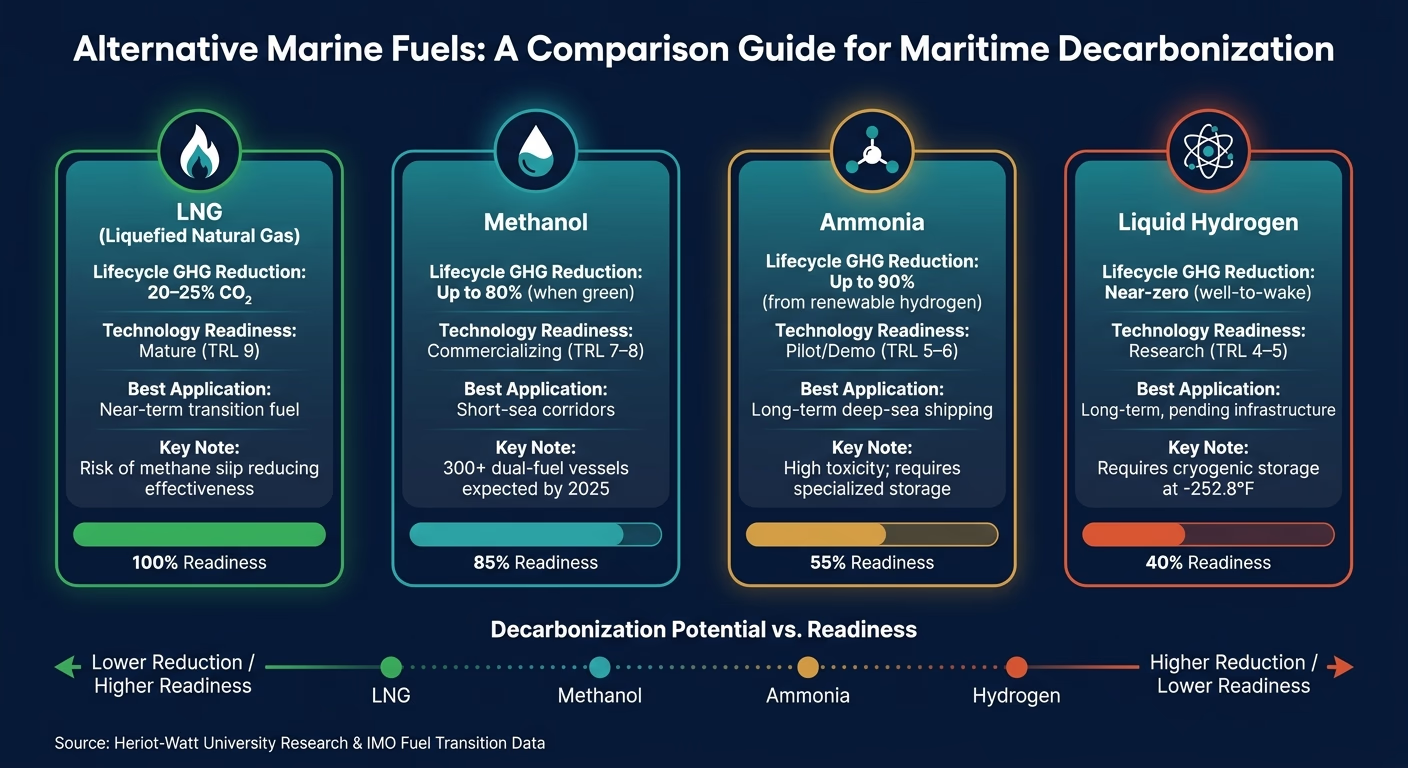
Alternative Marine Fuels Compared: GHG Reduction, Readiness & Use Case
Comparing Low-Carbon Fuel Options
Choosing the right fuel depends heavily on the specific shipping route. Research from Heriot-Watt University highlights methanol as the most practical short-term option for short-sea corridors, while ammonia emerges as a promising long-term solution for deep-sea shipping [6].
Liquefied natural gas (LNG) stands out as the most mature transitional fuel, offering 20–25% CO₂ reductions compared to conventional fuels. However, its effectiveness can be undermined by methane slip, which releases unburned methane into the atmosphere. Methanol is gaining momentum, with over 300 dual-fuel vessels expected by 2025, including more than 100 large container ships [15]. When produced sustainably, green methanol can reduce lifecycle greenhouse gas (GHG) emissions by up to 80% compared to traditional marine fuels [6]. Ammonia, on the other hand, can achieve up to a 90% GHG reduction when derived from renewable hydrogen. However, its high toxicity - exposure above 1,500 ppm can cause severe chemical burns or even be fatal - and the need for specialized storage materials make it a longer-term option [6]. Liquid hydrogen, while offering near-zero emissions on a well-to-wake basis, requires cryogenic storage at -252.8°F and is still far from being commercially viable.
Fuel | Lifecycle GHG Reduction | Technology Readiness | Application |
|---|---|---|---|
LNG | 20–25% CO₂ | Mature (TRL 9) | Near-term transition |
Methanol | Up to 80% | Commercializing (TRL 7–8) | Short-sea corridors |
Ammonia | Up to 90% | Pilot/Demo (TRL 5–6) | Long-term deep-sea |
Liquid Hydrogen | Near-zero (well-to-wake) | Research (TRL 4–5) | Long-term, pending infrastructure |
To determine the best fuel for your fleet, decision-making frameworks like Multi-Attribute Utility Theory (MAUT) and the Analytic Hierarchy Process (AHP) can help assess factors such as total cost of ownership, safety, carbon footprint, and regulatory compliance [13]. Once the fuel is chosen, creating a reliable supply strategy becomes essential.
Joining Green Corridors and Fuel Supply Programs
Participating in green shipping corridors is a practical way to accelerate the transition to alternative fuels. These corridors are designated trade routes where ports, shippers, and fuel suppliers collaborate to develop the necessary infrastructure, reducing the burden on individual companies.
Shipping faces stiff competition for low-carbon fuels, particularly from aviation and energy sectors [15]. To avoid high spot market prices, companies should consider long-term offtake agreements or direct co-investments in fuel production. For example, European Energy’s Kassøe plant began supplying green methanol to maritime carriers in 2025 through a co-investment model, showcasing how vertical integration can stabilize fuel costs [15].
Joining initiatives like the Zero Emission Maritime Buyers Alliance (ZEMBA) can further strengthen demand signals to fuel producers and secure better commercial terms. Additionally, regulatory pressures like the FuelEU Maritime Regulation, which requires a 2% reduction in onboard energy GHG intensity by 2025 and an 80% reduction by 2050 [6], mean that today’s fuel choices will have long-term compliance implications. Beyond fuel, investing in new technologies can further reduce emissions.
Investing in Wind, Battery, and Renewable Port Technologies
Switching fuels is only part of the equation - new hardware can deliver additional emissions reductions. Wind-assisted propulsion systems, such as rotor sails and wing sails, are compatible with any fuel type and help reduce overall fuel consumption [13].
Battery-electric systems are another option, particularly for short-sea routes and ferries where energy demands are lower and distances shorter. However, for deep-sea shipping, the energy density of batteries is insufficient, making fuels like methanol or ammonia more practical [14][6]. At ports, shore power - also known as cold ironing - can eliminate emissions from auxiliary engines while vessels are docked. Companies should prioritize contracts with ports that offer shore power and aim to use electrified terminals whenever possible.
Embedding Decarbonization into Procurement and Supply Chain Planning
Adding Carbon Performance to Procurement and Contracts
When procurement prioritizes cost over carbon efficiency, even the best hardware upgrades and fuel switches lose their impact. To change this, carbon performance must become a central criterion in every Request for Proposal (RFP), rather than a minor consideration.
Many leading companies now allocate 10–15% of the total RFP score to sustainability factors, such as a carrier's fleet Carbon Intensity Indicator (CII) rating and their plans for adopting alternative fuels [16]. To ensure fair evaluations, carriers should be required to provide standardized emissions data, like IMO Data Collection System (DCS) figures or Clean Cargo Working Group (CCWG) emissions factor tables.
Using a shadow carbon price - ranging from $50 to $100 per ton of CO₂ - can help uncover the true long-term costs of less efficient carriers. For instance, a carrier with a higher base freight rate but a top-tier CII A rating may prove more cost-effective once potential EU Emissions Trading System (ETS) surcharges are factored in. The table below highlights how these surcharges might differ across the same Asia-Europe shipping lane:
Carrier Profile | Estimated CO₂/TEU | Projected EUA Cost (€85/ton) | ETS Surcharge Estimate |
|---|---|---|---|
High-Efficiency (CII A) | 650 kg | €55.25 | €60 – €70 |
Industry Average (CII C) | 850 kg | €72.25 | €80 – €95 |
Low-Efficiency (CII E) | 1,100 kg | €93.50 | €100 – €120 |
Source: Projected EU ETS Cost Impact, Sample Asia-Europe Lane [16] |
Contracts should also include clauses aimed at continuous improvement, such as annual CII reporting and incentive mechanisms that reward carriers for surpassing emissions targets [16]. To ensure transparency and avoid greenwashing, emissions data must be verified by independent organizations like DNV or Bureau Veritas [16].
"A carrier's CII rating is their efficiency report card, but their alternative fuel roadmap is their transcript for the future. Procurement must evaluate both to understand the full picture of decarbonization commitment." - Mark White, Ocean & Air Freight Specialist [16]
Once procurement aligns with decarbonization goals, the next step is to reimagine the supply chain as a whole.
Redesigning Supply Chains to Cut Emissions
Reworking supply chains offers additional opportunities to lower emissions. Transitioning cargo from air or road to sea or rail can result in significant reductions. For example, moving electronics shipments on the Asia-Europe route from air to sea freight can slash carbon emissions by up to 98.69%, while switching European overland transport from road to rail achieves reductions of roughly 86% [17]. These shifts require close collaboration with inventory and demand planning teams.
The design of shipping routes also plays a critical role. Ultra Large Container Vessels (ULCVs) emit about 6.8g CO₂e per ton-km, compared to 18.7g for smaller feeder vessels - making ULCVs 175% more efficient [17]. Consolidating shipments onto larger vessels and optimizing port-of-entry choices for inland delivery can further reduce emissions. Additionally, practices like slow steaming and Just-In-Time (JIT) arrival scheduling can cut fuel consumption by 10–30%, depending on the vessel type and route [17].
Using Carbon Pricing and Market-Based Tools
After restructuring the supply chain, market-based tools can help internalize carbon costs and promote efficiency. Starting in 2026, the EU ETS will cover 100% of reported emissions for voyages linked to the EU [19]. Meanwhile, the IMO is considering a global carbon levy of $100 per ton of CO₂ equivalent for vessels exceeding greenhouse gas intensity thresholds [19]. For transpacific routes, this could mean carbon surcharges of approximately $35–$60 per TEU [19].
Incorporating internal carbon pricing into procurement decisions can highlight which investments in greener carriers or fuels will deliver long-term savings [16][18]. For emissions that cannot yet be eliminated, insetting via Book and Claim mechanisms offers an alternative to traditional offsets. This approach allows shippers to financially support the use of sustainable marine fuels within the maritime sector, directly claiming the associated emissions reductions [16].
"The most sustainable ton of freight is the one that moves on a vessel you helped make greener through strategic, collaborative procurement." - Coalition for Real Freight [16]
Companies with established Scope 3 targets and dedicated decarbonization budgets are already showing a willingness to pay a 5% premium for low-carbon shipping. In contrast, companies without formal targets typically pay only around 1% more [20]. This gap underscores the competitive advantage for businesses that act now to integrate carbon performance into procurement and supply chain planning.
Conclusion: Moving Forward on Maritime Decarbonization
Key Takeaways and Next Steps
Decarbonizing the maritime sector is a step-by-step journey, and success lies in building a solid foundation. The strategies highlighted here - ranging from tracking emissions across your supply chain to adopting alternative fuels and integrating carbon performance into procurement - are designed to work together. However, progress doesn’t mean tackling everything at once; it starts with the basics. Establishing an accurate emissions baseline is the cornerstone of any decarbonization effort.
Begin with a detailed Scope 1–3 emissions inventory. This step not only provides a clear baseline but is also a requirement for securing federal grants like the EPA’s Clean Ports Program, which offers $3 billion in competitive funding for zero-emission port equipment and infrastructure [21]. Without this inventory, it becomes much harder to access funding and set realistic, credible goals.
The regulatory landscape is also evolving quickly. The International Maritime Organization (IMO) has set ambitious interim targets: a 20% emissions reduction by 2030, 70% by 2040, and achieving net-zero by 2050 [21][3]. Delaying action risks falling behind both in compliance and in maintaining a competitive edge. Companies that act now - by exploring green corridors or applying for available grants - position themselves as leaders in both sustainability and market innovation.
The benefits of decarbonization are already evident. For example, a port authority on the East Coast achieved a 31% reduction in PM2.5 concentrations in nearby communities and saved $125 million over five years by electrifying cargo equipment and upgrading facilities [22]. These outcomes demonstrate that environmental progress can go hand-in-hand with significant cost savings.
Council Fire supports organizations in turning strategies into measurable actions. They specialize in creating emissions inventories, developing electrification plans, and securing federal funds through programs like the EPA Clean Ports Program and DOT RAISE grants [21]. If your organization is ready to take concrete steps toward maritime decarbonization, Council Fire can provide the expertise needed to achieve meaningful results.
FAQs
Where do I start if I don’t have reliable maritime emissions data yet?
If accurate maritime emissions data is hard to come by, the first step is to collect primary data. Focus on fuel and energy consumption details from sources like fueling logs or telematics systems - these provide a clearer picture than relying on industry averages. Use financial records as a starting point to map out your upstream and downstream activities. To test the waters, launch a pilot program with a single vessel or trade lane to establish initial benchmarks. At the same time, set up consistent data governance practices, whether through manual surveys or integrated systems, to ensure reliable and standardized reporting.
How do I choose the best low-carbon fuel for my routes and vessel types?
When choosing a low-carbon fuel for your fleet, it’s essential to align the fuel type with your specific routes and vessel designs - there’s no universal solution. Options such as methanol, ammonia, hydrogen, and synthetic hydrocarbons should be assessed based on factors like energy density, compatibility with existing infrastructure, and lifecycle emissions. To maintain flexibility, you might explore dual-fuel engines or adopt a diverse fuel strategy. This approach can help balance operational costs, retrofitting requirements, and regulatory compliance, including adherence to frameworks like the EU ETS and FuelEU Maritime.
What should I require in ocean freight RFPs to prevent greenwashing?
To steer clear of greenwashing in ocean freight RFPs, it's essential to demand carriers provide verified, standardized data rather than rely on marketing claims. Specifically, request a completed Clean Cargo Working Group (CCWG) emissions factor table and fleet-average Carbon Intensity Indicator (CII) ratings. Ensure that all emissions data is independently verified by reputable third parties, such as DNV or Bureau Veritas, and confirm that these metrics are derived from actual fuel consumption data recorded in the IMO’s Data Collection System (DCS). This approach ensures accuracy and transparency in evaluating environmental performance.
Related Blog Posts
How to Build a Corporate Sustainability Strategy Aligned to ROI for Maritime & Logistics Companies
How to Align Stakeholders Around a Shared ESG Vision for Maritime & Logistics Companies
How to Communicate ESG Progress Credibly for Maritime & Logistics Companies
How to Develop a Blue Economy Strategy for Maritime & Logistics Companies
Latest Articles
©2026

Narrative Change and Power Building: The Missing Half of Advocacy
Narrative change is the process of disrupting dominant narratives that normalize inequity and advancing new narratives from historically marginalized communities.

Funding Resilience Without Federal Grants
BRIC is unreliable and FEMA is shrinking. Here's how cities fund climate resilience with dedicated revenue, blended finance, and a coordinating authority.

The ESG Blind Spot: How AI Is Finding Risks in Companies Nobody Else Is Watching
Norway's sovereign wealth fund uses AI to screen 7,200 portfolio companies for forced labor and corruption within 24 hours. The real story is the emerging-market coverage gap that traditional ESG data vendors miss — and what it means for any company with a global supply chain.
Narrative Change and Power Building: The Missing Half of Advocacy
Narrative change is the process of disrupting dominant narratives that normalize inequity and advancing new narratives from historically marginalized communities.
Funding Resilience Without Federal Grants
BRIC is unreliable and FEMA is shrinking. Here's how cities fund climate resilience with dedicated revenue, blended finance, and a coordinating authority.
The ESG Blind Spot: How AI Is Finding Risks in Companies Nobody Else Is Watching
Norway's sovereign wealth fund uses AI to screen 7,200 portfolio companies for forced labor and corruption within 24 hours. The real story is the emerging-market coverage gap that traditional ESG data vendors miss — and what it means for any company with a global supply chain.
FAQ
01
What does it really mean to “redefine profit”?
02
What makes Council Fire different?
03
Who does Council Fire work with?
04
What does working with Council Fire actually look like?
05
How does Council Fire help organizations turn big goals into action?
06
How does Council Fire define and measure success?
07
How does technology fit into Council Fire’s work?
Jun 8, 2026
How to Decarbonize Maritime Operations and Supply Chains for Corporations
Sustainability Strategy
In This Article
Corporate roadmap to measure, reduce, and manage maritime emissions through fleet efficiency, low-carbon fuels, and carbon-smart procurement.
How to Decarbonize Maritime Operations and Supply Chains for Corporations
Shipping accounts for 80% of global trade but contributes nearly 3% of human-driven CO₂ emissions. With emissions projected to rise significantly by 2050, corporations must act to address maritime emissions, particularly as regulatory pressures grow. Key steps include:
Mapping emissions: Identify CO₂, CH₄, and N₂O sources across fleets and supply chains.
Setting science-based targets: Use the Science Based Targets initiative (SBTi) to align with global climate goals.
Improving fleet efficiency: Adopt upgrades like propeller ducts and hull coatings to reduce fuel consumption.
Switching to alternative fuels: Options include LNG, methanol, ammonia, and hydrogen, depending on route and vessel type.
Collaborating with stakeholders: Join green corridors, share data, and co-invest in zero-emission technologies.
Optimizing logistics: Use digital tools for smarter route planning and Just-In-Time (JIT) arrivals.
Incorporating carbon metrics into procurement: Evaluate carriers based on emissions data and integrate carbon pricing into contracts.
Decarbonizing maritime operations is essential for meeting climate goals, complying with new regulations, and maintaining a competitive edge. Start by establishing a clear emissions baseline, then implement these strategies to reduce your impact and improve efficiency.
From complexity to clarity: Practical pathways for maritime decarbonization (METS 2026)
How to Build a Maritime Decarbonization Strategy
Developing a strategy to lower emissions in maritime operations is a critical step toward transforming the industry and its supply chains. Each measure outlined here serves as a practical building block in the broader journey to reduce the sector's environmental impact.
Mapping Emissions Across Your Supply Chain
Before implementing changes, it’s essential to map emissions across your operations. Start by identifying all major onboard emission sources, including main engines, auxiliary engines, gas turbines, boilers, and inert gas generators. Track emissions of CO₂, CH₄, and N₂O to establish a clear baseline [1].
Beyond onboard data, your baseline should account for voyage-specific details, such as departure and arrival ports, distances traveled, time spent at sea, and cargo volumes. A particularly useful metric is transport work - the product of distance traveled and cargo carried - since it measures efficiency rather than just raw emissions [1]. Additionally, distinguish between emissions produced while the vessel is underway and those generated at berth during loading or unloading, as each scenario may demand different reduction strategies [1].
For organizations managing multiple vessels, consolidating verified emissions reports at the corporate level is important. Ensure these reports are approved by an accredited verifier to maintain regulatory credibility [1]. Once your baseline is fully established, you can move on to defining science-based targets.
Setting Science-Based Targets for Maritime Emissions
With a credible emissions baseline, the next step is to set targets grounded in scientific evidence. The Science Based Targets initiative (SBTi) offers a maritime-specific framework aligned with the 1.5°C pathway outlined in the Paris Agreement. Their Target Setting Tool provides a clear reduction trajectory for fleets [2].
To align with global climate goals, the maritime industry must cut CO₂ emissions by 45% by 2030 and achieve net-zero by 2040 [2]. A phased approach simplifies this process: focus on near-term goals (5–10 years) while planning for long-term milestones (2040–2050). This roadmap not only clarifies the path forward for investors and partners but also ensures operational improvements across the supply chain are aligned with these targets. Collaboration with carriers and logistics providers early in the process is key to achieving these ambitious objectives.
Working with Stakeholders Using Systems Thinking
Maritime decarbonization is a shared responsibility that requires collaboration among various stakeholders, including shipbuilders, vessel operators, port authorities, fuel suppliers, and financiers. Isolated efforts often fail to deliver meaningful progress [3].
For cargo owners, pooling resources through demand aggregation - combining purchasing commitments for zero-emission shipping services - can stimulate early investment in alternative-fuel vessels and supportive port infrastructure. Initiatives like the Zero Emission Maritime Buyers Alliance (ZEMBA) help demonstrate collective interest in low-carbon solutions [3].
Another practical step is participating in green corridors - specific trade routes optimized for low-carbon operations. These corridors allow companies to co-invest in pilot programs alongside ports and carriers. The Global Maritime Forum (GMF) has already established several green corridor initiatives, offering organizations a chance to scale these efforts [3].
Data sharing is also critical to success. When shipping providers offer emissions data at the cargo level (e.g., per ton or per TEU), companies gain the visibility needed to manage Scope 3 emissions effectively. This transparency enables businesses to hold their partners accountable and align on shared decarbonization goals [3].
Improving Efficiency and Using Digital Tools in Shipping
Reducing Emissions Through Vessel and Fleet Efficiency
The shipping industry faces a striking efficiency gap of over 30 percentage points between top-performing and underperforming vessels, highlighting a major area for improvement[4]. The good news? Closing this gap doesn’t always demand hefty capital investments.
Simple upgrades like propeller ducts and low-friction hull coatings can make a big difference. For instance, propeller ducts alone can improve efficiency by 2% to 9%[4]. Vessels equipped with three energy-saving devices (ESDs) outperform their class averages by 6%[4]. For a standard dry bulk Capesize vessel, a propeller duct costs around $500,000 and typically pays for itself within three to four years[4]. To avoid downtime, these upgrades can be installed during routine dry-docking. Financing models like "pay-as-you-save" allow operators to recoup costs through fuel savings.
Operational strategies also play a key role. Slow steaming - reducing vessel speed - offers immediate fuel savings without requiring any new equipment[5]. When paired with technical enhancements like hull coatings, the combined effect is even greater. These measures together form a powerful strategy for reducing emissions and improving efficiency.
Cutting Emissions at Ports and in Logistics
Efforts to reduce emissions aren’t limited to vessels themselves - ports and logistics are also critical. In the EU, port activities account for 40% of a ship's CO₂ emissions[6]. Optimizing port operations can significantly cut this figure.
One effective approach is Just-In-Time (JIT) arrival, where ships coordinate with port authorities to adjust their speed, avoiding fuel waste while waiting at anchor. Similarly, "Virtual Arrival" clauses in contracts allow vessels to slow down when a berth isn’t immediately available[5].
At berth, Onshore Power Supply (OPS) enables ships to connect to the local electricity grid, eliminating emissions from auxiliary engines[11][12]. As Vincent Doedee of Sustainable Ships explains:
"Electricity price is decisive in the next years... shore power can already provide cost savings from 2025 onwards in certain scenarios."[12]
The Port of Cartagena in Spain has already demonstrated the potential of OPS, reducing annual CO₂ emissions by 10,000 tons by combining it with renewable energy sources like solar and wind[11]. Additionally, transitioning cargo-handling equipment from diesel to electric - such as using electric rubber-tired gantry cranes (RTGs) - has proven to cut energy consumption by 86.6% and carbon emissions by 67.79%[11].
Using AI and Data Tools to Optimize Shipping
Digital tools are transforming shipping by enabling smarter route planning and operational decisions. Traditional voyage planning often falls short when unexpected factors like weather changes or port congestion arise. AI-powered platforms can adjust routes dynamically every 6–48 hours, reducing fuel consumption and emissions by 3–10% per voyage[7].
These technologies work hand-in-hand with other decarbonization strategies. Digital twin technology, for example, creates virtual models of vessels to simulate performance across countless routes, helping operators pinpoint the most efficient paths[9]. Tools like OptiCARBON take this a step further by modeling the long-term effects of technical changes, such as adopting biofuels or onshore power, before committing to investments[10].
Accurate emissions tracking is another area where AI excels. Using industry averages to estimate emissions can lead to overestimations by up to 2.3x[8], which can mislead Scope 3 reporting and procurement decisions. Platforms like VesselBot replace these averages with precise data collected from satellites, AIS feeds, and telematics. Vernon O'Donnell, Chief Product Officer at project44, underscores the importance of this innovation:
"VesselBot's pioneering work to accurately calculate maritime CO₂ emissions is creating new opportunities for companies to reduce their Scope 3 supply chain emissions."[8]
The impact of these tools is already evident. ZeroNorth’s optimization platform, for instance, has saved over 5.2 million metric tons of CO₂ since 2022[7]. When implemented consistently across fleets, such digital solutions can drive meaningful progress in reducing emissions and enhancing efficiency.
Switching to Alternative Fuels and New Technologies
Alternative Marine Fuels Compared: GHG Reduction, Readiness & Use Case
Comparing Low-Carbon Fuel Options
Choosing the right fuel depends heavily on the specific shipping route. Research from Heriot-Watt University highlights methanol as the most practical short-term option for short-sea corridors, while ammonia emerges as a promising long-term solution for deep-sea shipping [6].
Liquefied natural gas (LNG) stands out as the most mature transitional fuel, offering 20–25% CO₂ reductions compared to conventional fuels. However, its effectiveness can be undermined by methane slip, which releases unburned methane into the atmosphere. Methanol is gaining momentum, with over 300 dual-fuel vessels expected by 2025, including more than 100 large container ships [15]. When produced sustainably, green methanol can reduce lifecycle greenhouse gas (GHG) emissions by up to 80% compared to traditional marine fuels [6]. Ammonia, on the other hand, can achieve up to a 90% GHG reduction when derived from renewable hydrogen. However, its high toxicity - exposure above 1,500 ppm can cause severe chemical burns or even be fatal - and the need for specialized storage materials make it a longer-term option [6]. Liquid hydrogen, while offering near-zero emissions on a well-to-wake basis, requires cryogenic storage at -252.8°F and is still far from being commercially viable.
Fuel | Lifecycle GHG Reduction | Technology Readiness | Application |
|---|---|---|---|
LNG | 20–25% CO₂ | Mature (TRL 9) | Near-term transition |
Methanol | Up to 80% | Commercializing (TRL 7–8) | Short-sea corridors |
Ammonia | Up to 90% | Pilot/Demo (TRL 5–6) | Long-term deep-sea |
Liquid Hydrogen | Near-zero (well-to-wake) | Research (TRL 4–5) | Long-term, pending infrastructure |
To determine the best fuel for your fleet, decision-making frameworks like Multi-Attribute Utility Theory (MAUT) and the Analytic Hierarchy Process (AHP) can help assess factors such as total cost of ownership, safety, carbon footprint, and regulatory compliance [13]. Once the fuel is chosen, creating a reliable supply strategy becomes essential.
Joining Green Corridors and Fuel Supply Programs
Participating in green shipping corridors is a practical way to accelerate the transition to alternative fuels. These corridors are designated trade routes where ports, shippers, and fuel suppliers collaborate to develop the necessary infrastructure, reducing the burden on individual companies.
Shipping faces stiff competition for low-carbon fuels, particularly from aviation and energy sectors [15]. To avoid high spot market prices, companies should consider long-term offtake agreements or direct co-investments in fuel production. For example, European Energy’s Kassøe plant began supplying green methanol to maritime carriers in 2025 through a co-investment model, showcasing how vertical integration can stabilize fuel costs [15].
Joining initiatives like the Zero Emission Maritime Buyers Alliance (ZEMBA) can further strengthen demand signals to fuel producers and secure better commercial terms. Additionally, regulatory pressures like the FuelEU Maritime Regulation, which requires a 2% reduction in onboard energy GHG intensity by 2025 and an 80% reduction by 2050 [6], mean that today’s fuel choices will have long-term compliance implications. Beyond fuel, investing in new technologies can further reduce emissions.
Investing in Wind, Battery, and Renewable Port Technologies
Switching fuels is only part of the equation - new hardware can deliver additional emissions reductions. Wind-assisted propulsion systems, such as rotor sails and wing sails, are compatible with any fuel type and help reduce overall fuel consumption [13].
Battery-electric systems are another option, particularly for short-sea routes and ferries where energy demands are lower and distances shorter. However, for deep-sea shipping, the energy density of batteries is insufficient, making fuels like methanol or ammonia more practical [14][6]. At ports, shore power - also known as cold ironing - can eliminate emissions from auxiliary engines while vessels are docked. Companies should prioritize contracts with ports that offer shore power and aim to use electrified terminals whenever possible.
Embedding Decarbonization into Procurement and Supply Chain Planning
Adding Carbon Performance to Procurement and Contracts
When procurement prioritizes cost over carbon efficiency, even the best hardware upgrades and fuel switches lose their impact. To change this, carbon performance must become a central criterion in every Request for Proposal (RFP), rather than a minor consideration.
Many leading companies now allocate 10–15% of the total RFP score to sustainability factors, such as a carrier's fleet Carbon Intensity Indicator (CII) rating and their plans for adopting alternative fuels [16]. To ensure fair evaluations, carriers should be required to provide standardized emissions data, like IMO Data Collection System (DCS) figures or Clean Cargo Working Group (CCWG) emissions factor tables.
Using a shadow carbon price - ranging from $50 to $100 per ton of CO₂ - can help uncover the true long-term costs of less efficient carriers. For instance, a carrier with a higher base freight rate but a top-tier CII A rating may prove more cost-effective once potential EU Emissions Trading System (ETS) surcharges are factored in. The table below highlights how these surcharges might differ across the same Asia-Europe shipping lane:
Carrier Profile | Estimated CO₂/TEU | Projected EUA Cost (€85/ton) | ETS Surcharge Estimate |
|---|---|---|---|
High-Efficiency (CII A) | 650 kg | €55.25 | €60 – €70 |
Industry Average (CII C) | 850 kg | €72.25 | €80 – €95 |
Low-Efficiency (CII E) | 1,100 kg | €93.50 | €100 – €120 |
Source: Projected EU ETS Cost Impact, Sample Asia-Europe Lane [16] |
Contracts should also include clauses aimed at continuous improvement, such as annual CII reporting and incentive mechanisms that reward carriers for surpassing emissions targets [16]. To ensure transparency and avoid greenwashing, emissions data must be verified by independent organizations like DNV or Bureau Veritas [16].
"A carrier's CII rating is their efficiency report card, but their alternative fuel roadmap is their transcript for the future. Procurement must evaluate both to understand the full picture of decarbonization commitment." - Mark White, Ocean & Air Freight Specialist [16]
Once procurement aligns with decarbonization goals, the next step is to reimagine the supply chain as a whole.
Redesigning Supply Chains to Cut Emissions
Reworking supply chains offers additional opportunities to lower emissions. Transitioning cargo from air or road to sea or rail can result in significant reductions. For example, moving electronics shipments on the Asia-Europe route from air to sea freight can slash carbon emissions by up to 98.69%, while switching European overland transport from road to rail achieves reductions of roughly 86% [17]. These shifts require close collaboration with inventory and demand planning teams.
The design of shipping routes also plays a critical role. Ultra Large Container Vessels (ULCVs) emit about 6.8g CO₂e per ton-km, compared to 18.7g for smaller feeder vessels - making ULCVs 175% more efficient [17]. Consolidating shipments onto larger vessels and optimizing port-of-entry choices for inland delivery can further reduce emissions. Additionally, practices like slow steaming and Just-In-Time (JIT) arrival scheduling can cut fuel consumption by 10–30%, depending on the vessel type and route [17].
Using Carbon Pricing and Market-Based Tools
After restructuring the supply chain, market-based tools can help internalize carbon costs and promote efficiency. Starting in 2026, the EU ETS will cover 100% of reported emissions for voyages linked to the EU [19]. Meanwhile, the IMO is considering a global carbon levy of $100 per ton of CO₂ equivalent for vessels exceeding greenhouse gas intensity thresholds [19]. For transpacific routes, this could mean carbon surcharges of approximately $35–$60 per TEU [19].
Incorporating internal carbon pricing into procurement decisions can highlight which investments in greener carriers or fuels will deliver long-term savings [16][18]. For emissions that cannot yet be eliminated, insetting via Book and Claim mechanisms offers an alternative to traditional offsets. This approach allows shippers to financially support the use of sustainable marine fuels within the maritime sector, directly claiming the associated emissions reductions [16].
"The most sustainable ton of freight is the one that moves on a vessel you helped make greener through strategic, collaborative procurement." - Coalition for Real Freight [16]
Companies with established Scope 3 targets and dedicated decarbonization budgets are already showing a willingness to pay a 5% premium for low-carbon shipping. In contrast, companies without formal targets typically pay only around 1% more [20]. This gap underscores the competitive advantage for businesses that act now to integrate carbon performance into procurement and supply chain planning.
Conclusion: Moving Forward on Maritime Decarbonization
Key Takeaways and Next Steps
Decarbonizing the maritime sector is a step-by-step journey, and success lies in building a solid foundation. The strategies highlighted here - ranging from tracking emissions across your supply chain to adopting alternative fuels and integrating carbon performance into procurement - are designed to work together. However, progress doesn’t mean tackling everything at once; it starts with the basics. Establishing an accurate emissions baseline is the cornerstone of any decarbonization effort.
Begin with a detailed Scope 1–3 emissions inventory. This step not only provides a clear baseline but is also a requirement for securing federal grants like the EPA’s Clean Ports Program, which offers $3 billion in competitive funding for zero-emission port equipment and infrastructure [21]. Without this inventory, it becomes much harder to access funding and set realistic, credible goals.
The regulatory landscape is also evolving quickly. The International Maritime Organization (IMO) has set ambitious interim targets: a 20% emissions reduction by 2030, 70% by 2040, and achieving net-zero by 2050 [21][3]. Delaying action risks falling behind both in compliance and in maintaining a competitive edge. Companies that act now - by exploring green corridors or applying for available grants - position themselves as leaders in both sustainability and market innovation.
The benefits of decarbonization are already evident. For example, a port authority on the East Coast achieved a 31% reduction in PM2.5 concentrations in nearby communities and saved $125 million over five years by electrifying cargo equipment and upgrading facilities [22]. These outcomes demonstrate that environmental progress can go hand-in-hand with significant cost savings.
Council Fire supports organizations in turning strategies into measurable actions. They specialize in creating emissions inventories, developing electrification plans, and securing federal funds through programs like the EPA Clean Ports Program and DOT RAISE grants [21]. If your organization is ready to take concrete steps toward maritime decarbonization, Council Fire can provide the expertise needed to achieve meaningful results.
FAQs
Where do I start if I don’t have reliable maritime emissions data yet?
If accurate maritime emissions data is hard to come by, the first step is to collect primary data. Focus on fuel and energy consumption details from sources like fueling logs or telematics systems - these provide a clearer picture than relying on industry averages. Use financial records as a starting point to map out your upstream and downstream activities. To test the waters, launch a pilot program with a single vessel or trade lane to establish initial benchmarks. At the same time, set up consistent data governance practices, whether through manual surveys or integrated systems, to ensure reliable and standardized reporting.
How do I choose the best low-carbon fuel for my routes and vessel types?
When choosing a low-carbon fuel for your fleet, it’s essential to align the fuel type with your specific routes and vessel designs - there’s no universal solution. Options such as methanol, ammonia, hydrogen, and synthetic hydrocarbons should be assessed based on factors like energy density, compatibility with existing infrastructure, and lifecycle emissions. To maintain flexibility, you might explore dual-fuel engines or adopt a diverse fuel strategy. This approach can help balance operational costs, retrofitting requirements, and regulatory compliance, including adherence to frameworks like the EU ETS and FuelEU Maritime.
What should I require in ocean freight RFPs to prevent greenwashing?
To steer clear of greenwashing in ocean freight RFPs, it's essential to demand carriers provide verified, standardized data rather than rely on marketing claims. Specifically, request a completed Clean Cargo Working Group (CCWG) emissions factor table and fleet-average Carbon Intensity Indicator (CII) ratings. Ensure that all emissions data is independently verified by reputable third parties, such as DNV or Bureau Veritas, and confirm that these metrics are derived from actual fuel consumption data recorded in the IMO’s Data Collection System (DCS). This approach ensures accuracy and transparency in evaluating environmental performance.
Related Blog Posts
How to Build a Corporate Sustainability Strategy Aligned to ROI for Maritime & Logistics Companies
How to Align Stakeholders Around a Shared ESG Vision for Maritime & Logistics Companies
How to Communicate ESG Progress Credibly for Maritime & Logistics Companies
How to Develop a Blue Economy Strategy for Maritime & Logistics Companies
Latest Articles
©2026
Narrative Change and Power Building: The Missing Half of Advocacy
Narrative change is the process of disrupting dominant narratives that normalize inequity and advancing new narratives from historically marginalized communities.
Funding Resilience Without Federal Grants
BRIC is unreliable and FEMA is shrinking. Here's how cities fund climate resilience with dedicated revenue, blended finance, and a coordinating authority.
The ESG Blind Spot: How AI Is Finding Risks in Companies Nobody Else Is Watching
Norway's sovereign wealth fund uses AI to screen 7,200 portfolio companies for forced labor and corruption within 24 hours. The real story is the emerging-market coverage gap that traditional ESG data vendors miss — and what it means for any company with a global supply chain.
FAQ
01
What does it really mean to “redefine profit”?
02
What makes Council Fire different?
03
Who does Council Fire work with?
04
What does working with Council Fire actually look like?
05
How does Council Fire help organizations turn big goals into action?
06
How does Council Fire define and measure success?
07
How does technology fit into Council Fire’s work?
Jun 8, 2026
How to Decarbonize Maritime Operations and Supply Chains for Corporations
Sustainability Strategy
In This Article
Corporate roadmap to measure, reduce, and manage maritime emissions through fleet efficiency, low-carbon fuels, and carbon-smart procurement.
How to Decarbonize Maritime Operations and Supply Chains for Corporations
Shipping accounts for 80% of global trade but contributes nearly 3% of human-driven CO₂ emissions. With emissions projected to rise significantly by 2050, corporations must act to address maritime emissions, particularly as regulatory pressures grow. Key steps include:
Mapping emissions: Identify CO₂, CH₄, and N₂O sources across fleets and supply chains.
Setting science-based targets: Use the Science Based Targets initiative (SBTi) to align with global climate goals.
Improving fleet efficiency: Adopt upgrades like propeller ducts and hull coatings to reduce fuel consumption.
Switching to alternative fuels: Options include LNG, methanol, ammonia, and hydrogen, depending on route and vessel type.
Collaborating with stakeholders: Join green corridors, share data, and co-invest in zero-emission technologies.
Optimizing logistics: Use digital tools for smarter route planning and Just-In-Time (JIT) arrivals.
Incorporating carbon metrics into procurement: Evaluate carriers based on emissions data and integrate carbon pricing into contracts.
Decarbonizing maritime operations is essential for meeting climate goals, complying with new regulations, and maintaining a competitive edge. Start by establishing a clear emissions baseline, then implement these strategies to reduce your impact and improve efficiency.
From complexity to clarity: Practical pathways for maritime decarbonization (METS 2026)
How to Build a Maritime Decarbonization Strategy
Developing a strategy to lower emissions in maritime operations is a critical step toward transforming the industry and its supply chains. Each measure outlined here serves as a practical building block in the broader journey to reduce the sector's environmental impact.
Mapping Emissions Across Your Supply Chain
Before implementing changes, it’s essential to map emissions across your operations. Start by identifying all major onboard emission sources, including main engines, auxiliary engines, gas turbines, boilers, and inert gas generators. Track emissions of CO₂, CH₄, and N₂O to establish a clear baseline [1].
Beyond onboard data, your baseline should account for voyage-specific details, such as departure and arrival ports, distances traveled, time spent at sea, and cargo volumes. A particularly useful metric is transport work - the product of distance traveled and cargo carried - since it measures efficiency rather than just raw emissions [1]. Additionally, distinguish between emissions produced while the vessel is underway and those generated at berth during loading or unloading, as each scenario may demand different reduction strategies [1].
For organizations managing multiple vessels, consolidating verified emissions reports at the corporate level is important. Ensure these reports are approved by an accredited verifier to maintain regulatory credibility [1]. Once your baseline is fully established, you can move on to defining science-based targets.
Setting Science-Based Targets for Maritime Emissions
With a credible emissions baseline, the next step is to set targets grounded in scientific evidence. The Science Based Targets initiative (SBTi) offers a maritime-specific framework aligned with the 1.5°C pathway outlined in the Paris Agreement. Their Target Setting Tool provides a clear reduction trajectory for fleets [2].
To align with global climate goals, the maritime industry must cut CO₂ emissions by 45% by 2030 and achieve net-zero by 2040 [2]. A phased approach simplifies this process: focus on near-term goals (5–10 years) while planning for long-term milestones (2040–2050). This roadmap not only clarifies the path forward for investors and partners but also ensures operational improvements across the supply chain are aligned with these targets. Collaboration with carriers and logistics providers early in the process is key to achieving these ambitious objectives.
Working with Stakeholders Using Systems Thinking
Maritime decarbonization is a shared responsibility that requires collaboration among various stakeholders, including shipbuilders, vessel operators, port authorities, fuel suppliers, and financiers. Isolated efforts often fail to deliver meaningful progress [3].
For cargo owners, pooling resources through demand aggregation - combining purchasing commitments for zero-emission shipping services - can stimulate early investment in alternative-fuel vessels and supportive port infrastructure. Initiatives like the Zero Emission Maritime Buyers Alliance (ZEMBA) help demonstrate collective interest in low-carbon solutions [3].
Another practical step is participating in green corridors - specific trade routes optimized for low-carbon operations. These corridors allow companies to co-invest in pilot programs alongside ports and carriers. The Global Maritime Forum (GMF) has already established several green corridor initiatives, offering organizations a chance to scale these efforts [3].
Data sharing is also critical to success. When shipping providers offer emissions data at the cargo level (e.g., per ton or per TEU), companies gain the visibility needed to manage Scope 3 emissions effectively. This transparency enables businesses to hold their partners accountable and align on shared decarbonization goals [3].
Improving Efficiency and Using Digital Tools in Shipping
Reducing Emissions Through Vessel and Fleet Efficiency
The shipping industry faces a striking efficiency gap of over 30 percentage points between top-performing and underperforming vessels, highlighting a major area for improvement[4]. The good news? Closing this gap doesn’t always demand hefty capital investments.
Simple upgrades like propeller ducts and low-friction hull coatings can make a big difference. For instance, propeller ducts alone can improve efficiency by 2% to 9%[4]. Vessels equipped with three energy-saving devices (ESDs) outperform their class averages by 6%[4]. For a standard dry bulk Capesize vessel, a propeller duct costs around $500,000 and typically pays for itself within three to four years[4]. To avoid downtime, these upgrades can be installed during routine dry-docking. Financing models like "pay-as-you-save" allow operators to recoup costs through fuel savings.
Operational strategies also play a key role. Slow steaming - reducing vessel speed - offers immediate fuel savings without requiring any new equipment[5]. When paired with technical enhancements like hull coatings, the combined effect is even greater. These measures together form a powerful strategy for reducing emissions and improving efficiency.
Cutting Emissions at Ports and in Logistics
Efforts to reduce emissions aren’t limited to vessels themselves - ports and logistics are also critical. In the EU, port activities account for 40% of a ship's CO₂ emissions[6]. Optimizing port operations can significantly cut this figure.
One effective approach is Just-In-Time (JIT) arrival, where ships coordinate with port authorities to adjust their speed, avoiding fuel waste while waiting at anchor. Similarly, "Virtual Arrival" clauses in contracts allow vessels to slow down when a berth isn’t immediately available[5].
At berth, Onshore Power Supply (OPS) enables ships to connect to the local electricity grid, eliminating emissions from auxiliary engines[11][12]. As Vincent Doedee of Sustainable Ships explains:
"Electricity price is decisive in the next years... shore power can already provide cost savings from 2025 onwards in certain scenarios."[12]
The Port of Cartagena in Spain has already demonstrated the potential of OPS, reducing annual CO₂ emissions by 10,000 tons by combining it with renewable energy sources like solar and wind[11]. Additionally, transitioning cargo-handling equipment from diesel to electric - such as using electric rubber-tired gantry cranes (RTGs) - has proven to cut energy consumption by 86.6% and carbon emissions by 67.79%[11].
Using AI and Data Tools to Optimize Shipping
Digital tools are transforming shipping by enabling smarter route planning and operational decisions. Traditional voyage planning often falls short when unexpected factors like weather changes or port congestion arise. AI-powered platforms can adjust routes dynamically every 6–48 hours, reducing fuel consumption and emissions by 3–10% per voyage[7].
These technologies work hand-in-hand with other decarbonization strategies. Digital twin technology, for example, creates virtual models of vessels to simulate performance across countless routes, helping operators pinpoint the most efficient paths[9]. Tools like OptiCARBON take this a step further by modeling the long-term effects of technical changes, such as adopting biofuels or onshore power, before committing to investments[10].
Accurate emissions tracking is another area where AI excels. Using industry averages to estimate emissions can lead to overestimations by up to 2.3x[8], which can mislead Scope 3 reporting and procurement decisions. Platforms like VesselBot replace these averages with precise data collected from satellites, AIS feeds, and telematics. Vernon O'Donnell, Chief Product Officer at project44, underscores the importance of this innovation:
"VesselBot's pioneering work to accurately calculate maritime CO₂ emissions is creating new opportunities for companies to reduce their Scope 3 supply chain emissions."[8]
The impact of these tools is already evident. ZeroNorth’s optimization platform, for instance, has saved over 5.2 million metric tons of CO₂ since 2022[7]. When implemented consistently across fleets, such digital solutions can drive meaningful progress in reducing emissions and enhancing efficiency.
Switching to Alternative Fuels and New Technologies
Alternative Marine Fuels Compared: GHG Reduction, Readiness & Use Case
Comparing Low-Carbon Fuel Options
Choosing the right fuel depends heavily on the specific shipping route. Research from Heriot-Watt University highlights methanol as the most practical short-term option for short-sea corridors, while ammonia emerges as a promising long-term solution for deep-sea shipping [6].
Liquefied natural gas (LNG) stands out as the most mature transitional fuel, offering 20–25% CO₂ reductions compared to conventional fuels. However, its effectiveness can be undermined by methane slip, which releases unburned methane into the atmosphere. Methanol is gaining momentum, with over 300 dual-fuel vessels expected by 2025, including more than 100 large container ships [15]. When produced sustainably, green methanol can reduce lifecycle greenhouse gas (GHG) emissions by up to 80% compared to traditional marine fuels [6]. Ammonia, on the other hand, can achieve up to a 90% GHG reduction when derived from renewable hydrogen. However, its high toxicity - exposure above 1,500 ppm can cause severe chemical burns or even be fatal - and the need for specialized storage materials make it a longer-term option [6]. Liquid hydrogen, while offering near-zero emissions on a well-to-wake basis, requires cryogenic storage at -252.8°F and is still far from being commercially viable.
Fuel | Lifecycle GHG Reduction | Technology Readiness | Application |
|---|---|---|---|
LNG | 20–25% CO₂ | Mature (TRL 9) | Near-term transition |
Methanol | Up to 80% | Commercializing (TRL 7–8) | Short-sea corridors |
Ammonia | Up to 90% | Pilot/Demo (TRL 5–6) | Long-term deep-sea |
Liquid Hydrogen | Near-zero (well-to-wake) | Research (TRL 4–5) | Long-term, pending infrastructure |
To determine the best fuel for your fleet, decision-making frameworks like Multi-Attribute Utility Theory (MAUT) and the Analytic Hierarchy Process (AHP) can help assess factors such as total cost of ownership, safety, carbon footprint, and regulatory compliance [13]. Once the fuel is chosen, creating a reliable supply strategy becomes essential.
Joining Green Corridors and Fuel Supply Programs
Participating in green shipping corridors is a practical way to accelerate the transition to alternative fuels. These corridors are designated trade routes where ports, shippers, and fuel suppliers collaborate to develop the necessary infrastructure, reducing the burden on individual companies.
Shipping faces stiff competition for low-carbon fuels, particularly from aviation and energy sectors [15]. To avoid high spot market prices, companies should consider long-term offtake agreements or direct co-investments in fuel production. For example, European Energy’s Kassøe plant began supplying green methanol to maritime carriers in 2025 through a co-investment model, showcasing how vertical integration can stabilize fuel costs [15].
Joining initiatives like the Zero Emission Maritime Buyers Alliance (ZEMBA) can further strengthen demand signals to fuel producers and secure better commercial terms. Additionally, regulatory pressures like the FuelEU Maritime Regulation, which requires a 2% reduction in onboard energy GHG intensity by 2025 and an 80% reduction by 2050 [6], mean that today’s fuel choices will have long-term compliance implications. Beyond fuel, investing in new technologies can further reduce emissions.
Investing in Wind, Battery, and Renewable Port Technologies
Switching fuels is only part of the equation - new hardware can deliver additional emissions reductions. Wind-assisted propulsion systems, such as rotor sails and wing sails, are compatible with any fuel type and help reduce overall fuel consumption [13].
Battery-electric systems are another option, particularly for short-sea routes and ferries where energy demands are lower and distances shorter. However, for deep-sea shipping, the energy density of batteries is insufficient, making fuels like methanol or ammonia more practical [14][6]. At ports, shore power - also known as cold ironing - can eliminate emissions from auxiliary engines while vessels are docked. Companies should prioritize contracts with ports that offer shore power and aim to use electrified terminals whenever possible.
Embedding Decarbonization into Procurement and Supply Chain Planning
Adding Carbon Performance to Procurement and Contracts
When procurement prioritizes cost over carbon efficiency, even the best hardware upgrades and fuel switches lose their impact. To change this, carbon performance must become a central criterion in every Request for Proposal (RFP), rather than a minor consideration.
Many leading companies now allocate 10–15% of the total RFP score to sustainability factors, such as a carrier's fleet Carbon Intensity Indicator (CII) rating and their plans for adopting alternative fuels [16]. To ensure fair evaluations, carriers should be required to provide standardized emissions data, like IMO Data Collection System (DCS) figures or Clean Cargo Working Group (CCWG) emissions factor tables.
Using a shadow carbon price - ranging from $50 to $100 per ton of CO₂ - can help uncover the true long-term costs of less efficient carriers. For instance, a carrier with a higher base freight rate but a top-tier CII A rating may prove more cost-effective once potential EU Emissions Trading System (ETS) surcharges are factored in. The table below highlights how these surcharges might differ across the same Asia-Europe shipping lane:
Carrier Profile | Estimated CO₂/TEU | Projected EUA Cost (€85/ton) | ETS Surcharge Estimate |
|---|---|---|---|
High-Efficiency (CII A) | 650 kg | €55.25 | €60 – €70 |
Industry Average (CII C) | 850 kg | €72.25 | €80 – €95 |
Low-Efficiency (CII E) | 1,100 kg | €93.50 | €100 – €120 |
Source: Projected EU ETS Cost Impact, Sample Asia-Europe Lane [16] |
Contracts should also include clauses aimed at continuous improvement, such as annual CII reporting and incentive mechanisms that reward carriers for surpassing emissions targets [16]. To ensure transparency and avoid greenwashing, emissions data must be verified by independent organizations like DNV or Bureau Veritas [16].
"A carrier's CII rating is their efficiency report card, but their alternative fuel roadmap is their transcript for the future. Procurement must evaluate both to understand the full picture of decarbonization commitment." - Mark White, Ocean & Air Freight Specialist [16]
Once procurement aligns with decarbonization goals, the next step is to reimagine the supply chain as a whole.
Redesigning Supply Chains to Cut Emissions
Reworking supply chains offers additional opportunities to lower emissions. Transitioning cargo from air or road to sea or rail can result in significant reductions. For example, moving electronics shipments on the Asia-Europe route from air to sea freight can slash carbon emissions by up to 98.69%, while switching European overland transport from road to rail achieves reductions of roughly 86% [17]. These shifts require close collaboration with inventory and demand planning teams.
The design of shipping routes also plays a critical role. Ultra Large Container Vessels (ULCVs) emit about 6.8g CO₂e per ton-km, compared to 18.7g for smaller feeder vessels - making ULCVs 175% more efficient [17]. Consolidating shipments onto larger vessels and optimizing port-of-entry choices for inland delivery can further reduce emissions. Additionally, practices like slow steaming and Just-In-Time (JIT) arrival scheduling can cut fuel consumption by 10–30%, depending on the vessel type and route [17].
Using Carbon Pricing and Market-Based Tools
After restructuring the supply chain, market-based tools can help internalize carbon costs and promote efficiency. Starting in 2026, the EU ETS will cover 100% of reported emissions for voyages linked to the EU [19]. Meanwhile, the IMO is considering a global carbon levy of $100 per ton of CO₂ equivalent for vessels exceeding greenhouse gas intensity thresholds [19]. For transpacific routes, this could mean carbon surcharges of approximately $35–$60 per TEU [19].
Incorporating internal carbon pricing into procurement decisions can highlight which investments in greener carriers or fuels will deliver long-term savings [16][18]. For emissions that cannot yet be eliminated, insetting via Book and Claim mechanisms offers an alternative to traditional offsets. This approach allows shippers to financially support the use of sustainable marine fuels within the maritime sector, directly claiming the associated emissions reductions [16].
"The most sustainable ton of freight is the one that moves on a vessel you helped make greener through strategic, collaborative procurement." - Coalition for Real Freight [16]
Companies with established Scope 3 targets and dedicated decarbonization budgets are already showing a willingness to pay a 5% premium for low-carbon shipping. In contrast, companies without formal targets typically pay only around 1% more [20]. This gap underscores the competitive advantage for businesses that act now to integrate carbon performance into procurement and supply chain planning.
Conclusion: Moving Forward on Maritime Decarbonization
Key Takeaways and Next Steps
Decarbonizing the maritime sector is a step-by-step journey, and success lies in building a solid foundation. The strategies highlighted here - ranging from tracking emissions across your supply chain to adopting alternative fuels and integrating carbon performance into procurement - are designed to work together. However, progress doesn’t mean tackling everything at once; it starts with the basics. Establishing an accurate emissions baseline is the cornerstone of any decarbonization effort.
Begin with a detailed Scope 1–3 emissions inventory. This step not only provides a clear baseline but is also a requirement for securing federal grants like the EPA’s Clean Ports Program, which offers $3 billion in competitive funding for zero-emission port equipment and infrastructure [21]. Without this inventory, it becomes much harder to access funding and set realistic, credible goals.
The regulatory landscape is also evolving quickly. The International Maritime Organization (IMO) has set ambitious interim targets: a 20% emissions reduction by 2030, 70% by 2040, and achieving net-zero by 2050 [21][3]. Delaying action risks falling behind both in compliance and in maintaining a competitive edge. Companies that act now - by exploring green corridors or applying for available grants - position themselves as leaders in both sustainability and market innovation.
The benefits of decarbonization are already evident. For example, a port authority on the East Coast achieved a 31% reduction in PM2.5 concentrations in nearby communities and saved $125 million over five years by electrifying cargo equipment and upgrading facilities [22]. These outcomes demonstrate that environmental progress can go hand-in-hand with significant cost savings.
Council Fire supports organizations in turning strategies into measurable actions. They specialize in creating emissions inventories, developing electrification plans, and securing federal funds through programs like the EPA Clean Ports Program and DOT RAISE grants [21]. If your organization is ready to take concrete steps toward maritime decarbonization, Council Fire can provide the expertise needed to achieve meaningful results.
FAQs
Where do I start if I don’t have reliable maritime emissions data yet?
If accurate maritime emissions data is hard to come by, the first step is to collect primary data. Focus on fuel and energy consumption details from sources like fueling logs or telematics systems - these provide a clearer picture than relying on industry averages. Use financial records as a starting point to map out your upstream and downstream activities. To test the waters, launch a pilot program with a single vessel or trade lane to establish initial benchmarks. At the same time, set up consistent data governance practices, whether through manual surveys or integrated systems, to ensure reliable and standardized reporting.
How do I choose the best low-carbon fuel for my routes and vessel types?
When choosing a low-carbon fuel for your fleet, it’s essential to align the fuel type with your specific routes and vessel designs - there’s no universal solution. Options such as methanol, ammonia, hydrogen, and synthetic hydrocarbons should be assessed based on factors like energy density, compatibility with existing infrastructure, and lifecycle emissions. To maintain flexibility, you might explore dual-fuel engines or adopt a diverse fuel strategy. This approach can help balance operational costs, retrofitting requirements, and regulatory compliance, including adherence to frameworks like the EU ETS and FuelEU Maritime.
What should I require in ocean freight RFPs to prevent greenwashing?
To steer clear of greenwashing in ocean freight RFPs, it's essential to demand carriers provide verified, standardized data rather than rely on marketing claims. Specifically, request a completed Clean Cargo Working Group (CCWG) emissions factor table and fleet-average Carbon Intensity Indicator (CII) ratings. Ensure that all emissions data is independently verified by reputable third parties, such as DNV or Bureau Veritas, and confirm that these metrics are derived from actual fuel consumption data recorded in the IMO’s Data Collection System (DCS). This approach ensures accuracy and transparency in evaluating environmental performance.
Related Blog Posts
How to Build a Corporate Sustainability Strategy Aligned to ROI for Maritime & Logistics Companies
How to Align Stakeholders Around a Shared ESG Vision for Maritime & Logistics Companies
How to Communicate ESG Progress Credibly for Maritime & Logistics Companies
How to Develop a Blue Economy Strategy for Maritime & Logistics Companies
Latest Articles
©2026
Narrative Change and Power Building: The Missing Half of Advocacy
Narrative change is the process of disrupting dominant narratives that normalize inequity and advancing new narratives from historically marginalized communities.
Funding Resilience Without Federal Grants
BRIC is unreliable and FEMA is shrinking. Here's how cities fund climate resilience with dedicated revenue, blended finance, and a coordinating authority.
The ESG Blind Spot: How AI Is Finding Risks in Companies Nobody Else Is Watching
Norway's sovereign wealth fund uses AI to screen 7,200 portfolio companies for forced labor and corruption within 24 hours. The real story is the emerging-market coverage gap that traditional ESG data vendors miss — and what it means for any company with a global supply chain.
FAQ
What does it really mean to “redefine profit”?
What makes Council Fire different?
Who does Council Fire work with?
What does working with Council Fire actually look like?
How does Council Fire help organizations turn big goals into action?
How does Council Fire define and measure success?
How does technology fit into Council Fire’s work?