Person
Person

Feb 23, 2026

Feb 23, 2026

AI's Thirst: What Microsoft's Water Projections Mean for Communities Already Running Dry

Energy & Water Infrastructure

Energy & Water Infrastructure

George Chmael II

Founder & CEO

In This Article

Microsoft projects data center water use will increase 150% by 2030. With the UN Water Conference approaching and a €6.5 trillion infrastructure gap, the collision between AI growth and water scarcity demands attention from municipalities, businesses, and sustainability practitioners.

AI's Thirst: What Microsoft's Water Projections Mean for Communities Already Running Dry

AI's Thirst: What Microsoft's Water Projections Mean for Communities Already Running Dry

AI's Thirst: What Microsoft's Water Projections Mean for Communities Already Running Dry

Executive Summary

Microsoft recently disclosed internal projections showing its data center water consumption will increase 150% by 2030. With the UN Water Conference approaching and a global water infrastructure funding gap of €6.5 trillion, the collision between AI growth and water scarcity is no longer hypothetical. This piece examines what this means for municipalities, businesses, and anyone working on water resilience — and what organizations can actually do about it.
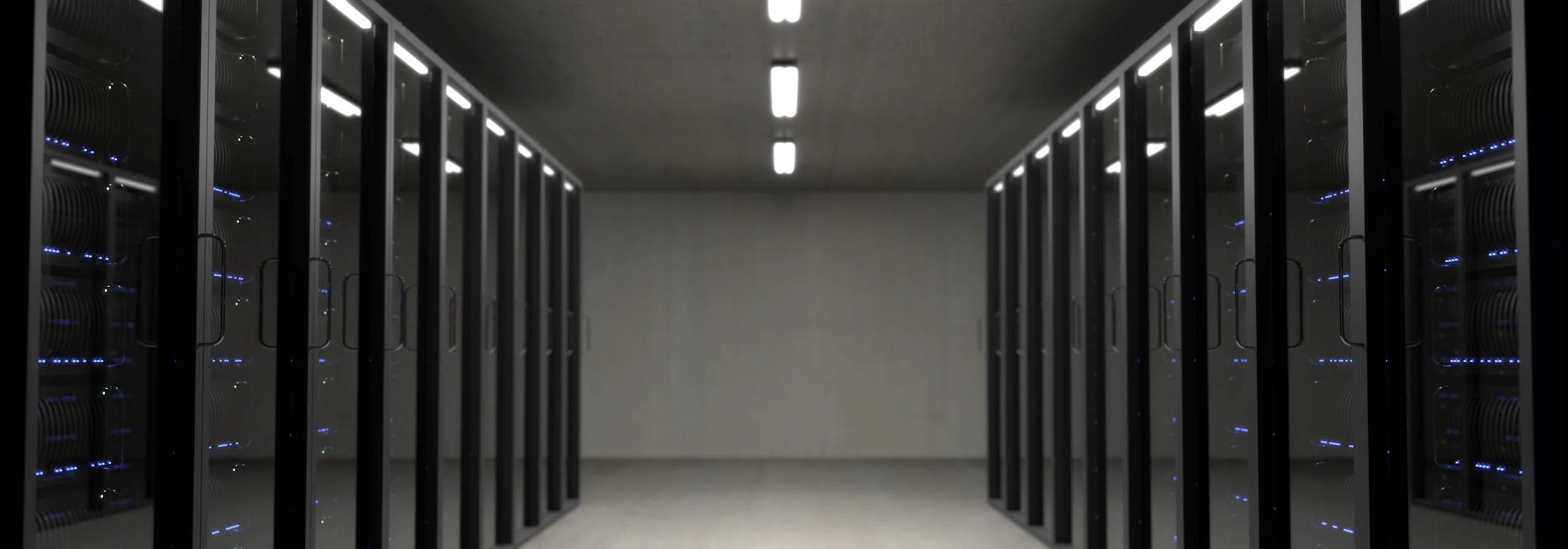
Server room with rows of illuminated data center equipment

The numbers that got people talking

In January 2026, the New York Times reported that Microsoft's internal documents project its annual data center water use will reach 28 billion liters by 2030, up from 7.9 billion liters in 2020. Microsoft responded by saying the projections were outdated and that improved efficiencies have brought the estimate down to a 150% increase — which still means roughly 18 billion liters of additional water consumption over the decade.

To put that in perspective: 28 billion liters is about what a city of 250,000 people uses in a year for all residential purposes.

Microsoft isn't alone. Google, Amazon, and Oracle all operate hyperscale data centers that rely on evaporative cooling systems — essentially, they spray water to keep servers from overheating. As AI workloads grow (training a single large language model can require millions of liters of water), so does the demand on local water systems.

Why this matters beyond the tech sector

The water problem with AI data centers isn't really a technology problem. It's a land use and infrastructure planning problem. And that's where it starts to affect the rest of us.

Data centers tend to cluster in regions with cheap electricity, tax incentives, and available land. Those same regions — parts of Arizona, Texas, central Spain, and northern India — are often already dealing with water stress. When a new hyperscale facility shows up and starts drawing millions of gallons from a local aquifer or municipal supply, the effect on surrounding communities can be immediate: higher water bills, tighter restrictions during drought, and increased competition for a resource that was already strained.

According to Carbon Credits, Microsoft itself has identified that its water use disproportionately impacts regions already suffering droughts. Arizona, Texas, Spain's Aragon region, parts of India, and Indonesia are all hosting hyperscale sites while simultaneously rationing water for agriculture and residential use.
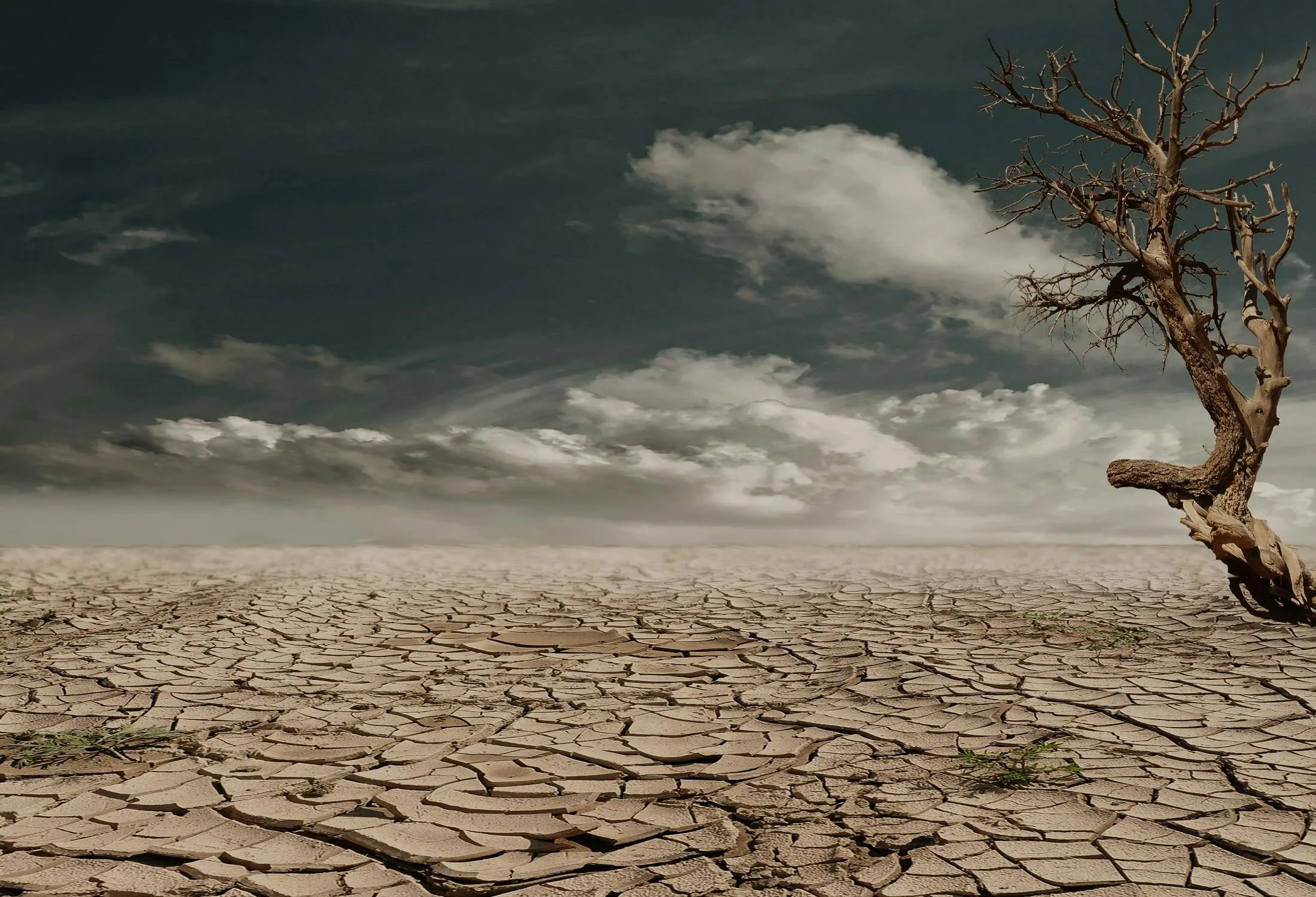
Cracked dry earth showing effects of drought

The UN Water Conference and the €6.5 trillion gap

The timing of this disclosure is worth noting. The 2026 UN Water Conference is approaching, and public-private collaboration initiatives launched at Davos in January are explicitly focused on bridging what organizers describe as a €6.5 trillion global water infrastructure gap. That number represents the investment needed to maintain and upgrade water systems worldwide through 2030.

Most of that gap falls on municipalities and national governments that are already stretched thin. Add exponential growth in industrial water demand from the tech sector, and you get a planning challenge that didn't exist five years ago.

The Economist's Water Summit in London this February brought together people from the World Bank (which manages a $27 billion water investment portfolio) and environmental scientists focused on how AI and digital infrastructure can actually help water management — an irony that wasn't lost on anyone in the room.

What companies are doing (and not doing)

Microsoft has made commitments. It says it will build a zero-water data center by 2027 and become "water positive" by 2030, meaning it would replenish more water than it consumes. The company has also doubled its carbon removal agreements to 45 million metric tons and invested in its Maia chip architecture, designed to reduce the thermal load of AI workloads.

Google has made similar pledges. Both companies fund watershed restoration projects and invest in water recycling technology at their facilities.

But here's the catch: "water positive" accounting works like carbon offsets. You can fund a watershed project in Oregon while your data center in Phoenix draws down a depleting aquifer. The water doesn't move. The community next door to your facility doesn't benefit from the creek restoration two states away.

This is the same problem that plagued early carbon offset markets, and it's already attracting scrutiny. Project Censored noted that hundreds of already-operational data centers remain highly water-reliant regardless of future zero-water prototypes.

What this means for sustainability practitioners

If you work in sustainability strategy, water resilience planning, or community development, the AI-water collision has a few practical implications:

Municipal water planning needs to account for data center growth. Most municipal water plans project demand based on population growth, agriculture, and light industrial use. Hyperscale data centers represent a new category of demand that can show up quickly and at significant volume. If your region is being courted by tech companies for data center siting, your water plan needs a scenario that includes them.

Corporate water disclosure is about to get more attention. The same pressure that pushed companies toward carbon disclosure is now building around water. The CDP Water Security questionnaire already asks companies to report watershed-specific impacts, but most responses remain vague. Expect regulators and investors to demand more specificity, particularly from companies whose operations concentrate water use in stressed regions.

Water rights and pricing will become contested. In the American West, water rights law is a tangle of prior appropriation doctrine, federal reclamation policy, and state-level regulation. Adding large industrial users to already over-allocated basins will force renegotiation. Companies that aren't tracking their water rights exposure are going to be surprised.
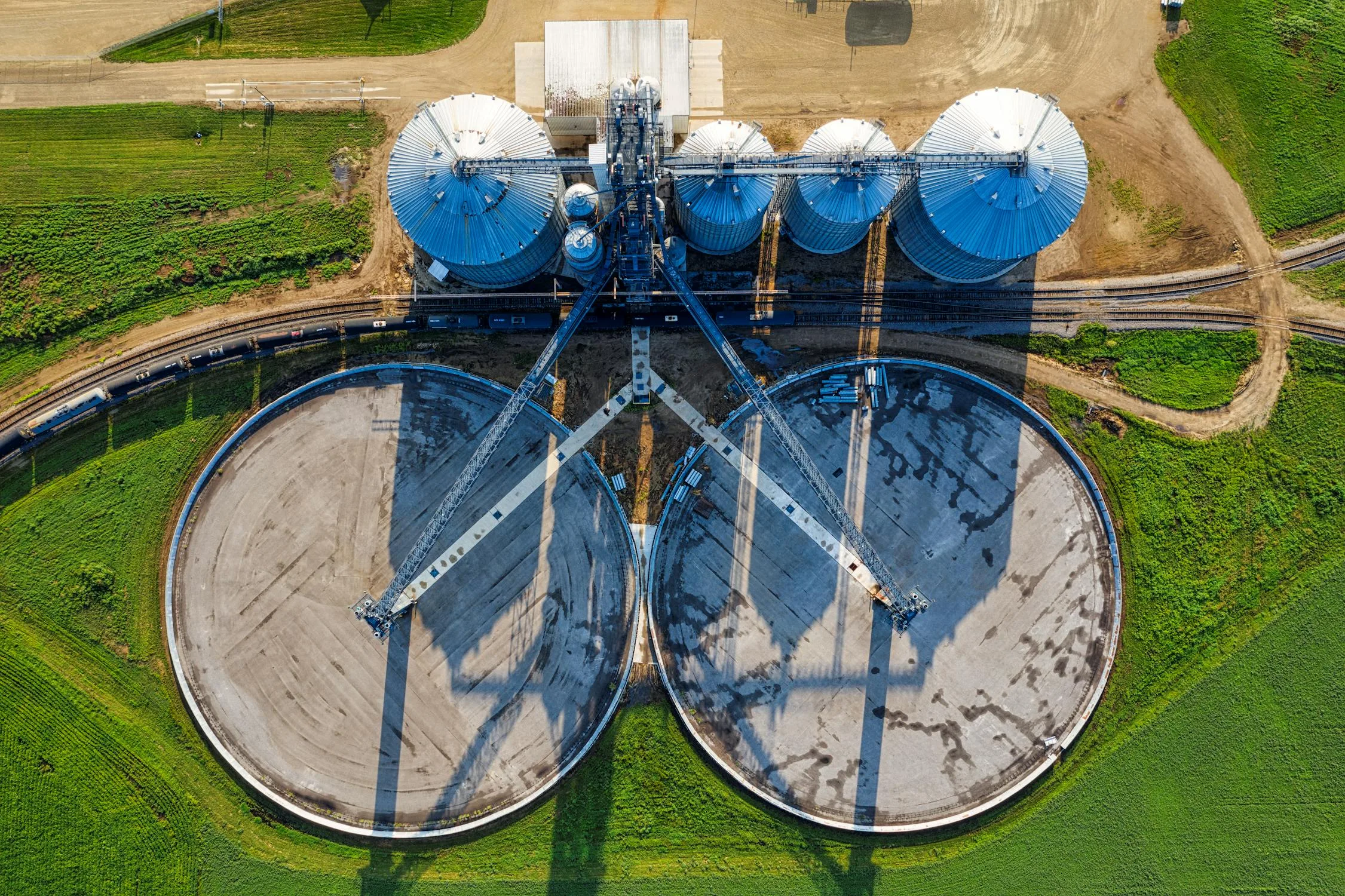
Aerial view of water treatment infrastructure

A framework for thinking about this

At Council Fire, we work with municipalities, utilities, and corporate clients on water and energy infrastructure planning. Here's how we recommend approaching the AI-water issue:

  1. Map your exposure. If you're a municipality, identify whether data center operators hold water rights or supply contracts in your jurisdiction. If you're a corporate sustainability team, assess whether your cloud providers' water use creates reputational or operational risk for your own water commitments.

  2. Demand local accountability. When tech companies claim "water positive" status, ask where the replenishment is happening. If it's not in the same watershed as the data center, it's not solving the local problem.

  3. Integrate data center siting into regional resilience plans. Economic development offices love the tax revenue and jobs that data centers bring. But if the water infrastructure can't support the load, the long-term costs can exceed the short-term benefits.

  4. Watch the UN Water Conference. The 2026 conference is expected to produce new frameworks for water finance and governance. These frameworks will shape how public and private investment flows toward water infrastructure — and how accountability for industrial water use is structured.

The bigger picture

There's something uncomfortable about the fact that the same industry building tools to model climate risk is also intensifying pressure on one of the most climate-sensitive resources we have. Water isn't like electricity — you can't transmit it across a grid, you can't store it cheaply at scale, and you can't substitute it. When it's gone from a local aquifer, it's gone for decades or centuries.

The conversation about AI's environmental footprint has mostly focused on energy and carbon. That's important, but water may be the harder constraint. Energy supply is growing (renewables, nuclear, efficiency gains). Water supply, in many places, is shrinking.

Microsoft's projections are a wake-up call, but not because Microsoft is uniquely bad. Every major cloud provider faces the same physics. The question is whether communities, regulators, and sustainability professionals can get ahead of the demand curve before it outpaces the supply.

Because right now, the trajectory says we won't.

Related resources

FAQs

How much water does a typical AI data center use?
A large hyperscale data center can use 3-5 million liters of water per day for cooling, depending on climate and cooling technology. Training a single large language model can consume hundreds of thousands to millions of liters.

What does "water positive" mean?
It means a company claims to replenish more water to the environment than it withdraws. However, the replenishment often happens in different watersheds than where the withdrawal occurs, which limits local benefit.

Why can't data centers just use air cooling?
Some can, particularly in cooler climates. But in hot regions where many data centers are located, evaporative (water-based) cooling is more energy-efficient. Companies are developing new cooling technologies, but most existing facilities rely on water.

What is the UN Water Conference?
The 2026 UN Water Conference is a follow-up to the 2023 conference and focuses on governance and financing frameworks for closing the global water infrastructure gap, estimated at €6.5 trillion.

How does this affect corporate sustainability reporting?
Companies that rely on cloud services (which is nearly everyone) now have indirect water exposure through their providers. CDP Water Security reporting is likely to expand requirements around supply chain water risk, particularly for companies with high cloud computing usage.


FAQ

FAQ

01

What does it really mean to “redefine profit”?

02

What makes Council Fire different?

03

Who does Council Fire you work with?

04

What does working with Council Fire actually look like?

05

How does Council Fire help organizations turn big goals into action?

06

How does Council Fire define and measure success?

01

What does it really mean to “redefine profit”?

02

What makes Council Fire different?

03

Who does Council Fire you work with?

04

What does working with Council Fire actually look like?

05

How does Council Fire help organizations turn big goals into action?

06

How does Council Fire define and measure success?

Person
Person

Feb 23, 2026

AI's Thirst: What Microsoft's Water Projections Mean for Communities Already Running Dry

Energy & Water Infrastructure

George Chmael II

Founder & CEO

In This Article

Microsoft projects data center water use will increase 150% by 2030. With the UN Water Conference approaching and a €6.5 trillion infrastructure gap, the collision between AI growth and water scarcity demands attention from municipalities, businesses, and sustainability practitioners.

AI's Thirst: What Microsoft's Water Projections Mean for Communities Already Running Dry

AI's Thirst: What Microsoft's Water Projections Mean for Communities Already Running Dry

Executive Summary

Microsoft recently disclosed internal projections showing its data center water consumption will increase 150% by 2030. With the UN Water Conference approaching and a global water infrastructure funding gap of €6.5 trillion, the collision between AI growth and water scarcity is no longer hypothetical. This piece examines what this means for municipalities, businesses, and anyone working on water resilience — and what organizations can actually do about it.

Server room with rows of illuminated data center equipment

The numbers that got people talking

In January 2026, the New York Times reported that Microsoft's internal documents project its annual data center water use will reach 28 billion liters by 2030, up from 7.9 billion liters in 2020. Microsoft responded by saying the projections were outdated and that improved efficiencies have brought the estimate down to a 150% increase — which still means roughly 18 billion liters of additional water consumption over the decade.

To put that in perspective: 28 billion liters is about what a city of 250,000 people uses in a year for all residential purposes.

Microsoft isn't alone. Google, Amazon, and Oracle all operate hyperscale data centers that rely on evaporative cooling systems — essentially, they spray water to keep servers from overheating. As AI workloads grow (training a single large language model can require millions of liters of water), so does the demand on local water systems.

Why this matters beyond the tech sector

The water problem with AI data centers isn't really a technology problem. It's a land use and infrastructure planning problem. And that's where it starts to affect the rest of us.

Data centers tend to cluster in regions with cheap electricity, tax incentives, and available land. Those same regions — parts of Arizona, Texas, central Spain, and northern India — are often already dealing with water stress. When a new hyperscale facility shows up and starts drawing millions of gallons from a local aquifer or municipal supply, the effect on surrounding communities can be immediate: higher water bills, tighter restrictions during drought, and increased competition for a resource that was already strained.

According to Carbon Credits, Microsoft itself has identified that its water use disproportionately impacts regions already suffering droughts. Arizona, Texas, Spain's Aragon region, parts of India, and Indonesia are all hosting hyperscale sites while simultaneously rationing water for agriculture and residential use.

Cracked dry earth showing effects of drought

The UN Water Conference and the €6.5 trillion gap

The timing of this disclosure is worth noting. The 2026 UN Water Conference is approaching, and public-private collaboration initiatives launched at Davos in January are explicitly focused on bridging what organizers describe as a €6.5 trillion global water infrastructure gap. That number represents the investment needed to maintain and upgrade water systems worldwide through 2030.

Most of that gap falls on municipalities and national governments that are already stretched thin. Add exponential growth in industrial water demand from the tech sector, and you get a planning challenge that didn't exist five years ago.

The Economist's Water Summit in London this February brought together people from the World Bank (which manages a $27 billion water investment portfolio) and environmental scientists focused on how AI and digital infrastructure can actually help water management — an irony that wasn't lost on anyone in the room.

What companies are doing (and not doing)

Microsoft has made commitments. It says it will build a zero-water data center by 2027 and become "water positive" by 2030, meaning it would replenish more water than it consumes. The company has also doubled its carbon removal agreements to 45 million metric tons and invested in its Maia chip architecture, designed to reduce the thermal load of AI workloads.

Google has made similar pledges. Both companies fund watershed restoration projects and invest in water recycling technology at their facilities.

But here's the catch: "water positive" accounting works like carbon offsets. You can fund a watershed project in Oregon while your data center in Phoenix draws down a depleting aquifer. The water doesn't move. The community next door to your facility doesn't benefit from the creek restoration two states away.

This is the same problem that plagued early carbon offset markets, and it's already attracting scrutiny. Project Censored noted that hundreds of already-operational data centers remain highly water-reliant regardless of future zero-water prototypes.

What this means for sustainability practitioners

If you work in sustainability strategy, water resilience planning, or community development, the AI-water collision has a few practical implications:

Municipal water planning needs to account for data center growth. Most municipal water plans project demand based on population growth, agriculture, and light industrial use. Hyperscale data centers represent a new category of demand that can show up quickly and at significant volume. If your region is being courted by tech companies for data center siting, your water plan needs a scenario that includes them.

Corporate water disclosure is about to get more attention. The same pressure that pushed companies toward carbon disclosure is now building around water. The CDP Water Security questionnaire already asks companies to report watershed-specific impacts, but most responses remain vague. Expect regulators and investors to demand more specificity, particularly from companies whose operations concentrate water use in stressed regions.

Water rights and pricing will become contested. In the American West, water rights law is a tangle of prior appropriation doctrine, federal reclamation policy, and state-level regulation. Adding large industrial users to already over-allocated basins will force renegotiation. Companies that aren't tracking their water rights exposure are going to be surprised.

Aerial view of water treatment infrastructure

A framework for thinking about this

At Council Fire, we work with municipalities, utilities, and corporate clients on water and energy infrastructure planning. Here's how we recommend approaching the AI-water issue:

  1. Map your exposure. If you're a municipality, identify whether data center operators hold water rights or supply contracts in your jurisdiction. If you're a corporate sustainability team, assess whether your cloud providers' water use creates reputational or operational risk for your own water commitments.

  2. Demand local accountability. When tech companies claim "water positive" status, ask where the replenishment is happening. If it's not in the same watershed as the data center, it's not solving the local problem.

  3. Integrate data center siting into regional resilience plans. Economic development offices love the tax revenue and jobs that data centers bring. But if the water infrastructure can't support the load, the long-term costs can exceed the short-term benefits.

  4. Watch the UN Water Conference. The 2026 conference is expected to produce new frameworks for water finance and governance. These frameworks will shape how public and private investment flows toward water infrastructure — and how accountability for industrial water use is structured.

The bigger picture

There's something uncomfortable about the fact that the same industry building tools to model climate risk is also intensifying pressure on one of the most climate-sensitive resources we have. Water isn't like electricity — you can't transmit it across a grid, you can't store it cheaply at scale, and you can't substitute it. When it's gone from a local aquifer, it's gone for decades or centuries.

The conversation about AI's environmental footprint has mostly focused on energy and carbon. That's important, but water may be the harder constraint. Energy supply is growing (renewables, nuclear, efficiency gains). Water supply, in many places, is shrinking.

Microsoft's projections are a wake-up call, but not because Microsoft is uniquely bad. Every major cloud provider faces the same physics. The question is whether communities, regulators, and sustainability professionals can get ahead of the demand curve before it outpaces the supply.

Because right now, the trajectory says we won't.

Related resources

FAQs

How much water does a typical AI data center use?
A large hyperscale data center can use 3-5 million liters of water per day for cooling, depending on climate and cooling technology. Training a single large language model can consume hundreds of thousands to millions of liters.

What does "water positive" mean?
It means a company claims to replenish more water to the environment than it withdraws. However, the replenishment often happens in different watersheds than where the withdrawal occurs, which limits local benefit.

Why can't data centers just use air cooling?
Some can, particularly in cooler climates. But in hot regions where many data centers are located, evaporative (water-based) cooling is more energy-efficient. Companies are developing new cooling technologies, but most existing facilities rely on water.

What is the UN Water Conference?
The 2026 UN Water Conference is a follow-up to the 2023 conference and focuses on governance and financing frameworks for closing the global water infrastructure gap, estimated at €6.5 trillion.

How does this affect corporate sustainability reporting?
Companies that rely on cloud services (which is nearly everyone) now have indirect water exposure through their providers. CDP Water Security reporting is likely to expand requirements around supply chain water risk, particularly for companies with high cloud computing usage.
FAQ

01

What does it really mean to “redefine profit”?

02

What makes Council Fire different?

03

Who does Council Fire you work with?

04

What does working with Council Fire actually look like?

05

How does Council Fire help organizations turn big goals into action?

06

How does Council Fire define and measure success?

Person
Person

Feb 23, 2026

AI's Thirst: What Microsoft's Water Projections Mean for Communities Already Running Dry

Energy & Water Infrastructure

George Chmael II

Founder & CEO

In This Article

Microsoft projects data center water use will increase 150% by 2030. With the UN Water Conference approaching and a €6.5 trillion infrastructure gap, the collision between AI growth and water scarcity demands attention from municipalities, businesses, and sustainability practitioners.

AI's Thirst: What Microsoft's Water Projections Mean for Communities Already Running Dry

AI's Thirst: What Microsoft's Water Projections Mean for Communities Already Running Dry

Executive Summary

Microsoft recently disclosed internal projections showing its data center water consumption will increase 150% by 2030. With the UN Water Conference approaching and a global water infrastructure funding gap of €6.5 trillion, the collision between AI growth and water scarcity is no longer hypothetical. This piece examines what this means for municipalities, businesses, and anyone working on water resilience — and what organizations can actually do about it.

Server room with rows of illuminated data center equipment

The numbers that got people talking

In January 2026, the New York Times reported that Microsoft's internal documents project its annual data center water use will reach 28 billion liters by 2030, up from 7.9 billion liters in 2020. Microsoft responded by saying the projections were outdated and that improved efficiencies have brought the estimate down to a 150% increase — which still means roughly 18 billion liters of additional water consumption over the decade.

To put that in perspective: 28 billion liters is about what a city of 250,000 people uses in a year for all residential purposes.

Microsoft isn't alone. Google, Amazon, and Oracle all operate hyperscale data centers that rely on evaporative cooling systems — essentially, they spray water to keep servers from overheating. As AI workloads grow (training a single large language model can require millions of liters of water), so does the demand on local water systems.

Why this matters beyond the tech sector

The water problem with AI data centers isn't really a technology problem. It's a land use and infrastructure planning problem. And that's where it starts to affect the rest of us.

Data centers tend to cluster in regions with cheap electricity, tax incentives, and available land. Those same regions — parts of Arizona, Texas, central Spain, and northern India — are often already dealing with water stress. When a new hyperscale facility shows up and starts drawing millions of gallons from a local aquifer or municipal supply, the effect on surrounding communities can be immediate: higher water bills, tighter restrictions during drought, and increased competition for a resource that was already strained.

According to Carbon Credits, Microsoft itself has identified that its water use disproportionately impacts regions already suffering droughts. Arizona, Texas, Spain's Aragon region, parts of India, and Indonesia are all hosting hyperscale sites while simultaneously rationing water for agriculture and residential use.

Cracked dry earth showing effects of drought

The UN Water Conference and the €6.5 trillion gap

The timing of this disclosure is worth noting. The 2026 UN Water Conference is approaching, and public-private collaboration initiatives launched at Davos in January are explicitly focused on bridging what organizers describe as a €6.5 trillion global water infrastructure gap. That number represents the investment needed to maintain and upgrade water systems worldwide through 2030.

Most of that gap falls on municipalities and national governments that are already stretched thin. Add exponential growth in industrial water demand from the tech sector, and you get a planning challenge that didn't exist five years ago.

The Economist's Water Summit in London this February brought together people from the World Bank (which manages a $27 billion water investment portfolio) and environmental scientists focused on how AI and digital infrastructure can actually help water management — an irony that wasn't lost on anyone in the room.

What companies are doing (and not doing)

Microsoft has made commitments. It says it will build a zero-water data center by 2027 and become "water positive" by 2030, meaning it would replenish more water than it consumes. The company has also doubled its carbon removal agreements to 45 million metric tons and invested in its Maia chip architecture, designed to reduce the thermal load of AI workloads.

Google has made similar pledges. Both companies fund watershed restoration projects and invest in water recycling technology at their facilities.

But here's the catch: "water positive" accounting works like carbon offsets. You can fund a watershed project in Oregon while your data center in Phoenix draws down a depleting aquifer. The water doesn't move. The community next door to your facility doesn't benefit from the creek restoration two states away.

This is the same problem that plagued early carbon offset markets, and it's already attracting scrutiny. Project Censored noted that hundreds of already-operational data centers remain highly water-reliant regardless of future zero-water prototypes.

What this means for sustainability practitioners

If you work in sustainability strategy, water resilience planning, or community development, the AI-water collision has a few practical implications:

Municipal water planning needs to account for data center growth. Most municipal water plans project demand based on population growth, agriculture, and light industrial use. Hyperscale data centers represent a new category of demand that can show up quickly and at significant volume. If your region is being courted by tech companies for data center siting, your water plan needs a scenario that includes them.

Corporate water disclosure is about to get more attention. The same pressure that pushed companies toward carbon disclosure is now building around water. The CDP Water Security questionnaire already asks companies to report watershed-specific impacts, but most responses remain vague. Expect regulators and investors to demand more specificity, particularly from companies whose operations concentrate water use in stressed regions.

Water rights and pricing will become contested. In the American West, water rights law is a tangle of prior appropriation doctrine, federal reclamation policy, and state-level regulation. Adding large industrial users to already over-allocated basins will force renegotiation. Companies that aren't tracking their water rights exposure are going to be surprised.

Aerial view of water treatment infrastructure

A framework for thinking about this

At Council Fire, we work with municipalities, utilities, and corporate clients on water and energy infrastructure planning. Here's how we recommend approaching the AI-water issue:

  1. Map your exposure. If you're a municipality, identify whether data center operators hold water rights or supply contracts in your jurisdiction. If you're a corporate sustainability team, assess whether your cloud providers' water use creates reputational or operational risk for your own water commitments.

  2. Demand local accountability. When tech companies claim "water positive" status, ask where the replenishment is happening. If it's not in the same watershed as the data center, it's not solving the local problem.

  3. Integrate data center siting into regional resilience plans. Economic development offices love the tax revenue and jobs that data centers bring. But if the water infrastructure can't support the load, the long-term costs can exceed the short-term benefits.

  4. Watch the UN Water Conference. The 2026 conference is expected to produce new frameworks for water finance and governance. These frameworks will shape how public and private investment flows toward water infrastructure — and how accountability for industrial water use is structured.

The bigger picture

There's something uncomfortable about the fact that the same industry building tools to model climate risk is also intensifying pressure on one of the most climate-sensitive resources we have. Water isn't like electricity — you can't transmit it across a grid, you can't store it cheaply at scale, and you can't substitute it. When it's gone from a local aquifer, it's gone for decades or centuries.

The conversation about AI's environmental footprint has mostly focused on energy and carbon. That's important, but water may be the harder constraint. Energy supply is growing (renewables, nuclear, efficiency gains). Water supply, in many places, is shrinking.

Microsoft's projections are a wake-up call, but not because Microsoft is uniquely bad. Every major cloud provider faces the same physics. The question is whether communities, regulators, and sustainability professionals can get ahead of the demand curve before it outpaces the supply.

Because right now, the trajectory says we won't.

Related resources

FAQs

How much water does a typical AI data center use?
A large hyperscale data center can use 3-5 million liters of water per day for cooling, depending on climate and cooling technology. Training a single large language model can consume hundreds of thousands to millions of liters.

What does "water positive" mean?
It means a company claims to replenish more water to the environment than it withdraws. However, the replenishment often happens in different watersheds than where the withdrawal occurs, which limits local benefit.

Why can't data centers just use air cooling?
Some can, particularly in cooler climates. But in hot regions where many data centers are located, evaporative (water-based) cooling is more energy-efficient. Companies are developing new cooling technologies, but most existing facilities rely on water.

What is the UN Water Conference?
The 2026 UN Water Conference is a follow-up to the 2023 conference and focuses on governance and financing frameworks for closing the global water infrastructure gap, estimated at €6.5 trillion.

How does this affect corporate sustainability reporting?
Companies that rely on cloud services (which is nearly everyone) now have indirect water exposure through their providers. CDP Water Security reporting is likely to expand requirements around supply chain water risk, particularly for companies with high cloud computing usage.
FAQ

What does it really mean to “redefine profit”?

What makes Council Fire different?

Who does Council Fire you work with?

What does working with Council Fire actually look like?

How does Council Fire help organizations turn big goals into action?

How does Council Fire define and measure success?