
Oct 25, 2025
Oct 25, 2025
Top 5 ESG Frameworks for SMEs
ESG Strategy
ESG Strategy
In This Article
Explore top ESG frameworks tailored for SMEs to streamline reporting, track metrics, and meet stakeholder expectations efficiently.
Top 5 ESG Frameworks for SMEs
Small and medium-sized enterprises (SMEs) face growing pressure to adopt ESG (Environmental, Social, and Governance) practices. But with limited budgets and resources, finding the right tools can feel overwhelming. This article highlights five ESG frameworks designed specifically for SMEs, offering practical solutions to streamline reporting, track metrics, and meet stakeholder expectations.
Key Takeaways:
ESGgo: Affordable, user-friendly software with templates for reporting and tracking metrics like emissions and diversity.
Sustain.Life: Focuses on carbon accounting; quick setup and support for businesses without dedicated sustainability teams.
Normative: Automates ESG data collection and reporting; great for tracking emissions and aligning with global standards.
FigBytes: Modular platform for managing ESG data, real-time tracking, and storytelling features for stakeholder communication.
Novata: Targets private markets with curated metrics and benchmarking tools, starting at $5,000/year.
Each platform offers budget-friendly options and tools tailored to SMEs, helping businesses achieve measurable ESG goals without complexity.
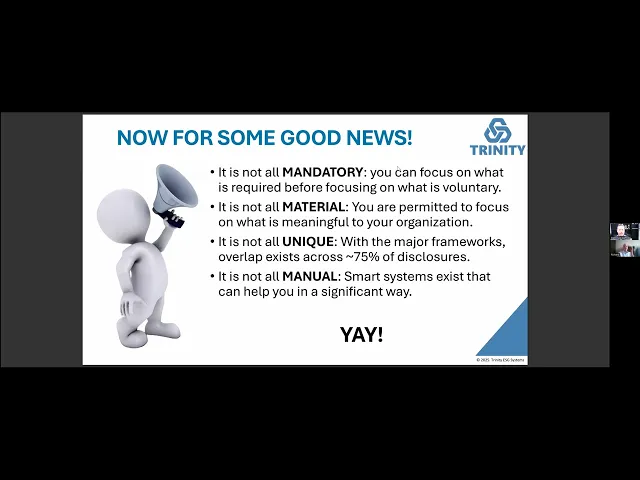
🎯 Simplifying ESG Frameworks for SMEs in the EU | Tackle the Alphabet Soup Like a Pro! 🌍
1. ESGgo
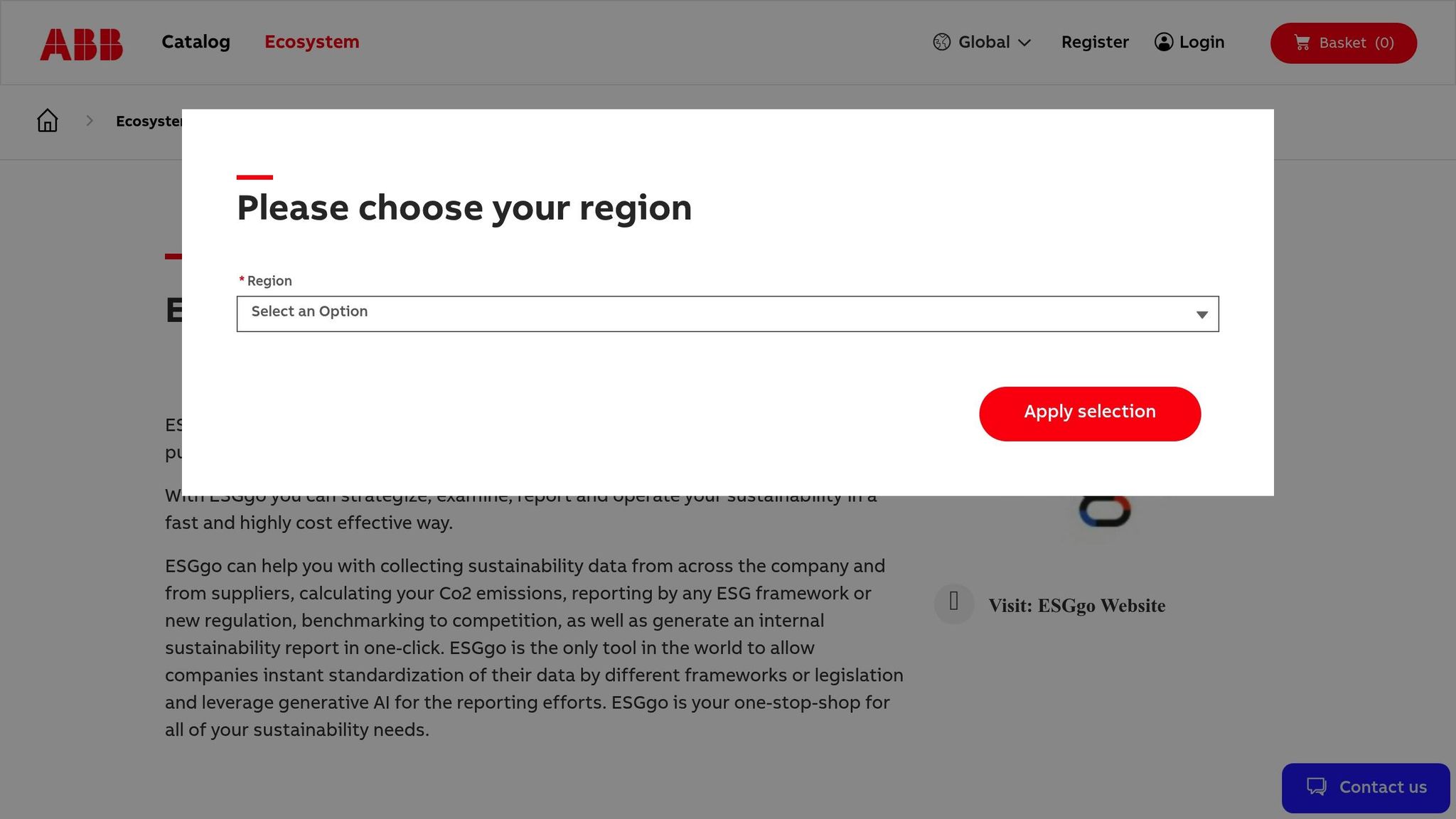
ESGgo is a software platform tailored specifically for small and medium-sized enterprises (SMEs) that often face challenges in meeting ESG (Environmental, Social, and Governance) requirements due to limited budgets and expertise.
Budget-Friendly Solutions for SMEs
Recognizing the financial constraints of smaller businesses, ESGgo provides flexible subscription plans that scale with company size and feature needs. These entry-level options include essential tools like templates and workflows, offering a cost-effective alternative to hiring external consultants.
Simple Setup and User Experience
Designed with ease of use in mind, ESGgo features an intuitive interface equipped with pre-configured templates and workflows. This design helps business owners and teams unfamiliar with ESG reporting navigate the process efficiently, freeing them to focus on core operations.
Comprehensive ESG Metric Tracking
The platform monitors a wide range of ESG metrics relevant to U.S. businesses. These include greenhouse gas emissions (Scopes 1, 2, and 3), energy and water usage, waste management, diversity initiatives, community involvement, and governance practices. ESGgo aligns its tracking with major frameworks like GRI and SASB and stays current with U.S. regulations, such as the SEC's climate disclosure requirements. This ensures businesses can meet both regulatory and stakeholder expectations with confidence[1][2].
Tools for Reporting and Communication
ESGgo simplifies the creation of audit-ready ESG reports by offering customizable templates, real-time dashboards, and data visualization tools. Features like automated data validation, audit trails, and integration with widely used software ensure accuracy and streamline the reporting process[2]. These tools help SMEs present their ESG performance clearly and effectively to stakeholders.
2. Sustain.Life
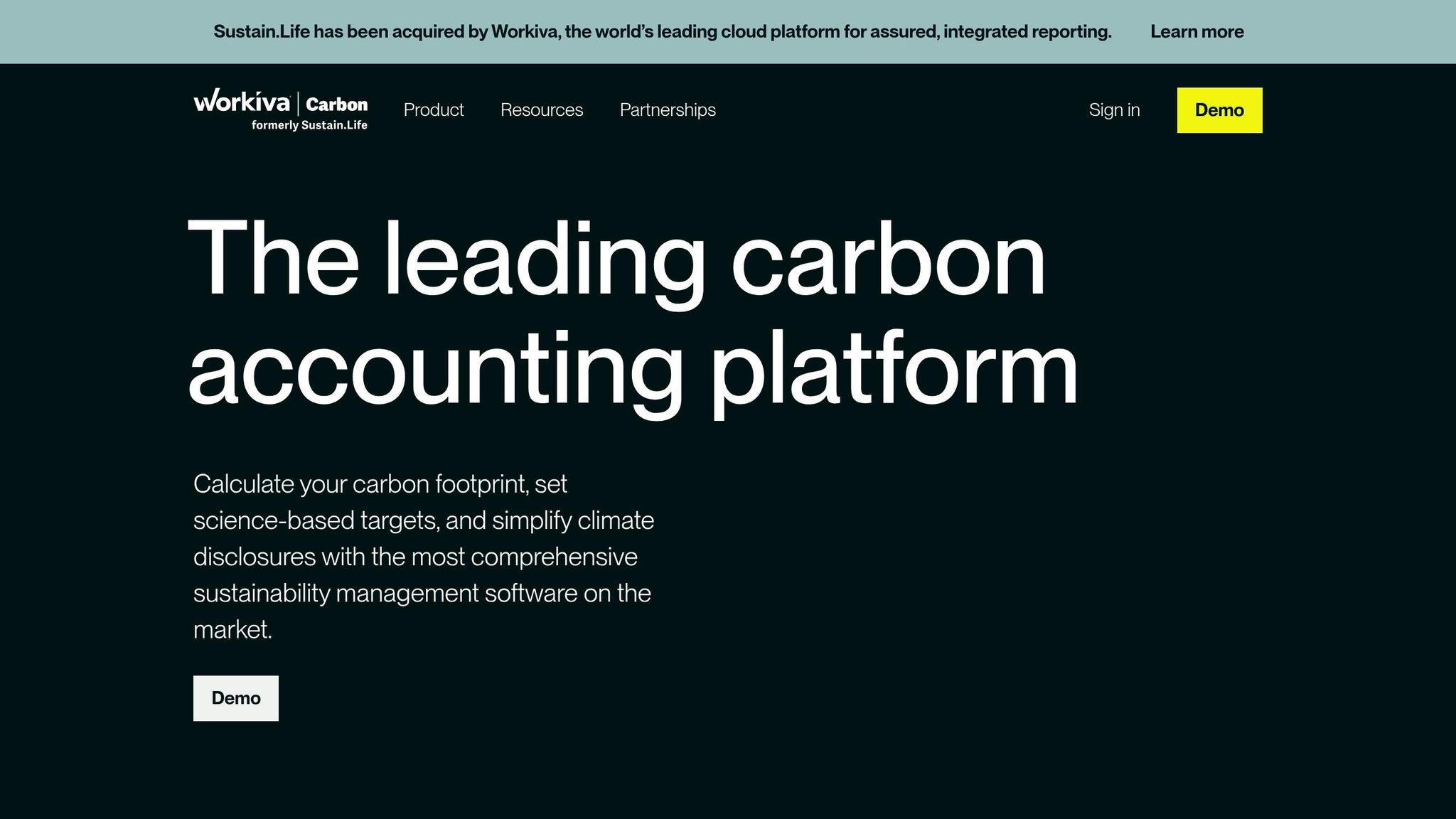
Sustain.Life provides a practical and accessible solution for small and medium-sized enterprises (SMEs) aiming to tackle carbon accounting without the need for dedicated sustainability teams. Now part of Workiva, the platform is known for its straightforward approach to calculating carbon footprints efficiently.
Quick and Simple Setup
Sustain.Life streamlines the onboarding process, allowing users to calculate their emissions in as little as two days. Each subscription includes access to dedicated customer success managers, a 24/7 help center with guides, video tutorials, and a supportive community, ensuring businesses have the resources they need at every step.
Emphasis on ESG Metrics
The platform zeroes in on carbon accounting and emissions management, making it easier for SMEs to monitor key areas, including supply chain emissions. This targeted approach equips businesses to focus on actionable metrics, such as science-based targets and simplified climate disclosures, helping them align with broader environmental goals.
Tools for Reporting and Policy Development
Sustain.Life also simplifies the process of creating sustainability policies. Its Policy Builder comes with pre-built templates that help organizations adopt and standardize new practices efficiently. Jennifer Kaplan, Sustainability Manager, highlights its value:
"I found the Policy Builder extremely useful at our stage because having a template of a well-conceived policy helps in the standardization of new practices and ensure that written guidelines are best-in-class."
Alix Armour, Co-Founder and Head of Sustainability, underscores the platform's role for businesses without dedicated sustainability roles:
"Lots of brands don't have a role dedicated to corporate sustainability, although it is increasingly more necessary each year. These companies need some sort of solution, whether that's setting a foundation or corporate messaging or figuring out first steps and Sustain.Life can definitely help."
3. Normative
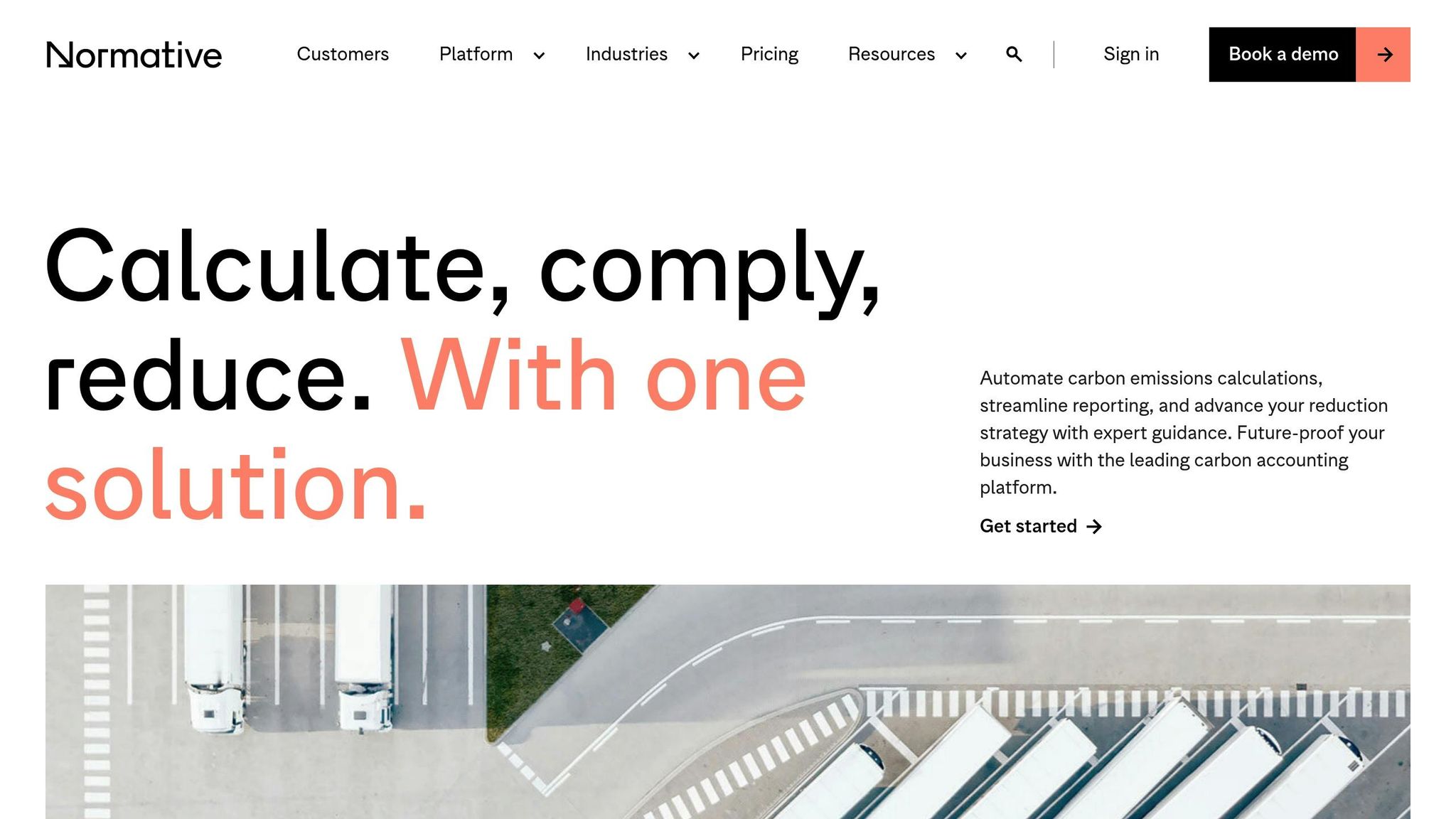
Normative is an ESG software platform designed to simplify how businesses measure, manage, and report their ESG impacts. It’s particularly suited for organizations without extensive sustainability expertise or large, dedicated teams.
Ease of Implementation
Normative is designed with simplicity in mind, making onboarding straightforward even for businesses with limited technical resources. Its intuitive dashboards and guided setup processes take users step by step through ESG data collection and reporting. By integrating seamlessly with standard business software, the platform can automatically retrieve ESG data, cutting down on the need for manual input. To ensure a smooth transition, the platform offers tutorials and responsive customer support. This streamlined approach enables businesses to quickly establish consistent ESG metric tracking without added complexity.
Focus on ESG Metrics
While Normative excels in tracking environmental metrics, it also supports a comprehensive range of ESG data, including social and governance indicators. The platform monitors greenhouse gas emissions across Scopes 1, 2, and 3, aligning with the GHG Protocol to help businesses adhere to established carbon accounting standards. Customizable features allow companies to focus on the ESG issues most relevant to their operations. Additionally, automated validation and audit trails enhance data accuracy, ensuring reliable reporting.
Reporting and Communication Tools
Normative simplifies ESG reporting with automated tools that produce audit-ready reports aligned with major frameworks like GRI, SASB, TCFD, and CSRD. Customizable dashboards and templates make it easy to present ESG performance clearly and effectively. Export options are tailored to meet U.S. standards, including formatting for USD currency and local date conventions. According to industry reviews, platforms like Normative can reduce the time spent on ESG data collection and reporting by up to 60% for small and mid-sized enterprises (SMEs) compared to manual processes [4]. This automation not only helps businesses meet both voluntary and regulatory disclosure requirements but also provides confidence in their reporting accuracy. Additionally, Normative’s scalable pricing ensures affordability for businesses of all sizes.
Cost-effectiveness for SMEs
Normative’s tiered pricing model is designed to accommodate businesses of varying sizes and reporting needs. Entry-level packages are tailored to smaller organizations, offering a budget-friendly option. By automating processes, the platform reduces the need for manual labor and expensive consultancy services, lowering overall compliance costs. Compared to enterprise-focused solutions, which can start at $30,000 annually [4], Normative offers a significantly more accessible alternative. This affordability allows businesses to maintain robust sustainability reporting while allocating resources to other essential areas of operation.
4. FigBytes
FigBytes is a cloud-based ESG platform designed to help small and medium-sized enterprises (SMEs) efficiently manage sustainability reporting through a modular and flexible approach.
Ease of Implementation
FigBytes simplifies the adoption process with step-by-step onboarding tools that remove technical hurdles. The platform integrates effortlessly with ERP systems, HR software, utility providers, and IoT devices to automate data collection [3]. This capability even extends to real-time tracking of environmental metrics, eliminating the need for complex technical infrastructure.
To ensure a smooth transition, FigBytes provides training resources, access to ESG experts, and detailed audit trails [3]. Once the system is in place, businesses can easily monitor and communicate essential ESG metrics.
Focus on ESG Metrics
The platform covers a wide range of ESG data, including environmental factors like carbon emissions, water usage, and waste; social metrics such as diversity, equity, and inclusion (DEI); and governance areas like supply chain policies and corporate practices [6].
FigBytes supports major frameworks such as GRI, SASB, TCFD, and CDP, enabling SMEs to meet a variety of stakeholder requirements without juggling multiple reporting systems [6]. Its framework mapping feature allows businesses to streamline compliance with regulatory and investor demands through a single, unified platform.
Real-time visualization tools let SMEs quickly spot trends and address potential issues before they escalate [6]. This proactive approach helps businesses manage sustainability more effectively.
Reporting and Communication Tools
FigBytes automates the creation of reports with customizable dashboards and tools that export data in PDF and Excel formats tailored for U.S. standards [6].
The platform's storytelling features enable SMEs to present their sustainability achievements and progress in a compelling and transparent way [3]. This is especially beneficial for smaller businesses looking to build trust and demonstrate their commitment to sustainability without relying on extensive marketing resources.
Research shows that SMEs using digital ESG tools experience a 30% reduction in reporting turnaround time due to automation and streamlined processes [5]. FigBytes enhances this efficiency with automated workflows and reminders, ensuring consistent and accurate data throughout the reporting cycle.
Cost-effectiveness for SMEs
FigBytes employs a modular, tiered pricing structure [6], allowing SMEs to start small with essential ESG tools and expand as their needs grow. This approach helps businesses manage costs while gradually scaling their ESG programs.
The subscription-based model eliminates the need for significant upfront investments in software or consulting services. By automating data collection and reporting, FigBytes reduces the internal resources required for compliance, making it an affordable option for organizations with tight budgets [3].
With ESG software budgets projected to grow by 25% between 2022 and 2025, cost-effective solutions like FigBytes are increasingly appealing to resource-constrained SMEs [5]. The platform’s pre-built templates and guidance, aligned with major frameworks, further reduce the need for external expertise, helping businesses keep compliance costs in check [3].
5. Novata
Novata is an ESG platform designed specifically for private markets, with a strong focus on U.S.-based small and medium enterprises (SMEs). Backed by key partnerships with the Ford Foundation, S&P Global, Hamilton Lane, and Omidyar Network, the platform carries a reputation for reliability in the ESG space.
Simplified Implementation
For many SMEs, traditional ESG frameworks can feel out of reach due to limited resources and expertise. Novata bridges this gap by offering a practical solution tailored to smaller businesses. The platform understands the unique challenges SMEs face and provides tools that simplify the ESG reporting process.
By 2025, more than 5,000 private companies and investment firms, many of them U.S.-based, are expected to use Novata. This growing adoption highlights its ability to make ESG reporting manageable for businesses with fewer internal resources. The increasing demand from private equity and venture capital firms has further fueled the platform’s popularity, giving SMEs a straightforward way to integrate ESG practices without starting from scratch.
Targeted ESG Metrics
Novata’s platform is built around a curated selection of over 100 ESG metrics, with a focus on identifying the 20–30 most relevant metrics for each industry. This targeted approach helps SMEs avoid feeling overwhelmed by excessive data requirements, allowing them to focus on what truly matters for their specific sector.
The platform also includes benchmarking tools, enabling businesses to compare their ESG performance with that of their peers. This feature not only highlights areas for improvement but also provides insights into how companies stack up against similar organizations. To keep pace with changing standards, Novata continuously updates its framework, ensuring businesses stay aligned with the latest ESG regulations and best practices.
Affordable Options for SMEs
Novata’s pricing model is designed with SMEs in mind, offering tiered packages based on company size and reporting needs. Entry-level plans start at around $5,000 per year, making the platform accessible to smaller organizations. For businesses with more complex requirements, custom pricing options include advanced analytics and integration features, providing flexibility as companies grow their ESG efforts.
By focusing on essential metrics and offering built-in guidance, Novata reduces the need for external ESG consultants, helping SMEs keep costs under control while still meeting compliance and reporting goals.
Streamlined Reporting and Communication
Novata equips SMEs with standardized reporting templates, making it easier to share ESG progress with investors, partners, and other stakeholders. For smaller businesses that may lack dedicated marketing or communications teams, this standardized approach ensures their ESG data is presented clearly and professionally.
The platform also offers educational resources and customer support to help SMEs build their internal ESG knowledge. With an intuitive interface and straightforward reporting tools, businesses can effectively communicate their ESG achievements, fostering stronger relationships with investors and supply chain partners who value consistent and comparable data across their networks.
Conclusion
The ESG frameworks discussed offer small and medium-sized enterprises (SMEs) practical ways to integrate sustainability into their daily operations. They address the unique challenges SMEs face - like limited resources and complex reporting - by streamlining processes and focusing on metrics that matter most for smaller organizations.
For SMEs, aligning ESG solutions with industry demands, stakeholder expectations, and long-term objectives is essential. This involves looking beyond immediate costs and features to assess how well these platforms support competitive positioning. Each framework, as outlined earlier, targets specific operational needs, creating opportunities to align with broader industry trends.
Many SMEs opt to use two or three frameworks to meet the varied requirements of their stakeholders. For those just beginning their ESG journey, starting small is often the best strategy. Concentrate on material issues and take advantage of free tools to reduce upfront costs while building internal expertise. Key metrics to track include carbon footprint, energy and water consumption, diversity, supply chain sustainability, and community involvement. These indicators not only measure the success of ESG initiatives but also provide clear evidence of progress to investors, partners, and other stakeholders who increasingly value consistent, reliable data. Such measurable outcomes can also open doors to strategic partnerships.
Implementing ESG initiatives effectively often requires expert guidance. Council Fire specializes in transforming complex ESG challenges into actionable strategies. Their approach combines strategic planning, systems insight, and storytelling to deliver tangible results.
"We help organizations rethink profit - not just in financial terms, but in ways that strengthen ecosystems, empower communities, and build resilient economies, creating long-term growth and lasting success."
– Council Fire
Collaboration is at the heart of Council Fire’s methodology, bringing together teams, sectors, and communities to develop solutions that are actionable and equitable. For SMEs, this collaborative approach ensures that ESG frameworks align with diverse stakeholder needs while staying within resource limitations.
Kate Bonzon, Vice President at Environmental Defense Fund, highlights the value of this partnership:
"Working with Council Fire over the past decade and a half has been like having an always-available extension of my Oceans team. They bridge worlds - offering strategic planning, policy expertise, and full-scale implementation capabilities for our work across the globe - and deliver results. They're a trusted partner who makes our mission more effective and our impacts more powerful."
– Kate Bonzon, Vice President, Environmental Defense Fund
FAQs
What’s the best way for SMEs to choose an ESG framework that fits their industry and goals?
To choose the most suitable ESG framework, small and medium-sized enterprises (SMEs) should begin by assessing their industry landscape, operational needs, and sustainability objectives. Key considerations include compliance with regulations, meeting stakeholder expectations, and addressing the unique environmental, social, and governance challenges their business encounters.
Council Fire offers expertise in guiding organizations to incorporate sustainable practices into their operations. Their approach emphasizes customized strategies that align ESG initiatives with long-term business goals. By prioritizing measurable outcomes and thoughtful planning, SMEs can drive meaningful progress while strengthening their market position.
How do the featured ESG frameworks differ in terms of cost and functionality for small businesses?
While the article doesn't delve into the exact costs or specific functionalities of the ESG frameworks mentioned, it highlights that each framework is designed with unique features to address varying needs. Small businesses should take the time to assess which framework aligns most effectively with their sustainability objectives and budget. For tailored advice, seeking guidance from a professional can be invaluable in pinpointing the best option for your organization.
How can ESG frameworks help SMEs meet U.S. regulations and align with global sustainability standards?
ESG frameworks offer small and medium enterprises (SMEs) a clear roadmap to tackle environmental, social, and governance challenges, all while staying compliant with U.S. regulations and meeting international sustainability standards. These frameworks guide businesses in pinpointing areas that need attention, setting measurable objectives, and sharing progress in an open and transparent way.
By integrating ESG frameworks, SMEs can more effectively meet regulatory obligations, such as adhering to environmental policies or workplace safety laws in the U.S. At the same time, they can align their efforts with global standards like the United Nations' Sustainable Development Goals (SDGs). This balanced approach not only ensures regulatory compliance but also builds trust and credibility with key stakeholders, including customers, investors, and community collaborators.
Related Blog Posts
Latest Articles
©2025



FAQ
FAQ
01
What does it really mean to “redefine profit”?
02
What makes Council Fire different?
03
Who does Council Fire you work with?
04
What does working with Council Fire actually look like?
05
How does Council Fire help organizations turn big goals into action?
06
How does Council Fire define and measure success?
01
What does it really mean to “redefine profit”?
02
What makes Council Fire different?
03
Who does Council Fire you work with?
04
What does working with Council Fire actually look like?
05
How does Council Fire help organizations turn big goals into action?
06
How does Council Fire define and measure success?
Oct 25, 2025
Top 5 ESG Frameworks for SMEs
ESG Strategy
In This Article
Explore top ESG frameworks tailored for SMEs to streamline reporting, track metrics, and meet stakeholder expectations efficiently.
Top 5 ESG Frameworks for SMEs
Small and medium-sized enterprises (SMEs) face growing pressure to adopt ESG (Environmental, Social, and Governance) practices. But with limited budgets and resources, finding the right tools can feel overwhelming. This article highlights five ESG frameworks designed specifically for SMEs, offering practical solutions to streamline reporting, track metrics, and meet stakeholder expectations.
Key Takeaways:
ESGgo: Affordable, user-friendly software with templates for reporting and tracking metrics like emissions and diversity.
Sustain.Life: Focuses on carbon accounting; quick setup and support for businesses without dedicated sustainability teams.
Normative: Automates ESG data collection and reporting; great for tracking emissions and aligning with global standards.
FigBytes: Modular platform for managing ESG data, real-time tracking, and storytelling features for stakeholder communication.
Novata: Targets private markets with curated metrics and benchmarking tools, starting at $5,000/year.
Each platform offers budget-friendly options and tools tailored to SMEs, helping businesses achieve measurable ESG goals without complexity.
🎯 Simplifying ESG Frameworks for SMEs in the EU | Tackle the Alphabet Soup Like a Pro! 🌍
1. ESGgo
ESGgo is a software platform tailored specifically for small and medium-sized enterprises (SMEs) that often face challenges in meeting ESG (Environmental, Social, and Governance) requirements due to limited budgets and expertise.
Budget-Friendly Solutions for SMEs
Recognizing the financial constraints of smaller businesses, ESGgo provides flexible subscription plans that scale with company size and feature needs. These entry-level options include essential tools like templates and workflows, offering a cost-effective alternative to hiring external consultants.
Simple Setup and User Experience
Designed with ease of use in mind, ESGgo features an intuitive interface equipped with pre-configured templates and workflows. This design helps business owners and teams unfamiliar with ESG reporting navigate the process efficiently, freeing them to focus on core operations.
Comprehensive ESG Metric Tracking
The platform monitors a wide range of ESG metrics relevant to U.S. businesses. These include greenhouse gas emissions (Scopes 1, 2, and 3), energy and water usage, waste management, diversity initiatives, community involvement, and governance practices. ESGgo aligns its tracking with major frameworks like GRI and SASB and stays current with U.S. regulations, such as the SEC's climate disclosure requirements. This ensures businesses can meet both regulatory and stakeholder expectations with confidence[1][2].
Tools for Reporting and Communication
ESGgo simplifies the creation of audit-ready ESG reports by offering customizable templates, real-time dashboards, and data visualization tools. Features like automated data validation, audit trails, and integration with widely used software ensure accuracy and streamline the reporting process[2]. These tools help SMEs present their ESG performance clearly and effectively to stakeholders.
2. Sustain.Life
Sustain.Life provides a practical and accessible solution for small and medium-sized enterprises (SMEs) aiming to tackle carbon accounting without the need for dedicated sustainability teams. Now part of Workiva, the platform is known for its straightforward approach to calculating carbon footprints efficiently.
Quick and Simple Setup
Sustain.Life streamlines the onboarding process, allowing users to calculate their emissions in as little as two days. Each subscription includes access to dedicated customer success managers, a 24/7 help center with guides, video tutorials, and a supportive community, ensuring businesses have the resources they need at every step.
Emphasis on ESG Metrics
The platform zeroes in on carbon accounting and emissions management, making it easier for SMEs to monitor key areas, including supply chain emissions. This targeted approach equips businesses to focus on actionable metrics, such as science-based targets and simplified climate disclosures, helping them align with broader environmental goals.
Tools for Reporting and Policy Development
Sustain.Life also simplifies the process of creating sustainability policies. Its Policy Builder comes with pre-built templates that help organizations adopt and standardize new practices efficiently. Jennifer Kaplan, Sustainability Manager, highlights its value:
"I found the Policy Builder extremely useful at our stage because having a template of a well-conceived policy helps in the standardization of new practices and ensure that written guidelines are best-in-class."
Alix Armour, Co-Founder and Head of Sustainability, underscores the platform's role for businesses without dedicated sustainability roles:
"Lots of brands don't have a role dedicated to corporate sustainability, although it is increasingly more necessary each year. These companies need some sort of solution, whether that's setting a foundation or corporate messaging or figuring out first steps and Sustain.Life can definitely help."
3. Normative
Normative is an ESG software platform designed to simplify how businesses measure, manage, and report their ESG impacts. It’s particularly suited for organizations without extensive sustainability expertise or large, dedicated teams.
Ease of Implementation
Normative is designed with simplicity in mind, making onboarding straightforward even for businesses with limited technical resources. Its intuitive dashboards and guided setup processes take users step by step through ESG data collection and reporting. By integrating seamlessly with standard business software, the platform can automatically retrieve ESG data, cutting down on the need for manual input. To ensure a smooth transition, the platform offers tutorials and responsive customer support. This streamlined approach enables businesses to quickly establish consistent ESG metric tracking without added complexity.
Focus on ESG Metrics
While Normative excels in tracking environmental metrics, it also supports a comprehensive range of ESG data, including social and governance indicators. The platform monitors greenhouse gas emissions across Scopes 1, 2, and 3, aligning with the GHG Protocol to help businesses adhere to established carbon accounting standards. Customizable features allow companies to focus on the ESG issues most relevant to their operations. Additionally, automated validation and audit trails enhance data accuracy, ensuring reliable reporting.
Reporting and Communication Tools
Normative simplifies ESG reporting with automated tools that produce audit-ready reports aligned with major frameworks like GRI, SASB, TCFD, and CSRD. Customizable dashboards and templates make it easy to present ESG performance clearly and effectively. Export options are tailored to meet U.S. standards, including formatting for USD currency and local date conventions. According to industry reviews, platforms like Normative can reduce the time spent on ESG data collection and reporting by up to 60% for small and mid-sized enterprises (SMEs) compared to manual processes [4]. This automation not only helps businesses meet both voluntary and regulatory disclosure requirements but also provides confidence in their reporting accuracy. Additionally, Normative’s scalable pricing ensures affordability for businesses of all sizes.
Cost-effectiveness for SMEs
Normative’s tiered pricing model is designed to accommodate businesses of varying sizes and reporting needs. Entry-level packages are tailored to smaller organizations, offering a budget-friendly option. By automating processes, the platform reduces the need for manual labor and expensive consultancy services, lowering overall compliance costs. Compared to enterprise-focused solutions, which can start at $30,000 annually [4], Normative offers a significantly more accessible alternative. This affordability allows businesses to maintain robust sustainability reporting while allocating resources to other essential areas of operation.
4. FigBytes
FigBytes is a cloud-based ESG platform designed to help small and medium-sized enterprises (SMEs) efficiently manage sustainability reporting through a modular and flexible approach.
Ease of Implementation
FigBytes simplifies the adoption process with step-by-step onboarding tools that remove technical hurdles. The platform integrates effortlessly with ERP systems, HR software, utility providers, and IoT devices to automate data collection [3]. This capability even extends to real-time tracking of environmental metrics, eliminating the need for complex technical infrastructure.
To ensure a smooth transition, FigBytes provides training resources, access to ESG experts, and detailed audit trails [3]. Once the system is in place, businesses can easily monitor and communicate essential ESG metrics.
Focus on ESG Metrics
The platform covers a wide range of ESG data, including environmental factors like carbon emissions, water usage, and waste; social metrics such as diversity, equity, and inclusion (DEI); and governance areas like supply chain policies and corporate practices [6].
FigBytes supports major frameworks such as GRI, SASB, TCFD, and CDP, enabling SMEs to meet a variety of stakeholder requirements without juggling multiple reporting systems [6]. Its framework mapping feature allows businesses to streamline compliance with regulatory and investor demands through a single, unified platform.
Real-time visualization tools let SMEs quickly spot trends and address potential issues before they escalate [6]. This proactive approach helps businesses manage sustainability more effectively.
Reporting and Communication Tools
FigBytes automates the creation of reports with customizable dashboards and tools that export data in PDF and Excel formats tailored for U.S. standards [6].
The platform's storytelling features enable SMEs to present their sustainability achievements and progress in a compelling and transparent way [3]. This is especially beneficial for smaller businesses looking to build trust and demonstrate their commitment to sustainability without relying on extensive marketing resources.
Research shows that SMEs using digital ESG tools experience a 30% reduction in reporting turnaround time due to automation and streamlined processes [5]. FigBytes enhances this efficiency with automated workflows and reminders, ensuring consistent and accurate data throughout the reporting cycle.
Cost-effectiveness for SMEs
FigBytes employs a modular, tiered pricing structure [6], allowing SMEs to start small with essential ESG tools and expand as their needs grow. This approach helps businesses manage costs while gradually scaling their ESG programs.
The subscription-based model eliminates the need for significant upfront investments in software or consulting services. By automating data collection and reporting, FigBytes reduces the internal resources required for compliance, making it an affordable option for organizations with tight budgets [3].
With ESG software budgets projected to grow by 25% between 2022 and 2025, cost-effective solutions like FigBytes are increasingly appealing to resource-constrained SMEs [5]. The platform’s pre-built templates and guidance, aligned with major frameworks, further reduce the need for external expertise, helping businesses keep compliance costs in check [3].
5. Novata
Novata is an ESG platform designed specifically for private markets, with a strong focus on U.S.-based small and medium enterprises (SMEs). Backed by key partnerships with the Ford Foundation, S&P Global, Hamilton Lane, and Omidyar Network, the platform carries a reputation for reliability in the ESG space.
Simplified Implementation
For many SMEs, traditional ESG frameworks can feel out of reach due to limited resources and expertise. Novata bridges this gap by offering a practical solution tailored to smaller businesses. The platform understands the unique challenges SMEs face and provides tools that simplify the ESG reporting process.
By 2025, more than 5,000 private companies and investment firms, many of them U.S.-based, are expected to use Novata. This growing adoption highlights its ability to make ESG reporting manageable for businesses with fewer internal resources. The increasing demand from private equity and venture capital firms has further fueled the platform’s popularity, giving SMEs a straightforward way to integrate ESG practices without starting from scratch.
Targeted ESG Metrics
Novata’s platform is built around a curated selection of over 100 ESG metrics, with a focus on identifying the 20–30 most relevant metrics for each industry. This targeted approach helps SMEs avoid feeling overwhelmed by excessive data requirements, allowing them to focus on what truly matters for their specific sector.
The platform also includes benchmarking tools, enabling businesses to compare their ESG performance with that of their peers. This feature not only highlights areas for improvement but also provides insights into how companies stack up against similar organizations. To keep pace with changing standards, Novata continuously updates its framework, ensuring businesses stay aligned with the latest ESG regulations and best practices.
Affordable Options for SMEs
Novata’s pricing model is designed with SMEs in mind, offering tiered packages based on company size and reporting needs. Entry-level plans start at around $5,000 per year, making the platform accessible to smaller organizations. For businesses with more complex requirements, custom pricing options include advanced analytics and integration features, providing flexibility as companies grow their ESG efforts.
By focusing on essential metrics and offering built-in guidance, Novata reduces the need for external ESG consultants, helping SMEs keep costs under control while still meeting compliance and reporting goals.
Streamlined Reporting and Communication
Novata equips SMEs with standardized reporting templates, making it easier to share ESG progress with investors, partners, and other stakeholders. For smaller businesses that may lack dedicated marketing or communications teams, this standardized approach ensures their ESG data is presented clearly and professionally.
The platform also offers educational resources and customer support to help SMEs build their internal ESG knowledge. With an intuitive interface and straightforward reporting tools, businesses can effectively communicate their ESG achievements, fostering stronger relationships with investors and supply chain partners who value consistent and comparable data across their networks.
Conclusion
The ESG frameworks discussed offer small and medium-sized enterprises (SMEs) practical ways to integrate sustainability into their daily operations. They address the unique challenges SMEs face - like limited resources and complex reporting - by streamlining processes and focusing on metrics that matter most for smaller organizations.
For SMEs, aligning ESG solutions with industry demands, stakeholder expectations, and long-term objectives is essential. This involves looking beyond immediate costs and features to assess how well these platforms support competitive positioning. Each framework, as outlined earlier, targets specific operational needs, creating opportunities to align with broader industry trends.
Many SMEs opt to use two or three frameworks to meet the varied requirements of their stakeholders. For those just beginning their ESG journey, starting small is often the best strategy. Concentrate on material issues and take advantage of free tools to reduce upfront costs while building internal expertise. Key metrics to track include carbon footprint, energy and water consumption, diversity, supply chain sustainability, and community involvement. These indicators not only measure the success of ESG initiatives but also provide clear evidence of progress to investors, partners, and other stakeholders who increasingly value consistent, reliable data. Such measurable outcomes can also open doors to strategic partnerships.
Implementing ESG initiatives effectively often requires expert guidance. Council Fire specializes in transforming complex ESG challenges into actionable strategies. Their approach combines strategic planning, systems insight, and storytelling to deliver tangible results.
"We help organizations rethink profit - not just in financial terms, but in ways that strengthen ecosystems, empower communities, and build resilient economies, creating long-term growth and lasting success."
– Council Fire
Collaboration is at the heart of Council Fire’s methodology, bringing together teams, sectors, and communities to develop solutions that are actionable and equitable. For SMEs, this collaborative approach ensures that ESG frameworks align with diverse stakeholder needs while staying within resource limitations.
Kate Bonzon, Vice President at Environmental Defense Fund, highlights the value of this partnership:
"Working with Council Fire over the past decade and a half has been like having an always-available extension of my Oceans team. They bridge worlds - offering strategic planning, policy expertise, and full-scale implementation capabilities for our work across the globe - and deliver results. They're a trusted partner who makes our mission more effective and our impacts more powerful."
– Kate Bonzon, Vice President, Environmental Defense Fund
FAQs
What’s the best way for SMEs to choose an ESG framework that fits their industry and goals?
To choose the most suitable ESG framework, small and medium-sized enterprises (SMEs) should begin by assessing their industry landscape, operational needs, and sustainability objectives. Key considerations include compliance with regulations, meeting stakeholder expectations, and addressing the unique environmental, social, and governance challenges their business encounters.
Council Fire offers expertise in guiding organizations to incorporate sustainable practices into their operations. Their approach emphasizes customized strategies that align ESG initiatives with long-term business goals. By prioritizing measurable outcomes and thoughtful planning, SMEs can drive meaningful progress while strengthening their market position.
How do the featured ESG frameworks differ in terms of cost and functionality for small businesses?
While the article doesn't delve into the exact costs or specific functionalities of the ESG frameworks mentioned, it highlights that each framework is designed with unique features to address varying needs. Small businesses should take the time to assess which framework aligns most effectively with their sustainability objectives and budget. For tailored advice, seeking guidance from a professional can be invaluable in pinpointing the best option for your organization.
How can ESG frameworks help SMEs meet U.S. regulations and align with global sustainability standards?
ESG frameworks offer small and medium enterprises (SMEs) a clear roadmap to tackle environmental, social, and governance challenges, all while staying compliant with U.S. regulations and meeting international sustainability standards. These frameworks guide businesses in pinpointing areas that need attention, setting measurable objectives, and sharing progress in an open and transparent way.
By integrating ESG frameworks, SMEs can more effectively meet regulatory obligations, such as adhering to environmental policies or workplace safety laws in the U.S. At the same time, they can align their efforts with global standards like the United Nations' Sustainable Development Goals (SDGs). This balanced approach not only ensures regulatory compliance but also builds trust and credibility with key stakeholders, including customers, investors, and community collaborators.
Related Blog Posts
FAQ
01
What does it really mean to “redefine profit”?
02
What makes Council Fire different?
03
Who does Council Fire you work with?
04
What does working with Council Fire actually look like?
05
How does Council Fire help organizations turn big goals into action?
06
How does Council Fire define and measure success?
Oct 25, 2025
Top 5 ESG Frameworks for SMEs
ESG Strategy
In This Article
Explore top ESG frameworks tailored for SMEs to streamline reporting, track metrics, and meet stakeholder expectations efficiently.
Top 5 ESG Frameworks for SMEs
Small and medium-sized enterprises (SMEs) face growing pressure to adopt ESG (Environmental, Social, and Governance) practices. But with limited budgets and resources, finding the right tools can feel overwhelming. This article highlights five ESG frameworks designed specifically for SMEs, offering practical solutions to streamline reporting, track metrics, and meet stakeholder expectations.
Key Takeaways:
ESGgo: Affordable, user-friendly software with templates for reporting and tracking metrics like emissions and diversity.
Sustain.Life: Focuses on carbon accounting; quick setup and support for businesses without dedicated sustainability teams.
Normative: Automates ESG data collection and reporting; great for tracking emissions and aligning with global standards.
FigBytes: Modular platform for managing ESG data, real-time tracking, and storytelling features for stakeholder communication.
Novata: Targets private markets with curated metrics and benchmarking tools, starting at $5,000/year.
Each platform offers budget-friendly options and tools tailored to SMEs, helping businesses achieve measurable ESG goals without complexity.
🎯 Simplifying ESG Frameworks for SMEs in the EU | Tackle the Alphabet Soup Like a Pro! 🌍
1. ESGgo
ESGgo is a software platform tailored specifically for small and medium-sized enterprises (SMEs) that often face challenges in meeting ESG (Environmental, Social, and Governance) requirements due to limited budgets and expertise.
Budget-Friendly Solutions for SMEs
Recognizing the financial constraints of smaller businesses, ESGgo provides flexible subscription plans that scale with company size and feature needs. These entry-level options include essential tools like templates and workflows, offering a cost-effective alternative to hiring external consultants.
Simple Setup and User Experience
Designed with ease of use in mind, ESGgo features an intuitive interface equipped with pre-configured templates and workflows. This design helps business owners and teams unfamiliar with ESG reporting navigate the process efficiently, freeing them to focus on core operations.
Comprehensive ESG Metric Tracking
The platform monitors a wide range of ESG metrics relevant to U.S. businesses. These include greenhouse gas emissions (Scopes 1, 2, and 3), energy and water usage, waste management, diversity initiatives, community involvement, and governance practices. ESGgo aligns its tracking with major frameworks like GRI and SASB and stays current with U.S. regulations, such as the SEC's climate disclosure requirements. This ensures businesses can meet both regulatory and stakeholder expectations with confidence[1][2].
Tools for Reporting and Communication
ESGgo simplifies the creation of audit-ready ESG reports by offering customizable templates, real-time dashboards, and data visualization tools. Features like automated data validation, audit trails, and integration with widely used software ensure accuracy and streamline the reporting process[2]. These tools help SMEs present their ESG performance clearly and effectively to stakeholders.
2. Sustain.Life
Sustain.Life provides a practical and accessible solution for small and medium-sized enterprises (SMEs) aiming to tackle carbon accounting without the need for dedicated sustainability teams. Now part of Workiva, the platform is known for its straightforward approach to calculating carbon footprints efficiently.
Quick and Simple Setup
Sustain.Life streamlines the onboarding process, allowing users to calculate their emissions in as little as two days. Each subscription includes access to dedicated customer success managers, a 24/7 help center with guides, video tutorials, and a supportive community, ensuring businesses have the resources they need at every step.
Emphasis on ESG Metrics
The platform zeroes in on carbon accounting and emissions management, making it easier for SMEs to monitor key areas, including supply chain emissions. This targeted approach equips businesses to focus on actionable metrics, such as science-based targets and simplified climate disclosures, helping them align with broader environmental goals.
Tools for Reporting and Policy Development
Sustain.Life also simplifies the process of creating sustainability policies. Its Policy Builder comes with pre-built templates that help organizations adopt and standardize new practices efficiently. Jennifer Kaplan, Sustainability Manager, highlights its value:
"I found the Policy Builder extremely useful at our stage because having a template of a well-conceived policy helps in the standardization of new practices and ensure that written guidelines are best-in-class."
Alix Armour, Co-Founder and Head of Sustainability, underscores the platform's role for businesses without dedicated sustainability roles:
"Lots of brands don't have a role dedicated to corporate sustainability, although it is increasingly more necessary each year. These companies need some sort of solution, whether that's setting a foundation or corporate messaging or figuring out first steps and Sustain.Life can definitely help."
3. Normative
Normative is an ESG software platform designed to simplify how businesses measure, manage, and report their ESG impacts. It’s particularly suited for organizations without extensive sustainability expertise or large, dedicated teams.
Ease of Implementation
Normative is designed with simplicity in mind, making onboarding straightforward even for businesses with limited technical resources. Its intuitive dashboards and guided setup processes take users step by step through ESG data collection and reporting. By integrating seamlessly with standard business software, the platform can automatically retrieve ESG data, cutting down on the need for manual input. To ensure a smooth transition, the platform offers tutorials and responsive customer support. This streamlined approach enables businesses to quickly establish consistent ESG metric tracking without added complexity.
Focus on ESG Metrics
While Normative excels in tracking environmental metrics, it also supports a comprehensive range of ESG data, including social and governance indicators. The platform monitors greenhouse gas emissions across Scopes 1, 2, and 3, aligning with the GHG Protocol to help businesses adhere to established carbon accounting standards. Customizable features allow companies to focus on the ESG issues most relevant to their operations. Additionally, automated validation and audit trails enhance data accuracy, ensuring reliable reporting.
Reporting and Communication Tools
Normative simplifies ESG reporting with automated tools that produce audit-ready reports aligned with major frameworks like GRI, SASB, TCFD, and CSRD. Customizable dashboards and templates make it easy to present ESG performance clearly and effectively. Export options are tailored to meet U.S. standards, including formatting for USD currency and local date conventions. According to industry reviews, platforms like Normative can reduce the time spent on ESG data collection and reporting by up to 60% for small and mid-sized enterprises (SMEs) compared to manual processes [4]. This automation not only helps businesses meet both voluntary and regulatory disclosure requirements but also provides confidence in their reporting accuracy. Additionally, Normative’s scalable pricing ensures affordability for businesses of all sizes.
Cost-effectiveness for SMEs
Normative’s tiered pricing model is designed to accommodate businesses of varying sizes and reporting needs. Entry-level packages are tailored to smaller organizations, offering a budget-friendly option. By automating processes, the platform reduces the need for manual labor and expensive consultancy services, lowering overall compliance costs. Compared to enterprise-focused solutions, which can start at $30,000 annually [4], Normative offers a significantly more accessible alternative. This affordability allows businesses to maintain robust sustainability reporting while allocating resources to other essential areas of operation.
4. FigBytes
FigBytes is a cloud-based ESG platform designed to help small and medium-sized enterprises (SMEs) efficiently manage sustainability reporting through a modular and flexible approach.
Ease of Implementation
FigBytes simplifies the adoption process with step-by-step onboarding tools that remove technical hurdles. The platform integrates effortlessly with ERP systems, HR software, utility providers, and IoT devices to automate data collection [3]. This capability even extends to real-time tracking of environmental metrics, eliminating the need for complex technical infrastructure.
To ensure a smooth transition, FigBytes provides training resources, access to ESG experts, and detailed audit trails [3]. Once the system is in place, businesses can easily monitor and communicate essential ESG metrics.
Focus on ESG Metrics
The platform covers a wide range of ESG data, including environmental factors like carbon emissions, water usage, and waste; social metrics such as diversity, equity, and inclusion (DEI); and governance areas like supply chain policies and corporate practices [6].
FigBytes supports major frameworks such as GRI, SASB, TCFD, and CDP, enabling SMEs to meet a variety of stakeholder requirements without juggling multiple reporting systems [6]. Its framework mapping feature allows businesses to streamline compliance with regulatory and investor demands through a single, unified platform.
Real-time visualization tools let SMEs quickly spot trends and address potential issues before they escalate [6]. This proactive approach helps businesses manage sustainability more effectively.
Reporting and Communication Tools
FigBytes automates the creation of reports with customizable dashboards and tools that export data in PDF and Excel formats tailored for U.S. standards [6].
The platform's storytelling features enable SMEs to present their sustainability achievements and progress in a compelling and transparent way [3]. This is especially beneficial for smaller businesses looking to build trust and demonstrate their commitment to sustainability without relying on extensive marketing resources.
Research shows that SMEs using digital ESG tools experience a 30% reduction in reporting turnaround time due to automation and streamlined processes [5]. FigBytes enhances this efficiency with automated workflows and reminders, ensuring consistent and accurate data throughout the reporting cycle.
Cost-effectiveness for SMEs
FigBytes employs a modular, tiered pricing structure [6], allowing SMEs to start small with essential ESG tools and expand as their needs grow. This approach helps businesses manage costs while gradually scaling their ESG programs.
The subscription-based model eliminates the need for significant upfront investments in software or consulting services. By automating data collection and reporting, FigBytes reduces the internal resources required for compliance, making it an affordable option for organizations with tight budgets [3].
With ESG software budgets projected to grow by 25% between 2022 and 2025, cost-effective solutions like FigBytes are increasingly appealing to resource-constrained SMEs [5]. The platform’s pre-built templates and guidance, aligned with major frameworks, further reduce the need for external expertise, helping businesses keep compliance costs in check [3].
5. Novata
Novata is an ESG platform designed specifically for private markets, with a strong focus on U.S.-based small and medium enterprises (SMEs). Backed by key partnerships with the Ford Foundation, S&P Global, Hamilton Lane, and Omidyar Network, the platform carries a reputation for reliability in the ESG space.
Simplified Implementation
For many SMEs, traditional ESG frameworks can feel out of reach due to limited resources and expertise. Novata bridges this gap by offering a practical solution tailored to smaller businesses. The platform understands the unique challenges SMEs face and provides tools that simplify the ESG reporting process.
By 2025, more than 5,000 private companies and investment firms, many of them U.S.-based, are expected to use Novata. This growing adoption highlights its ability to make ESG reporting manageable for businesses with fewer internal resources. The increasing demand from private equity and venture capital firms has further fueled the platform’s popularity, giving SMEs a straightforward way to integrate ESG practices without starting from scratch.
Targeted ESG Metrics
Novata’s platform is built around a curated selection of over 100 ESG metrics, with a focus on identifying the 20–30 most relevant metrics for each industry. This targeted approach helps SMEs avoid feeling overwhelmed by excessive data requirements, allowing them to focus on what truly matters for their specific sector.
The platform also includes benchmarking tools, enabling businesses to compare their ESG performance with that of their peers. This feature not only highlights areas for improvement but also provides insights into how companies stack up against similar organizations. To keep pace with changing standards, Novata continuously updates its framework, ensuring businesses stay aligned with the latest ESG regulations and best practices.
Affordable Options for SMEs
Novata’s pricing model is designed with SMEs in mind, offering tiered packages based on company size and reporting needs. Entry-level plans start at around $5,000 per year, making the platform accessible to smaller organizations. For businesses with more complex requirements, custom pricing options include advanced analytics and integration features, providing flexibility as companies grow their ESG efforts.
By focusing on essential metrics and offering built-in guidance, Novata reduces the need for external ESG consultants, helping SMEs keep costs under control while still meeting compliance and reporting goals.
Streamlined Reporting and Communication
Novata equips SMEs with standardized reporting templates, making it easier to share ESG progress with investors, partners, and other stakeholders. For smaller businesses that may lack dedicated marketing or communications teams, this standardized approach ensures their ESG data is presented clearly and professionally.
The platform also offers educational resources and customer support to help SMEs build their internal ESG knowledge. With an intuitive interface and straightforward reporting tools, businesses can effectively communicate their ESG achievements, fostering stronger relationships with investors and supply chain partners who value consistent and comparable data across their networks.
Conclusion
The ESG frameworks discussed offer small and medium-sized enterprises (SMEs) practical ways to integrate sustainability into their daily operations. They address the unique challenges SMEs face - like limited resources and complex reporting - by streamlining processes and focusing on metrics that matter most for smaller organizations.
For SMEs, aligning ESG solutions with industry demands, stakeholder expectations, and long-term objectives is essential. This involves looking beyond immediate costs and features to assess how well these platforms support competitive positioning. Each framework, as outlined earlier, targets specific operational needs, creating opportunities to align with broader industry trends.
Many SMEs opt to use two or three frameworks to meet the varied requirements of their stakeholders. For those just beginning their ESG journey, starting small is often the best strategy. Concentrate on material issues and take advantage of free tools to reduce upfront costs while building internal expertise. Key metrics to track include carbon footprint, energy and water consumption, diversity, supply chain sustainability, and community involvement. These indicators not only measure the success of ESG initiatives but also provide clear evidence of progress to investors, partners, and other stakeholders who increasingly value consistent, reliable data. Such measurable outcomes can also open doors to strategic partnerships.
Implementing ESG initiatives effectively often requires expert guidance. Council Fire specializes in transforming complex ESG challenges into actionable strategies. Their approach combines strategic planning, systems insight, and storytelling to deliver tangible results.
"We help organizations rethink profit - not just in financial terms, but in ways that strengthen ecosystems, empower communities, and build resilient economies, creating long-term growth and lasting success."
– Council Fire
Collaboration is at the heart of Council Fire’s methodology, bringing together teams, sectors, and communities to develop solutions that are actionable and equitable. For SMEs, this collaborative approach ensures that ESG frameworks align with diverse stakeholder needs while staying within resource limitations.
Kate Bonzon, Vice President at Environmental Defense Fund, highlights the value of this partnership:
"Working with Council Fire over the past decade and a half has been like having an always-available extension of my Oceans team. They bridge worlds - offering strategic planning, policy expertise, and full-scale implementation capabilities for our work across the globe - and deliver results. They're a trusted partner who makes our mission more effective and our impacts more powerful."
– Kate Bonzon, Vice President, Environmental Defense Fund
FAQs
What’s the best way for SMEs to choose an ESG framework that fits their industry and goals?
To choose the most suitable ESG framework, small and medium-sized enterprises (SMEs) should begin by assessing their industry landscape, operational needs, and sustainability objectives. Key considerations include compliance with regulations, meeting stakeholder expectations, and addressing the unique environmental, social, and governance challenges their business encounters.
Council Fire offers expertise in guiding organizations to incorporate sustainable practices into their operations. Their approach emphasizes customized strategies that align ESG initiatives with long-term business goals. By prioritizing measurable outcomes and thoughtful planning, SMEs can drive meaningful progress while strengthening their market position.
How do the featured ESG frameworks differ in terms of cost and functionality for small businesses?
While the article doesn't delve into the exact costs or specific functionalities of the ESG frameworks mentioned, it highlights that each framework is designed with unique features to address varying needs. Small businesses should take the time to assess which framework aligns most effectively with their sustainability objectives and budget. For tailored advice, seeking guidance from a professional can be invaluable in pinpointing the best option for your organization.
How can ESG frameworks help SMEs meet U.S. regulations and align with global sustainability standards?
ESG frameworks offer small and medium enterprises (SMEs) a clear roadmap to tackle environmental, social, and governance challenges, all while staying compliant with U.S. regulations and meeting international sustainability standards. These frameworks guide businesses in pinpointing areas that need attention, setting measurable objectives, and sharing progress in an open and transparent way.
By integrating ESG frameworks, SMEs can more effectively meet regulatory obligations, such as adhering to environmental policies or workplace safety laws in the U.S. At the same time, they can align their efforts with global standards like the United Nations' Sustainable Development Goals (SDGs). This balanced approach not only ensures regulatory compliance but also builds trust and credibility with key stakeholders, including customers, investors, and community collaborators.
Related Blog Posts
FAQ
What does it really mean to “redefine profit”?
What makes Council Fire different?
Who does Council Fire you work with?
What does working with Council Fire actually look like?
How does Council Fire help organizations turn big goals into action?
How does Council Fire define and measure success?