Sep 20, 2025
Denver Layoffs Impact City’s Climate and Sustainability Office
In This Article
Denver's Climate Action, Sustainability and Resiliency (CASR) office is impacted by citywide layoffs, with 5 positions eliminated and 22 vacancies cut.
Denver Layoffs Impact City’s Climate and Sustainability Office
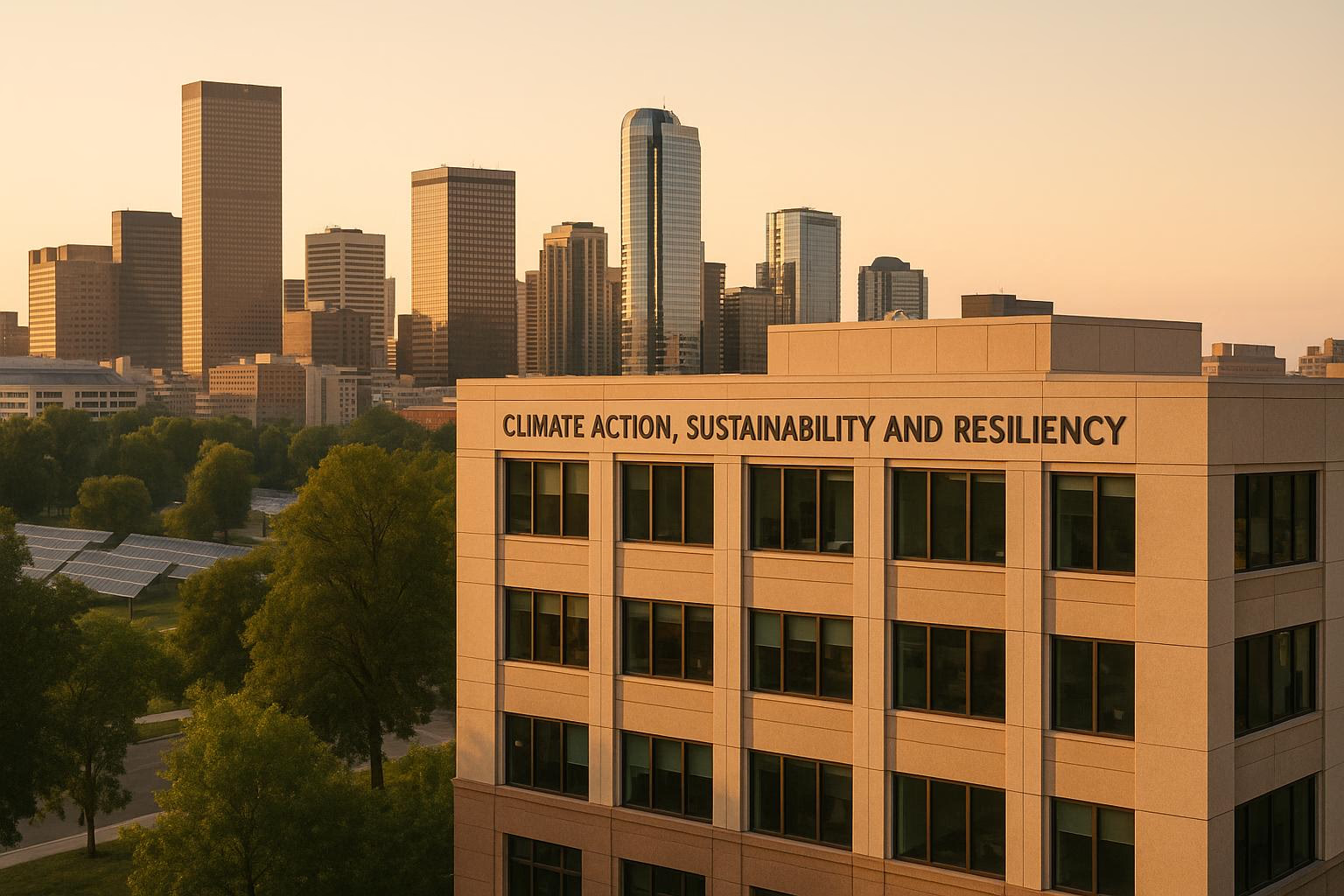
The City of Denver’s Climate Action, Sustainability and Resiliency (CASR) office is grappling with the effects of citywide budget cuts, which have resulted in staffing reductions across multiple departments. The CASR office specifically has been hit with five layoffs and the elimination of 22 vacant positions.
A spokesperson for the office stated that, for now, there are no changes to major programs or policies. However, planning is underway for the 2026 budget, which could provide a clearer roadmap for how the department will move forward in the wake of these cuts.
The layoffs come as Denver attempts to address a significant $200 million budget shortfall for the coming year. In total, across all city departments, 169 employees have been laid off, and 666 vacant positions have been eliminated. The impact has been felt not only in the CASR office but also in departments such as community planning and development, Denver Department of Public Health and Environment, and transportation and infrastructure.
The CASR office had been bolstered by a 2020 voter-approved sales tax increase, which allocated $40 million for climate initiatives, including the work of this department. Despite the recent staff reductions, the office continues to prioritize its ongoing efforts in climate action and sustainability.
The full extent of the layoffs was detailed through an open records request by Denver7, which revealed the scope of the staffing changes across the city. While the CASR office works to adjust to the new constraints, the broader impact of these cuts on Denver’s sustainability goals remains to be seen.
Latest Articles
©2026

Narrative Change and Power Building: The Missing Half of Advocacy
Narrative change is the process of disrupting dominant narratives that normalize inequity and advancing new narratives from historically marginalized communities.

Funding Resilience Without Federal Grants
BRIC is unreliable and FEMA is shrinking. Here's how cities fund climate resilience with dedicated revenue, blended finance, and a coordinating authority.

The ESG Blind Spot: How AI Is Finding Risks in Companies Nobody Else Is Watching
Norway's sovereign wealth fund uses AI to screen 7,200 portfolio companies for forced labor and corruption within 24 hours. The real story is the emerging-market coverage gap that traditional ESG data vendors miss — and what it means for any company with a global supply chain.
Narrative Change and Power Building: The Missing Half of Advocacy
Narrative change is the process of disrupting dominant narratives that normalize inequity and advancing new narratives from historically marginalized communities.
Funding Resilience Without Federal Grants
BRIC is unreliable and FEMA is shrinking. Here's how cities fund climate resilience with dedicated revenue, blended finance, and a coordinating authority.
The ESG Blind Spot: How AI Is Finding Risks in Companies Nobody Else Is Watching
Norway's sovereign wealth fund uses AI to screen 7,200 portfolio companies for forced labor and corruption within 24 hours. The real story is the emerging-market coverage gap that traditional ESG data vendors miss — and what it means for any company with a global supply chain.
FAQ
01
What does it really mean to “redefine profit”?
02
What makes Council Fire different?
03
Who does Council Fire work with?
04
What does working with Council Fire actually look like?
05
How does Council Fire help organizations turn big goals into action?
06
How does Council Fire define and measure success?
07
How does technology fit into Council Fire’s work?
Sep 20, 2025
Denver Layoffs Impact City’s Climate and Sustainability Office
In This Article
Denver's Climate Action, Sustainability and Resiliency (CASR) office is impacted by citywide layoffs, with 5 positions eliminated and 22 vacancies cut.
Denver Layoffs Impact City’s Climate and Sustainability Office
The City of Denver’s Climate Action, Sustainability and Resiliency (CASR) office is grappling with the effects of citywide budget cuts, which have resulted in staffing reductions across multiple departments. The CASR office specifically has been hit with five layoffs and the elimination of 22 vacant positions.
A spokesperson for the office stated that, for now, there are no changes to major programs or policies. However, planning is underway for the 2026 budget, which could provide a clearer roadmap for how the department will move forward in the wake of these cuts.
The layoffs come as Denver attempts to address a significant $200 million budget shortfall for the coming year. In total, across all city departments, 169 employees have been laid off, and 666 vacant positions have been eliminated. The impact has been felt not only in the CASR office but also in departments such as community planning and development, Denver Department of Public Health and Environment, and transportation and infrastructure.
The CASR office had been bolstered by a 2020 voter-approved sales tax increase, which allocated $40 million for climate initiatives, including the work of this department. Despite the recent staff reductions, the office continues to prioritize its ongoing efforts in climate action and sustainability.
The full extent of the layoffs was detailed through an open records request by Denver7, which revealed the scope of the staffing changes across the city. While the CASR office works to adjust to the new constraints, the broader impact of these cuts on Denver’s sustainability goals remains to be seen.
Latest Articles
©2026
Narrative Change and Power Building: The Missing Half of Advocacy
Narrative change is the process of disrupting dominant narratives that normalize inequity and advancing new narratives from historically marginalized communities.
Funding Resilience Without Federal Grants
BRIC is unreliable and FEMA is shrinking. Here's how cities fund climate resilience with dedicated revenue, blended finance, and a coordinating authority.
The ESG Blind Spot: How AI Is Finding Risks in Companies Nobody Else Is Watching
Norway's sovereign wealth fund uses AI to screen 7,200 portfolio companies for forced labor and corruption within 24 hours. The real story is the emerging-market coverage gap that traditional ESG data vendors miss — and what it means for any company with a global supply chain.
FAQ
01
What does it really mean to “redefine profit”?
02
What makes Council Fire different?
03
Who does Council Fire work with?
04
What does working with Council Fire actually look like?
05
How does Council Fire help organizations turn big goals into action?
06
How does Council Fire define and measure success?
07
How does technology fit into Council Fire’s work?
Sep 20, 2025
Denver Layoffs Impact City’s Climate and Sustainability Office
In This Article
Denver's Climate Action, Sustainability and Resiliency (CASR) office is impacted by citywide layoffs, with 5 positions eliminated and 22 vacancies cut.
Denver Layoffs Impact City’s Climate and Sustainability Office
The City of Denver’s Climate Action, Sustainability and Resiliency (CASR) office is grappling with the effects of citywide budget cuts, which have resulted in staffing reductions across multiple departments. The CASR office specifically has been hit with five layoffs and the elimination of 22 vacant positions.
A spokesperson for the office stated that, for now, there are no changes to major programs or policies. However, planning is underway for the 2026 budget, which could provide a clearer roadmap for how the department will move forward in the wake of these cuts.
The layoffs come as Denver attempts to address a significant $200 million budget shortfall for the coming year. In total, across all city departments, 169 employees have been laid off, and 666 vacant positions have been eliminated. The impact has been felt not only in the CASR office but also in departments such as community planning and development, Denver Department of Public Health and Environment, and transportation and infrastructure.
The CASR office had been bolstered by a 2020 voter-approved sales tax increase, which allocated $40 million for climate initiatives, including the work of this department. Despite the recent staff reductions, the office continues to prioritize its ongoing efforts in climate action and sustainability.
The full extent of the layoffs was detailed through an open records request by Denver7, which revealed the scope of the staffing changes across the city. While the CASR office works to adjust to the new constraints, the broader impact of these cuts on Denver’s sustainability goals remains to be seen.
Latest Articles
©2026
Narrative Change and Power Building: The Missing Half of Advocacy
Narrative change is the process of disrupting dominant narratives that normalize inequity and advancing new narratives from historically marginalized communities.
Funding Resilience Without Federal Grants
BRIC is unreliable and FEMA is shrinking. Here's how cities fund climate resilience with dedicated revenue, blended finance, and a coordinating authority.
The ESG Blind Spot: How AI Is Finding Risks in Companies Nobody Else Is Watching
Norway's sovereign wealth fund uses AI to screen 7,200 portfolio companies for forced labor and corruption within 24 hours. The real story is the emerging-market coverage gap that traditional ESG data vendors miss — and what it means for any company with a global supply chain.
FAQ
What does it really mean to “redefine profit”?
What makes Council Fire different?
Who does Council Fire work with?
What does working with Council Fire actually look like?
How does Council Fire help organizations turn big goals into action?
How does Council Fire define and measure success?
How does technology fit into Council Fire’s work?