
Oct 21, 2025
Case Studies: Employee-Led Sustainability Success Stories
Sustainability Strategy
In This Article
Explore how employee-led sustainability initiatives drive positive environmental impact and enhance workplace morale, retention, and recruitment.
Case Studies: Employee-Led Sustainability Success Stories
Employee-led sustainability programs are transforming how companies address environmental and social challenges. By empowering employees to take the lead, organizations see improved morale, higher retention, and measurable impact. For example, Google's Green Teams have cut office energy use, while Unilever achieved zero waste across 240 factories. These initiatives also attract top talent, with 71% of job seekers considering a company’s environmental practices during their job search.
Key takeaways include:
Employee empowerment: Programs like Green Teams give workers ownership of sustainability efforts, sparking creativity and accountability.
Leadership support: Visible commitment ensures alignment with company goals and boosts participation.
Structured programs: Training, events, and clear frameworks turn interest into action.
Recognition and rewards: Highlighting contributions, offering incentives, and linking efforts to career growth sustain engagement.
Companies like Briggs & Stratton, SUEZ, and Quarry showcase how these efforts lead to both environmental progress and business advantages. External consultancies, such as Council Fire, help organizations design and measure effective programs, ensuring long-term success. By prioritizing employee-driven initiatives, businesses can align sustainability with their core strategies and goals.
Engaging Employees to Drive Sustainability Forward
Key Factors for Successful Employee Engagement
Encouraging employees to actively participate in sustainability efforts requires a thoughtful approach. Three essential elements help turn individual enthusiasm into collective action: strong leadership, structured programs, and meaningful recognition. Together, these create an environment where employees feel empowered, supported, and motivated to make a difference.
Leadership and Company Support
The role of leadership cannot be overstated when it comes to building successful employee-led sustainability programs. Visible commitment from leaders lays the groundwork, signaling that sustainability is a priority for the company. When executives actively participate and prioritize environmental goals, employees gain confidence that their efforts are valued.
Leadership responsiveness also drives measurable outcomes. For instance, 59% of business leaders have increased their sustainability efforts due to employee activism, with 24% describing the impact as "significant" [4]. This demonstrates that when leaders listen and act on employee feedback, it creates a positive cycle of engagement and results.
However, many organizations face communication challenges. Nearly half of employees (45%) report they have never discussed sustainability practices with their managers [4]. Bridging this gap is crucial. Regular conversations about sustainability goals help employees feel connected to the company’s mission and more comfortable proposing new ideas.
Leadership support must go beyond words. Companies that allocate budgets for employee-led projects, provide time during work hours for sustainability activities, and integrate environmental goals into performance reviews send a clear message: sustainability is a core business priority. This kind of backing sets the stage for creating structured programs that empower employees to take action.
Programs and Resources for Employee Participation
Providing employees with structured ways to get involved is key to turning interest into action. Well-designed programs offer clear guidelines while leaving room for creativity and local adaptation.
One effective model is the use of Green Teams - employee-led groups focused on sustainability initiatives. Companies like Google have shown how these teams can successfully drive energy-saving measures and advocate for policies that align with environmental goals. By balancing executive support with employee autonomy, Green Teams give employees ownership over their projects.
Dedicated sustainability events also play a critical role. Annual sustainability weeks, awareness campaigns, and similar events create opportunities for learning and engagement. Companies that host these events often see increased participation and long-term environmental improvements [3].
Training is another vital component. Half of surveyed leaders report they are already investing in sustainability training programs, with an additional 41% planning to do so within two years [4]. These efforts build knowledge and skills, enabling employees to identify opportunities and implement solutions more effectively.
In addition to formal programs, many organizations rely on Employee Resource Groups (ERGs) focused on environmental and social issues. These groups foster collaboration, idea-sharing, and mentorship across departments, creating a community where employees can grow their expertise and support one another. By combining training, events, and ERGs, companies create a robust framework for employee participation.
Recognition and Rewards
To keep employees engaged over time, recognition and rewards are essential. Public acknowledgment of contributions and tangible incentives help foster a sense of pride and ownership, encouraging continued participation.
Recognition can take many forms. Some organizations spotlight sustainability champions in newsletters or during company-wide meetings, while others create awards for innovative environmental projects or community impact efforts. The key is to ensure that recognition is visible and tied to the company’s broader values.
Linking sustainability efforts to career growth is another powerful motivator. When employees see opportunities to take on leadership roles, present at industry events, or join external sustainability networks, their engagement becomes self-sustaining. For example, leading a Green Team or contributing to a high-profile sustainability project can enhance an employee’s professional development.
Recognition programs also have a broader business impact. Companies with strong recognition practices often experience higher retention rates and attract top talent more effectively. This is especially important given that 71% of job seekers consider a company’s environmental track record when evaluating potential employers [5]. Highlighting employee contributions to sustainability can serve as a powerful recruiting tool.
While financial incentives aren’t always necessary, they can amplify engagement when used strategically. Some companies offer small bonuses for implemented sustainability ideas, while others provide funding for employee-led community projects. The key is to ensure that rewards feel genuine and align with the company’s overall sustainability goals.
Case Studies of Employee-Led Sustainability Success
These examples show how employee-driven sustainability initiatives can generate tangible environmental and business benefits. With proper support and resources, employees can lead impactful environmental efforts that align with corporate goals.
Unilever's Small Actions, Big Difference Fund
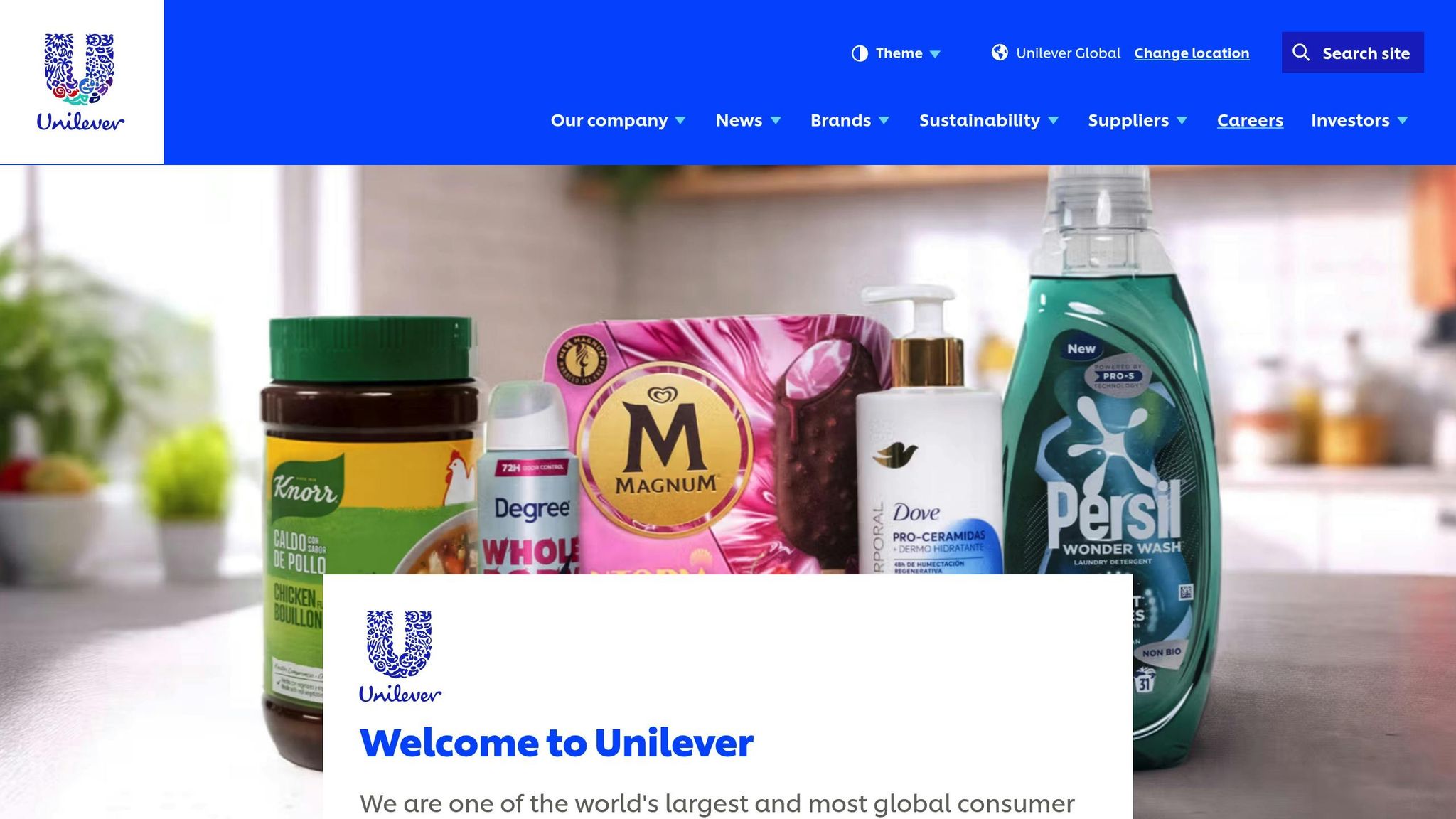
Unilever took a bold step in sustainability by launching the Small Actions, Big Difference Fund, a program that empowers employees worldwide to propose and implement environmental projects [1][6]. This initiative has led to remarkable achievements, including achieving zero waste to landfill in 240 factories across 67 countries [6]. Projects like LED lighting installations, optimized packaging designs, and water conservation measures have collectively reduced energy consumption by up to 20% [1].
By allowing local teams to craft solutions tailored to their specific challenges, Unilever not only aligned individual efforts with corporate sustainability goals but also reaped financial benefits that exceeded the program's costs [1].
Green Teams and Benchmarking at Quarry

Quarry adopted a team-based approach by forming internal Green Teams tasked with improving energy efficiency, conserving water, and reducing waste [3]. These teams worked collaboratively across departments, using benchmarking to measure and compare progress. The result? A noticeable reduction in resource consumption and waste, coupled with a boost in employee morale and teamwork [3].
By giving employees ownership of sustainability metrics and fostering transparent tracking, Quarry cultivated a workplace culture where environmental responsibility became a shared priority.
SUEZ Recycling and Recovery's Employee-Focused Approach
SUEZ Recycling and Recovery integrated sustainability into every aspect of its employee experience, from onboarding to daily tasks [2][5]. This comprehensive approach not only improved employee retention but also enhanced the company’s waste management processes [2][5]. Training programs equipped employees across departments to identify and act on sustainability opportunities, ensuring everyone played a role in achieving environmental goals.
These case studies highlight a few key takeaways: giving employees the autonomy and tools to lead sustainability efforts, leveraging data to track and share progress, and connecting individual contributions to broader corporate objectives. When employees are empowered and supported, the results can benefit both the environment and the bottom line.
Comparing Methods for Employee Engagement
Organizations often rely on three primary strategies to involve employees in sustainability efforts: idea platforms, Green Teams, and structured governance frameworks. Each method offers unique benefits and challenges, making them suitable for different organizational needs and contexts. By examining these approaches, we can better understand how they support employee-driven sustainability.
Comparison of Engagement Methods
The success of these methods depends on factors like organizational structure, available resources, and how employees prefer to engage. Idea platforms provide spaces - either digital or physical - where employees can propose and vote on sustainability initiatives. Green Teams bring together cross-functional groups to collaborate on environmental projects. Meanwhile, structured governance frameworks establish formal systems with defined roles, policies, and reporting mechanisms to guide sustainability efforts.
Employee participation tends to thrive when methods offer autonomy and visible results. For example, idea platforms and Green Teams often see high engagement because employees can witness the direct impact of their contributions. On the other hand, structured governance frameworks may initially face lower participation but can build momentum through clear communication, formal incentives, and visible progress.
| Method | Employee Buy-In | Scalability | Impact | Strengths | Challenges |
| --- | --- | --- | --- | --- | --- |
| <strong>Idea Platforms</strong> | High | High | Encourages innovation | Transparent, inclusive process | Risk of idea overload; follow-up needed |
| <strong>Green Teams</strong> | High | Moderate | Drives operational change | Fosters teamwork, grassroots innovation | Limited reach; potential for volunteer burnout |
| <strong>Governance Frameworks</strong> | Moderate | High | Ensures measurable outcomes | Consistency, accountability, strategic focus | Can feel bureaucratic; risk of disengagement
| Method | Employee Buy-In | Scalability | Impact | Strengths | Challenges |
| --- | --- | --- | --- | --- | --- |
| <strong>Idea Platforms</strong> | High | High | Encourages innovation | Transparent, inclusive process | Risk of idea overload; follow-up needed |
| <strong>Green Teams</strong> | High | Moderate | Drives operational change | Fosters teamwork, grassroots innovation | Limited reach; potential for volunteer burnout |
| <strong>Governance Frameworks</strong> | Moderate | High | Ensures measurable outcomes | Consistency, accountability, strategic focus | Can feel bureaucratic; risk of disengagement
Scalability and Industry Context
Scalability varies significantly among these methods. Idea platforms are particularly effective in large organizations, as they can leverage digital tools to engage employees across locations. For instance, a tech company with 10,000 employees can easily implement a global suggestion platform, while a manufacturing firm might struggle to involve shift workers who have limited computer access.
Green Teams perform well in both small and large organizations but require adjustments for global operations. Take Google, for example: its Green Teams have spearheaded energy efficiency improvements and policy changes across numerous locations. However, coordinating efforts across time zones and diverse cultural contexts can sometimes reduce efficiency.
Structured governance frameworks scale best in organizations with established hierarchies and resources to support formal programs. These systems are especially effective in industries where compliance and documentation are already core priorities, such as regulated sectors.
The industry itself also plays a role in determining which method works best. Manufacturing firms often favor Green Teams, as employees can identify operational inefficiencies firsthand. For example, a worker might notice that a machine operates inefficiently during specific hours, leading to scheduling changes that cut energy use by 15%. Meanwhile, idea platforms are often used to tap into workforce creativity, generating solutions like automated systems for energy optimization.
Leadership and Recognition
Leadership support is crucial across all methods, though it takes different forms. Idea platforms and Green Teams benefit from visible executive endorsement, which boosts credibility and participation. Governance frameworks, on the other hand, require sustained leadership commitment to ensure alignment with broader business objectives and maintain momentum.
Recognition and rewards also play a pivotal role in driving engagement. Companies often use awards, public acknowledgment, financial incentives, or career advancement opportunities to encourage participation. These rewards create a positive feedback loop, reinforcing a culture of sustainability and motivating employees to stay involved.
Combining Methods for Maximum Impact
Rather than relying on a single approach, many organizations find success by combining methods. For instance, a company might use Green Teams for hands-on projects, an idea platform to gather diverse input, and a governance framework to ensure accountability and measure results. This blended approach leverages the strengths of each method while addressing their individual limitations.
Challenges like limited resources, resistance to change, and difficulties in measuring impact are common across all methods. To overcome these, organizations often pilot multiple approaches, gather feedback, and adapt their strategies. Ultimately, the key is to align the engagement method with the organization's culture, employee preferences, and available resources - there’s no one-size-fits-all solution.
Conclusion and Key Takeaways
When employees are empowered to lead sustainability efforts, the results often surpass traditional top-down approaches. Case studies highlight that strong support, clear structures, and meaningful recognition are the cornerstones of successful employee-led sustainability programs. These initiatives not only drive lasting change but also bridge the gap between employee expectations and company actions. For instance, while 69% of employees express a desire for their companies to invest in sustainability, only 38% feel their employers are doing enough to address climate challenges [4].
Organizations that prioritize these programs see tangible benefits, including increased employee engagement, cost savings, and improved brand reputation. These outcomes provide valuable lessons for companies looking to integrate sustainability into their core strategies.
Key Lessons for Organizations
Leadership commitment is non-negotiable. When executives actively participate and allocate resources, it sends a clear signal that sustainability is a strategic priority. This commitment inspires employees and creates a ripple effect across the organization. In fact, 59% of business leaders report that employee activism has directly influenced their sustainability efforts [4].
Structured programs create a roadmap for action. Successful organizations establish clear pathways for employee involvement, such as Green Teams, sustainability-focused events, and targeted training. For example, Briggs & Stratton has hosted annual Employee Sustainability Weeks since 2009, consistently engaging employees and raising awareness [3]. These frameworks ensure employees are equipped with the tools and knowledge to make meaningful contributions.
Recognition fuels ongoing participation. Acknowledging employee contributions - whether through awards, public recognition, or tangible incentives - encourages sustained engagement. This approach helps embed sustainability into the company’s culture, turning it into a shared value rather than a mere obligation. For instance, every dollar saved in healthcare costs through sustainability efforts translates to a $2.30 boost in productivity and performance [5].
Effective communication keeps the momentum alive. Regular updates, feedback channels, and transparent reporting ensure that sustainability remains a priority. Open dialogue about goals and progress not only increases participation but also fosters innovation and adaptability.
While these internal strategies are essential, organizations often benefit from external expertise to scale and refine their efforts.
How Consultancies Help Drive Success
Specialized consultancies play a critical role in helping organizations design and implement impactful employee-led sustainability programs.
Council Fire stands out as a key partner in this space. Their approach integrates financial goals with environmental and social outcomes, ensuring that employee-driven initiatives align with broader business objectives. By fostering collaboration among stakeholders and crafting targeted communication strategies, they help organizations build the structured frameworks necessary for success.
Council Fire’s expertise spans areas such as sustainable business practices, natural resource management, and community-focused sustainability. Their support goes beyond initial program design, offering ongoing assistance in measurement, communication, and continuous improvement. This comprehensive approach helps organizations transition from basic engagement efforts to fully integrated, measurable sustainability programs that drive long-term impact.
FAQs
How can companies encourage employees to take the lead on sustainability efforts while ensuring these align with business objectives?
Companies can inspire employees to take the lead on sustainability by nurturing a collaborative environment and offering clear direction on how these initiatives tie into broader business goals. This might involve providing targeted training, establishing measurable goals, and celebrating employee achievements in advancing sustainability.
When businesses align financial performance with positive environmental and social outcomes, they can design programs that resonate deeply and deliver real results. To make these efforts successful, strategic backing and open communication play a crucial role in boosting employee involvement and ensuring lasting impact.
What are the benefits of employee-led sustainability programs, and how do they influence employee retention and recruitment?
Employee-led sustainability programs bring a host of advantages to businesses by weaving sustainable practices into everyday operations. These initiatives not only support environmental, social, and economic goals but also contribute to a company’s ability to innovate, adapt, and achieve long-term success. By aligning business strategies with sustainability, companies can gain a competitive edge in the marketplace.
Beyond business outcomes, these programs foster a deeper sense of purpose and connection among employees. A workplace that prioritizes sustainability often becomes more appealing to top talent, as individuals are drawn to organizations that reflect their personal values. This alignment can significantly boost employee retention and recruitment, creating a workforce that is both motivated and loyal.
How do leadership and structured programs contribute to the success of employee-led sustainability efforts, and what strategies can help address challenges like communication gaps?
Strong leadership paired with well-planned programs plays a key role in enabling employees to champion sustainability efforts. Leaders influence the organization’s direction by tying sustainability goals to its core mission, setting specific objectives, and nurturing a workplace culture that values teamwork and fresh ideas. Meanwhile, structured programs offer the necessary tools and guidance to help employees make a real impact.
To tackle obstacles like communication barriers, organizations can break down complex sustainability topics into straightforward, relatable messages. Sharing impactful stories and fostering open, transparent communication helps build trust and inspires employees to take action. With these approaches, businesses can transform sustainability into a collective achievement.
Related Blog Posts
Latest Articles
©2025



FAQ
01
What does it really mean to “redefine profit”?
02
What makes Council Fire different?
03
Who does Council Fire you work with?
04
What does working with Council Fire actually look like?
05
How does Council Fire help organizations turn big goals into action?
06
How does Council Fire define and measure success?
Oct 21, 2025
Case Studies: Employee-Led Sustainability Success Stories
Sustainability Strategy
In This Article
Explore how employee-led sustainability initiatives drive positive environmental impact and enhance workplace morale, retention, and recruitment.
Case Studies: Employee-Led Sustainability Success Stories
Employee-led sustainability programs are transforming how companies address environmental and social challenges. By empowering employees to take the lead, organizations see improved morale, higher retention, and measurable impact. For example, Google's Green Teams have cut office energy use, while Unilever achieved zero waste across 240 factories. These initiatives also attract top talent, with 71% of job seekers considering a company’s environmental practices during their job search.
Key takeaways include:
Employee empowerment: Programs like Green Teams give workers ownership of sustainability efforts, sparking creativity and accountability.
Leadership support: Visible commitment ensures alignment with company goals and boosts participation.
Structured programs: Training, events, and clear frameworks turn interest into action.
Recognition and rewards: Highlighting contributions, offering incentives, and linking efforts to career growth sustain engagement.
Companies like Briggs & Stratton, SUEZ, and Quarry showcase how these efforts lead to both environmental progress and business advantages. External consultancies, such as Council Fire, help organizations design and measure effective programs, ensuring long-term success. By prioritizing employee-driven initiatives, businesses can align sustainability with their core strategies and goals.
Engaging Employees to Drive Sustainability Forward
Key Factors for Successful Employee Engagement
Encouraging employees to actively participate in sustainability efforts requires a thoughtful approach. Three essential elements help turn individual enthusiasm into collective action: strong leadership, structured programs, and meaningful recognition. Together, these create an environment where employees feel empowered, supported, and motivated to make a difference.
Leadership and Company Support
The role of leadership cannot be overstated when it comes to building successful employee-led sustainability programs. Visible commitment from leaders lays the groundwork, signaling that sustainability is a priority for the company. When executives actively participate and prioritize environmental goals, employees gain confidence that their efforts are valued.
Leadership responsiveness also drives measurable outcomes. For instance, 59% of business leaders have increased their sustainability efforts due to employee activism, with 24% describing the impact as "significant" [4]. This demonstrates that when leaders listen and act on employee feedback, it creates a positive cycle of engagement and results.
However, many organizations face communication challenges. Nearly half of employees (45%) report they have never discussed sustainability practices with their managers [4]. Bridging this gap is crucial. Regular conversations about sustainability goals help employees feel connected to the company’s mission and more comfortable proposing new ideas.
Leadership support must go beyond words. Companies that allocate budgets for employee-led projects, provide time during work hours for sustainability activities, and integrate environmental goals into performance reviews send a clear message: sustainability is a core business priority. This kind of backing sets the stage for creating structured programs that empower employees to take action.
Programs and Resources for Employee Participation
Providing employees with structured ways to get involved is key to turning interest into action. Well-designed programs offer clear guidelines while leaving room for creativity and local adaptation.
One effective model is the use of Green Teams - employee-led groups focused on sustainability initiatives. Companies like Google have shown how these teams can successfully drive energy-saving measures and advocate for policies that align with environmental goals. By balancing executive support with employee autonomy, Green Teams give employees ownership over their projects.
Dedicated sustainability events also play a critical role. Annual sustainability weeks, awareness campaigns, and similar events create opportunities for learning and engagement. Companies that host these events often see increased participation and long-term environmental improvements [3].
Training is another vital component. Half of surveyed leaders report they are already investing in sustainability training programs, with an additional 41% planning to do so within two years [4]. These efforts build knowledge and skills, enabling employees to identify opportunities and implement solutions more effectively.
In addition to formal programs, many organizations rely on Employee Resource Groups (ERGs) focused on environmental and social issues. These groups foster collaboration, idea-sharing, and mentorship across departments, creating a community where employees can grow their expertise and support one another. By combining training, events, and ERGs, companies create a robust framework for employee participation.
Recognition and Rewards
To keep employees engaged over time, recognition and rewards are essential. Public acknowledgment of contributions and tangible incentives help foster a sense of pride and ownership, encouraging continued participation.
Recognition can take many forms. Some organizations spotlight sustainability champions in newsletters or during company-wide meetings, while others create awards for innovative environmental projects or community impact efforts. The key is to ensure that recognition is visible and tied to the company’s broader values.
Linking sustainability efforts to career growth is another powerful motivator. When employees see opportunities to take on leadership roles, present at industry events, or join external sustainability networks, their engagement becomes self-sustaining. For example, leading a Green Team or contributing to a high-profile sustainability project can enhance an employee’s professional development.
Recognition programs also have a broader business impact. Companies with strong recognition practices often experience higher retention rates and attract top talent more effectively. This is especially important given that 71% of job seekers consider a company’s environmental track record when evaluating potential employers [5]. Highlighting employee contributions to sustainability can serve as a powerful recruiting tool.
While financial incentives aren’t always necessary, they can amplify engagement when used strategically. Some companies offer small bonuses for implemented sustainability ideas, while others provide funding for employee-led community projects. The key is to ensure that rewards feel genuine and align with the company’s overall sustainability goals.
Case Studies of Employee-Led Sustainability Success
These examples show how employee-driven sustainability initiatives can generate tangible environmental and business benefits. With proper support and resources, employees can lead impactful environmental efforts that align with corporate goals.
Unilever's Small Actions, Big Difference Fund
Unilever took a bold step in sustainability by launching the Small Actions, Big Difference Fund, a program that empowers employees worldwide to propose and implement environmental projects [1][6]. This initiative has led to remarkable achievements, including achieving zero waste to landfill in 240 factories across 67 countries [6]. Projects like LED lighting installations, optimized packaging designs, and water conservation measures have collectively reduced energy consumption by up to 20% [1].
By allowing local teams to craft solutions tailored to their specific challenges, Unilever not only aligned individual efforts with corporate sustainability goals but also reaped financial benefits that exceeded the program's costs [1].
Green Teams and Benchmarking at Quarry
Quarry adopted a team-based approach by forming internal Green Teams tasked with improving energy efficiency, conserving water, and reducing waste [3]. These teams worked collaboratively across departments, using benchmarking to measure and compare progress. The result? A noticeable reduction in resource consumption and waste, coupled with a boost in employee morale and teamwork [3].
By giving employees ownership of sustainability metrics and fostering transparent tracking, Quarry cultivated a workplace culture where environmental responsibility became a shared priority.
SUEZ Recycling and Recovery's Employee-Focused Approach
SUEZ Recycling and Recovery integrated sustainability into every aspect of its employee experience, from onboarding to daily tasks [2][5]. This comprehensive approach not only improved employee retention but also enhanced the company’s waste management processes [2][5]. Training programs equipped employees across departments to identify and act on sustainability opportunities, ensuring everyone played a role in achieving environmental goals.
These case studies highlight a few key takeaways: giving employees the autonomy and tools to lead sustainability efforts, leveraging data to track and share progress, and connecting individual contributions to broader corporate objectives. When employees are empowered and supported, the results can benefit both the environment and the bottom line.
Comparing Methods for Employee Engagement
Organizations often rely on three primary strategies to involve employees in sustainability efforts: idea platforms, Green Teams, and structured governance frameworks. Each method offers unique benefits and challenges, making them suitable for different organizational needs and contexts. By examining these approaches, we can better understand how they support employee-driven sustainability.
Comparison of Engagement Methods
The success of these methods depends on factors like organizational structure, available resources, and how employees prefer to engage. Idea platforms provide spaces - either digital or physical - where employees can propose and vote on sustainability initiatives. Green Teams bring together cross-functional groups to collaborate on environmental projects. Meanwhile, structured governance frameworks establish formal systems with defined roles, policies, and reporting mechanisms to guide sustainability efforts.
Employee participation tends to thrive when methods offer autonomy and visible results. For example, idea platforms and Green Teams often see high engagement because employees can witness the direct impact of their contributions. On the other hand, structured governance frameworks may initially face lower participation but can build momentum through clear communication, formal incentives, and visible progress.
| Method | Employee Buy-In | Scalability | Impact | Strengths | Challenges |
| --- | --- | --- | --- | --- | --- |
| <strong>Idea Platforms</strong> | High | High | Encourages innovation | Transparent, inclusive process | Risk of idea overload; follow-up needed |
| <strong>Green Teams</strong> | High | Moderate | Drives operational change | Fosters teamwork, grassroots innovation | Limited reach; potential for volunteer burnout |
| <strong>Governance Frameworks</strong> | Moderate | High | Ensures measurable outcomes | Consistency, accountability, strategic focus | Can feel bureaucratic; risk of disengagement
Scalability and Industry Context
Scalability varies significantly among these methods. Idea platforms are particularly effective in large organizations, as they can leverage digital tools to engage employees across locations. For instance, a tech company with 10,000 employees can easily implement a global suggestion platform, while a manufacturing firm might struggle to involve shift workers who have limited computer access.
Green Teams perform well in both small and large organizations but require adjustments for global operations. Take Google, for example: its Green Teams have spearheaded energy efficiency improvements and policy changes across numerous locations. However, coordinating efforts across time zones and diverse cultural contexts can sometimes reduce efficiency.
Structured governance frameworks scale best in organizations with established hierarchies and resources to support formal programs. These systems are especially effective in industries where compliance and documentation are already core priorities, such as regulated sectors.
The industry itself also plays a role in determining which method works best. Manufacturing firms often favor Green Teams, as employees can identify operational inefficiencies firsthand. For example, a worker might notice that a machine operates inefficiently during specific hours, leading to scheduling changes that cut energy use by 15%. Meanwhile, idea platforms are often used to tap into workforce creativity, generating solutions like automated systems for energy optimization.
Leadership and Recognition
Leadership support is crucial across all methods, though it takes different forms. Idea platforms and Green Teams benefit from visible executive endorsement, which boosts credibility and participation. Governance frameworks, on the other hand, require sustained leadership commitment to ensure alignment with broader business objectives and maintain momentum.
Recognition and rewards also play a pivotal role in driving engagement. Companies often use awards, public acknowledgment, financial incentives, or career advancement opportunities to encourage participation. These rewards create a positive feedback loop, reinforcing a culture of sustainability and motivating employees to stay involved.
Combining Methods for Maximum Impact
Rather than relying on a single approach, many organizations find success by combining methods. For instance, a company might use Green Teams for hands-on projects, an idea platform to gather diverse input, and a governance framework to ensure accountability and measure results. This blended approach leverages the strengths of each method while addressing their individual limitations.
Challenges like limited resources, resistance to change, and difficulties in measuring impact are common across all methods. To overcome these, organizations often pilot multiple approaches, gather feedback, and adapt their strategies. Ultimately, the key is to align the engagement method with the organization's culture, employee preferences, and available resources - there’s no one-size-fits-all solution.
Conclusion and Key Takeaways
When employees are empowered to lead sustainability efforts, the results often surpass traditional top-down approaches. Case studies highlight that strong support, clear structures, and meaningful recognition are the cornerstones of successful employee-led sustainability programs. These initiatives not only drive lasting change but also bridge the gap between employee expectations and company actions. For instance, while 69% of employees express a desire for their companies to invest in sustainability, only 38% feel their employers are doing enough to address climate challenges [4].
Organizations that prioritize these programs see tangible benefits, including increased employee engagement, cost savings, and improved brand reputation. These outcomes provide valuable lessons for companies looking to integrate sustainability into their core strategies.
Key Lessons for Organizations
Leadership commitment is non-negotiable. When executives actively participate and allocate resources, it sends a clear signal that sustainability is a strategic priority. This commitment inspires employees and creates a ripple effect across the organization. In fact, 59% of business leaders report that employee activism has directly influenced their sustainability efforts [4].
Structured programs create a roadmap for action. Successful organizations establish clear pathways for employee involvement, such as Green Teams, sustainability-focused events, and targeted training. For example, Briggs & Stratton has hosted annual Employee Sustainability Weeks since 2009, consistently engaging employees and raising awareness [3]. These frameworks ensure employees are equipped with the tools and knowledge to make meaningful contributions.
Recognition fuels ongoing participation. Acknowledging employee contributions - whether through awards, public recognition, or tangible incentives - encourages sustained engagement. This approach helps embed sustainability into the company’s culture, turning it into a shared value rather than a mere obligation. For instance, every dollar saved in healthcare costs through sustainability efforts translates to a $2.30 boost in productivity and performance [5].
Effective communication keeps the momentum alive. Regular updates, feedback channels, and transparent reporting ensure that sustainability remains a priority. Open dialogue about goals and progress not only increases participation but also fosters innovation and adaptability.
While these internal strategies are essential, organizations often benefit from external expertise to scale and refine their efforts.
How Consultancies Help Drive Success
Specialized consultancies play a critical role in helping organizations design and implement impactful employee-led sustainability programs.
Council Fire stands out as a key partner in this space. Their approach integrates financial goals with environmental and social outcomes, ensuring that employee-driven initiatives align with broader business objectives. By fostering collaboration among stakeholders and crafting targeted communication strategies, they help organizations build the structured frameworks necessary for success.
Council Fire’s expertise spans areas such as sustainable business practices, natural resource management, and community-focused sustainability. Their support goes beyond initial program design, offering ongoing assistance in measurement, communication, and continuous improvement. This comprehensive approach helps organizations transition from basic engagement efforts to fully integrated, measurable sustainability programs that drive long-term impact.
FAQs
How can companies encourage employees to take the lead on sustainability efforts while ensuring these align with business objectives?
Companies can inspire employees to take the lead on sustainability by nurturing a collaborative environment and offering clear direction on how these initiatives tie into broader business goals. This might involve providing targeted training, establishing measurable goals, and celebrating employee achievements in advancing sustainability.
When businesses align financial performance with positive environmental and social outcomes, they can design programs that resonate deeply and deliver real results. To make these efforts successful, strategic backing and open communication play a crucial role in boosting employee involvement and ensuring lasting impact.
What are the benefits of employee-led sustainability programs, and how do they influence employee retention and recruitment?
Employee-led sustainability programs bring a host of advantages to businesses by weaving sustainable practices into everyday operations. These initiatives not only support environmental, social, and economic goals but also contribute to a company’s ability to innovate, adapt, and achieve long-term success. By aligning business strategies with sustainability, companies can gain a competitive edge in the marketplace.
Beyond business outcomes, these programs foster a deeper sense of purpose and connection among employees. A workplace that prioritizes sustainability often becomes more appealing to top talent, as individuals are drawn to organizations that reflect their personal values. This alignment can significantly boost employee retention and recruitment, creating a workforce that is both motivated and loyal.
How do leadership and structured programs contribute to the success of employee-led sustainability efforts, and what strategies can help address challenges like communication gaps?
Strong leadership paired with well-planned programs plays a key role in enabling employees to champion sustainability efforts. Leaders influence the organization’s direction by tying sustainability goals to its core mission, setting specific objectives, and nurturing a workplace culture that values teamwork and fresh ideas. Meanwhile, structured programs offer the necessary tools and guidance to help employees make a real impact.
To tackle obstacles like communication barriers, organizations can break down complex sustainability topics into straightforward, relatable messages. Sharing impactful stories and fostering open, transparent communication helps build trust and inspires employees to take action. With these approaches, businesses can transform sustainability into a collective achievement.
Related Blog Posts
FAQ
01
What does it really mean to “redefine profit”?
02
What makes Council Fire different?
03
Who does Council Fire you work with?
04
What does working with Council Fire actually look like?
05
How does Council Fire help organizations turn big goals into action?
06
How does Council Fire define and measure success?
Oct 21, 2025
Case Studies: Employee-Led Sustainability Success Stories
Sustainability Strategy
In This Article
Explore how employee-led sustainability initiatives drive positive environmental impact and enhance workplace morale, retention, and recruitment.
Case Studies: Employee-Led Sustainability Success Stories
Employee-led sustainability programs are transforming how companies address environmental and social challenges. By empowering employees to take the lead, organizations see improved morale, higher retention, and measurable impact. For example, Google's Green Teams have cut office energy use, while Unilever achieved zero waste across 240 factories. These initiatives also attract top talent, with 71% of job seekers considering a company’s environmental practices during their job search.
Key takeaways include:
Employee empowerment: Programs like Green Teams give workers ownership of sustainability efforts, sparking creativity and accountability.
Leadership support: Visible commitment ensures alignment with company goals and boosts participation.
Structured programs: Training, events, and clear frameworks turn interest into action.
Recognition and rewards: Highlighting contributions, offering incentives, and linking efforts to career growth sustain engagement.
Companies like Briggs & Stratton, SUEZ, and Quarry showcase how these efforts lead to both environmental progress and business advantages. External consultancies, such as Council Fire, help organizations design and measure effective programs, ensuring long-term success. By prioritizing employee-driven initiatives, businesses can align sustainability with their core strategies and goals.
Engaging Employees to Drive Sustainability Forward
Key Factors for Successful Employee Engagement
Encouraging employees to actively participate in sustainability efforts requires a thoughtful approach. Three essential elements help turn individual enthusiasm into collective action: strong leadership, structured programs, and meaningful recognition. Together, these create an environment where employees feel empowered, supported, and motivated to make a difference.
Leadership and Company Support
The role of leadership cannot be overstated when it comes to building successful employee-led sustainability programs. Visible commitment from leaders lays the groundwork, signaling that sustainability is a priority for the company. When executives actively participate and prioritize environmental goals, employees gain confidence that their efforts are valued.
Leadership responsiveness also drives measurable outcomes. For instance, 59% of business leaders have increased their sustainability efforts due to employee activism, with 24% describing the impact as "significant" [4]. This demonstrates that when leaders listen and act on employee feedback, it creates a positive cycle of engagement and results.
However, many organizations face communication challenges. Nearly half of employees (45%) report they have never discussed sustainability practices with their managers [4]. Bridging this gap is crucial. Regular conversations about sustainability goals help employees feel connected to the company’s mission and more comfortable proposing new ideas.
Leadership support must go beyond words. Companies that allocate budgets for employee-led projects, provide time during work hours for sustainability activities, and integrate environmental goals into performance reviews send a clear message: sustainability is a core business priority. This kind of backing sets the stage for creating structured programs that empower employees to take action.
Programs and Resources for Employee Participation
Providing employees with structured ways to get involved is key to turning interest into action. Well-designed programs offer clear guidelines while leaving room for creativity and local adaptation.
One effective model is the use of Green Teams - employee-led groups focused on sustainability initiatives. Companies like Google have shown how these teams can successfully drive energy-saving measures and advocate for policies that align with environmental goals. By balancing executive support with employee autonomy, Green Teams give employees ownership over their projects.
Dedicated sustainability events also play a critical role. Annual sustainability weeks, awareness campaigns, and similar events create opportunities for learning and engagement. Companies that host these events often see increased participation and long-term environmental improvements [3].
Training is another vital component. Half of surveyed leaders report they are already investing in sustainability training programs, with an additional 41% planning to do so within two years [4]. These efforts build knowledge and skills, enabling employees to identify opportunities and implement solutions more effectively.
In addition to formal programs, many organizations rely on Employee Resource Groups (ERGs) focused on environmental and social issues. These groups foster collaboration, idea-sharing, and mentorship across departments, creating a community where employees can grow their expertise and support one another. By combining training, events, and ERGs, companies create a robust framework for employee participation.
Recognition and Rewards
To keep employees engaged over time, recognition and rewards are essential. Public acknowledgment of contributions and tangible incentives help foster a sense of pride and ownership, encouraging continued participation.
Recognition can take many forms. Some organizations spotlight sustainability champions in newsletters or during company-wide meetings, while others create awards for innovative environmental projects or community impact efforts. The key is to ensure that recognition is visible and tied to the company’s broader values.
Linking sustainability efforts to career growth is another powerful motivator. When employees see opportunities to take on leadership roles, present at industry events, or join external sustainability networks, their engagement becomes self-sustaining. For example, leading a Green Team or contributing to a high-profile sustainability project can enhance an employee’s professional development.
Recognition programs also have a broader business impact. Companies with strong recognition practices often experience higher retention rates and attract top talent more effectively. This is especially important given that 71% of job seekers consider a company’s environmental track record when evaluating potential employers [5]. Highlighting employee contributions to sustainability can serve as a powerful recruiting tool.
While financial incentives aren’t always necessary, they can amplify engagement when used strategically. Some companies offer small bonuses for implemented sustainability ideas, while others provide funding for employee-led community projects. The key is to ensure that rewards feel genuine and align with the company’s overall sustainability goals.
Case Studies of Employee-Led Sustainability Success
These examples show how employee-driven sustainability initiatives can generate tangible environmental and business benefits. With proper support and resources, employees can lead impactful environmental efforts that align with corporate goals.
Unilever's Small Actions, Big Difference Fund
Unilever took a bold step in sustainability by launching the Small Actions, Big Difference Fund, a program that empowers employees worldwide to propose and implement environmental projects [1][6]. This initiative has led to remarkable achievements, including achieving zero waste to landfill in 240 factories across 67 countries [6]. Projects like LED lighting installations, optimized packaging designs, and water conservation measures have collectively reduced energy consumption by up to 20% [1].
By allowing local teams to craft solutions tailored to their specific challenges, Unilever not only aligned individual efforts with corporate sustainability goals but also reaped financial benefits that exceeded the program's costs [1].
Green Teams and Benchmarking at Quarry
Quarry adopted a team-based approach by forming internal Green Teams tasked with improving energy efficiency, conserving water, and reducing waste [3]. These teams worked collaboratively across departments, using benchmarking to measure and compare progress. The result? A noticeable reduction in resource consumption and waste, coupled with a boost in employee morale and teamwork [3].
By giving employees ownership of sustainability metrics and fostering transparent tracking, Quarry cultivated a workplace culture where environmental responsibility became a shared priority.
SUEZ Recycling and Recovery's Employee-Focused Approach
SUEZ Recycling and Recovery integrated sustainability into every aspect of its employee experience, from onboarding to daily tasks [2][5]. This comprehensive approach not only improved employee retention but also enhanced the company’s waste management processes [2][5]. Training programs equipped employees across departments to identify and act on sustainability opportunities, ensuring everyone played a role in achieving environmental goals.
These case studies highlight a few key takeaways: giving employees the autonomy and tools to lead sustainability efforts, leveraging data to track and share progress, and connecting individual contributions to broader corporate objectives. When employees are empowered and supported, the results can benefit both the environment and the bottom line.
Comparing Methods for Employee Engagement
Organizations often rely on three primary strategies to involve employees in sustainability efforts: idea platforms, Green Teams, and structured governance frameworks. Each method offers unique benefits and challenges, making them suitable for different organizational needs and contexts. By examining these approaches, we can better understand how they support employee-driven sustainability.
Comparison of Engagement Methods
The success of these methods depends on factors like organizational structure, available resources, and how employees prefer to engage. Idea platforms provide spaces - either digital or physical - where employees can propose and vote on sustainability initiatives. Green Teams bring together cross-functional groups to collaborate on environmental projects. Meanwhile, structured governance frameworks establish formal systems with defined roles, policies, and reporting mechanisms to guide sustainability efforts.
Employee participation tends to thrive when methods offer autonomy and visible results. For example, idea platforms and Green Teams often see high engagement because employees can witness the direct impact of their contributions. On the other hand, structured governance frameworks may initially face lower participation but can build momentum through clear communication, formal incentives, and visible progress.
| Method | Employee Buy-In | Scalability | Impact | Strengths | Challenges |
| --- | --- | --- | --- | --- | --- |
| <strong>Idea Platforms</strong> | High | High | Encourages innovation | Transparent, inclusive process | Risk of idea overload; follow-up needed |
| <strong>Green Teams</strong> | High | Moderate | Drives operational change | Fosters teamwork, grassroots innovation | Limited reach; potential for volunteer burnout |
| <strong>Governance Frameworks</strong> | Moderate | High | Ensures measurable outcomes | Consistency, accountability, strategic focus | Can feel bureaucratic; risk of disengagement
Scalability and Industry Context
Scalability varies significantly among these methods. Idea platforms are particularly effective in large organizations, as they can leverage digital tools to engage employees across locations. For instance, a tech company with 10,000 employees can easily implement a global suggestion platform, while a manufacturing firm might struggle to involve shift workers who have limited computer access.
Green Teams perform well in both small and large organizations but require adjustments for global operations. Take Google, for example: its Green Teams have spearheaded energy efficiency improvements and policy changes across numerous locations. However, coordinating efforts across time zones and diverse cultural contexts can sometimes reduce efficiency.
Structured governance frameworks scale best in organizations with established hierarchies and resources to support formal programs. These systems are especially effective in industries where compliance and documentation are already core priorities, such as regulated sectors.
The industry itself also plays a role in determining which method works best. Manufacturing firms often favor Green Teams, as employees can identify operational inefficiencies firsthand. For example, a worker might notice that a machine operates inefficiently during specific hours, leading to scheduling changes that cut energy use by 15%. Meanwhile, idea platforms are often used to tap into workforce creativity, generating solutions like automated systems for energy optimization.
Leadership and Recognition
Leadership support is crucial across all methods, though it takes different forms. Idea platforms and Green Teams benefit from visible executive endorsement, which boosts credibility and participation. Governance frameworks, on the other hand, require sustained leadership commitment to ensure alignment with broader business objectives and maintain momentum.
Recognition and rewards also play a pivotal role in driving engagement. Companies often use awards, public acknowledgment, financial incentives, or career advancement opportunities to encourage participation. These rewards create a positive feedback loop, reinforcing a culture of sustainability and motivating employees to stay involved.
Combining Methods for Maximum Impact
Rather than relying on a single approach, many organizations find success by combining methods. For instance, a company might use Green Teams for hands-on projects, an idea platform to gather diverse input, and a governance framework to ensure accountability and measure results. This blended approach leverages the strengths of each method while addressing their individual limitations.
Challenges like limited resources, resistance to change, and difficulties in measuring impact are common across all methods. To overcome these, organizations often pilot multiple approaches, gather feedback, and adapt their strategies. Ultimately, the key is to align the engagement method with the organization's culture, employee preferences, and available resources - there’s no one-size-fits-all solution.
Conclusion and Key Takeaways
When employees are empowered to lead sustainability efforts, the results often surpass traditional top-down approaches. Case studies highlight that strong support, clear structures, and meaningful recognition are the cornerstones of successful employee-led sustainability programs. These initiatives not only drive lasting change but also bridge the gap between employee expectations and company actions. For instance, while 69% of employees express a desire for their companies to invest in sustainability, only 38% feel their employers are doing enough to address climate challenges [4].
Organizations that prioritize these programs see tangible benefits, including increased employee engagement, cost savings, and improved brand reputation. These outcomes provide valuable lessons for companies looking to integrate sustainability into their core strategies.
Key Lessons for Organizations
Leadership commitment is non-negotiable. When executives actively participate and allocate resources, it sends a clear signal that sustainability is a strategic priority. This commitment inspires employees and creates a ripple effect across the organization. In fact, 59% of business leaders report that employee activism has directly influenced their sustainability efforts [4].
Structured programs create a roadmap for action. Successful organizations establish clear pathways for employee involvement, such as Green Teams, sustainability-focused events, and targeted training. For example, Briggs & Stratton has hosted annual Employee Sustainability Weeks since 2009, consistently engaging employees and raising awareness [3]. These frameworks ensure employees are equipped with the tools and knowledge to make meaningful contributions.
Recognition fuels ongoing participation. Acknowledging employee contributions - whether through awards, public recognition, or tangible incentives - encourages sustained engagement. This approach helps embed sustainability into the company’s culture, turning it into a shared value rather than a mere obligation. For instance, every dollar saved in healthcare costs through sustainability efforts translates to a $2.30 boost in productivity and performance [5].
Effective communication keeps the momentum alive. Regular updates, feedback channels, and transparent reporting ensure that sustainability remains a priority. Open dialogue about goals and progress not only increases participation but also fosters innovation and adaptability.
While these internal strategies are essential, organizations often benefit from external expertise to scale and refine their efforts.
How Consultancies Help Drive Success
Specialized consultancies play a critical role in helping organizations design and implement impactful employee-led sustainability programs.
Council Fire stands out as a key partner in this space. Their approach integrates financial goals with environmental and social outcomes, ensuring that employee-driven initiatives align with broader business objectives. By fostering collaboration among stakeholders and crafting targeted communication strategies, they help organizations build the structured frameworks necessary for success.
Council Fire’s expertise spans areas such as sustainable business practices, natural resource management, and community-focused sustainability. Their support goes beyond initial program design, offering ongoing assistance in measurement, communication, and continuous improvement. This comprehensive approach helps organizations transition from basic engagement efforts to fully integrated, measurable sustainability programs that drive long-term impact.
FAQs
How can companies encourage employees to take the lead on sustainability efforts while ensuring these align with business objectives?
Companies can inspire employees to take the lead on sustainability by nurturing a collaborative environment and offering clear direction on how these initiatives tie into broader business goals. This might involve providing targeted training, establishing measurable goals, and celebrating employee achievements in advancing sustainability.
When businesses align financial performance with positive environmental and social outcomes, they can design programs that resonate deeply and deliver real results. To make these efforts successful, strategic backing and open communication play a crucial role in boosting employee involvement and ensuring lasting impact.
What are the benefits of employee-led sustainability programs, and how do they influence employee retention and recruitment?
Employee-led sustainability programs bring a host of advantages to businesses by weaving sustainable practices into everyday operations. These initiatives not only support environmental, social, and economic goals but also contribute to a company’s ability to innovate, adapt, and achieve long-term success. By aligning business strategies with sustainability, companies can gain a competitive edge in the marketplace.
Beyond business outcomes, these programs foster a deeper sense of purpose and connection among employees. A workplace that prioritizes sustainability often becomes more appealing to top talent, as individuals are drawn to organizations that reflect their personal values. This alignment can significantly boost employee retention and recruitment, creating a workforce that is both motivated and loyal.
How do leadership and structured programs contribute to the success of employee-led sustainability efforts, and what strategies can help address challenges like communication gaps?
Strong leadership paired with well-planned programs plays a key role in enabling employees to champion sustainability efforts. Leaders influence the organization’s direction by tying sustainability goals to its core mission, setting specific objectives, and nurturing a workplace culture that values teamwork and fresh ideas. Meanwhile, structured programs offer the necessary tools and guidance to help employees make a real impact.
To tackle obstacles like communication barriers, organizations can break down complex sustainability topics into straightforward, relatable messages. Sharing impactful stories and fostering open, transparent communication helps build trust and inspires employees to take action. With these approaches, businesses can transform sustainability into a collective achievement.
Related Blog Posts
FAQ
What does it really mean to “redefine profit”?
What makes Council Fire different?
Who does Council Fire you work with?
What does working with Council Fire actually look like?
How does Council Fire help organizations turn big goals into action?
How does Council Fire define and measure success?