Mar 4, 2026
Sustainable Infrastructure Planner
In This Article
Plan eco-friendly projects with our Sustainable Infrastructure Planner. Get sustainability ratings and green design tips tailored to your needs!
Sustainable Infrastructure Planner
Build Greener with the Sustainable Infrastructure Planner
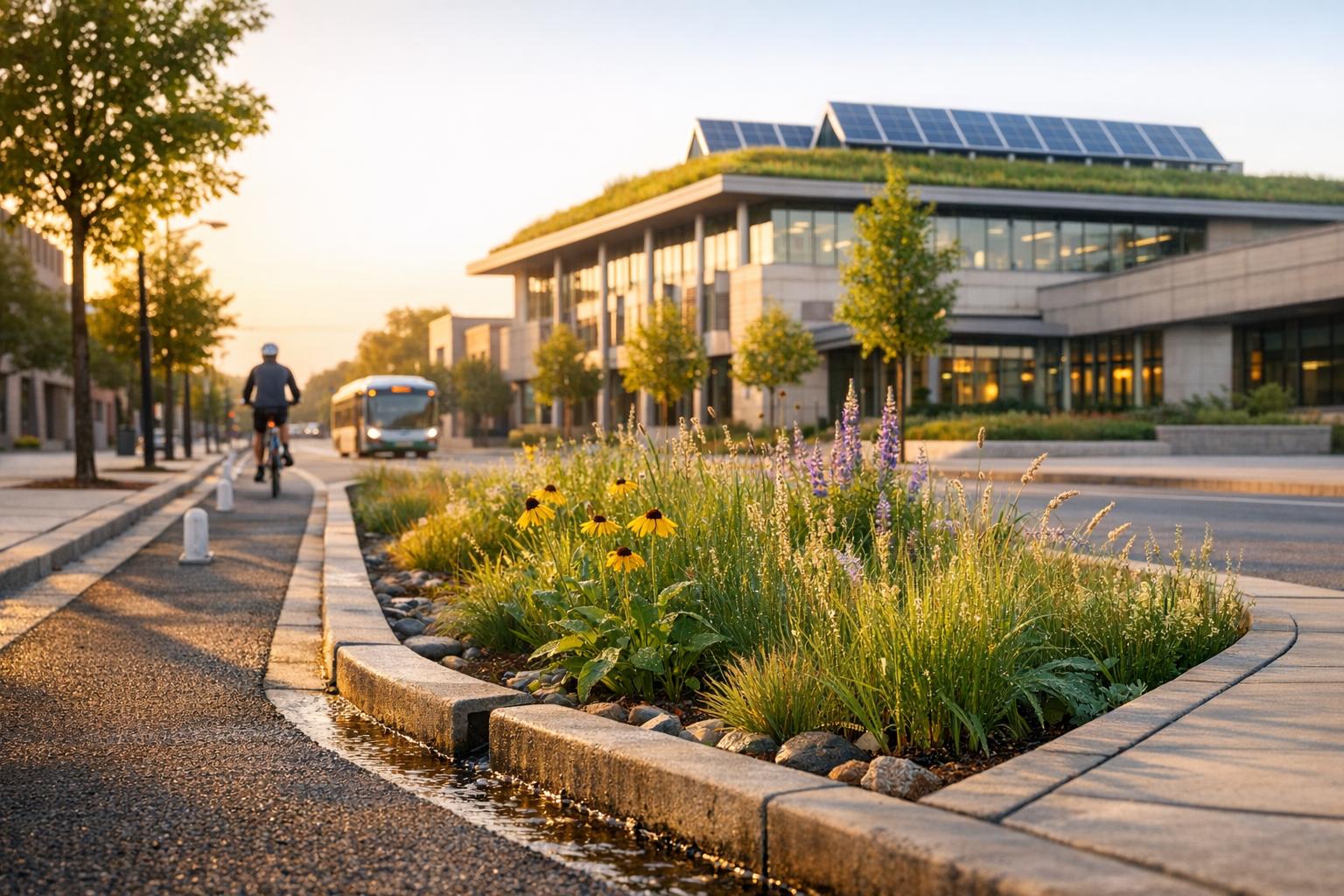
In today’s world, creating infrastructure that supports both people and the planet is more important than ever. Urban planners and developers face the challenge of balancing growth with environmental responsibility, and that’s where tools for eco-conscious design come into play. A resource like the Sustainable Infrastructure Planner can make a real difference by offering tailored insights for projects ranging from housing developments to energy grids.
Why Green Design Matters
Sustainable planning isn’t just a trend—it’s a necessity. Projects that prioritize energy efficiency and thoughtful material use not only reduce environmental impact but also often save costs in the long run. Whether you’re working on a bustling city hub or a quiet rural setup, integrating green elements can elevate your work. Imagine getting a clear rating on your project’s eco-friendliness, along with actionable ideas like solar integration or community-focused layouts. That kind of guidance helps turn vision into reality.
Tailored Solutions for Every Project
Every infrastructure endeavor is unique, and a tool that understands diverse needs can be a game-changer. From suggesting certifications like LEED to highlighting funding options, resources for environmentally friendly planning empower creators to build smarter. Dive into a world of greener possibilities and see how small changes can yield big impacts.
FAQs
How accurate are the sustainability ratings provided by the tool?
The ratings are based on widely recognized sustainability metrics, including energy efficiency, material sourcing, and community impact, drawn from green building standards. While they offer a solid starting point, they’re general estimates. You’ll want to consult local regulations and environmental conditions to fine-tune the results for your specific project. Think of it as a helpful guide rather than a final verdict.
Can this tool help with projects in rural areas, or is it just for urban settings?
Absolutely, it works for both! When you input whether your project is in an urban or rural location, the tool adjusts its recommendations accordingly. Rural projects might prioritize elements like rainwater harvesting, while urban ones could focus on space-saving green roofs. Either way, you’ll get tailored suggestions that fit the setting.
What kind of funding or certification opportunities does the tool suggest?
The tool highlights potential paths like LEED certification, which can boost your project’s credibility and open doors to grants. It also points to government incentives or private funding for eco-friendly initiatives, depending on your project type and location. Keep in mind these are starting points—you’ll need to research specifics for your area, but we’ve got you pointed in the right direction.
Latest Articles
©2025



FAQ
01
What does it really mean to “redefine profit”?
02
What makes Council Fire different?
03
Who does Council Fire work with?
04
What does working with Council Fire actually look like?
05
How does Council Fire help organizations turn big goals into action?
06
How does Council Fire define and measure success?
Mar 4, 2026
Sustainable Infrastructure Planner
In This Article
Plan eco-friendly projects with our Sustainable Infrastructure Planner. Get sustainability ratings and green design tips tailored to your needs!
Sustainable Infrastructure Planner
Build Greener with the Sustainable Infrastructure Planner
In today’s world, creating infrastructure that supports both people and the planet is more important than ever. Urban planners and developers face the challenge of balancing growth with environmental responsibility, and that’s where tools for eco-conscious design come into play. A resource like the Sustainable Infrastructure Planner can make a real difference by offering tailored insights for projects ranging from housing developments to energy grids.
Why Green Design Matters
Sustainable planning isn’t just a trend—it’s a necessity. Projects that prioritize energy efficiency and thoughtful material use not only reduce environmental impact but also often save costs in the long run. Whether you’re working on a bustling city hub or a quiet rural setup, integrating green elements can elevate your work. Imagine getting a clear rating on your project’s eco-friendliness, along with actionable ideas like solar integration or community-focused layouts. That kind of guidance helps turn vision into reality.
Tailored Solutions for Every Project
Every infrastructure endeavor is unique, and a tool that understands diverse needs can be a game-changer. From suggesting certifications like LEED to highlighting funding options, resources for environmentally friendly planning empower creators to build smarter. Dive into a world of greener possibilities and see how small changes can yield big impacts.
FAQs
How accurate are the sustainability ratings provided by the tool?
The ratings are based on widely recognized sustainability metrics, including energy efficiency, material sourcing, and community impact, drawn from green building standards. While they offer a solid starting point, they’re general estimates. You’ll want to consult local regulations and environmental conditions to fine-tune the results for your specific project. Think of it as a helpful guide rather than a final verdict.
Can this tool help with projects in rural areas, or is it just for urban settings?
Absolutely, it works for both! When you input whether your project is in an urban or rural location, the tool adjusts its recommendations accordingly. Rural projects might prioritize elements like rainwater harvesting, while urban ones could focus on space-saving green roofs. Either way, you’ll get tailored suggestions that fit the setting.
What kind of funding or certification opportunities does the tool suggest?
The tool highlights potential paths like LEED certification, which can boost your project’s credibility and open doors to grants. It also points to government incentives or private funding for eco-friendly initiatives, depending on your project type and location. Keep in mind these are starting points—you’ll need to research specifics for your area, but we’ve got you pointed in the right direction.
FAQ
01
What does it really mean to “redefine profit”?
02
What makes Council Fire different?
03
Who does Council Fire work with?
04
What does working with Council Fire actually look like?
05
How does Council Fire help organizations turn big goals into action?
06
How does Council Fire define and measure success?
Mar 4, 2026
Sustainable Infrastructure Planner
In This Article
Plan eco-friendly projects with our Sustainable Infrastructure Planner. Get sustainability ratings and green design tips tailored to your needs!
Sustainable Infrastructure Planner
Build Greener with the Sustainable Infrastructure Planner
In today’s world, creating infrastructure that supports both people and the planet is more important than ever. Urban planners and developers face the challenge of balancing growth with environmental responsibility, and that’s where tools for eco-conscious design come into play. A resource like the Sustainable Infrastructure Planner can make a real difference by offering tailored insights for projects ranging from housing developments to energy grids.
Why Green Design Matters
Sustainable planning isn’t just a trend—it’s a necessity. Projects that prioritize energy efficiency and thoughtful material use not only reduce environmental impact but also often save costs in the long run. Whether you’re working on a bustling city hub or a quiet rural setup, integrating green elements can elevate your work. Imagine getting a clear rating on your project’s eco-friendliness, along with actionable ideas like solar integration or community-focused layouts. That kind of guidance helps turn vision into reality.
Tailored Solutions for Every Project
Every infrastructure endeavor is unique, and a tool that understands diverse needs can be a game-changer. From suggesting certifications like LEED to highlighting funding options, resources for environmentally friendly planning empower creators to build smarter. Dive into a world of greener possibilities and see how small changes can yield big impacts.
FAQs
How accurate are the sustainability ratings provided by the tool?
The ratings are based on widely recognized sustainability metrics, including energy efficiency, material sourcing, and community impact, drawn from green building standards. While they offer a solid starting point, they’re general estimates. You’ll want to consult local regulations and environmental conditions to fine-tune the results for your specific project. Think of it as a helpful guide rather than a final verdict.
Can this tool help with projects in rural areas, or is it just for urban settings?
Absolutely, it works for both! When you input whether your project is in an urban or rural location, the tool adjusts its recommendations accordingly. Rural projects might prioritize elements like rainwater harvesting, while urban ones could focus on space-saving green roofs. Either way, you’ll get tailored suggestions that fit the setting.
What kind of funding or certification opportunities does the tool suggest?
The tool highlights potential paths like LEED certification, which can boost your project’s credibility and open doors to grants. It also points to government incentives or private funding for eco-friendly initiatives, depending on your project type and location. Keep in mind these are starting points—you’ll need to research specifics for your area, but we’ve got you pointed in the right direction.
FAQ
What does it really mean to “redefine profit”?
What makes Council Fire different?
Who does Council Fire work with?
What does working with Council Fire actually look like?
How does Council Fire help organizations turn big goals into action?
How does Council Fire define and measure success?