Jan 21, 2026
How to Develop a Nature-Based Solutions Strategy for Maritime & Logistics Companies
Sustainability Strategy
In This Article
Practical guide for maritime and logistics firms to assess coastal risks, design nature-based defenses, engage stakeholders, and measure long-term benefits.
How to Develop a Nature-Based Solutions Strategy for Maritime & Logistics Companies
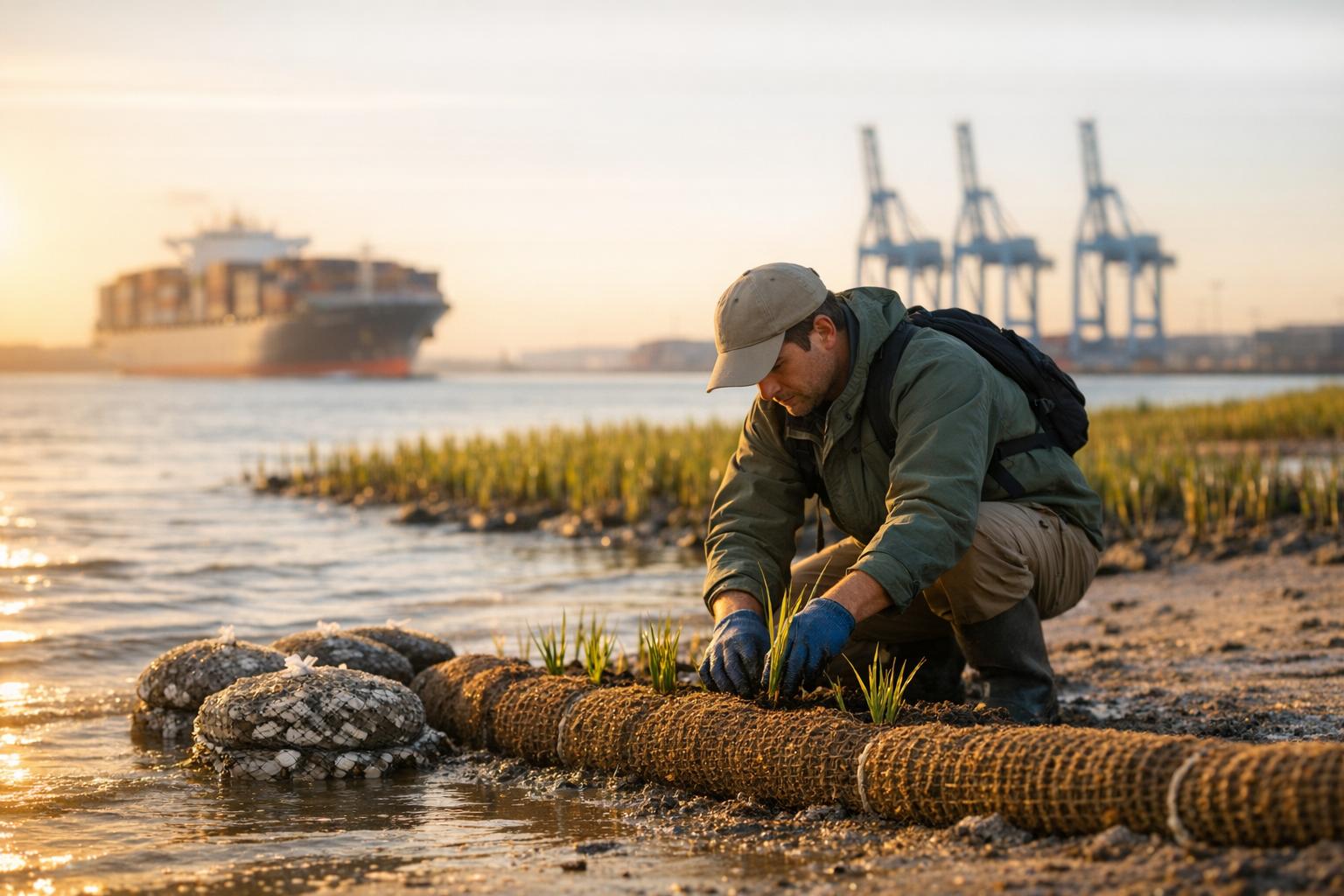
Storms, rising seas, and coastal erosion are growing threats to maritime and logistics operations. Nature-based solutions (NbS) provide a smarter way to protect ports, supply chains, and infrastructure while supporting natural ecosystems.
Key Takeaways:
Why NbS Matter: 40% of the U.S. population lives near coasts, making ports vulnerable to flooding and storms. NbS, like mangroves and salt marshes, can reduce risks and save costs compared to rigid infrastructure.
Steps to Develop NbS:
Assess Impact: Map risks and measure how operations affect coastal ecosystems.
Find Opportunities: Use natural defenses like marshes, reefs, or living shorelines to protect infrastructure.
Engage Stakeholders: Collaborate with internal teams, conservation groups, and local communities.
Measure & Scale: Track key metrics (e.g., flood reduction, biodiversity) and expand successful projects.
Economic Benefits: Mangroves alone prevent $57 billion in annual flooding damages, and NbS often cost less to maintain than traditional barriers.
Global Goals: NbS can contribute one-third of the climate mitigation needed to meet the Paris Agreement targets.
By integrating NbS into operations, companies can reduce risks, cut costs, and align with climate goals while building infrastructure that adapts to changing conditions.
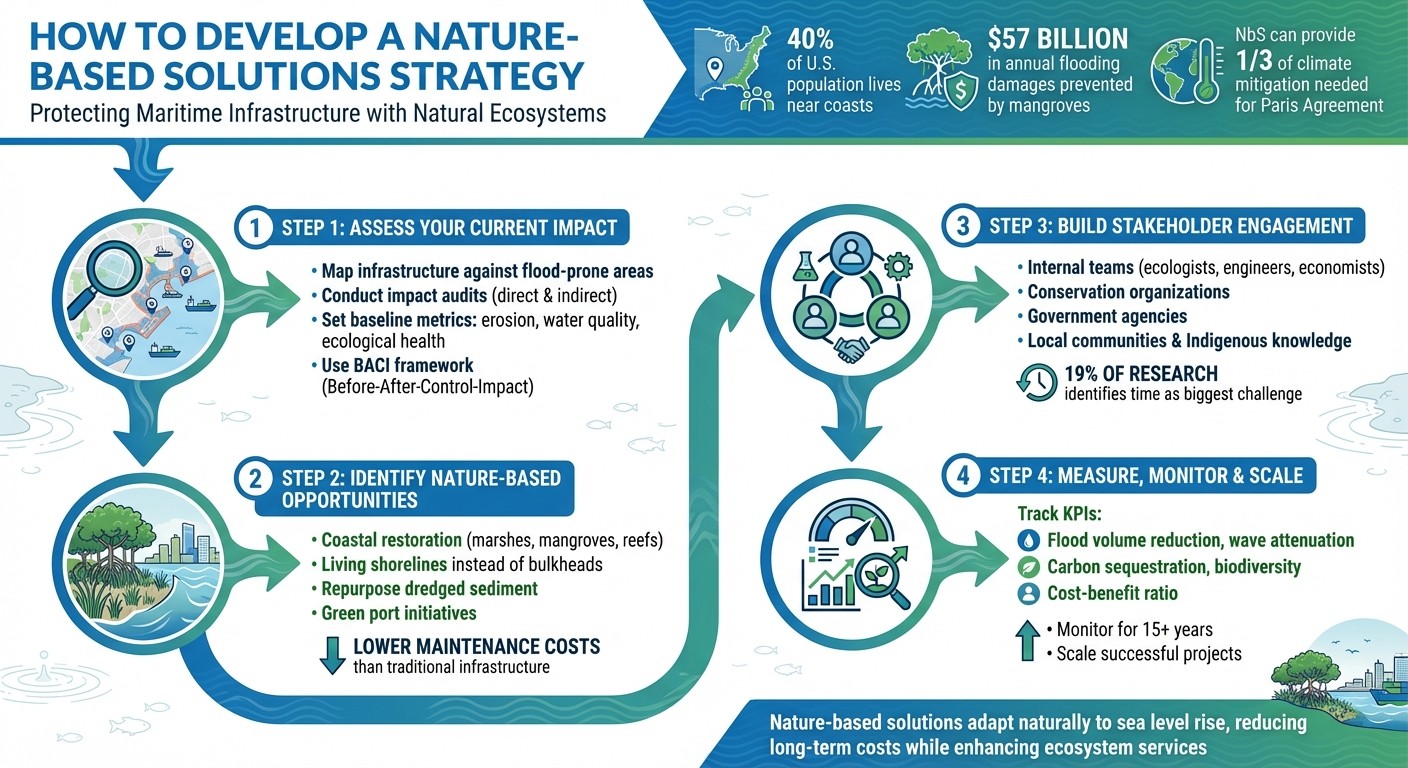
4-Step Nature-Based Solutions Strategy for Maritime Companies
How Sustainable Infrastructure Can Protect Nature & People
Step 1: Assess Your Current Impact
Understanding how your operations affect coastal environments is crucial. Maritime and logistics activities often leave a mark on ecosystems in ways that might not be immediately apparent. For instance, actions like dredging shipping channels can disrupt salt marshes, while modifying wave energy may speed up coastal erosion [1][6][7]. This initial assessment is the groundwork for developing effective nature-based solutions.
Conduct Impact Audits
Start by mapping your infrastructure against areas prone to flooding or containing sensitive ecosystems. Tools like the Coastal Flood Exposure Mapper and C-CAP Land Cover Atlas can help you visualize these overlaps. These free resources identify which natural assets and facilities are at the highest risk from flooding [6][8]. Your audit should evaluate both direct impacts, such as changes to wave energy and erosion, and indirect ones, like runoff carrying excess nutrients into the water [7].
If your operations involve maintaining shipping channels, carefully examine the dredged sediment to see if it can be repurposed for ecological restoration. A notable example comes from 2015, when federal agencies used dredged material from Mordecai Island, New Jersey, to restore salt marshes that now protect Long Beach Island’s Back Bay areas [1].
Set Baseline Metrics
Once your audit identifies the key impacts, the next step is to establish baseline metrics. These benchmarks should cover four main areas: physical erosion (e.g., shoreline position, marsh edge location), hydrodynamic stressors (e.g., wave height, boat wake energy), ecological health (e.g., plant coverage, species diversity), and water quality (e.g., turbidity, nitrogen, and phosphorus levels) [9]. These metrics provide a foundation for tracking progress and comparing the effectiveness of nature-based solutions against traditional infrastructure.
To ensure accuracy, apply the BACI framework (Before-After-Control-Impact). This involves documenting environmental conditions before starting your project and comparing them to an unaffected control site [9]. For maritime operations, pay special attention to boat wake energy and current speeds, as these directly influence the stability of the coastal ecosystems you aim to restore [9]. Additionally, monitor current maintenance expenses for your infrastructure. This baseline data will help demonstrate the potential long-term cost savings of adopting nature-based alternatives. By measuring both environmental and operational metrics, you can effectively evaluate the success of your initiatives.
Step 2: Identify Nature-Based Opportunities
Look for opportunities to incorporate nature-based solutions that enhance resilience and reduce environmental impact. Maritime and logistics operations interact with a variety of ecosystems - from port facilities and shipping channels to coastal supply routes - each offering unique ways to integrate natural defenses.
Coastal Ecosystem Restoration
Restoring coastal habitats can provide critical protection for infrastructure. Features like tidal marshes, mangroves, and maritime forests help reduce flooding, absorb wave energy, and control erosion that threatens ports and coastal warehouses [7]. These natural barriers force waves to break farther offshore, diminishing storm surge energy before it reaches critical assets.
One practical strategy is repurposing clean dredged sediment to rebuild and stabilize coastal habitats [1][3]. Additionally, artificial oyster and coral reefs can protect port entrances and minimize wave damage during severe weather events [1][7].
Maximizing coastal protection often involves integrating interconnected habitats. Research reveals that the combined presence of mangroves, seagrasses, and coral reefs provides significantly higher protection against storms compared to isolated ecosystems [10]. When planning restoration efforts, prioritize sites that link different habitat types to enhance both resilience and biodiversity. These natural defenses can also pave the way for innovative, port-specific solutions.
Green Port Initiatives
Ports can move beyond traditional concrete infrastructure by combining engineered structures with natural elements. For instance, instead of bulkheads, consider living shorelines that use native plants and stone sills to stabilize banks while creating habitats for marine life [3][9]. Another approach is pairing offshore segmented breakwaters with marsh restoration to manage high-energy environments while promoting ecological benefits.
"Nature-Based Solutions (NbS) offer a powerful path forward... working with nature, rather than against it, can reduce maintenance costs, manage flood risks, enhance biodiversity, and improve a port's license to operate." - EcoShape [4]
The financial advantages of nature-based solutions are clear. They often match or cost less than traditional shoreline armoring, such as rock revetments, and require lower replacement costs after extreme weather events [9]. Unlike rigid infrastructure that may need costly retrofitting as sea levels rise, nature-based solutions can adapt naturally, even migrating inland when conditions permit [9]. Incorporating vegetated habitats like mangroves and saltmarshes within port boundaries also supports carbon sequestration, reducing your overall carbon footprint [10]. These efforts align with a broader nature-based strategy by cutting costs and increasing the longevity of infrastructure.
Nature-Integrated Supply Chains
Nature-based strategies can extend beyond ports to strengthen resilience across the entire supply chain. Coastal roads, railways, and warehouses can benefit from protective measures rooted in nature. For example, in Virginia, engineers used a "pocket beach" design with offshore breakwaters and beach nourishment to stabilize a coastal road. This approach not only protected the shoreline but also created recreational space while preserving transportation infrastructure [9].
In lower-energy environments, constructed marsh systems paired with segmented breakwaters can help stabilize shorelines near highways and logistics corridors. A project in Mobile Bay, Alabama, demonstrated how this method reduced wave energy and protected a coastal highway [9].
Collaboration with local stakeholders can identify ideal sites for restoration that align with blue carbon and food security goals. For instance, in the United Arab Emirates, Emirates Nature-WWF developed a spatial framework to pinpoint high-potential areas for projects like oyster reef creation, mangrove restoration, and planting edible saltmarsh species. These efforts supported both environmental goals and operational resilience [10]. By integrating such approaches, businesses can enhance the durability of their supply chains while advancing broader sustainability objectives.
Step 3: Build Stakeholder Engagement and Partnerships
Nature-based solutions (NbS) thrive on collaboration. These initiatives bring together diverse groups, from internal teams to external conservation organizations and local communities. To succeed, NbS projects must prioritize early and sustained collaboration, building on the groundwork laid during impact assessments and opportunity identification.
Engage Internal Teams and Leadership
Start by identifying key internal stakeholders. Successful NbS strategies depend on input from a wide range of expertise, including ecologists, engineers, economists, and operational staff - not just sustainability teams [11]. The most effective engagement happens during the early stages of project design. Involving internal stakeholders at this point fosters a sense of ownership and commitment over the long term [13].
Internal teams often vary in their familiarity with NbS. Tailor your communication style to match their level of understanding. For those new to the concept, use engaging formats like infographics or presentations to explain the basics. For leaders who are hesitant, acknowledge their concerns and invite them to collaborate on solutions [14].
"NBS can also play a significant role in maintaining ports' social license to operate, strengthening relationships with coastal stakeholders, and creating opportunities for public-private partnerships." – World Bank [12]
Encourage enthusiastic team members to act as project champions, giving them an active role in strategic planning [14]. To engage financial leadership, highlight how NbS can reduce upfront capital costs and lower long-term maintenance expenses compared to traditional "grey" infrastructure [12]. Keep in mind that stakeholder engagement requires time - approximately 19% of research identifies time as the biggest challenge - so plan realistically for this commitment [13].
Partner with External Stakeholders
Internal alignment is just the beginning; external partnerships are equally vital. Collaborating with conservation organizations, government agencies, and local communities unlocks opportunities that individual companies cannot achieve alone. For example, maritime firms can repurpose dredged sediment from shipping channels to support habitat restoration projects led by conservation partners [1]. This approach transforms routine maintenance into a resource for coastal resilience.
Early and ongoing consultation with local communities is essential for successful NbS projects [3]. Incorporating Indigenous knowledge into ecosystem management and restoration practices can provide invaluable insights and enhance project outcomes [3].
When possible, work with local businesses in affected areas to build trust and strengthen economic resilience [5]. With nearly 40% of the U.S. population living near coastlines, these partnerships are critical for protecting vulnerable communities [1]. Strong external collaborations also ensure that NbS strategies extend beyond infrastructure, bolstering resilience across maritime and logistics networks. Long-term agreements - spanning 15 years or more - should include monitoring to confirm benefits like wave attenuation and carbon sequestration continue as intended [1].
Create Governance and Accountability Systems
Clear governance structures are key to managing stakeholder interactions throughout the project. Define engagement pathways - whether Informing, Consulting, Collaborating, or Delegating - so everyone understands their roles at each stage [11]. Transparent governance is especially important, given that only 9% of research offers strategies for balancing competing stakeholder perspectives [13].
NbS projects require adaptive management, with adjustments informed by ongoing monitoring data [3]. Assign maintenance responsibilities early to prevent long-term degradation, and address permitting challenges proactively by involving regulatory agencies during strategy development [3].
Governance frameworks should also prioritize community consultation and integrate Indigenous knowledge [3]. Use standardized tools to evaluate costs and benefits, ensuring decision-making is backed by transparent evidence [8]. Long-term evaluation metrics should measure whether the system functions as intended even 15 years after implementation, comparing outcomes to initial conditions to verify success [1].
Step 4: Measure, Monitor, and Scale Your Initiatives
Once you've put your initiatives into action, the next step is to measure their results and expand on what works. Without clear metrics and consistent tracking, even the most promising projects can struggle to prove their value to decision-makers and external stakeholders.
Define Key Performance Indicators (KPIs)
Start by setting measurable KPIs in three key areas: Water, Nature, and People [15]. For maritime operations, water-focused metrics might include:
Flood volume reduction: The percentage decrease in flood levels compared to baseline conditions [15].
Wave energy attenuation: The ability of restored marshes or reefs to break waves and protect infrastructure [1].
Peak flow mitigation: How effectively the system reduces and delays peak water flow during storms [15].
Nature-related KPIs track environmental improvements. For example, carbon sequestration measures how much CO₂ is absorbed and stored by restored ecosystems like salt marshes or mangroves [1]. Meanwhile, biodiversity improvement is assessed by monitoring species richness - the number of different species thriving in the restored area [15]. For urban port facilities, consider tracking urban heat island mitigation, as even a 1% increase in green space can lower temperatures by 0.1°F [15].
Economic performance is another critical metric. The cost-benefit ratio compares the investment and maintenance costs to the monetary value of damages prevented [15]. For instance, mangroves are estimated to prevent $57 billion in flood damages annually [2]. These KPIs serve as a bridge between initial assessments and ongoing evaluations, ensuring your monitoring efforts remain focused and actionable.
Monitor and Report Progress
Once KPIs are in place, consistent monitoring is essential to validate results and guide adjustments. Long-term monitoring over at least 15 years is recommended to confirm sustained benefits, such as wave attenuation and carbon sequestration [1]. Comparing restored systems to their original, untouched baselines can reveal improvements in habitat quality and ecosystem functionality [1].
"What do we get out of nature-based solutions, and how does that amended system compare to the original, untouched system in the way it functions, provides habitat, and buries carbon?" – NOAA [1]
Leverage digital tools like the C-CAP Land Cover Atlas and Coastal Flood Exposure Mapper to track changes in land use and flood risks [8]. For maritime operations, integrating monitoring into routine activities - like assessing how dredged materials perform in marsh restoration over multiple storm seasons - can provide timely and actionable insights.
When sharing findings, transparency is key. Consider using frameworks such as the IUCN Global Standard for Nature-based Solutions, which includes 8 criteria and 28 indicators for assessing effectiveness [2]. To highlight the broader impact, note that nature-based solutions can deliver one-third of the climate mitigation needed to meet Paris Agreement goals, with global ecosystem services valued at around $170 billion [2].
Scale Successful Initiatives
Armed with data, you can expand successful projects to strengthen resilience across your operations. For example, clean dredged sediment can be repurposed to restore salt marshes, barrier islands, or dunes - a strategy that has proven effective in numerous coastal restoration efforts [1]. This approach transforms routine maintenance into a valuable resource for coastal resilience.
Scaling these initiatives often depends on collaborative partnerships. Working with port authorities, the U.S. Army Corps of Engineers, and environmental researchers can help share the responsibilities of planning, design, and implementation [16]. Establish adaptive management systems to continuously evaluate outcomes and make adjustments as conditions evolve [16]. When replicating projects, consider a comprehensive cost-benefit analysis that accounts for additional advantages like improved habitats for migratory birds, nursery grounds for fisheries, and increased carbon storage [16].
With nearly 40% of the U.S. population residing near coastlines, scaling these nature-based solutions offers benefits that extend far beyond individual operations [1]. By combining rigorous monitoring with strategic scaling, maritime companies can ensure their initiatives deliver lasting value and resilience.
Conclusion: Transform Maritime Operations with Nature-Based Solutions
Creating a nature-based solutions strategy offers a practical way to protect coastal infrastructure while cutting costs and improving operational resilience [9]. By shifting from isolated efforts to a more integrated approach, maritime and logistics companies can bolster coastal defenses and align with global climate objectives.
Achieving this requires a focus on thorough measurement, adaptive management, and strong partnerships. Engaging stakeholders early - whether state coastal management programs or local communities - helps distribute costs and amplify positive outcomes [9]. This move from traditional infrastructure to adaptive, nature-driven solutions forms the backbone of a more sustainable and resilient future.
Unlike concrete barriers that demand expensive retrofitting as sea levels rise, nature-based solutions evolve naturally, leading to lower maintenance costs while enhancing ecosystem services [9]. Initial investments in these solutions often rival traditional methods but come with the added benefit of reduced long-term expenses [9].
"The benefits of Nature-based Solutions for biodiversity and human well-being flow from healthy ecosystems" - IUCN [2]
With nearly 40% of the U.S. population living along coastlines, the protective benefits of these solutions extend well beyond individual businesses [1]. By adopting frameworks like the IUCN Global Standard for Nature-based Solutions - which includes 8 criteria and 28 indicators - you can ensure your approach delivers measurable, lasting results that support both business resilience and environmental health [2].
FAQs
What are the key benefits of nature-based solutions for maritime and logistics companies?
Nature-based solutions (NbS) offer maritime and logistics companies practical ways to tackle environmental challenges while enhancing their operations. By utilizing natural ecosystems like wetlands, oyster reefs, and dunes, businesses can minimize flood and storm-surge risks, safeguard shorelines, and cut down on the need for expensive infrastructure such as seawalls.
These approaches also bring lasting environmental advantages, including carbon storage, better water quality, and support for diverse ecosystems. From a business standpoint, NbS can help lower capital and maintenance expenses, strengthen resilience, and foster stronger connections with regulators, investors, and local communities. Beyond that, they align with broader sustainability efforts by creating green jobs, stimulating local economies, and promoting better public health.
How can maritime companies measure the success of nature-based solutions?
Maritime companies can gauge the effectiveness of nature-based solutions (NbS) by combining economic, ecological, and operational metrics, turning environmental outcomes into actionable insights. A good starting point is conducting a cost-benefit analysis (CBA). This involves comparing the investment costs - such as design, implementation, and maintenance - with potential savings from avoided damages, like reduced flooding or erosion. When it’s challenging to assign monetary values to certain benefits, qualitative factors like habitat creation or enhanced recreation opportunities can complement the analysis.
Ecological monitoring plays a critical role in measuring success. Indicators such as shoreline stability, sediment buildup, water quality improvements, and carbon storage provide measurable results. For instance, tracking reductions in wave energy or the number of restored habitat acres offers concrete evidence of progress. These metrics can be expressed in familiar U.S. units like feet, acres, or tons and tied to economic figures, such as dollars saved per ton of carbon sequestered.
To make the data more accessible, integrating these metrics into visual reporting tools is essential. These tools help monitor progress over time, demonstrate alignment with sustainability objectives, and inform future strategies. Regular updates to the data ensure operators can adjust approaches as needed while highlighting the long-term benefits of their efforts.
How can maritime and logistics companies effectively involve stakeholders in nature-based solutions projects?
To bring stakeholders on board for nature-based solutions (NbS) projects, it's important to start by identifying the key players. These might include government agencies, port authorities, shipping companies, labor unions, environmental groups, local communities, and Indigenous organizations. Take the time to understand their priorities and concerns - this helps build trust and align on shared goals.
Once you've mapped out the stakeholders, focus on forming early partnerships. Lay out a clear vision for the project, define everyone's roles, and agree on measurable objectives. Engage these groups through collaborative workshops, public forums, and outreach initiatives that emphasize the tangible advantages of NbS. For example, discuss how these solutions can reduce flooding risks or create green jobs. Incorporating local success stories can make these benefits feel more relevant and achievable.
Equally important is maintaining open and consistent communication. Share updates, progress reports, and outcomes regularly, and actively seek feedback. This ongoing dialogue not only strengthens trust but also helps fine-tune the project, ensuring long-term commitment and success from all involved.
Related Blog Posts
How to Build a Climate Resilience Plan for Maritime & Logistics Companies
Nature‑based solutions: leveraging ecosystems for adaptation
Ocean and natural‑resource stewardship: balancing conservation and sustainable use
How to Build a Corporate Sustainability Strategy Aligned to ROI for Maritime & Logistics Companies
Latest Articles
©2025

FAQ
01
What does it really mean to “redefine profit”?
02
What makes Council Fire different?
03
Who does Council Fire you work with?
04
What does working with Council Fire actually look like?
05
How does Council Fire help organizations turn big goals into action?
06
How does Council Fire define and measure success?
Jan 21, 2026
How to Develop a Nature-Based Solutions Strategy for Maritime & Logistics Companies
Sustainability Strategy
In This Article
Practical guide for maritime and logistics firms to assess coastal risks, design nature-based defenses, engage stakeholders, and measure long-term benefits.
How to Develop a Nature-Based Solutions Strategy for Maritime & Logistics Companies
Storms, rising seas, and coastal erosion are growing threats to maritime and logistics operations. Nature-based solutions (NbS) provide a smarter way to protect ports, supply chains, and infrastructure while supporting natural ecosystems.
Key Takeaways:
Why NbS Matter: 40% of the U.S. population lives near coasts, making ports vulnerable to flooding and storms. NbS, like mangroves and salt marshes, can reduce risks and save costs compared to rigid infrastructure.
Steps to Develop NbS:
Assess Impact: Map risks and measure how operations affect coastal ecosystems.
Find Opportunities: Use natural defenses like marshes, reefs, or living shorelines to protect infrastructure.
Engage Stakeholders: Collaborate with internal teams, conservation groups, and local communities.
Measure & Scale: Track key metrics (e.g., flood reduction, biodiversity) and expand successful projects.
Economic Benefits: Mangroves alone prevent $57 billion in annual flooding damages, and NbS often cost less to maintain than traditional barriers.
Global Goals: NbS can contribute one-third of the climate mitigation needed to meet the Paris Agreement targets.
By integrating NbS into operations, companies can reduce risks, cut costs, and align with climate goals while building infrastructure that adapts to changing conditions.
4-Step Nature-Based Solutions Strategy for Maritime Companies
How Sustainable Infrastructure Can Protect Nature & People
Step 1: Assess Your Current Impact
Understanding how your operations affect coastal environments is crucial. Maritime and logistics activities often leave a mark on ecosystems in ways that might not be immediately apparent. For instance, actions like dredging shipping channels can disrupt salt marshes, while modifying wave energy may speed up coastal erosion [1][6][7]. This initial assessment is the groundwork for developing effective nature-based solutions.
Conduct Impact Audits
Start by mapping your infrastructure against areas prone to flooding or containing sensitive ecosystems. Tools like the Coastal Flood Exposure Mapper and C-CAP Land Cover Atlas can help you visualize these overlaps. These free resources identify which natural assets and facilities are at the highest risk from flooding [6][8]. Your audit should evaluate both direct impacts, such as changes to wave energy and erosion, and indirect ones, like runoff carrying excess nutrients into the water [7].
If your operations involve maintaining shipping channels, carefully examine the dredged sediment to see if it can be repurposed for ecological restoration. A notable example comes from 2015, when federal agencies used dredged material from Mordecai Island, New Jersey, to restore salt marshes that now protect Long Beach Island’s Back Bay areas [1].
Set Baseline Metrics
Once your audit identifies the key impacts, the next step is to establish baseline metrics. These benchmarks should cover four main areas: physical erosion (e.g., shoreline position, marsh edge location), hydrodynamic stressors (e.g., wave height, boat wake energy), ecological health (e.g., plant coverage, species diversity), and water quality (e.g., turbidity, nitrogen, and phosphorus levels) [9]. These metrics provide a foundation for tracking progress and comparing the effectiveness of nature-based solutions against traditional infrastructure.
To ensure accuracy, apply the BACI framework (Before-After-Control-Impact). This involves documenting environmental conditions before starting your project and comparing them to an unaffected control site [9]. For maritime operations, pay special attention to boat wake energy and current speeds, as these directly influence the stability of the coastal ecosystems you aim to restore [9]. Additionally, monitor current maintenance expenses for your infrastructure. This baseline data will help demonstrate the potential long-term cost savings of adopting nature-based alternatives. By measuring both environmental and operational metrics, you can effectively evaluate the success of your initiatives.
Step 2: Identify Nature-Based Opportunities
Look for opportunities to incorporate nature-based solutions that enhance resilience and reduce environmental impact. Maritime and logistics operations interact with a variety of ecosystems - from port facilities and shipping channels to coastal supply routes - each offering unique ways to integrate natural defenses.
Coastal Ecosystem Restoration
Restoring coastal habitats can provide critical protection for infrastructure. Features like tidal marshes, mangroves, and maritime forests help reduce flooding, absorb wave energy, and control erosion that threatens ports and coastal warehouses [7]. These natural barriers force waves to break farther offshore, diminishing storm surge energy before it reaches critical assets.
One practical strategy is repurposing clean dredged sediment to rebuild and stabilize coastal habitats [1][3]. Additionally, artificial oyster and coral reefs can protect port entrances and minimize wave damage during severe weather events [1][7].
Maximizing coastal protection often involves integrating interconnected habitats. Research reveals that the combined presence of mangroves, seagrasses, and coral reefs provides significantly higher protection against storms compared to isolated ecosystems [10]. When planning restoration efforts, prioritize sites that link different habitat types to enhance both resilience and biodiversity. These natural defenses can also pave the way for innovative, port-specific solutions.
Green Port Initiatives
Ports can move beyond traditional concrete infrastructure by combining engineered structures with natural elements. For instance, instead of bulkheads, consider living shorelines that use native plants and stone sills to stabilize banks while creating habitats for marine life [3][9]. Another approach is pairing offshore segmented breakwaters with marsh restoration to manage high-energy environments while promoting ecological benefits.
"Nature-Based Solutions (NbS) offer a powerful path forward... working with nature, rather than against it, can reduce maintenance costs, manage flood risks, enhance biodiversity, and improve a port's license to operate." - EcoShape [4]
The financial advantages of nature-based solutions are clear. They often match or cost less than traditional shoreline armoring, such as rock revetments, and require lower replacement costs after extreme weather events [9]. Unlike rigid infrastructure that may need costly retrofitting as sea levels rise, nature-based solutions can adapt naturally, even migrating inland when conditions permit [9]. Incorporating vegetated habitats like mangroves and saltmarshes within port boundaries also supports carbon sequestration, reducing your overall carbon footprint [10]. These efforts align with a broader nature-based strategy by cutting costs and increasing the longevity of infrastructure.
Nature-Integrated Supply Chains
Nature-based strategies can extend beyond ports to strengthen resilience across the entire supply chain. Coastal roads, railways, and warehouses can benefit from protective measures rooted in nature. For example, in Virginia, engineers used a "pocket beach" design with offshore breakwaters and beach nourishment to stabilize a coastal road. This approach not only protected the shoreline but also created recreational space while preserving transportation infrastructure [9].
In lower-energy environments, constructed marsh systems paired with segmented breakwaters can help stabilize shorelines near highways and logistics corridors. A project in Mobile Bay, Alabama, demonstrated how this method reduced wave energy and protected a coastal highway [9].
Collaboration with local stakeholders can identify ideal sites for restoration that align with blue carbon and food security goals. For instance, in the United Arab Emirates, Emirates Nature-WWF developed a spatial framework to pinpoint high-potential areas for projects like oyster reef creation, mangrove restoration, and planting edible saltmarsh species. These efforts supported both environmental goals and operational resilience [10]. By integrating such approaches, businesses can enhance the durability of their supply chains while advancing broader sustainability objectives.
Step 3: Build Stakeholder Engagement and Partnerships
Nature-based solutions (NbS) thrive on collaboration. These initiatives bring together diverse groups, from internal teams to external conservation organizations and local communities. To succeed, NbS projects must prioritize early and sustained collaboration, building on the groundwork laid during impact assessments and opportunity identification.
Engage Internal Teams and Leadership
Start by identifying key internal stakeholders. Successful NbS strategies depend on input from a wide range of expertise, including ecologists, engineers, economists, and operational staff - not just sustainability teams [11]. The most effective engagement happens during the early stages of project design. Involving internal stakeholders at this point fosters a sense of ownership and commitment over the long term [13].
Internal teams often vary in their familiarity with NbS. Tailor your communication style to match their level of understanding. For those new to the concept, use engaging formats like infographics or presentations to explain the basics. For leaders who are hesitant, acknowledge their concerns and invite them to collaborate on solutions [14].
"NBS can also play a significant role in maintaining ports' social license to operate, strengthening relationships with coastal stakeholders, and creating opportunities for public-private partnerships." – World Bank [12]
Encourage enthusiastic team members to act as project champions, giving them an active role in strategic planning [14]. To engage financial leadership, highlight how NbS can reduce upfront capital costs and lower long-term maintenance expenses compared to traditional "grey" infrastructure [12]. Keep in mind that stakeholder engagement requires time - approximately 19% of research identifies time as the biggest challenge - so plan realistically for this commitment [13].
Partner with External Stakeholders
Internal alignment is just the beginning; external partnerships are equally vital. Collaborating with conservation organizations, government agencies, and local communities unlocks opportunities that individual companies cannot achieve alone. For example, maritime firms can repurpose dredged sediment from shipping channels to support habitat restoration projects led by conservation partners [1]. This approach transforms routine maintenance into a resource for coastal resilience.
Early and ongoing consultation with local communities is essential for successful NbS projects [3]. Incorporating Indigenous knowledge into ecosystem management and restoration practices can provide invaluable insights and enhance project outcomes [3].
When possible, work with local businesses in affected areas to build trust and strengthen economic resilience [5]. With nearly 40% of the U.S. population living near coastlines, these partnerships are critical for protecting vulnerable communities [1]. Strong external collaborations also ensure that NbS strategies extend beyond infrastructure, bolstering resilience across maritime and logistics networks. Long-term agreements - spanning 15 years or more - should include monitoring to confirm benefits like wave attenuation and carbon sequestration continue as intended [1].
Create Governance and Accountability Systems
Clear governance structures are key to managing stakeholder interactions throughout the project. Define engagement pathways - whether Informing, Consulting, Collaborating, or Delegating - so everyone understands their roles at each stage [11]. Transparent governance is especially important, given that only 9% of research offers strategies for balancing competing stakeholder perspectives [13].
NbS projects require adaptive management, with adjustments informed by ongoing monitoring data [3]. Assign maintenance responsibilities early to prevent long-term degradation, and address permitting challenges proactively by involving regulatory agencies during strategy development [3].
Governance frameworks should also prioritize community consultation and integrate Indigenous knowledge [3]. Use standardized tools to evaluate costs and benefits, ensuring decision-making is backed by transparent evidence [8]. Long-term evaluation metrics should measure whether the system functions as intended even 15 years after implementation, comparing outcomes to initial conditions to verify success [1].
Step 4: Measure, Monitor, and Scale Your Initiatives
Once you've put your initiatives into action, the next step is to measure their results and expand on what works. Without clear metrics and consistent tracking, even the most promising projects can struggle to prove their value to decision-makers and external stakeholders.
Define Key Performance Indicators (KPIs)
Start by setting measurable KPIs in three key areas: Water, Nature, and People [15]. For maritime operations, water-focused metrics might include:
Flood volume reduction: The percentage decrease in flood levels compared to baseline conditions [15].
Wave energy attenuation: The ability of restored marshes or reefs to break waves and protect infrastructure [1].
Peak flow mitigation: How effectively the system reduces and delays peak water flow during storms [15].
Nature-related KPIs track environmental improvements. For example, carbon sequestration measures how much CO₂ is absorbed and stored by restored ecosystems like salt marshes or mangroves [1]. Meanwhile, biodiversity improvement is assessed by monitoring species richness - the number of different species thriving in the restored area [15]. For urban port facilities, consider tracking urban heat island mitigation, as even a 1% increase in green space can lower temperatures by 0.1°F [15].
Economic performance is another critical metric. The cost-benefit ratio compares the investment and maintenance costs to the monetary value of damages prevented [15]. For instance, mangroves are estimated to prevent $57 billion in flood damages annually [2]. These KPIs serve as a bridge between initial assessments and ongoing evaluations, ensuring your monitoring efforts remain focused and actionable.
Monitor and Report Progress
Once KPIs are in place, consistent monitoring is essential to validate results and guide adjustments. Long-term monitoring over at least 15 years is recommended to confirm sustained benefits, such as wave attenuation and carbon sequestration [1]. Comparing restored systems to their original, untouched baselines can reveal improvements in habitat quality and ecosystem functionality [1].
"What do we get out of nature-based solutions, and how does that amended system compare to the original, untouched system in the way it functions, provides habitat, and buries carbon?" – NOAA [1]
Leverage digital tools like the C-CAP Land Cover Atlas and Coastal Flood Exposure Mapper to track changes in land use and flood risks [8]. For maritime operations, integrating monitoring into routine activities - like assessing how dredged materials perform in marsh restoration over multiple storm seasons - can provide timely and actionable insights.
When sharing findings, transparency is key. Consider using frameworks such as the IUCN Global Standard for Nature-based Solutions, which includes 8 criteria and 28 indicators for assessing effectiveness [2]. To highlight the broader impact, note that nature-based solutions can deliver one-third of the climate mitigation needed to meet Paris Agreement goals, with global ecosystem services valued at around $170 billion [2].
Scale Successful Initiatives
Armed with data, you can expand successful projects to strengthen resilience across your operations. For example, clean dredged sediment can be repurposed to restore salt marshes, barrier islands, or dunes - a strategy that has proven effective in numerous coastal restoration efforts [1]. This approach transforms routine maintenance into a valuable resource for coastal resilience.
Scaling these initiatives often depends on collaborative partnerships. Working with port authorities, the U.S. Army Corps of Engineers, and environmental researchers can help share the responsibilities of planning, design, and implementation [16]. Establish adaptive management systems to continuously evaluate outcomes and make adjustments as conditions evolve [16]. When replicating projects, consider a comprehensive cost-benefit analysis that accounts for additional advantages like improved habitats for migratory birds, nursery grounds for fisheries, and increased carbon storage [16].
With nearly 40% of the U.S. population residing near coastlines, scaling these nature-based solutions offers benefits that extend far beyond individual operations [1]. By combining rigorous monitoring with strategic scaling, maritime companies can ensure their initiatives deliver lasting value and resilience.
Conclusion: Transform Maritime Operations with Nature-Based Solutions
Creating a nature-based solutions strategy offers a practical way to protect coastal infrastructure while cutting costs and improving operational resilience [9]. By shifting from isolated efforts to a more integrated approach, maritime and logistics companies can bolster coastal defenses and align with global climate objectives.
Achieving this requires a focus on thorough measurement, adaptive management, and strong partnerships. Engaging stakeholders early - whether state coastal management programs or local communities - helps distribute costs and amplify positive outcomes [9]. This move from traditional infrastructure to adaptive, nature-driven solutions forms the backbone of a more sustainable and resilient future.
Unlike concrete barriers that demand expensive retrofitting as sea levels rise, nature-based solutions evolve naturally, leading to lower maintenance costs while enhancing ecosystem services [9]. Initial investments in these solutions often rival traditional methods but come with the added benefit of reduced long-term expenses [9].
"The benefits of Nature-based Solutions for biodiversity and human well-being flow from healthy ecosystems" - IUCN [2]
With nearly 40% of the U.S. population living along coastlines, the protective benefits of these solutions extend well beyond individual businesses [1]. By adopting frameworks like the IUCN Global Standard for Nature-based Solutions - which includes 8 criteria and 28 indicators - you can ensure your approach delivers measurable, lasting results that support both business resilience and environmental health [2].
FAQs
What are the key benefits of nature-based solutions for maritime and logistics companies?
Nature-based solutions (NbS) offer maritime and logistics companies practical ways to tackle environmental challenges while enhancing their operations. By utilizing natural ecosystems like wetlands, oyster reefs, and dunes, businesses can minimize flood and storm-surge risks, safeguard shorelines, and cut down on the need for expensive infrastructure such as seawalls.
These approaches also bring lasting environmental advantages, including carbon storage, better water quality, and support for diverse ecosystems. From a business standpoint, NbS can help lower capital and maintenance expenses, strengthen resilience, and foster stronger connections with regulators, investors, and local communities. Beyond that, they align with broader sustainability efforts by creating green jobs, stimulating local economies, and promoting better public health.
How can maritime companies measure the success of nature-based solutions?
Maritime companies can gauge the effectiveness of nature-based solutions (NbS) by combining economic, ecological, and operational metrics, turning environmental outcomes into actionable insights. A good starting point is conducting a cost-benefit analysis (CBA). This involves comparing the investment costs - such as design, implementation, and maintenance - with potential savings from avoided damages, like reduced flooding or erosion. When it’s challenging to assign monetary values to certain benefits, qualitative factors like habitat creation or enhanced recreation opportunities can complement the analysis.
Ecological monitoring plays a critical role in measuring success. Indicators such as shoreline stability, sediment buildup, water quality improvements, and carbon storage provide measurable results. For instance, tracking reductions in wave energy or the number of restored habitat acres offers concrete evidence of progress. These metrics can be expressed in familiar U.S. units like feet, acres, or tons and tied to economic figures, such as dollars saved per ton of carbon sequestered.
To make the data more accessible, integrating these metrics into visual reporting tools is essential. These tools help monitor progress over time, demonstrate alignment with sustainability objectives, and inform future strategies. Regular updates to the data ensure operators can adjust approaches as needed while highlighting the long-term benefits of their efforts.
How can maritime and logistics companies effectively involve stakeholders in nature-based solutions projects?
To bring stakeholders on board for nature-based solutions (NbS) projects, it's important to start by identifying the key players. These might include government agencies, port authorities, shipping companies, labor unions, environmental groups, local communities, and Indigenous organizations. Take the time to understand their priorities and concerns - this helps build trust and align on shared goals.
Once you've mapped out the stakeholders, focus on forming early partnerships. Lay out a clear vision for the project, define everyone's roles, and agree on measurable objectives. Engage these groups through collaborative workshops, public forums, and outreach initiatives that emphasize the tangible advantages of NbS. For example, discuss how these solutions can reduce flooding risks or create green jobs. Incorporating local success stories can make these benefits feel more relevant and achievable.
Equally important is maintaining open and consistent communication. Share updates, progress reports, and outcomes regularly, and actively seek feedback. This ongoing dialogue not only strengthens trust but also helps fine-tune the project, ensuring long-term commitment and success from all involved.
Related Blog Posts
How to Build a Climate Resilience Plan for Maritime & Logistics Companies
Nature‑based solutions: leveraging ecosystems for adaptation
Ocean and natural‑resource stewardship: balancing conservation and sustainable use
How to Build a Corporate Sustainability Strategy Aligned to ROI for Maritime & Logistics Companies
FAQ
01
What does it really mean to “redefine profit”?
02
What makes Council Fire different?
03
Who does Council Fire you work with?
04
What does working with Council Fire actually look like?
05
How does Council Fire help organizations turn big goals into action?
06
How does Council Fire define and measure success?
Jan 21, 2026
How to Develop a Nature-Based Solutions Strategy for Maritime & Logistics Companies
Sustainability Strategy
In This Article
Practical guide for maritime and logistics firms to assess coastal risks, design nature-based defenses, engage stakeholders, and measure long-term benefits.
How to Develop a Nature-Based Solutions Strategy for Maritime & Logistics Companies
Storms, rising seas, and coastal erosion are growing threats to maritime and logistics operations. Nature-based solutions (NbS) provide a smarter way to protect ports, supply chains, and infrastructure while supporting natural ecosystems.
Key Takeaways:
Why NbS Matter: 40% of the U.S. population lives near coasts, making ports vulnerable to flooding and storms. NbS, like mangroves and salt marshes, can reduce risks and save costs compared to rigid infrastructure.
Steps to Develop NbS:
Assess Impact: Map risks and measure how operations affect coastal ecosystems.
Find Opportunities: Use natural defenses like marshes, reefs, or living shorelines to protect infrastructure.
Engage Stakeholders: Collaborate with internal teams, conservation groups, and local communities.
Measure & Scale: Track key metrics (e.g., flood reduction, biodiversity) and expand successful projects.
Economic Benefits: Mangroves alone prevent $57 billion in annual flooding damages, and NbS often cost less to maintain than traditional barriers.
Global Goals: NbS can contribute one-third of the climate mitigation needed to meet the Paris Agreement targets.
By integrating NbS into operations, companies can reduce risks, cut costs, and align with climate goals while building infrastructure that adapts to changing conditions.
4-Step Nature-Based Solutions Strategy for Maritime Companies
How Sustainable Infrastructure Can Protect Nature & People
Step 1: Assess Your Current Impact
Understanding how your operations affect coastal environments is crucial. Maritime and logistics activities often leave a mark on ecosystems in ways that might not be immediately apparent. For instance, actions like dredging shipping channels can disrupt salt marshes, while modifying wave energy may speed up coastal erosion [1][6][7]. This initial assessment is the groundwork for developing effective nature-based solutions.
Conduct Impact Audits
Start by mapping your infrastructure against areas prone to flooding or containing sensitive ecosystems. Tools like the Coastal Flood Exposure Mapper and C-CAP Land Cover Atlas can help you visualize these overlaps. These free resources identify which natural assets and facilities are at the highest risk from flooding [6][8]. Your audit should evaluate both direct impacts, such as changes to wave energy and erosion, and indirect ones, like runoff carrying excess nutrients into the water [7].
If your operations involve maintaining shipping channels, carefully examine the dredged sediment to see if it can be repurposed for ecological restoration. A notable example comes from 2015, when federal agencies used dredged material from Mordecai Island, New Jersey, to restore salt marshes that now protect Long Beach Island’s Back Bay areas [1].
Set Baseline Metrics
Once your audit identifies the key impacts, the next step is to establish baseline metrics. These benchmarks should cover four main areas: physical erosion (e.g., shoreline position, marsh edge location), hydrodynamic stressors (e.g., wave height, boat wake energy), ecological health (e.g., plant coverage, species diversity), and water quality (e.g., turbidity, nitrogen, and phosphorus levels) [9]. These metrics provide a foundation for tracking progress and comparing the effectiveness of nature-based solutions against traditional infrastructure.
To ensure accuracy, apply the BACI framework (Before-After-Control-Impact). This involves documenting environmental conditions before starting your project and comparing them to an unaffected control site [9]. For maritime operations, pay special attention to boat wake energy and current speeds, as these directly influence the stability of the coastal ecosystems you aim to restore [9]. Additionally, monitor current maintenance expenses for your infrastructure. This baseline data will help demonstrate the potential long-term cost savings of adopting nature-based alternatives. By measuring both environmental and operational metrics, you can effectively evaluate the success of your initiatives.
Step 2: Identify Nature-Based Opportunities
Look for opportunities to incorporate nature-based solutions that enhance resilience and reduce environmental impact. Maritime and logistics operations interact with a variety of ecosystems - from port facilities and shipping channels to coastal supply routes - each offering unique ways to integrate natural defenses.
Coastal Ecosystem Restoration
Restoring coastal habitats can provide critical protection for infrastructure. Features like tidal marshes, mangroves, and maritime forests help reduce flooding, absorb wave energy, and control erosion that threatens ports and coastal warehouses [7]. These natural barriers force waves to break farther offshore, diminishing storm surge energy before it reaches critical assets.
One practical strategy is repurposing clean dredged sediment to rebuild and stabilize coastal habitats [1][3]. Additionally, artificial oyster and coral reefs can protect port entrances and minimize wave damage during severe weather events [1][7].
Maximizing coastal protection often involves integrating interconnected habitats. Research reveals that the combined presence of mangroves, seagrasses, and coral reefs provides significantly higher protection against storms compared to isolated ecosystems [10]. When planning restoration efforts, prioritize sites that link different habitat types to enhance both resilience and biodiversity. These natural defenses can also pave the way for innovative, port-specific solutions.
Green Port Initiatives
Ports can move beyond traditional concrete infrastructure by combining engineered structures with natural elements. For instance, instead of bulkheads, consider living shorelines that use native plants and stone sills to stabilize banks while creating habitats for marine life [3][9]. Another approach is pairing offshore segmented breakwaters with marsh restoration to manage high-energy environments while promoting ecological benefits.
"Nature-Based Solutions (NbS) offer a powerful path forward... working with nature, rather than against it, can reduce maintenance costs, manage flood risks, enhance biodiversity, and improve a port's license to operate." - EcoShape [4]
The financial advantages of nature-based solutions are clear. They often match or cost less than traditional shoreline armoring, such as rock revetments, and require lower replacement costs after extreme weather events [9]. Unlike rigid infrastructure that may need costly retrofitting as sea levels rise, nature-based solutions can adapt naturally, even migrating inland when conditions permit [9]. Incorporating vegetated habitats like mangroves and saltmarshes within port boundaries also supports carbon sequestration, reducing your overall carbon footprint [10]. These efforts align with a broader nature-based strategy by cutting costs and increasing the longevity of infrastructure.
Nature-Integrated Supply Chains
Nature-based strategies can extend beyond ports to strengthen resilience across the entire supply chain. Coastal roads, railways, and warehouses can benefit from protective measures rooted in nature. For example, in Virginia, engineers used a "pocket beach" design with offshore breakwaters and beach nourishment to stabilize a coastal road. This approach not only protected the shoreline but also created recreational space while preserving transportation infrastructure [9].
In lower-energy environments, constructed marsh systems paired with segmented breakwaters can help stabilize shorelines near highways and logistics corridors. A project in Mobile Bay, Alabama, demonstrated how this method reduced wave energy and protected a coastal highway [9].
Collaboration with local stakeholders can identify ideal sites for restoration that align with blue carbon and food security goals. For instance, in the United Arab Emirates, Emirates Nature-WWF developed a spatial framework to pinpoint high-potential areas for projects like oyster reef creation, mangrove restoration, and planting edible saltmarsh species. These efforts supported both environmental goals and operational resilience [10]. By integrating such approaches, businesses can enhance the durability of their supply chains while advancing broader sustainability objectives.
Step 3: Build Stakeholder Engagement and Partnerships
Nature-based solutions (NbS) thrive on collaboration. These initiatives bring together diverse groups, from internal teams to external conservation organizations and local communities. To succeed, NbS projects must prioritize early and sustained collaboration, building on the groundwork laid during impact assessments and opportunity identification.
Engage Internal Teams and Leadership
Start by identifying key internal stakeholders. Successful NbS strategies depend on input from a wide range of expertise, including ecologists, engineers, economists, and operational staff - not just sustainability teams [11]. The most effective engagement happens during the early stages of project design. Involving internal stakeholders at this point fosters a sense of ownership and commitment over the long term [13].
Internal teams often vary in their familiarity with NbS. Tailor your communication style to match their level of understanding. For those new to the concept, use engaging formats like infographics or presentations to explain the basics. For leaders who are hesitant, acknowledge their concerns and invite them to collaborate on solutions [14].
"NBS can also play a significant role in maintaining ports' social license to operate, strengthening relationships with coastal stakeholders, and creating opportunities for public-private partnerships." – World Bank [12]
Encourage enthusiastic team members to act as project champions, giving them an active role in strategic planning [14]. To engage financial leadership, highlight how NbS can reduce upfront capital costs and lower long-term maintenance expenses compared to traditional "grey" infrastructure [12]. Keep in mind that stakeholder engagement requires time - approximately 19% of research identifies time as the biggest challenge - so plan realistically for this commitment [13].
Partner with External Stakeholders
Internal alignment is just the beginning; external partnerships are equally vital. Collaborating with conservation organizations, government agencies, and local communities unlocks opportunities that individual companies cannot achieve alone. For example, maritime firms can repurpose dredged sediment from shipping channels to support habitat restoration projects led by conservation partners [1]. This approach transforms routine maintenance into a resource for coastal resilience.
Early and ongoing consultation with local communities is essential for successful NbS projects [3]. Incorporating Indigenous knowledge into ecosystem management and restoration practices can provide invaluable insights and enhance project outcomes [3].
When possible, work with local businesses in affected areas to build trust and strengthen economic resilience [5]. With nearly 40% of the U.S. population living near coastlines, these partnerships are critical for protecting vulnerable communities [1]. Strong external collaborations also ensure that NbS strategies extend beyond infrastructure, bolstering resilience across maritime and logistics networks. Long-term agreements - spanning 15 years or more - should include monitoring to confirm benefits like wave attenuation and carbon sequestration continue as intended [1].
Create Governance and Accountability Systems
Clear governance structures are key to managing stakeholder interactions throughout the project. Define engagement pathways - whether Informing, Consulting, Collaborating, or Delegating - so everyone understands their roles at each stage [11]. Transparent governance is especially important, given that only 9% of research offers strategies for balancing competing stakeholder perspectives [13].
NbS projects require adaptive management, with adjustments informed by ongoing monitoring data [3]. Assign maintenance responsibilities early to prevent long-term degradation, and address permitting challenges proactively by involving regulatory agencies during strategy development [3].
Governance frameworks should also prioritize community consultation and integrate Indigenous knowledge [3]. Use standardized tools to evaluate costs and benefits, ensuring decision-making is backed by transparent evidence [8]. Long-term evaluation metrics should measure whether the system functions as intended even 15 years after implementation, comparing outcomes to initial conditions to verify success [1].
Step 4: Measure, Monitor, and Scale Your Initiatives
Once you've put your initiatives into action, the next step is to measure their results and expand on what works. Without clear metrics and consistent tracking, even the most promising projects can struggle to prove their value to decision-makers and external stakeholders.
Define Key Performance Indicators (KPIs)
Start by setting measurable KPIs in three key areas: Water, Nature, and People [15]. For maritime operations, water-focused metrics might include:
Flood volume reduction: The percentage decrease in flood levels compared to baseline conditions [15].
Wave energy attenuation: The ability of restored marshes or reefs to break waves and protect infrastructure [1].
Peak flow mitigation: How effectively the system reduces and delays peak water flow during storms [15].
Nature-related KPIs track environmental improvements. For example, carbon sequestration measures how much CO₂ is absorbed and stored by restored ecosystems like salt marshes or mangroves [1]. Meanwhile, biodiversity improvement is assessed by monitoring species richness - the number of different species thriving in the restored area [15]. For urban port facilities, consider tracking urban heat island mitigation, as even a 1% increase in green space can lower temperatures by 0.1°F [15].
Economic performance is another critical metric. The cost-benefit ratio compares the investment and maintenance costs to the monetary value of damages prevented [15]. For instance, mangroves are estimated to prevent $57 billion in flood damages annually [2]. These KPIs serve as a bridge between initial assessments and ongoing evaluations, ensuring your monitoring efforts remain focused and actionable.
Monitor and Report Progress
Once KPIs are in place, consistent monitoring is essential to validate results and guide adjustments. Long-term monitoring over at least 15 years is recommended to confirm sustained benefits, such as wave attenuation and carbon sequestration [1]. Comparing restored systems to their original, untouched baselines can reveal improvements in habitat quality and ecosystem functionality [1].
"What do we get out of nature-based solutions, and how does that amended system compare to the original, untouched system in the way it functions, provides habitat, and buries carbon?" – NOAA [1]
Leverage digital tools like the C-CAP Land Cover Atlas and Coastal Flood Exposure Mapper to track changes in land use and flood risks [8]. For maritime operations, integrating monitoring into routine activities - like assessing how dredged materials perform in marsh restoration over multiple storm seasons - can provide timely and actionable insights.
When sharing findings, transparency is key. Consider using frameworks such as the IUCN Global Standard for Nature-based Solutions, which includes 8 criteria and 28 indicators for assessing effectiveness [2]. To highlight the broader impact, note that nature-based solutions can deliver one-third of the climate mitigation needed to meet Paris Agreement goals, with global ecosystem services valued at around $170 billion [2].
Scale Successful Initiatives
Armed with data, you can expand successful projects to strengthen resilience across your operations. For example, clean dredged sediment can be repurposed to restore salt marshes, barrier islands, or dunes - a strategy that has proven effective in numerous coastal restoration efforts [1]. This approach transforms routine maintenance into a valuable resource for coastal resilience.
Scaling these initiatives often depends on collaborative partnerships. Working with port authorities, the U.S. Army Corps of Engineers, and environmental researchers can help share the responsibilities of planning, design, and implementation [16]. Establish adaptive management systems to continuously evaluate outcomes and make adjustments as conditions evolve [16]. When replicating projects, consider a comprehensive cost-benefit analysis that accounts for additional advantages like improved habitats for migratory birds, nursery grounds for fisheries, and increased carbon storage [16].
With nearly 40% of the U.S. population residing near coastlines, scaling these nature-based solutions offers benefits that extend far beyond individual operations [1]. By combining rigorous monitoring with strategic scaling, maritime companies can ensure their initiatives deliver lasting value and resilience.
Conclusion: Transform Maritime Operations with Nature-Based Solutions
Creating a nature-based solutions strategy offers a practical way to protect coastal infrastructure while cutting costs and improving operational resilience [9]. By shifting from isolated efforts to a more integrated approach, maritime and logistics companies can bolster coastal defenses and align with global climate objectives.
Achieving this requires a focus on thorough measurement, adaptive management, and strong partnerships. Engaging stakeholders early - whether state coastal management programs or local communities - helps distribute costs and amplify positive outcomes [9]. This move from traditional infrastructure to adaptive, nature-driven solutions forms the backbone of a more sustainable and resilient future.
Unlike concrete barriers that demand expensive retrofitting as sea levels rise, nature-based solutions evolve naturally, leading to lower maintenance costs while enhancing ecosystem services [9]. Initial investments in these solutions often rival traditional methods but come with the added benefit of reduced long-term expenses [9].
"The benefits of Nature-based Solutions for biodiversity and human well-being flow from healthy ecosystems" - IUCN [2]
With nearly 40% of the U.S. population living along coastlines, the protective benefits of these solutions extend well beyond individual businesses [1]. By adopting frameworks like the IUCN Global Standard for Nature-based Solutions - which includes 8 criteria and 28 indicators - you can ensure your approach delivers measurable, lasting results that support both business resilience and environmental health [2].
FAQs
What are the key benefits of nature-based solutions for maritime and logistics companies?
Nature-based solutions (NbS) offer maritime and logistics companies practical ways to tackle environmental challenges while enhancing their operations. By utilizing natural ecosystems like wetlands, oyster reefs, and dunes, businesses can minimize flood and storm-surge risks, safeguard shorelines, and cut down on the need for expensive infrastructure such as seawalls.
These approaches also bring lasting environmental advantages, including carbon storage, better water quality, and support for diverse ecosystems. From a business standpoint, NbS can help lower capital and maintenance expenses, strengthen resilience, and foster stronger connections with regulators, investors, and local communities. Beyond that, they align with broader sustainability efforts by creating green jobs, stimulating local economies, and promoting better public health.
How can maritime companies measure the success of nature-based solutions?
Maritime companies can gauge the effectiveness of nature-based solutions (NbS) by combining economic, ecological, and operational metrics, turning environmental outcomes into actionable insights. A good starting point is conducting a cost-benefit analysis (CBA). This involves comparing the investment costs - such as design, implementation, and maintenance - with potential savings from avoided damages, like reduced flooding or erosion. When it’s challenging to assign monetary values to certain benefits, qualitative factors like habitat creation or enhanced recreation opportunities can complement the analysis.
Ecological monitoring plays a critical role in measuring success. Indicators such as shoreline stability, sediment buildup, water quality improvements, and carbon storage provide measurable results. For instance, tracking reductions in wave energy or the number of restored habitat acres offers concrete evidence of progress. These metrics can be expressed in familiar U.S. units like feet, acres, or tons and tied to economic figures, such as dollars saved per ton of carbon sequestered.
To make the data more accessible, integrating these metrics into visual reporting tools is essential. These tools help monitor progress over time, demonstrate alignment with sustainability objectives, and inform future strategies. Regular updates to the data ensure operators can adjust approaches as needed while highlighting the long-term benefits of their efforts.
How can maritime and logistics companies effectively involve stakeholders in nature-based solutions projects?
To bring stakeholders on board for nature-based solutions (NbS) projects, it's important to start by identifying the key players. These might include government agencies, port authorities, shipping companies, labor unions, environmental groups, local communities, and Indigenous organizations. Take the time to understand their priorities and concerns - this helps build trust and align on shared goals.
Once you've mapped out the stakeholders, focus on forming early partnerships. Lay out a clear vision for the project, define everyone's roles, and agree on measurable objectives. Engage these groups through collaborative workshops, public forums, and outreach initiatives that emphasize the tangible advantages of NbS. For example, discuss how these solutions can reduce flooding risks or create green jobs. Incorporating local success stories can make these benefits feel more relevant and achievable.
Equally important is maintaining open and consistent communication. Share updates, progress reports, and outcomes regularly, and actively seek feedback. This ongoing dialogue not only strengthens trust but also helps fine-tune the project, ensuring long-term commitment and success from all involved.
Related Blog Posts
How to Build a Climate Resilience Plan for Maritime & Logistics Companies
Nature‑based solutions: leveraging ecosystems for adaptation
Ocean and natural‑resource stewardship: balancing conservation and sustainable use
How to Build a Corporate Sustainability Strategy Aligned to ROI for Maritime & Logistics Companies
FAQ
What does it really mean to “redefine profit”?
What makes Council Fire different?
Who does Council Fire you work with?
What does working with Council Fire actually look like?
How does Council Fire help organizations turn big goals into action?
How does Council Fire define and measure success?