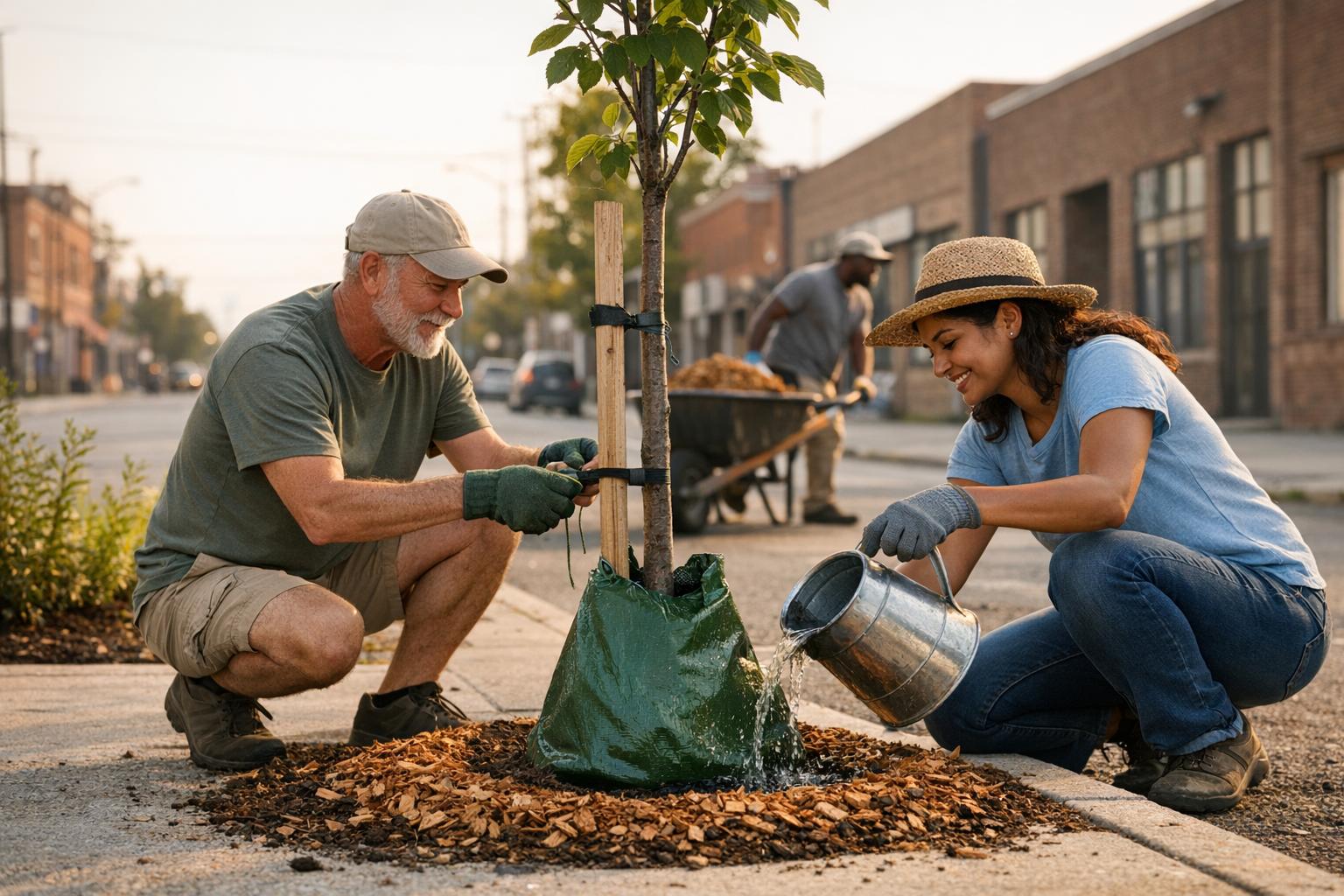
Feb 1, 2026
How to Build Heat Resilience & Urban Greening for NGOs & Nonprofits
Sustainability Strategy
In This Article
Practical strategies for NGOs to assess urban heat risks, design equitable greening projects, secure funding, and maintain long-term tree canopy benefits.
How to Build Heat Resilience & Urban Greening for NGOs & Nonprofits
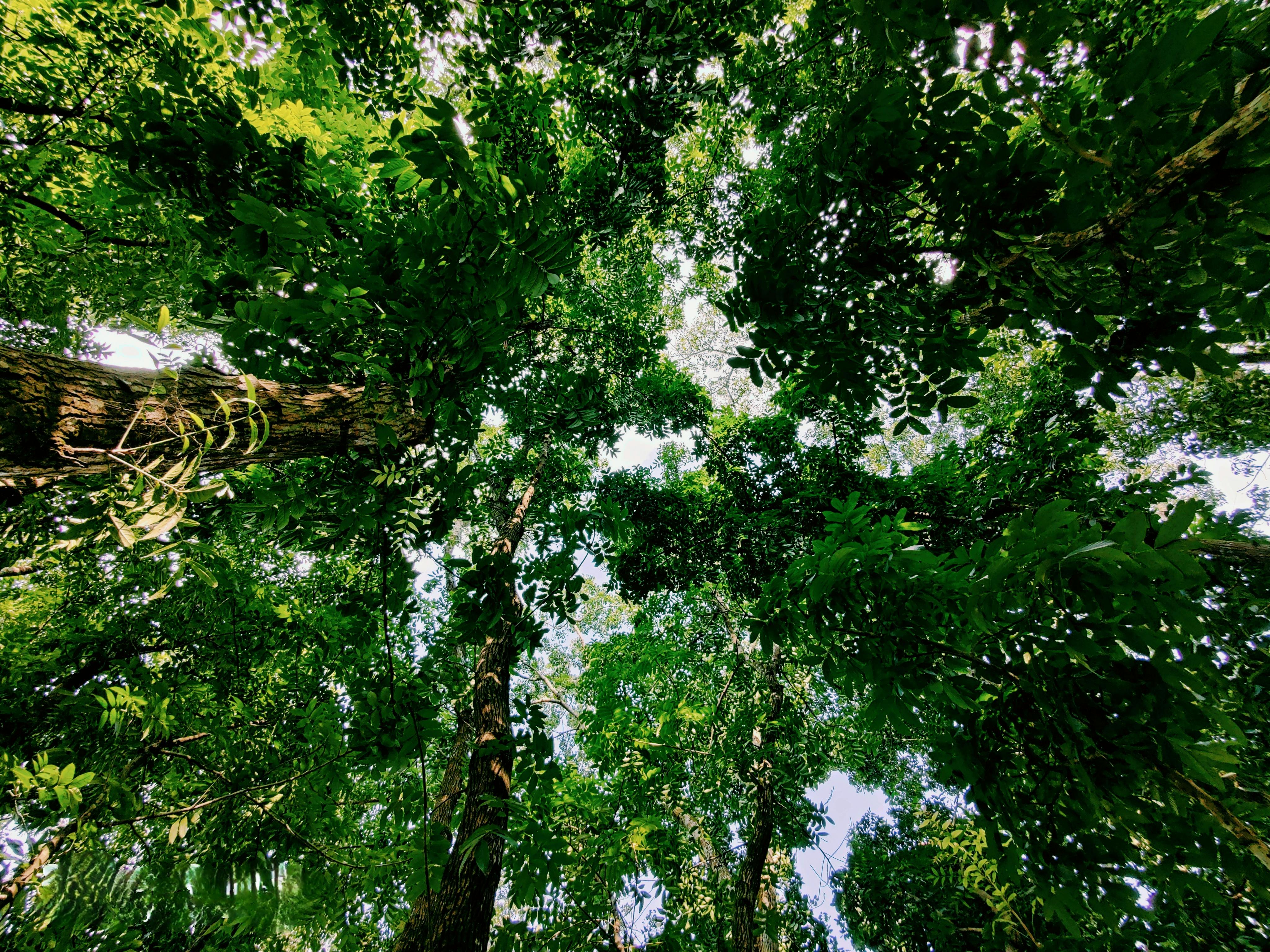
Cities are heating up, and urban areas are becoming dangerously hotter than their rural counterparts, posing risks to millions of people. Nonprofits and NGOs can play a pivotal role in addressing these challenges by implementing greening projects to reduce urban heat. Here's how:
Urban Heat Problem: Cities can be up to 22°F hotter than rural areas due to heat-absorbing surfaces like asphalt and concrete. Vulnerable groups, including the elderly and low-income communities, face the greatest risks during heat waves.
Key Solutions: Expanding tree canopies, using reflective materials, and creating multifunctional green spaces can lower temperatures, improve air quality, and reduce heat-related deaths.
Assessing Heat Risks: Tools like the Urban Tree Canopy Assessment and Climate Mapping for Resilience help identify high-risk areas and guide greening efforts.
Community Engagement: Collaborating with residents ensures projects address local needs. Programs like Philadelphia's "Beat the Heat" show how community input can shape effective solutions.
Funding Opportunities: Federal grants, state programs, and private philanthropy offer resources to support urban greening initiatives. Examples include the U.S. Forest Service's $1.5 billion allocation for urban heat mitigation.
Long-Term Maintenance: Effective urban forestry requires ongoing care, community involvement, and tools like i-Tree to measure impact.
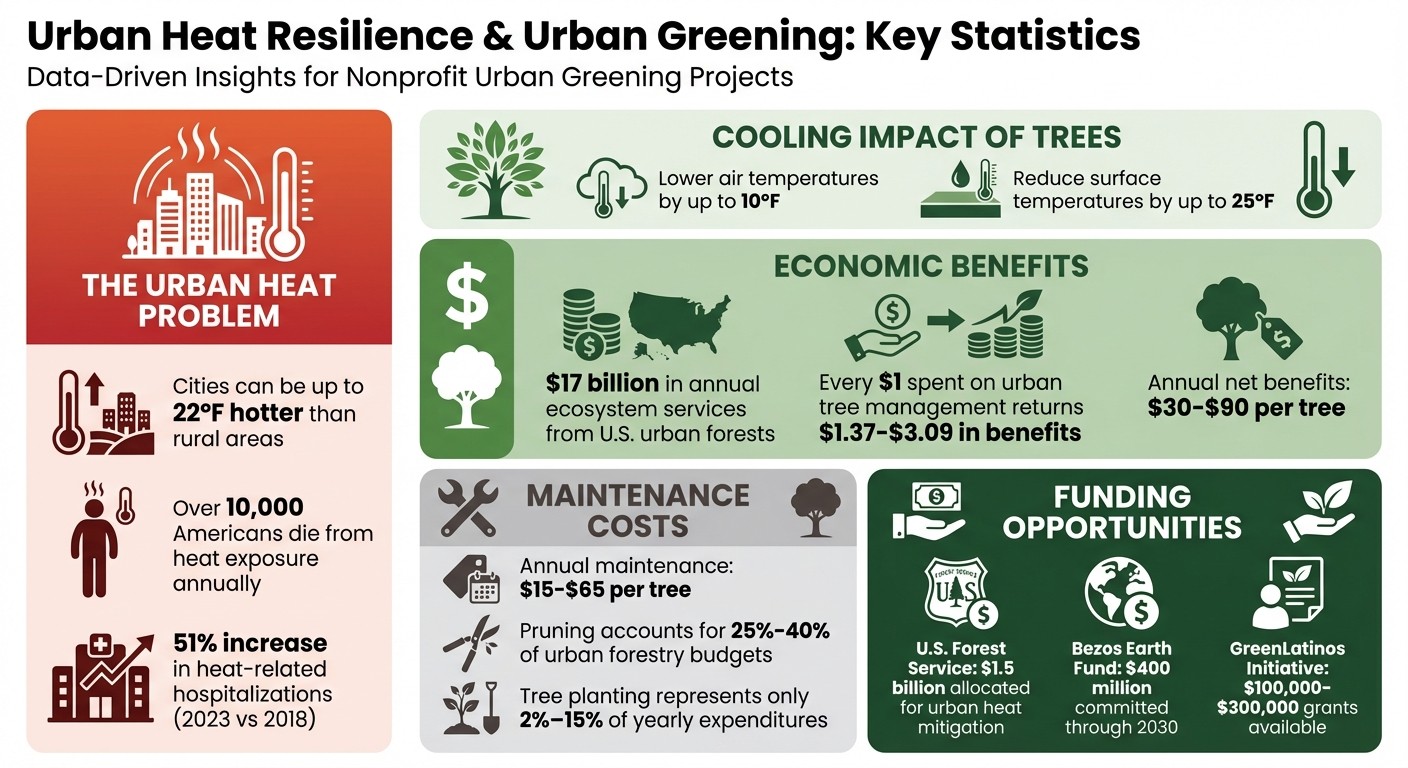
Urban Heat & Greening Impact: Key Statistics for NGOs
Building Resilience: Greening, Heat & Urban Trees, January 12, 2022
How to Assess Urban Heat Vulnerabilities
Before starting greening projects, it's crucial to understand which areas in your community are most affected by heat. A thorough assessment identifies neighborhoods at the highest risk, helping you allocate resources effectively. This groundwork shapes your data collection and community engagement strategies.
Key data to gather includes average high temperatures (especially in July), tree canopy coverage, access to air conditioning, heat-related health statistics - such as a 51% increase in hospitalizations in 2023 compared to 2018 [6] - and heat island intensity. Heat island intensity measures the temperature difference between a neighborhood and the coolest part of your city, offering a clear picture of localized heat risks.
Several free tools can help you get started. The Urban Tree Canopy Assessment evaluates current tree coverage and sets greening goals, while Climate Mapping for Resilience and Adaptation (CMRA) provides insights into local climate hazards [3][5]. For projections, Climate Explorer offers both historical data and future scenarios. Choose tools that fit your goals: use ground-level temperature data to address health risks or satellite imagery to locate broader heat hot spots [8]. The most effective assessments combine these approaches, using satellite data to pinpoint problem areas and ground-level sensors to measure human exposure.
Data Tools for Heat Vulnerability Analysis
The Atlanta Climate Vulnerability Map, created by Georgia Tech Urban Climate Lab and the City of Atlanta, provides a detailed look at factors like July high temperatures, air conditioning access, and tree canopy coverage. It even calculates how many additional trees are needed to achieve a 50% canopy goal. Residents can search their areas to see rankings for heat risk, flood risk, and overall vulnerability [4].
In Louisville, Kentucky - one of the fastest-warming cities in the U.S. - the Urban Climate Lab used high-resolution modeling to map neighborhood-level heat risks. Their findings showed that extensive tree planting and reflective "cool" roofing could significantly reduce heat-related deaths [4]. This type of precise data turns broad climate concerns into actionable plans.
"Exposure to extreme heat is the leading weather-related cause of death in the United States, with more than 10,000 Americans succumbing to heat exposure each year." - Georgia Tech Urban Climate Lab [4]
Investing in urban forestry yields immense benefits. Trees in the U.S. provide over $17 billion in ecosystem services annually, and every $1 spent on urban tree management generates returns valued between $1.37 and $3.09 [6]. Trees can lower air temperatures by as much as 10°F and surface temperatures by up to 25°F [6], but these benefits depend on planting in the right locations.
How to Engage Communities in Heat Assessments
Once you've gathered data, combining it with community input ensures a well-rounded understanding of heat vulnerabilities. Engaging residents adds depth to the technical data. For example, in 2019, Philadelphia's "Beat the Heat" initiative trained Heat Ambassadors to collect localized data, resulting in a heat relief plan focused on equitable cooling and greening [7].
Build a dedicated team that includes your nonprofit staff and local representatives. Conduct interviews with community leaders and residents to understand their experiences with extreme heat. Tools like "Hot by Design" allow residents to map high-risk areas based on their daily routines [7].
This asset-based approach highlights community strengths rather than merely cataloging problems. Partnering with neighborhood leaders, such as Block Captains, can help distribute materials and boost survey participation. Combining grassroots knowledge with tools like i-Tree or Urban Tree Canopy Assessments creates a comprehensive view of heat risks, blending data with lived experiences [3][7].
Consider the historical context of affected neighborhoods. Communities impacted by redlining often have less tree coverage and face higher heat risks today. Recognizing this history ensures that greening efforts prioritize these underserved areas [6]. By aligning resident input with technical data, you can design urban greening projects that address both environmental and social inequities.
How to Implement Urban Greening Projects
After identifying heat vulnerabilities and engaging with the community, it’s time to put plans into motion. Effective urban greening projects hinge on selecting the right plants, designing spaces that address multiple needs, and ensuring fair access for all. The aim is to create green areas that not only reduce urban heat but also provide long-term benefits for the entire community.
Urban greening is an investment that pays off. For every $1 spent on tree management, the return ranges between $1.37 and $3.09 in benefits, according to research [6]. Nationwide, urban forestry contributes over $17 billion annually in ecosystem services alone [6].
Choosing Heat-Resistant Native Plants
The success of any greening project starts with plant selection. Native plants play a vital role in maintaining ecosystem health by preventing the spread of diseases and invasive species [6]. By focusing on climate-resilient species, you can ensure these plants thrive even as temperatures rise [6].
When choosing plants, consider the specific climate region of your project. The U.S. is divided into 12 climatic regions, and selecting plants suited to your area increases their likelihood of survival [6]. For hot urban settings, native hardwoods like elm, honey locust, and willow oak are excellent choices due to their durability and minimal maintenance needs [6]. These trees help cool the environment through shade and evapotranspiration, where moisture is released into the air [6].
In particularly harsh urban spots, such as "hellstrips" (the narrow strips of land between sidewalks and streets), plants must withstand conditions like poor soil, road salt, and physical wear [9]. Using tools to match plant species to specific site conditions can help communities make informed decisions [6].
"Urban forests, when strategically planted or naturally regenerated and maintained, also have the potential to be a long-term, sustainable, nature-based solution to the rising threat of extreme heat on human health." - FAS (Federation of American Scientists) [6]
Designing Multifunctional Green Spaces
Green spaces that serve multiple purposes are the most impactful. Forest gardens, also called "food forests", use up to eight vertical layers - ranging from overstory trees to groundcover plants and fungi - to maximize shade, food production, and pollinator habitats in limited urban areas [10]. This layered approach creates ecosystems that benefit communities year-round.
For example, Miami-Dade County’s "Food Forests for Schools" program has established 26 food forests, benefiting over 30,000 students across 51 schools. These spaces not only provide fresh produce but also function as "eco-labs" for science and math education [10]. Similarly, Boston’s food forest coalition has distributed more than 230,000 bags of produce to students and families [10].
| Layer | Example Species for Multifunctional Spaces |
| --- | --- |
| Overstory | American chestnut, Black walnut, Red mulberry |
| Understory | Pawpaw, Serviceberry, Asian pear |
| Shrub | Elderberry, Highbush blueberry, Witch hazel |
| Groundcover | Strawberry, Mint, Thyme |
| Fungal | Shiitake mushrooms, Wine cap mushrooms
| Layer | Example Species for Multifunctional Spaces |
| --- | --- |
| Overstory | American chestnut, Black walnut, Red mulberry |
| Understory | Pawpaw, Serviceberry, Asian pear |
| Shrub | Elderberry, Highbush blueberry, Witch hazel |
| Groundcover | Strawberry, Mint, Thyme |
| Fungal | Shiitake mushrooms, Wine cap mushrooms
(Source: [10])
To keep these spaces thriving, use sustainable practices like "hügelkultur", which involves filling trenches with organic materials like logs and compost to retain water and reduce the need for irrigation [10]. At Grow Enrichment in Nashville, this method has helped vegetable beds flourish by capturing hillside runoff [10].
When establishing green spaces near roads, collaborate with designers to prevent tree roots from damaging infrastructure or interfering with water systems [1]. Incorporating pervious pathways, pollinator-friendly plants, and shaded play areas can enhance both ecological and community benefits. Adding natural elements like logs or sensory features allows children to explore and learn about local ecosystems [10].
"Children are going to learn independently if you prepare an educational space for them to explore." - Ginger-Rose Krueck, Executive Director, Grow Enrichment [10]
Ensuring Equitable Access to Green Spaces
Equity should guide every step of your greening strategy. Vulnerable populations - whether by age, income, race, or location - are often the hardest hit by extreme heat [1]. Prioritizing underserved neighborhoods with little canopy cover can help address these disparities [1].
Transform underutilized areas like vacant lots or street rights-of-way into green spaces to bring cooling benefits to densely populated areas [1]. Collaborating with stormwater and park agencies can open up funding opportunities while maximizing the impact of green infrastructure [1]. Incorporating greening efforts into routine street upgrades ensures long-term investments in historically underserved communities [1].
Louisville, Kentucky, provides a strong example of this approach. In 2014, the city conducted a tree canopy assessment to identify areas most in need of shade. This initiative, supported by then-Mayor Greg Fischer, revealed that the city’s trees provide $389 million annually in benefits, including temperature regulation and carbon reduction [1].
Community involvement is critical for maintaining these spaces. In Boston, the Food Forest Coalition uses a "root and branch" model, where the nonprofit handles administrative tasks while local stewards care for the land. This approach has transformed 10 urban spaces into public food forests, with plans to expand to 30 by 2030 [10]. By using community land trusts, these spaces remain accessible and protected for generations [10].
"The community land trust would be like the trunk of the tree, providing a solid foundation for each of the food forests... The fruit would be the people involved." - Orion Kriegman, Executive Director, Boston Food Forest Coalition [10]
To ensure green spaces benefit those who need them most, focus on locations near underserved schools and public transit routes. Acquiring marginal land - areas unsuitable for traditional development - can also increase access to green spaces at a low cost [10]. Programs like the District of Columbia’s RiverSmart Rooftops Green Roof Rebate Program offer financial incentives to encourage greening in high-density areas [1].
With these strategies in place, urban greening projects can create lasting change, cooling cities while addressing community needs. The next step is securing partnerships and funding to bring these plans to life.
Funding and Partnership Opportunities
Securing funding and forming strong partnerships are essential steps for advancing urban greening initiatives. Across federal, state, and philanthropic programs, there’s a growing focus on addressing urban heat challenges, particularly in communities historically overlooked for green infrastructure investments.
Finding Grants and Financial Resources
Federal programs are stepping up to support urban heat resilience. The U.S. Forest Service Urban and Community Forestry Program, boosted by the Inflation Reduction Act, now has $1.5 billion allocated for urban heat mitigation. This legislation also introduced Neighborhood Access and Equity Grants and Environmental and Climate Justice Grants, both aimed at community-driven resilience efforts. Meanwhile, the NOAA Urban Heat Island Mapping Campaign offers both funding and technical assistance to cities working to map and address heat disparities [15].
State programs add another layer of opportunity. In California, the Urban Greening Grant Program channels at least 75% of its funding to disadvantaged communities, supporting projects that reduce greenhouse gases and combat extreme heat [11]. The Extreme Heat and Community Resilience Program funds initiatives ranging from shade master plans to park upgrades and cooling centers [13].
Private philanthropy plays a key role as well. The Bezos Earth Fund’s Greening America’s Cities initiative has committed $400 million through 2030 to support environmental justice projects. Similarly, the GreenLatinos Sustainable Cities Urban Greening Initiative provides grants of $100,000 to $300,000 for urban Latino/a/e communities [12]. The Climate Smart Communities Initiative offers grants between $50,000 and $130,000 for planning and pilot projects [14].
Recent projects highlight how these funds are making an impact. In 2025, ICLEI – Local Governments for Sustainability USA used a $100,000 grant from the Climate Smart Communities Initiative to create a community-driven heat strategy in Boynton Beach, Florida. This effort, led by Jess Grannis in partnership with American Forests, included a pilot tree distribution program for low-canopy neighborhoods [14]. Similarly, EcoAdapt received $100,000 to help the New Orleans East Green Infrastructure Collective expand the urban tree canopy and assess climate vulnerabilities [14].
To strengthen grant proposals, use tools like CalEnviroScreen or the Trust for Public Land's ParkServe to highlight community needs. Focus on areas with high heat vulnerability or where household incomes fall below 80% of the state average [11][13]. If your organization lacks 501(c)(3) status, consider partnering with a fiscal sponsor to meet grant eligibility requirements [12][13]. These strategies can help secure funding and lay the groundwork for impactful collaborations.
Building Partnerships with Local Organizations
Once funding strategies are in place, building strong partnerships becomes vital. Start by aligning your project with local government plans, such as Urban Forestry Master Plans, Climate Action Plans, or Comprehensive Land Use Plans. This alignment ensures your initiative supports broader municipal goals [17].
Utility partnerships can also provide consistent support. For example, Los Angeles’ Department of Water and Power collaborates with City Plants to supply free trees to residents, while Sacramento’s Municipal Utility District teams up with the Sacramento Tree Foundation to offer rebates for planting shade trees [17]. Partnerships with park and stormwater agencies can further integrate green infrastructure into city planning [1].
Expanding beyond traditional partners can uncover new opportunities. Collaborating with academic institutions, Tribal governments, or special interest groups can bring in additional funding, technical expertise, and volunteer resources [16][17].
Council Fire's Role in Securing Funding and Building Partnerships
Navigating the complexities of funding and partnerships requires expertise and strategic planning. Council Fire provides tailored consulting services to help NGOs and nonprofits align resources with long-term goals. Their approach includes strategic planning, stakeholder collaboration, and data-driven insights to enhance grant proposals and partnership opportunities.
Whether it’s using tools like i-Tree to quantify environmental benefits, integrating resilience measures into capital improvement projects, or identifying the best mix of funding sources, Council Fire helps organizations craft compelling proposals. They focus on showcasing the environmental, social, and economic value of projects while identifying characteristics that make them stand out to grantors [16].
Maintaining and Monitoring Green Spaces
Once trees are planted, keeping them healthy requires ongoing care. Pruning alone accounts for 25%–40% of annual urban forestry budgets, while general maintenance costs range from $15 to $65 per tree annually [19]. Although planting trees represents just 2%–15% of yearly expenditures, proper maintenance ensures they deliver their full cooling and environmental benefits [19]. These figures highlight the importance of well-organized community programs to sustain urban green spaces.
Setting Up Community Maintenance Programs
Creating a maintenance program starts with involving local volunteers and establishing regular schedules for watering, pruning, and pest management [17]. For example, in Baltimore, Maryland, the city collaborates with community groups to recruit volunteers who plant thousands of trees each year in priority areas identified through strategic planning [17]. Offering financial incentives, such as utility rebates, can further encourage participation [17].
Measuring Project Success with Data
Tracking the impact of green initiatives is essential. Tools like i-Tree and remote sensing allow communities to monitor changes in canopy growth, air quality, temperature reduction, and tree health [17][3]. The i-Tree software calculates the environmental and economic benefits of urban tree canopies, including carbon capture, stormwater management, and mitigating urban heat islands [17]. To maintain scientific accuracy, community-collected data should follow USDA protocols [20].
Urban Tree Canopy Assessments are particularly useful for pinpointing areas with low canopy cover and high heat risks [17][3]. The investment in these programs often pays off significantly: urban forestry efforts typically yield a return of $1.50 to $3.00 for every $1.00 spent, with annual net benefits estimated between $30 and $90 per tree [19]. Reliable data not only demonstrates the success of these programs but also helps guide their expansion.
Replicating Projects in Other Communities
Successful urban greening strategies can be adapted to fit the needs of different communities while adhering to proven principles. The Trust for Public Land's Climate Smart Cities program exemplifies this approach, using urban parks and open spaces to combat heat islands, manage stormwater, and protect shorelines in multiple U.S. cities [18]. A notable example is New Orleans, which received $141.3 million in January 2016 from the U.S. Department of Housing and Urban Development's National Disaster Resilience Competition to establish its first resilience district, focusing on green infrastructure as a primary strategy [18].
Before replicating such projects, localized assessments are critical. Tools like the Tree Equity Score can identify neighborhoods most in need of cooling and increased resilience [17]. Aligning initiatives with Urban Forestry Master Plans or Climate Action Plans ensures they support broader municipal objectives [17]. Policies like zoning ordinances can require minimum vegetation coverage for new developments, while offering credits or reimbursements for planting approved tree species encourages community involvement [17]. Combining thoughtful policy, targeted incentives, and data-driven strategies enables effective replication of these projects in other areas.
Conclusion
Tackling urban heat resilience through greening efforts demands a shift for NGOs and nonprofits - from short-term fixes to well-rounded, long-term strategies that address heat vulnerability at its core. As the U.S. Environmental Protection Agency highlights, "The most effective way to reduce the negative impacts of an extreme heat event is to develop a comprehensive heat response plan that combines individual strategies into an integrated approach" [2]. This involves weaving together urban forestry, green infrastructure, public education, and collaborative efforts across sectors into a cohesive framework.
Equity must remain a central focus. Communities disproportionately affected by historical practices like redlining deserve prioritized and sustained greening initiatives. These efforts not only address environmental justice but also deliver measurable economic returns - every dollar invested in urban tree management generates between $1.37 and $3.09 in benefits. Nationwide, urban forestry contributes $17 billion annually in ecosystem services [6]. However, these benefits hinge on consistent maintenance and active community involvement, rather than stopping at initial planting.
Collaboration across sectors is equally vital. Experts in forestry, public health, climate science, and local organizations need to work together to design, implement, and maintain green infrastructure. Such efforts can lower temperatures by as much as 10°F while enhancing air quality, mental well-being, and property values [6]. Chicago’s experience underscores this potential: by improving its heat response program in 1999, the city reduced heat-related deaths to around 100, compared to approximately 700 during a similar heat wave in 1995 [2]. This integrated approach, detailed earlier, serves as a model for creating greener, more resilient urban spaces.
In addition to collaboration, policy advocacy plays a key role. NGOs are uniquely positioned to push for policies that deliver broad benefits - better public health, energy savings, and environmental equity - regardless of the frequency or intensity of heat events [21]. By leveraging data tools, securing steady funding, and fostering partnerships with local groups, nonprofits can create models that turn at-risk neighborhoods into thriving, heat-resilient communities. As the Federation of American Scientists notes, "Urban forests, when strategically planted or naturally regenerated and maintained, also have the potential to be a long-term, sustainable, nature-based solution to the rising threat of extreme heat on human health" [6]. With careful planning, ongoing upkeep, and meaningful community participation, lasting resilience is within reach.
FAQs
How can nonprofits involve communities in urban greening projects?
Nonprofits can play a key role in involving communities in urban greening projects by emphasizing education and teamwork. Hosting workshops or hands-on classes allows residents to gain practical knowledge about sustainable practices while directly contributing to greening efforts. This approach not only builds skills but also strengthens community ties to the project.
Creating a well-structured community engagement plan, spearheaded by nonprofit staff and board members, helps cultivate a sense of ownership and shared purpose among participants. Furthermore, nonprofits can conduct tree canopy assessments or develop urban forestry plans to pinpoint areas most in need of greening. Involving residents in these early planning phases ensures that projects address local priorities and encourage ongoing participation. Together, these strategies help create urban greening initiatives that resonate with the community and have lasting impact.
What are the top funding options for nonprofits tackling urban heat and greening projects?
Nonprofits have several funding avenues to support urban heat resilience and greening projects. Federal initiatives, including programs under the Inflation Reduction Act and the Bipartisan Infrastructure Law, provide grants for efforts such as urban tree planting, installing green roofs, and establishing cooling centers. Similarly, state-level programs, like California’s Extreme Heat and Community Resilience Program, focus on aiding vulnerable populations.
Local governments and nonprofits can also tap into grants targeting green infrastructure, energy efficiency, and public health. These funding opportunities aim to tackle urban heat challenges while promoting community-led, sustainable solutions. It’s essential to explore options that align with your region and specific project objectives.
How can nonprofits choose the best plants for urban greening in different climates?
Choosing plants for urban greening requires careful consideration of the local climate and environmental factors. Opt for native or regionally suited species that can naturally thrive in the area's soil, temperature, and moisture conditions. Native plants tend to be more robust, need less upkeep, and align well with sustainable urban greening efforts.
When deciding on plants, think about their cooling properties, such as providing shade or supporting evapotranspiration, both of which help combat urban heat. For instance, trees with wide canopies are excellent for creating shaded spaces, while drought-resistant plants are ideal for dry climates. Always select species that address your community's specific needs and align with its long-term environmental objectives.
Related Blog Posts
Latest Articles
©2025

FAQ
01
What does it really mean to “redefine profit”?
02
What makes Council Fire different?
03
Who does Council Fire you work with?
04
What does working with Council Fire actually look like?
05
How does Council Fire help organizations turn big goals into action?
06
How does Council Fire define and measure success?
Feb 1, 2026
How to Build Heat Resilience & Urban Greening for NGOs & Nonprofits
Sustainability Strategy
In This Article
Practical strategies for NGOs to assess urban heat risks, design equitable greening projects, secure funding, and maintain long-term tree canopy benefits.
How to Build Heat Resilience & Urban Greening for NGOs & Nonprofits
Cities are heating up, and urban areas are becoming dangerously hotter than their rural counterparts, posing risks to millions of people. Nonprofits and NGOs can play a pivotal role in addressing these challenges by implementing greening projects to reduce urban heat. Here's how:
Urban Heat Problem: Cities can be up to 22°F hotter than rural areas due to heat-absorbing surfaces like asphalt and concrete. Vulnerable groups, including the elderly and low-income communities, face the greatest risks during heat waves.
Key Solutions: Expanding tree canopies, using reflective materials, and creating multifunctional green spaces can lower temperatures, improve air quality, and reduce heat-related deaths.
Assessing Heat Risks: Tools like the Urban Tree Canopy Assessment and Climate Mapping for Resilience help identify high-risk areas and guide greening efforts.
Community Engagement: Collaborating with residents ensures projects address local needs. Programs like Philadelphia's "Beat the Heat" show how community input can shape effective solutions.
Funding Opportunities: Federal grants, state programs, and private philanthropy offer resources to support urban greening initiatives. Examples include the U.S. Forest Service's $1.5 billion allocation for urban heat mitigation.
Long-Term Maintenance: Effective urban forestry requires ongoing care, community involvement, and tools like i-Tree to measure impact.
Urban Heat & Greening Impact: Key Statistics for NGOs
Building Resilience: Greening, Heat & Urban Trees, January 12, 2022
How to Assess Urban Heat Vulnerabilities
Before starting greening projects, it's crucial to understand which areas in your community are most affected by heat. A thorough assessment identifies neighborhoods at the highest risk, helping you allocate resources effectively. This groundwork shapes your data collection and community engagement strategies.
Key data to gather includes average high temperatures (especially in July), tree canopy coverage, access to air conditioning, heat-related health statistics - such as a 51% increase in hospitalizations in 2023 compared to 2018 [6] - and heat island intensity. Heat island intensity measures the temperature difference between a neighborhood and the coolest part of your city, offering a clear picture of localized heat risks.
Several free tools can help you get started. The Urban Tree Canopy Assessment evaluates current tree coverage and sets greening goals, while Climate Mapping for Resilience and Adaptation (CMRA) provides insights into local climate hazards [3][5]. For projections, Climate Explorer offers both historical data and future scenarios. Choose tools that fit your goals: use ground-level temperature data to address health risks or satellite imagery to locate broader heat hot spots [8]. The most effective assessments combine these approaches, using satellite data to pinpoint problem areas and ground-level sensors to measure human exposure.
Data Tools for Heat Vulnerability Analysis
The Atlanta Climate Vulnerability Map, created by Georgia Tech Urban Climate Lab and the City of Atlanta, provides a detailed look at factors like July high temperatures, air conditioning access, and tree canopy coverage. It even calculates how many additional trees are needed to achieve a 50% canopy goal. Residents can search their areas to see rankings for heat risk, flood risk, and overall vulnerability [4].
In Louisville, Kentucky - one of the fastest-warming cities in the U.S. - the Urban Climate Lab used high-resolution modeling to map neighborhood-level heat risks. Their findings showed that extensive tree planting and reflective "cool" roofing could significantly reduce heat-related deaths [4]. This type of precise data turns broad climate concerns into actionable plans.
"Exposure to extreme heat is the leading weather-related cause of death in the United States, with more than 10,000 Americans succumbing to heat exposure each year." - Georgia Tech Urban Climate Lab [4]
Investing in urban forestry yields immense benefits. Trees in the U.S. provide over $17 billion in ecosystem services annually, and every $1 spent on urban tree management generates returns valued between $1.37 and $3.09 [6]. Trees can lower air temperatures by as much as 10°F and surface temperatures by up to 25°F [6], but these benefits depend on planting in the right locations.
How to Engage Communities in Heat Assessments
Once you've gathered data, combining it with community input ensures a well-rounded understanding of heat vulnerabilities. Engaging residents adds depth to the technical data. For example, in 2019, Philadelphia's "Beat the Heat" initiative trained Heat Ambassadors to collect localized data, resulting in a heat relief plan focused on equitable cooling and greening [7].
Build a dedicated team that includes your nonprofit staff and local representatives. Conduct interviews with community leaders and residents to understand their experiences with extreme heat. Tools like "Hot by Design" allow residents to map high-risk areas based on their daily routines [7].
This asset-based approach highlights community strengths rather than merely cataloging problems. Partnering with neighborhood leaders, such as Block Captains, can help distribute materials and boost survey participation. Combining grassroots knowledge with tools like i-Tree or Urban Tree Canopy Assessments creates a comprehensive view of heat risks, blending data with lived experiences [3][7].
Consider the historical context of affected neighborhoods. Communities impacted by redlining often have less tree coverage and face higher heat risks today. Recognizing this history ensures that greening efforts prioritize these underserved areas [6]. By aligning resident input with technical data, you can design urban greening projects that address both environmental and social inequities.
How to Implement Urban Greening Projects
After identifying heat vulnerabilities and engaging with the community, it’s time to put plans into motion. Effective urban greening projects hinge on selecting the right plants, designing spaces that address multiple needs, and ensuring fair access for all. The aim is to create green areas that not only reduce urban heat but also provide long-term benefits for the entire community.
Urban greening is an investment that pays off. For every $1 spent on tree management, the return ranges between $1.37 and $3.09 in benefits, according to research [6]. Nationwide, urban forestry contributes over $17 billion annually in ecosystem services alone [6].
Choosing Heat-Resistant Native Plants
The success of any greening project starts with plant selection. Native plants play a vital role in maintaining ecosystem health by preventing the spread of diseases and invasive species [6]. By focusing on climate-resilient species, you can ensure these plants thrive even as temperatures rise [6].
When choosing plants, consider the specific climate region of your project. The U.S. is divided into 12 climatic regions, and selecting plants suited to your area increases their likelihood of survival [6]. For hot urban settings, native hardwoods like elm, honey locust, and willow oak are excellent choices due to their durability and minimal maintenance needs [6]. These trees help cool the environment through shade and evapotranspiration, where moisture is released into the air [6].
In particularly harsh urban spots, such as "hellstrips" (the narrow strips of land between sidewalks and streets), plants must withstand conditions like poor soil, road salt, and physical wear [9]. Using tools to match plant species to specific site conditions can help communities make informed decisions [6].
"Urban forests, when strategically planted or naturally regenerated and maintained, also have the potential to be a long-term, sustainable, nature-based solution to the rising threat of extreme heat on human health." - FAS (Federation of American Scientists) [6]
Designing Multifunctional Green Spaces
Green spaces that serve multiple purposes are the most impactful. Forest gardens, also called "food forests", use up to eight vertical layers - ranging from overstory trees to groundcover plants and fungi - to maximize shade, food production, and pollinator habitats in limited urban areas [10]. This layered approach creates ecosystems that benefit communities year-round.
For example, Miami-Dade County’s "Food Forests for Schools" program has established 26 food forests, benefiting over 30,000 students across 51 schools. These spaces not only provide fresh produce but also function as "eco-labs" for science and math education [10]. Similarly, Boston’s food forest coalition has distributed more than 230,000 bags of produce to students and families [10].
| Layer | Example Species for Multifunctional Spaces |
| --- | --- |
| Overstory | American chestnut, Black walnut, Red mulberry |
| Understory | Pawpaw, Serviceberry, Asian pear |
| Shrub | Elderberry, Highbush blueberry, Witch hazel |
| Groundcover | Strawberry, Mint, Thyme |
| Fungal | Shiitake mushrooms, Wine cap mushrooms
(Source: [10])
To keep these spaces thriving, use sustainable practices like "hügelkultur", which involves filling trenches with organic materials like logs and compost to retain water and reduce the need for irrigation [10]. At Grow Enrichment in Nashville, this method has helped vegetable beds flourish by capturing hillside runoff [10].
When establishing green spaces near roads, collaborate with designers to prevent tree roots from damaging infrastructure or interfering with water systems [1]. Incorporating pervious pathways, pollinator-friendly plants, and shaded play areas can enhance both ecological and community benefits. Adding natural elements like logs or sensory features allows children to explore and learn about local ecosystems [10].
"Children are going to learn independently if you prepare an educational space for them to explore." - Ginger-Rose Krueck, Executive Director, Grow Enrichment [10]
Ensuring Equitable Access to Green Spaces
Equity should guide every step of your greening strategy. Vulnerable populations - whether by age, income, race, or location - are often the hardest hit by extreme heat [1]. Prioritizing underserved neighborhoods with little canopy cover can help address these disparities [1].
Transform underutilized areas like vacant lots or street rights-of-way into green spaces to bring cooling benefits to densely populated areas [1]. Collaborating with stormwater and park agencies can open up funding opportunities while maximizing the impact of green infrastructure [1]. Incorporating greening efforts into routine street upgrades ensures long-term investments in historically underserved communities [1].
Louisville, Kentucky, provides a strong example of this approach. In 2014, the city conducted a tree canopy assessment to identify areas most in need of shade. This initiative, supported by then-Mayor Greg Fischer, revealed that the city’s trees provide $389 million annually in benefits, including temperature regulation and carbon reduction [1].
Community involvement is critical for maintaining these spaces. In Boston, the Food Forest Coalition uses a "root and branch" model, where the nonprofit handles administrative tasks while local stewards care for the land. This approach has transformed 10 urban spaces into public food forests, with plans to expand to 30 by 2030 [10]. By using community land trusts, these spaces remain accessible and protected for generations [10].
"The community land trust would be like the trunk of the tree, providing a solid foundation for each of the food forests... The fruit would be the people involved." - Orion Kriegman, Executive Director, Boston Food Forest Coalition [10]
To ensure green spaces benefit those who need them most, focus on locations near underserved schools and public transit routes. Acquiring marginal land - areas unsuitable for traditional development - can also increase access to green spaces at a low cost [10]. Programs like the District of Columbia’s RiverSmart Rooftops Green Roof Rebate Program offer financial incentives to encourage greening in high-density areas [1].
With these strategies in place, urban greening projects can create lasting change, cooling cities while addressing community needs. The next step is securing partnerships and funding to bring these plans to life.
Funding and Partnership Opportunities
Securing funding and forming strong partnerships are essential steps for advancing urban greening initiatives. Across federal, state, and philanthropic programs, there’s a growing focus on addressing urban heat challenges, particularly in communities historically overlooked for green infrastructure investments.
Finding Grants and Financial Resources
Federal programs are stepping up to support urban heat resilience. The U.S. Forest Service Urban and Community Forestry Program, boosted by the Inflation Reduction Act, now has $1.5 billion allocated for urban heat mitigation. This legislation also introduced Neighborhood Access and Equity Grants and Environmental and Climate Justice Grants, both aimed at community-driven resilience efforts. Meanwhile, the NOAA Urban Heat Island Mapping Campaign offers both funding and technical assistance to cities working to map and address heat disparities [15].
State programs add another layer of opportunity. In California, the Urban Greening Grant Program channels at least 75% of its funding to disadvantaged communities, supporting projects that reduce greenhouse gases and combat extreme heat [11]. The Extreme Heat and Community Resilience Program funds initiatives ranging from shade master plans to park upgrades and cooling centers [13].
Private philanthropy plays a key role as well. The Bezos Earth Fund’s Greening America’s Cities initiative has committed $400 million through 2030 to support environmental justice projects. Similarly, the GreenLatinos Sustainable Cities Urban Greening Initiative provides grants of $100,000 to $300,000 for urban Latino/a/e communities [12]. The Climate Smart Communities Initiative offers grants between $50,000 and $130,000 for planning and pilot projects [14].
Recent projects highlight how these funds are making an impact. In 2025, ICLEI – Local Governments for Sustainability USA used a $100,000 grant from the Climate Smart Communities Initiative to create a community-driven heat strategy in Boynton Beach, Florida. This effort, led by Jess Grannis in partnership with American Forests, included a pilot tree distribution program for low-canopy neighborhoods [14]. Similarly, EcoAdapt received $100,000 to help the New Orleans East Green Infrastructure Collective expand the urban tree canopy and assess climate vulnerabilities [14].
To strengthen grant proposals, use tools like CalEnviroScreen or the Trust for Public Land's ParkServe to highlight community needs. Focus on areas with high heat vulnerability or where household incomes fall below 80% of the state average [11][13]. If your organization lacks 501(c)(3) status, consider partnering with a fiscal sponsor to meet grant eligibility requirements [12][13]. These strategies can help secure funding and lay the groundwork for impactful collaborations.
Building Partnerships with Local Organizations
Once funding strategies are in place, building strong partnerships becomes vital. Start by aligning your project with local government plans, such as Urban Forestry Master Plans, Climate Action Plans, or Comprehensive Land Use Plans. This alignment ensures your initiative supports broader municipal goals [17].
Utility partnerships can also provide consistent support. For example, Los Angeles’ Department of Water and Power collaborates with City Plants to supply free trees to residents, while Sacramento’s Municipal Utility District teams up with the Sacramento Tree Foundation to offer rebates for planting shade trees [17]. Partnerships with park and stormwater agencies can further integrate green infrastructure into city planning [1].
Expanding beyond traditional partners can uncover new opportunities. Collaborating with academic institutions, Tribal governments, or special interest groups can bring in additional funding, technical expertise, and volunteer resources [16][17].
Council Fire's Role in Securing Funding and Building Partnerships
Navigating the complexities of funding and partnerships requires expertise and strategic planning. Council Fire provides tailored consulting services to help NGOs and nonprofits align resources with long-term goals. Their approach includes strategic planning, stakeholder collaboration, and data-driven insights to enhance grant proposals and partnership opportunities.
Whether it’s using tools like i-Tree to quantify environmental benefits, integrating resilience measures into capital improvement projects, or identifying the best mix of funding sources, Council Fire helps organizations craft compelling proposals. They focus on showcasing the environmental, social, and economic value of projects while identifying characteristics that make them stand out to grantors [16].
Maintaining and Monitoring Green Spaces
Once trees are planted, keeping them healthy requires ongoing care. Pruning alone accounts for 25%–40% of annual urban forestry budgets, while general maintenance costs range from $15 to $65 per tree annually [19]. Although planting trees represents just 2%–15% of yearly expenditures, proper maintenance ensures they deliver their full cooling and environmental benefits [19]. These figures highlight the importance of well-organized community programs to sustain urban green spaces.
Setting Up Community Maintenance Programs
Creating a maintenance program starts with involving local volunteers and establishing regular schedules for watering, pruning, and pest management [17]. For example, in Baltimore, Maryland, the city collaborates with community groups to recruit volunteers who plant thousands of trees each year in priority areas identified through strategic planning [17]. Offering financial incentives, such as utility rebates, can further encourage participation [17].
Measuring Project Success with Data
Tracking the impact of green initiatives is essential. Tools like i-Tree and remote sensing allow communities to monitor changes in canopy growth, air quality, temperature reduction, and tree health [17][3]. The i-Tree software calculates the environmental and economic benefits of urban tree canopies, including carbon capture, stormwater management, and mitigating urban heat islands [17]. To maintain scientific accuracy, community-collected data should follow USDA protocols [20].
Urban Tree Canopy Assessments are particularly useful for pinpointing areas with low canopy cover and high heat risks [17][3]. The investment in these programs often pays off significantly: urban forestry efforts typically yield a return of $1.50 to $3.00 for every $1.00 spent, with annual net benefits estimated between $30 and $90 per tree [19]. Reliable data not only demonstrates the success of these programs but also helps guide their expansion.
Replicating Projects in Other Communities
Successful urban greening strategies can be adapted to fit the needs of different communities while adhering to proven principles. The Trust for Public Land's Climate Smart Cities program exemplifies this approach, using urban parks and open spaces to combat heat islands, manage stormwater, and protect shorelines in multiple U.S. cities [18]. A notable example is New Orleans, which received $141.3 million in January 2016 from the U.S. Department of Housing and Urban Development's National Disaster Resilience Competition to establish its first resilience district, focusing on green infrastructure as a primary strategy [18].
Before replicating such projects, localized assessments are critical. Tools like the Tree Equity Score can identify neighborhoods most in need of cooling and increased resilience [17]. Aligning initiatives with Urban Forestry Master Plans or Climate Action Plans ensures they support broader municipal objectives [17]. Policies like zoning ordinances can require minimum vegetation coverage for new developments, while offering credits or reimbursements for planting approved tree species encourages community involvement [17]. Combining thoughtful policy, targeted incentives, and data-driven strategies enables effective replication of these projects in other areas.
Conclusion
Tackling urban heat resilience through greening efforts demands a shift for NGOs and nonprofits - from short-term fixes to well-rounded, long-term strategies that address heat vulnerability at its core. As the U.S. Environmental Protection Agency highlights, "The most effective way to reduce the negative impacts of an extreme heat event is to develop a comprehensive heat response plan that combines individual strategies into an integrated approach" [2]. This involves weaving together urban forestry, green infrastructure, public education, and collaborative efforts across sectors into a cohesive framework.
Equity must remain a central focus. Communities disproportionately affected by historical practices like redlining deserve prioritized and sustained greening initiatives. These efforts not only address environmental justice but also deliver measurable economic returns - every dollar invested in urban tree management generates between $1.37 and $3.09 in benefits. Nationwide, urban forestry contributes $17 billion annually in ecosystem services [6]. However, these benefits hinge on consistent maintenance and active community involvement, rather than stopping at initial planting.
Collaboration across sectors is equally vital. Experts in forestry, public health, climate science, and local organizations need to work together to design, implement, and maintain green infrastructure. Such efforts can lower temperatures by as much as 10°F while enhancing air quality, mental well-being, and property values [6]. Chicago’s experience underscores this potential: by improving its heat response program in 1999, the city reduced heat-related deaths to around 100, compared to approximately 700 during a similar heat wave in 1995 [2]. This integrated approach, detailed earlier, serves as a model for creating greener, more resilient urban spaces.
In addition to collaboration, policy advocacy plays a key role. NGOs are uniquely positioned to push for policies that deliver broad benefits - better public health, energy savings, and environmental equity - regardless of the frequency or intensity of heat events [21]. By leveraging data tools, securing steady funding, and fostering partnerships with local groups, nonprofits can create models that turn at-risk neighborhoods into thriving, heat-resilient communities. As the Federation of American Scientists notes, "Urban forests, when strategically planted or naturally regenerated and maintained, also have the potential to be a long-term, sustainable, nature-based solution to the rising threat of extreme heat on human health" [6]. With careful planning, ongoing upkeep, and meaningful community participation, lasting resilience is within reach.
FAQs
How can nonprofits involve communities in urban greening projects?
Nonprofits can play a key role in involving communities in urban greening projects by emphasizing education and teamwork. Hosting workshops or hands-on classes allows residents to gain practical knowledge about sustainable practices while directly contributing to greening efforts. This approach not only builds skills but also strengthens community ties to the project.
Creating a well-structured community engagement plan, spearheaded by nonprofit staff and board members, helps cultivate a sense of ownership and shared purpose among participants. Furthermore, nonprofits can conduct tree canopy assessments or develop urban forestry plans to pinpoint areas most in need of greening. Involving residents in these early planning phases ensures that projects address local priorities and encourage ongoing participation. Together, these strategies help create urban greening initiatives that resonate with the community and have lasting impact.
What are the top funding options for nonprofits tackling urban heat and greening projects?
Nonprofits have several funding avenues to support urban heat resilience and greening projects. Federal initiatives, including programs under the Inflation Reduction Act and the Bipartisan Infrastructure Law, provide grants for efforts such as urban tree planting, installing green roofs, and establishing cooling centers. Similarly, state-level programs, like California’s Extreme Heat and Community Resilience Program, focus on aiding vulnerable populations.
Local governments and nonprofits can also tap into grants targeting green infrastructure, energy efficiency, and public health. These funding opportunities aim to tackle urban heat challenges while promoting community-led, sustainable solutions. It’s essential to explore options that align with your region and specific project objectives.
How can nonprofits choose the best plants for urban greening in different climates?
Choosing plants for urban greening requires careful consideration of the local climate and environmental factors. Opt for native or regionally suited species that can naturally thrive in the area's soil, temperature, and moisture conditions. Native plants tend to be more robust, need less upkeep, and align well with sustainable urban greening efforts.
When deciding on plants, think about their cooling properties, such as providing shade or supporting evapotranspiration, both of which help combat urban heat. For instance, trees with wide canopies are excellent for creating shaded spaces, while drought-resistant plants are ideal for dry climates. Always select species that address your community's specific needs and align with its long-term environmental objectives.
Related Blog Posts
FAQ
01
What does it really mean to “redefine profit”?
02
What makes Council Fire different?
03
Who does Council Fire you work with?
04
What does working with Council Fire actually look like?
05
How does Council Fire help organizations turn big goals into action?
06
How does Council Fire define and measure success?
Feb 1, 2026
How to Build Heat Resilience & Urban Greening for NGOs & Nonprofits
Sustainability Strategy
In This Article
Practical strategies for NGOs to assess urban heat risks, design equitable greening projects, secure funding, and maintain long-term tree canopy benefits.
How to Build Heat Resilience & Urban Greening for NGOs & Nonprofits
Cities are heating up, and urban areas are becoming dangerously hotter than their rural counterparts, posing risks to millions of people. Nonprofits and NGOs can play a pivotal role in addressing these challenges by implementing greening projects to reduce urban heat. Here's how:
Urban Heat Problem: Cities can be up to 22°F hotter than rural areas due to heat-absorbing surfaces like asphalt and concrete. Vulnerable groups, including the elderly and low-income communities, face the greatest risks during heat waves.
Key Solutions: Expanding tree canopies, using reflective materials, and creating multifunctional green spaces can lower temperatures, improve air quality, and reduce heat-related deaths.
Assessing Heat Risks: Tools like the Urban Tree Canopy Assessment and Climate Mapping for Resilience help identify high-risk areas and guide greening efforts.
Community Engagement: Collaborating with residents ensures projects address local needs. Programs like Philadelphia's "Beat the Heat" show how community input can shape effective solutions.
Funding Opportunities: Federal grants, state programs, and private philanthropy offer resources to support urban greening initiatives. Examples include the U.S. Forest Service's $1.5 billion allocation for urban heat mitigation.
Long-Term Maintenance: Effective urban forestry requires ongoing care, community involvement, and tools like i-Tree to measure impact.
Urban Heat & Greening Impact: Key Statistics for NGOs
Building Resilience: Greening, Heat & Urban Trees, January 12, 2022
How to Assess Urban Heat Vulnerabilities
Before starting greening projects, it's crucial to understand which areas in your community are most affected by heat. A thorough assessment identifies neighborhoods at the highest risk, helping you allocate resources effectively. This groundwork shapes your data collection and community engagement strategies.
Key data to gather includes average high temperatures (especially in July), tree canopy coverage, access to air conditioning, heat-related health statistics - such as a 51% increase in hospitalizations in 2023 compared to 2018 [6] - and heat island intensity. Heat island intensity measures the temperature difference between a neighborhood and the coolest part of your city, offering a clear picture of localized heat risks.
Several free tools can help you get started. The Urban Tree Canopy Assessment evaluates current tree coverage and sets greening goals, while Climate Mapping for Resilience and Adaptation (CMRA) provides insights into local climate hazards [3][5]. For projections, Climate Explorer offers both historical data and future scenarios. Choose tools that fit your goals: use ground-level temperature data to address health risks or satellite imagery to locate broader heat hot spots [8]. The most effective assessments combine these approaches, using satellite data to pinpoint problem areas and ground-level sensors to measure human exposure.
Data Tools for Heat Vulnerability Analysis
The Atlanta Climate Vulnerability Map, created by Georgia Tech Urban Climate Lab and the City of Atlanta, provides a detailed look at factors like July high temperatures, air conditioning access, and tree canopy coverage. It even calculates how many additional trees are needed to achieve a 50% canopy goal. Residents can search their areas to see rankings for heat risk, flood risk, and overall vulnerability [4].
In Louisville, Kentucky - one of the fastest-warming cities in the U.S. - the Urban Climate Lab used high-resolution modeling to map neighborhood-level heat risks. Their findings showed that extensive tree planting and reflective "cool" roofing could significantly reduce heat-related deaths [4]. This type of precise data turns broad climate concerns into actionable plans.
"Exposure to extreme heat is the leading weather-related cause of death in the United States, with more than 10,000 Americans succumbing to heat exposure each year." - Georgia Tech Urban Climate Lab [4]
Investing in urban forestry yields immense benefits. Trees in the U.S. provide over $17 billion in ecosystem services annually, and every $1 spent on urban tree management generates returns valued between $1.37 and $3.09 [6]. Trees can lower air temperatures by as much as 10°F and surface temperatures by up to 25°F [6], but these benefits depend on planting in the right locations.
How to Engage Communities in Heat Assessments
Once you've gathered data, combining it with community input ensures a well-rounded understanding of heat vulnerabilities. Engaging residents adds depth to the technical data. For example, in 2019, Philadelphia's "Beat the Heat" initiative trained Heat Ambassadors to collect localized data, resulting in a heat relief plan focused on equitable cooling and greening [7].
Build a dedicated team that includes your nonprofit staff and local representatives. Conduct interviews with community leaders and residents to understand their experiences with extreme heat. Tools like "Hot by Design" allow residents to map high-risk areas based on their daily routines [7].
This asset-based approach highlights community strengths rather than merely cataloging problems. Partnering with neighborhood leaders, such as Block Captains, can help distribute materials and boost survey participation. Combining grassroots knowledge with tools like i-Tree or Urban Tree Canopy Assessments creates a comprehensive view of heat risks, blending data with lived experiences [3][7].
Consider the historical context of affected neighborhoods. Communities impacted by redlining often have less tree coverage and face higher heat risks today. Recognizing this history ensures that greening efforts prioritize these underserved areas [6]. By aligning resident input with technical data, you can design urban greening projects that address both environmental and social inequities.
How to Implement Urban Greening Projects
After identifying heat vulnerabilities and engaging with the community, it’s time to put plans into motion. Effective urban greening projects hinge on selecting the right plants, designing spaces that address multiple needs, and ensuring fair access for all. The aim is to create green areas that not only reduce urban heat but also provide long-term benefits for the entire community.
Urban greening is an investment that pays off. For every $1 spent on tree management, the return ranges between $1.37 and $3.09 in benefits, according to research [6]. Nationwide, urban forestry contributes over $17 billion annually in ecosystem services alone [6].
Choosing Heat-Resistant Native Plants
The success of any greening project starts with plant selection. Native plants play a vital role in maintaining ecosystem health by preventing the spread of diseases and invasive species [6]. By focusing on climate-resilient species, you can ensure these plants thrive even as temperatures rise [6].
When choosing plants, consider the specific climate region of your project. The U.S. is divided into 12 climatic regions, and selecting plants suited to your area increases their likelihood of survival [6]. For hot urban settings, native hardwoods like elm, honey locust, and willow oak are excellent choices due to their durability and minimal maintenance needs [6]. These trees help cool the environment through shade and evapotranspiration, where moisture is released into the air [6].
In particularly harsh urban spots, such as "hellstrips" (the narrow strips of land between sidewalks and streets), plants must withstand conditions like poor soil, road salt, and physical wear [9]. Using tools to match plant species to specific site conditions can help communities make informed decisions [6].
"Urban forests, when strategically planted or naturally regenerated and maintained, also have the potential to be a long-term, sustainable, nature-based solution to the rising threat of extreme heat on human health." - FAS (Federation of American Scientists) [6]
Designing Multifunctional Green Spaces
Green spaces that serve multiple purposes are the most impactful. Forest gardens, also called "food forests", use up to eight vertical layers - ranging from overstory trees to groundcover plants and fungi - to maximize shade, food production, and pollinator habitats in limited urban areas [10]. This layered approach creates ecosystems that benefit communities year-round.
For example, Miami-Dade County’s "Food Forests for Schools" program has established 26 food forests, benefiting over 30,000 students across 51 schools. These spaces not only provide fresh produce but also function as "eco-labs" for science and math education [10]. Similarly, Boston’s food forest coalition has distributed more than 230,000 bags of produce to students and families [10].
| Layer | Example Species for Multifunctional Spaces |
| --- | --- |
| Overstory | American chestnut, Black walnut, Red mulberry |
| Understory | Pawpaw, Serviceberry, Asian pear |
| Shrub | Elderberry, Highbush blueberry, Witch hazel |
| Groundcover | Strawberry, Mint, Thyme |
| Fungal | Shiitake mushrooms, Wine cap mushrooms
(Source: [10])
To keep these spaces thriving, use sustainable practices like "hügelkultur", which involves filling trenches with organic materials like logs and compost to retain water and reduce the need for irrigation [10]. At Grow Enrichment in Nashville, this method has helped vegetable beds flourish by capturing hillside runoff [10].
When establishing green spaces near roads, collaborate with designers to prevent tree roots from damaging infrastructure or interfering with water systems [1]. Incorporating pervious pathways, pollinator-friendly plants, and shaded play areas can enhance both ecological and community benefits. Adding natural elements like logs or sensory features allows children to explore and learn about local ecosystems [10].
"Children are going to learn independently if you prepare an educational space for them to explore." - Ginger-Rose Krueck, Executive Director, Grow Enrichment [10]
Ensuring Equitable Access to Green Spaces
Equity should guide every step of your greening strategy. Vulnerable populations - whether by age, income, race, or location - are often the hardest hit by extreme heat [1]. Prioritizing underserved neighborhoods with little canopy cover can help address these disparities [1].
Transform underutilized areas like vacant lots or street rights-of-way into green spaces to bring cooling benefits to densely populated areas [1]. Collaborating with stormwater and park agencies can open up funding opportunities while maximizing the impact of green infrastructure [1]. Incorporating greening efforts into routine street upgrades ensures long-term investments in historically underserved communities [1].
Louisville, Kentucky, provides a strong example of this approach. In 2014, the city conducted a tree canopy assessment to identify areas most in need of shade. This initiative, supported by then-Mayor Greg Fischer, revealed that the city’s trees provide $389 million annually in benefits, including temperature regulation and carbon reduction [1].
Community involvement is critical for maintaining these spaces. In Boston, the Food Forest Coalition uses a "root and branch" model, where the nonprofit handles administrative tasks while local stewards care for the land. This approach has transformed 10 urban spaces into public food forests, with plans to expand to 30 by 2030 [10]. By using community land trusts, these spaces remain accessible and protected for generations [10].
"The community land trust would be like the trunk of the tree, providing a solid foundation for each of the food forests... The fruit would be the people involved." - Orion Kriegman, Executive Director, Boston Food Forest Coalition [10]
To ensure green spaces benefit those who need them most, focus on locations near underserved schools and public transit routes. Acquiring marginal land - areas unsuitable for traditional development - can also increase access to green spaces at a low cost [10]. Programs like the District of Columbia’s RiverSmart Rooftops Green Roof Rebate Program offer financial incentives to encourage greening in high-density areas [1].
With these strategies in place, urban greening projects can create lasting change, cooling cities while addressing community needs. The next step is securing partnerships and funding to bring these plans to life.
Funding and Partnership Opportunities
Securing funding and forming strong partnerships are essential steps for advancing urban greening initiatives. Across federal, state, and philanthropic programs, there’s a growing focus on addressing urban heat challenges, particularly in communities historically overlooked for green infrastructure investments.
Finding Grants and Financial Resources
Federal programs are stepping up to support urban heat resilience. The U.S. Forest Service Urban and Community Forestry Program, boosted by the Inflation Reduction Act, now has $1.5 billion allocated for urban heat mitigation. This legislation also introduced Neighborhood Access and Equity Grants and Environmental and Climate Justice Grants, both aimed at community-driven resilience efforts. Meanwhile, the NOAA Urban Heat Island Mapping Campaign offers both funding and technical assistance to cities working to map and address heat disparities [15].
State programs add another layer of opportunity. In California, the Urban Greening Grant Program channels at least 75% of its funding to disadvantaged communities, supporting projects that reduce greenhouse gases and combat extreme heat [11]. The Extreme Heat and Community Resilience Program funds initiatives ranging from shade master plans to park upgrades and cooling centers [13].
Private philanthropy plays a key role as well. The Bezos Earth Fund’s Greening America’s Cities initiative has committed $400 million through 2030 to support environmental justice projects. Similarly, the GreenLatinos Sustainable Cities Urban Greening Initiative provides grants of $100,000 to $300,000 for urban Latino/a/e communities [12]. The Climate Smart Communities Initiative offers grants between $50,000 and $130,000 for planning and pilot projects [14].
Recent projects highlight how these funds are making an impact. In 2025, ICLEI – Local Governments for Sustainability USA used a $100,000 grant from the Climate Smart Communities Initiative to create a community-driven heat strategy in Boynton Beach, Florida. This effort, led by Jess Grannis in partnership with American Forests, included a pilot tree distribution program for low-canopy neighborhoods [14]. Similarly, EcoAdapt received $100,000 to help the New Orleans East Green Infrastructure Collective expand the urban tree canopy and assess climate vulnerabilities [14].
To strengthen grant proposals, use tools like CalEnviroScreen or the Trust for Public Land's ParkServe to highlight community needs. Focus on areas with high heat vulnerability or where household incomes fall below 80% of the state average [11][13]. If your organization lacks 501(c)(3) status, consider partnering with a fiscal sponsor to meet grant eligibility requirements [12][13]. These strategies can help secure funding and lay the groundwork for impactful collaborations.
Building Partnerships with Local Organizations
Once funding strategies are in place, building strong partnerships becomes vital. Start by aligning your project with local government plans, such as Urban Forestry Master Plans, Climate Action Plans, or Comprehensive Land Use Plans. This alignment ensures your initiative supports broader municipal goals [17].
Utility partnerships can also provide consistent support. For example, Los Angeles’ Department of Water and Power collaborates with City Plants to supply free trees to residents, while Sacramento’s Municipal Utility District teams up with the Sacramento Tree Foundation to offer rebates for planting shade trees [17]. Partnerships with park and stormwater agencies can further integrate green infrastructure into city planning [1].
Expanding beyond traditional partners can uncover new opportunities. Collaborating with academic institutions, Tribal governments, or special interest groups can bring in additional funding, technical expertise, and volunteer resources [16][17].
Council Fire's Role in Securing Funding and Building Partnerships
Navigating the complexities of funding and partnerships requires expertise and strategic planning. Council Fire provides tailored consulting services to help NGOs and nonprofits align resources with long-term goals. Their approach includes strategic planning, stakeholder collaboration, and data-driven insights to enhance grant proposals and partnership opportunities.
Whether it’s using tools like i-Tree to quantify environmental benefits, integrating resilience measures into capital improvement projects, or identifying the best mix of funding sources, Council Fire helps organizations craft compelling proposals. They focus on showcasing the environmental, social, and economic value of projects while identifying characteristics that make them stand out to grantors [16].
Maintaining and Monitoring Green Spaces
Once trees are planted, keeping them healthy requires ongoing care. Pruning alone accounts for 25%–40% of annual urban forestry budgets, while general maintenance costs range from $15 to $65 per tree annually [19]. Although planting trees represents just 2%–15% of yearly expenditures, proper maintenance ensures they deliver their full cooling and environmental benefits [19]. These figures highlight the importance of well-organized community programs to sustain urban green spaces.
Setting Up Community Maintenance Programs
Creating a maintenance program starts with involving local volunteers and establishing regular schedules for watering, pruning, and pest management [17]. For example, in Baltimore, Maryland, the city collaborates with community groups to recruit volunteers who plant thousands of trees each year in priority areas identified through strategic planning [17]. Offering financial incentives, such as utility rebates, can further encourage participation [17].
Measuring Project Success with Data
Tracking the impact of green initiatives is essential. Tools like i-Tree and remote sensing allow communities to monitor changes in canopy growth, air quality, temperature reduction, and tree health [17][3]. The i-Tree software calculates the environmental and economic benefits of urban tree canopies, including carbon capture, stormwater management, and mitigating urban heat islands [17]. To maintain scientific accuracy, community-collected data should follow USDA protocols [20].
Urban Tree Canopy Assessments are particularly useful for pinpointing areas with low canopy cover and high heat risks [17][3]. The investment in these programs often pays off significantly: urban forestry efforts typically yield a return of $1.50 to $3.00 for every $1.00 spent, with annual net benefits estimated between $30 and $90 per tree [19]. Reliable data not only demonstrates the success of these programs but also helps guide their expansion.
Replicating Projects in Other Communities
Successful urban greening strategies can be adapted to fit the needs of different communities while adhering to proven principles. The Trust for Public Land's Climate Smart Cities program exemplifies this approach, using urban parks and open spaces to combat heat islands, manage stormwater, and protect shorelines in multiple U.S. cities [18]. A notable example is New Orleans, which received $141.3 million in January 2016 from the U.S. Department of Housing and Urban Development's National Disaster Resilience Competition to establish its first resilience district, focusing on green infrastructure as a primary strategy [18].
Before replicating such projects, localized assessments are critical. Tools like the Tree Equity Score can identify neighborhoods most in need of cooling and increased resilience [17]. Aligning initiatives with Urban Forestry Master Plans or Climate Action Plans ensures they support broader municipal objectives [17]. Policies like zoning ordinances can require minimum vegetation coverage for new developments, while offering credits or reimbursements for planting approved tree species encourages community involvement [17]. Combining thoughtful policy, targeted incentives, and data-driven strategies enables effective replication of these projects in other areas.
Conclusion
Tackling urban heat resilience through greening efforts demands a shift for NGOs and nonprofits - from short-term fixes to well-rounded, long-term strategies that address heat vulnerability at its core. As the U.S. Environmental Protection Agency highlights, "The most effective way to reduce the negative impacts of an extreme heat event is to develop a comprehensive heat response plan that combines individual strategies into an integrated approach" [2]. This involves weaving together urban forestry, green infrastructure, public education, and collaborative efforts across sectors into a cohesive framework.
Equity must remain a central focus. Communities disproportionately affected by historical practices like redlining deserve prioritized and sustained greening initiatives. These efforts not only address environmental justice but also deliver measurable economic returns - every dollar invested in urban tree management generates between $1.37 and $3.09 in benefits. Nationwide, urban forestry contributes $17 billion annually in ecosystem services [6]. However, these benefits hinge on consistent maintenance and active community involvement, rather than stopping at initial planting.
Collaboration across sectors is equally vital. Experts in forestry, public health, climate science, and local organizations need to work together to design, implement, and maintain green infrastructure. Such efforts can lower temperatures by as much as 10°F while enhancing air quality, mental well-being, and property values [6]. Chicago’s experience underscores this potential: by improving its heat response program in 1999, the city reduced heat-related deaths to around 100, compared to approximately 700 during a similar heat wave in 1995 [2]. This integrated approach, detailed earlier, serves as a model for creating greener, more resilient urban spaces.
In addition to collaboration, policy advocacy plays a key role. NGOs are uniquely positioned to push for policies that deliver broad benefits - better public health, energy savings, and environmental equity - regardless of the frequency or intensity of heat events [21]. By leveraging data tools, securing steady funding, and fostering partnerships with local groups, nonprofits can create models that turn at-risk neighborhoods into thriving, heat-resilient communities. As the Federation of American Scientists notes, "Urban forests, when strategically planted or naturally regenerated and maintained, also have the potential to be a long-term, sustainable, nature-based solution to the rising threat of extreme heat on human health" [6]. With careful planning, ongoing upkeep, and meaningful community participation, lasting resilience is within reach.
FAQs
How can nonprofits involve communities in urban greening projects?
Nonprofits can play a key role in involving communities in urban greening projects by emphasizing education and teamwork. Hosting workshops or hands-on classes allows residents to gain practical knowledge about sustainable practices while directly contributing to greening efforts. This approach not only builds skills but also strengthens community ties to the project.
Creating a well-structured community engagement plan, spearheaded by nonprofit staff and board members, helps cultivate a sense of ownership and shared purpose among participants. Furthermore, nonprofits can conduct tree canopy assessments or develop urban forestry plans to pinpoint areas most in need of greening. Involving residents in these early planning phases ensures that projects address local priorities and encourage ongoing participation. Together, these strategies help create urban greening initiatives that resonate with the community and have lasting impact.
What are the top funding options for nonprofits tackling urban heat and greening projects?
Nonprofits have several funding avenues to support urban heat resilience and greening projects. Federal initiatives, including programs under the Inflation Reduction Act and the Bipartisan Infrastructure Law, provide grants for efforts such as urban tree planting, installing green roofs, and establishing cooling centers. Similarly, state-level programs, like California’s Extreme Heat and Community Resilience Program, focus on aiding vulnerable populations.
Local governments and nonprofits can also tap into grants targeting green infrastructure, energy efficiency, and public health. These funding opportunities aim to tackle urban heat challenges while promoting community-led, sustainable solutions. It’s essential to explore options that align with your region and specific project objectives.
How can nonprofits choose the best plants for urban greening in different climates?
Choosing plants for urban greening requires careful consideration of the local climate and environmental factors. Opt for native or regionally suited species that can naturally thrive in the area's soil, temperature, and moisture conditions. Native plants tend to be more robust, need less upkeep, and align well with sustainable urban greening efforts.
When deciding on plants, think about their cooling properties, such as providing shade or supporting evapotranspiration, both of which help combat urban heat. For instance, trees with wide canopies are excellent for creating shaded spaces, while drought-resistant plants are ideal for dry climates. Always select species that address your community's specific needs and align with its long-term environmental objectives.
Related Blog Posts
FAQ
What does it really mean to “redefine profit”?
What makes Council Fire different?
Who does Council Fire you work with?
What does working with Council Fire actually look like?
How does Council Fire help organizations turn big goals into action?
How does Council Fire define and measure success?