Jan 29, 2026
How to Design Coastal Resilience & Flood Mitigation for Foundations & Philanthropic Organizations
Sustainability Strategy
In This Article
Philanthropic funding should prioritize data-driven, nature-based coastal resilience that reduces flood risk, creates jobs, and protects vulnerable communities.
How to Design Coastal Resilience & Flood Mitigation for Foundations & Philanthropic Organizations
Coastal flooding poses a growing threat to communities, infrastructure, and economies across the U.S. Rising sea levels, intensifying storms, and land subsidence are increasing risks, with projections estimating $1 trillion in property at risk and annual flood losses reaching $2.9 billion. Foundations and philanthropic organizations can play a critical role in addressing these challenges by funding and supporting effective flood mitigation and resilience efforts.
Key Takeaways:
Assess Vulnerabilities: Use tools like CREST and FEMA’s National Risk Index to identify high-risk areas and prioritize investments.
Invest in Nature-Based Solutions: Projects like wetlands restoration and living shorelines offer cost-effective, long-term protection while providing additional benefits like improved water quality and wildlife habitats.
Collaborate and Engage: Partner with federal agencies, NGOs, private companies, and local communities to ensure solutions are tailored and equitable.
Track Progress: Establish clear metrics for monitoring financial, social, and ecological outcomes to ensure sustained impact.
By adopting a structured approach - assessing risks, funding nature-based solutions, building partnerships, and tracking results - philanthropies can help protect vulnerable communities while reducing long-term costs.
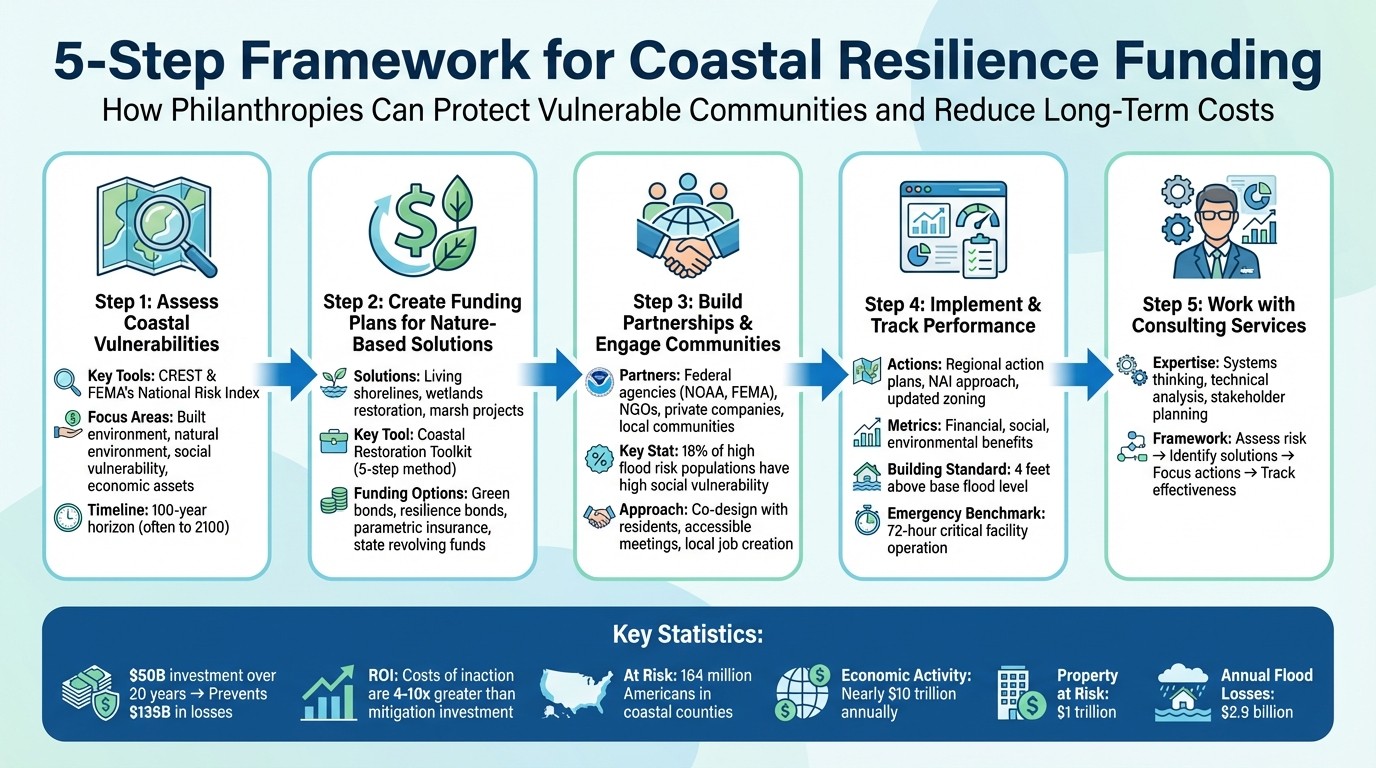
5-Step Framework for Coastal Resilience Funding by Philanthropic Organizations
Ep3: How to increase coastal resilience with nature-based solutions | MasterScience | Mike Beck
Step 1: Assess Coastal Vulnerabilities
Before funding coastal resilience projects, it’s critical to identify areas and communities most at risk. This involves more than just mapping flood zones - it requires evaluating the sensitivity of assets and their ability to adapt. Risk is calculated by combining the likelihood of a hazard with its potential financial, social, or ecological consequences [6].
The assessment process should consider several key factors: the built environment (like water systems, power grids, and evacuation routes), the natural environment (wetlands, dunes, and similar ecosystems that provide storm protection), social vulnerability (populations with fewer resources to recover or relocate), and economic assets (such as ports, tourist hubs, and fishing areas). Coastal resilience plans often analyze these elements over a 100-year horizon, frequently using 2100 as a benchmark [1]. To refine these evaluations, a variety of specialized tools can be employed.
Using the Coastal Resilience Evaluation and Siting Tool (CREST)
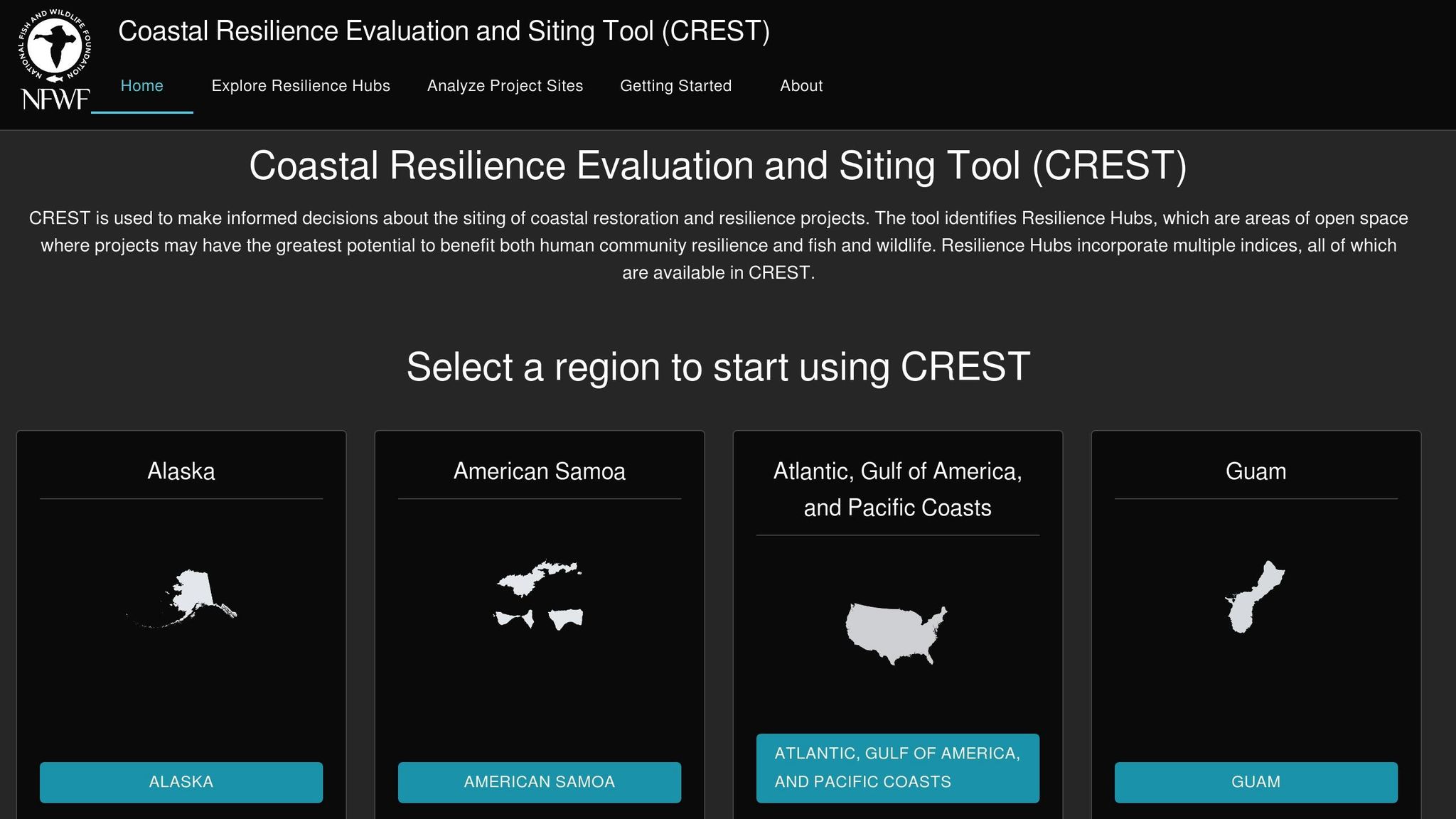
The National Fish and Wildlife Foundation (NFWF) developed CREST to assist philanthropic organizations in identifying areas where restoration projects can provide the greatest benefits. This tool focuses on protecting human communities while also enhancing habitats for fish and wildlife [5]. By integrating national-level data from across U.S. coastlines, CREST enables users to visualize flood risks, community assets, and wildlife habitats all in one place.
This tool is particularly effective for prioritizing nature-based solutions, such as wetlands restoration or creating living shorelines. By overlaying hazard maps with socioeconomic data, foundations can identify locations where a single investment can simultaneously improve environmental health and enhance community safety. CREST also allows users to download data for localized analysis, making it versatile for different regional needs [5].
Using FEMA's National Risk Index
FEMA’s National Risk Index (NRI) offers a broader perspective by comparing risks across 18 types of natural hazards, including hurricanes, wildfires, earthquakes, and flooding. This interactive mapping tool incorporates social vulnerability scores and resilience ratings, providing a comprehensive view of community-level risks across the United States [6].
The NRI is particularly helpful for planning that involves multiple hazards. For instance, a coastal area with moderate flood risk but high hurricane exposure might require different priorities. By comparing regions using this tool, philanthropic organizations can determine where their funding will have the greatest impact, addressing multiple threats simultaneously [6].
Step 2: Create Funding Plans for Nature-Based Solutions
Once vulnerable areas are identified, the next step is to develop a funding strategy that emphasizes nature-based solutions - methods that rely on natural features like wetlands, dunes, and living shorelines to protect coastal communities. These solutions not only evolve over time but also provide additional benefits such as wildlife habitats, improved water quality, and reduced long-term maintenance expenses.
The secret to securing funding lies in presenting the value of these projects in quantifiable terms. As NOAA Digital Coast highlights, "Explaining your project's impact in dollars and cents can help build support and provide justification for funding and financing options" [7]. Many federal funding programs require cost-benefit analyses, which help local governments and donors see the economic advantages of investing in nature-based approaches. This economic framing strengthens proposals and builds a solid case for funding.
Funding Living Shorelines and Wetlands Restoration
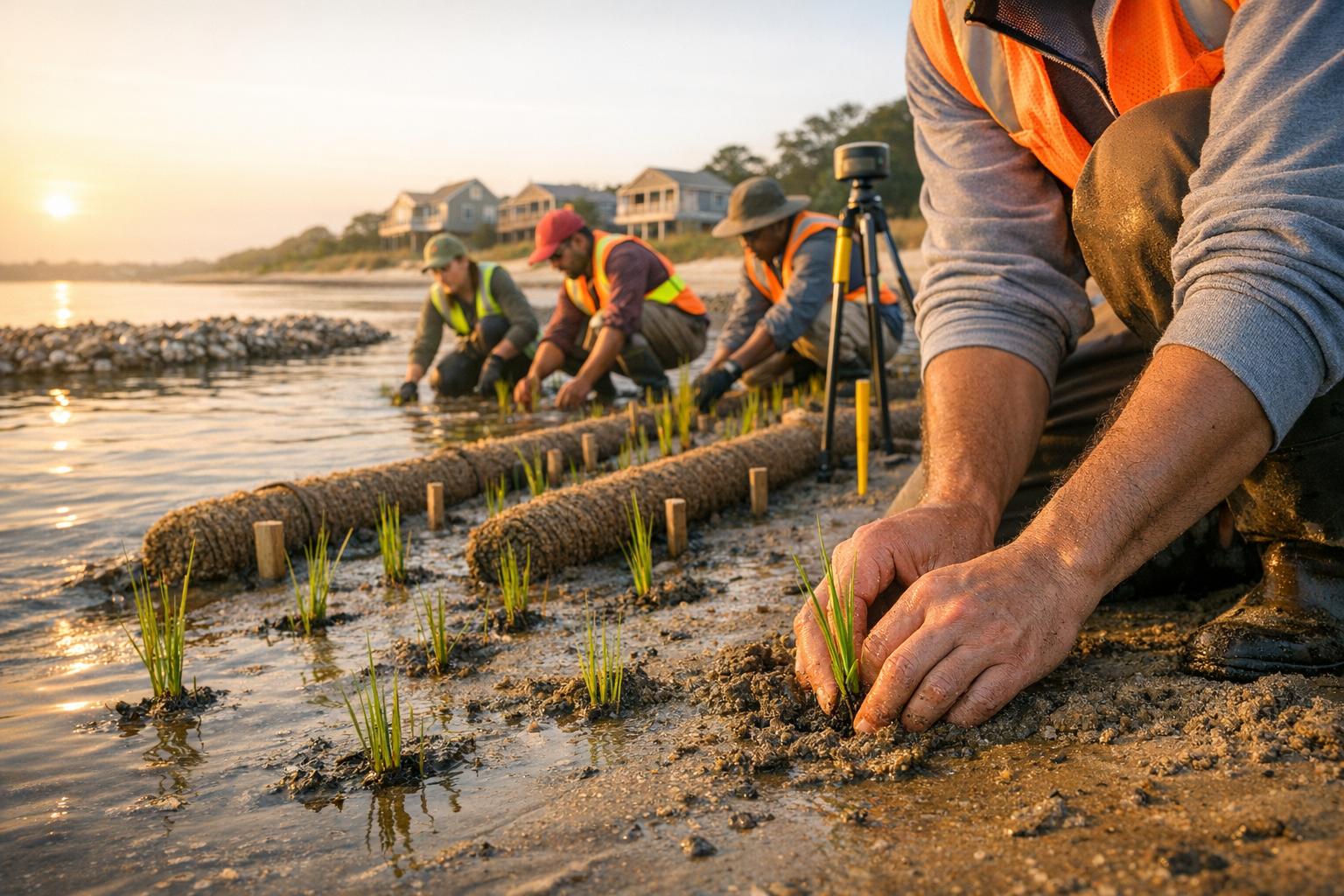
Nature-based investments offer a compelling alternative to traditional infrastructure. Living shorelines, for example, use natural materials like marsh plants, sand, and oyster reefs to absorb wave energy, reduce erosion, and filter pollutants. Unlike seawalls, which degrade over time and require costly replacements, these systems grow stronger as vegetation spreads and sediment accumulates, offering a self-sustaining solution.
Projects that deliver multiple benefits are particularly attractive to funders. Maryland's oyster restoration program is a great example - it not only meets water quality requirements but also creates habitats and protects shorelines [7]. Similarly, Virginia's environmental impact bond linked financing to measurable outcomes, making it easier to attract private investment [7].
Another powerful argument for funding is the avoided costs associated with these projects. Wetlands and marshes can significantly reduce flood damage to homes, businesses, and infrastructure, resulting in measurable financial savings. Tools like the Green Infrastructure Effectiveness Database provide economic data from similar projects, helping estimate both initial costs and long-term savings [7]. This data-driven approach enhances the credibility of funding proposals and ensures realistic budgeting.
Evaluating Projects with the Coastal Restoration Toolkit
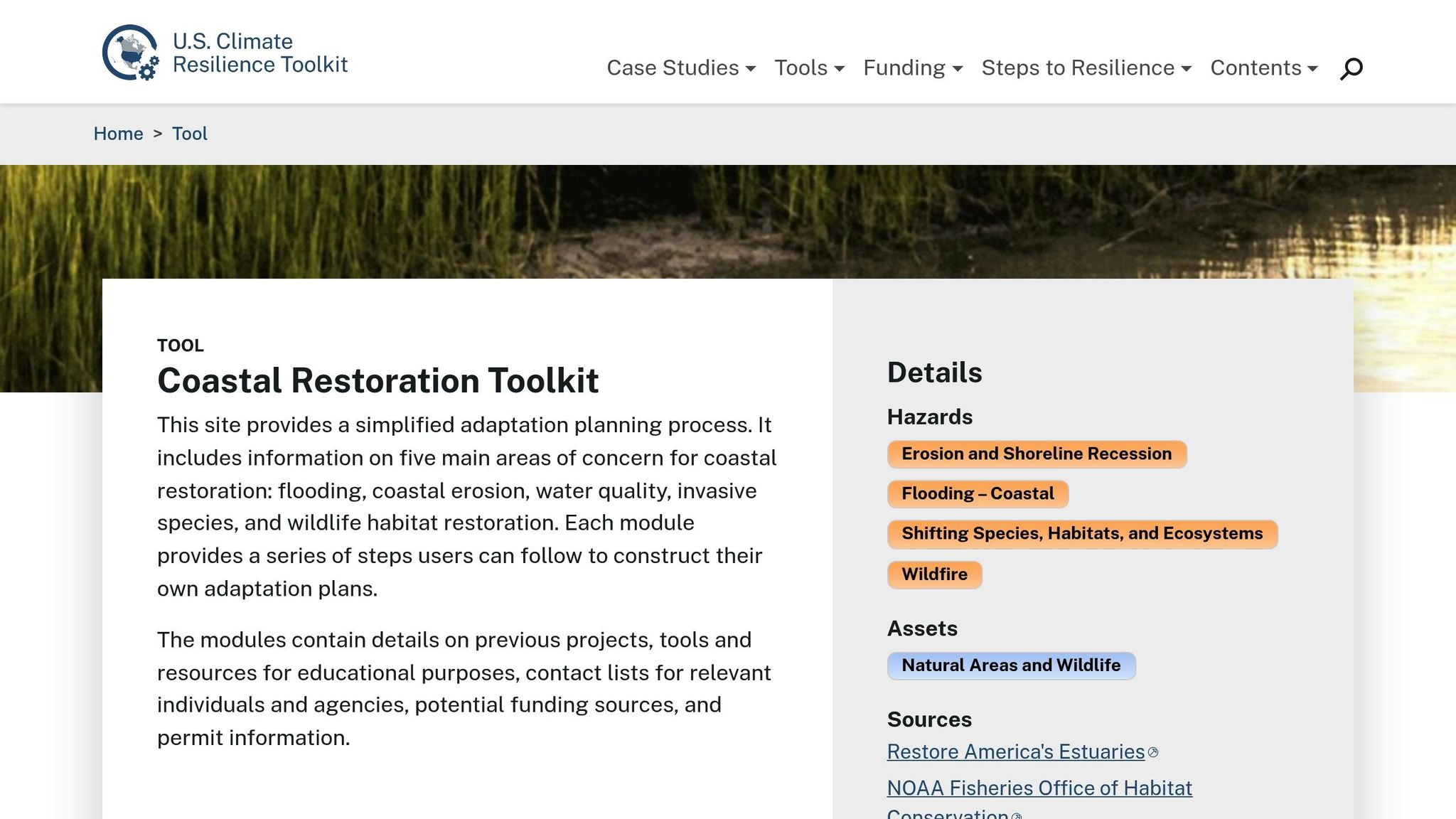
The Coastal Restoration Toolkit offers a structured five-step method for planning and funding nature-based projects: Get Started, Understand Exposure, Assess Vulnerability & Risk, Investigate Options, and Prioritize & Plan [3]. This framework ensures that funding aligns with the most urgent local needs, such as flooding, erosion, water quality issues, or habitat restoration.
The toolkit also simplifies the permitting process by outlining required permits and providing agency contacts, which helps avoid costly delays [3]. Before allocating funds, use the toolkit to assess whether a project effectively addresses the specific hazards in the area. For instance, while marsh restoration might be ideal for flood mitigation, it may not be the best choice for severe erosion.
To secure sustained financial backing, consider innovative funding mechanisms such as green bonds, resilience bonds, parametric insurance, and state revolving funds [7][8]. Texas provides an excellent example through its public-private partnership that combined multiple funding streams to support a stormwater management project, ensuring its long-term viability [7]. By diversifying funding sources, projects can achieve greater financial stability and resilience.
Step 3: Build Partnerships and Engage Communities
Addressing coastal resilience challenges requires collaboration among federal agencies, NGOs, private companies, and local communities. In January 2026, the National Fish and Wildlife Foundation (NFWF) introduced a Collaborative Peer-Learning Program on Nature-Based Solutions, bringing together diverse groups to restore coastal marshes and rebuild dunes [9].
By the end of the century, around 18% of individuals facing high flood risk will belong to communities classified as having "high social vulnerability." These are the areas most at risk yet least equipped to adapt [1]. This highlights the importance of forming equitable partnerships to address both environmental and social challenges effectively.
Working with Governments and NGOs
Resources like the Coastal Restoration Toolkit can help identify key partners, funding opportunities, and necessary permits [3]. Aligning efforts with established frameworks, such as NOAA's "No Adverse Impact" (NAI) approach, ensures that projects mitigate hazards without unintentionally harming neighboring properties [1]. These tools complement previously discussed funding and evaluation strategies.
Collaborations across sectors are essential. Federal agencies like NOAA and FEMA provide large-scale funding and technical expertise. NGOs, such as NFWF and Restore America’s Estuaries, handle project management and scientific assessments. Meanwhile, private companies, including Shell USA and TransRe, contribute funding through corporate social responsibility initiatives and offer risk assessment expertise [9]. This multi-sector approach shares both financial responsibilities and technical capabilities, enabling ambitious projects to succeed.
Involving Local Communities in Planning
Beyond institutional partnerships, engaging local communities ensures solutions are tailored to their unique needs. Involve residents as co-designers of project goals. For example, in March 2022, the City of Kinston, North Carolina, partnered with the non-profit Kinston Teens to gather input from over 300 community members for the Emma Webb Park Master Plan. The plan was officially adopted by the Kinston City Council later that year [11].
"Restoring our streams and wetlands has been shown to be an effective method to help contain and mitigate flood intensity for surrounding communities. These kinds of preventative measures will save money in the long run." - Dontario Hardy, Mayor of Kinston [11]
To encourage participation, make meetings accessible by offering childcare and hosting them in convenient locations. In Cape Carteret, North Carolina, contractors engaged residents during the town's annual fall festival instead of organizing a separate town hall [10]. Use tools like visual renderings and story maps to help residents better understand proposed changes. Additionally, design restoration projects to create local jobs, particularly in areas with high poverty rates. Ecosystem restoration work often pays above the national average and can provide lasting economic benefits for communities [1].
Step 4: Implement and Track Project Performance
To ensure that projects deliver measurable and lasting benefits, it’s essential to implement them with well-defined action plans and metrics. By building on earlier assessments and funding strategies, these steps help translate investments into tangible outcomes. Clear regional plans and specific performance metrics are key to tracking both immediate progress and long-term resilience goals, laying the groundwork for continuous monitoring and improvement.
Creating Regional Action Plans
Regional frameworks are crucial for coordinating adaptation efforts across different areas. Start by forming working groups to address local challenges, identify community assets, and assess their risks [14]. This approach ensures that resources are allocated to address the most pressing vulnerabilities.
One effective strategy is adopting a "No Adverse Impact" (NAI) approach in floodplain management. This ensures that mitigation efforts in one area don’t inadvertently increase flood risks elsewhere [1]. Updating zoning policies, land use plans, and building codes to account for future risks, such as rising sea levels and more frequent flooding, is critical. For instance, increasing freeboard requirements in flood ordinances ensures that homes and public facilities are constructed or renovated to sit at least four feet above the base flood level [12].
A practical example of such efforts is the LA SAFE program, which tracked progress across six parishes from 2017 to 2025. By early 2026, the St. John Airline and Main Complete Streets project had reached 91% completion, utilizing $6,271,781 out of its $39.75 million budget [13].
Setting Metrics for Ongoing Monitoring
Accurate monitoring begins with establishing baselines, using tools like the C-CAP Land Cover Atlas or the Sea Level Rise Viewer to measure future risk reduction [1]. Metrics should reflect financial, social, and environmental benefits, such as job creation or improvements in ecosystem health [1].
For nature-based solutions, sentinel monitoring can track ecosystem changes like water filtration, carbon storage, and storm surge buffering [1][2]. For engineered solutions, resilience benchmarks, such as ensuring critical facilities can operate for "72 hours" during emergencies with backup generators and adequate supplies, are vital [12].
"The costs of inaction are 4 to 10 times greater than the cost of investing in hazard mitigation." - U.S. Climate Resilience Toolkit [1]
Equity is another important consideration. Monitoring risk reduction for socially vulnerable populations helps ensure fair outcomes [1]. For example, an estimated $50 billion investment in adaptation over 20 years could prevent approximately $135 billion in losses over the lifespan of those measures [1]. Additionally, iterative evaluation reports over a 50-year period allow strategies to evolve as conditions change [13]. Regular reviews ensure that these efforts not only advance coastal resilience but also protect the most vulnerable communities effectively.
Step 5: Work with Consulting Services for Better Results
Coastal resilience projects often require technical expertise that goes beyond what most organizations can handle internally. Tasks like calculating local sea level changes, considering land subsidence, and predicting flood frequency over a century demand advanced tools and specialized knowledge [1]. Consulting services play a crucial role by using resources like CREST and Sea Level Rise Viewers to help identify key conservation areas and craft nature-based solutions [1][4]. This expertise lays the groundwork for creating integrated, long-term resilience strategies.
Using Systems Thinking for Connected Solutions
Coastal hazards don’t exist in isolation - they ripple through interconnected social, economic, and ecological systems. Take, for instance, a disruption at a major port such as Los Angeles or New York/New Jersey; it can send shockwaves through freight networks reaching far inland [1]. Expert consultants bring a systems-thinking approach to the table, addressing these interconnections to ensure that flood mitigation efforts also promote ecosystem health and community well-being [4]. This perspective helps organizations grasp how critical coastal "lifelines" - like water, energy, and evacuation routes - affect regions far beyond the shoreline [1].
Many consultants rely on a structured resilience framework, which typically involves four steps: assessing risk and vulnerability, identifying solutions that span multiple systems, focusing actions on priority sites, and tracking project effectiveness [4].
Getting Expert Support for Long-Term Results
The financial argument for bringing in expert consultants is strong. For example, investing $50 billion in adaptation measures over the next two decades could prevent roughly $135 billion in potential losses [1]. Consultants help turn these numbers into actionable strategies by navigating technical, institutional, and political challenges.
"The costs of inaction are 4 to 10 times greater than the cost of investing in hazard mitigation."
U.S. Global Change Research Program [1]
Council Fire exemplifies how expert partnerships can deliver results. By combining data-driven insights with stakeholder-focused planning, they help translate resilience goals into measurable actions. This approach ensures that resources are directed to the most vulnerable, including the 18% of populations at high flood risk who often face significant social challenges [1].
Conclusion: Leading Climate Action Through Philanthropy
Foundations and philanthropies play a vital role in connecting scientific insights with community needs to enhance coastal resilience. The outlined five-step approach - evaluating vulnerabilities, planning funding for nature-based solutions, fostering partnerships, executing projects, and working with expert consultants - provides a clear strategy for transforming climate challenges into actionable opportunities.
The economic argument for resilience is hard to ignore. An estimated $50 billion investment in adaptation strategies over the next two decades could prevent about $135 billion in damages [1]. These efforts also safeguard the 164 million Americans living in coastal counties [1] and protect nearly $10 trillion in annual economic activity [9].
However, impactful philanthropy goes far beyond financial contributions. The Foundation for Louisiana serves as a powerful example. Between 2015 and 2020, its climate justice portfolio directed $5.4 million toward community-driven projects, successfully attracting an additional $54.5 million in funding. Its LEAD the Coast program trained 125 participants across 10 parishes, empowering local advocates now shaping state policies [16]. Similarly, the Greater New Orleans Foundation demonstrated the value of proactive planning when its blue sky fundraising enabled $40,000 in grants to be distributed within 24 hours of the COVID-19 lockdown in March 2020, providing immediate relief to communities in need [15].
Looking ahead, equity must remain at the heart of these efforts. With 18% of those at high flood risk also facing severe social vulnerability [1], it’s essential to prioritize underserved communities. Nature-based solutions should not only address flood risks but also create local jobs and help alleviate poverty. By embracing flexible grantmaking, leveraging data-driven tools, and strengthening collaborative networks, philanthropies can lay the groundwork for resilient coastal communities that thrive for generations to come.
FAQs
How can philanthropic organizations choose which coastal areas to focus on for resilience projects?
Philanthropic organizations can pinpoint critical coastal areas for resilience initiatives by leveraging data-driven tools and frameworks to evaluate vulnerability and risk. Essential considerations include the area's exposure to coastal hazards such as storms and rising sea levels, its ecological importance, and the socioeconomic conditions of nearby communities.
A well-structured approach involves evaluating risks, developing customized solutions, implementing actions, and tracking outcomes. This method ensures that resources are allocated to areas where interventions will yield the most meaningful environmental and social outcomes. By targeting regions with the greatest need and potential for positive change, organizations can amplify the impact of their efforts to strengthen coastal resilience.
What are the main advantages of using nature-based solutions for flood prevention?
Nature-based solutions bring a range of practical benefits for managing flood risks. By restoring natural ecosystems such as wetlands and dunes, they absorb and control excess water far more efficiently than traditional infrastructure. Beyond flood prevention, these approaches also contribute to cleaner water, protect coastal properties, and stabilize shorelines - all while fostering biodiversity.
One standout benefit is their cost-efficiency. Compared to traditional structures like seawalls and levees, nature-based methods are often less expensive to establish and maintain. They also offer additional perks, such as creating recreational areas and improving overall community well-being, making them a win-win for environmental and social priorities.
How can communities play an active role in planning for coastal resilience?
Engaging local communities plays a crucial role in crafting effective coastal resilience and flood mitigation strategies. The first step is helping residents understand the specific risks they face, whether it’s rising sea levels or the threat of storm surges, and identifying vulnerabilities unique to their region. Open communication and collaborative decision-making are essential for building trust and ensuring that community members actively shape the process.
Involving residents can take many forms, such as public workshops, educational programs, or participatory planning sessions. By incorporating local insights and addressing community priorities, the resulting solutions are more likely to reflect the values and needs of the people they serve. Tools like risk assessments and visual aids can simplify complex discussions, making it easier for residents to engage and contribute effectively. When transparency and collaboration are prioritized, communities feel a sense of ownership, which strengthens the long-term success of resilience efforts.
Related Blog Posts
How to Build a Climate Resilience Plan for Foundations & Philanthropic Organizations
How to Design Coastal Resilience & Flood Mitigation for Municipalities & Government Agencies
How to Design Coastal Resilience & Flood Mitigation for Corporations
How to Design Coastal Resilience & Flood Mitigation for NGOs & Nonprofits
Latest Articles
©2025

FAQ
01
What does it really mean to “redefine profit”?
02
What makes Council Fire different?
03
Who does Council Fire you work with?
04
What does working with Council Fire actually look like?
05
How does Council Fire help organizations turn big goals into action?
06
How does Council Fire define and measure success?
Jan 29, 2026
How to Design Coastal Resilience & Flood Mitigation for Foundations & Philanthropic Organizations
Sustainability Strategy
In This Article
Philanthropic funding should prioritize data-driven, nature-based coastal resilience that reduces flood risk, creates jobs, and protects vulnerable communities.
How to Design Coastal Resilience & Flood Mitigation for Foundations & Philanthropic Organizations
Coastal flooding poses a growing threat to communities, infrastructure, and economies across the U.S. Rising sea levels, intensifying storms, and land subsidence are increasing risks, with projections estimating $1 trillion in property at risk and annual flood losses reaching $2.9 billion. Foundations and philanthropic organizations can play a critical role in addressing these challenges by funding and supporting effective flood mitigation and resilience efforts.
Key Takeaways:
Assess Vulnerabilities: Use tools like CREST and FEMA’s National Risk Index to identify high-risk areas and prioritize investments.
Invest in Nature-Based Solutions: Projects like wetlands restoration and living shorelines offer cost-effective, long-term protection while providing additional benefits like improved water quality and wildlife habitats.
Collaborate and Engage: Partner with federal agencies, NGOs, private companies, and local communities to ensure solutions are tailored and equitable.
Track Progress: Establish clear metrics for monitoring financial, social, and ecological outcomes to ensure sustained impact.
By adopting a structured approach - assessing risks, funding nature-based solutions, building partnerships, and tracking results - philanthropies can help protect vulnerable communities while reducing long-term costs.
5-Step Framework for Coastal Resilience Funding by Philanthropic Organizations
Ep3: How to increase coastal resilience with nature-based solutions | MasterScience | Mike Beck
Step 1: Assess Coastal Vulnerabilities
Before funding coastal resilience projects, it’s critical to identify areas and communities most at risk. This involves more than just mapping flood zones - it requires evaluating the sensitivity of assets and their ability to adapt. Risk is calculated by combining the likelihood of a hazard with its potential financial, social, or ecological consequences [6].
The assessment process should consider several key factors: the built environment (like water systems, power grids, and evacuation routes), the natural environment (wetlands, dunes, and similar ecosystems that provide storm protection), social vulnerability (populations with fewer resources to recover or relocate), and economic assets (such as ports, tourist hubs, and fishing areas). Coastal resilience plans often analyze these elements over a 100-year horizon, frequently using 2100 as a benchmark [1]. To refine these evaluations, a variety of specialized tools can be employed.
Using the Coastal Resilience Evaluation and Siting Tool (CREST)
The National Fish and Wildlife Foundation (NFWF) developed CREST to assist philanthropic organizations in identifying areas where restoration projects can provide the greatest benefits. This tool focuses on protecting human communities while also enhancing habitats for fish and wildlife [5]. By integrating national-level data from across U.S. coastlines, CREST enables users to visualize flood risks, community assets, and wildlife habitats all in one place.
This tool is particularly effective for prioritizing nature-based solutions, such as wetlands restoration or creating living shorelines. By overlaying hazard maps with socioeconomic data, foundations can identify locations where a single investment can simultaneously improve environmental health and enhance community safety. CREST also allows users to download data for localized analysis, making it versatile for different regional needs [5].
Using FEMA's National Risk Index
FEMA’s National Risk Index (NRI) offers a broader perspective by comparing risks across 18 types of natural hazards, including hurricanes, wildfires, earthquakes, and flooding. This interactive mapping tool incorporates social vulnerability scores and resilience ratings, providing a comprehensive view of community-level risks across the United States [6].
The NRI is particularly helpful for planning that involves multiple hazards. For instance, a coastal area with moderate flood risk but high hurricane exposure might require different priorities. By comparing regions using this tool, philanthropic organizations can determine where their funding will have the greatest impact, addressing multiple threats simultaneously [6].
Step 2: Create Funding Plans for Nature-Based Solutions
Once vulnerable areas are identified, the next step is to develop a funding strategy that emphasizes nature-based solutions - methods that rely on natural features like wetlands, dunes, and living shorelines to protect coastal communities. These solutions not only evolve over time but also provide additional benefits such as wildlife habitats, improved water quality, and reduced long-term maintenance expenses.
The secret to securing funding lies in presenting the value of these projects in quantifiable terms. As NOAA Digital Coast highlights, "Explaining your project's impact in dollars and cents can help build support and provide justification for funding and financing options" [7]. Many federal funding programs require cost-benefit analyses, which help local governments and donors see the economic advantages of investing in nature-based approaches. This economic framing strengthens proposals and builds a solid case for funding.
Funding Living Shorelines and Wetlands Restoration
Nature-based investments offer a compelling alternative to traditional infrastructure. Living shorelines, for example, use natural materials like marsh plants, sand, and oyster reefs to absorb wave energy, reduce erosion, and filter pollutants. Unlike seawalls, which degrade over time and require costly replacements, these systems grow stronger as vegetation spreads and sediment accumulates, offering a self-sustaining solution.
Projects that deliver multiple benefits are particularly attractive to funders. Maryland's oyster restoration program is a great example - it not only meets water quality requirements but also creates habitats and protects shorelines [7]. Similarly, Virginia's environmental impact bond linked financing to measurable outcomes, making it easier to attract private investment [7].
Another powerful argument for funding is the avoided costs associated with these projects. Wetlands and marshes can significantly reduce flood damage to homes, businesses, and infrastructure, resulting in measurable financial savings. Tools like the Green Infrastructure Effectiveness Database provide economic data from similar projects, helping estimate both initial costs and long-term savings [7]. This data-driven approach enhances the credibility of funding proposals and ensures realistic budgeting.
Evaluating Projects with the Coastal Restoration Toolkit
The Coastal Restoration Toolkit offers a structured five-step method for planning and funding nature-based projects: Get Started, Understand Exposure, Assess Vulnerability & Risk, Investigate Options, and Prioritize & Plan [3]. This framework ensures that funding aligns with the most urgent local needs, such as flooding, erosion, water quality issues, or habitat restoration.
The toolkit also simplifies the permitting process by outlining required permits and providing agency contacts, which helps avoid costly delays [3]. Before allocating funds, use the toolkit to assess whether a project effectively addresses the specific hazards in the area. For instance, while marsh restoration might be ideal for flood mitigation, it may not be the best choice for severe erosion.
To secure sustained financial backing, consider innovative funding mechanisms such as green bonds, resilience bonds, parametric insurance, and state revolving funds [7][8]. Texas provides an excellent example through its public-private partnership that combined multiple funding streams to support a stormwater management project, ensuring its long-term viability [7]. By diversifying funding sources, projects can achieve greater financial stability and resilience.
Step 3: Build Partnerships and Engage Communities
Addressing coastal resilience challenges requires collaboration among federal agencies, NGOs, private companies, and local communities. In January 2026, the National Fish and Wildlife Foundation (NFWF) introduced a Collaborative Peer-Learning Program on Nature-Based Solutions, bringing together diverse groups to restore coastal marshes and rebuild dunes [9].
By the end of the century, around 18% of individuals facing high flood risk will belong to communities classified as having "high social vulnerability." These are the areas most at risk yet least equipped to adapt [1]. This highlights the importance of forming equitable partnerships to address both environmental and social challenges effectively.
Working with Governments and NGOs
Resources like the Coastal Restoration Toolkit can help identify key partners, funding opportunities, and necessary permits [3]. Aligning efforts with established frameworks, such as NOAA's "No Adverse Impact" (NAI) approach, ensures that projects mitigate hazards without unintentionally harming neighboring properties [1]. These tools complement previously discussed funding and evaluation strategies.
Collaborations across sectors are essential. Federal agencies like NOAA and FEMA provide large-scale funding and technical expertise. NGOs, such as NFWF and Restore America’s Estuaries, handle project management and scientific assessments. Meanwhile, private companies, including Shell USA and TransRe, contribute funding through corporate social responsibility initiatives and offer risk assessment expertise [9]. This multi-sector approach shares both financial responsibilities and technical capabilities, enabling ambitious projects to succeed.
Involving Local Communities in Planning
Beyond institutional partnerships, engaging local communities ensures solutions are tailored to their unique needs. Involve residents as co-designers of project goals. For example, in March 2022, the City of Kinston, North Carolina, partnered with the non-profit Kinston Teens to gather input from over 300 community members for the Emma Webb Park Master Plan. The plan was officially adopted by the Kinston City Council later that year [11].
"Restoring our streams and wetlands has been shown to be an effective method to help contain and mitigate flood intensity for surrounding communities. These kinds of preventative measures will save money in the long run." - Dontario Hardy, Mayor of Kinston [11]
To encourage participation, make meetings accessible by offering childcare and hosting them in convenient locations. In Cape Carteret, North Carolina, contractors engaged residents during the town's annual fall festival instead of organizing a separate town hall [10]. Use tools like visual renderings and story maps to help residents better understand proposed changes. Additionally, design restoration projects to create local jobs, particularly in areas with high poverty rates. Ecosystem restoration work often pays above the national average and can provide lasting economic benefits for communities [1].
Step 4: Implement and Track Project Performance
To ensure that projects deliver measurable and lasting benefits, it’s essential to implement them with well-defined action plans and metrics. By building on earlier assessments and funding strategies, these steps help translate investments into tangible outcomes. Clear regional plans and specific performance metrics are key to tracking both immediate progress and long-term resilience goals, laying the groundwork for continuous monitoring and improvement.
Creating Regional Action Plans
Regional frameworks are crucial for coordinating adaptation efforts across different areas. Start by forming working groups to address local challenges, identify community assets, and assess their risks [14]. This approach ensures that resources are allocated to address the most pressing vulnerabilities.
One effective strategy is adopting a "No Adverse Impact" (NAI) approach in floodplain management. This ensures that mitigation efforts in one area don’t inadvertently increase flood risks elsewhere [1]. Updating zoning policies, land use plans, and building codes to account for future risks, such as rising sea levels and more frequent flooding, is critical. For instance, increasing freeboard requirements in flood ordinances ensures that homes and public facilities are constructed or renovated to sit at least four feet above the base flood level [12].
A practical example of such efforts is the LA SAFE program, which tracked progress across six parishes from 2017 to 2025. By early 2026, the St. John Airline and Main Complete Streets project had reached 91% completion, utilizing $6,271,781 out of its $39.75 million budget [13].
Setting Metrics for Ongoing Monitoring
Accurate monitoring begins with establishing baselines, using tools like the C-CAP Land Cover Atlas or the Sea Level Rise Viewer to measure future risk reduction [1]. Metrics should reflect financial, social, and environmental benefits, such as job creation or improvements in ecosystem health [1].
For nature-based solutions, sentinel monitoring can track ecosystem changes like water filtration, carbon storage, and storm surge buffering [1][2]. For engineered solutions, resilience benchmarks, such as ensuring critical facilities can operate for "72 hours" during emergencies with backup generators and adequate supplies, are vital [12].
"The costs of inaction are 4 to 10 times greater than the cost of investing in hazard mitigation." - U.S. Climate Resilience Toolkit [1]
Equity is another important consideration. Monitoring risk reduction for socially vulnerable populations helps ensure fair outcomes [1]. For example, an estimated $50 billion investment in adaptation over 20 years could prevent approximately $135 billion in losses over the lifespan of those measures [1]. Additionally, iterative evaluation reports over a 50-year period allow strategies to evolve as conditions change [13]. Regular reviews ensure that these efforts not only advance coastal resilience but also protect the most vulnerable communities effectively.
Step 5: Work with Consulting Services for Better Results
Coastal resilience projects often require technical expertise that goes beyond what most organizations can handle internally. Tasks like calculating local sea level changes, considering land subsidence, and predicting flood frequency over a century demand advanced tools and specialized knowledge [1]. Consulting services play a crucial role by using resources like CREST and Sea Level Rise Viewers to help identify key conservation areas and craft nature-based solutions [1][4]. This expertise lays the groundwork for creating integrated, long-term resilience strategies.
Using Systems Thinking for Connected Solutions
Coastal hazards don’t exist in isolation - they ripple through interconnected social, economic, and ecological systems. Take, for instance, a disruption at a major port such as Los Angeles or New York/New Jersey; it can send shockwaves through freight networks reaching far inland [1]. Expert consultants bring a systems-thinking approach to the table, addressing these interconnections to ensure that flood mitigation efforts also promote ecosystem health and community well-being [4]. This perspective helps organizations grasp how critical coastal "lifelines" - like water, energy, and evacuation routes - affect regions far beyond the shoreline [1].
Many consultants rely on a structured resilience framework, which typically involves four steps: assessing risk and vulnerability, identifying solutions that span multiple systems, focusing actions on priority sites, and tracking project effectiveness [4].
Getting Expert Support for Long-Term Results
The financial argument for bringing in expert consultants is strong. For example, investing $50 billion in adaptation measures over the next two decades could prevent roughly $135 billion in potential losses [1]. Consultants help turn these numbers into actionable strategies by navigating technical, institutional, and political challenges.
"The costs of inaction are 4 to 10 times greater than the cost of investing in hazard mitigation."
U.S. Global Change Research Program [1]
Council Fire exemplifies how expert partnerships can deliver results. By combining data-driven insights with stakeholder-focused planning, they help translate resilience goals into measurable actions. This approach ensures that resources are directed to the most vulnerable, including the 18% of populations at high flood risk who often face significant social challenges [1].
Conclusion: Leading Climate Action Through Philanthropy
Foundations and philanthropies play a vital role in connecting scientific insights with community needs to enhance coastal resilience. The outlined five-step approach - evaluating vulnerabilities, planning funding for nature-based solutions, fostering partnerships, executing projects, and working with expert consultants - provides a clear strategy for transforming climate challenges into actionable opportunities.
The economic argument for resilience is hard to ignore. An estimated $50 billion investment in adaptation strategies over the next two decades could prevent about $135 billion in damages [1]. These efforts also safeguard the 164 million Americans living in coastal counties [1] and protect nearly $10 trillion in annual economic activity [9].
However, impactful philanthropy goes far beyond financial contributions. The Foundation for Louisiana serves as a powerful example. Between 2015 and 2020, its climate justice portfolio directed $5.4 million toward community-driven projects, successfully attracting an additional $54.5 million in funding. Its LEAD the Coast program trained 125 participants across 10 parishes, empowering local advocates now shaping state policies [16]. Similarly, the Greater New Orleans Foundation demonstrated the value of proactive planning when its blue sky fundraising enabled $40,000 in grants to be distributed within 24 hours of the COVID-19 lockdown in March 2020, providing immediate relief to communities in need [15].
Looking ahead, equity must remain at the heart of these efforts. With 18% of those at high flood risk also facing severe social vulnerability [1], it’s essential to prioritize underserved communities. Nature-based solutions should not only address flood risks but also create local jobs and help alleviate poverty. By embracing flexible grantmaking, leveraging data-driven tools, and strengthening collaborative networks, philanthropies can lay the groundwork for resilient coastal communities that thrive for generations to come.
FAQs
How can philanthropic organizations choose which coastal areas to focus on for resilience projects?
Philanthropic organizations can pinpoint critical coastal areas for resilience initiatives by leveraging data-driven tools and frameworks to evaluate vulnerability and risk. Essential considerations include the area's exposure to coastal hazards such as storms and rising sea levels, its ecological importance, and the socioeconomic conditions of nearby communities.
A well-structured approach involves evaluating risks, developing customized solutions, implementing actions, and tracking outcomes. This method ensures that resources are allocated to areas where interventions will yield the most meaningful environmental and social outcomes. By targeting regions with the greatest need and potential for positive change, organizations can amplify the impact of their efforts to strengthen coastal resilience.
What are the main advantages of using nature-based solutions for flood prevention?
Nature-based solutions bring a range of practical benefits for managing flood risks. By restoring natural ecosystems such as wetlands and dunes, they absorb and control excess water far more efficiently than traditional infrastructure. Beyond flood prevention, these approaches also contribute to cleaner water, protect coastal properties, and stabilize shorelines - all while fostering biodiversity.
One standout benefit is their cost-efficiency. Compared to traditional structures like seawalls and levees, nature-based methods are often less expensive to establish and maintain. They also offer additional perks, such as creating recreational areas and improving overall community well-being, making them a win-win for environmental and social priorities.
How can communities play an active role in planning for coastal resilience?
Engaging local communities plays a crucial role in crafting effective coastal resilience and flood mitigation strategies. The first step is helping residents understand the specific risks they face, whether it’s rising sea levels or the threat of storm surges, and identifying vulnerabilities unique to their region. Open communication and collaborative decision-making are essential for building trust and ensuring that community members actively shape the process.
Involving residents can take many forms, such as public workshops, educational programs, or participatory planning sessions. By incorporating local insights and addressing community priorities, the resulting solutions are more likely to reflect the values and needs of the people they serve. Tools like risk assessments and visual aids can simplify complex discussions, making it easier for residents to engage and contribute effectively. When transparency and collaboration are prioritized, communities feel a sense of ownership, which strengthens the long-term success of resilience efforts.
Related Blog Posts
How to Build a Climate Resilience Plan for Foundations & Philanthropic Organizations
How to Design Coastal Resilience & Flood Mitigation for Municipalities & Government Agencies
How to Design Coastal Resilience & Flood Mitigation for Corporations
How to Design Coastal Resilience & Flood Mitigation for NGOs & Nonprofits
FAQ
01
What does it really mean to “redefine profit”?
02
What makes Council Fire different?
03
Who does Council Fire you work with?
04
What does working with Council Fire actually look like?
05
How does Council Fire help organizations turn big goals into action?
06
How does Council Fire define and measure success?
Jan 29, 2026
How to Design Coastal Resilience & Flood Mitigation for Foundations & Philanthropic Organizations
Sustainability Strategy
In This Article
Philanthropic funding should prioritize data-driven, nature-based coastal resilience that reduces flood risk, creates jobs, and protects vulnerable communities.
How to Design Coastal Resilience & Flood Mitigation for Foundations & Philanthropic Organizations
Coastal flooding poses a growing threat to communities, infrastructure, and economies across the U.S. Rising sea levels, intensifying storms, and land subsidence are increasing risks, with projections estimating $1 trillion in property at risk and annual flood losses reaching $2.9 billion. Foundations and philanthropic organizations can play a critical role in addressing these challenges by funding and supporting effective flood mitigation and resilience efforts.
Key Takeaways:
Assess Vulnerabilities: Use tools like CREST and FEMA’s National Risk Index to identify high-risk areas and prioritize investments.
Invest in Nature-Based Solutions: Projects like wetlands restoration and living shorelines offer cost-effective, long-term protection while providing additional benefits like improved water quality and wildlife habitats.
Collaborate and Engage: Partner with federal agencies, NGOs, private companies, and local communities to ensure solutions are tailored and equitable.
Track Progress: Establish clear metrics for monitoring financial, social, and ecological outcomes to ensure sustained impact.
By adopting a structured approach - assessing risks, funding nature-based solutions, building partnerships, and tracking results - philanthropies can help protect vulnerable communities while reducing long-term costs.
5-Step Framework for Coastal Resilience Funding by Philanthropic Organizations
Ep3: How to increase coastal resilience with nature-based solutions | MasterScience | Mike Beck
Step 1: Assess Coastal Vulnerabilities
Before funding coastal resilience projects, it’s critical to identify areas and communities most at risk. This involves more than just mapping flood zones - it requires evaluating the sensitivity of assets and their ability to adapt. Risk is calculated by combining the likelihood of a hazard with its potential financial, social, or ecological consequences [6].
The assessment process should consider several key factors: the built environment (like water systems, power grids, and evacuation routes), the natural environment (wetlands, dunes, and similar ecosystems that provide storm protection), social vulnerability (populations with fewer resources to recover or relocate), and economic assets (such as ports, tourist hubs, and fishing areas). Coastal resilience plans often analyze these elements over a 100-year horizon, frequently using 2100 as a benchmark [1]. To refine these evaluations, a variety of specialized tools can be employed.
Using the Coastal Resilience Evaluation and Siting Tool (CREST)
The National Fish and Wildlife Foundation (NFWF) developed CREST to assist philanthropic organizations in identifying areas where restoration projects can provide the greatest benefits. This tool focuses on protecting human communities while also enhancing habitats for fish and wildlife [5]. By integrating national-level data from across U.S. coastlines, CREST enables users to visualize flood risks, community assets, and wildlife habitats all in one place.
This tool is particularly effective for prioritizing nature-based solutions, such as wetlands restoration or creating living shorelines. By overlaying hazard maps with socioeconomic data, foundations can identify locations where a single investment can simultaneously improve environmental health and enhance community safety. CREST also allows users to download data for localized analysis, making it versatile for different regional needs [5].
Using FEMA's National Risk Index
FEMA’s National Risk Index (NRI) offers a broader perspective by comparing risks across 18 types of natural hazards, including hurricanes, wildfires, earthquakes, and flooding. This interactive mapping tool incorporates social vulnerability scores and resilience ratings, providing a comprehensive view of community-level risks across the United States [6].
The NRI is particularly helpful for planning that involves multiple hazards. For instance, a coastal area with moderate flood risk but high hurricane exposure might require different priorities. By comparing regions using this tool, philanthropic organizations can determine where their funding will have the greatest impact, addressing multiple threats simultaneously [6].
Step 2: Create Funding Plans for Nature-Based Solutions
Once vulnerable areas are identified, the next step is to develop a funding strategy that emphasizes nature-based solutions - methods that rely on natural features like wetlands, dunes, and living shorelines to protect coastal communities. These solutions not only evolve over time but also provide additional benefits such as wildlife habitats, improved water quality, and reduced long-term maintenance expenses.
The secret to securing funding lies in presenting the value of these projects in quantifiable terms. As NOAA Digital Coast highlights, "Explaining your project's impact in dollars and cents can help build support and provide justification for funding and financing options" [7]. Many federal funding programs require cost-benefit analyses, which help local governments and donors see the economic advantages of investing in nature-based approaches. This economic framing strengthens proposals and builds a solid case for funding.
Funding Living Shorelines and Wetlands Restoration
Nature-based investments offer a compelling alternative to traditional infrastructure. Living shorelines, for example, use natural materials like marsh plants, sand, and oyster reefs to absorb wave energy, reduce erosion, and filter pollutants. Unlike seawalls, which degrade over time and require costly replacements, these systems grow stronger as vegetation spreads and sediment accumulates, offering a self-sustaining solution.
Projects that deliver multiple benefits are particularly attractive to funders. Maryland's oyster restoration program is a great example - it not only meets water quality requirements but also creates habitats and protects shorelines [7]. Similarly, Virginia's environmental impact bond linked financing to measurable outcomes, making it easier to attract private investment [7].
Another powerful argument for funding is the avoided costs associated with these projects. Wetlands and marshes can significantly reduce flood damage to homes, businesses, and infrastructure, resulting in measurable financial savings. Tools like the Green Infrastructure Effectiveness Database provide economic data from similar projects, helping estimate both initial costs and long-term savings [7]. This data-driven approach enhances the credibility of funding proposals and ensures realistic budgeting.
Evaluating Projects with the Coastal Restoration Toolkit
The Coastal Restoration Toolkit offers a structured five-step method for planning and funding nature-based projects: Get Started, Understand Exposure, Assess Vulnerability & Risk, Investigate Options, and Prioritize & Plan [3]. This framework ensures that funding aligns with the most urgent local needs, such as flooding, erosion, water quality issues, or habitat restoration.
The toolkit also simplifies the permitting process by outlining required permits and providing agency contacts, which helps avoid costly delays [3]. Before allocating funds, use the toolkit to assess whether a project effectively addresses the specific hazards in the area. For instance, while marsh restoration might be ideal for flood mitigation, it may not be the best choice for severe erosion.
To secure sustained financial backing, consider innovative funding mechanisms such as green bonds, resilience bonds, parametric insurance, and state revolving funds [7][8]. Texas provides an excellent example through its public-private partnership that combined multiple funding streams to support a stormwater management project, ensuring its long-term viability [7]. By diversifying funding sources, projects can achieve greater financial stability and resilience.
Step 3: Build Partnerships and Engage Communities
Addressing coastal resilience challenges requires collaboration among federal agencies, NGOs, private companies, and local communities. In January 2026, the National Fish and Wildlife Foundation (NFWF) introduced a Collaborative Peer-Learning Program on Nature-Based Solutions, bringing together diverse groups to restore coastal marshes and rebuild dunes [9].
By the end of the century, around 18% of individuals facing high flood risk will belong to communities classified as having "high social vulnerability." These are the areas most at risk yet least equipped to adapt [1]. This highlights the importance of forming equitable partnerships to address both environmental and social challenges effectively.
Working with Governments and NGOs
Resources like the Coastal Restoration Toolkit can help identify key partners, funding opportunities, and necessary permits [3]. Aligning efforts with established frameworks, such as NOAA's "No Adverse Impact" (NAI) approach, ensures that projects mitigate hazards without unintentionally harming neighboring properties [1]. These tools complement previously discussed funding and evaluation strategies.
Collaborations across sectors are essential. Federal agencies like NOAA and FEMA provide large-scale funding and technical expertise. NGOs, such as NFWF and Restore America’s Estuaries, handle project management and scientific assessments. Meanwhile, private companies, including Shell USA and TransRe, contribute funding through corporate social responsibility initiatives and offer risk assessment expertise [9]. This multi-sector approach shares both financial responsibilities and technical capabilities, enabling ambitious projects to succeed.
Involving Local Communities in Planning
Beyond institutional partnerships, engaging local communities ensures solutions are tailored to their unique needs. Involve residents as co-designers of project goals. For example, in March 2022, the City of Kinston, North Carolina, partnered with the non-profit Kinston Teens to gather input from over 300 community members for the Emma Webb Park Master Plan. The plan was officially adopted by the Kinston City Council later that year [11].
"Restoring our streams and wetlands has been shown to be an effective method to help contain and mitigate flood intensity for surrounding communities. These kinds of preventative measures will save money in the long run." - Dontario Hardy, Mayor of Kinston [11]
To encourage participation, make meetings accessible by offering childcare and hosting them in convenient locations. In Cape Carteret, North Carolina, contractors engaged residents during the town's annual fall festival instead of organizing a separate town hall [10]. Use tools like visual renderings and story maps to help residents better understand proposed changes. Additionally, design restoration projects to create local jobs, particularly in areas with high poverty rates. Ecosystem restoration work often pays above the national average and can provide lasting economic benefits for communities [1].
Step 4: Implement and Track Project Performance
To ensure that projects deliver measurable and lasting benefits, it’s essential to implement them with well-defined action plans and metrics. By building on earlier assessments and funding strategies, these steps help translate investments into tangible outcomes. Clear regional plans and specific performance metrics are key to tracking both immediate progress and long-term resilience goals, laying the groundwork for continuous monitoring and improvement.
Creating Regional Action Plans
Regional frameworks are crucial for coordinating adaptation efforts across different areas. Start by forming working groups to address local challenges, identify community assets, and assess their risks [14]. This approach ensures that resources are allocated to address the most pressing vulnerabilities.
One effective strategy is adopting a "No Adverse Impact" (NAI) approach in floodplain management. This ensures that mitigation efforts in one area don’t inadvertently increase flood risks elsewhere [1]. Updating zoning policies, land use plans, and building codes to account for future risks, such as rising sea levels and more frequent flooding, is critical. For instance, increasing freeboard requirements in flood ordinances ensures that homes and public facilities are constructed or renovated to sit at least four feet above the base flood level [12].
A practical example of such efforts is the LA SAFE program, which tracked progress across six parishes from 2017 to 2025. By early 2026, the St. John Airline and Main Complete Streets project had reached 91% completion, utilizing $6,271,781 out of its $39.75 million budget [13].
Setting Metrics for Ongoing Monitoring
Accurate monitoring begins with establishing baselines, using tools like the C-CAP Land Cover Atlas or the Sea Level Rise Viewer to measure future risk reduction [1]. Metrics should reflect financial, social, and environmental benefits, such as job creation or improvements in ecosystem health [1].
For nature-based solutions, sentinel monitoring can track ecosystem changes like water filtration, carbon storage, and storm surge buffering [1][2]. For engineered solutions, resilience benchmarks, such as ensuring critical facilities can operate for "72 hours" during emergencies with backup generators and adequate supplies, are vital [12].
"The costs of inaction are 4 to 10 times greater than the cost of investing in hazard mitigation." - U.S. Climate Resilience Toolkit [1]
Equity is another important consideration. Monitoring risk reduction for socially vulnerable populations helps ensure fair outcomes [1]. For example, an estimated $50 billion investment in adaptation over 20 years could prevent approximately $135 billion in losses over the lifespan of those measures [1]. Additionally, iterative evaluation reports over a 50-year period allow strategies to evolve as conditions change [13]. Regular reviews ensure that these efforts not only advance coastal resilience but also protect the most vulnerable communities effectively.
Step 5: Work with Consulting Services for Better Results
Coastal resilience projects often require technical expertise that goes beyond what most organizations can handle internally. Tasks like calculating local sea level changes, considering land subsidence, and predicting flood frequency over a century demand advanced tools and specialized knowledge [1]. Consulting services play a crucial role by using resources like CREST and Sea Level Rise Viewers to help identify key conservation areas and craft nature-based solutions [1][4]. This expertise lays the groundwork for creating integrated, long-term resilience strategies.
Using Systems Thinking for Connected Solutions
Coastal hazards don’t exist in isolation - they ripple through interconnected social, economic, and ecological systems. Take, for instance, a disruption at a major port such as Los Angeles or New York/New Jersey; it can send shockwaves through freight networks reaching far inland [1]. Expert consultants bring a systems-thinking approach to the table, addressing these interconnections to ensure that flood mitigation efforts also promote ecosystem health and community well-being [4]. This perspective helps organizations grasp how critical coastal "lifelines" - like water, energy, and evacuation routes - affect regions far beyond the shoreline [1].
Many consultants rely on a structured resilience framework, which typically involves four steps: assessing risk and vulnerability, identifying solutions that span multiple systems, focusing actions on priority sites, and tracking project effectiveness [4].
Getting Expert Support for Long-Term Results
The financial argument for bringing in expert consultants is strong. For example, investing $50 billion in adaptation measures over the next two decades could prevent roughly $135 billion in potential losses [1]. Consultants help turn these numbers into actionable strategies by navigating technical, institutional, and political challenges.
"The costs of inaction are 4 to 10 times greater than the cost of investing in hazard mitigation."
U.S. Global Change Research Program [1]
Council Fire exemplifies how expert partnerships can deliver results. By combining data-driven insights with stakeholder-focused planning, they help translate resilience goals into measurable actions. This approach ensures that resources are directed to the most vulnerable, including the 18% of populations at high flood risk who often face significant social challenges [1].
Conclusion: Leading Climate Action Through Philanthropy
Foundations and philanthropies play a vital role in connecting scientific insights with community needs to enhance coastal resilience. The outlined five-step approach - evaluating vulnerabilities, planning funding for nature-based solutions, fostering partnerships, executing projects, and working with expert consultants - provides a clear strategy for transforming climate challenges into actionable opportunities.
The economic argument for resilience is hard to ignore. An estimated $50 billion investment in adaptation strategies over the next two decades could prevent about $135 billion in damages [1]. These efforts also safeguard the 164 million Americans living in coastal counties [1] and protect nearly $10 trillion in annual economic activity [9].
However, impactful philanthropy goes far beyond financial contributions. The Foundation for Louisiana serves as a powerful example. Between 2015 and 2020, its climate justice portfolio directed $5.4 million toward community-driven projects, successfully attracting an additional $54.5 million in funding. Its LEAD the Coast program trained 125 participants across 10 parishes, empowering local advocates now shaping state policies [16]. Similarly, the Greater New Orleans Foundation demonstrated the value of proactive planning when its blue sky fundraising enabled $40,000 in grants to be distributed within 24 hours of the COVID-19 lockdown in March 2020, providing immediate relief to communities in need [15].
Looking ahead, equity must remain at the heart of these efforts. With 18% of those at high flood risk also facing severe social vulnerability [1], it’s essential to prioritize underserved communities. Nature-based solutions should not only address flood risks but also create local jobs and help alleviate poverty. By embracing flexible grantmaking, leveraging data-driven tools, and strengthening collaborative networks, philanthropies can lay the groundwork for resilient coastal communities that thrive for generations to come.
FAQs
How can philanthropic organizations choose which coastal areas to focus on for resilience projects?
Philanthropic organizations can pinpoint critical coastal areas for resilience initiatives by leveraging data-driven tools and frameworks to evaluate vulnerability and risk. Essential considerations include the area's exposure to coastal hazards such as storms and rising sea levels, its ecological importance, and the socioeconomic conditions of nearby communities.
A well-structured approach involves evaluating risks, developing customized solutions, implementing actions, and tracking outcomes. This method ensures that resources are allocated to areas where interventions will yield the most meaningful environmental and social outcomes. By targeting regions with the greatest need and potential for positive change, organizations can amplify the impact of their efforts to strengthen coastal resilience.
What are the main advantages of using nature-based solutions for flood prevention?
Nature-based solutions bring a range of practical benefits for managing flood risks. By restoring natural ecosystems such as wetlands and dunes, they absorb and control excess water far more efficiently than traditional infrastructure. Beyond flood prevention, these approaches also contribute to cleaner water, protect coastal properties, and stabilize shorelines - all while fostering biodiversity.
One standout benefit is their cost-efficiency. Compared to traditional structures like seawalls and levees, nature-based methods are often less expensive to establish and maintain. They also offer additional perks, such as creating recreational areas and improving overall community well-being, making them a win-win for environmental and social priorities.
How can communities play an active role in planning for coastal resilience?
Engaging local communities plays a crucial role in crafting effective coastal resilience and flood mitigation strategies. The first step is helping residents understand the specific risks they face, whether it’s rising sea levels or the threat of storm surges, and identifying vulnerabilities unique to their region. Open communication and collaborative decision-making are essential for building trust and ensuring that community members actively shape the process.
Involving residents can take many forms, such as public workshops, educational programs, or participatory planning sessions. By incorporating local insights and addressing community priorities, the resulting solutions are more likely to reflect the values and needs of the people they serve. Tools like risk assessments and visual aids can simplify complex discussions, making it easier for residents to engage and contribute effectively. When transparency and collaboration are prioritized, communities feel a sense of ownership, which strengthens the long-term success of resilience efforts.
Related Blog Posts
How to Build a Climate Resilience Plan for Foundations & Philanthropic Organizations
How to Design Coastal Resilience & Flood Mitigation for Municipalities & Government Agencies
How to Design Coastal Resilience & Flood Mitigation for Corporations
How to Design Coastal Resilience & Flood Mitigation for NGOs & Nonprofits
FAQ
What does it really mean to “redefine profit”?
What makes Council Fire different?
Who does Council Fire you work with?
What does working with Council Fire actually look like?
How does Council Fire help organizations turn big goals into action?
How does Council Fire define and measure success?