Feb 26, 2026
How to Design a Circular Supply Chain Roadmap for Municipalities & Government Agencies
Sustainability Strategy
In This Article
Practical roadmap for municipalities to map resource flows, set circular procurement goals, engage stakeholders, and implement waste-to-reuse pilots.
How to Design a Circular Supply Chain Roadmap for Municipalities & Government Agencies
Government agencies and municipalities are uniquely positioned to lead the shift from wasteful, linear supply chains to circular systems that reduce resource consumption, lower emissions, and drive local economic benefits. Circular supply chains focus on reusing materials, reducing waste, and creating closed-loop systems that preserve resources. With nearly 50% of public procurement decisions under municipal control, this approach can significantly impact global GDP and sustainability goals.
Key steps to create a circular supply chain roadmap include:
Assess Current Practices: Map resource flows using tools like Material Flow Accounting to identify inefficiencies.
Set Clear Goals: Align objectives with public sector priorities, such as carbon neutrality or waste reduction, and establish measurable targets.
Implement Strategies: Focus on waste reduction, material reuse, and supplier collaboration to improve recycling and recovery systems.
Engage Stakeholders: Collaborate with internal teams, external partners, and local communities to ensure alignment and buy-in.
Monitor Progress: Use performance metrics and secure funding from grants or public-private partnerships to sustain initiatives.
Municipalities can start small with pilot programs, focus on high-impact sectors like construction and food systems, and transition to circular procurement models to achieve long-term success.
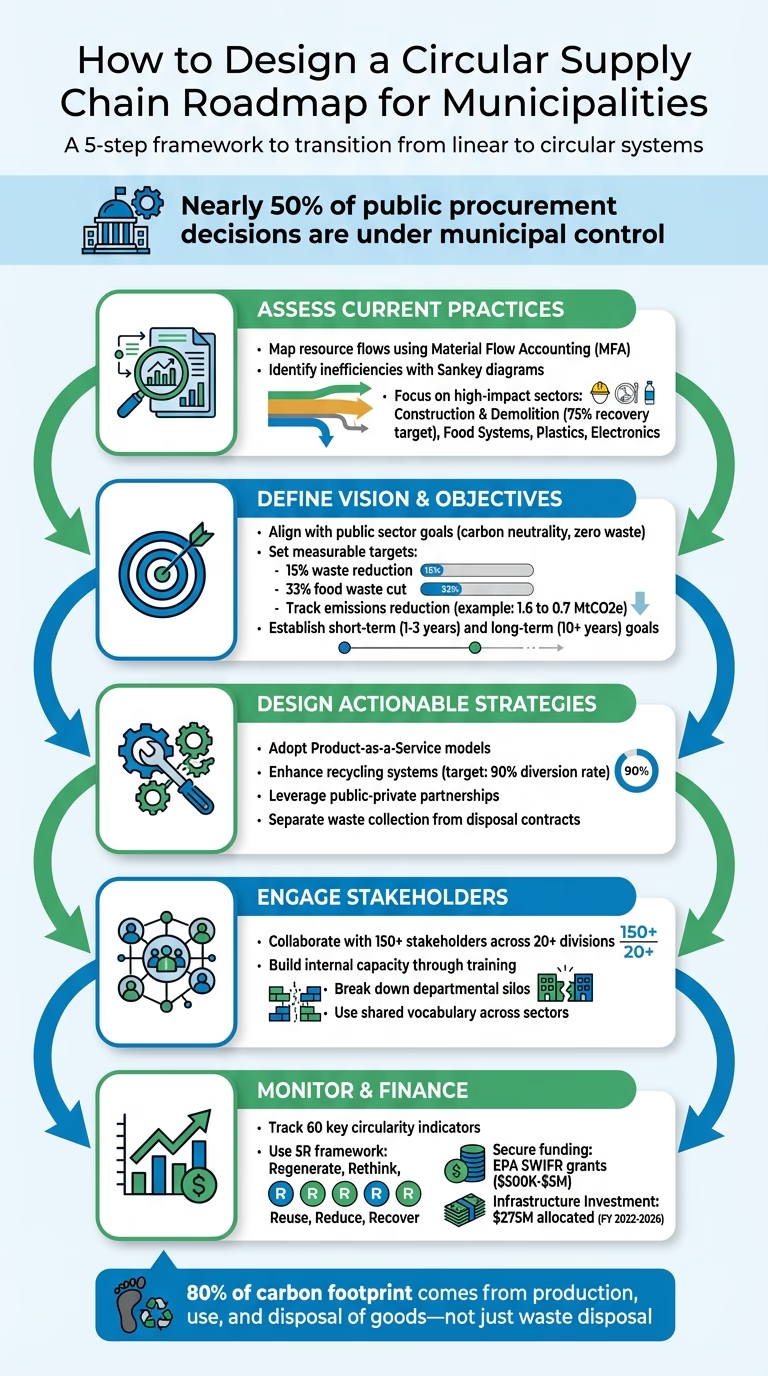
5-Step Circular Supply Chain Roadmap for Municipalities
Advancing circular economy: Our cities and public services expert describes how - #DassaultSystèmes
Step 1: Assess Current Supply Chain Practices and Find Opportunities
To effectively redesign your supply chain, you first need a clear understanding of how resources are currently utilized and where inefficiencies exist. This initial assessment lays the groundwork for future strategies aimed at creating a more circular system. Without accurate data, managing resources becomes a guessing game. By identifying and quantifying these resource flows, you can uncover areas where value is being lost and focus on actionable improvements.
Map Municipal Resource Flows
Start by documenting the movement of resources within your area, often referred to as territory metabolism. Use Material Flow Accounting (MFA) to track how materials enter, move through, and leave the system, and Material Stock Accounting (MSA) to map existing infrastructure and resource stocks [5][6].
To gather reliable data, consider requiring waste haulers to report the volumes of garbage, recyclables, and compostables they handle [3]. This creates a baseline for understanding waste streams. Walk-through audits of municipal facilities can further highlight inefficiencies in recycling and composting practices [3]. Tools like Sankey diagrams can visually represent how resources are lost to landfills or escape the economy, making inefficiencies easier to identify [5].
Identify High-Impact Sectors
Once resource flows are mapped, focus on the sectors that generate the most waste. Not all industries offer the same potential for circular improvements, so prioritize those with significant material throughput and waste production. For example, the construction and demolition (C&D) sector often stands out. Many municipalities now require up to 75% of C&D debris to be delivered to recovery facilities, incentivized by deposit refunds [3]. Other high-priority sectors include biomass and food systems, plastics, and electronics [3][5].
To refine your focus, analyze sectors using NACE codes, Gross Value Added (GVA), and employee data to pinpoint areas with both economic and material significance [5]. Conducting a Market Development Opportunities Assessment can help identify untapped markets for material recovery and highlight "service voids" where opportunities for commodity recovery are being missed [3]. Digital tools like the CityLoops Data Hub and the EPA's Waste Reduction Model (WARM) can provide valuable insights, allowing you to estimate the impact of circular strategies before implementation [4][5].
Step 2: Define Vision, Objectives, and Key Priorities
Once resource flows are mapped and high-impact sectors identified, the next step is to establish a clear direction. A well-articulated vision serves as the foundation for decision-making, while measurable objectives ensure accountability and progress. This process lays the groundwork for actionable strategies and priorities.
Set a Vision Aligned with Public Sector Goals
Your vision should align closely with overarching public sector goals like carbon neutrality, zero waste, or climate resilience [2][7]. For instance, Scotland's government has framed their circular economy vision as follows:
"A circular economy, based on sustainable consumption and production, is essential to power Scotland's transition to a fair, green and sustainable economy, and critical to meeting our obligations to tackle the twin climate and nature emergencies" [1].
A forward-thinking vision challenges traditional procurement practices. Instead of focusing on asset ownership, it prioritizes outcomes or services. This "Product-as-a-Service" model not only minimizes waste but also shifts maintenance responsibilities to suppliers, encouraging products designed for durability and reuse. As the Ellen MacArthur Foundation notes:
"by adopting a more circular approach to the procurement of goods and services, cities have the opportunity to enable the transition towards a circular economy and boost local economies" [2].
To ensure broad support, involve both internal departments and external stakeholders early in the vision-setting phase. A great example is the City of Toronto's "Circular Toronto" initiative. Launched in November 2025, this 10-Year Circular Economy Road Map began in early 2024 with extensive engagement, including a Community Advisory Committee and input from industry experts. The roadmap focuses on three key sectors - food systems, construction, and waste management - and outlines five strategic directions, such as fostering circular businesses and showcasing benefits through city operations [8].
Establish Measurable Objectives
With a clear vision in place, translate it into tangible, quantifiable goals. Go beyond basic metrics like waste tonnage and adopt a "material-first approach" that emphasizes the environmental impact of materials [1]. This is critical, as approximately 80% of Scotland's carbon footprint stems from the production, use, and disposal of goods and services - not just waste disposal [1]. Globally, over 90% of biodiversity loss and water stress is tied to the extraction and processing of materials [1].
Set objectives that encompass reduction, reuse, advanced recycling, and decarbonization [1]. Scotland, for example, has set specific targets, including:
A 15% reduction in waste by 2025, compared to 2011 levels.
A 33% cut in food waste by 2025, based on a 2013 baseline.
A decrease in waste sector emissions from 1.6 MtCO2e (2022) to 0.7 MtCO2e by 2032 [1].
To maintain momentum, establish both short-term (1-3 years) and long-term (10+ years) goals [8][1]. Use specific indicators to track progress, such as the percentage of recycled materials in public construction, reductions in per-capita food waste, or the number of circular procurement contracts awarded. Material Flow Analysis can serve as your baseline to measure progress. Collaborate with community advisory groups and industry professionals to ensure your targets are both ambitious and realistic [8]. These objectives are vital to advancing waste reduction, improving resource efficiency, and fostering collaboration - key pillars of a circular supply chain.
Step 3: Design Actionable Strategies and Planned Interventions
Turning a vision into reality requires practical strategies. This phase emphasizes implementing interventions that target waste reduction, resource recovery, and collaboration - the foundation of a circular supply chain. The goal is to go beyond planning and take steps that deliver measurable outcomes in critical areas.
Eliminate Waste and Promote Reuse Models
Reevaluating procurement strategies is a powerful way to encourage reuse and reduce waste. Municipalities, for instance, can lead by example through strategic procurement practices.
Adopt Product-as-a-Service Models: Shift away from outright purchases to solutions that prioritize durability and reduce environmental impact. For example, instead of owning vehicle fleets, consider sustainable mobility services that alleviate congestion and improve air quality [2]. Apply similar principles to high-impact areas like public transport, building materials, furniture, food, and packaging [2].
Engage Suppliers Early: Partner with suppliers from the start to align with zero-waste objectives. Use technical-price separation to evaluate sustainability independently from cost, ensuring that only proposals meeting zero-waste standards proceed to pricing review.
Revamp Waste Management Contracts: Separate waste collection from disposal contracts to eliminate incentives for landfilling. Some municipalities even explore owning waste processing facilities while outsourcing operations, striking a balance between control and expertise.
These procurement adjustments are the first step toward enhancing recycling and recovery processes.
Enhance Recycling and Recovery Systems
To improve recycling efforts, it's crucial to understand the waste stream in detail. Conduct waste audits to identify material composition and target high-impact areas for recovery. Training staff as waste auditors and incentivizing businesses to create markets for recovered materials can make a big difference.
The City of Edmonton provides a strong example. Since 1995, their City Eco Stations have redistributed over 350,000 liters of donated paint to residents [10]. Their strategy includes dedicated facilities for hazardous materials and reuse centers, aiming for an impressive 90% diversion rate [10].
Other approaches include:
Partnering with Businesses: Encourage businesses to act as recycling drop-off points, which not only increases diversion rates but also drives customer traffic. For example, Edmonton's Alta Steel recycles steel products into new materials, while Can Cell Industries manufactures insulation using recycled newspapers [10].
Using Regulatory Tools: Link business licenses to sustainable practices, implement monitoring programs, and incorporate requirements that reward material recovery in procurement contracts. Collaborative buying groups can also simplify the purchase of circular products and create consistent demand for recovered materials.
Leverage Public-Private Partnerships
Collaborating with external partners can amplify circular efforts. Transition from low-bid procurement to negotiations that emphasize long-term sustainability. Clearly communicate zero-waste goals throughout procurement processes to help partners align their proposals.
Best and Final Offer (BAFO) Process: Use this method to refine commitments and technical details with bidders after initial proposals. This ensures solutions meet both operational needs and sustainability goals.
Mandatory Recycling and Composting: Incorporate these requirements into service contracts to legally bind private partners to circular objectives.
A great example of such collaboration is the Circular Innovation Council's initiative in Durham Region, Ontario. In April 2025, they expanded their "Share Reuse Repair Hub" digital map by adding over 180 listings, helping residents locate circular services [11]. As the council highlights:
"Now is the time to leverage procurement to advance circular solutions that multi-solve: strengthening local economic resilience while delivering cost savings, innovative and inclusive job creation, and carbon emissions and waste reduction" [11].
For long-term success, consider hybrid models where governments maintain ownership of critical infrastructure but outsource operations to private entities. This approach ensures control over resource flows while benefiting from specialized expertise. By evaluating technical circularity merits separately from cost, municipalities can secure partnerships that align with their circular supply chain objectives.
Step 4: Engage Stakeholders and Build Institutional Support
Creating a successful circular roadmap depends on collaboration across internal teams, external partners, and the wider community.
Collaborate with Key Stakeholders
Start by identifying the key players who control essential resource flows. This includes community groups, local businesses, waste haulers, construction firms, and regulatory agencies [6]. Open communication with suppliers early - well before the bidding process - gives them time to innovate and align with circular goals [2]. As ICLEI USA highlights:
"Local governments are uniquely positioned to lead the shift toward more sustainable and circular economies - starting with how they purchase goods and services" [7].
The City of Toronto's "Circular Toronto" roadmap provides a strong example. It brought together over 150 stakeholders from 20 divisions through a Community Advisory Committee selected via civic lottery [8].
Similarly, the U.S. Chamber of Commerce Foundation's "Beyond 34" initiative, running from 2017 to 2025, implemented circular frameworks in cities like Cincinnati, Orlando, Austin, Philadelphia, and Atlanta. Their approach included workshops to pinpoint regulatory, technical, and economic obstacles, followed by co-creating solutions. This process helped align public and private sector priorities, particularly in high-impact areas such as the built environment and organics [12].
To improve collaboration, adopt a shared vocabulary across departments and sectors. The Circular Cities and Regions Initiative emphasizes this point:
"Achieving [a common language] would help scaling up Circular Cities and Regions Initiatives and foster a more efficient transfer of knowledge and know-how" [6].
Once external partnerships are established, the focus shifts to strengthening internal capacity to ensure these initiatives are implemented successfully.
Build Internal Awareness and Capacity
After mapping resource flows and gathering stakeholder input, the next step is building internal capacity to execute circular strategies effectively. Breaking down departmental silos is crucial, as circular supply chains often cut across finance, public works, planning, and procurement [7]. A systems-thinking approach ensures these teams collaborate from the outset.
Training and workshops can help government employees transition from linear purchasing models to circular ones. For example, sessions might cover product-as-a-service models or how to assess circularity metrics [6]. The Ellen MacArthur Foundation suggests piloting circular strategies in specific sectors, such as furniture, food, or public transportation, to test feasibility and build confidence among decision-makers [2].
Data-driven tools like Material Flow Analysis (MFA) can make the need for change more tangible. By visualizing how resources are consumed and wasted, MFA highlights areas for improvement. As the City of Toronto's analysis noted:
"A Material Flow Analysis is a way of visualizing how resources are consumed, processed and disposed of... [it highlights] that waste is a design and consumption problem, not just a processing/resource recovery problem" [8].
To secure institutional backing, align circular initiatives with existing goals, such as climate action, waste reduction, or economic resilience. When leadership sees how these efforts support already prioritized objectives, buy-in becomes easier. Leading by example is another powerful strategy - embed circular practices within internal government operations first, then showcase the benefits to the broader business community [8].
Step 5: Establish Monitoring, Evaluation, and Financing Mechanisms
After engaging stakeholders and building internal capacity, the next step is to track progress effectively and secure the necessary resources to sustain circular initiatives over time.
Set Up Performance Metrics
Monitoring begins with clear and measurable indicators that align with your municipality's circular economy goals. For instance, an EU project identified 60 key indicators as a baseline for circularity metrics [13]. While this number might seem daunting, focusing on a few high-impact metrics tailored to your municipality’s priorities can simplify the process.
A useful starting point is Material Flow Accounting (MFA), which tracks resource extraction, imports, exports, and waste treatment methods [14]. Assess and address gaps in data quality to finalize reliable KPIs [14]. Tools like Sankey diagrams can visually highlight inefficiencies in resource use [5].
For circular procurement, the "5R" framework provides actionable metrics:
Regenerate: Measure impacts on biodiversity.
Rethink: Track adoption of products-as-a-service.
Reuse: Monitor the percentage of assets repaired or refreshed.
Reduce: Measure reductions in material and energy usage.
Recover: Assess the volume of resources reclaimed from waste streams [15].
Rather than focusing on isolated data points, track trends over time to evaluate the effectiveness of your strategies [14].
Leverage Funding Opportunities
Once performance metrics are in place, securing funding becomes critical to advance circular initiatives. The EPA’s Solid Waste Infrastructure for Recycling (SWIFR) grants offer awards ranging from $500,000 to $5,000,000 for eligible projects [16]. Additionally, the Infrastructure Investment and Jobs Act allocated $275 million from Fiscal Year 2022 to Fiscal Year 2026 under the Save Our Seas 2.0 Act [16].
Many municipalities benefit from phased funding approaches. The Green Municipal Fund (GMF), for example, provides tiered support for various stages of project development, from feasibility studies to full-scale capital implementation [17]. Early-stage projects can start with planning grants to assess viable systems before applying for larger funding [17].
Funding Source | Eligible Activities | Award Range |
|---|---|---|
EPA SWIFR Grants | MRF upgrades, sorting equipment, composting facilities, anaerobic digesters | $500,000 – $5,000,000 |
Green Municipal Fund | Organic waste-to-energy, net-zero transformation, circular construction | Plans, Studies, Pilots, Capital Projects |
Corporate Partnerships | Pilot projects, material flow analysis, regional circularity roadmaps | Private grants and technical expertise |
Public-private partnerships (PPPs) also present a valuable funding avenue. For example, the Beyond 34 Initiative (2017–2025) brought together cities like Cincinnati, Orlando, and Atlanta with corporate support from Walmart.org and technical partners such as Dow and Google. This collaboration helped municipalities transition from material flow analyses to implementing pilot projects in high-impact areas like plastics and organics [12].
Continuous Improvement Through Evaluation
Maintaining progress requires ongoing assessment and adaptation. Continuous evaluation ensures that strategies remain aligned with the objectives of your circular supply chain roadmap. A systems-thinking approach is essential, breaking down institutional silos and involving both internal and external stakeholders [7]. Evaluation efforts should match the municipality’s maturity level, progressing from resource mapping to systemic solution implementation [6].
Pilot programs are an effective way to test evaluation frameworks before committing larger public funds to circular models. Early supplier engagement during procurement design also ensures that market capabilities align with circularity goals [2]. Over time, municipalities can transition from traditional ownership models to access-based approaches - such as procuring mobility solutions instead of vehicle fleets [2].
Standardized tools and templates can streamline progress tracking. Resources like the Sustainable and Circular Public Procurement Toolkit offer practical frameworks to align procurement with broader goals, including climate action and social equity [7]. For maximum impact, ensure that circularity performance metrics are directly tied to existing sustainability targets so leadership can clearly see how these initiatives support broader priorities [7].
Conclusion: Moving Forward with Circular Supply Chains
Creating a roadmap for circular supply chains requires a complete rethink of how resources are sourced, suppliers are chosen, and waste is managed. Municipalities must transition away from the conventional "take-make-dispose" model, embracing a long-term vision for systemic change.
Collaboration plays a central role in ensuring the success of these efforts. Circular supply chains operate as closed-loop systems, where both materials and information circulate seamlessly among suppliers, partners, and community stakeholders [9][19]. To achieve this, municipalities should focus on fostering internal alignment and engaging external partners to ensure these initiatives align with broader goals of sustainability and equity [7]. Recycling expert David Hurd emphasizes:
"The big elephant in the room is producer responsibility. We've got to shift the cost away from the public sector and put it back on the private sector – that creates the products to begin with" [18].
Starting small with pilot programs is a practical first step. These programs allow municipalities to test circular strategies before committing significant public funds. For instance, Austin's innovative prize competition demonstrates how local governments can explore new approaches [18]. Similarly, Munich's "Halle 2" bulk reuse center, launched with a €1 million budget in 2016, has successfully repaired or repurposed around 1,000 tons of items annually [18].
A phased approach to implementation is key. Municipalities should focus on one stage of the supply chain at a time, ensuring flexibility to adapt to local conditions and infrastructure [9][18]. Over time, this commitment can lead to benefits like steady revenue streams, cost reductions, and improved resilience [9].
Equally important is the need for continuous data collection and regular policy evaluations. Embedding detailed reporting requirements in municipal contracts can help track progress effectively. Elizabeth Balkan from Reloop North America highlights the importance of this approach, stating that meaningful recycling depends on harmonized, detailed data reporting integrated into municipal agreements [18].
FAQs
What’s the fastest way to pick a first circular pilot?
To get started swiftly, target a product or service that can be easily adapted for reuse or recycling. Establish a reverse logistics system to efficiently collect and repurpose materials. Leverage public procurement by implementing policies that favor circular solutions. Begin with smaller, more feasible items such as office furniture, packaging, or electronics. These manageable steps can deliver early successes and set the stage for broader, more ambitious efforts.
Which circular KPIs should we track first?
To begin assessing progress toward a circular economy, focus on tracking key metrics like waste diversion rates, resource recovery levels, and circular procurement practices. These indicators reveal how effectively materials are being reused, how much waste is being kept out of landfills, and the extent to which sustainable purchasing is being adopted. Monitoring these areas establishes a solid starting point for municipalities and government agencies aiming to advance circular economy initiatives.
How can we fund circular projects with limited budgets?
To support circular projects even with limited budgets, consider tapping into specialized grants and programs designed for circular economy initiatives. These often focus on areas like waste prevention, recycling, and reuse. For example, the EPA's Solid Waste Infrastructure for Recycling (SWIFR) program provides funding aimed at improving recycling systems. Additionally, tools like the Circular Funding Resource Guide offer municipalities valuable resources to secure financial backing and foster partnerships, making it easier to implement practical and budget-friendly circular solutions.
Related Blog Posts
Latest Articles
©2026

Narrative Change and Power Building: The Missing Half of Advocacy
Narrative change is the process of disrupting dominant narratives that normalize inequity and advancing new narratives from historically marginalized communities.

Funding Resilience Without Federal Grants
BRIC is unreliable and FEMA is shrinking. Here's how cities fund climate resilience with dedicated revenue, blended finance, and a coordinating authority.

The ESG Blind Spot: How AI Is Finding Risks in Companies Nobody Else Is Watching
Norway's sovereign wealth fund uses AI to screen 7,200 portfolio companies for forced labor and corruption within 24 hours. The real story is the emerging-market coverage gap that traditional ESG data vendors miss — and what it means for any company with a global supply chain.
Narrative Change and Power Building: The Missing Half of Advocacy
Narrative change is the process of disrupting dominant narratives that normalize inequity and advancing new narratives from historically marginalized communities.
Funding Resilience Without Federal Grants
BRIC is unreliable and FEMA is shrinking. Here's how cities fund climate resilience with dedicated revenue, blended finance, and a coordinating authority.
The ESG Blind Spot: How AI Is Finding Risks in Companies Nobody Else Is Watching
Norway's sovereign wealth fund uses AI to screen 7,200 portfolio companies for forced labor and corruption within 24 hours. The real story is the emerging-market coverage gap that traditional ESG data vendors miss — and what it means for any company with a global supply chain.
FAQ
01
What does it really mean to “redefine profit”?
02
What makes Council Fire different?
03
Who does Council Fire work with?
04
What does working with Council Fire actually look like?
05
How does Council Fire help organizations turn big goals into action?
06
How does Council Fire define and measure success?
07
How does technology fit into Council Fire’s work?
Feb 26, 2026
How to Design a Circular Supply Chain Roadmap for Municipalities & Government Agencies
Sustainability Strategy
In This Article
Practical roadmap for municipalities to map resource flows, set circular procurement goals, engage stakeholders, and implement waste-to-reuse pilots.
How to Design a Circular Supply Chain Roadmap for Municipalities & Government Agencies
Government agencies and municipalities are uniquely positioned to lead the shift from wasteful, linear supply chains to circular systems that reduce resource consumption, lower emissions, and drive local economic benefits. Circular supply chains focus on reusing materials, reducing waste, and creating closed-loop systems that preserve resources. With nearly 50% of public procurement decisions under municipal control, this approach can significantly impact global GDP and sustainability goals.
Key steps to create a circular supply chain roadmap include:
Assess Current Practices: Map resource flows using tools like Material Flow Accounting to identify inefficiencies.
Set Clear Goals: Align objectives with public sector priorities, such as carbon neutrality or waste reduction, and establish measurable targets.
Implement Strategies: Focus on waste reduction, material reuse, and supplier collaboration to improve recycling and recovery systems.
Engage Stakeholders: Collaborate with internal teams, external partners, and local communities to ensure alignment and buy-in.
Monitor Progress: Use performance metrics and secure funding from grants or public-private partnerships to sustain initiatives.
Municipalities can start small with pilot programs, focus on high-impact sectors like construction and food systems, and transition to circular procurement models to achieve long-term success.
5-Step Circular Supply Chain Roadmap for Municipalities
Advancing circular economy: Our cities and public services expert describes how - #DassaultSystèmes
Step 1: Assess Current Supply Chain Practices and Find Opportunities
To effectively redesign your supply chain, you first need a clear understanding of how resources are currently utilized and where inefficiencies exist. This initial assessment lays the groundwork for future strategies aimed at creating a more circular system. Without accurate data, managing resources becomes a guessing game. By identifying and quantifying these resource flows, you can uncover areas where value is being lost and focus on actionable improvements.
Map Municipal Resource Flows
Start by documenting the movement of resources within your area, often referred to as territory metabolism. Use Material Flow Accounting (MFA) to track how materials enter, move through, and leave the system, and Material Stock Accounting (MSA) to map existing infrastructure and resource stocks [5][6].
To gather reliable data, consider requiring waste haulers to report the volumes of garbage, recyclables, and compostables they handle [3]. This creates a baseline for understanding waste streams. Walk-through audits of municipal facilities can further highlight inefficiencies in recycling and composting practices [3]. Tools like Sankey diagrams can visually represent how resources are lost to landfills or escape the economy, making inefficiencies easier to identify [5].
Identify High-Impact Sectors
Once resource flows are mapped, focus on the sectors that generate the most waste. Not all industries offer the same potential for circular improvements, so prioritize those with significant material throughput and waste production. For example, the construction and demolition (C&D) sector often stands out. Many municipalities now require up to 75% of C&D debris to be delivered to recovery facilities, incentivized by deposit refunds [3]. Other high-priority sectors include biomass and food systems, plastics, and electronics [3][5].
To refine your focus, analyze sectors using NACE codes, Gross Value Added (GVA), and employee data to pinpoint areas with both economic and material significance [5]. Conducting a Market Development Opportunities Assessment can help identify untapped markets for material recovery and highlight "service voids" where opportunities for commodity recovery are being missed [3]. Digital tools like the CityLoops Data Hub and the EPA's Waste Reduction Model (WARM) can provide valuable insights, allowing you to estimate the impact of circular strategies before implementation [4][5].
Step 2: Define Vision, Objectives, and Key Priorities
Once resource flows are mapped and high-impact sectors identified, the next step is to establish a clear direction. A well-articulated vision serves as the foundation for decision-making, while measurable objectives ensure accountability and progress. This process lays the groundwork for actionable strategies and priorities.
Set a Vision Aligned with Public Sector Goals
Your vision should align closely with overarching public sector goals like carbon neutrality, zero waste, or climate resilience [2][7]. For instance, Scotland's government has framed their circular economy vision as follows:
"A circular economy, based on sustainable consumption and production, is essential to power Scotland's transition to a fair, green and sustainable economy, and critical to meeting our obligations to tackle the twin climate and nature emergencies" [1].
A forward-thinking vision challenges traditional procurement practices. Instead of focusing on asset ownership, it prioritizes outcomes or services. This "Product-as-a-Service" model not only minimizes waste but also shifts maintenance responsibilities to suppliers, encouraging products designed for durability and reuse. As the Ellen MacArthur Foundation notes:
"by adopting a more circular approach to the procurement of goods and services, cities have the opportunity to enable the transition towards a circular economy and boost local economies" [2].
To ensure broad support, involve both internal departments and external stakeholders early in the vision-setting phase. A great example is the City of Toronto's "Circular Toronto" initiative. Launched in November 2025, this 10-Year Circular Economy Road Map began in early 2024 with extensive engagement, including a Community Advisory Committee and input from industry experts. The roadmap focuses on three key sectors - food systems, construction, and waste management - and outlines five strategic directions, such as fostering circular businesses and showcasing benefits through city operations [8].
Establish Measurable Objectives
With a clear vision in place, translate it into tangible, quantifiable goals. Go beyond basic metrics like waste tonnage and adopt a "material-first approach" that emphasizes the environmental impact of materials [1]. This is critical, as approximately 80% of Scotland's carbon footprint stems from the production, use, and disposal of goods and services - not just waste disposal [1]. Globally, over 90% of biodiversity loss and water stress is tied to the extraction and processing of materials [1].
Set objectives that encompass reduction, reuse, advanced recycling, and decarbonization [1]. Scotland, for example, has set specific targets, including:
A 15% reduction in waste by 2025, compared to 2011 levels.
A 33% cut in food waste by 2025, based on a 2013 baseline.
A decrease in waste sector emissions from 1.6 MtCO2e (2022) to 0.7 MtCO2e by 2032 [1].
To maintain momentum, establish both short-term (1-3 years) and long-term (10+ years) goals [8][1]. Use specific indicators to track progress, such as the percentage of recycled materials in public construction, reductions in per-capita food waste, or the number of circular procurement contracts awarded. Material Flow Analysis can serve as your baseline to measure progress. Collaborate with community advisory groups and industry professionals to ensure your targets are both ambitious and realistic [8]. These objectives are vital to advancing waste reduction, improving resource efficiency, and fostering collaboration - key pillars of a circular supply chain.
Step 3: Design Actionable Strategies and Planned Interventions
Turning a vision into reality requires practical strategies. This phase emphasizes implementing interventions that target waste reduction, resource recovery, and collaboration - the foundation of a circular supply chain. The goal is to go beyond planning and take steps that deliver measurable outcomes in critical areas.
Eliminate Waste and Promote Reuse Models
Reevaluating procurement strategies is a powerful way to encourage reuse and reduce waste. Municipalities, for instance, can lead by example through strategic procurement practices.
Adopt Product-as-a-Service Models: Shift away from outright purchases to solutions that prioritize durability and reduce environmental impact. For example, instead of owning vehicle fleets, consider sustainable mobility services that alleviate congestion and improve air quality [2]. Apply similar principles to high-impact areas like public transport, building materials, furniture, food, and packaging [2].
Engage Suppliers Early: Partner with suppliers from the start to align with zero-waste objectives. Use technical-price separation to evaluate sustainability independently from cost, ensuring that only proposals meeting zero-waste standards proceed to pricing review.
Revamp Waste Management Contracts: Separate waste collection from disposal contracts to eliminate incentives for landfilling. Some municipalities even explore owning waste processing facilities while outsourcing operations, striking a balance between control and expertise.
These procurement adjustments are the first step toward enhancing recycling and recovery processes.
Enhance Recycling and Recovery Systems
To improve recycling efforts, it's crucial to understand the waste stream in detail. Conduct waste audits to identify material composition and target high-impact areas for recovery. Training staff as waste auditors and incentivizing businesses to create markets for recovered materials can make a big difference.
The City of Edmonton provides a strong example. Since 1995, their City Eco Stations have redistributed over 350,000 liters of donated paint to residents [10]. Their strategy includes dedicated facilities for hazardous materials and reuse centers, aiming for an impressive 90% diversion rate [10].
Other approaches include:
Partnering with Businesses: Encourage businesses to act as recycling drop-off points, which not only increases diversion rates but also drives customer traffic. For example, Edmonton's Alta Steel recycles steel products into new materials, while Can Cell Industries manufactures insulation using recycled newspapers [10].
Using Regulatory Tools: Link business licenses to sustainable practices, implement monitoring programs, and incorporate requirements that reward material recovery in procurement contracts. Collaborative buying groups can also simplify the purchase of circular products and create consistent demand for recovered materials.
Leverage Public-Private Partnerships
Collaborating with external partners can amplify circular efforts. Transition from low-bid procurement to negotiations that emphasize long-term sustainability. Clearly communicate zero-waste goals throughout procurement processes to help partners align their proposals.
Best and Final Offer (BAFO) Process: Use this method to refine commitments and technical details with bidders after initial proposals. This ensures solutions meet both operational needs and sustainability goals.
Mandatory Recycling and Composting: Incorporate these requirements into service contracts to legally bind private partners to circular objectives.
A great example of such collaboration is the Circular Innovation Council's initiative in Durham Region, Ontario. In April 2025, they expanded their "Share Reuse Repair Hub" digital map by adding over 180 listings, helping residents locate circular services [11]. As the council highlights:
"Now is the time to leverage procurement to advance circular solutions that multi-solve: strengthening local economic resilience while delivering cost savings, innovative and inclusive job creation, and carbon emissions and waste reduction" [11].
For long-term success, consider hybrid models where governments maintain ownership of critical infrastructure but outsource operations to private entities. This approach ensures control over resource flows while benefiting from specialized expertise. By evaluating technical circularity merits separately from cost, municipalities can secure partnerships that align with their circular supply chain objectives.
Step 4: Engage Stakeholders and Build Institutional Support
Creating a successful circular roadmap depends on collaboration across internal teams, external partners, and the wider community.
Collaborate with Key Stakeholders
Start by identifying the key players who control essential resource flows. This includes community groups, local businesses, waste haulers, construction firms, and regulatory agencies [6]. Open communication with suppliers early - well before the bidding process - gives them time to innovate and align with circular goals [2]. As ICLEI USA highlights:
"Local governments are uniquely positioned to lead the shift toward more sustainable and circular economies - starting with how they purchase goods and services" [7].
The City of Toronto's "Circular Toronto" roadmap provides a strong example. It brought together over 150 stakeholders from 20 divisions through a Community Advisory Committee selected via civic lottery [8].
Similarly, the U.S. Chamber of Commerce Foundation's "Beyond 34" initiative, running from 2017 to 2025, implemented circular frameworks in cities like Cincinnati, Orlando, Austin, Philadelphia, and Atlanta. Their approach included workshops to pinpoint regulatory, technical, and economic obstacles, followed by co-creating solutions. This process helped align public and private sector priorities, particularly in high-impact areas such as the built environment and organics [12].
To improve collaboration, adopt a shared vocabulary across departments and sectors. The Circular Cities and Regions Initiative emphasizes this point:
"Achieving [a common language] would help scaling up Circular Cities and Regions Initiatives and foster a more efficient transfer of knowledge and know-how" [6].
Once external partnerships are established, the focus shifts to strengthening internal capacity to ensure these initiatives are implemented successfully.
Build Internal Awareness and Capacity
After mapping resource flows and gathering stakeholder input, the next step is building internal capacity to execute circular strategies effectively. Breaking down departmental silos is crucial, as circular supply chains often cut across finance, public works, planning, and procurement [7]. A systems-thinking approach ensures these teams collaborate from the outset.
Training and workshops can help government employees transition from linear purchasing models to circular ones. For example, sessions might cover product-as-a-service models or how to assess circularity metrics [6]. The Ellen MacArthur Foundation suggests piloting circular strategies in specific sectors, such as furniture, food, or public transportation, to test feasibility and build confidence among decision-makers [2].
Data-driven tools like Material Flow Analysis (MFA) can make the need for change more tangible. By visualizing how resources are consumed and wasted, MFA highlights areas for improvement. As the City of Toronto's analysis noted:
"A Material Flow Analysis is a way of visualizing how resources are consumed, processed and disposed of... [it highlights] that waste is a design and consumption problem, not just a processing/resource recovery problem" [8].
To secure institutional backing, align circular initiatives with existing goals, such as climate action, waste reduction, or economic resilience. When leadership sees how these efforts support already prioritized objectives, buy-in becomes easier. Leading by example is another powerful strategy - embed circular practices within internal government operations first, then showcase the benefits to the broader business community [8].
Step 5: Establish Monitoring, Evaluation, and Financing Mechanisms
After engaging stakeholders and building internal capacity, the next step is to track progress effectively and secure the necessary resources to sustain circular initiatives over time.
Set Up Performance Metrics
Monitoring begins with clear and measurable indicators that align with your municipality's circular economy goals. For instance, an EU project identified 60 key indicators as a baseline for circularity metrics [13]. While this number might seem daunting, focusing on a few high-impact metrics tailored to your municipality’s priorities can simplify the process.
A useful starting point is Material Flow Accounting (MFA), which tracks resource extraction, imports, exports, and waste treatment methods [14]. Assess and address gaps in data quality to finalize reliable KPIs [14]. Tools like Sankey diagrams can visually highlight inefficiencies in resource use [5].
For circular procurement, the "5R" framework provides actionable metrics:
Regenerate: Measure impacts on biodiversity.
Rethink: Track adoption of products-as-a-service.
Reuse: Monitor the percentage of assets repaired or refreshed.
Reduce: Measure reductions in material and energy usage.
Recover: Assess the volume of resources reclaimed from waste streams [15].
Rather than focusing on isolated data points, track trends over time to evaluate the effectiveness of your strategies [14].
Leverage Funding Opportunities
Once performance metrics are in place, securing funding becomes critical to advance circular initiatives. The EPA’s Solid Waste Infrastructure for Recycling (SWIFR) grants offer awards ranging from $500,000 to $5,000,000 for eligible projects [16]. Additionally, the Infrastructure Investment and Jobs Act allocated $275 million from Fiscal Year 2022 to Fiscal Year 2026 under the Save Our Seas 2.0 Act [16].
Many municipalities benefit from phased funding approaches. The Green Municipal Fund (GMF), for example, provides tiered support for various stages of project development, from feasibility studies to full-scale capital implementation [17]. Early-stage projects can start with planning grants to assess viable systems before applying for larger funding [17].
Funding Source | Eligible Activities | Award Range |
|---|---|---|
EPA SWIFR Grants | MRF upgrades, sorting equipment, composting facilities, anaerobic digesters | $500,000 – $5,000,000 |
Green Municipal Fund | Organic waste-to-energy, net-zero transformation, circular construction | Plans, Studies, Pilots, Capital Projects |
Corporate Partnerships | Pilot projects, material flow analysis, regional circularity roadmaps | Private grants and technical expertise |
Public-private partnerships (PPPs) also present a valuable funding avenue. For example, the Beyond 34 Initiative (2017–2025) brought together cities like Cincinnati, Orlando, and Atlanta with corporate support from Walmart.org and technical partners such as Dow and Google. This collaboration helped municipalities transition from material flow analyses to implementing pilot projects in high-impact areas like plastics and organics [12].
Continuous Improvement Through Evaluation
Maintaining progress requires ongoing assessment and adaptation. Continuous evaluation ensures that strategies remain aligned with the objectives of your circular supply chain roadmap. A systems-thinking approach is essential, breaking down institutional silos and involving both internal and external stakeholders [7]. Evaluation efforts should match the municipality’s maturity level, progressing from resource mapping to systemic solution implementation [6].
Pilot programs are an effective way to test evaluation frameworks before committing larger public funds to circular models. Early supplier engagement during procurement design also ensures that market capabilities align with circularity goals [2]. Over time, municipalities can transition from traditional ownership models to access-based approaches - such as procuring mobility solutions instead of vehicle fleets [2].
Standardized tools and templates can streamline progress tracking. Resources like the Sustainable and Circular Public Procurement Toolkit offer practical frameworks to align procurement with broader goals, including climate action and social equity [7]. For maximum impact, ensure that circularity performance metrics are directly tied to existing sustainability targets so leadership can clearly see how these initiatives support broader priorities [7].
Conclusion: Moving Forward with Circular Supply Chains
Creating a roadmap for circular supply chains requires a complete rethink of how resources are sourced, suppliers are chosen, and waste is managed. Municipalities must transition away from the conventional "take-make-dispose" model, embracing a long-term vision for systemic change.
Collaboration plays a central role in ensuring the success of these efforts. Circular supply chains operate as closed-loop systems, where both materials and information circulate seamlessly among suppliers, partners, and community stakeholders [9][19]. To achieve this, municipalities should focus on fostering internal alignment and engaging external partners to ensure these initiatives align with broader goals of sustainability and equity [7]. Recycling expert David Hurd emphasizes:
"The big elephant in the room is producer responsibility. We've got to shift the cost away from the public sector and put it back on the private sector – that creates the products to begin with" [18].
Starting small with pilot programs is a practical first step. These programs allow municipalities to test circular strategies before committing significant public funds. For instance, Austin's innovative prize competition demonstrates how local governments can explore new approaches [18]. Similarly, Munich's "Halle 2" bulk reuse center, launched with a €1 million budget in 2016, has successfully repaired or repurposed around 1,000 tons of items annually [18].
A phased approach to implementation is key. Municipalities should focus on one stage of the supply chain at a time, ensuring flexibility to adapt to local conditions and infrastructure [9][18]. Over time, this commitment can lead to benefits like steady revenue streams, cost reductions, and improved resilience [9].
Equally important is the need for continuous data collection and regular policy evaluations. Embedding detailed reporting requirements in municipal contracts can help track progress effectively. Elizabeth Balkan from Reloop North America highlights the importance of this approach, stating that meaningful recycling depends on harmonized, detailed data reporting integrated into municipal agreements [18].
FAQs
What’s the fastest way to pick a first circular pilot?
To get started swiftly, target a product or service that can be easily adapted for reuse or recycling. Establish a reverse logistics system to efficiently collect and repurpose materials. Leverage public procurement by implementing policies that favor circular solutions. Begin with smaller, more feasible items such as office furniture, packaging, or electronics. These manageable steps can deliver early successes and set the stage for broader, more ambitious efforts.
Which circular KPIs should we track first?
To begin assessing progress toward a circular economy, focus on tracking key metrics like waste diversion rates, resource recovery levels, and circular procurement practices. These indicators reveal how effectively materials are being reused, how much waste is being kept out of landfills, and the extent to which sustainable purchasing is being adopted. Monitoring these areas establishes a solid starting point for municipalities and government agencies aiming to advance circular economy initiatives.
How can we fund circular projects with limited budgets?
To support circular projects even with limited budgets, consider tapping into specialized grants and programs designed for circular economy initiatives. These often focus on areas like waste prevention, recycling, and reuse. For example, the EPA's Solid Waste Infrastructure for Recycling (SWIFR) program provides funding aimed at improving recycling systems. Additionally, tools like the Circular Funding Resource Guide offer municipalities valuable resources to secure financial backing and foster partnerships, making it easier to implement practical and budget-friendly circular solutions.
Related Blog Posts
Latest Articles
©2026
Narrative Change and Power Building: The Missing Half of Advocacy
Narrative change is the process of disrupting dominant narratives that normalize inequity and advancing new narratives from historically marginalized communities.
Funding Resilience Without Federal Grants
BRIC is unreliable and FEMA is shrinking. Here's how cities fund climate resilience with dedicated revenue, blended finance, and a coordinating authority.
The ESG Blind Spot: How AI Is Finding Risks in Companies Nobody Else Is Watching
Norway's sovereign wealth fund uses AI to screen 7,200 portfolio companies for forced labor and corruption within 24 hours. The real story is the emerging-market coverage gap that traditional ESG data vendors miss — and what it means for any company with a global supply chain.
FAQ
01
What does it really mean to “redefine profit”?
02
What makes Council Fire different?
03
Who does Council Fire work with?
04
What does working with Council Fire actually look like?
05
How does Council Fire help organizations turn big goals into action?
06
How does Council Fire define and measure success?
07
How does technology fit into Council Fire’s work?
Feb 26, 2026
How to Design a Circular Supply Chain Roadmap for Municipalities & Government Agencies
Sustainability Strategy
In This Article
Practical roadmap for municipalities to map resource flows, set circular procurement goals, engage stakeholders, and implement waste-to-reuse pilots.
How to Design a Circular Supply Chain Roadmap for Municipalities & Government Agencies
Government agencies and municipalities are uniquely positioned to lead the shift from wasteful, linear supply chains to circular systems that reduce resource consumption, lower emissions, and drive local economic benefits. Circular supply chains focus on reusing materials, reducing waste, and creating closed-loop systems that preserve resources. With nearly 50% of public procurement decisions under municipal control, this approach can significantly impact global GDP and sustainability goals.
Key steps to create a circular supply chain roadmap include:
Assess Current Practices: Map resource flows using tools like Material Flow Accounting to identify inefficiencies.
Set Clear Goals: Align objectives with public sector priorities, such as carbon neutrality or waste reduction, and establish measurable targets.
Implement Strategies: Focus on waste reduction, material reuse, and supplier collaboration to improve recycling and recovery systems.
Engage Stakeholders: Collaborate with internal teams, external partners, and local communities to ensure alignment and buy-in.
Monitor Progress: Use performance metrics and secure funding from grants or public-private partnerships to sustain initiatives.
Municipalities can start small with pilot programs, focus on high-impact sectors like construction and food systems, and transition to circular procurement models to achieve long-term success.
5-Step Circular Supply Chain Roadmap for Municipalities
Advancing circular economy: Our cities and public services expert describes how - #DassaultSystèmes
Step 1: Assess Current Supply Chain Practices and Find Opportunities
To effectively redesign your supply chain, you first need a clear understanding of how resources are currently utilized and where inefficiencies exist. This initial assessment lays the groundwork for future strategies aimed at creating a more circular system. Without accurate data, managing resources becomes a guessing game. By identifying and quantifying these resource flows, you can uncover areas where value is being lost and focus on actionable improvements.
Map Municipal Resource Flows
Start by documenting the movement of resources within your area, often referred to as territory metabolism. Use Material Flow Accounting (MFA) to track how materials enter, move through, and leave the system, and Material Stock Accounting (MSA) to map existing infrastructure and resource stocks [5][6].
To gather reliable data, consider requiring waste haulers to report the volumes of garbage, recyclables, and compostables they handle [3]. This creates a baseline for understanding waste streams. Walk-through audits of municipal facilities can further highlight inefficiencies in recycling and composting practices [3]. Tools like Sankey diagrams can visually represent how resources are lost to landfills or escape the economy, making inefficiencies easier to identify [5].
Identify High-Impact Sectors
Once resource flows are mapped, focus on the sectors that generate the most waste. Not all industries offer the same potential for circular improvements, so prioritize those with significant material throughput and waste production. For example, the construction and demolition (C&D) sector often stands out. Many municipalities now require up to 75% of C&D debris to be delivered to recovery facilities, incentivized by deposit refunds [3]. Other high-priority sectors include biomass and food systems, plastics, and electronics [3][5].
To refine your focus, analyze sectors using NACE codes, Gross Value Added (GVA), and employee data to pinpoint areas with both economic and material significance [5]. Conducting a Market Development Opportunities Assessment can help identify untapped markets for material recovery and highlight "service voids" where opportunities for commodity recovery are being missed [3]. Digital tools like the CityLoops Data Hub and the EPA's Waste Reduction Model (WARM) can provide valuable insights, allowing you to estimate the impact of circular strategies before implementation [4][5].
Step 2: Define Vision, Objectives, and Key Priorities
Once resource flows are mapped and high-impact sectors identified, the next step is to establish a clear direction. A well-articulated vision serves as the foundation for decision-making, while measurable objectives ensure accountability and progress. This process lays the groundwork for actionable strategies and priorities.
Set a Vision Aligned with Public Sector Goals
Your vision should align closely with overarching public sector goals like carbon neutrality, zero waste, or climate resilience [2][7]. For instance, Scotland's government has framed their circular economy vision as follows:
"A circular economy, based on sustainable consumption and production, is essential to power Scotland's transition to a fair, green and sustainable economy, and critical to meeting our obligations to tackle the twin climate and nature emergencies" [1].
A forward-thinking vision challenges traditional procurement practices. Instead of focusing on asset ownership, it prioritizes outcomes or services. This "Product-as-a-Service" model not only minimizes waste but also shifts maintenance responsibilities to suppliers, encouraging products designed for durability and reuse. As the Ellen MacArthur Foundation notes:
"by adopting a more circular approach to the procurement of goods and services, cities have the opportunity to enable the transition towards a circular economy and boost local economies" [2].
To ensure broad support, involve both internal departments and external stakeholders early in the vision-setting phase. A great example is the City of Toronto's "Circular Toronto" initiative. Launched in November 2025, this 10-Year Circular Economy Road Map began in early 2024 with extensive engagement, including a Community Advisory Committee and input from industry experts. The roadmap focuses on three key sectors - food systems, construction, and waste management - and outlines five strategic directions, such as fostering circular businesses and showcasing benefits through city operations [8].
Establish Measurable Objectives
With a clear vision in place, translate it into tangible, quantifiable goals. Go beyond basic metrics like waste tonnage and adopt a "material-first approach" that emphasizes the environmental impact of materials [1]. This is critical, as approximately 80% of Scotland's carbon footprint stems from the production, use, and disposal of goods and services - not just waste disposal [1]. Globally, over 90% of biodiversity loss and water stress is tied to the extraction and processing of materials [1].
Set objectives that encompass reduction, reuse, advanced recycling, and decarbonization [1]. Scotland, for example, has set specific targets, including:
A 15% reduction in waste by 2025, compared to 2011 levels.
A 33% cut in food waste by 2025, based on a 2013 baseline.
A decrease in waste sector emissions from 1.6 MtCO2e (2022) to 0.7 MtCO2e by 2032 [1].
To maintain momentum, establish both short-term (1-3 years) and long-term (10+ years) goals [8][1]. Use specific indicators to track progress, such as the percentage of recycled materials in public construction, reductions in per-capita food waste, or the number of circular procurement contracts awarded. Material Flow Analysis can serve as your baseline to measure progress. Collaborate with community advisory groups and industry professionals to ensure your targets are both ambitious and realistic [8]. These objectives are vital to advancing waste reduction, improving resource efficiency, and fostering collaboration - key pillars of a circular supply chain.
Step 3: Design Actionable Strategies and Planned Interventions
Turning a vision into reality requires practical strategies. This phase emphasizes implementing interventions that target waste reduction, resource recovery, and collaboration - the foundation of a circular supply chain. The goal is to go beyond planning and take steps that deliver measurable outcomes in critical areas.
Eliminate Waste and Promote Reuse Models
Reevaluating procurement strategies is a powerful way to encourage reuse and reduce waste. Municipalities, for instance, can lead by example through strategic procurement practices.
Adopt Product-as-a-Service Models: Shift away from outright purchases to solutions that prioritize durability and reduce environmental impact. For example, instead of owning vehicle fleets, consider sustainable mobility services that alleviate congestion and improve air quality [2]. Apply similar principles to high-impact areas like public transport, building materials, furniture, food, and packaging [2].
Engage Suppliers Early: Partner with suppliers from the start to align with zero-waste objectives. Use technical-price separation to evaluate sustainability independently from cost, ensuring that only proposals meeting zero-waste standards proceed to pricing review.
Revamp Waste Management Contracts: Separate waste collection from disposal contracts to eliminate incentives for landfilling. Some municipalities even explore owning waste processing facilities while outsourcing operations, striking a balance between control and expertise.
These procurement adjustments are the first step toward enhancing recycling and recovery processes.
Enhance Recycling and Recovery Systems
To improve recycling efforts, it's crucial to understand the waste stream in detail. Conduct waste audits to identify material composition and target high-impact areas for recovery. Training staff as waste auditors and incentivizing businesses to create markets for recovered materials can make a big difference.
The City of Edmonton provides a strong example. Since 1995, their City Eco Stations have redistributed over 350,000 liters of donated paint to residents [10]. Their strategy includes dedicated facilities for hazardous materials and reuse centers, aiming for an impressive 90% diversion rate [10].
Other approaches include:
Partnering with Businesses: Encourage businesses to act as recycling drop-off points, which not only increases diversion rates but also drives customer traffic. For example, Edmonton's Alta Steel recycles steel products into new materials, while Can Cell Industries manufactures insulation using recycled newspapers [10].
Using Regulatory Tools: Link business licenses to sustainable practices, implement monitoring programs, and incorporate requirements that reward material recovery in procurement contracts. Collaborative buying groups can also simplify the purchase of circular products and create consistent demand for recovered materials.
Leverage Public-Private Partnerships
Collaborating with external partners can amplify circular efforts. Transition from low-bid procurement to negotiations that emphasize long-term sustainability. Clearly communicate zero-waste goals throughout procurement processes to help partners align their proposals.
Best and Final Offer (BAFO) Process: Use this method to refine commitments and technical details with bidders after initial proposals. This ensures solutions meet both operational needs and sustainability goals.
Mandatory Recycling and Composting: Incorporate these requirements into service contracts to legally bind private partners to circular objectives.
A great example of such collaboration is the Circular Innovation Council's initiative in Durham Region, Ontario. In April 2025, they expanded their "Share Reuse Repair Hub" digital map by adding over 180 listings, helping residents locate circular services [11]. As the council highlights:
"Now is the time to leverage procurement to advance circular solutions that multi-solve: strengthening local economic resilience while delivering cost savings, innovative and inclusive job creation, and carbon emissions and waste reduction" [11].
For long-term success, consider hybrid models where governments maintain ownership of critical infrastructure but outsource operations to private entities. This approach ensures control over resource flows while benefiting from specialized expertise. By evaluating technical circularity merits separately from cost, municipalities can secure partnerships that align with their circular supply chain objectives.
Step 4: Engage Stakeholders and Build Institutional Support
Creating a successful circular roadmap depends on collaboration across internal teams, external partners, and the wider community.
Collaborate with Key Stakeholders
Start by identifying the key players who control essential resource flows. This includes community groups, local businesses, waste haulers, construction firms, and regulatory agencies [6]. Open communication with suppliers early - well before the bidding process - gives them time to innovate and align with circular goals [2]. As ICLEI USA highlights:
"Local governments are uniquely positioned to lead the shift toward more sustainable and circular economies - starting with how they purchase goods and services" [7].
The City of Toronto's "Circular Toronto" roadmap provides a strong example. It brought together over 150 stakeholders from 20 divisions through a Community Advisory Committee selected via civic lottery [8].
Similarly, the U.S. Chamber of Commerce Foundation's "Beyond 34" initiative, running from 2017 to 2025, implemented circular frameworks in cities like Cincinnati, Orlando, Austin, Philadelphia, and Atlanta. Their approach included workshops to pinpoint regulatory, technical, and economic obstacles, followed by co-creating solutions. This process helped align public and private sector priorities, particularly in high-impact areas such as the built environment and organics [12].
To improve collaboration, adopt a shared vocabulary across departments and sectors. The Circular Cities and Regions Initiative emphasizes this point:
"Achieving [a common language] would help scaling up Circular Cities and Regions Initiatives and foster a more efficient transfer of knowledge and know-how" [6].
Once external partnerships are established, the focus shifts to strengthening internal capacity to ensure these initiatives are implemented successfully.
Build Internal Awareness and Capacity
After mapping resource flows and gathering stakeholder input, the next step is building internal capacity to execute circular strategies effectively. Breaking down departmental silos is crucial, as circular supply chains often cut across finance, public works, planning, and procurement [7]. A systems-thinking approach ensures these teams collaborate from the outset.
Training and workshops can help government employees transition from linear purchasing models to circular ones. For example, sessions might cover product-as-a-service models or how to assess circularity metrics [6]. The Ellen MacArthur Foundation suggests piloting circular strategies in specific sectors, such as furniture, food, or public transportation, to test feasibility and build confidence among decision-makers [2].
Data-driven tools like Material Flow Analysis (MFA) can make the need for change more tangible. By visualizing how resources are consumed and wasted, MFA highlights areas for improvement. As the City of Toronto's analysis noted:
"A Material Flow Analysis is a way of visualizing how resources are consumed, processed and disposed of... [it highlights] that waste is a design and consumption problem, not just a processing/resource recovery problem" [8].
To secure institutional backing, align circular initiatives with existing goals, such as climate action, waste reduction, or economic resilience. When leadership sees how these efforts support already prioritized objectives, buy-in becomes easier. Leading by example is another powerful strategy - embed circular practices within internal government operations first, then showcase the benefits to the broader business community [8].
Step 5: Establish Monitoring, Evaluation, and Financing Mechanisms
After engaging stakeholders and building internal capacity, the next step is to track progress effectively and secure the necessary resources to sustain circular initiatives over time.
Set Up Performance Metrics
Monitoring begins with clear and measurable indicators that align with your municipality's circular economy goals. For instance, an EU project identified 60 key indicators as a baseline for circularity metrics [13]. While this number might seem daunting, focusing on a few high-impact metrics tailored to your municipality’s priorities can simplify the process.
A useful starting point is Material Flow Accounting (MFA), which tracks resource extraction, imports, exports, and waste treatment methods [14]. Assess and address gaps in data quality to finalize reliable KPIs [14]. Tools like Sankey diagrams can visually highlight inefficiencies in resource use [5].
For circular procurement, the "5R" framework provides actionable metrics:
Regenerate: Measure impacts on biodiversity.
Rethink: Track adoption of products-as-a-service.
Reuse: Monitor the percentage of assets repaired or refreshed.
Reduce: Measure reductions in material and energy usage.
Recover: Assess the volume of resources reclaimed from waste streams [15].
Rather than focusing on isolated data points, track trends over time to evaluate the effectiveness of your strategies [14].
Leverage Funding Opportunities
Once performance metrics are in place, securing funding becomes critical to advance circular initiatives. The EPA’s Solid Waste Infrastructure for Recycling (SWIFR) grants offer awards ranging from $500,000 to $5,000,000 for eligible projects [16]. Additionally, the Infrastructure Investment and Jobs Act allocated $275 million from Fiscal Year 2022 to Fiscal Year 2026 under the Save Our Seas 2.0 Act [16].
Many municipalities benefit from phased funding approaches. The Green Municipal Fund (GMF), for example, provides tiered support for various stages of project development, from feasibility studies to full-scale capital implementation [17]. Early-stage projects can start with planning grants to assess viable systems before applying for larger funding [17].
Funding Source | Eligible Activities | Award Range |
|---|---|---|
EPA SWIFR Grants | MRF upgrades, sorting equipment, composting facilities, anaerobic digesters | $500,000 – $5,000,000 |
Green Municipal Fund | Organic waste-to-energy, net-zero transformation, circular construction | Plans, Studies, Pilots, Capital Projects |
Corporate Partnerships | Pilot projects, material flow analysis, regional circularity roadmaps | Private grants and technical expertise |
Public-private partnerships (PPPs) also present a valuable funding avenue. For example, the Beyond 34 Initiative (2017–2025) brought together cities like Cincinnati, Orlando, and Atlanta with corporate support from Walmart.org and technical partners such as Dow and Google. This collaboration helped municipalities transition from material flow analyses to implementing pilot projects in high-impact areas like plastics and organics [12].
Continuous Improvement Through Evaluation
Maintaining progress requires ongoing assessment and adaptation. Continuous evaluation ensures that strategies remain aligned with the objectives of your circular supply chain roadmap. A systems-thinking approach is essential, breaking down institutional silos and involving both internal and external stakeholders [7]. Evaluation efforts should match the municipality’s maturity level, progressing from resource mapping to systemic solution implementation [6].
Pilot programs are an effective way to test evaluation frameworks before committing larger public funds to circular models. Early supplier engagement during procurement design also ensures that market capabilities align with circularity goals [2]. Over time, municipalities can transition from traditional ownership models to access-based approaches - such as procuring mobility solutions instead of vehicle fleets [2].
Standardized tools and templates can streamline progress tracking. Resources like the Sustainable and Circular Public Procurement Toolkit offer practical frameworks to align procurement with broader goals, including climate action and social equity [7]. For maximum impact, ensure that circularity performance metrics are directly tied to existing sustainability targets so leadership can clearly see how these initiatives support broader priorities [7].
Conclusion: Moving Forward with Circular Supply Chains
Creating a roadmap for circular supply chains requires a complete rethink of how resources are sourced, suppliers are chosen, and waste is managed. Municipalities must transition away from the conventional "take-make-dispose" model, embracing a long-term vision for systemic change.
Collaboration plays a central role in ensuring the success of these efforts. Circular supply chains operate as closed-loop systems, where both materials and information circulate seamlessly among suppliers, partners, and community stakeholders [9][19]. To achieve this, municipalities should focus on fostering internal alignment and engaging external partners to ensure these initiatives align with broader goals of sustainability and equity [7]. Recycling expert David Hurd emphasizes:
"The big elephant in the room is producer responsibility. We've got to shift the cost away from the public sector and put it back on the private sector – that creates the products to begin with" [18].
Starting small with pilot programs is a practical first step. These programs allow municipalities to test circular strategies before committing significant public funds. For instance, Austin's innovative prize competition demonstrates how local governments can explore new approaches [18]. Similarly, Munich's "Halle 2" bulk reuse center, launched with a €1 million budget in 2016, has successfully repaired or repurposed around 1,000 tons of items annually [18].
A phased approach to implementation is key. Municipalities should focus on one stage of the supply chain at a time, ensuring flexibility to adapt to local conditions and infrastructure [9][18]. Over time, this commitment can lead to benefits like steady revenue streams, cost reductions, and improved resilience [9].
Equally important is the need for continuous data collection and regular policy evaluations. Embedding detailed reporting requirements in municipal contracts can help track progress effectively. Elizabeth Balkan from Reloop North America highlights the importance of this approach, stating that meaningful recycling depends on harmonized, detailed data reporting integrated into municipal agreements [18].
FAQs
What’s the fastest way to pick a first circular pilot?
To get started swiftly, target a product or service that can be easily adapted for reuse or recycling. Establish a reverse logistics system to efficiently collect and repurpose materials. Leverage public procurement by implementing policies that favor circular solutions. Begin with smaller, more feasible items such as office furniture, packaging, or electronics. These manageable steps can deliver early successes and set the stage for broader, more ambitious efforts.
Which circular KPIs should we track first?
To begin assessing progress toward a circular economy, focus on tracking key metrics like waste diversion rates, resource recovery levels, and circular procurement practices. These indicators reveal how effectively materials are being reused, how much waste is being kept out of landfills, and the extent to which sustainable purchasing is being adopted. Monitoring these areas establishes a solid starting point for municipalities and government agencies aiming to advance circular economy initiatives.
How can we fund circular projects with limited budgets?
To support circular projects even with limited budgets, consider tapping into specialized grants and programs designed for circular economy initiatives. These often focus on areas like waste prevention, recycling, and reuse. For example, the EPA's Solid Waste Infrastructure for Recycling (SWIFR) program provides funding aimed at improving recycling systems. Additionally, tools like the Circular Funding Resource Guide offer municipalities valuable resources to secure financial backing and foster partnerships, making it easier to implement practical and budget-friendly circular solutions.
Related Blog Posts
Latest Articles
©2026
Narrative Change and Power Building: The Missing Half of Advocacy
Narrative change is the process of disrupting dominant narratives that normalize inequity and advancing new narratives from historically marginalized communities.
Funding Resilience Without Federal Grants
BRIC is unreliable and FEMA is shrinking. Here's how cities fund climate resilience with dedicated revenue, blended finance, and a coordinating authority.
The ESG Blind Spot: How AI Is Finding Risks in Companies Nobody Else Is Watching
Norway's sovereign wealth fund uses AI to screen 7,200 portfolio companies for forced labor and corruption within 24 hours. The real story is the emerging-market coverage gap that traditional ESG data vendors miss — and what it means for any company with a global supply chain.
FAQ
What does it really mean to “redefine profit”?
What makes Council Fire different?
Who does Council Fire work with?
What does working with Council Fire actually look like?
How does Council Fire help organizations turn big goals into action?
How does Council Fire define and measure success?
How does technology fit into Council Fire’s work?