
Oct 26, 2025
Case Study: Kalundborg Industrial Symbiosis
Sustainability Strategy
In This Article
Explore how an innovative industrial network in Denmark transforms waste into resources, achieving significant environmental and economic benefits.
Case Study: Kalundborg Industrial Symbiosis
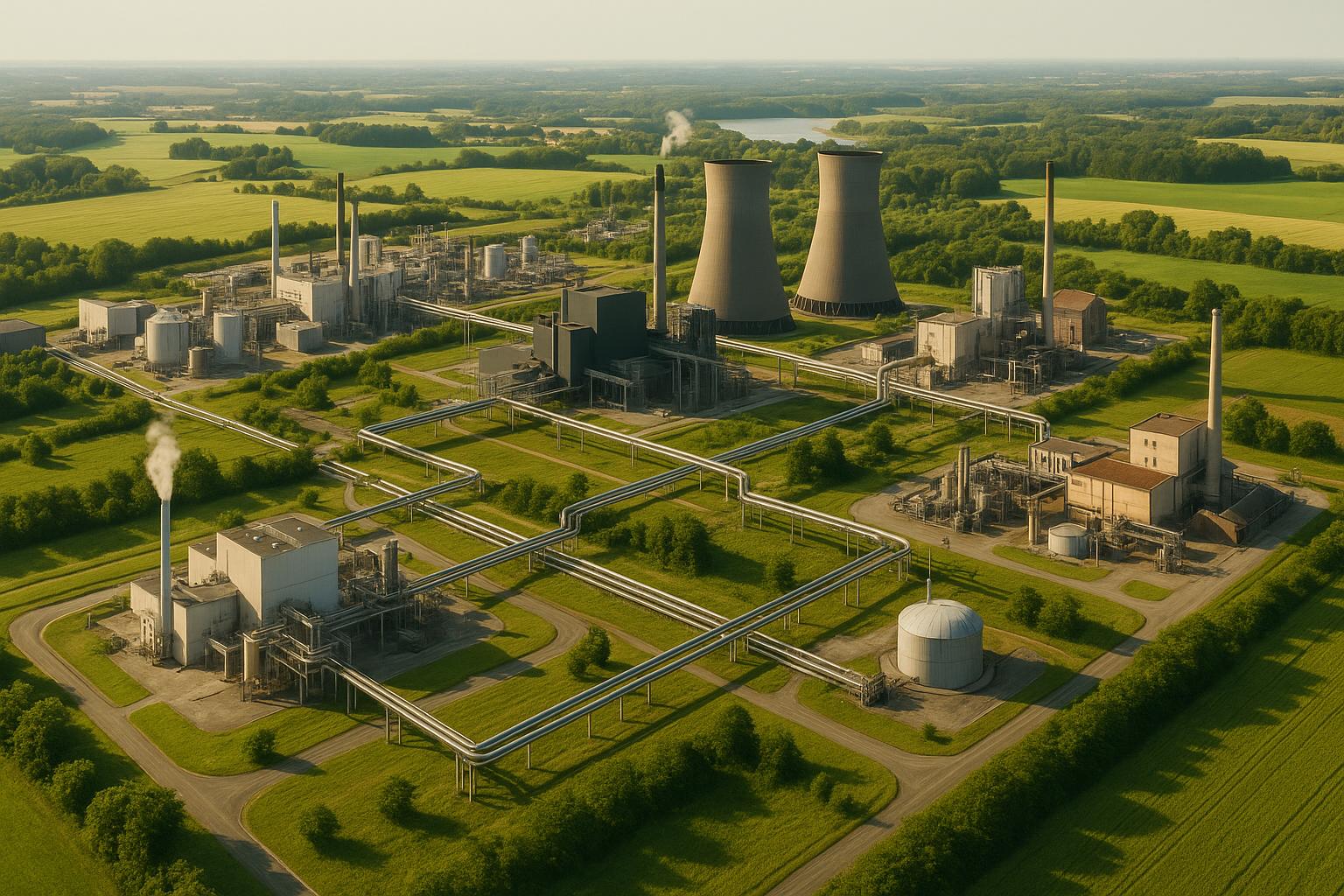
Kalundborg, Denmark, has set the standard for how industries can collaborate to reduce waste, save resources, and cut costs. By turning by-products from one company into inputs for another, this industrial network showcases the benefits of resource sharing at scale. Key highlights include:
Annual Savings: $25.5 million through shared resources and reduced waste.
Environmental Impact: 635,000 tons of CO₂ emissions cut and 3.6 million m³ of water conserved annually.
Participants: 13 entities, including Novo Nordisk, Novozymes, and Asnæs Power Station, exchanging over 25 resource streams.
Key Exchanges: Steam, water, biogas, and gypsum are repurposed across industries.
Public-Private Partnerships: Local government and businesses collaborate on infrastructure and regulations.
This approach not only improves operational efficiency but also strengthens community ties and supports broader sustainability goals. With proven success, Kalundborg’s model is inspiring similar initiatives worldwide, tailored to local needs.
Structure and Key Participants in Kalundborg
Major Industrial Participants
The Kalundborg network is a collaborative ecosystem that unites five major industrial entities, each playing a distinct role in this symbiotic system. At its core is the Asnæs Power Station, a coal-fired plant that not only generates electricity but also repurposes surplus thermal energy into usable steam for nearby facilities, turning potential waste into a shared resource[1].
Novo Nordisk, a prominent pharmaceutical company, benefits from shared utilities to support its insulin production processes. Similarly, Novozymes, a biotechnology firm specializing in enzymes and microorganisms, contributes by improving wastewater treatment across the network, ensuring efficient resource management[3].
Equinor (formerly Statoil) operates an oil refinery that exemplifies circularity by utilizing biogas produced from organic waste generated by other biotech operations. This closed-loop system transforms biological by-products into energy for petroleum refining[5]. Meanwhile, Kalundborg Utility oversees the municipal water and wastewater systems, ensuring water is reused efficiently across all facilities[1]. The entire operation is coordinated by the Kalundborg Industrial Symbiosis Association, established in 1972, which standardizes practices and facilitates collaboration among the participants[3].
Resource and Energy Exchange Network
The network thrives on the seamless exchange of resources, with over 25 interconnected resource streams creating a complex web of material and energy sharing. A standout example is the surplus steam supplied by Asnæs Power Station to neighboring factories, significantly reducing their energy demands.
Water reuse is another cornerstone of the system. Wastewater from one facility is treated and repurposed by another using advanced ultrafiltration and treatment technologies, showcasing the network’s efficiency in resource conservation[3].
Organic waste is converted into biogas, which powers Equinor's refinery, closing the loop on waste-to-energy processes[5]. Additionally, gypsum produced during flue gas desulfurization at the power station is repurposed for construction materials, while biomass and other solid by-products find new applications across various industries.
Resource Type | Source | Destination | Annual Volume/Benefit |
|---|---|---|---|
Steam/Heat | Asnæs Power Station | Manufacturing facilities | Significant energy savings |
Water | Multiple sources | Shared treatment/reuse | 3.6 million m³ conserved |
Biogas | Organic waste conversion | Equinor refinery | Energy for petroleum processing |
Gypsum | Power station scrubbers | Construction materials | Waste-to-product conversion |
Public-Private Partnership Model
The success of Kalundborg’s industrial symbiosis hinges on robust public-private partnerships. Local government plays a pivotal role by providing critical infrastructure, such as water treatment facilities, and establishing regulatory frameworks that facilitate efficient resource sharing.
This collaboration ensures that the network aligns with broader community goals, such as reducing emissions and conserving resources. It also creates a stable environment for private investments in specialized infrastructure essential for resource sharing. By working together, participants can navigate regulatory hurdles that might otherwise hinder such exchanges.
Community involvement amplifies the system’s impact. For instance, the network eliminates 635,000 tons of CO₂ emissions annually, directly improving air quality and advancing Denmark’s environmental objectives[5]. These environmental improvements, coupled with public support, foster a favorable political and social climate that encourages continued collaboration between government and industry. This synergy allows private innovation in resource sharing to thrive while delivering tangible benefits in environmental protection and economic growth.
Circular Economy Methods and Processes
Resource Optimization and By-Product Use
Kalundborg’s circular economy model thrives on turning waste into opportunities. By transforming waste streams into valuable inputs, the system creates a closed-loop network that reduces landfill waste and maximizes material utility. Over 20 different waste streams are repurposed within this ecosystem, showcasing how collaboration can redefine resource efficiency [1][5][6].
For instance, excess steam from the Asnæs Power Station now fuels manufacturing processes, eliminating the need for in-house heat production and generating a significant income stream for the industrial park [5]. Similarly, pharmaceutical sludge, once a waste product, is now utilized as fertilizer for local agriculture, closing nutrient cycles [5].
Gypsum, a by-product of flue gas desulfurization, is repurposed for wallboard production, reducing the demand for virgin gypsum [1][5]. Organic waste is converted into biogas, which powers refinery operations, cutting energy losses and reliance on external fuels [5].
Resource Type | Source | Destination | Value Created |
|---|---|---|---|
Steam | Asnæs Power Station | Manufacturing facilities | Income generation, energy savings |
Pharmaceutical sludge | Biotech plants | Local agriculture | Fertilizer, nutrient recycling |
Gypsum | Power station scrubbers | Wallboard manufacturers | Construction materials |
Biogas | Organic waste conversion | Refinery operations | Energy production |
These resource-sharing practices have set the stage for further advancements, as new technologies refine and expand the system's capabilities.
Technology Supporting the Symbiosis
Advanced technology serves as the backbone of Kalundborg’s circular economy, enabling seamless integration, real-time monitoring, and optimization of resource-sharing networks [3][5].
For example, digital control systems have significantly improved the efficiency of wastewater treatment. In 2023, Novozymes and Kalundborg Utility introduced a joint digital control system to enhance energy efficiency and environmental performance across their facilities [3]. This collaboration optimizes resource recovery while cutting operational costs.
Ultrafiltration membranes have also bolstered water reuse efforts. A 2023 pilot project tested these membranes, improving water recovery from industrial wastewater and protecting reverse osmosis units downstream [3]. This technology allows for higher-quality water to be reused across facilities, expanding opportunities for resource sharing.
Heat recovery systems further enhance efficiency by capturing and redistributing thermal energy that would otherwise go to waste. For instance, recovered heat and water from wastewater treatment are now used in the district heating system, providing energy to local communities [3].
The digitalization of resource flows adds another layer of efficiency. Real-time monitoring systems track resource availability, quality, and demand, enabling partners to identify new exchange opportunities and refine existing ones. These technological advancements ensure that Kalundborg’s symbiosis remains dynamic and efficient as new participants and resource streams are integrated.
Growth and Expansion of Practices
Kalundborg’s circular economy model has steadily evolved since the 1960s, adapting to new technologies and business opportunities while maintaining its core principles [2][6]. This adaptability has allowed the network to grow from a few participants to over a dozen, illustrating its scalability and resilience.
New participants, such as algae production facilities and bio-ethanol plants, have brought fresh resource streams into the network. District heating operations have also expanded, further enhancing the system’s reach [3][6]. Pilot projects continue to drive innovation, such as a 2023 concept study that evaluated the economic potential of recovered materials from wastewater treatment [3].
The network’s success lies in its pragmatic approach to business. New projects are pursued only when there is a clear business case, and unprofitable exchanges are discontinued [5][6]. This strategy ensures the system remains economically sustainable while adapting to technological and market changes.
Beyond industrial benefits, the symbiosis has created positive ripple effects throughout the community. The district heating system now serves local households, and agricultural partnerships distribute repurposed pharmaceutical sludge as fertilizer across the region [5]. These initiatives highlight how industrial symbiosis can extend its impact beyond the immediate network.
For organizations looking to adopt similar methods, strategic collaboration and the right technology are key. Council Fire offers expertise in aligning financial, environmental, and social goals to accelerate the adoption of circular practices. Their experience in fostering public-private partnerships and crafting effective communication strategies can help build the trust and cooperation necessary for successful industrial symbiosis.
Results and Impact of Kalundborg Industrial Symbiosis
Climate and Resource Benefits
Kalundborg's industrial symbiosis delivers impressive environmental outcomes, cutting 635,000 tons of CO₂ emissions and conserving 3.6 million m³ of water every year through advanced treatment systems and integrated reuse practices [5][1][3]. The initiative has nearly eradicated industrial waste by creating a comprehensive resource-sharing network. Over 20 different waste streams, including steam, gypsum, biomass, and sludge, are repurposed annually, diverting millions of tons of materials from landfills [1][5][6]. Upgraded technologies enhance resource recovery, while the district heating system is largely powered by a wood-chip burning combined heat and power plant [3]. These efforts not only reduce environmental harm but also set the stage for strong economic performance.
Economic Results
Kalundborg's circular model proves that environmental responsibility can go hand-in-hand with financial success. The system generates $25.5 million in yearly savings by cutting raw material purchases, lowering energy expenses, and reducing waste management fees, while also creating revenue streams from by-product sales [5]. For instance, excess steam and heat, once wasted, are now sold, providing significant income for the Asnæs Power Station. Pharmaceutical sludge is transformed into high-quality fertilizer for local farms, and organic waste is converted into biogas to fuel refinery operations [5]. Only economically viable projects are pursued, with unprofitable exchanges discontinued to ensure long-term sustainability [6]. Shared resources and infrastructure among participating companies reduce redundant investments, improve reliability, and enhance cost efficiency [3]. These financial benefits strengthen partnerships between organizations, paving the way for further environmental and social projects.
Social and Partnership Impact
Decades of collaboration between public and private entities have fostered a network that delivers widespread community benefits. With 17 organizations from various sectors now involved, the partnership drives innovations that benefit the entire community. These include providing district heating for local households and supplying fertilizer for regional farms [1][3][6][5]. The social impact extends beyond environmental gains, helping to close nutrient cycles and stimulate local economies [5]. Kalundborg's success highlights the importance of strategic cooperation and stakeholder alignment. In this vein, Council Fire's expertise in integrating financial, environmental, and social goals offers a valuable framework for replicating and expanding such industrial symbiosis models.
Kalundborg Symbiosis 2022
Key Takeaways and Global Applications
Kalundborg's experience offers valuable lessons for building successful industrial symbiosis networks, with principles that can be adapted to different regions worldwide.
Success Factors
The transformation of Kalundborg from a simple water-sharing agreement in the 1960s into a highly integrated industrial ecosystem highlights four key factors behind its success.
Trust and long-term relationships have been central to Kalundborg's development. Instead of relying on formal contracts, the network evolved organically through decades of collaboration between public and private organizations [1][2].
Incremental, flexible growth allowed the network to expand sustainably over time. Starting with a single water pipeline, Kalundborg gradually added new participants and resource-sharing opportunities as mutual benefits emerged [2]. This organic progression avoided the resistance often faced by rigid, top-down approaches [1].
Open communication and shared economic incentives ensured that all participants saw clear value in their collaboration. Regular reviews of mutual benefits and the option to discontinue unprofitable exchanges helped maintain balance in the network [1][2].
Municipal support and public-private partnerships played a crucial role in establishing the necessary infrastructure [2]. By enabling rather than controlling the process, government involvement helped create a supportive environment for industrial symbiosis.
These principles provide a strong foundation for adapting Kalundborg's model to other regions, emphasizing flexibility, collaboration, and mutual benefit.
Replication in Other Regions
Kalundborg's approach has inspired projects across the globe, demonstrating how its principles can be tailored to local conditions. One notable example is the Pathways to Resource Efficiency in Santa Cruz Industries (PRESI) project in Rio de Janeiro, Brazil [4].
In 2024, the Kalundborg Symbiosis administration directly supported the PRESI project, which was funded by the Danish Energy Agency and led by Clean. Brazilian stakeholders adapted Kalundborg's methods to their industrial cluster, focusing on stakeholder engagement and gradual implementation rather than direct replication [4]. Similar Danish Energy Agency pilots in Oregon and Washington State highlighted the importance of transferring knowledge in ways that respect local cultural and regulatory contexts.
The Santa Cruz Industrial District project underscores several prerequisites for success: understanding the local industrial mix, engaging all relevant stakeholders early, and starting with small-scale exchanges to build trust before scaling up [4]. Early results emphasize the need for local adaptation, as regulations, business practices, and infrastructure vary widely between regions.
In the U.S., industrial clusters face unique challenges when adopting Kalundborg's model. Differences in state and federal regulations, competitive business environments, and fragmented infrastructure pose significant barriers [1]. However, lessons from the Oregon and Washington pilots show these obstacles can be addressed with tailored stakeholder engagement, policy advocacy, and clear demonstrations of economic value. Strategies such as state-level grants, tax incentives for cross-industry partnerships, and streamlined permitting processes could help overcome these challenges.
These examples highlight the need for customized approaches, with sustainability consultancies often playing a critical role in guiding these efforts.
Role of Sustainability Consultancies
Specialized consultancies have become essential in translating Kalundborg's principles into practical applications in new regions. Organizations like Council Fire bridge the gap between proven models and real-world implementation, helping navigate regulatory complexities and cultural differences [1].
As Council Fire explains:
We bring people together - across teams, sectors, and communities - to co-create solutions that are actionable, equitable, and built to last. Collaboration isn't just how we work - it's how change happens. [7]
Their expertise directly addresses challenges such as trust-building and stakeholder alignment, which were crucial to Kalundborg's success. Acting as neutral facilitators, consultancies foster open communication and shared governance among competitive businesses [1][2].
Beyond facilitation, consultancies provide critical support in areas like financing, impact metrics, and decision-making tools. Kalundborg's experience shows that only economically viable projects endure in the long term, making the financial expertise of consultancies indispensable for replication efforts.
Matthew Fleming, Executive Director of the Resilience Authority of Annapolis and Anne Arundel County, underscores this value:
Council Fire is helping us lay the foundation for what we believe is one of the most innovative local climate resilience planning models in the country. Whether its strategy development, financing mechanisms, impact metrics, decision making tools, or storytelling, their guidance is instrumental in shaping our approach, implementing projects, and building trust with stakeholders. [7]
Conclusion: The Future of Industrial Symbiosis
The story of Kalundborg provides a compelling example of how collaboration can reshape industries. What began with a simple water pipeline in 1961 has evolved into a complex network that reimagines waste as a resource, setting a new standard for industrial success. This case study underscores the potential of industrial symbiosis to deliver benefits across environmental, economic, and social dimensions.
Kalundborg’s gradual progress highlights that trust, cooperation, and a willingness to adapt are key to building sustainable industrial ecosystems. This challenges the traditional, top-down approach to industrial development and suggests that collaboration can be a powerful driver of innovation.
Today, advanced digital tools are pushing the boundaries of what industrial symbiosis can achieve. Technologies like real-time monitoring and data analytics are making resource-sharing more efficient and uncovering opportunities that were previously out of reach. For instance, Kalundborg’s use of ultra-tight ultrafiltration membranes and shared wastewater control systems showcases how technology can refine resource flows and create new efficiencies [3]. As these tools continue to evolve, industrial networks will be better equipped to identify and act on synergies more quickly.
The principles pioneered in Kalundborg are now being adapted around the world. Projects in places like Brazil, Oregon, and Washington State are tailoring the model to fit local needs [4]. This growing global interest reflects the increasing demand for sustainable practices, as businesses face pressure to reduce carbon emissions and governments promote circular economy policies. These adaptations demonstrate how Kalundborg’s core ideas can inspire solutions that work in diverse settings.
Kalundborg redefines industrial success by showing that real profit isn’t just about financial gains - it also includes healthier ecosystems, stronger communities, and more resilient economies. With guidance from organizations like Council Fire, companies are beginning to see industrial symbiosis as a key strategy for sustainable growth in the years ahead.
The future of industrial symbiosis isn’t about copying Kalundborg exactly but about applying its principles in ways that suit different regions and industries. As more businesses embrace this approach, we can expect to see industrial ecosystems that are not only more resilient and efficient but also more sustainable, transforming how resources are managed and how industries collaborate.
FAQs
How does the Kalundborg Industrial Symbiosis model help lower CO₂ emissions and save water?
The Kalundborg Industrial Symbiosis model stands as a trailblazer in the realm of circular economy initiatives. It brings together businesses in a collaborative effort to share resources and cut down on waste. By trading by-products such as heat, water, and various materials, this model significantly reduces CO₂ emissions and promotes water conservation. It achieves this through smarter resource use and a decreased dependency on raw materials.
This system doesn’t just champion environmental responsibility - it also delivers economic perks for the companies involved. By cutting operational costs and enhancing resource efficiency, it proves that industries can align their financial objectives with environmental stewardship, achieving meaningful progress on both fronts.
How do public-private partnerships contribute to the success of the Kalundborg Industrial Symbiosis?
Public-private partnerships have been central to the achievements of the Kalundborg Industrial Symbiosis, bringing together businesses, local authorities, and other key stakeholders. These collaborations facilitate the sharing of resources, infrastructure, and expertise - essential components for putting effective circular economy strategies into action.
By aligning the goals of public and private entities, these partnerships pave the way for solutions that minimize waste, cut costs, and enhance environmental performance. This cooperative effort has positioned Kalundborg as a standout example of industrial symbiosis on the global stage.
How can other regions apply the Kalundborg industrial symbiosis model to their own needs?
The Kalundborg industrial symbiosis model offers a blueprint for creating resource-sharing networks among industries, but its application requires adjustments to suit the specific economic, social, and environmental landscape of a region. This involves pinpointing local businesses that can exchange resources like energy, water, or byproducts to cut waste and enhance efficiency.
To successfully implement such strategies, organizations may find it helpful to seek expert advice. Professionals can guide them in balancing sustainability goals with financial objectives. By encouraging collaboration among stakeholders and crafting tailored solutions, regions can realize tangible benefits across environmental, social, and economic dimensions.
Related Blog Posts
Latest Articles
©2025



FAQ
01
What does it really mean to “redefine profit”?
02
What makes Council Fire different?
03
Who does Council Fire you work with?
04
What does working with Council Fire actually look like?
05
How does Council Fire help organizations turn big goals into action?
06
How does Council Fire define and measure success?
Oct 26, 2025
Case Study: Kalundborg Industrial Symbiosis
Sustainability Strategy
In This Article
Explore how an innovative industrial network in Denmark transforms waste into resources, achieving significant environmental and economic benefits.
Case Study: Kalundborg Industrial Symbiosis
Kalundborg, Denmark, has set the standard for how industries can collaborate to reduce waste, save resources, and cut costs. By turning by-products from one company into inputs for another, this industrial network showcases the benefits of resource sharing at scale. Key highlights include:
Annual Savings: $25.5 million through shared resources and reduced waste.
Environmental Impact: 635,000 tons of CO₂ emissions cut and 3.6 million m³ of water conserved annually.
Participants: 13 entities, including Novo Nordisk, Novozymes, and Asnæs Power Station, exchanging over 25 resource streams.
Key Exchanges: Steam, water, biogas, and gypsum are repurposed across industries.
Public-Private Partnerships: Local government and businesses collaborate on infrastructure and regulations.
This approach not only improves operational efficiency but also strengthens community ties and supports broader sustainability goals. With proven success, Kalundborg’s model is inspiring similar initiatives worldwide, tailored to local needs.
Structure and Key Participants in Kalundborg
Major Industrial Participants
The Kalundborg network is a collaborative ecosystem that unites five major industrial entities, each playing a distinct role in this symbiotic system. At its core is the Asnæs Power Station, a coal-fired plant that not only generates electricity but also repurposes surplus thermal energy into usable steam for nearby facilities, turning potential waste into a shared resource[1].
Novo Nordisk, a prominent pharmaceutical company, benefits from shared utilities to support its insulin production processes. Similarly, Novozymes, a biotechnology firm specializing in enzymes and microorganisms, contributes by improving wastewater treatment across the network, ensuring efficient resource management[3].
Equinor (formerly Statoil) operates an oil refinery that exemplifies circularity by utilizing biogas produced from organic waste generated by other biotech operations. This closed-loop system transforms biological by-products into energy for petroleum refining[5]. Meanwhile, Kalundborg Utility oversees the municipal water and wastewater systems, ensuring water is reused efficiently across all facilities[1]. The entire operation is coordinated by the Kalundborg Industrial Symbiosis Association, established in 1972, which standardizes practices and facilitates collaboration among the participants[3].
Resource and Energy Exchange Network
The network thrives on the seamless exchange of resources, with over 25 interconnected resource streams creating a complex web of material and energy sharing. A standout example is the surplus steam supplied by Asnæs Power Station to neighboring factories, significantly reducing their energy demands.
Water reuse is another cornerstone of the system. Wastewater from one facility is treated and repurposed by another using advanced ultrafiltration and treatment technologies, showcasing the network’s efficiency in resource conservation[3].
Organic waste is converted into biogas, which powers Equinor's refinery, closing the loop on waste-to-energy processes[5]. Additionally, gypsum produced during flue gas desulfurization at the power station is repurposed for construction materials, while biomass and other solid by-products find new applications across various industries.
Resource Type | Source | Destination | Annual Volume/Benefit |
|---|---|---|---|
Steam/Heat | Asnæs Power Station | Manufacturing facilities | Significant energy savings |
Water | Multiple sources | Shared treatment/reuse | 3.6 million m³ conserved |
Biogas | Organic waste conversion | Equinor refinery | Energy for petroleum processing |
Gypsum | Power station scrubbers | Construction materials | Waste-to-product conversion |
Public-Private Partnership Model
The success of Kalundborg’s industrial symbiosis hinges on robust public-private partnerships. Local government plays a pivotal role by providing critical infrastructure, such as water treatment facilities, and establishing regulatory frameworks that facilitate efficient resource sharing.
This collaboration ensures that the network aligns with broader community goals, such as reducing emissions and conserving resources. It also creates a stable environment for private investments in specialized infrastructure essential for resource sharing. By working together, participants can navigate regulatory hurdles that might otherwise hinder such exchanges.
Community involvement amplifies the system’s impact. For instance, the network eliminates 635,000 tons of CO₂ emissions annually, directly improving air quality and advancing Denmark’s environmental objectives[5]. These environmental improvements, coupled with public support, foster a favorable political and social climate that encourages continued collaboration between government and industry. This synergy allows private innovation in resource sharing to thrive while delivering tangible benefits in environmental protection and economic growth.
Circular Economy Methods and Processes
Resource Optimization and By-Product Use
Kalundborg’s circular economy model thrives on turning waste into opportunities. By transforming waste streams into valuable inputs, the system creates a closed-loop network that reduces landfill waste and maximizes material utility. Over 20 different waste streams are repurposed within this ecosystem, showcasing how collaboration can redefine resource efficiency [1][5][6].
For instance, excess steam from the Asnæs Power Station now fuels manufacturing processes, eliminating the need for in-house heat production and generating a significant income stream for the industrial park [5]. Similarly, pharmaceutical sludge, once a waste product, is now utilized as fertilizer for local agriculture, closing nutrient cycles [5].
Gypsum, a by-product of flue gas desulfurization, is repurposed for wallboard production, reducing the demand for virgin gypsum [1][5]. Organic waste is converted into biogas, which powers refinery operations, cutting energy losses and reliance on external fuels [5].
Resource Type | Source | Destination | Value Created |
|---|---|---|---|
Steam | Asnæs Power Station | Manufacturing facilities | Income generation, energy savings |
Pharmaceutical sludge | Biotech plants | Local agriculture | Fertilizer, nutrient recycling |
Gypsum | Power station scrubbers | Wallboard manufacturers | Construction materials |
Biogas | Organic waste conversion | Refinery operations | Energy production |
These resource-sharing practices have set the stage for further advancements, as new technologies refine and expand the system's capabilities.
Technology Supporting the Symbiosis
Advanced technology serves as the backbone of Kalundborg’s circular economy, enabling seamless integration, real-time monitoring, and optimization of resource-sharing networks [3][5].
For example, digital control systems have significantly improved the efficiency of wastewater treatment. In 2023, Novozymes and Kalundborg Utility introduced a joint digital control system to enhance energy efficiency and environmental performance across their facilities [3]. This collaboration optimizes resource recovery while cutting operational costs.
Ultrafiltration membranes have also bolstered water reuse efforts. A 2023 pilot project tested these membranes, improving water recovery from industrial wastewater and protecting reverse osmosis units downstream [3]. This technology allows for higher-quality water to be reused across facilities, expanding opportunities for resource sharing.
Heat recovery systems further enhance efficiency by capturing and redistributing thermal energy that would otherwise go to waste. For instance, recovered heat and water from wastewater treatment are now used in the district heating system, providing energy to local communities [3].
The digitalization of resource flows adds another layer of efficiency. Real-time monitoring systems track resource availability, quality, and demand, enabling partners to identify new exchange opportunities and refine existing ones. These technological advancements ensure that Kalundborg’s symbiosis remains dynamic and efficient as new participants and resource streams are integrated.
Growth and Expansion of Practices
Kalundborg’s circular economy model has steadily evolved since the 1960s, adapting to new technologies and business opportunities while maintaining its core principles [2][6]. This adaptability has allowed the network to grow from a few participants to over a dozen, illustrating its scalability and resilience.
New participants, such as algae production facilities and bio-ethanol plants, have brought fresh resource streams into the network. District heating operations have also expanded, further enhancing the system’s reach [3][6]. Pilot projects continue to drive innovation, such as a 2023 concept study that evaluated the economic potential of recovered materials from wastewater treatment [3].
The network’s success lies in its pragmatic approach to business. New projects are pursued only when there is a clear business case, and unprofitable exchanges are discontinued [5][6]. This strategy ensures the system remains economically sustainable while adapting to technological and market changes.
Beyond industrial benefits, the symbiosis has created positive ripple effects throughout the community. The district heating system now serves local households, and agricultural partnerships distribute repurposed pharmaceutical sludge as fertilizer across the region [5]. These initiatives highlight how industrial symbiosis can extend its impact beyond the immediate network.
For organizations looking to adopt similar methods, strategic collaboration and the right technology are key. Council Fire offers expertise in aligning financial, environmental, and social goals to accelerate the adoption of circular practices. Their experience in fostering public-private partnerships and crafting effective communication strategies can help build the trust and cooperation necessary for successful industrial symbiosis.
Results and Impact of Kalundborg Industrial Symbiosis
Climate and Resource Benefits
Kalundborg's industrial symbiosis delivers impressive environmental outcomes, cutting 635,000 tons of CO₂ emissions and conserving 3.6 million m³ of water every year through advanced treatment systems and integrated reuse practices [5][1][3]. The initiative has nearly eradicated industrial waste by creating a comprehensive resource-sharing network. Over 20 different waste streams, including steam, gypsum, biomass, and sludge, are repurposed annually, diverting millions of tons of materials from landfills [1][5][6]. Upgraded technologies enhance resource recovery, while the district heating system is largely powered by a wood-chip burning combined heat and power plant [3]. These efforts not only reduce environmental harm but also set the stage for strong economic performance.
Economic Results
Kalundborg's circular model proves that environmental responsibility can go hand-in-hand with financial success. The system generates $25.5 million in yearly savings by cutting raw material purchases, lowering energy expenses, and reducing waste management fees, while also creating revenue streams from by-product sales [5]. For instance, excess steam and heat, once wasted, are now sold, providing significant income for the Asnæs Power Station. Pharmaceutical sludge is transformed into high-quality fertilizer for local farms, and organic waste is converted into biogas to fuel refinery operations [5]. Only economically viable projects are pursued, with unprofitable exchanges discontinued to ensure long-term sustainability [6]. Shared resources and infrastructure among participating companies reduce redundant investments, improve reliability, and enhance cost efficiency [3]. These financial benefits strengthen partnerships between organizations, paving the way for further environmental and social projects.
Social and Partnership Impact
Decades of collaboration between public and private entities have fostered a network that delivers widespread community benefits. With 17 organizations from various sectors now involved, the partnership drives innovations that benefit the entire community. These include providing district heating for local households and supplying fertilizer for regional farms [1][3][6][5]. The social impact extends beyond environmental gains, helping to close nutrient cycles and stimulate local economies [5]. Kalundborg's success highlights the importance of strategic cooperation and stakeholder alignment. In this vein, Council Fire's expertise in integrating financial, environmental, and social goals offers a valuable framework for replicating and expanding such industrial symbiosis models.
Kalundborg Symbiosis 2022
Key Takeaways and Global Applications
Kalundborg's experience offers valuable lessons for building successful industrial symbiosis networks, with principles that can be adapted to different regions worldwide.
Success Factors
The transformation of Kalundborg from a simple water-sharing agreement in the 1960s into a highly integrated industrial ecosystem highlights four key factors behind its success.
Trust and long-term relationships have been central to Kalundborg's development. Instead of relying on formal contracts, the network evolved organically through decades of collaboration between public and private organizations [1][2].
Incremental, flexible growth allowed the network to expand sustainably over time. Starting with a single water pipeline, Kalundborg gradually added new participants and resource-sharing opportunities as mutual benefits emerged [2]. This organic progression avoided the resistance often faced by rigid, top-down approaches [1].
Open communication and shared economic incentives ensured that all participants saw clear value in their collaboration. Regular reviews of mutual benefits and the option to discontinue unprofitable exchanges helped maintain balance in the network [1][2].
Municipal support and public-private partnerships played a crucial role in establishing the necessary infrastructure [2]. By enabling rather than controlling the process, government involvement helped create a supportive environment for industrial symbiosis.
These principles provide a strong foundation for adapting Kalundborg's model to other regions, emphasizing flexibility, collaboration, and mutual benefit.
Replication in Other Regions
Kalundborg's approach has inspired projects across the globe, demonstrating how its principles can be tailored to local conditions. One notable example is the Pathways to Resource Efficiency in Santa Cruz Industries (PRESI) project in Rio de Janeiro, Brazil [4].
In 2024, the Kalundborg Symbiosis administration directly supported the PRESI project, which was funded by the Danish Energy Agency and led by Clean. Brazilian stakeholders adapted Kalundborg's methods to their industrial cluster, focusing on stakeholder engagement and gradual implementation rather than direct replication [4]. Similar Danish Energy Agency pilots in Oregon and Washington State highlighted the importance of transferring knowledge in ways that respect local cultural and regulatory contexts.
The Santa Cruz Industrial District project underscores several prerequisites for success: understanding the local industrial mix, engaging all relevant stakeholders early, and starting with small-scale exchanges to build trust before scaling up [4]. Early results emphasize the need for local adaptation, as regulations, business practices, and infrastructure vary widely between regions.
In the U.S., industrial clusters face unique challenges when adopting Kalundborg's model. Differences in state and federal regulations, competitive business environments, and fragmented infrastructure pose significant barriers [1]. However, lessons from the Oregon and Washington pilots show these obstacles can be addressed with tailored stakeholder engagement, policy advocacy, and clear demonstrations of economic value. Strategies such as state-level grants, tax incentives for cross-industry partnerships, and streamlined permitting processes could help overcome these challenges.
These examples highlight the need for customized approaches, with sustainability consultancies often playing a critical role in guiding these efforts.
Role of Sustainability Consultancies
Specialized consultancies have become essential in translating Kalundborg's principles into practical applications in new regions. Organizations like Council Fire bridge the gap between proven models and real-world implementation, helping navigate regulatory complexities and cultural differences [1].
As Council Fire explains:
We bring people together - across teams, sectors, and communities - to co-create solutions that are actionable, equitable, and built to last. Collaboration isn't just how we work - it's how change happens. [7]
Their expertise directly addresses challenges such as trust-building and stakeholder alignment, which were crucial to Kalundborg's success. Acting as neutral facilitators, consultancies foster open communication and shared governance among competitive businesses [1][2].
Beyond facilitation, consultancies provide critical support in areas like financing, impact metrics, and decision-making tools. Kalundborg's experience shows that only economically viable projects endure in the long term, making the financial expertise of consultancies indispensable for replication efforts.
Matthew Fleming, Executive Director of the Resilience Authority of Annapolis and Anne Arundel County, underscores this value:
Council Fire is helping us lay the foundation for what we believe is one of the most innovative local climate resilience planning models in the country. Whether its strategy development, financing mechanisms, impact metrics, decision making tools, or storytelling, their guidance is instrumental in shaping our approach, implementing projects, and building trust with stakeholders. [7]
Conclusion: The Future of Industrial Symbiosis
The story of Kalundborg provides a compelling example of how collaboration can reshape industries. What began with a simple water pipeline in 1961 has evolved into a complex network that reimagines waste as a resource, setting a new standard for industrial success. This case study underscores the potential of industrial symbiosis to deliver benefits across environmental, economic, and social dimensions.
Kalundborg’s gradual progress highlights that trust, cooperation, and a willingness to adapt are key to building sustainable industrial ecosystems. This challenges the traditional, top-down approach to industrial development and suggests that collaboration can be a powerful driver of innovation.
Today, advanced digital tools are pushing the boundaries of what industrial symbiosis can achieve. Technologies like real-time monitoring and data analytics are making resource-sharing more efficient and uncovering opportunities that were previously out of reach. For instance, Kalundborg’s use of ultra-tight ultrafiltration membranes and shared wastewater control systems showcases how technology can refine resource flows and create new efficiencies [3]. As these tools continue to evolve, industrial networks will be better equipped to identify and act on synergies more quickly.
The principles pioneered in Kalundborg are now being adapted around the world. Projects in places like Brazil, Oregon, and Washington State are tailoring the model to fit local needs [4]. This growing global interest reflects the increasing demand for sustainable practices, as businesses face pressure to reduce carbon emissions and governments promote circular economy policies. These adaptations demonstrate how Kalundborg’s core ideas can inspire solutions that work in diverse settings.
Kalundborg redefines industrial success by showing that real profit isn’t just about financial gains - it also includes healthier ecosystems, stronger communities, and more resilient economies. With guidance from organizations like Council Fire, companies are beginning to see industrial symbiosis as a key strategy for sustainable growth in the years ahead.
The future of industrial symbiosis isn’t about copying Kalundborg exactly but about applying its principles in ways that suit different regions and industries. As more businesses embrace this approach, we can expect to see industrial ecosystems that are not only more resilient and efficient but also more sustainable, transforming how resources are managed and how industries collaborate.
FAQs
How does the Kalundborg Industrial Symbiosis model help lower CO₂ emissions and save water?
The Kalundborg Industrial Symbiosis model stands as a trailblazer in the realm of circular economy initiatives. It brings together businesses in a collaborative effort to share resources and cut down on waste. By trading by-products such as heat, water, and various materials, this model significantly reduces CO₂ emissions and promotes water conservation. It achieves this through smarter resource use and a decreased dependency on raw materials.
This system doesn’t just champion environmental responsibility - it also delivers economic perks for the companies involved. By cutting operational costs and enhancing resource efficiency, it proves that industries can align their financial objectives with environmental stewardship, achieving meaningful progress on both fronts.
How do public-private partnerships contribute to the success of the Kalundborg Industrial Symbiosis?
Public-private partnerships have been central to the achievements of the Kalundborg Industrial Symbiosis, bringing together businesses, local authorities, and other key stakeholders. These collaborations facilitate the sharing of resources, infrastructure, and expertise - essential components for putting effective circular economy strategies into action.
By aligning the goals of public and private entities, these partnerships pave the way for solutions that minimize waste, cut costs, and enhance environmental performance. This cooperative effort has positioned Kalundborg as a standout example of industrial symbiosis on the global stage.
How can other regions apply the Kalundborg industrial symbiosis model to their own needs?
The Kalundborg industrial symbiosis model offers a blueprint for creating resource-sharing networks among industries, but its application requires adjustments to suit the specific economic, social, and environmental landscape of a region. This involves pinpointing local businesses that can exchange resources like energy, water, or byproducts to cut waste and enhance efficiency.
To successfully implement such strategies, organizations may find it helpful to seek expert advice. Professionals can guide them in balancing sustainability goals with financial objectives. By encouraging collaboration among stakeholders and crafting tailored solutions, regions can realize tangible benefits across environmental, social, and economic dimensions.
Related Blog Posts
FAQ
01
What does it really mean to “redefine profit”?
02
What makes Council Fire different?
03
Who does Council Fire you work with?
04
What does working with Council Fire actually look like?
05
How does Council Fire help organizations turn big goals into action?
06
How does Council Fire define and measure success?
Oct 26, 2025
Case Study: Kalundborg Industrial Symbiosis
Sustainability Strategy
In This Article
Explore how an innovative industrial network in Denmark transforms waste into resources, achieving significant environmental and economic benefits.
Case Study: Kalundborg Industrial Symbiosis
Kalundborg, Denmark, has set the standard for how industries can collaborate to reduce waste, save resources, and cut costs. By turning by-products from one company into inputs for another, this industrial network showcases the benefits of resource sharing at scale. Key highlights include:
Annual Savings: $25.5 million through shared resources and reduced waste.
Environmental Impact: 635,000 tons of CO₂ emissions cut and 3.6 million m³ of water conserved annually.
Participants: 13 entities, including Novo Nordisk, Novozymes, and Asnæs Power Station, exchanging over 25 resource streams.
Key Exchanges: Steam, water, biogas, and gypsum are repurposed across industries.
Public-Private Partnerships: Local government and businesses collaborate on infrastructure and regulations.
This approach not only improves operational efficiency but also strengthens community ties and supports broader sustainability goals. With proven success, Kalundborg’s model is inspiring similar initiatives worldwide, tailored to local needs.
Structure and Key Participants in Kalundborg
Major Industrial Participants
The Kalundborg network is a collaborative ecosystem that unites five major industrial entities, each playing a distinct role in this symbiotic system. At its core is the Asnæs Power Station, a coal-fired plant that not only generates electricity but also repurposes surplus thermal energy into usable steam for nearby facilities, turning potential waste into a shared resource[1].
Novo Nordisk, a prominent pharmaceutical company, benefits from shared utilities to support its insulin production processes. Similarly, Novozymes, a biotechnology firm specializing in enzymes and microorganisms, contributes by improving wastewater treatment across the network, ensuring efficient resource management[3].
Equinor (formerly Statoil) operates an oil refinery that exemplifies circularity by utilizing biogas produced from organic waste generated by other biotech operations. This closed-loop system transforms biological by-products into energy for petroleum refining[5]. Meanwhile, Kalundborg Utility oversees the municipal water and wastewater systems, ensuring water is reused efficiently across all facilities[1]. The entire operation is coordinated by the Kalundborg Industrial Symbiosis Association, established in 1972, which standardizes practices and facilitates collaboration among the participants[3].
Resource and Energy Exchange Network
The network thrives on the seamless exchange of resources, with over 25 interconnected resource streams creating a complex web of material and energy sharing. A standout example is the surplus steam supplied by Asnæs Power Station to neighboring factories, significantly reducing their energy demands.
Water reuse is another cornerstone of the system. Wastewater from one facility is treated and repurposed by another using advanced ultrafiltration and treatment technologies, showcasing the network’s efficiency in resource conservation[3].
Organic waste is converted into biogas, which powers Equinor's refinery, closing the loop on waste-to-energy processes[5]. Additionally, gypsum produced during flue gas desulfurization at the power station is repurposed for construction materials, while biomass and other solid by-products find new applications across various industries.
Resource Type | Source | Destination | Annual Volume/Benefit |
|---|---|---|---|
Steam/Heat | Asnæs Power Station | Manufacturing facilities | Significant energy savings |
Water | Multiple sources | Shared treatment/reuse | 3.6 million m³ conserved |
Biogas | Organic waste conversion | Equinor refinery | Energy for petroleum processing |
Gypsum | Power station scrubbers | Construction materials | Waste-to-product conversion |
Public-Private Partnership Model
The success of Kalundborg’s industrial symbiosis hinges on robust public-private partnerships. Local government plays a pivotal role by providing critical infrastructure, such as water treatment facilities, and establishing regulatory frameworks that facilitate efficient resource sharing.
This collaboration ensures that the network aligns with broader community goals, such as reducing emissions and conserving resources. It also creates a stable environment for private investments in specialized infrastructure essential for resource sharing. By working together, participants can navigate regulatory hurdles that might otherwise hinder such exchanges.
Community involvement amplifies the system’s impact. For instance, the network eliminates 635,000 tons of CO₂ emissions annually, directly improving air quality and advancing Denmark’s environmental objectives[5]. These environmental improvements, coupled with public support, foster a favorable political and social climate that encourages continued collaboration between government and industry. This synergy allows private innovation in resource sharing to thrive while delivering tangible benefits in environmental protection and economic growth.
Circular Economy Methods and Processes
Resource Optimization and By-Product Use
Kalundborg’s circular economy model thrives on turning waste into opportunities. By transforming waste streams into valuable inputs, the system creates a closed-loop network that reduces landfill waste and maximizes material utility. Over 20 different waste streams are repurposed within this ecosystem, showcasing how collaboration can redefine resource efficiency [1][5][6].
For instance, excess steam from the Asnæs Power Station now fuels manufacturing processes, eliminating the need for in-house heat production and generating a significant income stream for the industrial park [5]. Similarly, pharmaceutical sludge, once a waste product, is now utilized as fertilizer for local agriculture, closing nutrient cycles [5].
Gypsum, a by-product of flue gas desulfurization, is repurposed for wallboard production, reducing the demand for virgin gypsum [1][5]. Organic waste is converted into biogas, which powers refinery operations, cutting energy losses and reliance on external fuels [5].
Resource Type | Source | Destination | Value Created |
|---|---|---|---|
Steam | Asnæs Power Station | Manufacturing facilities | Income generation, energy savings |
Pharmaceutical sludge | Biotech plants | Local agriculture | Fertilizer, nutrient recycling |
Gypsum | Power station scrubbers | Wallboard manufacturers | Construction materials |
Biogas | Organic waste conversion | Refinery operations | Energy production |
These resource-sharing practices have set the stage for further advancements, as new technologies refine and expand the system's capabilities.
Technology Supporting the Symbiosis
Advanced technology serves as the backbone of Kalundborg’s circular economy, enabling seamless integration, real-time monitoring, and optimization of resource-sharing networks [3][5].
For example, digital control systems have significantly improved the efficiency of wastewater treatment. In 2023, Novozymes and Kalundborg Utility introduced a joint digital control system to enhance energy efficiency and environmental performance across their facilities [3]. This collaboration optimizes resource recovery while cutting operational costs.
Ultrafiltration membranes have also bolstered water reuse efforts. A 2023 pilot project tested these membranes, improving water recovery from industrial wastewater and protecting reverse osmosis units downstream [3]. This technology allows for higher-quality water to be reused across facilities, expanding opportunities for resource sharing.
Heat recovery systems further enhance efficiency by capturing and redistributing thermal energy that would otherwise go to waste. For instance, recovered heat and water from wastewater treatment are now used in the district heating system, providing energy to local communities [3].
The digitalization of resource flows adds another layer of efficiency. Real-time monitoring systems track resource availability, quality, and demand, enabling partners to identify new exchange opportunities and refine existing ones. These technological advancements ensure that Kalundborg’s symbiosis remains dynamic and efficient as new participants and resource streams are integrated.
Growth and Expansion of Practices
Kalundborg’s circular economy model has steadily evolved since the 1960s, adapting to new technologies and business opportunities while maintaining its core principles [2][6]. This adaptability has allowed the network to grow from a few participants to over a dozen, illustrating its scalability and resilience.
New participants, such as algae production facilities and bio-ethanol plants, have brought fresh resource streams into the network. District heating operations have also expanded, further enhancing the system’s reach [3][6]. Pilot projects continue to drive innovation, such as a 2023 concept study that evaluated the economic potential of recovered materials from wastewater treatment [3].
The network’s success lies in its pragmatic approach to business. New projects are pursued only when there is a clear business case, and unprofitable exchanges are discontinued [5][6]. This strategy ensures the system remains economically sustainable while adapting to technological and market changes.
Beyond industrial benefits, the symbiosis has created positive ripple effects throughout the community. The district heating system now serves local households, and agricultural partnerships distribute repurposed pharmaceutical sludge as fertilizer across the region [5]. These initiatives highlight how industrial symbiosis can extend its impact beyond the immediate network.
For organizations looking to adopt similar methods, strategic collaboration and the right technology are key. Council Fire offers expertise in aligning financial, environmental, and social goals to accelerate the adoption of circular practices. Their experience in fostering public-private partnerships and crafting effective communication strategies can help build the trust and cooperation necessary for successful industrial symbiosis.
Results and Impact of Kalundborg Industrial Symbiosis
Climate and Resource Benefits
Kalundborg's industrial symbiosis delivers impressive environmental outcomes, cutting 635,000 tons of CO₂ emissions and conserving 3.6 million m³ of water every year through advanced treatment systems and integrated reuse practices [5][1][3]. The initiative has nearly eradicated industrial waste by creating a comprehensive resource-sharing network. Over 20 different waste streams, including steam, gypsum, biomass, and sludge, are repurposed annually, diverting millions of tons of materials from landfills [1][5][6]. Upgraded technologies enhance resource recovery, while the district heating system is largely powered by a wood-chip burning combined heat and power plant [3]. These efforts not only reduce environmental harm but also set the stage for strong economic performance.
Economic Results
Kalundborg's circular model proves that environmental responsibility can go hand-in-hand with financial success. The system generates $25.5 million in yearly savings by cutting raw material purchases, lowering energy expenses, and reducing waste management fees, while also creating revenue streams from by-product sales [5]. For instance, excess steam and heat, once wasted, are now sold, providing significant income for the Asnæs Power Station. Pharmaceutical sludge is transformed into high-quality fertilizer for local farms, and organic waste is converted into biogas to fuel refinery operations [5]. Only economically viable projects are pursued, with unprofitable exchanges discontinued to ensure long-term sustainability [6]. Shared resources and infrastructure among participating companies reduce redundant investments, improve reliability, and enhance cost efficiency [3]. These financial benefits strengthen partnerships between organizations, paving the way for further environmental and social projects.
Social and Partnership Impact
Decades of collaboration between public and private entities have fostered a network that delivers widespread community benefits. With 17 organizations from various sectors now involved, the partnership drives innovations that benefit the entire community. These include providing district heating for local households and supplying fertilizer for regional farms [1][3][6][5]. The social impact extends beyond environmental gains, helping to close nutrient cycles and stimulate local economies [5]. Kalundborg's success highlights the importance of strategic cooperation and stakeholder alignment. In this vein, Council Fire's expertise in integrating financial, environmental, and social goals offers a valuable framework for replicating and expanding such industrial symbiosis models.
Kalundborg Symbiosis 2022
Key Takeaways and Global Applications
Kalundborg's experience offers valuable lessons for building successful industrial symbiosis networks, with principles that can be adapted to different regions worldwide.
Success Factors
The transformation of Kalundborg from a simple water-sharing agreement in the 1960s into a highly integrated industrial ecosystem highlights four key factors behind its success.
Trust and long-term relationships have been central to Kalundborg's development. Instead of relying on formal contracts, the network evolved organically through decades of collaboration between public and private organizations [1][2].
Incremental, flexible growth allowed the network to expand sustainably over time. Starting with a single water pipeline, Kalundborg gradually added new participants and resource-sharing opportunities as mutual benefits emerged [2]. This organic progression avoided the resistance often faced by rigid, top-down approaches [1].
Open communication and shared economic incentives ensured that all participants saw clear value in their collaboration. Regular reviews of mutual benefits and the option to discontinue unprofitable exchanges helped maintain balance in the network [1][2].
Municipal support and public-private partnerships played a crucial role in establishing the necessary infrastructure [2]. By enabling rather than controlling the process, government involvement helped create a supportive environment for industrial symbiosis.
These principles provide a strong foundation for adapting Kalundborg's model to other regions, emphasizing flexibility, collaboration, and mutual benefit.
Replication in Other Regions
Kalundborg's approach has inspired projects across the globe, demonstrating how its principles can be tailored to local conditions. One notable example is the Pathways to Resource Efficiency in Santa Cruz Industries (PRESI) project in Rio de Janeiro, Brazil [4].
In 2024, the Kalundborg Symbiosis administration directly supported the PRESI project, which was funded by the Danish Energy Agency and led by Clean. Brazilian stakeholders adapted Kalundborg's methods to their industrial cluster, focusing on stakeholder engagement and gradual implementation rather than direct replication [4]. Similar Danish Energy Agency pilots in Oregon and Washington State highlighted the importance of transferring knowledge in ways that respect local cultural and regulatory contexts.
The Santa Cruz Industrial District project underscores several prerequisites for success: understanding the local industrial mix, engaging all relevant stakeholders early, and starting with small-scale exchanges to build trust before scaling up [4]. Early results emphasize the need for local adaptation, as regulations, business practices, and infrastructure vary widely between regions.
In the U.S., industrial clusters face unique challenges when adopting Kalundborg's model. Differences in state and federal regulations, competitive business environments, and fragmented infrastructure pose significant barriers [1]. However, lessons from the Oregon and Washington pilots show these obstacles can be addressed with tailored stakeholder engagement, policy advocacy, and clear demonstrations of economic value. Strategies such as state-level grants, tax incentives for cross-industry partnerships, and streamlined permitting processes could help overcome these challenges.
These examples highlight the need for customized approaches, with sustainability consultancies often playing a critical role in guiding these efforts.
Role of Sustainability Consultancies
Specialized consultancies have become essential in translating Kalundborg's principles into practical applications in new regions. Organizations like Council Fire bridge the gap between proven models and real-world implementation, helping navigate regulatory complexities and cultural differences [1].
As Council Fire explains:
We bring people together - across teams, sectors, and communities - to co-create solutions that are actionable, equitable, and built to last. Collaboration isn't just how we work - it's how change happens. [7]
Their expertise directly addresses challenges such as trust-building and stakeholder alignment, which were crucial to Kalundborg's success. Acting as neutral facilitators, consultancies foster open communication and shared governance among competitive businesses [1][2].
Beyond facilitation, consultancies provide critical support in areas like financing, impact metrics, and decision-making tools. Kalundborg's experience shows that only economically viable projects endure in the long term, making the financial expertise of consultancies indispensable for replication efforts.
Matthew Fleming, Executive Director of the Resilience Authority of Annapolis and Anne Arundel County, underscores this value:
Council Fire is helping us lay the foundation for what we believe is one of the most innovative local climate resilience planning models in the country. Whether its strategy development, financing mechanisms, impact metrics, decision making tools, or storytelling, their guidance is instrumental in shaping our approach, implementing projects, and building trust with stakeholders. [7]
Conclusion: The Future of Industrial Symbiosis
The story of Kalundborg provides a compelling example of how collaboration can reshape industries. What began with a simple water pipeline in 1961 has evolved into a complex network that reimagines waste as a resource, setting a new standard for industrial success. This case study underscores the potential of industrial symbiosis to deliver benefits across environmental, economic, and social dimensions.
Kalundborg’s gradual progress highlights that trust, cooperation, and a willingness to adapt are key to building sustainable industrial ecosystems. This challenges the traditional, top-down approach to industrial development and suggests that collaboration can be a powerful driver of innovation.
Today, advanced digital tools are pushing the boundaries of what industrial symbiosis can achieve. Technologies like real-time monitoring and data analytics are making resource-sharing more efficient and uncovering opportunities that were previously out of reach. For instance, Kalundborg’s use of ultra-tight ultrafiltration membranes and shared wastewater control systems showcases how technology can refine resource flows and create new efficiencies [3]. As these tools continue to evolve, industrial networks will be better equipped to identify and act on synergies more quickly.
The principles pioneered in Kalundborg are now being adapted around the world. Projects in places like Brazil, Oregon, and Washington State are tailoring the model to fit local needs [4]. This growing global interest reflects the increasing demand for sustainable practices, as businesses face pressure to reduce carbon emissions and governments promote circular economy policies. These adaptations demonstrate how Kalundborg’s core ideas can inspire solutions that work in diverse settings.
Kalundborg redefines industrial success by showing that real profit isn’t just about financial gains - it also includes healthier ecosystems, stronger communities, and more resilient economies. With guidance from organizations like Council Fire, companies are beginning to see industrial symbiosis as a key strategy for sustainable growth in the years ahead.
The future of industrial symbiosis isn’t about copying Kalundborg exactly but about applying its principles in ways that suit different regions and industries. As more businesses embrace this approach, we can expect to see industrial ecosystems that are not only more resilient and efficient but also more sustainable, transforming how resources are managed and how industries collaborate.
FAQs
How does the Kalundborg Industrial Symbiosis model help lower CO₂ emissions and save water?
The Kalundborg Industrial Symbiosis model stands as a trailblazer in the realm of circular economy initiatives. It brings together businesses in a collaborative effort to share resources and cut down on waste. By trading by-products such as heat, water, and various materials, this model significantly reduces CO₂ emissions and promotes water conservation. It achieves this through smarter resource use and a decreased dependency on raw materials.
This system doesn’t just champion environmental responsibility - it also delivers economic perks for the companies involved. By cutting operational costs and enhancing resource efficiency, it proves that industries can align their financial objectives with environmental stewardship, achieving meaningful progress on both fronts.
How do public-private partnerships contribute to the success of the Kalundborg Industrial Symbiosis?
Public-private partnerships have been central to the achievements of the Kalundborg Industrial Symbiosis, bringing together businesses, local authorities, and other key stakeholders. These collaborations facilitate the sharing of resources, infrastructure, and expertise - essential components for putting effective circular economy strategies into action.
By aligning the goals of public and private entities, these partnerships pave the way for solutions that minimize waste, cut costs, and enhance environmental performance. This cooperative effort has positioned Kalundborg as a standout example of industrial symbiosis on the global stage.
How can other regions apply the Kalundborg industrial symbiosis model to their own needs?
The Kalundborg industrial symbiosis model offers a blueprint for creating resource-sharing networks among industries, but its application requires adjustments to suit the specific economic, social, and environmental landscape of a region. This involves pinpointing local businesses that can exchange resources like energy, water, or byproducts to cut waste and enhance efficiency.
To successfully implement such strategies, organizations may find it helpful to seek expert advice. Professionals can guide them in balancing sustainability goals with financial objectives. By encouraging collaboration among stakeholders and crafting tailored solutions, regions can realize tangible benefits across environmental, social, and economic dimensions.
Related Blog Posts
FAQ
What does it really mean to “redefine profit”?
What makes Council Fire different?
Who does Council Fire you work with?
What does working with Council Fire actually look like?
How does Council Fire help organizations turn big goals into action?
How does Council Fire define and measure success?