Apr 8, 2026
How Stakeholder Mapping Improves EIA Outcomes
Sustainability Strategy
In This Article
Stakeholder mapping in EIAs reduces conflicts, reveals local knowledge, improves compliance, and speeds decisions.
How Stakeholder Mapping Improves EIA Outcomes
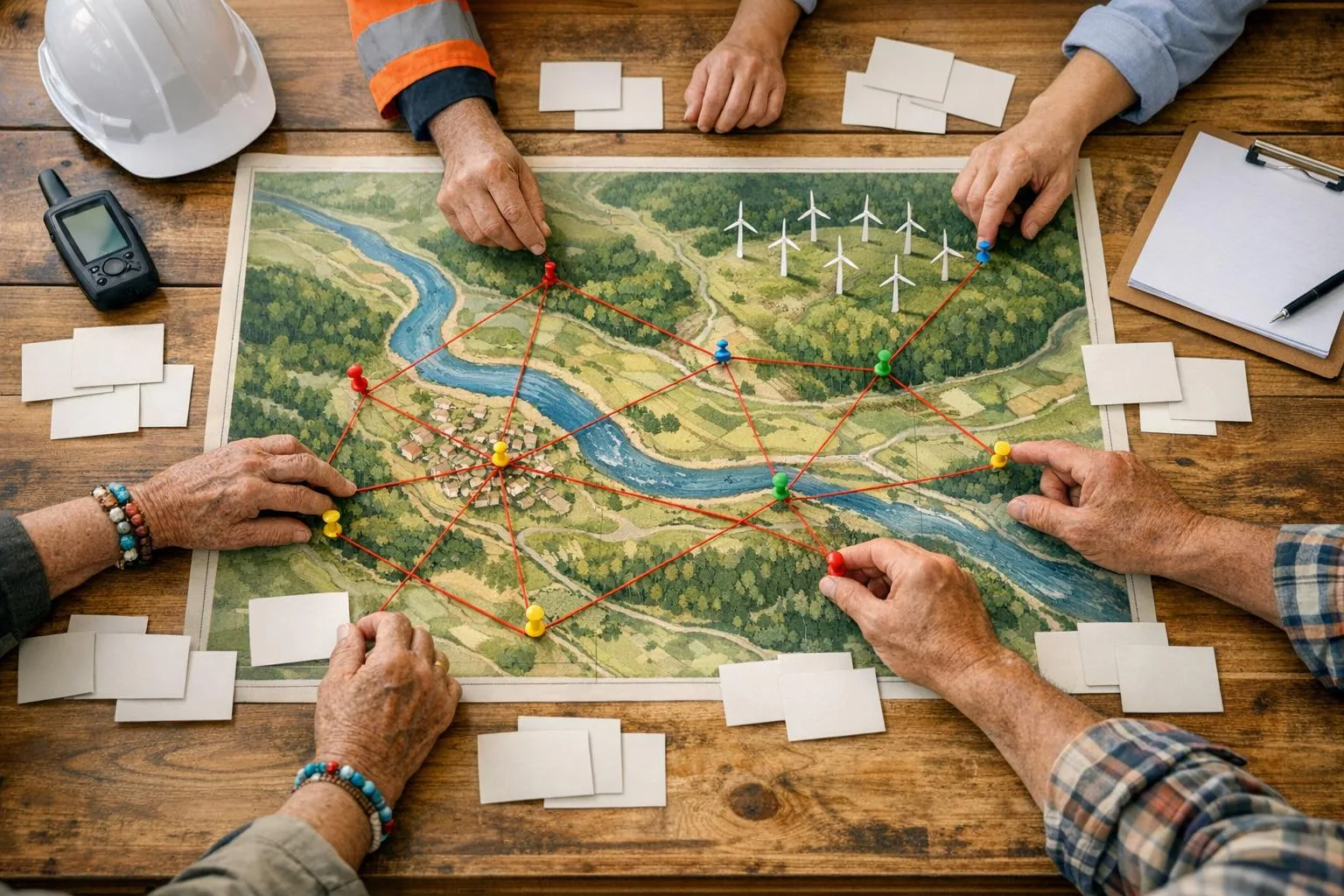
Stakeholder mapping transforms Environmental Impact Assessments (EIAs) into actionable tools that improve project outcomes by identifying and prioritizing those impacted or influencing a project. Key benefits include reducing conflicts, aligning priorities, and ensuring compliance. Studies show companies with effective stakeholder engagement report:
25% fewer operational disruptions caused by conflicts.
70% of disputes resolved early through better communication.
50% higher success rates in EIA outcomes with stronger compliance.
By categorizing stakeholders based on their influence, impact, and proximity, teams can address local concerns like water quality or land use, often overlooked without proper engagement. Tools like Power-Interest grids and newer frameworks, such as the 3i model, ensure marginalized groups are not ignored. Early and consistent engagement fosters trust, reduces delays, and leads to more balanced project decisions.
Stakeholder mapping is not just a procedural step - it’s a process that ensures projects meet real needs while mitigating risks.
What Is Stakeholder Mapping in EIA?
Defining Stakeholder Mapping
Stakeholder mapping in Environmental Impact Assessments (EIAs) is a systematic approach to identifying and evaluating the groups that either influence or are influenced by a project [4]. This process lays the groundwork for meaningful engagement, helping teams achieve better outcomes by ensuring all relevant voices are considered.
The method evaluates stakeholders across four key dimensions: power, impact, dependency, and proximity [4]. This analysis helps determine which stakeholders require engagement and the level of involvement needed.
Typically, stakeholders are grouped into three tiers. Tier 1 includes those with high influence and high impact, such as local community leaders or indigenous groups directly affected by land use. These stakeholders often need in-depth engagement through one-on-one discussions or collaborative workshops. Tier 2 consists of groups with either high influence or high impact, who are generally engaged via surveys or focus groups. Finally, Tier 3 encompasses stakeholders with lower influence and impact, who are kept informed through public reports [4].
This structured categorization ensures that engagement efforts are both targeted and effective, setting the stage for why stakeholder mapping is critical in EIAs.
Why Stakeholder Mapping Matters for EIA
One of the biggest challenges in EIAs is overcoming internal biases about what matters most [3]. For instance, while a project team might prioritize reducing carbon emissions, local communities may be more concerned with water quality or land use changes. Without proper stakeholder mapping, these misaligned priorities can lead to misunderstandings or even conflict.
Beyond aligning priorities, stakeholder mapping acts as an early warning system for potential risks and regulatory shifts [1]. Engaging the right stakeholders at the right level provides valuable, on-the-ground insights that desk research alone cannot uncover. These insights might include potential delays in obtaining permits or identifying areas of conflict before they intensify.
"Stakeholder engagement isn't a checkbox exercise - it's the foundation of credible sustainability strategy." - Council Fire Resources [1]
This quote highlights the importance of integrating stakeholder mapping into the EIA process. It not only helps manage risks effectively but also ensures compliance with regulatory frameworks like the GRI Standards, CSRD, and IFC Performance Standards [1]. By doing so, teams can build a more informed and credible approach to stakeholder engagement throughout the EIA process.
Research Findings: How Stakeholder Mapping Improves EIA Quality
Better EIA Reports
Environmental Impact Assessments (EIAs) lead to better decisions when they rely on detailed and balanced environmental data [5]. Studies of water and energy infrastructure projects highlight that effective stakeholder mapping ensures Environmental Impact Statements (EIS) maintain a balanced focus across various impact areas, signaling a thorough evaluation [5].
A key benefit of stakeholder engagement is uncovering local environmental knowledge that scientific studies might overlook [6]. Community members often provide insights into ecosystem behavior and historical land use that technical assessments miss. Incorporating this local expertise bridges gaps in the evaluation process, resulting in more thorough impact analyses and stronger mitigation strategies.
"Engaging stakeholders helps gather information about local environmental knowledge and concerns that may not be captured through scientific assessments alone. This inclusion leads to more informed and balanced decision-making." - Bode Thomas Adeyemi, PhD [6]
By integrating diverse perspectives, these assessments foster stronger stakeholder involvement in later project phases.
Stronger Stakeholder Participation
While stakeholder participation is widely supported in theory, research reveals its challenges. A 2019 text-mining study of infrastructure projects under the US National Environmental Policy Act (NEPA) found little to no shift in focus between draft and final EIS reports, even after receiving stakeholder feedback during review periods [5]. This suggests that traditional comment periods may not significantly influence project outcomes in some regulatory settings.
The timing and method of engagement are critical. Projects that incorporate stakeholder mapping during the scoping phase - before major decisions are finalized - achieve better outcomes [6]. Early involvement enables communities to shape project designs, such as relocating facilities or incorporating mitigation measures like underground parking to minimize surface impacts [6]. This proactive approach not only builds trust but also proves that stakeholder input genuinely shapes project decisions, rather than being a mere procedural step after plans are set.
Balanced environmental reporting combined with early, meaningful stakeholder engagement significantly improves EIA outcomes [6].
Benefits of Stakeholder Mapping in EIA
Better Decisions Through Local Knowledge
Stakeholder mapping identifies local stakeholders who bring invaluable historical and cultural insights that technical assessments might miss [6]. This local expertise bridges critical gaps, resulting in project outcomes that are both practical and community-focused.
For instance, a private health services company planning a medical facility in an underserved urban area used Power/Interest grids to map stakeholders during the design phase. Community feedback gathered from this process led to design changes, such as adding a large underground parking area with dual-street access. This adjustment balanced technical needs with community concerns, reducing traffic impacts on nearby residents [8]. This example highlights how integrating local knowledge can create solutions that benefit both developers and communities.
Conflict Prevention and Clear Communication
Identifying stakeholders early enables project teams to spot potential challenges before they escalate into major risks [7]. By addressing areas of concern or opposition during the planning stage, developers can avoid communication breakdowns and costly delays.
"Stakeholder mapping is the cornerstone that will help you enhance engagement with strategic insights." - Patrick Grégoire, Boreal-is [7]
Effective stakeholder mapping also minimizes the risk of work stoppages or reputational damage, which often occur when influential groups are overlooked [7]. By categorizing stakeholders based on their influence and interest, teams can allocate resources wisely, prioritizing those who have the most significant impact or are most affected by the project [7][8]. These strategies create a solid foundation for ongoing engagement and monitoring throughout the project.
Long-Term Project Monitoring
Stakeholder mapping plays a critical role in adaptive management over the life of a project [6]. It helps identify groups - such as local residents or indigenous communities - who are well-positioned to verify whether reported environmental impacts align with their lived experiences [4].
"Engaging stakeholders in monitoring processes will ensure that promised mitigation measures are effectively implemented and that communities can hold developers accountable." - Bode Thomas Adeyemi, PhD [6]
Periodic remapping ensures that shifts in stakeholder influence and interest are tracked over time [7]. This ongoing process builds on initial inputs, ensuring long-term credibility and accountability. Stakeholders can report non-compliance with agreed mitigation measures, helping to maintain transparency [6][7]. Experts recommend conducting full stakeholder engagement cycles tied to materiality assessments every 2-3 years to sustain these relationships [4].
Stakeholder Mapping Methods and Tools
Influence-Interest Grids
The Power-Interest Grid has long been a go-to tool in stakeholder mapping for Environmental Impact Assessment (EIA) processes. This four-quadrant matrix helps map stakeholders by assessing two key factors: their level of interest - how much the project affects them - and their influence - how much they can shape the project's outcome [10].
This approach aligns with the tiered structure often used to categorize stakeholders, allowing project teams to tailor their engagement strategies effectively [4]. However, traditional grids have a notable shortcoming. Studies reveal that these grids often prioritize influential stakeholders while sidelining marginalized groups. These disenfranchised communities, though heavily impacted by projects, frequently lack the influence to advocate for their needs [11]. The newer 3i Framework seeks to address this inequality by introducing a third dimension, Impact, alongside Interest and Influence. This addition ensures that vulnerable populations are given due attention, even if they lack significant power within the system [11].
While grids are helpful for initial categorization, they’re not enough on their own. Maintaining active and ongoing engagement is equally critical.
Repeated and Inclusive Engagement
Stakeholder mapping isn’t a one-time task. Reassessing stakeholders periodically is essential, as their roles, interests, and influence can change over time [7][8]. Alarmingly, fewer than 20% of environmental management studies revisit stakeholder dynamics, missing valuable opportunities for adaptive management [9]. Regular updates to stakeholder maps can lead to more responsive and effective EIA processes.
Direct engagement with stakeholders should take precedence over relying solely on forums or project-specific meetings [4]. For groups that are harder to reach - such as indigenous populations, migrant workers, or elderly residents - partnering with trusted intermediaries like NGOs or community organizations can make a significant difference. When direct communication isn’t feasible, credible proxies such as trade unions or local representatives can provide critical insights [1][4].
"Stakeholder mapping is not a set and forget exercise... they're a powerful tool for monitoring change, especially when your stakeholder tools can track historical data like interest, influence, and impact over time."
– Allison Hendricks, Simply Stakeholders [8]
This kind of ongoing engagement not only strengthens adaptive management practices but also enhances the credibility of EIA processes.
Webinar- How to do Stakeholder Mapping?
EIA Outcomes: Low vs. High Stakeholder Engagement
Low vs High Stakeholder Engagement Impact on EIA Outcomes
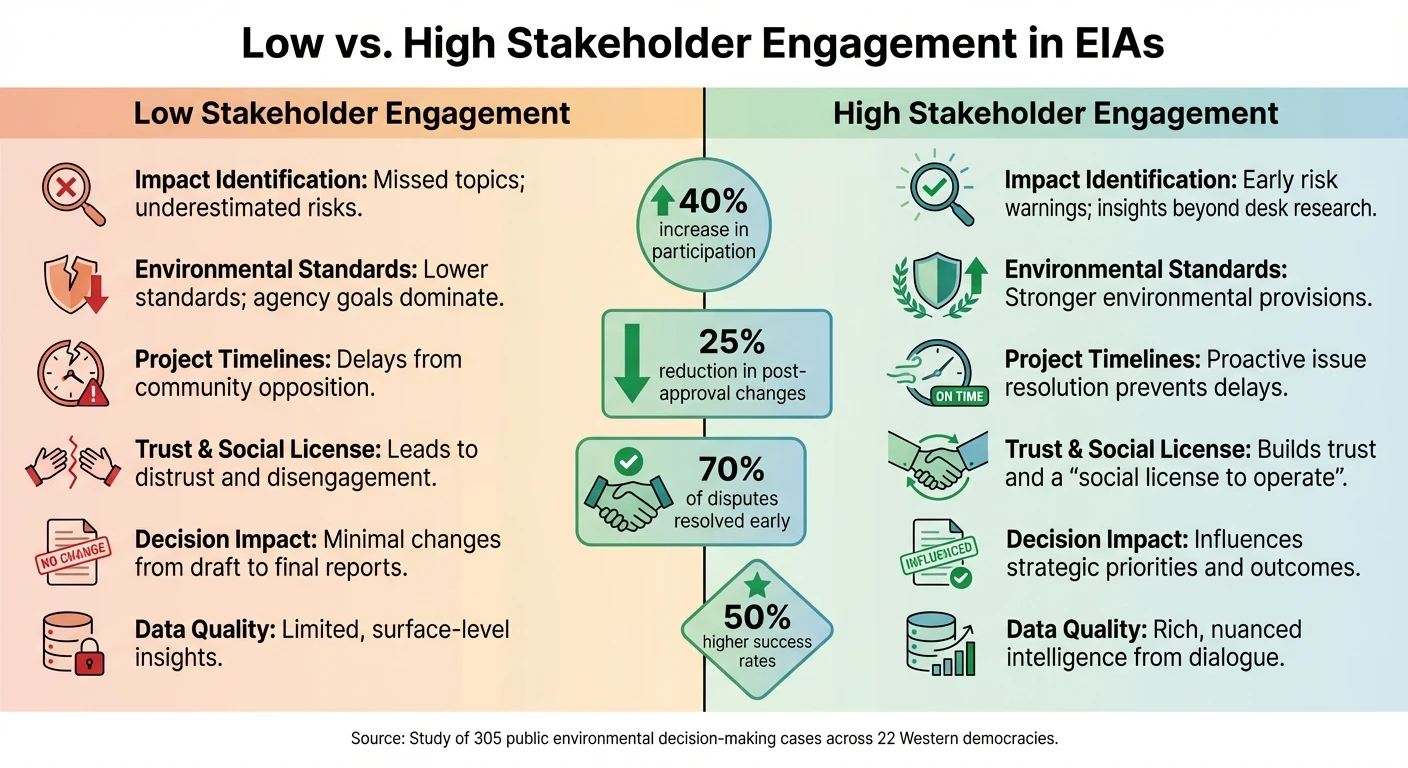
The contrast between low and high stakeholder engagement in Environmental Impact Assessments (EIAs) is striking. A study of 305 cases of public environmental decision-making across 22 Western democracies revealed that power delegation - the ability of stakeholders to influence decisions - is the most reliable predictor of strong environmental outcomes [12]. When engagement is reduced to a mere bureaucratic formality, the consequences are clear.
The impact of engagement levels on projects is profound. Limited stakeholder involvement often leads to overlooked issues, underestimated risks, and critical blind spots [4]. This lack of foresight frequently results in delays caused by community opposition - delays that could have been avoided with better communication. Additionally, when stakeholders feel excluded, trust erodes, making future collaboration less likely [1][4]. In contrast, meaningful engagement offers insights that go beyond what traditional research can uncover. It provides early warnings about potential risks, practical knowledge from frontline workers, and valuable community perspectives that help avoid costly setbacks [1].
"Organizations that approach stakeholder engagement strategically gain intelligence that desk research alone cannot provide - early warning signals on emerging risks, operational insights from frontline workers, [and] community perspectives that prevent project delays."
– Council Fire [1]
Strategic stakeholder engagement not only enhances planning but also delivers measurable financial and operational advantages. For instance, a multi-stakeholder coalition successfully leveraged high engagement to secure $280 million in coordinated investment for a regional climate initiative [1]. To achieve meaningful results, aiming for at least a 30% response rate in stakeholder surveys is recommended for statistical relevance [4]. Research consistently shows that both the intensity of communication and the delegation of power lead to higher conservation standards in finalized plans, agreements, and permits [12].
Comparison Table: Low vs. High Engagement
Feature | Low Stakeholder Engagement | High Stakeholder Engagement |
|---|---|---|
Impact Identification | Missed topics; underestimated risks [4] | Early risk warnings; insights beyond desk research [1] |
Environmental Standards | Lower standards; agency goals dominate [12] | Stronger environmental provisions [12] |
Project Timelines | Delays from community opposition [1] | Proactive issue resolution prevents delays [1] |
Trust & Social License | Leads to distrust and disengagement [1] | Builds trust and a "social license to operate" [4] |
Decision Impact | Minimal changes from draft to final reports [2] | Influences strategic priorities and outcomes [1] |
Data Quality | Limited, surface-level insights [1] | Rich, nuanced intelligence from dialogue [1] |
These findings underscore how effective stakeholder engagement can elevate both the quality of assessments and the overall decision-making process.
Conclusion
Research highlights how stakeholder mapping elevates Environmental Impact Assessments (EIAs) from routine tasks to strategic tools for decision-making. By methodically identifying and engaging stakeholders, projects can increase participation by up to 40%, cut post-approval changes by 25%, and resolve 70% of potential disputes. These efforts lead to EIAs achieving 50% higher success rates, with stronger long-term compliance and fewer revisions [13][14][15][16][17]. Tools like influence-interest grids offer a structured way to classify stakeholders, enabling targeted and consistent engagement [15]. The evidence clearly shows how stakeholder mapping strengthens EIAs, making them more effective and resilient against risks.
Building on these insights, Council Fire partners with governments and organizations to turn research-driven strategies into practical engagement plans. These plans aim to support climate resilience and foster regenerative infrastructure. Incorporating stakeholder mapping into every EIA phase shifts the process from mere regulatory compliance to meaningful collaboration.
When stakeholders are genuinely involved in decision-making, environmental standards rise, trust grows, and projects are more likely to succeed. Stakeholder mapping is a cornerstone of this process, laying the groundwork for EIAs that create enduring benefits for both communities and the environment. It underscores the critical role of integrating diverse perspectives into each stage of environmental planning.
FAQs
When should stakeholder mapping start in an EIA?
Stakeholder mapping is most effective when initiated early in the Environmental Impact Assessment (EIA) process, ideally right from the beginning. This early start allows for timely identification and engagement of all affected stakeholders, ensuring their perspectives and concerns can actively influence the assessment and decision-making process.
How do you avoid missing marginalized stakeholders?
To ensure marginalized stakeholders are not overlooked, start with a detailed stakeholder mapping process. This involves identifying all groups and communities impacted by your decisions. Engage these stakeholders actively through structured conversations, giving them a platform to share their perspectives. By incorporating their input into your decision-making, you align with established best practices in stakeholder engagement, paving the way for outcomes that are more inclusive and impactful.
How often should stakeholder maps be updated?
Stakeholder maps need regular updates to remain useful and accurate. These updates are especially important during key points in a project’s lifecycle or when major changes arise, such as adjustments to the project scope, evolving stakeholder priorities, or shifts in external conditions. By conducting periodic reviews, you ensure that the map stays aligned with current realities, helping to improve decision-making and project outcomes.
Related Blog Posts
Latest Articles
©2026

Narrative Change and Power Building: The Missing Half of Advocacy
Narrative change is the process of disrupting dominant narratives that normalize inequity and advancing new narratives from historically marginalized communities.

Funding Resilience Without Federal Grants
BRIC is unreliable and FEMA is shrinking. Here's how cities fund climate resilience with dedicated revenue, blended finance, and a coordinating authority.

The ESG Blind Spot: How AI Is Finding Risks in Companies Nobody Else Is Watching
Norway's sovereign wealth fund uses AI to screen 7,200 portfolio companies for forced labor and corruption within 24 hours. The real story is the emerging-market coverage gap that traditional ESG data vendors miss — and what it means for any company with a global supply chain.
Narrative Change and Power Building: The Missing Half of Advocacy
Narrative change is the process of disrupting dominant narratives that normalize inequity and advancing new narratives from historically marginalized communities.
Funding Resilience Without Federal Grants
BRIC is unreliable and FEMA is shrinking. Here's how cities fund climate resilience with dedicated revenue, blended finance, and a coordinating authority.
The ESG Blind Spot: How AI Is Finding Risks in Companies Nobody Else Is Watching
Norway's sovereign wealth fund uses AI to screen 7,200 portfolio companies for forced labor and corruption within 24 hours. The real story is the emerging-market coverage gap that traditional ESG data vendors miss — and what it means for any company with a global supply chain.
FAQ
01
What does it really mean to “redefine profit”?
02
What makes Council Fire different?
03
Who does Council Fire work with?
04
What does working with Council Fire actually look like?
05
How does Council Fire help organizations turn big goals into action?
06
How does Council Fire define and measure success?
07
How does technology fit into Council Fire’s work?
Apr 8, 2026
How Stakeholder Mapping Improves EIA Outcomes
Sustainability Strategy
In This Article
Stakeholder mapping in EIAs reduces conflicts, reveals local knowledge, improves compliance, and speeds decisions.
How Stakeholder Mapping Improves EIA Outcomes
Stakeholder mapping transforms Environmental Impact Assessments (EIAs) into actionable tools that improve project outcomes by identifying and prioritizing those impacted or influencing a project. Key benefits include reducing conflicts, aligning priorities, and ensuring compliance. Studies show companies with effective stakeholder engagement report:
25% fewer operational disruptions caused by conflicts.
70% of disputes resolved early through better communication.
50% higher success rates in EIA outcomes with stronger compliance.
By categorizing stakeholders based on their influence, impact, and proximity, teams can address local concerns like water quality or land use, often overlooked without proper engagement. Tools like Power-Interest grids and newer frameworks, such as the 3i model, ensure marginalized groups are not ignored. Early and consistent engagement fosters trust, reduces delays, and leads to more balanced project decisions.
Stakeholder mapping is not just a procedural step - it’s a process that ensures projects meet real needs while mitigating risks.
What Is Stakeholder Mapping in EIA?
Defining Stakeholder Mapping
Stakeholder mapping in Environmental Impact Assessments (EIAs) is a systematic approach to identifying and evaluating the groups that either influence or are influenced by a project [4]. This process lays the groundwork for meaningful engagement, helping teams achieve better outcomes by ensuring all relevant voices are considered.
The method evaluates stakeholders across four key dimensions: power, impact, dependency, and proximity [4]. This analysis helps determine which stakeholders require engagement and the level of involvement needed.
Typically, stakeholders are grouped into three tiers. Tier 1 includes those with high influence and high impact, such as local community leaders or indigenous groups directly affected by land use. These stakeholders often need in-depth engagement through one-on-one discussions or collaborative workshops. Tier 2 consists of groups with either high influence or high impact, who are generally engaged via surveys or focus groups. Finally, Tier 3 encompasses stakeholders with lower influence and impact, who are kept informed through public reports [4].
This structured categorization ensures that engagement efforts are both targeted and effective, setting the stage for why stakeholder mapping is critical in EIAs.
Why Stakeholder Mapping Matters for EIA
One of the biggest challenges in EIAs is overcoming internal biases about what matters most [3]. For instance, while a project team might prioritize reducing carbon emissions, local communities may be more concerned with water quality or land use changes. Without proper stakeholder mapping, these misaligned priorities can lead to misunderstandings or even conflict.
Beyond aligning priorities, stakeholder mapping acts as an early warning system for potential risks and regulatory shifts [1]. Engaging the right stakeholders at the right level provides valuable, on-the-ground insights that desk research alone cannot uncover. These insights might include potential delays in obtaining permits or identifying areas of conflict before they intensify.
"Stakeholder engagement isn't a checkbox exercise - it's the foundation of credible sustainability strategy." - Council Fire Resources [1]
This quote highlights the importance of integrating stakeholder mapping into the EIA process. It not only helps manage risks effectively but also ensures compliance with regulatory frameworks like the GRI Standards, CSRD, and IFC Performance Standards [1]. By doing so, teams can build a more informed and credible approach to stakeholder engagement throughout the EIA process.
Research Findings: How Stakeholder Mapping Improves EIA Quality
Better EIA Reports
Environmental Impact Assessments (EIAs) lead to better decisions when they rely on detailed and balanced environmental data [5]. Studies of water and energy infrastructure projects highlight that effective stakeholder mapping ensures Environmental Impact Statements (EIS) maintain a balanced focus across various impact areas, signaling a thorough evaluation [5].
A key benefit of stakeholder engagement is uncovering local environmental knowledge that scientific studies might overlook [6]. Community members often provide insights into ecosystem behavior and historical land use that technical assessments miss. Incorporating this local expertise bridges gaps in the evaluation process, resulting in more thorough impact analyses and stronger mitigation strategies.
"Engaging stakeholders helps gather information about local environmental knowledge and concerns that may not be captured through scientific assessments alone. This inclusion leads to more informed and balanced decision-making." - Bode Thomas Adeyemi, PhD [6]
By integrating diverse perspectives, these assessments foster stronger stakeholder involvement in later project phases.
Stronger Stakeholder Participation
While stakeholder participation is widely supported in theory, research reveals its challenges. A 2019 text-mining study of infrastructure projects under the US National Environmental Policy Act (NEPA) found little to no shift in focus between draft and final EIS reports, even after receiving stakeholder feedback during review periods [5]. This suggests that traditional comment periods may not significantly influence project outcomes in some regulatory settings.
The timing and method of engagement are critical. Projects that incorporate stakeholder mapping during the scoping phase - before major decisions are finalized - achieve better outcomes [6]. Early involvement enables communities to shape project designs, such as relocating facilities or incorporating mitigation measures like underground parking to minimize surface impacts [6]. This proactive approach not only builds trust but also proves that stakeholder input genuinely shapes project decisions, rather than being a mere procedural step after plans are set.
Balanced environmental reporting combined with early, meaningful stakeholder engagement significantly improves EIA outcomes [6].
Benefits of Stakeholder Mapping in EIA
Better Decisions Through Local Knowledge
Stakeholder mapping identifies local stakeholders who bring invaluable historical and cultural insights that technical assessments might miss [6]. This local expertise bridges critical gaps, resulting in project outcomes that are both practical and community-focused.
For instance, a private health services company planning a medical facility in an underserved urban area used Power/Interest grids to map stakeholders during the design phase. Community feedback gathered from this process led to design changes, such as adding a large underground parking area with dual-street access. This adjustment balanced technical needs with community concerns, reducing traffic impacts on nearby residents [8]. This example highlights how integrating local knowledge can create solutions that benefit both developers and communities.
Conflict Prevention and Clear Communication
Identifying stakeholders early enables project teams to spot potential challenges before they escalate into major risks [7]. By addressing areas of concern or opposition during the planning stage, developers can avoid communication breakdowns and costly delays.
"Stakeholder mapping is the cornerstone that will help you enhance engagement with strategic insights." - Patrick Grégoire, Boreal-is [7]
Effective stakeholder mapping also minimizes the risk of work stoppages or reputational damage, which often occur when influential groups are overlooked [7]. By categorizing stakeholders based on their influence and interest, teams can allocate resources wisely, prioritizing those who have the most significant impact or are most affected by the project [7][8]. These strategies create a solid foundation for ongoing engagement and monitoring throughout the project.
Long-Term Project Monitoring
Stakeholder mapping plays a critical role in adaptive management over the life of a project [6]. It helps identify groups - such as local residents or indigenous communities - who are well-positioned to verify whether reported environmental impacts align with their lived experiences [4].
"Engaging stakeholders in monitoring processes will ensure that promised mitigation measures are effectively implemented and that communities can hold developers accountable." - Bode Thomas Adeyemi, PhD [6]
Periodic remapping ensures that shifts in stakeholder influence and interest are tracked over time [7]. This ongoing process builds on initial inputs, ensuring long-term credibility and accountability. Stakeholders can report non-compliance with agreed mitigation measures, helping to maintain transparency [6][7]. Experts recommend conducting full stakeholder engagement cycles tied to materiality assessments every 2-3 years to sustain these relationships [4].
Stakeholder Mapping Methods and Tools
Influence-Interest Grids
The Power-Interest Grid has long been a go-to tool in stakeholder mapping for Environmental Impact Assessment (EIA) processes. This four-quadrant matrix helps map stakeholders by assessing two key factors: their level of interest - how much the project affects them - and their influence - how much they can shape the project's outcome [10].
This approach aligns with the tiered structure often used to categorize stakeholders, allowing project teams to tailor their engagement strategies effectively [4]. However, traditional grids have a notable shortcoming. Studies reveal that these grids often prioritize influential stakeholders while sidelining marginalized groups. These disenfranchised communities, though heavily impacted by projects, frequently lack the influence to advocate for their needs [11]. The newer 3i Framework seeks to address this inequality by introducing a third dimension, Impact, alongside Interest and Influence. This addition ensures that vulnerable populations are given due attention, even if they lack significant power within the system [11].
While grids are helpful for initial categorization, they’re not enough on their own. Maintaining active and ongoing engagement is equally critical.
Repeated and Inclusive Engagement
Stakeholder mapping isn’t a one-time task. Reassessing stakeholders periodically is essential, as their roles, interests, and influence can change over time [7][8]. Alarmingly, fewer than 20% of environmental management studies revisit stakeholder dynamics, missing valuable opportunities for adaptive management [9]. Regular updates to stakeholder maps can lead to more responsive and effective EIA processes.
Direct engagement with stakeholders should take precedence over relying solely on forums or project-specific meetings [4]. For groups that are harder to reach - such as indigenous populations, migrant workers, or elderly residents - partnering with trusted intermediaries like NGOs or community organizations can make a significant difference. When direct communication isn’t feasible, credible proxies such as trade unions or local representatives can provide critical insights [1][4].
"Stakeholder mapping is not a set and forget exercise... they're a powerful tool for monitoring change, especially when your stakeholder tools can track historical data like interest, influence, and impact over time."
– Allison Hendricks, Simply Stakeholders [8]
This kind of ongoing engagement not only strengthens adaptive management practices but also enhances the credibility of EIA processes.
Webinar- How to do Stakeholder Mapping?
EIA Outcomes: Low vs. High Stakeholder Engagement
Low vs High Stakeholder Engagement Impact on EIA Outcomes
The contrast between low and high stakeholder engagement in Environmental Impact Assessments (EIAs) is striking. A study of 305 cases of public environmental decision-making across 22 Western democracies revealed that power delegation - the ability of stakeholders to influence decisions - is the most reliable predictor of strong environmental outcomes [12]. When engagement is reduced to a mere bureaucratic formality, the consequences are clear.
The impact of engagement levels on projects is profound. Limited stakeholder involvement often leads to overlooked issues, underestimated risks, and critical blind spots [4]. This lack of foresight frequently results in delays caused by community opposition - delays that could have been avoided with better communication. Additionally, when stakeholders feel excluded, trust erodes, making future collaboration less likely [1][4]. In contrast, meaningful engagement offers insights that go beyond what traditional research can uncover. It provides early warnings about potential risks, practical knowledge from frontline workers, and valuable community perspectives that help avoid costly setbacks [1].
"Organizations that approach stakeholder engagement strategically gain intelligence that desk research alone cannot provide - early warning signals on emerging risks, operational insights from frontline workers, [and] community perspectives that prevent project delays."
– Council Fire [1]
Strategic stakeholder engagement not only enhances planning but also delivers measurable financial and operational advantages. For instance, a multi-stakeholder coalition successfully leveraged high engagement to secure $280 million in coordinated investment for a regional climate initiative [1]. To achieve meaningful results, aiming for at least a 30% response rate in stakeholder surveys is recommended for statistical relevance [4]. Research consistently shows that both the intensity of communication and the delegation of power lead to higher conservation standards in finalized plans, agreements, and permits [12].
Comparison Table: Low vs. High Engagement
Feature | Low Stakeholder Engagement | High Stakeholder Engagement |
|---|---|---|
Impact Identification | Missed topics; underestimated risks [4] | Early risk warnings; insights beyond desk research [1] |
Environmental Standards | Lower standards; agency goals dominate [12] | Stronger environmental provisions [12] |
Project Timelines | Delays from community opposition [1] | Proactive issue resolution prevents delays [1] |
Trust & Social License | Leads to distrust and disengagement [1] | Builds trust and a "social license to operate" [4] |
Decision Impact | Minimal changes from draft to final reports [2] | Influences strategic priorities and outcomes [1] |
Data Quality | Limited, surface-level insights [1] | Rich, nuanced intelligence from dialogue [1] |
These findings underscore how effective stakeholder engagement can elevate both the quality of assessments and the overall decision-making process.
Conclusion
Research highlights how stakeholder mapping elevates Environmental Impact Assessments (EIAs) from routine tasks to strategic tools for decision-making. By methodically identifying and engaging stakeholders, projects can increase participation by up to 40%, cut post-approval changes by 25%, and resolve 70% of potential disputes. These efforts lead to EIAs achieving 50% higher success rates, with stronger long-term compliance and fewer revisions [13][14][15][16][17]. Tools like influence-interest grids offer a structured way to classify stakeholders, enabling targeted and consistent engagement [15]. The evidence clearly shows how stakeholder mapping strengthens EIAs, making them more effective and resilient against risks.
Building on these insights, Council Fire partners with governments and organizations to turn research-driven strategies into practical engagement plans. These plans aim to support climate resilience and foster regenerative infrastructure. Incorporating stakeholder mapping into every EIA phase shifts the process from mere regulatory compliance to meaningful collaboration.
When stakeholders are genuinely involved in decision-making, environmental standards rise, trust grows, and projects are more likely to succeed. Stakeholder mapping is a cornerstone of this process, laying the groundwork for EIAs that create enduring benefits for both communities and the environment. It underscores the critical role of integrating diverse perspectives into each stage of environmental planning.
FAQs
When should stakeholder mapping start in an EIA?
Stakeholder mapping is most effective when initiated early in the Environmental Impact Assessment (EIA) process, ideally right from the beginning. This early start allows for timely identification and engagement of all affected stakeholders, ensuring their perspectives and concerns can actively influence the assessment and decision-making process.
How do you avoid missing marginalized stakeholders?
To ensure marginalized stakeholders are not overlooked, start with a detailed stakeholder mapping process. This involves identifying all groups and communities impacted by your decisions. Engage these stakeholders actively through structured conversations, giving them a platform to share their perspectives. By incorporating their input into your decision-making, you align with established best practices in stakeholder engagement, paving the way for outcomes that are more inclusive and impactful.
How often should stakeholder maps be updated?
Stakeholder maps need regular updates to remain useful and accurate. These updates are especially important during key points in a project’s lifecycle or when major changes arise, such as adjustments to the project scope, evolving stakeholder priorities, or shifts in external conditions. By conducting periodic reviews, you ensure that the map stays aligned with current realities, helping to improve decision-making and project outcomes.
Related Blog Posts
Latest Articles
©2026
Narrative Change and Power Building: The Missing Half of Advocacy
Narrative change is the process of disrupting dominant narratives that normalize inequity and advancing new narratives from historically marginalized communities.
Funding Resilience Without Federal Grants
BRIC is unreliable and FEMA is shrinking. Here's how cities fund climate resilience with dedicated revenue, blended finance, and a coordinating authority.
The ESG Blind Spot: How AI Is Finding Risks in Companies Nobody Else Is Watching
Norway's sovereign wealth fund uses AI to screen 7,200 portfolio companies for forced labor and corruption within 24 hours. The real story is the emerging-market coverage gap that traditional ESG data vendors miss — and what it means for any company with a global supply chain.
FAQ
01
What does it really mean to “redefine profit”?
02
What makes Council Fire different?
03
Who does Council Fire work with?
04
What does working with Council Fire actually look like?
05
How does Council Fire help organizations turn big goals into action?
06
How does Council Fire define and measure success?
07
How does technology fit into Council Fire’s work?
Apr 8, 2026
How Stakeholder Mapping Improves EIA Outcomes
Sustainability Strategy
In This Article
Stakeholder mapping in EIAs reduces conflicts, reveals local knowledge, improves compliance, and speeds decisions.
How Stakeholder Mapping Improves EIA Outcomes
Stakeholder mapping transforms Environmental Impact Assessments (EIAs) into actionable tools that improve project outcomes by identifying and prioritizing those impacted or influencing a project. Key benefits include reducing conflicts, aligning priorities, and ensuring compliance. Studies show companies with effective stakeholder engagement report:
25% fewer operational disruptions caused by conflicts.
70% of disputes resolved early through better communication.
50% higher success rates in EIA outcomes with stronger compliance.
By categorizing stakeholders based on their influence, impact, and proximity, teams can address local concerns like water quality or land use, often overlooked without proper engagement. Tools like Power-Interest grids and newer frameworks, such as the 3i model, ensure marginalized groups are not ignored. Early and consistent engagement fosters trust, reduces delays, and leads to more balanced project decisions.
Stakeholder mapping is not just a procedural step - it’s a process that ensures projects meet real needs while mitigating risks.
What Is Stakeholder Mapping in EIA?
Defining Stakeholder Mapping
Stakeholder mapping in Environmental Impact Assessments (EIAs) is a systematic approach to identifying and evaluating the groups that either influence or are influenced by a project [4]. This process lays the groundwork for meaningful engagement, helping teams achieve better outcomes by ensuring all relevant voices are considered.
The method evaluates stakeholders across four key dimensions: power, impact, dependency, and proximity [4]. This analysis helps determine which stakeholders require engagement and the level of involvement needed.
Typically, stakeholders are grouped into three tiers. Tier 1 includes those with high influence and high impact, such as local community leaders or indigenous groups directly affected by land use. These stakeholders often need in-depth engagement through one-on-one discussions or collaborative workshops. Tier 2 consists of groups with either high influence or high impact, who are generally engaged via surveys or focus groups. Finally, Tier 3 encompasses stakeholders with lower influence and impact, who are kept informed through public reports [4].
This structured categorization ensures that engagement efforts are both targeted and effective, setting the stage for why stakeholder mapping is critical in EIAs.
Why Stakeholder Mapping Matters for EIA
One of the biggest challenges in EIAs is overcoming internal biases about what matters most [3]. For instance, while a project team might prioritize reducing carbon emissions, local communities may be more concerned with water quality or land use changes. Without proper stakeholder mapping, these misaligned priorities can lead to misunderstandings or even conflict.
Beyond aligning priorities, stakeholder mapping acts as an early warning system for potential risks and regulatory shifts [1]. Engaging the right stakeholders at the right level provides valuable, on-the-ground insights that desk research alone cannot uncover. These insights might include potential delays in obtaining permits or identifying areas of conflict before they intensify.
"Stakeholder engagement isn't a checkbox exercise - it's the foundation of credible sustainability strategy." - Council Fire Resources [1]
This quote highlights the importance of integrating stakeholder mapping into the EIA process. It not only helps manage risks effectively but also ensures compliance with regulatory frameworks like the GRI Standards, CSRD, and IFC Performance Standards [1]. By doing so, teams can build a more informed and credible approach to stakeholder engagement throughout the EIA process.
Research Findings: How Stakeholder Mapping Improves EIA Quality
Better EIA Reports
Environmental Impact Assessments (EIAs) lead to better decisions when they rely on detailed and balanced environmental data [5]. Studies of water and energy infrastructure projects highlight that effective stakeholder mapping ensures Environmental Impact Statements (EIS) maintain a balanced focus across various impact areas, signaling a thorough evaluation [5].
A key benefit of stakeholder engagement is uncovering local environmental knowledge that scientific studies might overlook [6]. Community members often provide insights into ecosystem behavior and historical land use that technical assessments miss. Incorporating this local expertise bridges gaps in the evaluation process, resulting in more thorough impact analyses and stronger mitigation strategies.
"Engaging stakeholders helps gather information about local environmental knowledge and concerns that may not be captured through scientific assessments alone. This inclusion leads to more informed and balanced decision-making." - Bode Thomas Adeyemi, PhD [6]
By integrating diverse perspectives, these assessments foster stronger stakeholder involvement in later project phases.
Stronger Stakeholder Participation
While stakeholder participation is widely supported in theory, research reveals its challenges. A 2019 text-mining study of infrastructure projects under the US National Environmental Policy Act (NEPA) found little to no shift in focus between draft and final EIS reports, even after receiving stakeholder feedback during review periods [5]. This suggests that traditional comment periods may not significantly influence project outcomes in some regulatory settings.
The timing and method of engagement are critical. Projects that incorporate stakeholder mapping during the scoping phase - before major decisions are finalized - achieve better outcomes [6]. Early involvement enables communities to shape project designs, such as relocating facilities or incorporating mitigation measures like underground parking to minimize surface impacts [6]. This proactive approach not only builds trust but also proves that stakeholder input genuinely shapes project decisions, rather than being a mere procedural step after plans are set.
Balanced environmental reporting combined with early, meaningful stakeholder engagement significantly improves EIA outcomes [6].
Benefits of Stakeholder Mapping in EIA
Better Decisions Through Local Knowledge
Stakeholder mapping identifies local stakeholders who bring invaluable historical and cultural insights that technical assessments might miss [6]. This local expertise bridges critical gaps, resulting in project outcomes that are both practical and community-focused.
For instance, a private health services company planning a medical facility in an underserved urban area used Power/Interest grids to map stakeholders during the design phase. Community feedback gathered from this process led to design changes, such as adding a large underground parking area with dual-street access. This adjustment balanced technical needs with community concerns, reducing traffic impacts on nearby residents [8]. This example highlights how integrating local knowledge can create solutions that benefit both developers and communities.
Conflict Prevention and Clear Communication
Identifying stakeholders early enables project teams to spot potential challenges before they escalate into major risks [7]. By addressing areas of concern or opposition during the planning stage, developers can avoid communication breakdowns and costly delays.
"Stakeholder mapping is the cornerstone that will help you enhance engagement with strategic insights." - Patrick Grégoire, Boreal-is [7]
Effective stakeholder mapping also minimizes the risk of work stoppages or reputational damage, which often occur when influential groups are overlooked [7]. By categorizing stakeholders based on their influence and interest, teams can allocate resources wisely, prioritizing those who have the most significant impact or are most affected by the project [7][8]. These strategies create a solid foundation for ongoing engagement and monitoring throughout the project.
Long-Term Project Monitoring
Stakeholder mapping plays a critical role in adaptive management over the life of a project [6]. It helps identify groups - such as local residents or indigenous communities - who are well-positioned to verify whether reported environmental impacts align with their lived experiences [4].
"Engaging stakeholders in monitoring processes will ensure that promised mitigation measures are effectively implemented and that communities can hold developers accountable." - Bode Thomas Adeyemi, PhD [6]
Periodic remapping ensures that shifts in stakeholder influence and interest are tracked over time [7]. This ongoing process builds on initial inputs, ensuring long-term credibility and accountability. Stakeholders can report non-compliance with agreed mitigation measures, helping to maintain transparency [6][7]. Experts recommend conducting full stakeholder engagement cycles tied to materiality assessments every 2-3 years to sustain these relationships [4].
Stakeholder Mapping Methods and Tools
Influence-Interest Grids
The Power-Interest Grid has long been a go-to tool in stakeholder mapping for Environmental Impact Assessment (EIA) processes. This four-quadrant matrix helps map stakeholders by assessing two key factors: their level of interest - how much the project affects them - and their influence - how much they can shape the project's outcome [10].
This approach aligns with the tiered structure often used to categorize stakeholders, allowing project teams to tailor their engagement strategies effectively [4]. However, traditional grids have a notable shortcoming. Studies reveal that these grids often prioritize influential stakeholders while sidelining marginalized groups. These disenfranchised communities, though heavily impacted by projects, frequently lack the influence to advocate for their needs [11]. The newer 3i Framework seeks to address this inequality by introducing a third dimension, Impact, alongside Interest and Influence. This addition ensures that vulnerable populations are given due attention, even if they lack significant power within the system [11].
While grids are helpful for initial categorization, they’re not enough on their own. Maintaining active and ongoing engagement is equally critical.
Repeated and Inclusive Engagement
Stakeholder mapping isn’t a one-time task. Reassessing stakeholders periodically is essential, as their roles, interests, and influence can change over time [7][8]. Alarmingly, fewer than 20% of environmental management studies revisit stakeholder dynamics, missing valuable opportunities for adaptive management [9]. Regular updates to stakeholder maps can lead to more responsive and effective EIA processes.
Direct engagement with stakeholders should take precedence over relying solely on forums or project-specific meetings [4]. For groups that are harder to reach - such as indigenous populations, migrant workers, or elderly residents - partnering with trusted intermediaries like NGOs or community organizations can make a significant difference. When direct communication isn’t feasible, credible proxies such as trade unions or local representatives can provide critical insights [1][4].
"Stakeholder mapping is not a set and forget exercise... they're a powerful tool for monitoring change, especially when your stakeholder tools can track historical data like interest, influence, and impact over time."
– Allison Hendricks, Simply Stakeholders [8]
This kind of ongoing engagement not only strengthens adaptive management practices but also enhances the credibility of EIA processes.
Webinar- How to do Stakeholder Mapping?
EIA Outcomes: Low vs. High Stakeholder Engagement
Low vs High Stakeholder Engagement Impact on EIA Outcomes
The contrast between low and high stakeholder engagement in Environmental Impact Assessments (EIAs) is striking. A study of 305 cases of public environmental decision-making across 22 Western democracies revealed that power delegation - the ability of stakeholders to influence decisions - is the most reliable predictor of strong environmental outcomes [12]. When engagement is reduced to a mere bureaucratic formality, the consequences are clear.
The impact of engagement levels on projects is profound. Limited stakeholder involvement often leads to overlooked issues, underestimated risks, and critical blind spots [4]. This lack of foresight frequently results in delays caused by community opposition - delays that could have been avoided with better communication. Additionally, when stakeholders feel excluded, trust erodes, making future collaboration less likely [1][4]. In contrast, meaningful engagement offers insights that go beyond what traditional research can uncover. It provides early warnings about potential risks, practical knowledge from frontline workers, and valuable community perspectives that help avoid costly setbacks [1].
"Organizations that approach stakeholder engagement strategically gain intelligence that desk research alone cannot provide - early warning signals on emerging risks, operational insights from frontline workers, [and] community perspectives that prevent project delays."
– Council Fire [1]
Strategic stakeholder engagement not only enhances planning but also delivers measurable financial and operational advantages. For instance, a multi-stakeholder coalition successfully leveraged high engagement to secure $280 million in coordinated investment for a regional climate initiative [1]. To achieve meaningful results, aiming for at least a 30% response rate in stakeholder surveys is recommended for statistical relevance [4]. Research consistently shows that both the intensity of communication and the delegation of power lead to higher conservation standards in finalized plans, agreements, and permits [12].
Comparison Table: Low vs. High Engagement
Feature | Low Stakeholder Engagement | High Stakeholder Engagement |
|---|---|---|
Impact Identification | Missed topics; underestimated risks [4] | Early risk warnings; insights beyond desk research [1] |
Environmental Standards | Lower standards; agency goals dominate [12] | Stronger environmental provisions [12] |
Project Timelines | Delays from community opposition [1] | Proactive issue resolution prevents delays [1] |
Trust & Social License | Leads to distrust and disengagement [1] | Builds trust and a "social license to operate" [4] |
Decision Impact | Minimal changes from draft to final reports [2] | Influences strategic priorities and outcomes [1] |
Data Quality | Limited, surface-level insights [1] | Rich, nuanced intelligence from dialogue [1] |
These findings underscore how effective stakeholder engagement can elevate both the quality of assessments and the overall decision-making process.
Conclusion
Research highlights how stakeholder mapping elevates Environmental Impact Assessments (EIAs) from routine tasks to strategic tools for decision-making. By methodically identifying and engaging stakeholders, projects can increase participation by up to 40%, cut post-approval changes by 25%, and resolve 70% of potential disputes. These efforts lead to EIAs achieving 50% higher success rates, with stronger long-term compliance and fewer revisions [13][14][15][16][17]. Tools like influence-interest grids offer a structured way to classify stakeholders, enabling targeted and consistent engagement [15]. The evidence clearly shows how stakeholder mapping strengthens EIAs, making them more effective and resilient against risks.
Building on these insights, Council Fire partners with governments and organizations to turn research-driven strategies into practical engagement plans. These plans aim to support climate resilience and foster regenerative infrastructure. Incorporating stakeholder mapping into every EIA phase shifts the process from mere regulatory compliance to meaningful collaboration.
When stakeholders are genuinely involved in decision-making, environmental standards rise, trust grows, and projects are more likely to succeed. Stakeholder mapping is a cornerstone of this process, laying the groundwork for EIAs that create enduring benefits for both communities and the environment. It underscores the critical role of integrating diverse perspectives into each stage of environmental planning.
FAQs
When should stakeholder mapping start in an EIA?
Stakeholder mapping is most effective when initiated early in the Environmental Impact Assessment (EIA) process, ideally right from the beginning. This early start allows for timely identification and engagement of all affected stakeholders, ensuring their perspectives and concerns can actively influence the assessment and decision-making process.
How do you avoid missing marginalized stakeholders?
To ensure marginalized stakeholders are not overlooked, start with a detailed stakeholder mapping process. This involves identifying all groups and communities impacted by your decisions. Engage these stakeholders actively through structured conversations, giving them a platform to share their perspectives. By incorporating their input into your decision-making, you align with established best practices in stakeholder engagement, paving the way for outcomes that are more inclusive and impactful.
How often should stakeholder maps be updated?
Stakeholder maps need regular updates to remain useful and accurate. These updates are especially important during key points in a project’s lifecycle or when major changes arise, such as adjustments to the project scope, evolving stakeholder priorities, or shifts in external conditions. By conducting periodic reviews, you ensure that the map stays aligned with current realities, helping to improve decision-making and project outcomes.
Related Blog Posts
Latest Articles
©2026
Narrative Change and Power Building: The Missing Half of Advocacy
Narrative change is the process of disrupting dominant narratives that normalize inequity and advancing new narratives from historically marginalized communities.
Funding Resilience Without Federal Grants
BRIC is unreliable and FEMA is shrinking. Here's how cities fund climate resilience with dedicated revenue, blended finance, and a coordinating authority.
The ESG Blind Spot: How AI Is Finding Risks in Companies Nobody Else Is Watching
Norway's sovereign wealth fund uses AI to screen 7,200 portfolio companies for forced labor and corruption within 24 hours. The real story is the emerging-market coverage gap that traditional ESG data vendors miss — and what it means for any company with a global supply chain.
FAQ
What does it really mean to “redefine profit”?
What makes Council Fire different?
Who does Council Fire work with?
What does working with Council Fire actually look like?
How does Council Fire help organizations turn big goals into action?
How does Council Fire define and measure success?
How does technology fit into Council Fire’s work?