Jun 8, 2026
Data Centers Are a Water Strategy Issue Now
Energy & Water Infrastructure

George Chmael II
Founder & CEO
In This Article
AI infrastructure is becoming a local water, energy, land use, and community governance issue. Communities can support digital growth without shifting hidden water and utility risks to residents.
Data Centers Are a Water Strategy Issue Now
Executive Summary
The AI infrastructure boom is no longer just a technology story. New data centers can bring investment and tax base, but they can also concentrate demand on water systems, electric grids, and public trust faster than local planning processes are built to absorb.
The management question is not whether communities should accept or reject every data center. The better question is whether the project can be planned with enough transparency, watershed context, ratepayer protection, and community benefit to strengthen the place around it.
For local governments, utilities, developers, and corporate buyers, the path forward is practical: disclose projected water and power needs early, evaluate peak-day impacts, avoid shifting costs to residents, prioritize reclaimed or non-potable water where feasible, and connect siting decisions to broader resilience plans. Digital infrastructure should not be built as if water and grid capacity are unlimited.
Why are data centers now a local infrastructure issue?
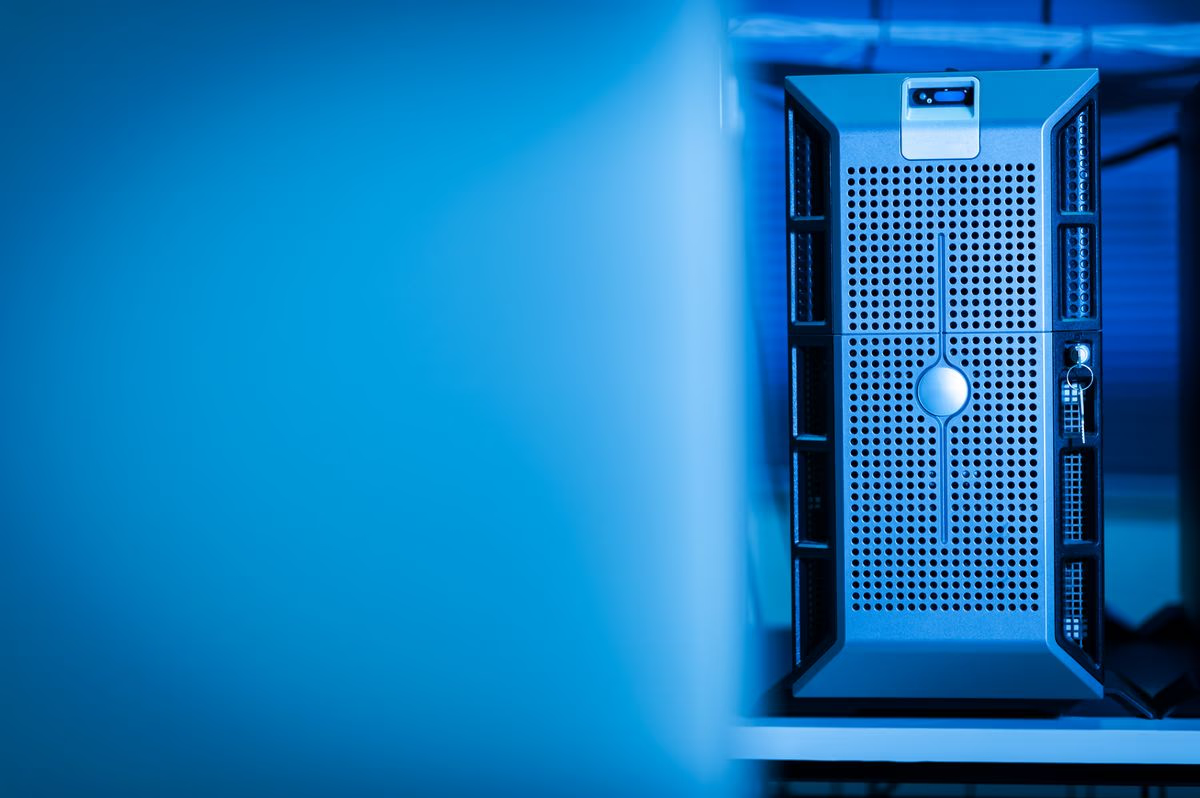
Data centers used to feel abstract to many communities. They were the hidden backbone of cloud storage, search, streaming, business software, and financial systems. AI changed the scale and speed of the conversation.
The International Energy Agency's 2026 analysis says electricity consumption from data centers could roughly double from 485 terawatt-hours in 2025 to 950 terawatt-hours in 2030, reaching about 3% of global electricity demand. In the United States, Berkeley Lab's 2024 data center energy report estimated that data centers used 176 terawatt-hours in 2023, or 4.4% of total U.S. electricity consumption, with scenarios reaching 325 to 580 terawatt-hours by 2028.
Those numbers are large, but local impacts do not arrive as national averages. They arrive as a new substation, a water main extension, a disputed tax incentive, a changed rate case, or a utility planning assumption that suddenly looks outdated. Data centers are infrastructure customers. In some places, they are becoming infrastructure-shaping customers.
Where does water enter the equation?
Servers create heat. Heat has to be managed. Some facilities use air cooling, some use evaporative cooling, some use liquid cooling, and many use combinations that change by climate, workload, cost, and design. The water footprint can be direct, from on-site cooling, and indirect, from the power plants that produce electricity for the facility.
That distinction keeps the public conversation honest. A facility with low direct water use may still drive water demand through electricity generation. A facility with high direct water use may reduce some energy demand in hot conditions. The goal is to understand the total water-energy tradeoff in the place where the project will operate.
The World Resources Institute recently noted that data center growth is reshaping local energy grids, water systems, and land use, often with limited public information about long-term impacts and benefits. WRI also highlighted that two-thirds of U.S. data centers built or in development since 2022 are in water-stressed areas. That does not mean every project is irresponsible. It does mean water stress should be treated as a starting condition, not an afterthought.
What are communities asking for?
A May 2026 Next 10 report on California data centers found that planned facilities are increasingly intersecting with regions facing water scarcity and environmental justice concerns. In the Potomac River basin, the Interstate Commission on the Potomac River Basin evaluated projected direct, on-site consumptive water use by data centers as part of regional water supply planning. These are not fringe debates. They are examples of the planning system catching up with a new class of high-intensity demand.
The questions are fair:
How much water will the facility use on an average day and on a peak day?
Will that water come from a drinking water system, groundwater, surface water, reclaimed wastewater, or another source?
Who pays for grid upgrades, water infrastructure, road changes, emergency services, and long-term maintenance?
What happens during drought, heat waves, outages, or competing emergency demands?
What local benefits are guaranteed, not simply promised in a press release?
These are governance questions and sustainability questions. If the answers are hidden behind nondisclosure agreements or scattered across disconnected approval processes, public trust erodes fast.
How should local leaders evaluate a proposed facility?
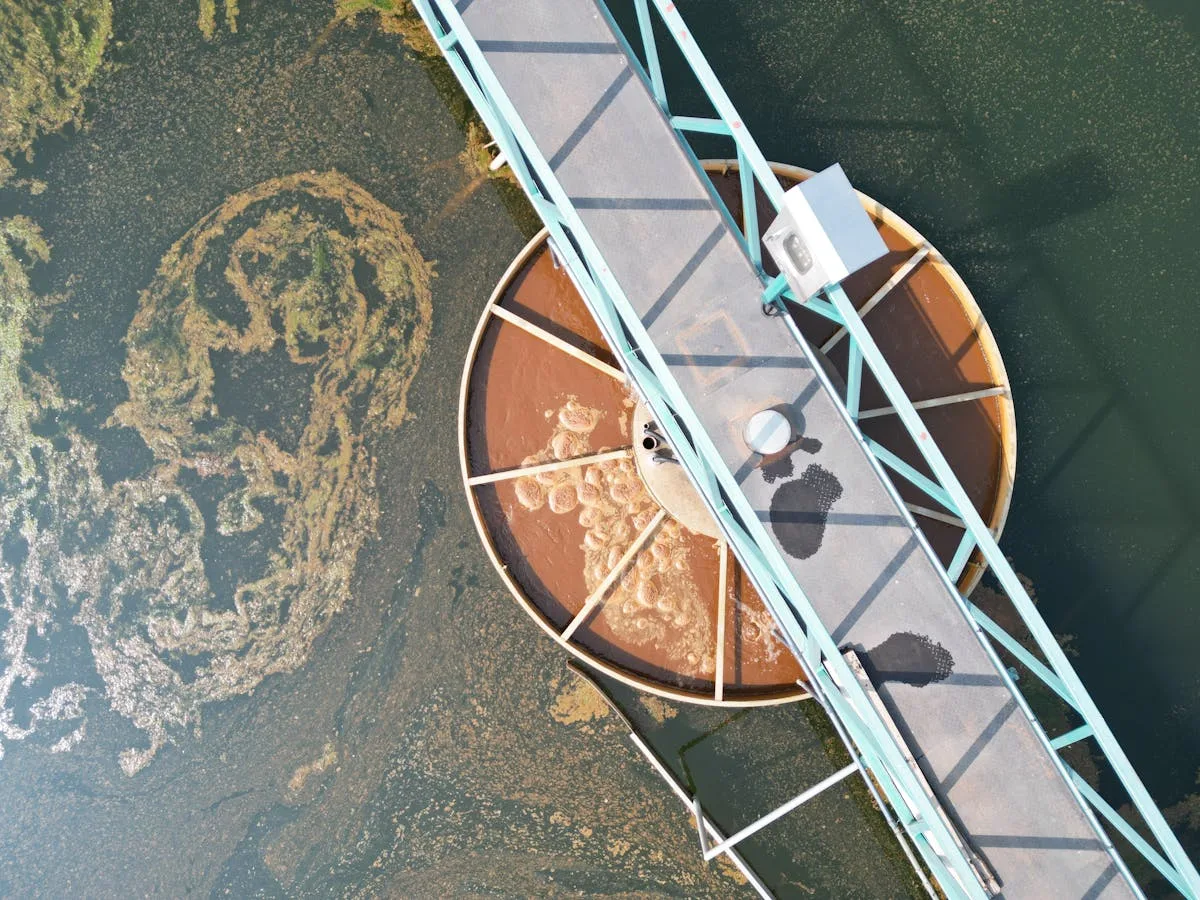
Start with capacity, then move to consequences. A water utility may be able to serve a facility under normal conditions but face stress during hot, dry periods when cooling demand and public water demand rise together. A better review asks how the project changes water demand, electricity demand, stormwater, land use, emergency response, public finance, and community priorities.
Council Fire has written before that water is where climate risk gets real. That principle applies here. The decisive issue is often not a global sustainability claim. It is whether a specific watershed, utility, and community can absorb a new load without creating hidden liabilities.
What should developers and corporate buyers do differently?
A stronger project package should include projected average and peak water use, electricity demand by phase, cooling technology assumptions, drought contingency plans, expected utility upgrades, ratepayer protections, backup power strategy, stormwater design, and a clear community benefit framework. It should also explain what will change if the facility shifts from conventional workloads to more power-dense AI workloads.
Corporate buyers can raise the floor by asking more from their cloud and colocation providers. Procurement teams should request site-level water and energy data, cooling approach, grid mix, renewable energy strategy, and local water risk context. Sustainability teams should not settle for portfolio-wide averages when the community impact is site-specific.
This is similar to the logic behind grid-enhancing technologies: infrastructure choices should be judged by how quickly, affordably, and responsibly they create capacity. If a data center requires major new capacity, it should help leave the local system stronger.
What does a practical water strategy include?
A practical water strategy for data center growth has five pieces.
Disclosure: Public agencies need projected and actual water use, including peak-day demand, source water, cooling technology, and drought operations.
Watershed context: Reviews should account for groundwater stress, surface water variability, climate projections, ecological needs, and competing municipal or agricultural demands.
Non-potable options: Reclaimed wastewater, closed-loop systems, dry cooling, and hybrid cooling should be evaluated honestly, with cost, energy, and reliability tradeoffs visible.
Cost allocation: Residents should not quietly absorb infrastructure costs created by large private loads. Utility upgrades, emergency capacity, and maintenance obligations need transparent financing.
Community accountability: Benefits should be measurable, locally relevant, and tracked over time, especially in communities already facing environmental or economic vulnerability.
None of this requires communities to become anti-technology. It requires them to become more disciplined infrastructure negotiators.
The bottom line
Data centers are physical infrastructure. They need land, power, water, roads, emergency response, financing, and public consent. Treating them as invisible digital assets misses the point.
The best communities will not be the ones that say yes the fastest or no the loudest. They will be the ones that ask sharper questions, require better information, negotiate from a systems view, and align digital growth with water security, grid reliability, climate goals, and community trust.
AI may be changing the economy. Water and infrastructure will decide where that change can actually work.
Related Resources
Water Is Where Climate Risk Gets Real explains why water exposure belongs at the center of climate and business planning.
Grid-Enhancing Technologies looks at practical ways to add grid capacity faster and more affordably.
Your Climate Data Strategy Can't Wait for Washington shows how organizations can make better decisions despite policy uncertainty.
Your City's Tree Planting Program Won't Cool It Down. Here's What Will. connects local resilience planning to heat, equity, and implementation capacity.
Sources
Lawrence Berkeley National Laboratory: 2024 United States Data Center Energy Usage Report
World Resources Institute: 7 Ways Data Centers Affect US Communities
Next 10: Data Center Development, Water Availability, and Environmental Justice in California
ICPRB: Data Centers and Water Use in the Potomac River Basin
FAQs
Are data centers always bad for water systems?
No. Impacts depend on location, water source, cooling technology, grid mix, utility capacity, drought risk, and project design. A responsible project can use reclaimed water, invest in infrastructure, reduce peak stress, and make its impacts transparent.
What should local governments require before approval?
They should require projected average and peak water use, electricity demand by phase, water source, drought operations, infrastructure cost allocation, cooling approach, emergency plans, and measurable community benefits.
Why does peak-day demand matter?
Average annual use can hide the stress that occurs during hot, dry periods. Peak-day demand is often when residents, utilities, ecosystems, and data centers need water and power at the same time.
How can companies buying cloud services reduce risk?
They can ask providers for site-level water and energy data, water risk assessments, cooling strategies, renewable energy details, and commitments to avoid shifting infrastructure costs to local residents.
What is the simplest principle for communities?
Do not approve digital infrastructure without understanding its physical infrastructure footprint. Land use, water, power, finance, and public trust all belong in the same decision.


Latest Articles
©2025
FAQ
01
What does it really mean to “redefine profit”?
02
What makes Council Fire different?
03
Who does Council Fire you work with?
04
What does working with Council Fire actually look like?
05
How does Council Fire help organizations turn big goals into action?
06
How does Council Fire define and measure success?


Jun 8, 2026
Data Centers Are a Water Strategy Issue Now
Energy & Water Infrastructure

George Chmael II
Founder & CEO
In This Article
AI infrastructure is becoming a local water, energy, land use, and community governance issue. Communities can support digital growth without shifting hidden water and utility risks to residents.
Data Centers Are a Water Strategy Issue Now
Executive Summary
The AI infrastructure boom is no longer just a technology story. New data centers can bring investment and tax base, but they can also concentrate demand on water systems, electric grids, and public trust faster than local planning processes are built to absorb.
The management question is not whether communities should accept or reject every data center. The better question is whether the project can be planned with enough transparency, watershed context, ratepayer protection, and community benefit to strengthen the place around it.
For local governments, utilities, developers, and corporate buyers, the path forward is practical: disclose projected water and power needs early, evaluate peak-day impacts, avoid shifting costs to residents, prioritize reclaimed or non-potable water where feasible, and connect siting decisions to broader resilience plans. Digital infrastructure should not be built as if water and grid capacity are unlimited.

Why are data centers now a local infrastructure issue?
Data centers used to feel abstract to many communities. They were the hidden backbone of cloud storage, search, streaming, business software, and financial systems. AI changed the scale and speed of the conversation.
The International Energy Agency's 2026 analysis says electricity consumption from data centers could roughly double from 485 terawatt-hours in 2025 to 950 terawatt-hours in 2030, reaching about 3% of global electricity demand. In the United States, Berkeley Lab's 2024 data center energy report estimated that data centers used 176 terawatt-hours in 2023, or 4.4% of total U.S. electricity consumption, with scenarios reaching 325 to 580 terawatt-hours by 2028.
Those numbers are large, but local impacts do not arrive as national averages. They arrive as a new substation, a water main extension, a disputed tax incentive, a changed rate case, or a utility planning assumption that suddenly looks outdated. Data centers are infrastructure customers. In some places, they are becoming infrastructure-shaping customers.
Where does water enter the equation?
Servers create heat. Heat has to be managed. Some facilities use air cooling, some use evaporative cooling, some use liquid cooling, and many use combinations that change by climate, workload, cost, and design. The water footprint can be direct, from on-site cooling, and indirect, from the power plants that produce electricity for the facility.
That distinction keeps the public conversation honest. A facility with low direct water use may still drive water demand through electricity generation. A facility with high direct water use may reduce some energy demand in hot conditions. The goal is to understand the total water-energy tradeoff in the place where the project will operate.
The World Resources Institute recently noted that data center growth is reshaping local energy grids, water systems, and land use, often with limited public information about long-term impacts and benefits. WRI also highlighted that two-thirds of U.S. data centers built or in development since 2022 are in water-stressed areas. That does not mean every project is irresponsible. It does mean water stress should be treated as a starting condition, not an afterthought.
What are communities asking for?
A May 2026 Next 10 report on California data centers found that planned facilities are increasingly intersecting with regions facing water scarcity and environmental justice concerns. In the Potomac River basin, the Interstate Commission on the Potomac River Basin evaluated projected direct, on-site consumptive water use by data centers as part of regional water supply planning. These are not fringe debates. They are examples of the planning system catching up with a new class of high-intensity demand.
The questions are fair:
How much water will the facility use on an average day and on a peak day?
Will that water come from a drinking water system, groundwater, surface water, reclaimed wastewater, or another source?
Who pays for grid upgrades, water infrastructure, road changes, emergency services, and long-term maintenance?
What happens during drought, heat waves, outages, or competing emergency demands?
What local benefits are guaranteed, not simply promised in a press release?
These are governance questions and sustainability questions. If the answers are hidden behind nondisclosure agreements or scattered across disconnected approval processes, public trust erodes fast.

How should local leaders evaluate a proposed facility?
Start with capacity, then move to consequences. A water utility may be able to serve a facility under normal conditions but face stress during hot, dry periods when cooling demand and public water demand rise together. A better review asks how the project changes water demand, electricity demand, stormwater, land use, emergency response, public finance, and community priorities.
Council Fire has written before that water is where climate risk gets real. That principle applies here. The decisive issue is often not a global sustainability claim. It is whether a specific watershed, utility, and community can absorb a new load without creating hidden liabilities.
What should developers and corporate buyers do differently?
A stronger project package should include projected average and peak water use, electricity demand by phase, cooling technology assumptions, drought contingency plans, expected utility upgrades, ratepayer protections, backup power strategy, stormwater design, and a clear community benefit framework. It should also explain what will change if the facility shifts from conventional workloads to more power-dense AI workloads.
Corporate buyers can raise the floor by asking more from their cloud and colocation providers. Procurement teams should request site-level water and energy data, cooling approach, grid mix, renewable energy strategy, and local water risk context. Sustainability teams should not settle for portfolio-wide averages when the community impact is site-specific.
This is similar to the logic behind grid-enhancing technologies: infrastructure choices should be judged by how quickly, affordably, and responsibly they create capacity. If a data center requires major new capacity, it should help leave the local system stronger.
What does a practical water strategy include?
A practical water strategy for data center growth has five pieces.
Disclosure: Public agencies need projected and actual water use, including peak-day demand, source water, cooling technology, and drought operations.
Watershed context: Reviews should account for groundwater stress, surface water variability, climate projections, ecological needs, and competing municipal or agricultural demands.
Non-potable options: Reclaimed wastewater, closed-loop systems, dry cooling, and hybrid cooling should be evaluated honestly, with cost, energy, and reliability tradeoffs visible.
Cost allocation: Residents should not quietly absorb infrastructure costs created by large private loads. Utility upgrades, emergency capacity, and maintenance obligations need transparent financing.
Community accountability: Benefits should be measurable, locally relevant, and tracked over time, especially in communities already facing environmental or economic vulnerability.
None of this requires communities to become anti-technology. It requires them to become more disciplined infrastructure negotiators.
The bottom line
Data centers are physical infrastructure. They need land, power, water, roads, emergency response, financing, and public consent. Treating them as invisible digital assets misses the point.
The best communities will not be the ones that say yes the fastest or no the loudest. They will be the ones that ask sharper questions, require better information, negotiate from a systems view, and align digital growth with water security, grid reliability, climate goals, and community trust.
AI may be changing the economy. Water and infrastructure will decide where that change can actually work.
Related Resources
Water Is Where Climate Risk Gets Real explains why water exposure belongs at the center of climate and business planning.
Grid-Enhancing Technologies looks at practical ways to add grid capacity faster and more affordably.
Your Climate Data Strategy Can't Wait for Washington shows how organizations can make better decisions despite policy uncertainty.
Your City's Tree Planting Program Won't Cool It Down. Here's What Will. connects local resilience planning to heat, equity, and implementation capacity.
Sources
Lawrence Berkeley National Laboratory: 2024 United States Data Center Energy Usage Report
World Resources Institute: 7 Ways Data Centers Affect US Communities
Next 10: Data Center Development, Water Availability, and Environmental Justice in California
ICPRB: Data Centers and Water Use in the Potomac River Basin
FAQs
Are data centers always bad for water systems?
No. Impacts depend on location, water source, cooling technology, grid mix, utility capacity, drought risk, and project design. A responsible project can use reclaimed water, invest in infrastructure, reduce peak stress, and make its impacts transparent.
What should local governments require before approval?
They should require projected average and peak water use, electricity demand by phase, water source, drought operations, infrastructure cost allocation, cooling approach, emergency plans, and measurable community benefits.
Why does peak-day demand matter?
Average annual use can hide the stress that occurs during hot, dry periods. Peak-day demand is often when residents, utilities, ecosystems, and data centers need water and power at the same time.
How can companies buying cloud services reduce risk?
They can ask providers for site-level water and energy data, water risk assessments, cooling strategies, renewable energy details, and commitments to avoid shifting infrastructure costs to local residents.
What is the simplest principle for communities?
Do not approve digital infrastructure without understanding its physical infrastructure footprint. Land use, water, power, finance, and public trust all belong in the same decision.
FAQ
01
What does it really mean to “redefine profit”?
02
What makes Council Fire different?
03
Who does Council Fire you work with?
04
What does working with Council Fire actually look like?
05
How does Council Fire help organizations turn big goals into action?
06
How does Council Fire define and measure success?


Jun 8, 2026
Data Centers Are a Water Strategy Issue Now
Energy & Water Infrastructure

George Chmael II
Founder & CEO
In This Article
AI infrastructure is becoming a local water, energy, land use, and community governance issue. Communities can support digital growth without shifting hidden water and utility risks to residents.
Data Centers Are a Water Strategy Issue Now
Executive Summary
The AI infrastructure boom is no longer just a technology story. New data centers can bring investment and tax base, but they can also concentrate demand on water systems, electric grids, and public trust faster than local planning processes are built to absorb.
The management question is not whether communities should accept or reject every data center. The better question is whether the project can be planned with enough transparency, watershed context, ratepayer protection, and community benefit to strengthen the place around it.
For local governments, utilities, developers, and corporate buyers, the path forward is practical: disclose projected water and power needs early, evaluate peak-day impacts, avoid shifting costs to residents, prioritize reclaimed or non-potable water where feasible, and connect siting decisions to broader resilience plans. Digital infrastructure should not be built as if water and grid capacity are unlimited.

Why are data centers now a local infrastructure issue?
Data centers used to feel abstract to many communities. They were the hidden backbone of cloud storage, search, streaming, business software, and financial systems. AI changed the scale and speed of the conversation.
The International Energy Agency's 2026 analysis says electricity consumption from data centers could roughly double from 485 terawatt-hours in 2025 to 950 terawatt-hours in 2030, reaching about 3% of global electricity demand. In the United States, Berkeley Lab's 2024 data center energy report estimated that data centers used 176 terawatt-hours in 2023, or 4.4% of total U.S. electricity consumption, with scenarios reaching 325 to 580 terawatt-hours by 2028.
Those numbers are large, but local impacts do not arrive as national averages. They arrive as a new substation, a water main extension, a disputed tax incentive, a changed rate case, or a utility planning assumption that suddenly looks outdated. Data centers are infrastructure customers. In some places, they are becoming infrastructure-shaping customers.
Where does water enter the equation?
Servers create heat. Heat has to be managed. Some facilities use air cooling, some use evaporative cooling, some use liquid cooling, and many use combinations that change by climate, workload, cost, and design. The water footprint can be direct, from on-site cooling, and indirect, from the power plants that produce electricity for the facility.
That distinction keeps the public conversation honest. A facility with low direct water use may still drive water demand through electricity generation. A facility with high direct water use may reduce some energy demand in hot conditions. The goal is to understand the total water-energy tradeoff in the place where the project will operate.
The World Resources Institute recently noted that data center growth is reshaping local energy grids, water systems, and land use, often with limited public information about long-term impacts and benefits. WRI also highlighted that two-thirds of U.S. data centers built or in development since 2022 are in water-stressed areas. That does not mean every project is irresponsible. It does mean water stress should be treated as a starting condition, not an afterthought.
What are communities asking for?
A May 2026 Next 10 report on California data centers found that planned facilities are increasingly intersecting with regions facing water scarcity and environmental justice concerns. In the Potomac River basin, the Interstate Commission on the Potomac River Basin evaluated projected direct, on-site consumptive water use by data centers as part of regional water supply planning. These are not fringe debates. They are examples of the planning system catching up with a new class of high-intensity demand.
The questions are fair:
How much water will the facility use on an average day and on a peak day?
Will that water come from a drinking water system, groundwater, surface water, reclaimed wastewater, or another source?
Who pays for grid upgrades, water infrastructure, road changes, emergency services, and long-term maintenance?
What happens during drought, heat waves, outages, or competing emergency demands?
What local benefits are guaranteed, not simply promised in a press release?
These are governance questions and sustainability questions. If the answers are hidden behind nondisclosure agreements or scattered across disconnected approval processes, public trust erodes fast.

How should local leaders evaluate a proposed facility?
Start with capacity, then move to consequences. A water utility may be able to serve a facility under normal conditions but face stress during hot, dry periods when cooling demand and public water demand rise together. A better review asks how the project changes water demand, electricity demand, stormwater, land use, emergency response, public finance, and community priorities.
Council Fire has written before that water is where climate risk gets real. That principle applies here. The decisive issue is often not a global sustainability claim. It is whether a specific watershed, utility, and community can absorb a new load without creating hidden liabilities.
What should developers and corporate buyers do differently?
A stronger project package should include projected average and peak water use, electricity demand by phase, cooling technology assumptions, drought contingency plans, expected utility upgrades, ratepayer protections, backup power strategy, stormwater design, and a clear community benefit framework. It should also explain what will change if the facility shifts from conventional workloads to more power-dense AI workloads.
Corporate buyers can raise the floor by asking more from their cloud and colocation providers. Procurement teams should request site-level water and energy data, cooling approach, grid mix, renewable energy strategy, and local water risk context. Sustainability teams should not settle for portfolio-wide averages when the community impact is site-specific.
This is similar to the logic behind grid-enhancing technologies: infrastructure choices should be judged by how quickly, affordably, and responsibly they create capacity. If a data center requires major new capacity, it should help leave the local system stronger.
What does a practical water strategy include?
A practical water strategy for data center growth has five pieces.
Disclosure: Public agencies need projected and actual water use, including peak-day demand, source water, cooling technology, and drought operations.
Watershed context: Reviews should account for groundwater stress, surface water variability, climate projections, ecological needs, and competing municipal or agricultural demands.
Non-potable options: Reclaimed wastewater, closed-loop systems, dry cooling, and hybrid cooling should be evaluated honestly, with cost, energy, and reliability tradeoffs visible.
Cost allocation: Residents should not quietly absorb infrastructure costs created by large private loads. Utility upgrades, emergency capacity, and maintenance obligations need transparent financing.
Community accountability: Benefits should be measurable, locally relevant, and tracked over time, especially in communities already facing environmental or economic vulnerability.
None of this requires communities to become anti-technology. It requires them to become more disciplined infrastructure negotiators.
The bottom line
Data centers are physical infrastructure. They need land, power, water, roads, emergency response, financing, and public consent. Treating them as invisible digital assets misses the point.
The best communities will not be the ones that say yes the fastest or no the loudest. They will be the ones that ask sharper questions, require better information, negotiate from a systems view, and align digital growth with water security, grid reliability, climate goals, and community trust.
AI may be changing the economy. Water and infrastructure will decide where that change can actually work.
Related Resources
Water Is Where Climate Risk Gets Real explains why water exposure belongs at the center of climate and business planning.
Grid-Enhancing Technologies looks at practical ways to add grid capacity faster and more affordably.
Your Climate Data Strategy Can't Wait for Washington shows how organizations can make better decisions despite policy uncertainty.
Your City's Tree Planting Program Won't Cool It Down. Here's What Will. connects local resilience planning to heat, equity, and implementation capacity.
Sources
Lawrence Berkeley National Laboratory: 2024 United States Data Center Energy Usage Report
World Resources Institute: 7 Ways Data Centers Affect US Communities
Next 10: Data Center Development, Water Availability, and Environmental Justice in California
ICPRB: Data Centers and Water Use in the Potomac River Basin
FAQs
Are data centers always bad for water systems?
No. Impacts depend on location, water source, cooling technology, grid mix, utility capacity, drought risk, and project design. A responsible project can use reclaimed water, invest in infrastructure, reduce peak stress, and make its impacts transparent.
What should local governments require before approval?
They should require projected average and peak water use, electricity demand by phase, water source, drought operations, infrastructure cost allocation, cooling approach, emergency plans, and measurable community benefits.
Why does peak-day demand matter?
Average annual use can hide the stress that occurs during hot, dry periods. Peak-day demand is often when residents, utilities, ecosystems, and data centers need water and power at the same time.
How can companies buying cloud services reduce risk?
They can ask providers for site-level water and energy data, water risk assessments, cooling strategies, renewable energy details, and commitments to avoid shifting infrastructure costs to local residents.
What is the simplest principle for communities?
Do not approve digital infrastructure without understanding its physical infrastructure footprint. Land use, water, power, finance, and public trust all belong in the same decision.

FAQ
What does it really mean to “redefine profit”?
What makes Council Fire different?
Who does Council Fire you work with?
What does working with Council Fire actually look like?
How does Council Fire help organizations turn big goals into action?
How does Council Fire define and measure success?